
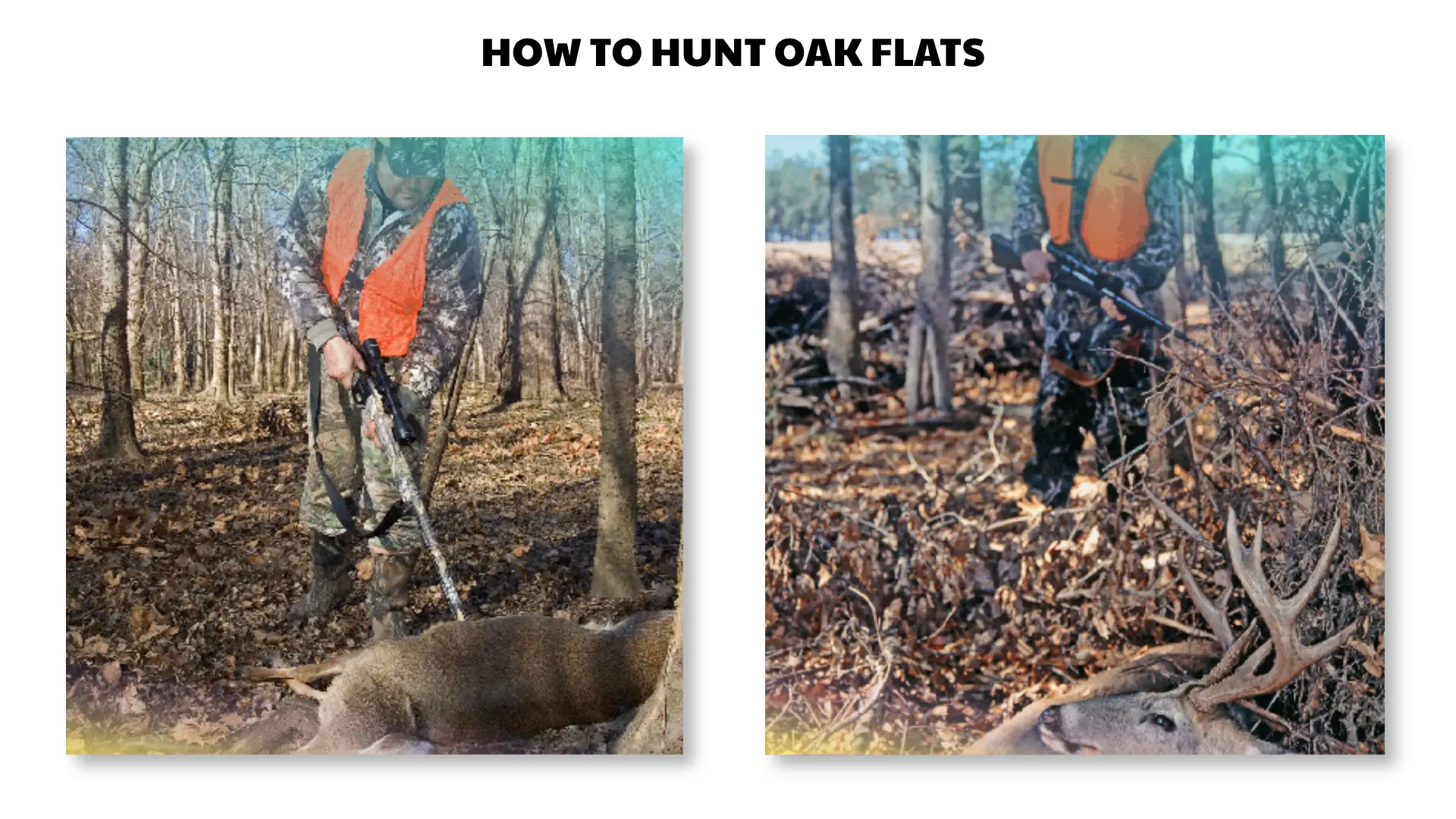

How to find productive acorn trees, read fresh deer sign, plan for wind and access, choose a safe setup, handle hunting pressure, and make legal, conservation-minded decisions.
Quick Answer
To hunt oak flats, first verify current licenses, tags, season dates, legal methods, access, and reporting rules. Scout for oak trees that are dropping fresh acorns and confirm current deer use through tracks, droppings, opened shells, disturbed leaves, and connecting trails. Set up downwind with a quiet entry route, secure background, and a position between active feeding and nearby cover rather than assuming the center of the flat is always best. Take only a clearly identified, legal, ethical opportunity within your practiced ability.
Important Legal and Safety Notice Before You Hunt
Hunting laws vary by country, state, province, county, species, season, weapon, land type, and property. Check the official wildlife agency and land manager before every hunt.
- Carry the required hunting license, permits, tags, and hunter-education proof.
- Confirm season dates, legal hours, bag limits, antler or sex restrictions, and harvest reporting.
- Use only legal weapons, ammunition, archery equipment, and hunting methods.
- Verify public boundaries or obtain clear private-land permission.
- Wear required visibility clothing.
- Identify the target and know what is beyond it.
- Never shoot toward roads, trails, homes, vehicles, livestock, people, or unclear movement.
- Use a full-body harness and manufacturer-approved system for elevated stands.
Species and Regional Scope
The phrase “oak flats” can describe different habitats. In much of North America, the main search intent is hunting deer around acorn-producing hardwoods. Oak flats may also attract turkey, hogs, bears, and small game where legal.
This article does not provide season dates, bag limits, weapon rules, baiting rules, or universal oak preferences because they vary. Use local agency publications, a hunter education course, an experienced ethical mentor, and current field observations.
Understanding Oak Flats and Deer Use
An oak flat is a level or gently rolling stand where oaks form a major part of the canopy. The flat may sit on a ridge, bench, terrace, bottomland, or broad upland. Its hunting value comes from more than the number of oak trees.
Food
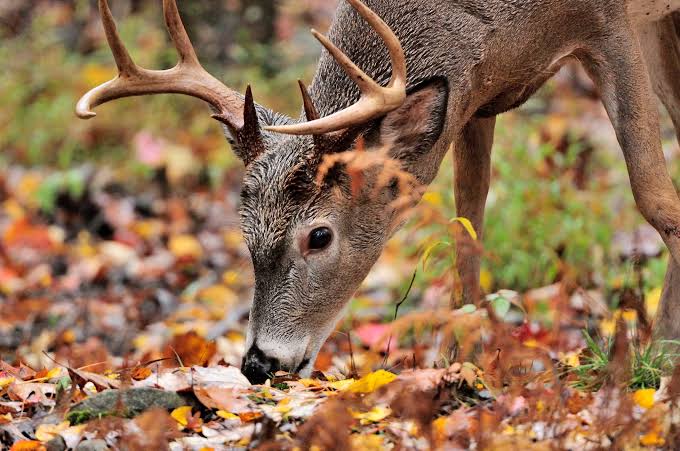
Fresh acorns can attract deer, but production differs by tree, species, weather, health, and year. A large flat with few productive trees may be less useful than a small cluster dropping heavily.
Security Cover
Deer often prefer feeding opportunities near thick cover, bedding habitat, young growth, brush, or terrain that reduces exposure.
Travel Structure
Benches, saddles, drainages, inside corners, creek crossings, and narrow cover strips may organize movement across an otherwise open flat.
Pressure
Roads, parking areas, easy trails, repeated scouting, stands, cameras, and other hunters can shift deer toward less obvious trees and secondary access.
Acorns are a form of hard mast and are eaten by deer and many other wildlife species. Annual production can vary widely, so a productive spot one year may be quiet the next. Field verification is more reliable than hunting an old waypoint automatically.
How the Acorn Crop Changes Deer Movement
Scattered Food During a Heavy Crop
When most oaks are producing, deer may spread across a large area. The challenge becomes identifying the preferred fresh acorns closest to security cover or a travel feature rather than simply finding an oak tree.
Concentrated Food During a Light Crop
When few trees produce, current sign can concentrate beneath a small number of oaks. These locations can be productive but easy to overhunt. Approach carefully and avoid walking through the feeding zone.
Oak Species and Drop Timing
Different oak groups and local species can drop at different times. Many hunters notice early attention around certain white-oak-group acorns and later use of red-oak-group acorns, but local preference and availability matter more than a universal rule.
Freshness Matters
Recently fallen, sound acorns may be more attractive than old, moldy, insect-damaged, sprouted, or depleted mast. Watch what deer are currently eating rather than what the canopy produced weeks earlier.
How to Find the Trees Deer Are Using Now
| Sign | What to Look For | Limitation |
|---|---|---|
| Opened acorns | Fresh fragments, tooth marks, pale interior surfaces, scattered caps | Squirrels, turkey, hogs, and other wildlife also feed on acorns |
| Tracks | Sharp edges, disturbed soil, repeated paths beneath producing trees | Dry ground can preserve old tracks; confirm with other sign |
| Droppings | Fresh color, moisture, and location near active feeding | Age estimates are imperfect and weather changes appearance |
| Leaf disturbance | Recently turned leaves and exposed soil beneath the canopy | Wind and squirrels can create similar disturbance |
| Trails | Multiple paths linking cover, terrain funnels, and feeding trees | A prominent trail may be used outside legal hours |
| Direct observation | Deer entering, feeding, and leaving under safe viewing conditions | Repeated observation from the wrong wind can educate deer |
A Simple Fresh-Sign Test
- Find several trees currently dropping.
- Compare the quantity and condition of acorns under each tree.
- Look for at least two kinds of fresh deer evidence.
- Trace trails toward cover without entering likely bedding.
- Check wind and map a low-impact access route.
- Choose a setup with a safe background and legal shot opportunity.
How to Hunt Oak Flats: Step-by-Step Guide
Step 1: Verify Current Laws and Access
Confirm license, tags, season, legal hours, bag limit, legal weapon, ammunition or archery rules, hunter-orange requirements, baiting restrictions, chronic-wasting-disease rules, harvest reporting, and transport requirements. Verify public access or obtain private permission.
Step 2: Study Maps Before Walking In
Use topographic maps and legal land-ownership information to find broad hardwood benches, ridge flats, creek terraces, access points, property boundaries, roads, homes, trails, and likely bedding cover. Digital maps are helpful, but carry a backup navigation method.
Step 3: Scout the Current Acorn Drop
Visit during a lawful scouting period. Check multiple sections rather than stopping at the first acorn. Identify productive species, listen for falling mast, inspect the ground, and mark individual trees with fresh evidence of deer feeding.
Step 4: Connect Food to Cover
Look for dense vegetation, young timber, brushy cuts, steep slopes, points, or other secure bedding habitat. Find trails and terrain features between cover and active oaks while staying outside the bedding area.
Step 5: Choose the Wind Before the Tree
Select a wind that carries scent away from both the expected approach and the feeding destination. Account for thermals and terrain swirl. A perfect-looking tree is a poor setup when the wind is wrong.
Step 6: Design a Quiet, Legal Entry
Approach from the downwind side without crossing feeding sign or primary trails. Use existing legal paths, terrain, vegetation, and natural background noise. Do not cut vegetation or create access where land rules prohibit it.
Step 7: Select a Safe Setup
Choose a tree stand, ground blind, natural cover position, or still-hunting route that provides target identification and a safe background. Consider visibility, other hunters, roads, trails, homes, livestock, and your practiced effective range.
Step 8: Minimize Movement and Observe
Arrive early enough to settle safely. Use binoculars for identification, move slowly, and listen for acorns, footsteps, squirrels, and alarm behavior. Do not point a firearm or draw a bow merely to identify movement.
Step 9: Pass Uncertain Opportunities
Act only after clearly identifying a legal animal and confirming a safe background. The opportunity must be within your practiced ability and meet local ethical and legal standards. Pass on screened, moving, distant, steep, or rushed chances that create uncertainty.
Step 10: Follow Legal Recovery and Reporting Rules
After a lawful harvest, follow agency guidance for waiting, tracking, tagging, reporting, validation, transport, and evidence requirements. Seek experienced or professional assistance when recovery is uncertain and local rules allow it.
Step 11: Care for the Harvest Responsibly
Use clean gloves and tools, protect meat from dirt and heat, cool it promptly, and follow disease-testing and transport rules. Use the harvest responsibly and avoid waste.
Choosing a Stand, Blind, or Mobile Setup
Tree Stand
- Inspect the stand, straps, cables, steps, and tree.
- Use a full-body harness and remain connected from the ground up.
- Use a haul line for an unloaded firearm, bow, and pack.
- Never climb with equipment in your hands.
- Follow manufacturer weight and weather limits.
- Verify public-land stand placement, labeling, and removal rules.
Ground Blind
- Place the blind where the background is safe.
- Maintain clear identification through legal shooting openings.
- Use required external visibility marking where applicable.
- Do not block a public trail or another user’s access.
- Secure the blind for wind and remove it as required.
Natural Ground Setup
A natural setup can reduce equipment and increase mobility. Sit against a stable backrest wider than your shoulders when firearm-hunting where recommended by hunter education, maintain visibility, and avoid skylining yourself on a ridge.
Still-Hunting
Still-hunt only where visibility, terrain, other-user density, and law make it appropriate. Move a few careful steps, then stop and scan. The method requires exceptional muzzle or bow discipline and constant awareness of the background.
Best Time, Place, and Conditions for Oak-Flat Hunting
Early in the Drop
The first actively dropping trees can create a short period of concentrated use before acorns become abundant across the landscape. Scout frequently without entering the core unnecessarily.
Morning
A morning approach may intercept deer leaving feeding areas, but it can also push animals if the entry crosses the flat. Consider setting up along a downwind exit route rather than walking through the food.
Evening
Evening setups often focus on travel from bedding or staging cover toward acorns. Plan the exit before hunting because deer may enter the flat near dark.
Wind and Weather
Stable wind is easier to plan around than light swirling air. Rain can quiet leaves, while strong wind increases falling-limb and stand hazards. Temperature changes may influence feeding and thermals, but current sign remains essential.
Hunting Pressure
Easy-access flats may receive heavy use. Secondary flats, overlooked edges, and less obvious productive trees can hold more daylight activity when they can be reached legally and safely.
Oak-Flat Hunting Gear and Safety Checklist
- Current license, tags, permits, and regulations
- Legal firearm, bow, or other authorized method
- Required blaze orange or visibility clothing
- Weather-appropriate layered clothing
- Supportive boots with appropriate traction
- Map, compass, GPS, or legal mapping app
- Charged phone and backup power
- First aid kit
- Water and food
- Emergency communication plan
- Binoculars for identification
- Wind indicator
- Headlamp and spare batteries
- Full-body harness for elevated hunting
- Haul line for stand hunting
- Gloves, game bags, and cooling plan
- Vehicle and property-access information
Expensive Gear Does Not Replace Current Sign
A basic legal setup placed near a genuinely active feeding pattern is usually more useful than premium equipment placed beneath an unproductive oak.
Public Land and Private Land Considerations
Public Land
- Verify legal boundaries and access points.
- Park without blocking gates, roads, or emergency access.
- Expect hikers, hunters, foresters, and other users.
- Do not assume a stand or camera reserves the area.
- Follow equipment removal and tree-damage rules.
- Use extra caution around trails and access corridors.
Private Land
- Obtain clear permission before entering.
- Understand property boundaries and approved parking.
- Close gates and avoid disturbing livestock.
- Ask before trimming vegetation, installing equipment, or driving off-road.
- Remove trash and report property damage or hazards.
Managing Pressure Without Chasing Deer
Oak-flat deer patterns can change after only a few poor entries. Signs of excessive pressure include repeated alarm behavior, fresh tracks shifting to the far edge, reduced daylight observation, and deer approaching from unexpected downwind cover.
Low-Impact Adjustments
- Hunt only when the wind fits.
- Rotate between more than one producing area.
- Observe from a distance before entering.
- Move toward a travel edge rather than deeper into bedding.
- Use terrain to hide entry and exit.
- Allow a disturbed location to rest.
Common Mistakes When Hunting Oak Flats
- Hunting last year’s productive tree without checking this year’s crop
- Assuming every oak is equally attractive
- Walking through the feeding area to choose a stand
- Ignoring bedding cover and travel routes
- Choosing the tree before checking the wind
- Using only one entry and exit route
- Scouting too often during the season
- Overlooking public roads, homes, trails, and other hunters
- Using a tree stand without continuous fall protection
- Taking an uncertain or obstructed shot
- Failing to confirm tags, access, reporting, or transport rules
- Expecting acorns to guarantee success
Troubleshooting Common Oak-Flat Hunting Problems
| Problem | Possible Cause | Practical Adjustment |
|---|---|---|
| No deer are appearing | Old sign, nighttime use, wrong wind, pressure, or food shift | Recheck freshness, observe from a distance, and scout another producing tree or edge. |
| Deer approach downwind | The setup ignores a scent-checking route | Move the position or choose a wind that keeps the downwind side in a safe, visible area without forcing a shot. |
| Acorns are everywhere | Heavy mast has scattered feeding | Focus on preferred fresh acorns near cover, terrain funnels, or low-pressure access. |
| Only squirrels and turkey are feeding | The tree may be productive but not on a current deer route | Trace fresh deer sign toward bedding and compare other oaks. |
| The wind swirls | Flat borders slopes, hollows, or variable canopy | Move to a more stable edge, wait for a better wind, or end the hunt. |
| Other hunters use the area | Easy access or popular public land | Communicate respectfully, avoid conflict, and use a legal secondary location with a safe background. |
| The stand has poor visibility | Dense leaves, low branches, or wrong tree selection | Choose another legal setup rather than creating excessive disturbance or unsafe openings. |
| Entry bumps deer | The route crosses feeding or bedding activity | Redesign the approach, change timing, or hunt the outside edge. |
| Rain removes visible sign | Tracks and droppings are harder to age | Use direct observation, fresh feeding debris, trail cameras where legal, and repeated low-impact checks. |
| Property lines are uncertain | Map error, weak signal, or unclear boundary | Do not hunt the disputed area. Confirm with official records, the land manager, or the landowner. |
Ethical Hunting and Conservation
- Obey seasons, limits, access rules, and reporting requirements.
- Complete hunter education and practice before the season.
- Respect wildlife, habitat, landowners, and other users.
- Pass on any opportunity that is unsafe, illegal, or uncertain.
- Make a serious recovery effort within legal and safe limits.
- Use the harvest responsibly and prevent waste.
- Avoid damaging oak trees, soil, streams, gates, and trails.
- Remove equipment and trash.
- Support habitat and wildlife management through lawful participation.
When to Get More Training
Seek an official hunter education course, certified instructor, conservation officer, local wildlife biologist, experienced ethical mentor, or qualified archery or firearm instructor when:
- you have not handled the hunting equipment safely;
- you do not understand local regulations;
- you cannot confidently identify legal game;
- you are unsure about land boundaries;
- you have never used a tree stand;
- you need help establishing a personal effective range;
- you are unfamiliar with navigation or emergency planning;
- you need lawful recovery, reporting, processing, or meat-care guidance.
After the Hunt: Records, Gear Care, and Learning
- Complete required harvest reports and records.
- Clean, unload, transport, and store equipment according to law and manufacturer instructions.
- Inspect stands, harnesses, ropes, blinds, and packs.
- Record the oak species, drop stage, weather, wind, sign, pressure, and observations.
- Review access and exit decisions.
- Update maps and permission information.
- Plan habitat or conservation work with the landowner where appropriate.
Final Thoughts
Learning how to hunt oak flats is less about choosing the largest oak grove and more about identifying the small part of the flat deer are using now. Fresh acorns, recent feeding evidence, nearby cover, terrain, wind, safe access, and hunting pressure should guide the setup.
Verify all laws, complete hunter education, practice with legal equipment, use fall protection in elevated stands, and identify both the target and background. Patience and restraint are part of successful hunting. An uncertain opportunity should always be passed.
Frequently Asked Questions: Numbered Q&A
Q1. What are oak flats in hunting?
A1. Oak flats are relatively level or gently rolling areas dominated by oak trees. During an active acorn drop, they can become important feeding habitat for deer and other game. Their value changes with oak species, mast production, nearby bedding cover, water, hunting pressure, and current regulations.
Q2. What game animals use oak flats?
A2. Depending on the region, oak flats may attract white-tailed deer, mule deer, wild turkey, wild hogs, black bears, squirrels, and other wildlife. This guide focuses mainly on legal deer hunting, but hunters must confirm the species, season, tags, methods, and land rules for their location.
Q3. Why do deer visit oak flats?
A3. Deer use productive oak flats because acorns offer concentrated seasonal food. They may feed beneath individual trees, travel through the flat between bedding and cover, or stage near the edge before entering. Activity can shift quickly when a different group of oaks begins dropping.
Q4. When is the best time to hunt oak flats?
A4. The most useful period is when fresh acorns are actively falling and deer sign shows current feeding. Timing varies by oak species, weather, elevation, latitude, and annual mast production. Scout the current crop instead of relying only on calendar dates.
Q5. Are white oak or red oak acorns better for deer hunting?
A5. Deer often show strong interest in lower-tannin acorns, including many white-oak-group species, but preferences vary by region, availability, freshness, and competition. Red-oak-group acorns can remain valuable later. Hunt the trees with fresh sign rather than assuming one oak group is always best.
Q6. How do I identify an active feeding oak?
A6. Look for freshly opened acorn shells, cap fragments, tracks, droppings, disturbed leaves, clipped vegetation, and trails converging beneath or near the tree. Fresh sign should look moist, sharp-edged, or recently disturbed rather than faded, dry, and covered by new leaves.
Q7. How do I scout an oak flat efficiently?
A7. Start with maps and aerial imagery, then walk the flat during a legal scouting period. Check multiple oak species, slope breaks, benches, edges, nearby thick cover, creek crossings, and trails. Mark productive trees and safe access routes without repeatedly disturbing the core area.
Q8. Should I hunt the middle or edge of an oak flat?
A8. Edges are often easier to approach and may provide safer visibility, while the middle can hold concentrated feeding during a strong drop. Choose the location with the freshest sign, safe shot lanes, favorable wind, and an entry route that does not cross expected deer movement.
Q9. How close should I set up to a feeding oak?
A9. Set up only as close as you can enter, hunt, and leave without contaminating the feeding area or creating an unsafe shot. The correct distance depends on cover, weapon, practiced range, visibility, terrain, and local rules. Avoid forcing a shot beyond your proven ability.
Q10. How important is wind direction on oak flats?
A10. Wind is one of the most important setup factors because deer commonly approach while checking for danger. Place the stand or blind so your scent moves away from the likely feeding trees, bedding cover, and primary trails. Keep a backup location for a different wind.
Q11. Do thermals matter on oak flats?
A11. Yes, especially when the flat lies beside slopes, hollows, or drainages. Air may rise as the ground warms and sink as it cools, while local terrain can swirl light winds. Test actual conditions at the setup rather than trusting only a regional forecast.
Q12. What is the best entry route into an oak flat?
A12. Use an approach that stays downwind, avoids active feeding trees and bedding cover, and takes advantage of terrain, vegetation, creek noise, or existing legal access. Clear only what land rules permit, and do not cross private property without permission.
Q13. What is the best exit route after hunting?
A13. Leave by a route that avoids feeding deer and expected nighttime travel. In some situations, waiting for animals to move away may reduce disturbance, but personal safety, legal hours, weather, and land rules come first. Never remain lost or exposed simply to protect a hunting spot.
Q14. Is morning or evening better for oak-flat hunting?
A14. Both can work. Morning hunts may risk encountering deer returning toward bedding, while evening hunts can intercept deer moving toward fresh acorns. The better choice depends on bedding location, access, wind, pressure, legal shooting hours, and current observations.
Q15. Can I hunt oak flats all day?
A15. All-day hunting may be useful during certain seasonal movement periods or when deer feed intermittently, but it can also increase scent and disturbance. Carry adequate water, food, navigation, and weather protection, and leave if conditions become unsafe.
Q16. How does a heavy mast crop affect deer movement?
A16. A widespread heavy crop can scatter deer because food is available beneath many trees. Concentrate on the most preferred fresh acorns near secure cover, terrain funnels, or low-pressure access. Do not assume a famous oak flat will remain the best location.
Q17. How does a poor acorn crop affect hunting?
A17. When acorns are scarce, the few productive trees can attract concentrated activity, but deer may also shift to agricultural crops, browse, soft mast, or other foods. Verify current sign and avoid overhunting a small, sensitive feeding location.
Q18. What terrain features improve an oak-flat setup?
A18. Look for points, benches, saddles, inside corners, creek crossings, drainages, narrow strips of cover, and transitions between mature timber and dense bedding vegetation. These features can channel movement, but only fresh legal scouting can confirm how animals use them.
Q19. How close are deer bedding areas to oak flats?
A19. Bedding may be very close where thick security cover borders the flat, or farther away where the timber is open and pressured. Identify likely bedding without walking directly through it. Set up on a travel route or staging edge when entering the food source would cause disturbance.
Q20. Should I hunt between bedding cover and the oak flat?
A20. A setup between bedding and food can be effective when the wind, access, and background are safe. Stay outside the bedding area and avoid blocking the animal’s natural route. The goal is a legal, ethical opportunity without repeatedly pushing animals from secure cover.
Q21. Do deer use oak flats during rain?
A21. Light rain can reduce noise and help movement, but wet leaves can also hide tracks and weather can become hazardous. Heavy rain, lightning, flooding, falling limbs, or poor visibility may make hunting unsafe. Check forecasts and leave before conditions become dangerous.
Q22. How does strong wind affect an oak-flat hunt?
A22. Moderate wind may help cover sound and make scent more predictable, while strong or gusty wind can create falling-limb hazards, unstable stands, poor visibility, and difficult shooting. Do not use an elevated stand when conditions exceed the manufacturer’s limits or your safe judgment.
Q23. Is scent control enough to beat the wind?
A23. No product eliminates human scent. Clean clothing and careful handling may help, but correct wind and access remain more important. If the wind carries scent toward deer, bedding, homes, roads, livestock, or other hunters, move or end the hunt.
Q24. Is a tree stand good for hunting oak flats?
A24. A legal, properly installed tree stand can improve visibility and keep movement above some sight lines. Use a full-body harness connected from the ground up, inspect the stand and tree, use a haul line for unloaded equipment, and follow manufacturer and land-manager rules.
Q25. Is a ground blind good for oak flats?
A25. A ground blind can be useful where suitable trees are unavailable or elevated hunting is unsafe. Place it with a safe backstop, clear target identification, legal visibility requirements, and favorable wind. On public land, verify rules for blind placement, labeling, and removal.
Q26. Can I still-hunt through an oak flat?
A26. Still-hunting can work when conditions allow quiet movement and clear target identification. Move very slowly, stop often, use binoculars instead of aiming equipment to identify animals, and remain aware of other hunters, roads, trails, homes, and livestock.
Q27. How should bowhunters approach oak flats?
A27. Bowhunters should practice from realistic positions, know their personal effective range, handle broadheads safely, and choose a setup that offers close, unobstructed, ethical opportunities. Do not take steep, moving, screened, or uncertain shots beyond practiced ability.
Q28. How should firearm hunters approach oak flats?
A28. Firearm hunters must keep the muzzle in a safe direction, keep the action and trigger discipline appropriate to hunter-education guidance, positively identify the legal target, and know what lies beyond it. Never shoot toward roads, trails, homes, vehicles, livestock, or unclear movement.
Q29. Should I wear blaze orange in oak timber?
A29. Wear the visibility clothing required by current regulations, and consider additional visibility when sharing the area with other hunters. Requirements vary by season and method. Camouflage does not override legal hunter-orange or pink rules.
Q30. How do I confirm a safe background in an oak flat?
A30. Choose positions where the projectile would enter safe ground after a lawful shot. Dense leaves and tree trunks are not reliable substitutes for knowing the full background. Pass whenever another hunter, road, building, livestock, vehicle, trail, or unknown area could be beyond the target.
Q31. Can I use trail cameras on oak flats?
A31. Trail cameras can help confirm timing and direction where they are legal. Rules vary on public land, cellular transmission, labeling, season use, and placement. Do not trespass to install a camera, damage trees, or use camera information in a prohibited manner.
Q32. How do I avoid overhunting an oak flat?
A32. Limit entries, rotate setups, hunt only suitable winds, and leave when access would disturb feeding or bedding animals. Watch for declining fresh sign, increased nocturnal use, and repeated alarm behavior. Pressure from other hunters may require a quieter secondary flat.
Q33. What should I do if I bump deer while entering?
A33. Do not rush or take an unsafe shot. Note the wind, location, and direction of travel, then decide whether continuing would create more disturbance. A different route, later return, or alternate legal location may be better than forcing the hunt.
Q34. Why am I seeing sign but no deer?
A34. The sign may be old, activity may occur outside legal hours, wind or access may alert deer, food may have shifted, or other hunters may have changed movement. Recheck freshness, scout alternate producing trees, and use observation from a low-impact location.
Q35. What should I do when acorns stop dropping?
A35. Deer may continue eating fallen acorns until they are depleted or spoiled, then shift to another oak species or food source. Follow fresh tracks and feeding evidence, not the former canopy activity. Update the setup without chasing animals recklessly.
Q36. Is baiting needed on an oak flat?
A36. Natural acorns often provide enough attraction. Baiting laws vary widely and may be prohibited because of disease, ethics, public-land rules, or fair-chase regulations. Never place bait without confirming current official rules and landowner permission.
Q37. Can I hunt oak flats on public land?
A37. Yes where the species, season, method, and area are open, but verify boundaries, legal access, parking, stand and camera rules, and other-user restrictions. Expect pressure, respect shared access, label or remove equipment when required, and never reserve public ground by confrontation.
Q38. Can I cross private land to reach a public oak flat?
A38. Only with clear legal access or the landowner’s permission. Public ownership does not create a right to cross private property. Use current maps, posted signs, official access points, and written permission when appropriate.
Q39. What should I do after a successful harvest?
A39. Follow tagging, validation, reporting, evidence-of-sex, transport, and check-station rules immediately. Plan a careful, legal recovery, use clean gloves and tools, cool the meat promptly, and make responsible use of the harvest without graphic or wasteful handling.
Q40. Where can I verify oak-flat hunting regulations?
A40. Use the official wildlife agency for the state, province, country, tribal land, or federal property where you will hunt. Check current licenses, tags, season dates, legal hours, weapons, bag limits, access, tree-stand rules, reporting, chronic-wasting-disease rules, and transport requirements.