

Hunting ducks is a centuries-old tradition that blends skill, patience, and the right equipment. Among the essential tools, selecting the optimal gun is crucial for success and safety. When asked, what gun do you use to hunt ducks?, hunters often ponder over various options, considering factors such as firearm type, gauge, and specific features tailored for waterfowl hunting. This article delves into the nuances of choosing the right shotgun, providing a comprehensive guide for both novice and seasoned hunters.
Understanding the Basics of Duck Hunting Firearms

Before addressing what gun do you use to hunt ducks?, it’s vital to understand the foundational elements that influence firearm choice. Duck hunting, as a specialized form of waterfowl hunting, requires equipment that can handle the unique demands of shooting at moving targets over water. These demands shape the type of firearms suitable for the task, with considerations like shot pattern, recoil, and durability playing pivotal roles.
In general, duck hunting shotguns are designed to deliver stoppage power at mid-range distances, ensuring ethical and effective harvests without causing unnecessary suffering to the game. The selection process involves evaluating various firearm types, gauges, and accessories, which can significantly impact performance. Knowing these basics helps hunters make informed decisions tailored to their hunting style and environment.
The choice of the firearm is also influenced by local hunting regulations, which specify permissible gauges and shotgun types. For example, some regions restrict the use of certain gauges or require specific chokes, ensuring responsible hunting practices. As such, understanding the foundational elements sets the stage for exploring the optimal guns used in duck hunting.
Why Firearm Choice Matters in Waterfowl Hunting
Selecting the right shotgun impacts accuracy, shot spread, and ease of handling—crucial factors when targeting fast-moving ducks. A well-chosen gun enhances shot placement, minimizes missed opportunities, and ensures a humane kill. Conversely, an ill-suited firearm can lead to frustration, missed shots, and potential legal issues if hunting regulations are violated.
Furthermore, the right firearm contributes to safety, especially in wet conditions where waterfowl are often hunted. Guns designed for waterfowl hunting typically come with features like corrosion resistance and reliable cycling, allowing hunters to focus on their shot, not firearm maintenance. The proper choice can even influence the overall hunting experience, making it more enjoyable and sustainable over the long term.
In summary, understanding what firearm to use is integral to a successful duck hunt. It requires evaluating various elements—from firearm type and gauge to choke and accessories—while considering personal preferences and environmental factors. Now, let’s explore the specific types of shotguns best suited for waterfowl hunting.
What Gun Do You Use to Hunt Ducks?

The world of shotguns is diverse, with designs and functionalities tailored for different hunting scenarios. When pondering what gun do you use to hunt ducks?, selecting the appropriate type among pump-action, semi-automatic, and over/under shotguns is vital. Each offers distinct advantages, suited for various hunting styles and conditions.
Pump-action shotguns are among the most popular for duck hunting due to their reliability and affordability. These firearms operate via a manual slide action that ejects spent shells and chambers new ones, offering hunters control over each shot. Many hunters appreciate their ruggedness, ease of maintenance, and availability in various gauges, especially 12 and 20 gauge.
Semi-automatic shotguns provide rapid follow-up shots and less recoil, making them highly effective for waterfowl hunting, where quick shooting is paramount. These firearms automatically cycle shells after each shot, allowing hunters to concentrate on their target without manually working the action. Modern semi-autos have become increasingly lightweight and reliable, making them a favorite among many waterfowl enthusiasts.
Over/under shotguns combine craftsmanship and balance, offering two barrels stacked vertically that can be topped with different choke tubes. They are often favored for their accuracy and craftsmanship, with many hunters appreciating their balance and aesthetic appeal. Although less common for rapid fire, they are excellent for precise shots and are often used in competitive waterfowl shooting.
Pump-Action Shotguns – The Classic Workhorse
Pump-action shotguns have long been a staple in duck hunting circles due to their simplicity and dependability. A well-maintained pump gun can last decades, making it a wise investment for hunters interested in a durable firearm. The manual operation means less likelihood of cycling malfunctions—a crucial aspect when hunting in challenging conditions.
In addition to reliability, pump-action shotguns are highly customizable. Hunters can choose different barrel lengths, choke tubes, and accessories like camouflage wraps or additional sling mounts to tailor the firearm to their specific needs. This modularity allows hunters to adapt their gun for various environments, from marshes to flooded fields. The manual slide operation requires a bit of practice, but many find it enhances their control over shot timings and shot patterns.
One of the advantages of pump-action shotguns is their affordability and widespread availability. Many reputable manufacturers produce models in various gauges, with 12 gauge being the most common for duck hunting. The 20-gauge version offers less recoil and is suitable for smaller hunters or those preferring a lighter firearm. Overall, the pump-action shotgun remains a reliable and versatile choice for waterfowl hunters.
Semi-Automatic Shotguns – Speed and Ease of Use
Semi-automatic shotguns offer a significant advantage by allowing hunters to fire multiple shots rapidly without manually cycling the firearm. This feature is particularly valuable when shooting multiple ducks or responding to moving targets in swift succession. With newer recoil management systems, semi-autos have become more user-friendly, with reduced perceived recoil and increased comfort.
Many hunters favor semi-automatics because they improve accuracy and consistency. Less recoil means less gun movement after each shot, contributing to better control. Additionally, semi-autos tend to have better weight distribution and balance, aiding in precision shooting over water or in blind setups. These qualities make semi-automatic shotguns an excellent choice for fast-paced or high-volume shooting sessions.
The main downsides are higher cost and maintenance complexity compared to pump-action models. However, the benefits often outweigh these concerns for serious waterfowl enthusiasts. Modern semi-automatics like the Benelli Super Black Eagle or Beretta’s A400 are renowned for their durability, reliability, and performance in wet conditions. When considering what gun do you use to hunt ducks?, semi-automatic shotguns frequently top the list for their practicality in demanding waterfowl hunts.
Over/Under Shotguns – Precision and Craftsmanship
Over/under shotguns are cherished for their craftsmanship and balanced design. They are often favored by hunters who prioritize accuracy, aesthetic appeal, and a traditional shooting experience. While not as quick to cycle as semi-autos or pump-actions, they excel when precision and balance are desired, especially for specialized shots in duck hunting.
One of the key reasons hunters select over/under shotguns is for their ability to quickly switch chokes between barrels. This flexibility allows for customization based on the shot distance and target size, offering better control over shot spread and pattern. For instance, a tighter choke can be used for precise long-distance shots, while a broader choke is ideal for close-range fast targets.
Despite their appeal, over/under shotguns may have limitations in high-volume waterfowl hunting due to slower cycling and the need to manually reload after each shot. However, for hunters who appreciate craftsmanship, tradition, and precision, they remain an excellent choice. These shotguns are often used in hunting blinds or by hunters who prefer a more deliberate, measured shooting approach.
Selecting the Best Gauge – Is Bigger Always Better?
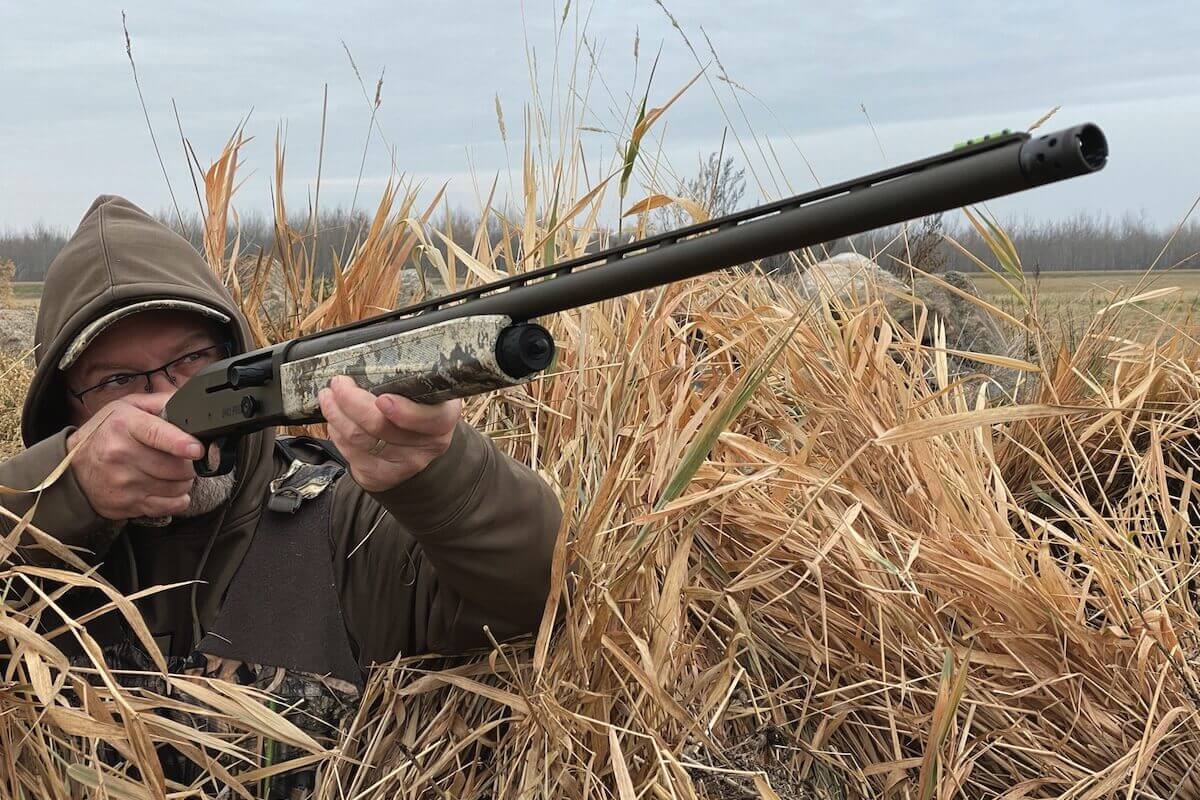
Choosing the right gauge is an essential part of answering what gun do you use to hunt ducks?. The gauge of a shotgun determines shot capacity, recoil, and pattern spread, affecting both comfort and effectiveness. While the most common gauge for duck hunting is 12 gauge, the 20 gauge and sometimes even smaller gauges like 16 or 28 are also popular depending on the hunter’s needs.
The 12-gauge shotgun is the workhorse of waterfowl hunting, offering a good balance of power, shot capacity, and versatility. Its larger shell size provides more pellets, increasing the likelihood of hitting fast-moving ducks at various ranges. However, the recoil can be substantial, especially with heavy loads, which might be a concern for smaller hunters or those sensitive to recoil.
The 20 gauge, on the other hand, provides ample power while reducing recoil and weight, making it suitable for Youth hunters, seniors, or those seeking a lighter firearm. The smaller shot column still delivers effective patterns at typical waterfowl ranges, especially with the right choke and shot load. Many seasoned hunters recommend the 20 gauge for its balance of effectiveness and comfort.
For those seeking a lightweight and less recoiling option, the 28 gauge is excellent, but it requires precise shot placement due to its smaller shot payload. Less common for larger waterfowl, it is more suitable for smaller game or as a secondary gun. Ultimately, the best gauge depends on the hunter’s physical conditioning, hunting environment, and personal preferences, but the 12 and 20 gauges are generally the most versatile choices.
Best Shotgun Chokes and Ammunition for Ducks
The importance of selecting the appropriate choke and ammunition cannot be overstated when answering what gun do you use to hunt ducks?. These components influence shot pattern, range, and overall effectiveness, playing a crucial role in successful waterfowl hunts.
The choke of a shotgun constricts the shot as it leaves the barrel, shaping the pattern that spreads across the target. In duck hunting, a modified or full choke is most commonly recommended, offering the right balance between shot density and spread for typical hunting distances. Full chokes are especially effective at longer ranges, ensuring a dense pattern that maximizes the chance of hitting the fast-moving duck.
Ammunition choice is equally important. Specialty waterfowl loads feature steel or non-toxic options due to environmental regulations. These loads are designed to provide adequate shot density and velocity to ensure clean, humane kills. Many hunters prefer steel, Bismuth, or tungsten-based shots for their density and effectiveness over traditional lead, which is banned in many regions.
By selecting the correct choke and ammunition, hunters maximize their shot pattern and effectiveness. Properly matching these elements to the hunting conditions—whether in the marsh or on open water—ensures better success and supports ethical hunting practices.
FAQ’s
1. What gun is most commonly used for duck hunting?
The most commonly used firearm for duck hunting is a 12-gauge shotgun due to its versatility, power, and availability of waterfowl-specific ammunition.
2. Why are shotguns preferred for duck hunting?
Shotguns are preferred because they fire multiple pellets (shot), increasing the chance of hitting fast-moving ducks in flight.
3. Can you use a rifle to hunt ducks?
No, rifles are generally not legal or practical for duck hunting due to safety concerns and regulations that require shotguns for waterfowl.
4. What gauge shotgun is best for beginners?
A 20-gauge shotgun is often recommended for beginners because it has lighter recoil while still being effective for ducks.
5. Is a 12-gauge or 20-gauge better for ducks?
A 12-gauge offers more power and range, while a 20-gauge is lighter and easier to handle. Both are effective depending on the hunter.
6. What type of shotgun action is best for duck hunting?
Popular choices include pump-action and semi-automatic shotguns due to their reliability and quick follow-up shots.
7. What is a semi-automatic shotgun?
A semi-automatic shotgun automatically loads the next shell after firing, allowing faster shooting during duck flights.
8. Why do duck hunters use non-toxic shot?
Non-toxic shot like steel is required by law in many places to protect wetlands and wildlife from lead contamination.
9. What is the best choke for duck hunting?
Modified and improved cylinder chokes are commonly used to balance spread and range for waterfowl hunting.
10. What is a choke in a shotgun?
A choke is a narrowing at the end of the shotgun barrel that controls the spread of the shot.
11. Can you hunt ducks with a pump-action shotgun?
Yes, pump-action shotguns are reliable and widely used for duck hunting due to their durability and affordability.
12. Are over-under shotguns good for ducks?
Yes, over-under shotguns are used by some hunters, though they hold fewer shells compared to semi-automatics or pumps.
13. What barrel length is best for duck hunting?
Barrels between 26 and 28 inches are commonly used for a good balance of swing and accuracy.
14. Do you need a special shotgun for waterfowl hunting?
No special shotgun is required, but it must be capable of handling steel or other non-toxic shot.
15. What is steel shot?
Steel shot is a type of non-toxic ammunition commonly used for waterfowl hunting instead of lead shot.
16. Is steel shot effective for ducks?
Yes, modern steel shot is effective when used at appropriate ranges and with proper choke selection.
17. What is the effective range of a duck shotgun?
The effective range is typically around 30 to 45 yards depending on the shotgun and ammunition used.
18. Can beginners hunt ducks successfully?
Yes, beginners can be successful with practice, proper equipment, and understanding of duck behavior.
19. What safety gear is needed for duck hunting?
Eye protection, hearing protection, and camouflage clothing are commonly used for safety and effectiveness.
20. Do duck hunters use camouflage shotguns?
Yes, camouflage finishes help reduce visibility to ducks in natural environments.
21. What is the best brand of shotgun for duck hunting?
Popular brands include Remington, Benelli, Beretta, and Browning due to their reliability and performance.
22. Are expensive shotguns better for duck hunting?
Not always; mid-range shotguns often perform very well for most duck hunting situations.
23. What is a waterfowl shotgun?
A waterfowl shotgun is designed or adapted for hunting ducks and geese, typically using non-toxic shot.
24. Can you use buckshot for duck hunting?
No, buckshot is generally illegal and unsafe for duck hunting in most regions.
25. What is birdshot?
Birdshot consists of small pellets designed for hunting birds like ducks and other small game.
26. What size shot is best for ducks?
Common shot sizes for ducks include #2, #3, and #4 steel shot depending on distance and conditions.
27. What is the difference between lead and steel shot?
Lead shot is denser and more effective but often banned; steel shot is environmentally safer but lighter.
28. Do duck hunters use scopes?
No, shotguns typically do not use scopes; hunters rely on instinct and shot spread.
29. What is the best shooting stance for duck hunting?
A stable, balanced stance with smooth swing-through technique is most effective for hitting moving ducks.
30. Can you hunt ducks with a 10-gauge shotgun?
Yes, but it is less common due to its heavier weight and stronger recoil.
31. Are pump shotguns better than semi-auto for ducks?
Both are effective; semi-autos allow faster follow-up shots, while pumps are more affordable and reliable.
32. What is recoil in a shotgun?
Recoil is the backward force felt when a shotgun is fired, which varies by gauge and load.
33. How do you reduce recoil when duck hunting?
Using lighter loads, recoil pads, and proper shooting technique can reduce felt recoil.
34. What is a duck blind?
A duck blind is a concealed shelter used by hunters to hide from ducks while waiting to shoot.
35. Do duck hunters use decoys?
Yes, decoys are used to attract ducks into shooting range by mimicking real birds.
36. Is hunting ducks with a shotgun hard?
It can be challenging due to fast-moving targets and environmental conditions like wind.
37. What is the best weather for duck hunting?
Overcast, windy, or rainy conditions often improve duck movement and hunting success.
38. Can you hunt ducks at night?
No, hunting ducks at night is illegal in most regions.
39. What is the role of a shotgun shell?
A shotgun shell contains powder, primer, and shot pellets used to fire at targets.
40. How many shells can you carry for duck hunting?
Regulations vary, but many regions limit shotgun capacity to three shells.
41. Why do duck hunters prefer quick follow-up shots?
Because ducks move fast, quick follow-up shots increase the chance of success.
42. What is the best choke setting for long-range duck shots?
Modified or full chokes are often used for longer-range waterfowl shooting.
43. Can youth hunters use 12-gauge shotguns?
Yes, but many start with 20-gauge due to lighter recoil.
44. What is a good beginner duck hunting setup?
A 20-gauge pump or semi-auto shotgun with steel shot and basic camouflage gear is ideal.
45. Do duck hunters clean their guns often?
Yes, regular cleaning is important to maintain reliability and performance.
46. What happens if you use the wrong ammo for duck hunting?
It may be illegal, ineffective, or unsafe depending on the type of ammunition used.
47. Are pump shotguns reliable in wet conditions?
Yes, pump shotguns are known for their durability and performance in harsh weather.
48. What is the main challenge in duck hunting?
The main challenge is accurately hitting fast-flying birds in changing weather conditions.
49. Do duck hunters use hearing protection?
Yes, hearing protection is recommended to prevent long-term hearing damage.
50. What is the best overall gun for duck hunting?
The 12-gauge semi-automatic shotgun is widely considered the best all-around option for duck hunting.
51. Can you hunt ducks with a lightweight shotgun?
Yes, lightweight shotguns are easier to carry but may have more recoil.
52. What is the importance of patterning a shotgun?
Patterning helps determine how your shotgun spreads shot at different distances for better accuracy.
53. Do weather conditions affect shotgun performance?
Yes, wind and rain can affect both shooting accuracy and duck movement.
54. Are electronic sights used in duck hunting?
Some hunters use them, but most rely on traditional bead sights.
55. What should beginners focus on most in duck hunting?
Beginners should focus on safety, practice shooting, and learning duck behavior patterns.
Conclusion
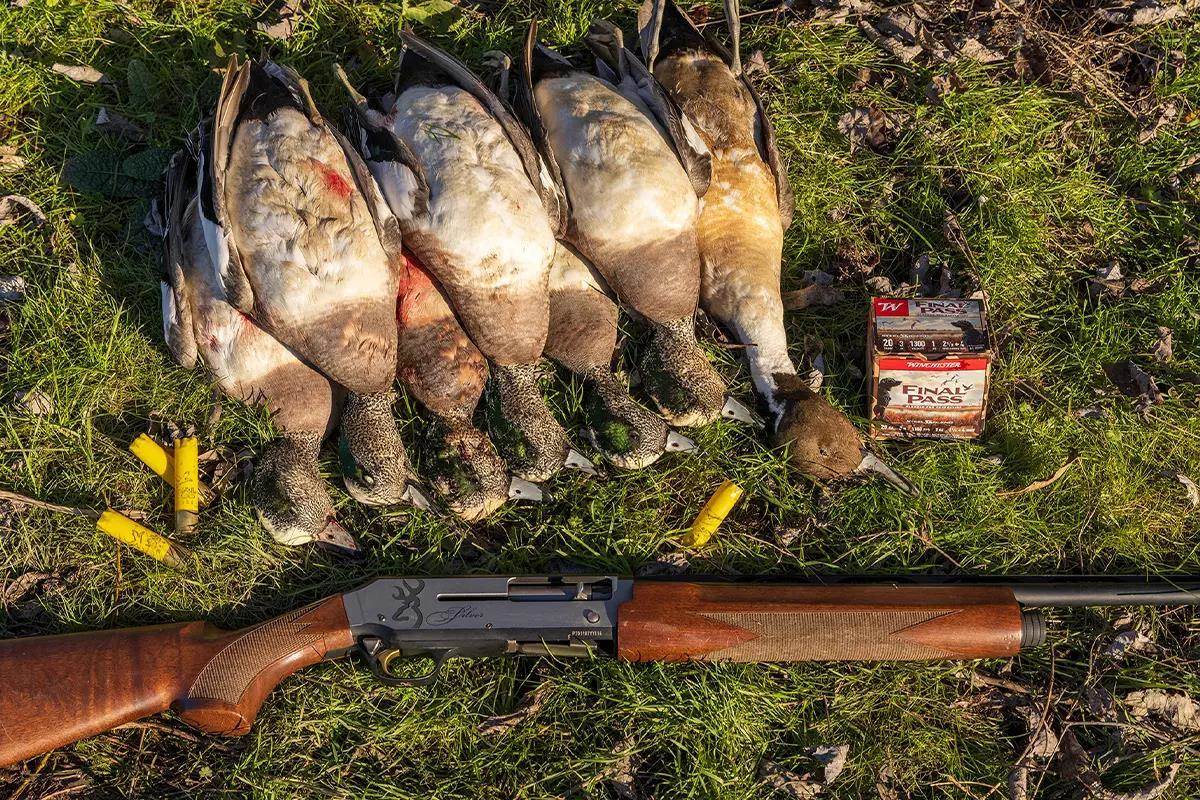
Choosing what gun do you use to hunt ducks? involves understanding various firearm types, gauges, and accessories tailored for waterfowl hunting. Whether you prefer a reliable pump-action for durability, a sleek semi-automatic for rapid follow-up shots, or an elegant over/under for precision, each offers unique benefits suited to different hunting scenarios. Factors such as gauge, choke, and ammunition also play pivotal roles in enhancing performance, safety, and ethical hunting. Ultimately, the best shotgun aligns with your individual needs, environment, and hunting style, ensuring a rewarding and responsible duck-hunting experience.
Read more: