

When it comes to hunting rabbits, selecting the right gun is essential for a successful and ethical hunt. Whether you’re a seasoned hunter or just beginning your journey into the sport, understanding which firearm best suits rabbit hunting can dramatically improve your experience. Knowing “what gun do you use to hunt rabbits” is not just about personal preference but also about ethics, safety, and efficiency. In this comprehensive guide, we will explore various factors influencing your gun choice, the types of firearms suitable for rabbits, and expert tips to maximize your hunting success.
The Essentials of Choosing the Right Rifle or Shotgun for Rabbit Hunting
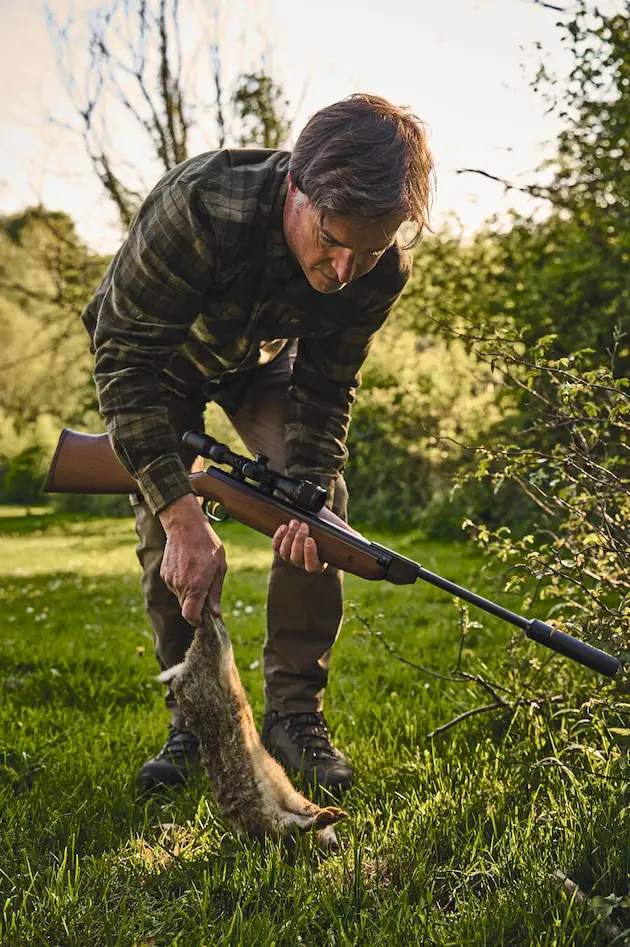
Choosing the correct firearm for rabbit hunting involves balancing power, precision, and ease of handling. Every hunter’s environment and style influence the ideal gun choice, but understanding the core characteristics of each firearm type helps set you on the right path.
The first consideration is the environment in which you’ll be hunting. Open fields, dense woods, or suburban areas each call for different weapons suited to the terrain’s demands. Ultimately, your firearm choice should facilitate quick target acquisition, minimal collateral damage, and humane kills.
What Features Make a Gun Suitable for Rabbit Hunting?
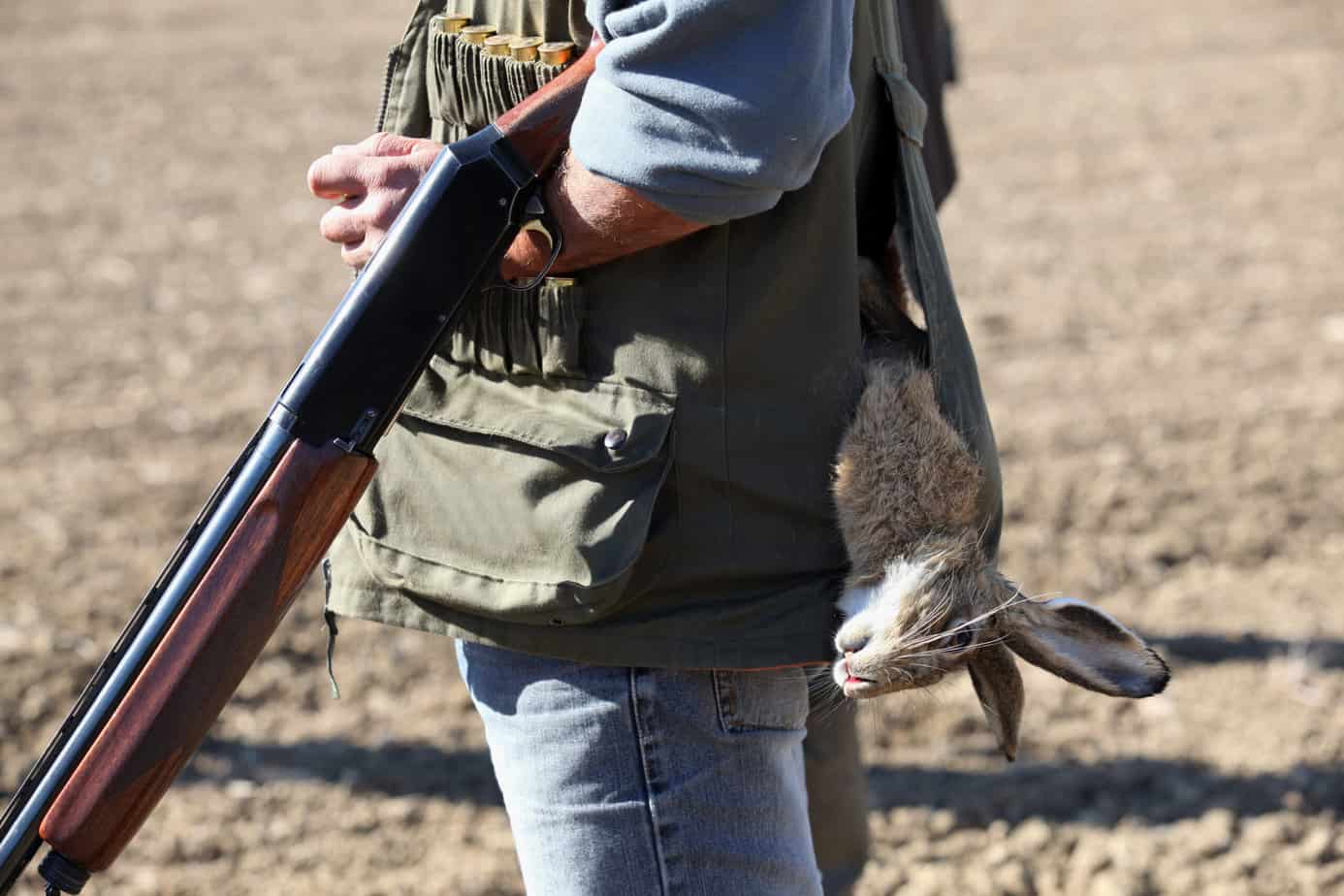
A suitable firearm for rabbit hunting should combine accuracy, manageable recoil, and a sufficient spread to ensure quick and humane kills. The gun should also be lightweight for extended periods of walking or stalking and versatile enough for various terrains.
An ideal rifle should have moderate power—enough to ensure a clean kill but not so powerful that it causes unnecessary damage or destruction of the meat. A good example is a .22 caliber rifle, which provides excellent accuracy and low recoil, making it a popular choice among rabbit hunters.
Many hunters prefer shotguns for their ability to deliver a spread of shot, increasing the chances of hitting fast-moving rabbits. A shotgun with 20 or 12 gauge is often recommended due to its balance of power and maneuverability. The choice between rifle and shotgun hinges on personal preference and hunting conditions, but understanding these features can help guide your decision.
Choosing Between a Rifle and Shotgun – Pros and Cons
Rifles and shotguns offer distinct advantages and disadvantages when it comes to rabbit hunting. Rifles, especially those chambered in .22 LR, provide precision and reduced risk of stray shot, making them excellent for hunting in open areas or when taking meticulous shots. These guns are generally quieter and omnivorous in terms of accuracy, giving hunters a sense of control over their shots.
Conversely, shotguns excel in situations requiring quick shots and in areas with thick cover. The wide spread of shot increases the likelihood of hitting moving targets in dense vegetation or brush. However, shotguns tend to have more recoil and can be less precise, requiring skill to avoid damaging the meat and ensuring humane kills.
This comparison shows that the choice hinges on hunting style—whether you prefer stalking with a precise rifle or quick, close-quarters shooting with a shotgun. Deciding on your ideal firearm also involves understanding your personal comfort with each gun type, the terrain, and your target shooting skills.
Types of Firearms Ideal for Rabbit Hunting and Their Specific Uses
Different firearms serve different purposes in rabbit hunting. The most common options include bolt-action rifles, lever-action rifles, pump shotguns, and semi-automatic shotguns. Each model offers unique advantages suited to various hunting scenarios.
Bolt-Action Rifles – Precision and Reliability
Bolt-action rifles are lauded for their accuracy and reliability, making them a favorite for serious hunters pursuing rabbits in open fields or at longer ranges. Their robust construction and simple operation enable consistent shot placement, critical for humane kills.
The primary benefit of bolt-action firearms lies in their accuracy. When hunting rabbits, a clear line of sight is often available, especially in grassy or open terrain. The ability to fine-tune your aim with a bolt-action rifle makes this weapon a top-tier choice for seasoned hunters.
However, bolt-action rifles are generally slower to operate, which might be a limitation in high-speed scenarios such as when rabbits flush at the edge of dense cover. Nonetheless, their precision outweighs this drawback for many hunters who prefer hitting stationary or slow-moving targets.
Lever-Action and Pump-Action Shotguns – Versatility and Efficiency
Lever-action rifles, while less common for rabbit hunting than bolt-actions, offer a nostalgic appeal and quick follow-up shots, making them practical in varied terrains. They provide a reliable, easy-to-operate mechanism and decent accuracy for shorter-range shooting.
Pump-action shotguns are among the most versatile firearms for rabbit hunting, especially in thick cover. They are known for their rapid-fire capability, allowing hunters to respond swiftly to fast-moving rabbits or multiple shots in quick succession. The adjustable choke of a shotgun can modify shot spread, offering further customization for different hunting environments.
While shotguns may cause more meat damage if not handled correctly, mastering their use enhances a hunter’s efficiency, especially in scenarios demanding quick shooting. The adaptability of pump-action shotguns allows hunters to succeed in both open and dense environments.
Semi-Automatic and Over/Under Shotguns – Modern Solutions
Semi-automatic shotguns combine the rapid-fire advantage with reduced recoil, helping maintain accuracy over multiple shots. These guns are excellent for maintaining a quick pace while hunting rabbits, especially in target-rich environments.
Over/under shotguns offer precision and aesthetic appeal, often preferred by hunters who value craftsmanship and aim for increased accuracy and better control. The dual barrels allow for different shot loads, providing flexibility based on the terrain and rabbit behavior.
Both options exemplify modern firearm engineering tailored for the needs of hunters aiming for humane, accurate, and efficient kills. Your choice among semi-automatic or over/under shotguns depends on your hunting environment and your comfort with each firearm’s handling characteristics.
Factors to Consider When Selecting Your Hunting Gun

Choosing “what gun do you use to hunt rabbits” isn’t just about the type of firearm but also understanding key factors that influence your choice. These include gun weight, recoil, ammunition availability, and legal regulations.
The Importance of Gun Weight and Handling

A lightweight firearm offers better maneuverability, especially when stalking rabbits in natural surroundings. Heavy guns, though potentially more stable for shooting, can cause fatigue over long hours, impacting your accuracy and enjoyment.
Handling comfort is crucial for hunters who spend hours trekking through various terrains. A gun that balances weight and ease of use can reduce fatigue and improve your shot timing and positioning.
Personal comfort with firearm handling influences overall hunting success. Practicing with your chosen gun ensures familiarity, confidence, and safety in the field. It’s worth investing time in trying different guns to see which one complements your hunting style and physical capability.
Recoil, Ammunition, and Legality Considerations
Recoil can affect your shooting accuracy and comfort. For beginners, choosing firearms with manageable recoil such as a .22 LR rifle or a 20-gauge shotgun can improve confidence and success rates. Proper ear and eye protection are also essential safety measures.
Ammunition availability is an often overlooked factor. Popular calibers like .22 LR or 20-gauge shotgun shells are widely available, ensuring that you can restock easily. Selecting a firearm that aligns with commonly available ammo prevents frustration during hunting seasons.
Legal regulations regarding firearm possession and hunting licenses vary across regions. Always familiarize yourself with local laws before choosing a firearm. Ethical hunting practices demand adherence to legal standards, including permissible calibers, firearm types, and hunting seasons.
FAQ’s
1. What gun is commonly used to hunt rabbits?
Small-caliber rifles and shotguns are most commonly used for rabbit hunting due to their balance of accuracy and minimal meat damage.
2. Is a .22 rifle good for rabbit hunting?
Yes, a .22 LR rifle is one of the most popular choices because it is accurate, quiet, and effective at short to medium range.
3. Can you hunt rabbits with a shotgun?
Yes, shotguns are widely used, especially with small shot sizes like #6 or #7.5 for close-range hunting.
4. What is the best shotgun gauge for rabbits?
A 20-gauge shotgun is often preferred, though 12-gauge and 28-gauge can also be used depending on experience and terrain.
5. What type of ammo is best for rabbit hunting?
For rifles, .22 LR is common; for shotguns, light birdshot is typically used to avoid over-penetration and preserve meat.
6. Is a pellet gun effective for rabbits?
High-powered air rifles (.177 or .22 caliber) can be effective at close range with proper accuracy and shot placement.
7. What distance is best for rabbit hunting with a .22 rifle?
Most effective shots are within 25 to 75 yards, depending on shooter skill and conditions.
8. Can beginners hunt rabbits safely?
Yes, but beginners should always practice firearm safety and understand local hunting regulations before going out.
9. What is the best terrain for rabbit hunting?
Fields, brushy areas, hedgerows, and forest edges are ideal habitats for rabbits.
10. Do you need a license to hunt rabbits?
In most regions, yes. A valid hunting license and sometimes a specific small game permit are required.
11. What time of day is best for rabbit hunting?
Early morning and late evening are the most active feeding times for rabbits.
12. Can you hunt rabbits at night?
In some areas it is legal, but regulations vary widely, so always check local laws first.
13. What color do rabbits see best?
Rabbits see blues and greens more clearly, while reds appear dull, which hunters can consider for camouflage.
14. What is the best season for rabbit hunting?
Fall and winter are popular seasons due to better visibility and population control regulations.
15. Is a .17 HMR good for rabbits?
Yes, the .17 HMR offers high velocity and accuracy, making it effective at longer ranges than .22 LR.
16. What is the most accurate gun for rabbit hunting?
Bolt-action .22 rifles are often considered among the most accurate options.
17. Do you need a scope for rabbit hunting?
A scope can improve accuracy, but many hunters prefer iron sights for close-range shooting.
18. What shotgun choke is best for rabbits?
Improved cylinder or modified chokes are commonly used for small game hunting.
19. Can you hunt rabbits with a pistol?
In some jurisdictions it is allowed, but it requires strong accuracy and close-range conditions.
20. What is the ethical way to hunt rabbits?
Using appropriate caliber, making clean shots, and avoiding unnecessary suffering are key ethical practices.
21. What mistakes do beginners make when hunting rabbits?
Common mistakes include poor camouflage, noisy movement, and inaccurate shot placement.
22. How do rabbits react to hunters?
Rabbits often freeze or sprint away quickly when they detect movement or sound.
23. Can dogs be used for rabbit hunting?
Yes, trained dogs can help flush rabbits from cover and improve hunting success.
24. What is the best way to spot rabbits?
Scanning edges of brush, fields, and thickets during dawn or dusk increases chances of spotting them.
25. Is camouflage necessary for rabbit hunting?
Camouflage is helpful but not always required; staying still is often more important.
26. What is the average range for shotgun rabbit hunting?
Typically between 10 and 40 yards, depending on terrain and load.
27. Can rabbits hear hunters easily?
Yes, rabbits have excellent hearing and can detect even subtle noises.
28. What should you wear when hunting rabbits?
Neutral or camouflage clothing that blends into the environment is recommended.
29. Is rabbit hunting good for beginners?
Yes, it is often considered one of the best small-game hunting experiences for beginners.
30. What is the best rifle action type for rabbits?
Bolt-action and semi-automatic .22 rifles are both popular choices.
31. Can you eat rabbits after hunting?
Yes, rabbits are commonly eaten and considered a lean source of protein.
32. What diseases should hunters be aware of in rabbits?
Tularemia is one of the main diseases hunters should be cautious about when handling rabbits.
33. How should rabbits be handled after hunting?
They should be cleaned promptly and stored properly to maintain meat quality.
34. What is the best shooting position for rabbits?
Stable positions like kneeling or prone improve accuracy in the field.
35. Can you hunt rabbits in urban areas?
Usually no, unless specifically permitted by local wildlife regulations.
36. What is the best small game cartridge for rabbits?
.22 LR remains the most widely used cartridge for rabbit hunting.
37. Do rabbits run in groups?
They are often seen near others but tend to scatter quickly when threatened.
38. How fast can rabbits run?
Rabbits can run up to 35–45 mph in short bursts to escape predators.
39. What is the best way to track rabbits?
Looking for droppings, tracks, and feeding signs helps locate active areas.
40. Can weather affect rabbit hunting?
Yes, rabbits are more active in cool, calm weather and less visible during heavy rain.
41. What is the difference between shotgun and rifle rabbit hunting?
Shotguns are better for close, fast-moving shots, while rifles are better for precise longer shots.
42. Is a suppressor useful for rabbit hunting?
In some regions where legal, suppressors can reduce noise and disturbance.
43. What is the best way to approach rabbits?
Slow, quiet movement and using natural cover help avoid detection.
44. Do rabbits have good eyesight?
Yes, rabbits have wide peripheral vision to detect predators easily.
45. What is the best time in winter for rabbit hunting?
Mid-morning and late afternoon are often most productive in colder months.
46. Can rabbits be hunted with crossbows?
Yes, in some areas crossbows are legal for small game hunting.
47. What is the role of wind in rabbit hunting?
Wind direction affects scent detection, so hunters often move against the wind.
48. How do you store rabbit meat?
Rabbit meat should be chilled quickly and stored in clean, cold conditions.
49. What is the best beginner gun for rabbit hunting?
A lightweight .22 rifle is often recommended for new hunters.
50. Can you hunt rabbits without a gun?
Yes, some hunters use traps or hunting dogs where legal, but firearms are more common.
51. What safety rules should be followed when hunting rabbits?
Always treat every firearm as loaded, be aware of surroundings, and follow local regulations.
52. Is rabbit hunting legal everywhere?
No, laws vary by country and region, so hunters must always check local regulations.
53. What is the best way to carry a gun while hunting rabbits?
A safe, unloaded carry position is recommended until ready to shoot.
54. How important is patience in rabbit hunting?
Patience is very important, as rabbits often appear suddenly and briefly.
55. What makes rabbit hunting challenging?
Fast movement, small targets, and alert behavior make rabbits difficult but rewarding to hunt.
Conclusion

Choosing the ideal firearm for rabbit hunting involves understanding the environmental conditions, your hunting style, and personal comfort with different guns. Whether you opt for a precise bolt-action rifle or a versatile shotgun, each firearm has unique benefits that can enhance your hunting experience when used appropriately. Factors such as weight, recoil, ammunition availability, and legal regulations also play vital roles in your decision. Ultimately, the best gun for hunting rabbits is one that aligns with your skill level, ethical considerations, and hunting environment, enabling you to pursue your quarry efficiently and humanely. Remember, mastering your firearm and respecting wildlife laws will lead to a more rewarding and sustainable rabbit hunting experience.
Read more: