
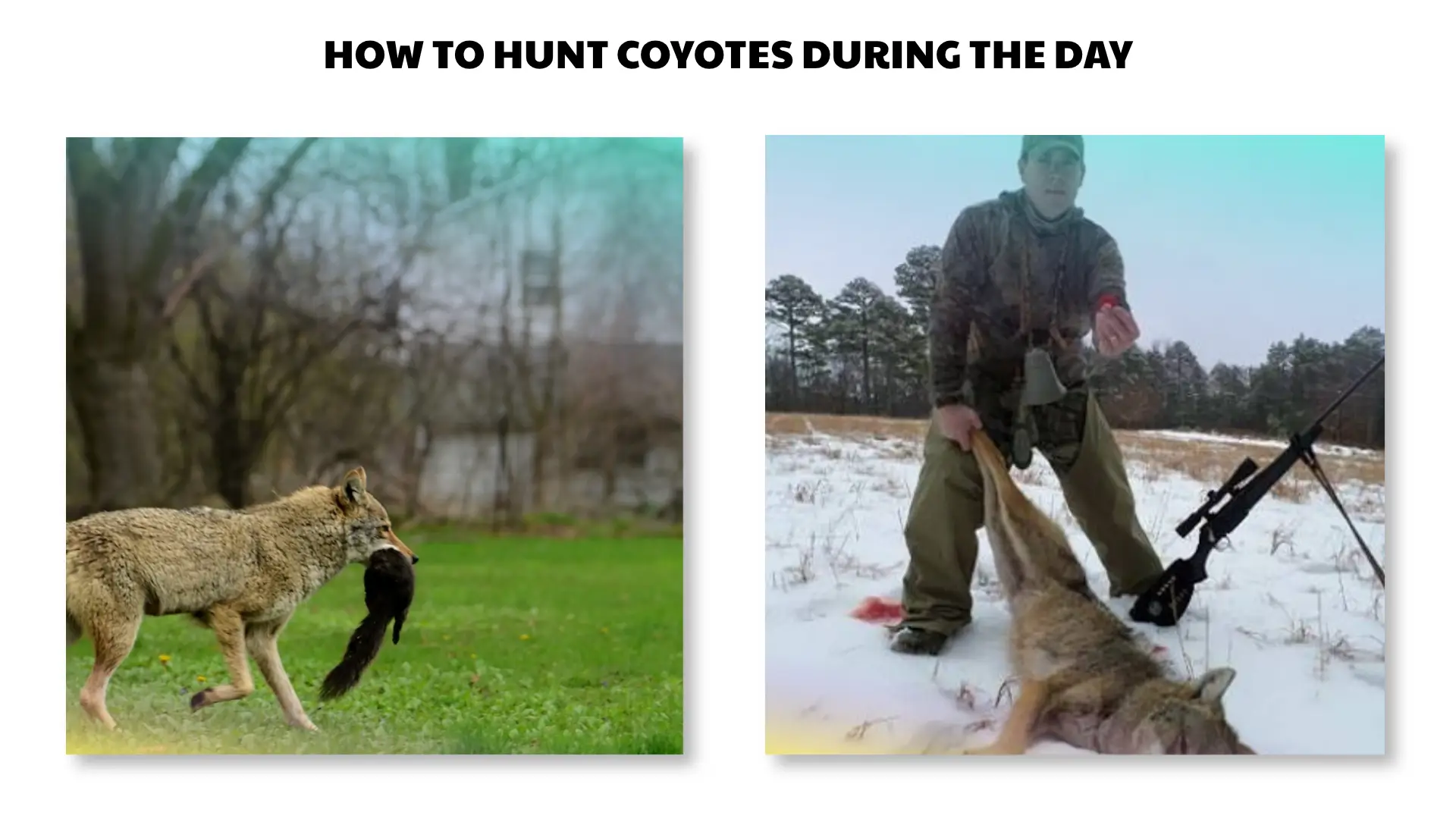

Learning how to hunt coyotes during the day is different from simply walking into a field and turning on a call. Daytime coyote hunting requires legal preparation, careful scouting, smart wind management, quiet movement, realistic calling, safe firearm handling, and patience.
This guide is written for beginner hunters who want a practical, ethical, and safety-focused approach. You will learn where coyotes may travel in daylight, how to choose a setup, what gear helps, what mistakes to avoid, and why local hunting regulations must always come first.
No guide can guarantee success. Coyotes are cautious, intelligent predators, and daytime hunting results depend on season, pressure, terrain, weather, food sources, calling skill, legal access, and ethical decision-making.
Quick Answer
To learn how to hunt coyotes during the day, start by checking local hunting laws, then scout areas with coyote sign, set up with the wind in your favor, use legal calls carefully, and stay still while watching downwind approaches. Daytime coyotes often use cover, ridges, brush, creek bottoms, field edges, and low-pressure travel routes. Always identify your target and what is beyond it before taking any shot, and never hunt without permission, required licenses, and current regulation knowledge.
Important Legal and Safety Notice Before You Hunt
Hunting regulations vary by country, state, province, county, season, land type, species, and weapon type. Before hunting coyotes, verify current rules with your official wildlife agency, local conservation department, public land office, landowner, or hunter education authority.
- Hunting license and permits: Check whether a hunting license, predator permit, furharvester license, or other authorization is required.
- Tags or harvest reporting: Some areas may require harvest reporting, carcass rules, or transport documentation.
- Legal season and legal hours: Coyote seasons and legal shooting hours can vary widely.
- Legal weapons and ammunition: Confirm firearm, caliber, ammunition, bow, electronic call, suppressor, night vision, and baiting rules where applicable.
- Public land or private land access: Verify boundaries and never cross private land without permission.
- Required clothing or visibility rules: Blaze orange or other visibility clothing may be required during some seasons.
- Safe firearm or bow handling: Keep the muzzle pointed in a safe direction, keep your finger off the trigger until ready to shoot, and know your target and beyond.
- Weather, navigation, and emergency planning: Carry water, a first aid kit, communication, and navigation tools.
Understanding the Game Species and Its Habitat
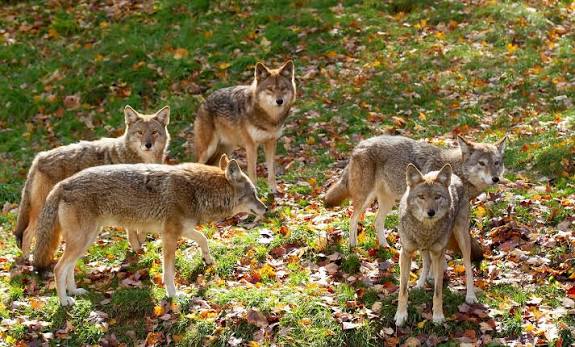
Coyotes are adaptable predators that can live in open farmland, deserts, brush country, timber edges, grasslands, mountains, river bottoms, suburban fringe areas, and mixed agricultural land. During daylight, they often avoid obvious human activity and may use cover, terrain breaks, creek bottoms, fencerows, brushy draws, and shaded bedding areas.
Beginners should learn to recognize tracks, scat, travel routes, denning cover where legal to observe from a distance, prey-rich areas, livestock edges, field corners, and places where coyotes can approach with cover. Fresh tracks after rain or snow, vocal activity at dawn or dusk, and repeated sightings by landowners can help narrow your search.
Coyote behavior changes with food availability, breeding season, pup-rearing periods, hunting pressure, weather, and local human activity. In pressured areas, coyotes may circle downwind, hang up at long distance, approach silently, or avoid calling setups that sound unnatural.
What You Need Before You Start
- Valid hunting license, permits, tags, and current regulation knowledge
- Legal hunting weapon or method allowed in your area
- Hunter orange or required visibility clothing if applicable
- Weather-appropriate camouflage or neutral clothing that matches the terrain
- Comfortable boots for walking quietly and safely
- Navigation tools such as map, compass, GPS, or hunting app
- First aid kit, water, snacks, and emergency communication
- Binoculars or optics for safe observation
- Predator calls if legal, such as hand calls or electronic calls
- Shooting sticks, bipod, or stable rest if legal and suitable
- Seat pad or low-profile stool for long sits
- Gloves and basic field supplies for responsible handling if a coyote is harvested
How to Hunt Coyotes During the Day: Step-by-Step Guide
Step 1: Check Local Hunting Laws First
Before scouting or calling, confirm that coyote hunting is legal in your area at the time you plan to hunt. Check license requirements, season dates, legal hours, firearm or bow rules, electronic call rules, land access, bag limits if any, transport rules, and reporting requirements.
Step 2: Learn the Animal’s Patterns
Daytime coyotes often travel between bedding cover, feeding areas, water, field edges, livestock areas, and prey-rich habitat. Look for sign along two-track roads, sandy washes, creek crossings, fence gaps, and brushy draws. Coyotes often prefer routes that let them stay hidden while checking wind and sound.
Step 3: Choose a Legal Hunting Area
Use official maps, wildlife agency resources, property apps, and public land maps to confirm boundaries. On private land, get clear permission from the landowner and respect gates, livestock, crops, roads, and parking instructions. On public land, avoid crowding other users and follow all access rules.
Step 4: Scout Before the Hunt
Scouting saves time. Look for fresh tracks, scat, prey activity, howling locations, bedding cover, and travel corridors. Talk respectfully with landowners where appropriate, because they may know where coyotes are seen during daylight. Do not trespass to check sign.
Step 5: Prepare Your Gear Safely
Choose only legal equipment you can handle confidently. Check your firearm or bow according to the manufacturer’s instructions, verify zero or accuracy through safe practice, pack only what you need, and keep emergency essentials with you. Avoid field use of gear you have not practiced with.
Step 6: Plan for Wind, Weather, and Entry Route
Wind direction matters because coyotes often try to approach from downwind. Plan your setup so your scent does not blow directly into the area you expect coyotes to use. Enter quietly, avoid skylining yourself on ridges, and use terrain to stay hidden.
Step 7: Set Up Carefully
Choose a safe position with a clear view, solid backstop, and legal shooting direction. Sit in shade or cover when possible, face likely approach routes, and place an electronic caller away from you if legal and safe to do so. Never shoot toward roads, homes, livestock, people, vehicles, trails, or unclear movement.
Step 8: Stay Patient and Observe
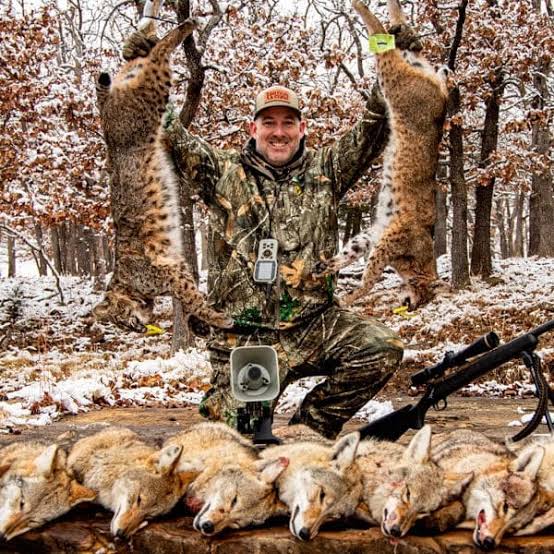
Daytime coyote stands often require stillness. Move slowly, scan with your eyes before turning your head, and watch downwind areas. Coyotes may appear quickly or come in silently after several minutes. If a stand produces nothing, leave quietly and learn from the setup.
Step 9: Take Only a Safe, Legal, and Ethical Shot Opportunity
Only take a shot when you have clearly identified the coyote, confirmed it is legal, know what is beyond the target, and are within your practiced ability. If the angle, distance, background, or identification is uncertain, pass the shot. Ethical restraint is part of responsible hunting.
Step 10: Follow Legal Recovery and Reporting Rules
If you harvest a coyote, follow local rules for recovery, reporting, tagging, transport, and disposal or use. Regulations vary, so check your wildlife agency before hunting. Keep the process respectful, legal, and non-wasteful.
Step 11: Handle the Game Responsibly
Use gloves, clean tools, and responsible handling practices. If you intend to keep the hide or use any part of the animal, learn proper legal handling from official wildlife resources, an experienced mentor, or a reputable hunter education source.
Best Time, Place, and Conditions for This Hunt
Daytime coyote hunting often works best during low-light periods such as early morning and late afternoon, but coyotes can move at other times when pressured, hungry, disturbed, or responding to calling. Cold fronts, calm mornings, light wind, and recent weather changes can influence movement.
Good places to start include brushy draws, field edges, creek bottoms, pasture edges, livestock-adjacent areas where legal, rolling terrain, open-country saddles, and areas with fresh sign. Private land with low pressure can be productive when permission is clear. Public land can also work, but hunters may need to walk farther, scout harder, and avoid heavily used access points.
Helpful Tips for Better Results
- Start with legal access, current regulations, and a safe field plan before thinking about calls or gear.
- Scout more than you hunt; fresh sign is more useful than random calling.
- Use the wind carefully and expect coyotes to check the downwind side.
- Keep calling realistic and avoid overcalling in pressured areas.
- Sit still, use shade or cover, and avoid unnecessary movement.
- Choose setups with safe backstops and clear shooting lanes.
- Do not force a shot if the coyote is too far, moving too fast, or not clearly identified.
Common Mistakes to Avoid
Many beginners struggle with daytime coyotes because they focus too much on calls and not enough on wind, access, scouting, and safety. Coyotes are alert animals, and one careless entry route can ruin a stand before it starts.
- Not checking current coyote hunting regulations before going out
- Assuming coyotes are legal to hunt year-round everywhere
- Hunting private land without clear permission
- Ignoring wind direction and letting scent blow into the approach area
- Walking loudly into the setup
- Calling from a spot with no safe view or backstop
- Overcalling or using unrealistic volume for the terrain
- Leaving a stand too quickly before observing carefully
- Shooting at movement without full target identification
Troubleshooting Common Problems
| Problem | Possible Cause | What to Do |
|---|---|---|
| You are not seeing coyotes | Poor location, stale sign, wrong timing, heavy pressure, or limited scouting | Scout fresh tracks and scat, ask landowners where legal, and move to better habitat or lower-pressure access. |
| Coyotes bark, howl, or leave without coming in | They may have detected scent, movement, or unnatural calling | Change wind strategy, reduce movement, lower call volume, and avoid repeating the same setup too often. |
| Coyotes circle downwind and disappear | Normal coyote behavior around calls | Set up where you can see downwind routes or use terrain barriers when legal and safe. |
| You are unsure about property boundaries | Map confusion or unclear access points | Stop hunting that spot until boundaries and permission are confirmed through official maps or the landowner. |
| Other hunters are nearby | Public land pressure or shared access | Choose another location, communicate politely if appropriate, and never shoot toward unknown people or sounds. |
| Wind changes during the stand | Terrain, weather shifts, or thermals | Reposition if safe and legal, or end the stand and return under better conditions. |
Ethical Hunting and Conservation
Ethical coyote hunting means following the law, respecting wildlife, using safe methods, and making careful decisions. Even when coyotes are managed as predators in many regions, hunters should still act with restraint, respect, and responsibility.
- Respect wildlife and avoid careless or wasteful behavior.
- Respect landowners, livestock, crops, roads, fences, and gates.
- Obey seasons, methods, access rules, and reporting requirements.
- Practice before hunting and know your personal effective range.
- Pass on unsafe, uncertain, rushed, or unethical shots.
- Support conservation through legal licenses, habitat respect, and responsible participation.
- Leave the land cleaner than you found it.
When to Get More Training or Professional Guidance
Beginners should seek more training before hunting alone if they are unsure about firearms, bows, regulations, land boundaries, navigation, or ethical shot decisions. A hunter education course and an experienced mentor can prevent dangerous mistakes.
- You have never handled a firearm or bow.
- You have not completed hunter education.
- You are unsure about local laws or legal methods.
- You do not understand land boundaries.
- You are not confident in safe shooting.
- You are hunting unfamiliar terrain.
- You need help with legal recovery, reporting, handling, or transport rules.
After the Hunt: Follow-Up, Gear Care, and Learning
After a hunt, clean and store your gear safely, unload and secure firearms according to safety rules and manufacturer instructions, check batteries, dry wet clothing, and review what worked. Keep notes about wind, weather, sign, calling sequence, visibility, and coyote responses.
If you harvested a coyote, follow reporting, tagging, transport, and handling rules. If you did not, your notes still matter. Daytime coyote hunting improves through observation, patience, legal preparation, and learning from each stand.
Recommended Hunting Gear and Tools to Consider
You do not always need expensive gear to hunt responsibly. Choose gear based on your local laws, hunting method, terrain, weather, safety needs, skill level, and budget.
- Legal hunting weapon or method allowed in your area
- Quality boots for your terrain and weather
- Weather-appropriate clothing and required visibility gear
- Binoculars or optics for safe observation
- Predator calls if legal, including hand calls or electronic calls
- Stable shooting support such as shooting sticks if legal and appropriate
- Navigation tools such as a map, compass, GPS, or hunting app
- First aid kit and emergency communication
- Seat pad, gloves, extra batteries, and weather protection
Final Thoughts
Learning how to hunt coyotes during the day starts with legal access, safety, scouting, wind direction, quiet setup, patient observation, and ethical shot decisions. Daytime coyotes can be challenging because they use cover, pressure, wind, and terrain to their advantage.
For beginners, the best approach is to slow down, study local sign, follow official regulations, practice safe firearm or bow handling, and hunt with respect for wildlife and other people. Success is never guaranteed, but careful preparation makes every hunt safer and more educational.
FAQs
1. How long does it take to learn how to hunt coyotes during the day?
It can take several hunts to understand wind, calling, scouting, and setup choices. Beginners should focus first on safety, legal knowledge, and learning coyote behavior rather than expecting quick results.
2. Is it legal to hunt coyotes during the day?
It depends on your location. Check your official wildlife agency for license requirements, season dates, legal hours, weapon rules, and land access restrictions.
3. Do I need a hunting license for coyotes?
Many areas require a hunting license or specific permit, but rules vary. Always verify current requirements before hunting.
4. What is the best time of day to hunt coyotes in daylight?
Early morning and late afternoon are common starting points, but local pressure, weather, season, and food availability can change movement.
5. Can coyotes be called in during midday?
Yes, it can happen, especially in low-pressure areas or good habitat, but midday hunting may require patience and careful setup.
6. What calls work for daytime coyote hunting?
Common legal calls may include prey distress sounds, coyote vocals, or other predator calls. Check local rules before using electronic calls.
7. Are electronic calls legal for coyotes?
Electronic call rules vary by state, province, and land type. Verify the rule with your official wildlife agency before using one.
8. How important is wind direction?
Wind is very important because coyotes often try to approach from downwind. Plan your setup so you can watch likely downwind routes.
9. What habitat should I look for?
Look for brushy draws, field edges, creek bottoms, pasture edges, rolling terrain, travel corridors, and areas with fresh tracks or scat.
10. How long should I sit on a coyote stand?
There is no universal time. Many hunters wait long enough to observe carefully, then move quietly if there is no response. Terrain and pressure matter.
11. Should I hunt public land or private land?
Both can work. Public land requires careful boundary and pressure planning, while private land requires clear permission and respect for the landowner.
12. How do I get private land permission?
Ask politely, explain your intentions, follow landowner rules, avoid pressuring them, and respect their decision. Written permission is wise where appropriate.
13. What safety rule matters most?
Always identify your target and what is beyond it. Never shoot at sound, movement, or an unclear shape.
14. Should I wear blaze orange?
Wear required visibility clothing when the law requires it and consider safety during overlapping seasons. Check local regulations.
15. Can I hunt coyotes with a bow?
In some areas, yes, but bow rules vary. Bowhunters should practice, know their effective range, and pass on risky shots.
16. Can I hunt coyotes with a rifle?
Rifles may be legal in many areas, but caliber, ammunition, public land, and local restrictions vary. Confirm rules before hunting.
17. Can I hunt coyotes with a shotgun?
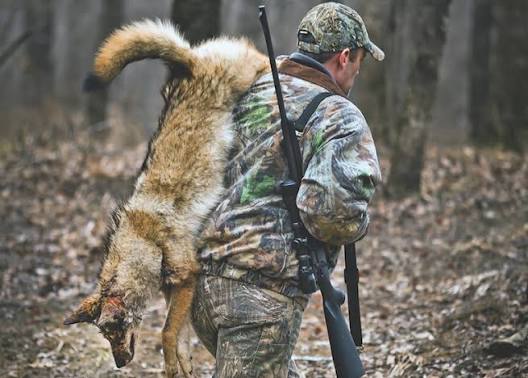
Shotguns may be legal in some areas and useful in thicker cover. Check ammunition and method rules with your wildlife agency.
18. What should beginners practice before hunting?
Practice safe firearm or bow handling, target identification, shooting from field positions, reading maps, and using calls responsibly.
19. What should I do if I see livestock near my setup?
Do not shoot toward livestock. Move, change angles, or leave the area if a safe shot direction is not available.
20. Can I hunt near roads?
Road hunting and shooting near or across roads are restricted or illegal in many places. Follow local law and never shoot toward roads or vehicles.
21. Do coyotes always come to calls?
No. Coyotes may ignore calls due to pressure, wind, food availability, suspicion, or poor setup.
22. Why do coyotes circle downwind?
They often use scent to check danger before approaching. Plan your setup with this behavior in mind.
23. How can I avoid being seen?
Use cover, shade, slow movement, quiet entry routes, and avoid sitting on obvious skylines.
24. Should I use camouflage?
Camouflage can help you blend into the terrain, but stillness, wind, and setup are often more important than pattern choice.
25. How loud should I call?
Use volume that fits the terrain and wind. Calling too loudly in close cover may sound unnatural, while open country may require more volume.
26. What if coyotes stop responding in an area?
The area may be pressured or overcalled. Rest the spot, change sounds, scout fresh sign, or choose another legal location.
27. What are common signs of coyotes?
Tracks, scat, howls, prey remains, travel routes, and repeated sightings can indicate coyote activity.
28. Can weather affect daytime coyote hunting?
Yes. Wind, temperature, storms, snow, and pressure changes can affect movement and calling response.
29. Is snow helpful for coyote scouting?
Snow can make tracks easier to see and may reveal travel patterns, but weather and access safety still matter.
30. What should I carry for navigation?
Carry a map, compass, GPS, or hunting app, and know how to use them before entering the field.
31. What should I do if I get lost?
Stop, stay calm, use your navigation tools, contact help if needed, and avoid wandering farther without a plan.
32. Is hunting with a mentor helpful?
Yes. An ethical mentor can help with safety, regulations, setup choices, calling, and field judgment.
33. What is an ethical shot opportunity?
It is a shot where the animal is legal, clearly identified, the background is safe, and the shot is within the hunter’s practiced ability.
34. Should I shoot at a running coyote?
Beginners should avoid risky shots. Only take shots that are safe, legal, controlled, and within your ability.
35. What if I am unsure whether the animal is a coyote?
Do not shoot. Positive identification is required for ethical and safe hunting.
36. Can coyote hunting help conservation?
Legal hunting can be part of wildlife management in some areas, but hunters should follow regulations and avoid making unsupported claims.
37. Are coyotes dangerous to hunters?
Coyotes usually avoid people, but all wildlife should be respected. Keep distance, avoid reckless close contact, and follow safe field practices.
38. What should I do after harvesting a coyote?
Follow local reporting, tagging, transport, and handling rules. Use gloves and learn responsible handling from official or experienced sources.
39. Do I need to report a coyote harvest?
Reporting rules vary. Some places may require reports or have special transport rules, so verify before hunting.
40. Can I hunt coyotes during deer season?
Rules vary and visibility clothing may be required. Check season overlap, legal methods, and public land restrictions.
41. What is the biggest beginner mistake?
Ignoring wind and setup is a major mistake. Legal access and safety mistakes are even more serious and must be avoided.
42. How many stands should I make in a day?
It depends on terrain, access, wind, and time. Quality setups in good sign are better than rushing through many poor locations.
43. Should I hunt alone?
Beginners are safer with a mentor. If hunting alone is legal, tell someone your plan, carry communication, and use strong navigation habits.
44. What should be in a basic safety kit?
Carry first aid, water, emergency communication, navigation tools, weather protection, and any required legal documents.
45. Can dogs be used for coyote hunting?
Dog use rules vary widely and may be restricted. Check local laws and avoid unsafe situations for dogs, people, livestock, and wildlife.
46. Is bait legal for coyotes?
Baiting rules vary by location and land type. Do not use bait unless your official wildlife agency clearly allows it.
47. Are night hunting methods useful for daytime hunting?
Some scouting knowledge may transfer, but legal methods and behavior can differ. This guide focuses on daylight hunting.
48. What should I do if my call stops working?
Stay quiet, use a backup hand call if legal and practiced, or end the stand and check batteries before the next setup.
49. How do I avoid conflicts with other hunters?
Park respectfully, avoid crowded setups, communicate calmly when appropriate, and never shoot toward unknown sounds or people.
50. How much does coyote hunting gear cost?
Costs vary widely. Beginners should prioritize legal requirements, safety, reliable basics, and practice over expensive accessories.
51. Do I need expensive optics?
No. Good optics can help with safe observation, but knowledge, legal access, wind, and safe shooting matter more.
52. What official source should I check first?
Start with your state, provincial, or national wildlife agency and official hunter education resources.
53. How can I improve after an unsuccessful hunt?
Keep notes, scout fresh sign, adjust wind strategy, practice calling, and learn from each setup rather than changing everything at once.
54. Can I hunt coyotes near homes or farms?
Only if legal, safe, and permitted. Never shoot toward homes, livestock, roads, vehicles, people, or unsafe backgrounds.
55. What is the safest mindset for daytime coyote hunting?
Think safety first, legality second, ethics always, and success last. Responsible hunting requires restraint and good judgment.
Read more: How to Hunt Elk on Public Land: A Beginner-Friendly Guide