
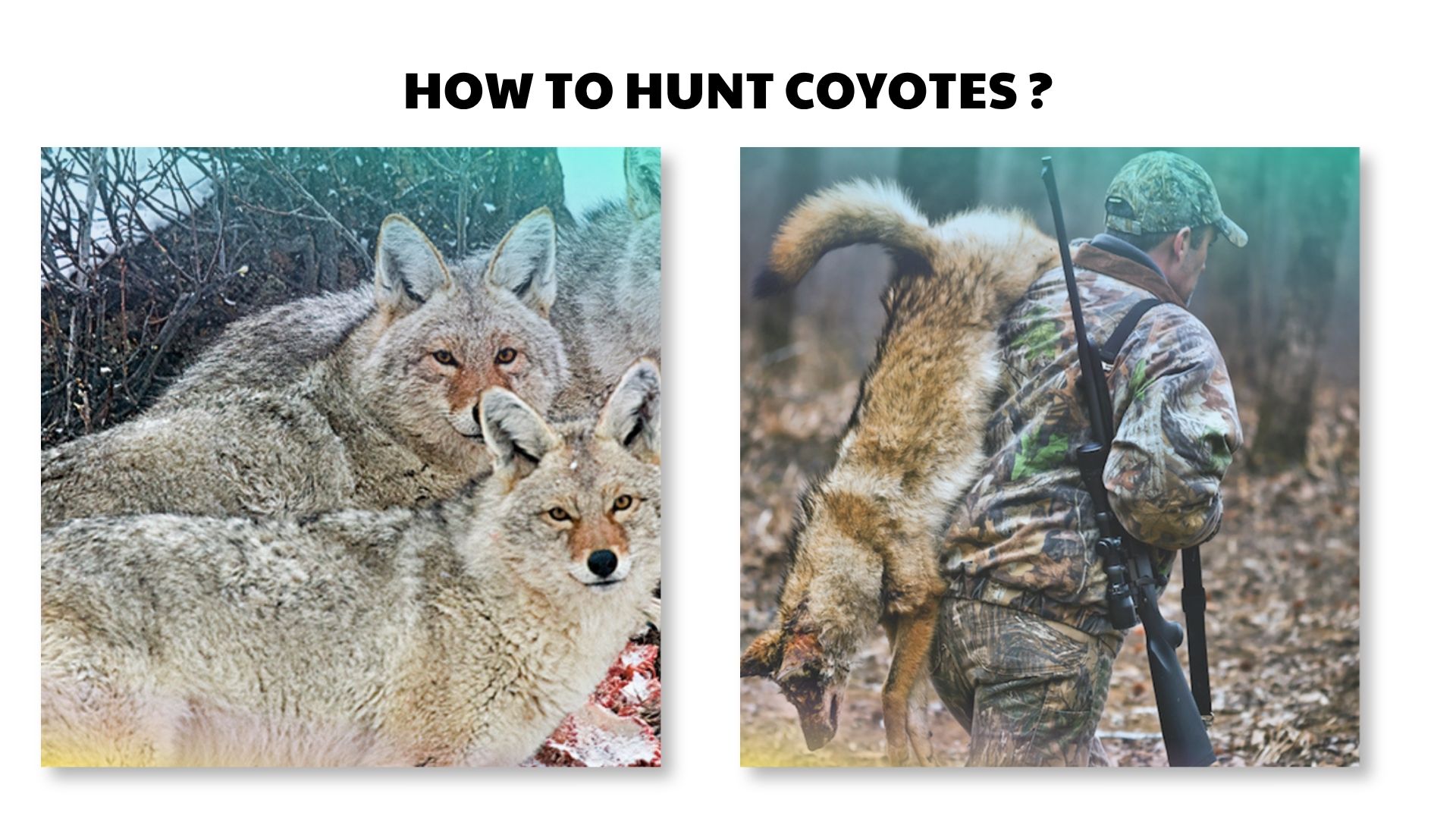

Learning how to hunt coyotes takes more than buying a call and walking into a field. Coyotes are alert, adaptable predators with sharp hearing, strong noses, and the ability to survive in farmland, grassland, desert, brush country, timber edges, and even suburban areas.
This guide is written for beginners who want a legal, safe, practical, and ethical introduction to coyote hunting. You will learn how to understand coyote behavior, check regulations, scout sign, choose a setup, manage wind direction, use calls responsibly where legal, prepare your gear, avoid common mistakes, and make good decisions in the field.
Coyote hunting success is never guaranteed. Weather, season, land access, hunting pressure, local food sources, regulations, patience, skill, and ethical judgment all matter. The goal is not reckless shooting or chasing animals without a plan. The goal is to become a safer, better-informed hunter who respects wildlife, landowners, other hunters, and the law.
Quick Answer
To learn how to hunt coyotes, start by checking your local hunting regulations, getting the required license or permits, and confirming legal season dates, hunting hours, methods, land access, and reporting rules. Then scout areas with coyote sign, plan your setup with the wind in mind, use legal calling methods carefully, stay still and patient, and only take a safe, legal, ethical shot opportunity within your practiced ability. With preparation and patience, beginners can improve their odds, but no method guarantees success.
Important Legal and Safety Notice Before You Hunt
Hunting regulations vary by country, state, province, county, season, land type, species classification, weapon type, and hunting method. Coyotes may be treated as predators, furbearers, nongame animals, nuisance wildlife, or regulated game depending on the location. Before hunting, check your official wildlife agency for current license, permit, season, weapon, ammunition, night hunting, electronic call, baiting, land access, transport, harvest reporting, and disposal rules.
- Hunting license and permits: Confirm whether you need a hunting license, predator permit, furbearer license, landowner authorization, or other local approval.
- Tags or harvest reporting: Some areas may require reporting even when coyotes have no bag limit. Check before you hunt.
- Legal season and legal hours: Some places allow year-round coyote hunting, while others restrict dates, hours, night hunting, or certain areas.
- Legal weapons and ammunition: Confirm what firearms, bows, crossbows, ammunition, suppressors, lights, thermal optics, or night vision devices are legal where you hunt.
- Public land or private land access: Verify property boundaries and never enter private land without permission.
- Required clothing or visibility rules: Some areas require blaze orange or other visibility clothing during certain seasons.
- Safe firearm or bow handling: Treat every firearm as loaded, keep the muzzle pointed in a safe direction, keep your finger off the trigger until ready, and identify your target and what is beyond it.
- Weather, navigation, and emergency planning: Carry navigation tools, water, first aid, emergency communication, and a plan for returning safely.
Understanding the Game Species and Its Habitat
The game species inferred from the keyword is the coyote. Coyotes are highly adaptable canids found across much of North America. They may live in open grasslands, agricultural areas, desert country, brushy draws, timber edges, river bottoms, mountain foothills, and urban-edge habitat. Their ability to adjust to different landscapes is one reason they are challenging to hunt.
Coyotes are opportunistic feeders. Their diet may include rodents, rabbits, birds, insects, fruit, carrion, livestock afterbirth, and other available foods depending on the region and season. Because they often follow food availability, good coyote habitat usually has prey, cover, travel routes, and low disturbance.
Beginners should learn to recognize coyote sign. Useful signs include tracks, droppings, travel routes along field edges, fence gaps, logging roads, creek bottoms, brush lines, livestock areas, and places where howling or yipping is heard at dawn, dusk, or night. Coyotes often move most confidently when human activity is low, but movement patterns vary by local pressure and food sources.
Many coyotes use wind, terrain, and cover to their advantage. They may circle downwind before approaching a sound or setup. That is why wind direction, quiet entry, and a safe shooting background are important parts of a responsible hunting setup.
What You Need Before You Start
- Valid hunting license, permits, and current regulation knowledge for coyote hunting in your area
- Legal hunting weapon or method allowed where you hunt
- Hunter orange or required visibility clothing if applicable
- Weather-appropriate camouflage, neutral outdoor clothing, gloves, hat, and durable boots
- Navigation tools such as a paper map, compass, GPS, or hunting app
- First aid kit, water, snacks, emergency blanket, and charged phone or satellite communicator
- Binoculars or optics for safe observation before deciding what you are seeing
- Predator call, mouth call, or electronic call only where legal
- Small seat, shooting sticks, blind, or natural-cover setup if allowed and practical
- Gloves, game bags, cooler, and clean handling supplies if you plan to use the hide, pelt, or meat where legal and appropriate
how to hunt coyotes: Step-by-Step Guide
Step 1: Check Local Hunting Laws First
Before you hunt, check your official wildlife agency’s current regulations. Coyote rules vary widely. In some places, coyotes may be hunted year-round. In others, they may have set seasons, night hunting restrictions, firearm restrictions, public land rules, call restrictions, or local permit requirements.
Verify whether electronic calls, decoys, lights, night vision, thermal optics, suppressors, bait, dogs, centerfire rifles, shotguns, rimfire firearms, bows, crossbows, and trapping methods are legal. Do not rely on online comments, old videos, or advice from hunters in another state. Regulations change, and the hunter is responsible for knowing the current rules.
Step 2: Learn the Animal’s Patterns
Coyotes often travel between bedding cover, hunting areas, water sources, livestock areas, field edges, creek bottoms, and brushy travel corridors. They may respond to prey sounds, coyote vocalizations, and territorial pressure, but their behavior changes with season, food supply, breeding activity, hunting pressure, and local human activity.
Beginners should focus on learning where coyotes naturally move. Look for tracks in soft dirt, sand, mud, snow, or dusty roads. Listen for vocalizations at dawn, dusk, and night where legal and safe to scout. Watch field edges, cattle pastures, hayfields, dry washes, timber openings, and brushy draws. The more you understand local patterns, the less you will rely on guessing.
Step 3: Choose a Legal Hunting Area
Choose land where coyote hunting is legal and where you can hunt safely. On public land, confirm that the unit, wildlife management area, national forest, state land, or other property is open to the method you plan to use. Use official maps, posted signs, and agency rules to avoid closed areas, safety zones, roads, trails, buildings, livestock areas, and private inholdings.
For private land, get clear permission before hunting. Written permission is best when available. Ask the landowner where boundaries, houses, barns, livestock, pets, roads, and neighboring properties are located. Leave gates as you found them, avoid damaging roads or crops, and clean up all trash, cases, flagging, and spent materials.
Step 4: Scout Before the Hunt
Good scouting helps you choose better setups. Look for coyote tracks, droppings, trails along fence lines, field-edge travel routes, creek crossings, dry washes, brushy saddles, livestock edges, and areas with rabbits, rodents, or other prey. In snow or mud, tracks can show travel direction and frequency.
Avoid walking through the exact area where you expect coyotes to approach. Scout from roads, high points, field edges, or downwind routes when possible. Mark safe access points, likely calling stands, and unsafe directions where you must never shoot, such as roads, houses, livestock, trails, or unclear backgrounds.
Step 5: Prepare Your Gear Safely
Choose gear that matches your local laws, terrain, weather, and skill level. A beginner does not need expensive equipment, but every hunter needs safe, legal, reliable gear. Check your firearm or bow according to manufacturer instructions. Confirm your optics are secure, your call works, your batteries are charged, and your clothing fits the weather.
Practice before hunting. Know your personal effective range under realistic field conditions. If you cannot make a safe, controlled, ethical shot in practice, do not attempt it on an animal. Do not modify firearms, ammunition, triggers, safeties, or other equipment outside manufacturer and legal guidance.
Step 6: Plan for Wind, Weather, and Entry Route
Wind direction is one of the most important parts of coyote hunting. Coyotes often try to use their nose before committing to a sound or open area. A common beginner mistake is setting up with wind blowing directly from the hunter toward the expected coyote approach.
Try to set up so you can see the downwind side, crosswind openings, and likely travel routes. Enter quietly. Avoid skylining yourself on ridges. Watch dry leaves, crunchy snow, loose gravel, and noisy brush. Check weather for wind shifts, rain, snow, heat, lightning, and safe travel conditions.
Step 7: Set Up Carefully
Choose a setup with cover behind you, a clear view in front of you, and a safe background. Sit in shade, against brush, beside a tree, near a rock, or inside a legal blind if appropriate. Avoid setting up where your shot direction could point toward roads, houses, people, livestock, trails, vehicles, or hidden property boundaries.
If using calls where legal, place the sound source where it helps draw attention away from your exact position. Start with moderate volume and avoid overcalling. Prey distress sounds, coyote vocalizations, or other legal predator-calling methods may work, but coyotes can also become cautious in heavily hunted areas.
Step 8: Stay Patient and Observe
Once set up, limit movement. Coyotes can detect small motions, especially when they are approaching open ground. Use your eyes before using your hands. Move slowly only when necessary. Watch edges, low spots, brush breaks, fence lines, and downwind approaches.
Many beginners leave too soon. The right waiting time depends on terrain, pressure, wind, and calling style. In open country, you may see movement from a long distance. In thick cover, a coyote may appear quickly and quietly. Stay alert, but do not rush.
Step 9: Take Only a Safe, Legal, and Ethical Shot Opportunity
Only act when the animal is clearly identified as a legal coyote, the season and method are legal, the background is safe, and the opportunity is within your practiced ability. Never shoot at movement, sound, color, or a shape you cannot clearly identify. Never shoot toward roads, homes, livestock, people, vehicles, trails, water surfaces, hard surfaces, or an uncertain background.
Ethical hunting means passing on uncertain, rushed, long, obstructed, or unsafe opportunities. If you are not calm, steady, and certain, do not take the shot. Responsible restraint is one of the most important hunting skills.
Step 10: Follow Legal Recovery and Reporting Rules
After a successful shot, follow local recovery, tagging, reporting, transport, and possession rules. Some regions may require harvest reporting or specific disposal practices. Move carefully, keep your firearm pointed in a safe direction, and stay aware of other hunters, livestock, and property boundaries.
If you are unsure whether the animal was hit or where it went, do not rush blindly. Mark the location, wait if appropriate, and follow legal and ethical recovery guidance. Ask an experienced mentor or wildlife officer for advice if needed.
Step 11: Handle the Game Responsibly
Handle harvested coyotes respectfully and according to local law. In some areas, hunters may use the pelt. In others, there may be rules about disposal, transport, disease precautions, or landowner preferences. Wear gloves, use clean tools, avoid contact with body fluids, and wash hands and equipment afterward.
If local custom and regulations allow meat use, follow safe handling, cooling, and processing guidance. If the animal is not used for food, do not leave remains in a careless or illegal way. Respect wildlife, the landowner, and the public image of hunting.
Best Time, Place, and Conditions for This Hunt
Coyote movement often improves when human disturbance is low. Many hunters focus on early morning, late afternoon, evening, or legal night periods where night hunting is allowed. However, legal hunting hours vary, and some places restrict night hunting, lights, thermal optics, or electronic calls.
Seasonality matters. Coyotes may respond differently during winter food stress, breeding periods, pup-rearing periods, dispersal, livestock calving seasons, and periods of heavy hunting pressure. Because local laws and local behavior vary, use general timing ideas as a starting point, not a guarantee.
Good locations often include brushy draws, field edges, creek bottoms, cattle pastures, prairie dog towns where legal and present, hayfields, desert washes, timber openings, old logging roads, and places with prey sign. On public land, hunting pressure can push coyotes into thicker cover, farther access points, or quieter travel routes. On private land, landowner knowledge about recent sightings, livestock activity, and safe boundaries can be very helpful.
Wind is critical. A steady breeze can help you predict scent movement. Swirling winds in canyons, timber, hills, and draws can make setups harder. Weather changes can also affect movement. Cold fronts, light snow, calm mornings, or stable weather may improve visibility and tracking, but every region is different.
Helpful Tips for Better Results
- Check current coyote regulations before every hunt, especially for night hunting, electronic calls, weapon type, and public land rules.
- Scout before calling. Sign, tracks, prey activity, and local reports help you choose better setups.
- Plan for the wind. Watch the downwind side because coyotes may try to circle before approaching.
- Use terrain and background cover. Avoid sitting on skylines or in open places where movement is easy to see.
- Keep your setup quiet. Close truck doors gently, silence gear, and avoid walking through dry brush when possible.
- Practice with your legal hunting method before the hunt so you know your safe, ethical range.
- Keep notes after each hunt. Record wind, weather, sounds used, response, sign, time of day, and mistakes to improve later.
Common Mistakes to Avoid
Many beginner coyote hunters make mistakes before they ever start calling. The biggest mistake is failing to check current regulations. Coyote rules are not the same everywhere, and assumptions can lead to illegal hunting.
- Not checking local laws: Verify licenses, season dates, legal hours, methods, public land rules, and reporting requirements.
- Hunting without permission: Never enter private land unless the landowner clearly allows it.
- Ignoring wind direction: Coyotes often use scent to confirm danger before exposing themselves.
- Making too much noise: Loud entry, rattling gear, and careless movement can ruin a setup.
- Overcalling: Constant loud calling may make pressured coyotes cautious.
- Poor setup location: Sitting without cover, visibility, or a safe background creates problems.
- Underpacking safety essentials: Always carry water, first aid, navigation, and communication.
- Taking unsafe opportunities: Never shoot unless the target is identified, legal, and backed by a safe area.
- Forgetting recovery and reporting rules: Know what to do after a harvest before the hunt begins.
- Crossing unclear property lines: Use maps and permission to avoid trespassing.
Troubleshooting Common Problems
| Problem | Possible Cause | What to Do |
|---|---|---|
| You are not seeing any coyotes | Poor location, limited scouting, heavy pressure, wrong timing, or low local activity | Scout more sign, move to better habitat, check wind, and try different legal access points. |
| Coyotes seem to detect you before appearing | Wind blowing toward them, noisy entry, exposed setup, or too much movement | Use crosswind setups, enter quietly, sit against background cover, and reduce movement. |
| Public land feels too crowded | Easy access areas receive more hunting pressure | Try less obvious access points, hunt weekdays if possible, and respect other users. |
| You are unsure about property boundaries | Incomplete map research or unclear signs | Stop hunting that area until you verify boundaries with official maps, landowners, or agency staff. |
| Bad weather changes your plan | Wind shift, storm, fog, heat, snow, or unsafe travel conditions | Choose safety first. Adjust your setup, shorten the hunt, or return another day. |
| Your call or electronic device fails | Dead batteries, moisture, damaged speaker, or poor preparation | Carry spare batteries, test gear before leaving, and have a legal backup call if allowed. |
| Visibility is poor | Fog, darkness, brush, terrain, or poor optics | Do not shoot at unclear movement. Move only to a legal, safer setup with a clear background. |
| You are uncertain about legal rules | Old information, confusing regulations, or special local restrictions | Contact the official wildlife agency before hunting. Do not guess. |
| You feel nervous when an opportunity appears | Lack of field experience or limited practice | Slow down, breathe, and pass if you are not fully safe and confident. Practice more before the next hunt. |
| You have recovery concerns after a shot | Unclear result, poor visibility, thick cover, or limited experience | Mark the spot, stay legal and safe, follow ethical recovery guidance, and seek help from an experienced mentor if needed. |
Ethical Hunting and Conservation
Ethical coyote hunting means following the law, respecting wildlife, and making careful decisions. Coyotes are intelligent, adaptable animals that play ecological roles, including scavenging and helping influence prey and smaller predator populations. Hunters should understand local wildlife management goals rather than treating every coyote the same in every region.
Respect other hunters, hikers, landowners, livestock owners, and wildlife officers. Do not trespass, shoot carelessly, leave trash, damage gates, or create conflict. Follow seasons, methods, land access rules, and reporting requirements.
Practice before hunting and pass on unsafe or uncertain opportunities. Avoid waste. Use the pelt, follow legal disposal rules, or handle the harvest according to local expectations and regulations. Responsible license purchases and ethical participation can support conservation funding, hunter education, and wildlife management.
When to Get More Training or Professional Guidance
Beginners should seek more training before hunting coyotes if they have never handled a firearm or bow, have not completed hunter education, are unsure about local laws, do not understand land boundaries, or are not confident in safe shooting.
You should also get help when hunting unfamiliar terrain, using new legal equipment, learning predator calling, handling a harvested animal, or trying to understand reporting and transport rules. Good sources of guidance include official hunter education courses, state or provincial wildlife agencies, certified instructors, experienced ethical mentors, local conservation organizations, and reputable hunting clubs.
After the Hunt: Follow-Up, Gear Care, and Learning
After the hunt, unload and store firearms or bows safely according to law and manufacturer instructions. Clean and dry gear, recharge batteries, inspect boots and clothing, and restock first aid, water, and emergency supplies.
Review what worked and what did not. Write down the date, weather, wind direction, temperature, calling method, response, location type, hunting pressure, animal sign, and mistakes. Over time, these notes help you understand local coyote behavior better than guessing.
Complete any required harvest reporting or records. If you handled a harvested animal, clean tools, wash hands, disinfect surfaces, and follow safe transport, pelt, disposal, or meat care rules. Use the experience to improve your scouting, setup, calling discipline, and safety habits before the next hunt.
Recommended Hunting Gear and Tools to Consider
You do not always need expensive gear to hunt responsibly. Choose gear based on your local laws, hunting method, species, terrain, weather, safety needs, skill level, and budget.
- Legal hunting weapon or method allowed in your area
- Quality boots for your terrain and weather
- Weather-appropriate clothing and required visibility gear
- Predator calls or electronic calls only where legal
- Binoculars or optics for safe observation
- Navigation tools such as a map, compass, GPS, or hunting app
- First aid kit and emergency communication
- Small seat, shooting sticks, or legal blind if useful for your terrain
- Gloves, game bags, cooler, and handling supplies if relevant
If affiliate links are used in a published version of this article, include a clear disclosure such as: “This article may contain affiliate links. If you buy through these links, we may earn a commission at no extra cost to you.” Use proper sponsored or affiliate link attributes when required.
Final Thoughts
Learning how to hunt coyotes responsibly begins with legality, safety, scouting, patience, and respect. Check current regulations, complete hunter education, choose legal access, study local habitat, manage wind direction, set up with a safe background, and only take a safe, legal, ethical opportunity.
Coyote hunting is challenging because coyotes are adaptable, alert, and pressured in many areas. Preparation and practice can make you a better hunter, but nothing guarantees success. Choose your methods and gear based on your local laws, terrain, skill level, and conservation responsibilities.
FAQs
1. How long does it take to learn how to hunt coyotes?
Most beginners can learn the basics in a few weeks, but becoming consistent may take several seasons. Scouting, wind reading, calling discipline, safe setup selection, and field patience improve with practice.
2. Do I need a license to hunt coyotes?
In many places, yes, but rules vary. Some areas require a general hunting license, predator permit, furbearer license, landowner permit, or other authorization. Check your official wildlife agency before hunting.
3. Are coyotes considered game animals?
It depends on location. Coyotes may be classified as predators, furbearers, nongame mammals, nuisance wildlife, or regulated game. Their classification affects seasons, methods, and reporting rules.
4. Can you hunt coyotes year-round?
Some regions allow year-round coyote hunting, while others have seasons or local restrictions. Always verify current season dates and legal hours before hunting.
5. What is the best time of day to hunt coyotes?
Early morning and late afternoon are common choices because coyotes may move when human activity is lower. Legal night hunting may be allowed in some areas, but it is restricted or prohibited in others.
6. Is night hunting coyotes legal?
Night hunting laws vary widely. Some areas allow it with restrictions, some require permits, and some prohibit it. Check rules for lights, thermal optics, night vision, firearms, and public land.
7. What is the best weather for coyote hunting?
Stable winds, cool temperatures, and good visibility can help. Light snow or fresh tracks can improve scouting. Avoid unsafe storms, extreme heat, lightning, heavy fog, or travel conditions that put you at risk.
8. Where should beginners look for coyotes?
Start with field edges, brushy draws, creek bottoms, timber openings, cattle pastures, dry washes, and areas with rodent or rabbit activity. Always confirm legal access before scouting or hunting.
9. Can I hunt coyotes on public land?
Often yes, but public land rules vary by property. Check official maps, access points, shooting restrictions, hunting seasons, parking rules, and any special regulations for that unit.
10. Can I hunt coyotes on private land?
Only with permission from the landowner or legal authority. Written permission is best. Respect gates, livestock, crops, roads, neighbors, and property boundaries.
11. What gear do I need to hunt coyotes?
Basic gear includes a legal hunting method, license, weather-appropriate clothing, boots, navigation tools, first aid kit, water, optics, and calls where legal. Choose gear based on local laws and terrain.
12. Do I need camouflage for coyote hunting?
Camouflage can help, but stillness, wind direction, background cover, and quiet entry often matter more. Wear clothing that matches the weather and follows visibility requirements.
13. Is blaze orange required for coyote hunting?
Sometimes. Blaze orange or other visibility clothing may be required during certain firearm seasons or on certain public lands. Check current regulations before hunting.
14. What kind of call works for coyotes?
Predator hunters often use prey distress sounds or coyote vocalizations where legal. Electronic calls, mouth calls, and hand calls may all be useful, but local rules may restrict some methods.
15. Are electronic calls legal for coyote hunting?
Electronic call laws vary by location, species, season, and land type. Never assume they are legal. Check your official wildlife agency’s rules first.
16. How important is wind direction?
Wind direction is very important because coyotes rely heavily on scent. Try to set up so your scent does not blow directly into the most likely approach route.
17. What does it mean when a coyote circles downwind?
It means the coyote is trying to use its nose to check the source of sound or movement. Beginners should watch downwind openings and plan safe setups around expected wind behavior.
18. How long should I sit at one coyote stand?
It depends on terrain, pressure, and calling style. Many hunters wait long enough to allow a cautious approach, especially in thicker cover. Avoid leaving too quickly, but do not overstay a poor setup.
19. Why am I not seeing coyotes?
You may be in poor habitat, hunting at the wrong time, ignoring wind, making noise, overcalling, or hunting pressured areas. Improve scouting and adjust your setup before changing all your gear.
20. Do coyotes respond better in winter?
Winter can be productive in some regions because food stress and visibility may improve hunting conditions. However, local behavior, pressure, weather, and regulations matter more than a single season rule.
21. Can beginners hunt coyotes alone?
It is safer to learn with an experienced mentor. If you go alone, complete hunter education, tell someone your plan, carry emergency communication, and avoid unfamiliar or risky terrain.
22. Should I take a hunter education course first?
Yes. Hunter education teaches safety, laws, ethics, wildlife identification, firearm handling, and responsible field behavior. Some places require it before buying a license.
23. What firearm is best for coyote hunting?
The best legal firearm depends on local rules, terrain, distance, safety background, and your skill. Follow laws and manufacturer instructions, and practice only within your safe effective range.
24. Can I hunt coyotes with a bow?
Some areas allow bowhunting coyotes. Check legal equipment rules, practice carefully, use safe broadhead handling, and only take opportunities within your proven effective range.
25. Are crossbows legal for coyotes?
Crossbow rules vary. Some areas allow them, some restrict them by season or hunter status, and some have equipment requirements. Check your local regulations.
26. Can I use bait for coyote hunting?
Baiting laws vary widely and may be prohibited. Some rules also differ between public and private land. Do not use bait unless you have confirmed it is legal.
27. Can I use dogs to hunt coyotes?
Some places allow certain dog methods, while others restrict or prohibit them. Dog use can create safety, property, livestock, and ethical concerns, so check laws and get proper training.
28. Is trapping the same as hunting coyotes?
No. Trapping is regulated separately in many places and may require special licenses, seasons, equipment rules, trap checks, and training. This guide focuses on hunting, not trapping.
29. What signs show coyotes are in an area?
Look for tracks, droppings, howling, travel paths, fence crossings, prey remains, trail camera photos where legal, and repeated sightings near field edges or brushy corridors.
30. How can I tell coyote tracks from dog tracks?
Coyote tracks are often more oval and direct, while domestic dog tracks may wander more. Track identification takes practice, and soft ground, size, and stride should be considered together.
31. Do coyotes use game trails?
Coyotes may use trails, logging roads, fence gaps, creek crossings, and easy travel routes. They often choose paths that save energy while providing cover or access to food.
32. Should I use a blind for coyote hunting?
A blind can help hide movement, but it must be legal, safe, and placed with wind and background in mind. Natural cover is often enough for a careful beginner.
33. Are tree stands useful for coyote hunting?
They can provide visibility in some terrain, but they are not always necessary. If you use a tree stand, wear a full-body safety harness and follow tree stand safety rules.
34. What should I do if hikers or other hunters enter the area?
Stop hunting, make your presence known safely if needed, and never shoot in their direction. Public land requires patience, courtesy, and careful awareness of other users.
35. Can I shoot toward a road if the coyote is visible?
No. Never shoot toward roads, vehicles, homes, people, trails, livestock, or any unsafe background. A clear animal is not enough; the entire shot direction must be safe.
36. What is an ethical shot opportunity?
An ethical opportunity is legal, clearly identified, backed by a safe background, within your practiced ability, and not rushed or obstructed. If any part is uncertain, pass.
37. What should I do after harvesting a coyote?
Follow local reporting, tagging, transport, pelt, disposal, or use rules. Wear gloves, handle the animal respectfully, and clean tools and hands afterward.
38. Do people eat coyotes?
In most areas, coyotes are not commonly treated as table game, though practices vary. If considering meat use, check regulations and follow safe handling and food safety guidance.
39. Can coyotes carry diseases?
Like many wild mammals, coyotes may carry parasites or diseases. Wear gloves, avoid contact with fluids, wash hands, clean tools, and contact authorities if an animal appears sick or abnormal.
40. Do I need to report a coyote harvest?
Some areas may require reporting, while others may not. Check official rules before hunting so you know what records or reports are required.
41. What if I accidentally cross onto private land?
Leave immediately and correct your mistake. Use better maps, GPS, and permission planning next time. Do not continue hunting on land where access is unclear.
42. How much does it cost to start coyote hunting?
Costs vary based on licenses, fuel, clothing, calls, optics, and legal hunting equipment. Beginners can start with basic safe gear rather than buying every specialized product.
43. Do expensive calls guarantee success?
No product guarantees success. Scouting, setup, wind, patience, legal access, and safe decision-making matter more than buying the most expensive call.
44. What is the biggest beginner mistake in coyote hunting?
The biggest mistake is often poor preparation: not checking laws, ignoring wind, choosing weak setups, moving too much, or trying to hunt without scouting.
45. How do I avoid overcalling?
Use calls with purpose and pauses. Constant loud calling can seem unnatural, especially in pressured areas. Watch, listen, and adjust based on local response.
46. Should I scout with trail cameras?
Trail cameras can help where legal, but public land and privacy rules may restrict them. Always check regulations before placing cameras.
47. Can I hunt coyotes near livestock?
Only with legal permission and extreme safety awareness. Know where livestock, barns, workers, roads, pets, and neighboring homes are located before setting up.
48. Are coyotes dangerous to hunters?
Coyotes usually avoid people, but all wildlife should be respected. Do not approach, corner, feed, or handle live wildlife. Be cautious around sick or abnormal animals.
49. What should I carry for emergency safety?
Carry water, first aid, map, compass or GPS, charged phone, emergency communication, light, extra clothing, and a plan shared with someone reliable.
50. How can I become better at coyote hunting?
Keep notes, scout more, learn tracks, practice calling, study wind, improve safe shooting skills, and hunt with experienced ethical mentors when possible.
51. Is public land coyote hunting harder than private land?
It can be harder because coyotes may receive more pressure and access may be crowded. However, public land can still be productive with scouting and patience.
52. How do I ask a landowner for permission?
Be polite, explain who you are, ask clearly, offer references if appropriate, respect their answer, and follow every rule they give about gates, roads, livestock, and boundaries.
53. Should I hunt coyotes during deer season?
Only if legal and safe. Some areas have special visibility rules, firearm restrictions, or public land pressure during deer season. Avoid interfering with other hunters.
54. When should I ask for professional help?
Ask for help if you are new to firearms, unsure about laws, confused about boundaries, unfamiliar with the terrain, or not confident in recovery, safety, or handling rules.
55. What is the safest mindset for learning how to hunt coyotes?
The safest mindset is patient, legal, ethical, and conservative. Check rules, identify the target, know what is beyond it, respect land access, and pass on uncertain opportunities.
Read more: