
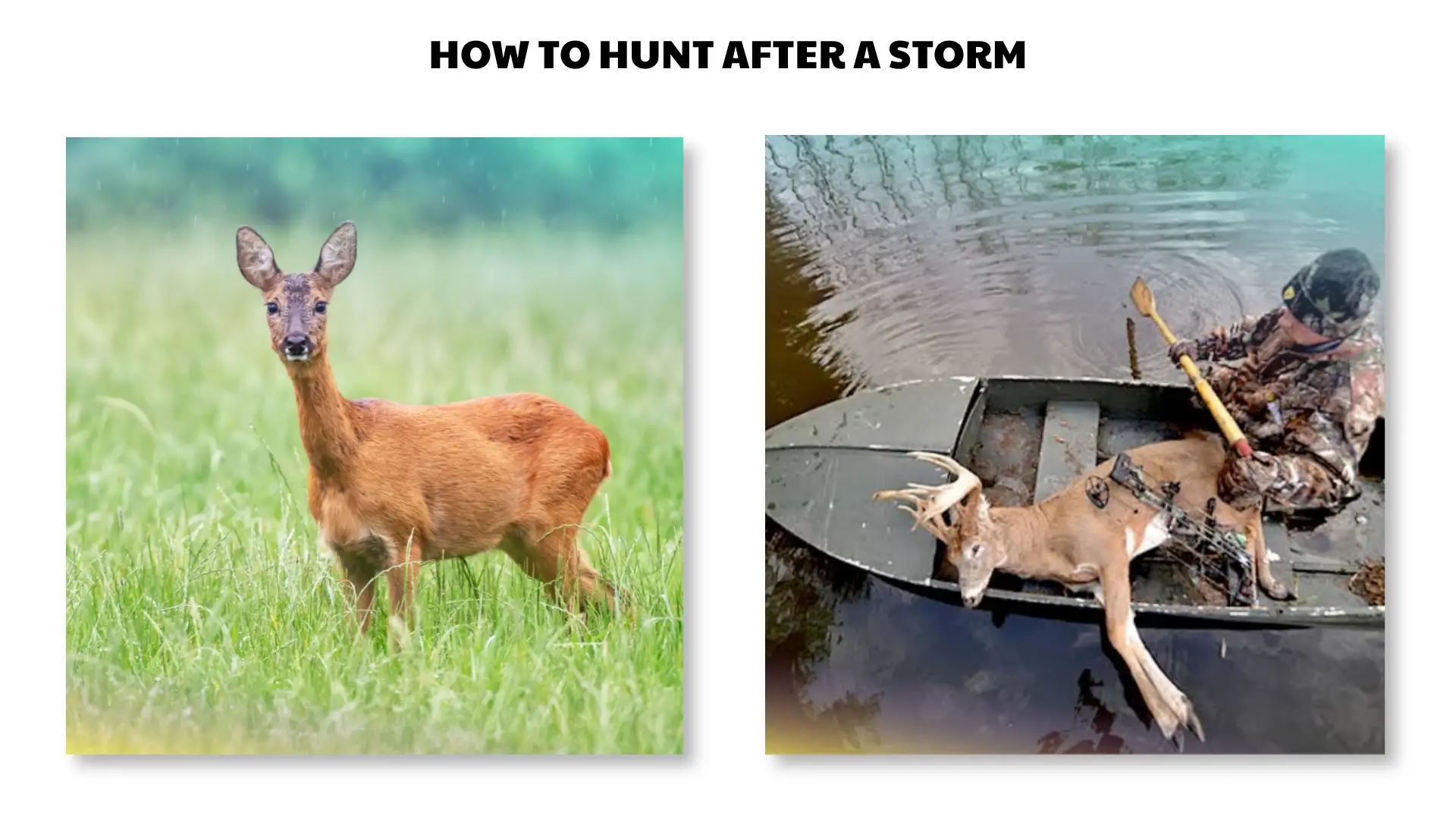

Storms can create opportunities. They can also create serious risks. A good post-storm hunt starts with patience, current regulations, careful access planning, safe firearm or bow handling, respect for landowners and other hunters, and a willingness to turn around when conditions are unsafe.
Quick Answer
To hunt after a storm, first make sure the storm has fully passed, weather alerts have expired, roads and trails are safe, and your hunting area is legally open. Then scout fresh tracks, game trails, feeding areas, water edges, sheltered bedding cover, and wind direction because animals may move after heavy weather to feed, relocate, or return to normal travel routes. Set up where you can see safely, move slowly on wet or noisy ground, and only take a legal, ethical shot when the target and background are clearly identified. Never cross floodwater, ignore lightning, enter closed land, or hunt near damaged trees, downed power lines, unstable slopes, or unsafe roads.
Important Legal and Safety Notice Before You Hunt
Hunting laws vary by country, state, province, county, season, land type, species, and weapon type. Before hunting after a storm, verify current rules with your official wildlife agency, land manager, or local authority. Storm damage can also temporarily close public land, roads, boat launches, trails, wildlife areas, bridges, and access gates.
- Confirm your hunting license, permits, tags, stamps, and required hunter education status.
- Check legal season dates, legal hunting hours, bag limits, harvest reporting rules, and transport requirements.
- Verify legal weapons, ammunition, archery equipment, blaze orange or visibility clothing, and species-specific restrictions.
- Confirm public land access, private land permission, property boundaries, parking rules, and any emergency closures.
- Check updated weather alerts, flood warnings, lightning risk, wind forecasts, snow or ice conditions, and road closures.
- Handle every firearm or bow safely, keep the muzzle pointed in a safe direction, and keep your finger off the trigger until ready to shoot.
- Identify your target, confirm the animal is legal, and know what is beyond it before taking any shot.
- Use a full-body harness in tree stands and avoid damaged trees, wet ladders, icy platforms, and unstable limbs.
- Carry navigation tools, first aid, water, emergency communication, and a plan for leaving before conditions worsen again.
Post-storm safety rule: If you hear thunder, see lightning, encounter floodwater, smell gas, see downed power lines, or find blocked access roads, do not continue the hunt. Move to safety and follow local emergency guidance.
Why Storms Change Hunting Conditions
Storms can change both animal behavior and the landscape. Animals may bed tightly during heavy wind, thunder, rain, snow, or intense pressure changes. After the weather breaks, they may feed, move toward sheltered food sources, return to travel corridors, or shift to areas with less human disturbance. However, movement depends on species, season, hunting pressure, temperature, moonlight, food availability, storm severity, and local habitat.
Storms also change the hunter’s environment. Rain may soften leaves and make stalking quieter. Snow or mud may reveal fresh animal tracks. Wind can move scent unpredictably. Flooding may block low crossings. Broken limbs can create hazards around tree stands. Wet ground can make slopes slippery, and high water can erase familiar trails.
The goal is not to assume that every storm produces easy hunting. The goal is to make better decisions with fresh information.
How Different Storms Affect a Hunt
| Storm Type | Possible Field Change | Safe Hunting Response |
|---|---|---|
| Rainstorm | Fresh mud, stronger scent conditions, quieter leaves, water on trails, rising streams. | Look for fresh tracks and wet crossings, but avoid flooded roads, swollen creeks, and slippery banks. |
| Thunderstorm | Lightning risk, downed branches, sudden wind shifts, heavy runoff, animals temporarily bedding down. | Do not hunt while thunder or lightning is present. Wait until the storm is safely gone and conditions are stable. |
| High-wind storm | Fallen limbs, unstable trees, noisy cover, unpredictable scent, damaged blinds or stands. | Inspect stands from the ground first, avoid damaged timber, and choose safer ground setups when needed. |
| Winter storm | Snow tracks, reduced access, icy trails, cold stress, animals using thermal cover or food sources. | Use layered clothing, avoid unsafe roads, plan a shorter hunt, and carry emergency cold-weather gear. |
| Tropical storm or major flood event | Closed roads, deep water, damaged bridges, displaced wildlife, emergency response activity. | Postpone the hunt until authorities reopen the area and access is safe. Do not interfere with emergency operations. |
Best Time to Hunt After a Storm
The best time to hunt after a storm is usually when the weather has clearly stabilized, visibility is safe, and access hazards have been checked. For many hunters, the first calm period after heavy weather can be productive because animals may begin feeding or traveling again. Morning and evening can still matter, but post-storm movement often depends more on pressure, temperature, wind, food, cover, and hunting pressure than on the clock alone.
After a short rain, fresh tracks may appear quickly in mud, sand, or snow. After a long storm, animals may need to feed once conditions settle. After high wind, animals may use sheltered terrain, leeward slopes, thick cover, creek bottoms, conifer stands, field edges, or protected travel routes. After a severe storm, safety and access should matter more than hunting timing.
Where to Look for Game After a Storm
Because the keyword does not specify one game species, think in terms of general animal needs: food, water, cover, safety, and travel. Different species respond differently, so always adapt the plan to local wildlife behavior and legal seasons.
Fresh Tracks and Muddy Crossings
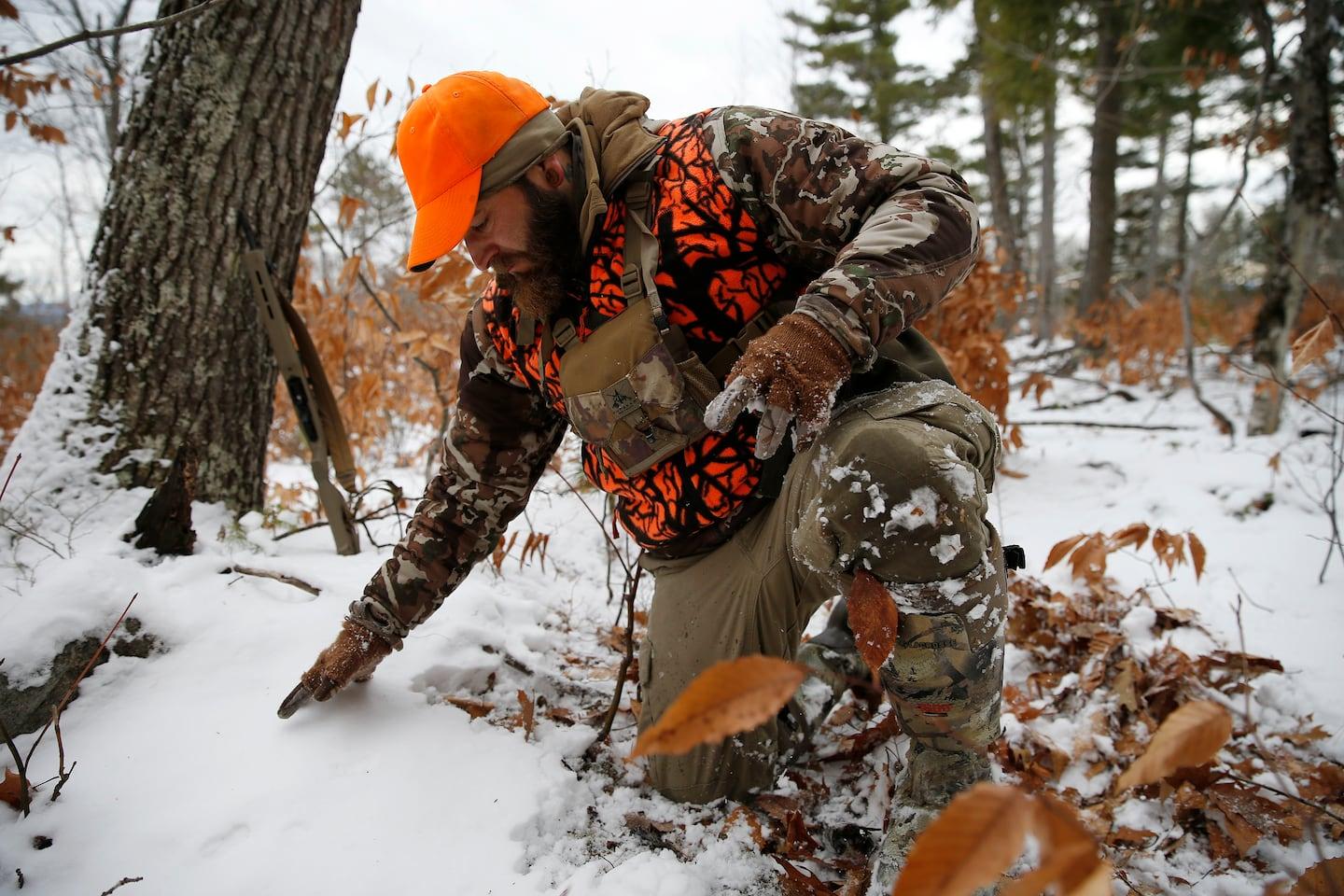
Wet ground can make animal tracks easier to read. Look near field edges, logging roads, creek crossings, pond edges, game trails, saddle crossings, fence gaps, and soft soil near food sources. Fresh tracks usually have sharper edges and less debris inside them. Older tracks may look softened by rain or partially filled with leaves, silt, or water.
Food Sources
After a storm, animals often return to feeding areas once they feel secure. Depending on species and region, this may include acorns, agricultural fields, browse, mast, green vegetation, shrubs, wetlands, clear-cuts, meadows, berry patches, or natural openings. Focus on legal access and safe visibility, not just sign.
Sheltered Cover
During heavy weather, animals may use protected cover. After the storm, they may move from bedding cover toward food or water. Check leeward ridges, thick timber, brushy draws, conifer edges, creek bottoms, brush piles, and areas protected from wind and rain.
Edges and Travel Corridors
Edges between thick cover and open feeding areas can be useful after a storm. So can game trails that connect bedding, food, and water. Avoid setting up directly in a travel route if your scent, movement, or entry path will alert animals before you can observe them safely.
Higher Ground After Heavy Rain
Flooded lowlands can push animals toward higher, drier terrain. Hunters should never enter floodwater or assume a familiar crossing is safe. Instead, use maps and legal access points to hunt higher ground where roads, trails, and exit routes are secure.
What You Need Before You Start
Post-storm hunting rewards preparation. Your gear should support safety, navigation, weather awareness, legal compliance, and responsible game handling.
- Valid hunting license, permits, tags, stamps, and current regulation knowledge.
- Legal hunting weapon or method allowed for the species, season, and land type.
- Required hunter orange or visibility clothing where applicable.
- Waterproof or water-resistant clothing that matches the temperature and terrain.
- Boots with good traction for mud, wet leaves, snow, or rocky ground.
- Map, compass, GPS, or hunting app with offline maps and property boundaries.
- Headlamp or flashlight with extra batteries.
- First aid kit, emergency blanket, water, snacks, and communication device.
- Wind checker or simple method for reading wind direction.
- Binoculars for safe observation before moving or taking a shot.
- Dry bags or waterproof cases for phone, tags, license, and essential supplies.
- Gloves, game bags, cooler, and clean meat-care supplies if a legal harvest occurs.
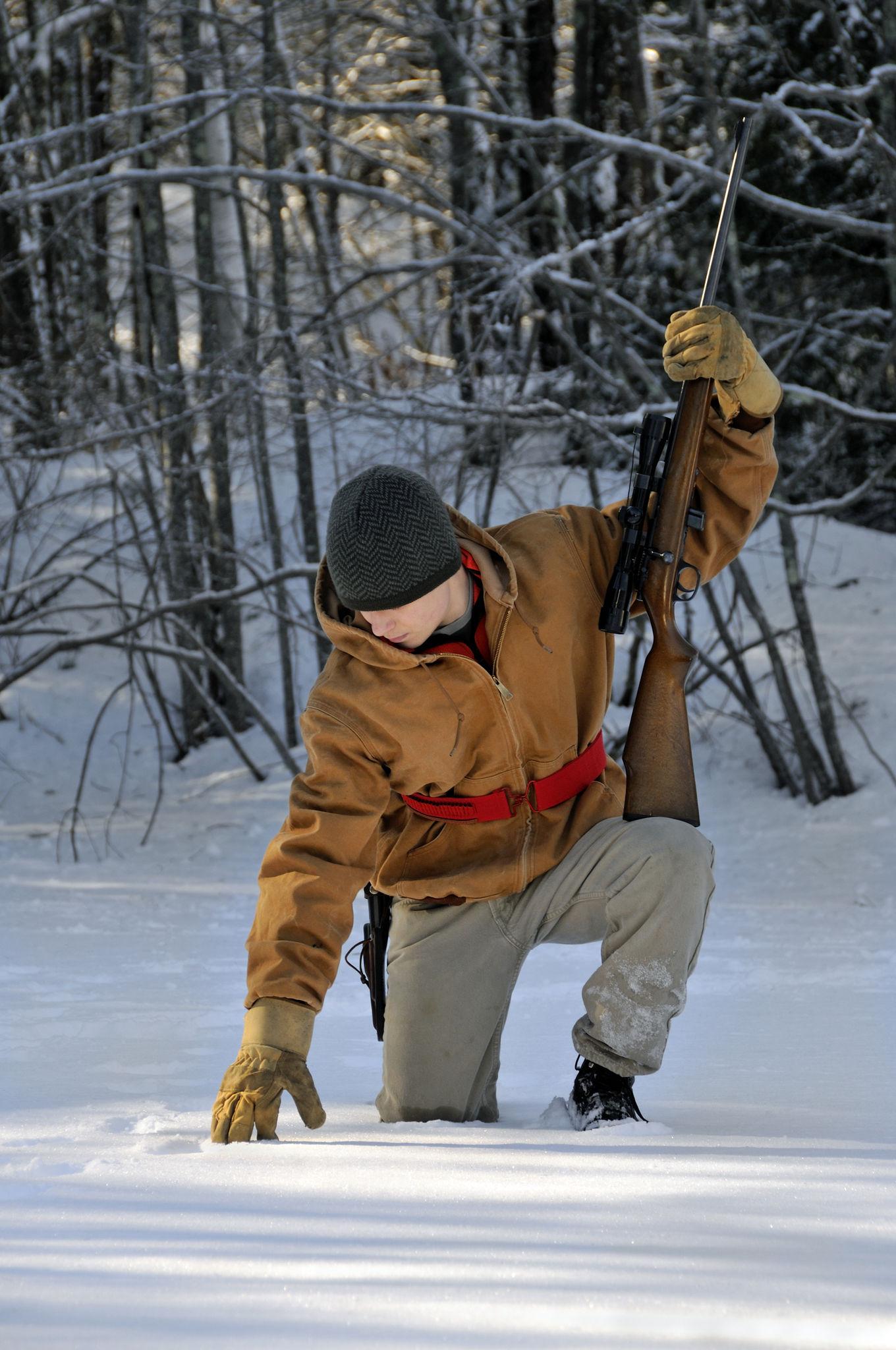
How to Hunt After a Storm: Step-by-Step Guide
Step 1: Confirm the Storm Is Really Over
Do not judge safety by looking at one patch of clear sky. Check current weather alerts, radar, wind forecasts, lightning risk, flood warnings, road closures, and local emergency updates. Severe weather can return quickly, especially after thunderstorms, tropical systems, mountain storms, or winter weather.
Wait until thunder and lightning are gone and conditions are stable. If storms may redevelop, choose a shorter hunt close to a safe exit or postpone the hunt entirely.
Step 2: Check Regulations, Closures, and Access
Before leaving, confirm that your hunting season is open and that your license, tags, weapon, and hunting method are legal. Storms can create temporary closures on public land, wildlife areas, boat launches, roads, trails, river crossings, and campgrounds. Private land may also be damaged, and landowners may not want hunters entering until they inspect roads, fences, livestock areas, or equipment.
Never cross private property without permission. Never drive around barricades. Never use storm damage as an excuse to enter closed land or restricted areas.
Step 3: Study Maps Before Entering the Field
Use maps to identify high ground, alternate exits, water crossings, property boundaries, parking areas, timber stands, ridges, food sources, and possible shelter if weather worsens. Mark areas that could flood, slide, ice over, or become blocked by fallen trees.
Tell someone where you are going, where you will park, when you expect to return, and what to do if you do not check in. Post-storm conditions can make a familiar property feel unfamiliar.
Step 4: Inspect Access Slowly
Drive and walk cautiously. Look for washed-out roads, soft shoulders, blocked culverts, fallen limbs, damaged bridges, leaning trees, hanging branches, downed power lines, washed-out trails, slick rocks, and unstable banks. If access looks unsafe, choose another legal location or go home.
Do not cross floodwater on foot or in a vehicle. Moving water can be stronger than it looks, and submerged roads may be damaged or missing.
Step 5: Recheck the Wind Direction
Storms often change wind direction. A setup that worked before the storm may be wrong afterward. Check wind direction at the parking area, along your entry route, and near the final setup. Terrain can swirl wind around ridges, draws, creek bottoms, and timber edges.
For most big-game hunting, try to keep your scent from blowing into likely bedding areas, feeding areas, or trails. For turkey, waterfowl, small game, and other species, wind affects hearing, visibility, calling, shooting stability, and comfort as well as scent.
Step 6: Look for Fresh Sign
Storms can reset the ground. Fresh tracks, droppings, rubs, scrapes, feeding sign, feathers, hair, disturbed leaves, mud on vegetation, and new trail marks may stand out. Compare sign on different trails instead of assuming the first track means the best setup.
Fresh sign after a storm is most useful when it connects food, cover, and safe travel. A single track in mud is interesting. Several fresh tracks on a legal travel corridor with good wind and safe visibility are more useful.
Step 7: Choose a Safe Setup
Pick a position that gives you a clear view, safe shooting lanes, solid footing, and a safe background. Avoid damaged trees, hanging limbs, dead snags, unstable banks, flood debris, icy platforms, and steep wet slopes. If using a tree stand, inspect the tree, straps, ladder, platform, and surrounding limbs before climbing. Wear a full-body safety harness from the time you leave the ground until you return.
Ground blinds, natural cover, and still-hunting routes may be safer than tree stands after high winds or ice. Choose the method that fits the species, legal rules, and current conditions.
Step 8: Move Slowly and Use the Storm Noise Wisely
Wet leaves can help quiet your steps, but mud, water, ice, and broken branches can also make movement awkward. Move slowly, pause often, and scan with binoculars before stepping into openings. Avoid rushing because post-storm terrain can hide holes, slick rocks, loose logs, and debris.
If wind is still moderate, use it to cover small sounds, but do not let wind push your scent into the area you expect animals to use.
Step 9: Observe Before You Call, Stalk, or Shift
Many beginners move too soon after a storm. Spend time watching edges, openings, trails, and sheltered cover. Animals may move later than expected if the storm was severe or human activity increased around roads and access points.
Use calling only when it is legal and appropriate for the species and season. Avoid excessive calling or movement if animals are already nearby.
Step 10: Take Only a Safe, Legal, and Ethical Shot Opportunity
Post-storm excitement can lead to rushed decisions. Do not shoot at sound, movement, brush, unclear shapes, skyline targets, water reflections, or animals near roads, homes, livestock, trails, vehicles, people, or other hunters. Confirm the species, sex or age class if required, legal status, distance, angle, and background.
Keep shots within your practiced ability. If wind, rain, fog, snow, fatigue, poor light, unstable footing, or brush makes the shot uncertain, pass. Ethical restraint is part of responsible hunting.
Step 11: Follow Recovery, Tagging, and Reporting Rules
If you make a legal harvest, follow your local tagging, validation, reporting, and transport rules. Mark the location, wait as appropriate for the situation and species, and recover the animal carefully, legally, and respectfully. Avoid graphic handling details in the field and focus on clean tools, safe movement, and responsible use of the meat.
Storm conditions can complicate recovery. Rain can wash away sign, snow can cover tracks, and darkness can make wet ground more dangerous. If you are unsure, seek help from an experienced ethical mentor, local conservation officer, or legal tracking resource where allowed.
Step 12: Care for Meat Promptly
Post-storm temperatures can vary widely. Warm rain, humidity, or sudden sun can increase the need for quick cooling. Cold weather can help but does not replace clean handling. Use gloves, game bags, a cooler, and a plan for getting the harvest out legally and promptly.
Post-Storm Hunting Setup Ideas
| Situation | Setup Idea | Why It May Work |
|---|---|---|
| Light rain has just ended | Set up near a fresh trail between cover and food. | Animals may begin moving again, and fresh tracks can reveal recent travel. |
| Heavy wind has settled | Watch sheltered edges, leeward slopes, and protected draws. | Wildlife may use calmer cover during wind and travel once conditions ease. |
| Snow has stopped | Still-hunt slowly along fresh tracks where legal and safe. | Snow can reveal travel direction, but the hunter must move carefully and safely. |
| Creeks and low spots are high | Hunt legal higher ground with safe access. | Some animals may avoid flooded areas, and hunters should avoid unsafe crossings. |
| Public land pressure increases after the storm | Use quieter access, secondary trails, or overlooked legal cover. | Human pressure can shift animal movement away from obvious parking areas. |
How to Read Fresh Tracks After Rain or Snow
Fresh sign is one of the biggest advantages of hunting after a storm. But beginners should avoid overreading one track. Look for patterns.
- Sharp edges: New tracks often have defined edges, especially in mud or snow.
- Moistness: Tracks made after rain may expose darker, wetter soil than the surrounding surface.
- Layering: If leaves, sleet, new snow, or rainwater sit inside the track, it may be older than it looks.
- Direction: Follow the direction mentally before physically moving. Ask where the animal was coming from and going to.
- Multiple signs: Tracks plus feeding sign, droppings, trails, and good wind are more reliable than tracks alone.
Public Land Hunting After a Storm
Public land can be productive after a storm, but it can also become more dangerous and crowded. Check agency updates before you go. Roads may be closed, timber may be down, water access may be unsafe, and staff may be focused on storm recovery.
Park respectfully, do not block gates, avoid emergency access roads, and give other hunters extra space. Use maps to stay within legal boundaries. If you find another hunter already set up, move to a different legal area rather than pushing through their hunt.
Private Land Hunting After a Storm
Ask the landowner before entering after significant weather. Storms can damage fences, gates, livestock areas, crops, roads, and equipment. A landowner may need time to inspect the property before allowing hunting.
Close gates, avoid driving on soft roads or fields, report damage, pack out trash, and respect any new access instructions. Written permission is strongly recommended where allowed or required.
Firearm and Bow Safety After a Storm
Wet and windy conditions make safe handling even more important. Keep firearms unloaded during transport and load only where legal and safe. Keep the muzzle pointed in a safe direction. Keep your finger off the trigger until ready to shoot. Use a sling or secure carry position when walking on slick ground.
Bowhunters should protect strings, cams, broadheads, and release aids from mud, water, and debris. Broadheads should be covered during transport. Do not take shots beyond your practiced effective range, especially in wind, poor footing, or low visibility.
After the hunt, dry and clean equipment according to manufacturer instructions. Do not modify firearms, ammunition, bows, crossbows, or safety devices. Use official hunter education guidance and professional service when equipment needs inspection or repair.
Tree Stand and Blind Safety After a Storm
Storms can make stands and blinds unsafe. Before using a tree stand, inspect it from the ground. Look for cracked limbs, leaning trees, damaged straps, loose steps, wet platforms, ice, fallen branches, and swaying trees. If anything looks questionable, do not climb.
Use a full-body safety harness and maintain three points of contact when climbing. Raise and lower gear with a haul line after unloading firearms or securing bows safely. Ground blinds should also be inspected for damage, sharp debris, unstable poles, pooling water, and poor visibility.
Helpful Tips for Better Results
- Wait for safe conditions instead of rushing into the field immediately after thunder, high water, or high wind.
- Use fresh mud, snow, and damp ground to identify recent animal movement.
- Recheck wind direction because storms often change scent movement and setup quality.
- Focus on the connection between bedding cover, food, water, and safe travel corridors.
- Choose a safe, visible setup with a solid backstop and good exit route.
- Keep hunts shorter if another storm is possible or access is uncertain.
- Carry extra dry layers, gloves, socks, and waterproof storage for license and tags.
- Use binoculars often because wet vegetation, fog, and low light can make identification harder.
- Respect public land closures and private landowner concerns after storm damage.
- Pass on any shot that is rushed, unclear, too far, poorly angled, or unsafe.
Common Mistakes to Avoid
Post-storm hunting can be useful, but many beginner mistakes come from impatience. Avoid these errors:
- Hunting before lightning, flood, wind, or road hazards have cleared.
- Assuming animals will be active immediately after every storm.
- Ignoring current regulations, temporary closures, legal hours, or harvest reporting rules.
- Driving around barricades or crossing flooded roads.
- Climbing into a stand without checking the tree and equipment for storm damage.
- Ignoring wind direction because the ground is wet or scent seems less important.
- Walking too quickly through wet cover and missing nearby animals.
- Hunting too close to roads, homes, livestock, trails, or other users.
- Taking shots in fog, rain, brush, or low light without clear identification and a safe background.
- Failing to plan recovery, tagging, reporting, meat care, and exit routes before the hunt.
Troubleshooting Common Problems
| Problem | Possible Cause | What to Do |
|---|---|---|
| You are not seeing any game | Animals may still be bedded, pressure may be high, or you may be away from food and cover. | Slow down, scout fresh sign, watch edges longer, and adjust toward legal travel routes between cover and food. |
| Tracks are everywhere but no animals appear | Tracks may be older than they look, or movement happened at night or during the storm break. | Look for the freshest tracks with sharp edges and connect them to current wind, food, and cover. |
| The wind keeps swirling | Post-storm terrain, ridges, draws, and temperature shifts can create unstable air movement. | Move to a simpler wind setup, such as a steadier ridge, open edge, or safer crosswind position. |
| Access is blocked by water or debris | Roads, trails, culverts, or low crossings may be damaged. | Do not force access. Choose another legal area or postpone the hunt until conditions are safe. |
| Your stand area looks damaged | High wind, ice, or falling limbs may have weakened the tree or equipment. | Do not climb. Use a safe ground setup or inspect and repair equipment later with proper guidance. |
| Visibility is poor | Fog, rain, snow, wet optics, or low light may prevent safe identification. | Clean optics, move only if safe, and pass on any shot where identification or background is unclear. |
| You are unsure whether the area is open | Storm closures, land boundaries, or regulations may not be clear. | Contact the wildlife agency, land manager, or landowner before hunting. |
| Meat care may be difficult | Warm humidity, mud, long drag distance, or blocked access can slow recovery. | Plan ahead with help, clean tools, game bags, cooling supplies, and a legal transport route. |
Ethical Hunting and Conservation
Ethical hunting after a storm means respecting wildlife, people, land, and the law. Storms can stress animals and damage habitat. Hunters should avoid treating severe weather as a shortcut to careless behavior.
- Obey seasons, limits, weapon rules, tagging rules, and legal hours.
- Respect landowners, other hunters, non-hunting recreationists, and emergency crews.
- Practice before the season and stay within your personal effective range.
- Pass on uncertain, unsafe, or low-probability shot opportunities.
- Recover game responsibly and use the meat respectfully.
- Report harvest where required and keep legal records.
- Do not waste meat, damage habitat, litter, trespass, or ignore closures.
- Support conservation through licenses, habitat work, reporting, mentoring, and responsible participation.
When to Get More Training or Professional Guidance
Get more training before hunting after a storm if you are new to firearms, bows, navigation, tracking, meat care, private land permission, public land rules, or emergency field decisions. Bad weather makes small mistakes bigger.
- Complete an official hunter education course if you have not already done so.
- Practice firearm or bow handling with a qualified instructor or experienced mentor.
- Ask a conservation officer or wildlife agency about unclear regulations.
- Learn map, compass, GPS, and property boundary skills before hunting unfamiliar land.
- Hunt with an ethical mentor if you are unsure about tracking, recovery, or meat care.
- Seek professional help for damaged equipment, tree stands, boats, vehicles, or unsafe access problems.
After the Hunt: Follow-Up, Gear Care, and Learning
Post-storm hunts are excellent learning opportunities. After returning safely, write down what changed. Note the time the storm ended, wind direction, temperature, pressure trend if known, fresh tracks, animal sightings, access issues, and what setup worked or failed.
Dry boots, clothing, optics, packs, calls, blinds, stands, firearms, bows, and tools. Clean mud from gear and inspect for rust, loose parts, damaged straps, cracked limbs, torn fabric, wet ammunition storage problems, or other issues. Follow manufacturer instructions for safe cleaning and storage.
If you harvested game, complete required tagging, reporting, transport, and meat-care steps. If you did not, treat the hunt as scouting. Fresh sign found after a storm can help you choose a better setup for the next legal hunt.
Recommended Hunting Gear and Tools to Consider
You do not need expensive gear to hunt responsibly after a storm. Choose gear based on your local laws, species, hunting method, terrain, weather, safety needs, skill level, and budget.
- Legal hunting weapon or method allowed in your area.
- Waterproof boots with strong traction.
- Weather-appropriate layers and required visibility clothing.
- Rain gear, dry socks, gloves, and spare warm layer.
- Map, compass, GPS, or hunting app with offline maps.
- Binoculars for safe observation and identification.
- Headlamp, extra batteries, and emergency signal device.
- First aid kit, emergency blanket, water, and food.
- Wind checker, rangefinder if legal and useful, and waterproof notebook.
- Game bags, gloves, cooler, and clean meat-care supplies when relevant.
- Full-body safety harness for any elevated stand use.
Helpful Authority Resources
For storm safety, review current information from official sources before hunting. The National Weather Service guidance on what to do after severe weather, National Weather Service lightning safety resources, and National Weather Service flood safety guidance are useful starting points. Also check your state, provincial, or national wildlife agency for hunting regulations, emergency closures, hunter education, and harvest reporting rules.
Final Thoughts
Knowing how to hunt after a storm starts with safety and judgment. Wait until the weather has passed, verify current hunting regulations and access rules, avoid storm hazards, scout fresh sign, read the wind, and choose a setup that gives you clear visibility and a safe background.
A storm may improve tracks, change movement, quiet the woods, or push animals toward food and cover, but it does not guarantee success. The best post-storm hunters are careful observers. They hunt legally, prepare thoroughly, respect wildlife, protect meat, and go home when conditions are unsafe.
FAQ
1. Is it good to hunt after a storm?
It can be good to hunt after a storm if conditions are safe and the area is legally open. Animals may move to feed or return to normal patterns after heavy weather, and fresh tracks can be easier to see. However, safety, access, wind, visibility, and regulations matter more than the idea that a storm automatically improves hunting.
2. How soon after a storm should I hunt?
Hunt only after thunder, lightning, dangerous wind, flooding, and local weather alerts have passed. For a light rain, that may be shortly after it ends. For severe storms, flooding, ice, or high wind, it may be safer to wait much longer or skip the hunt.
3. Should I hunt while it is still storming?
No. Do not hunt during lightning, severe wind, flash flooding, dangerous hail, tornado warnings, blizzard conditions, or other hazardous weather. Move to shelter and follow emergency guidance.
4. What is the biggest danger when hunting after a storm?
The biggest dangers often include lightning, flooding, downed power lines, falling limbs, unstable trees, slick ground, poor visibility, damaged roads, and changing weather. These hazards should be checked before any hunting strategy.
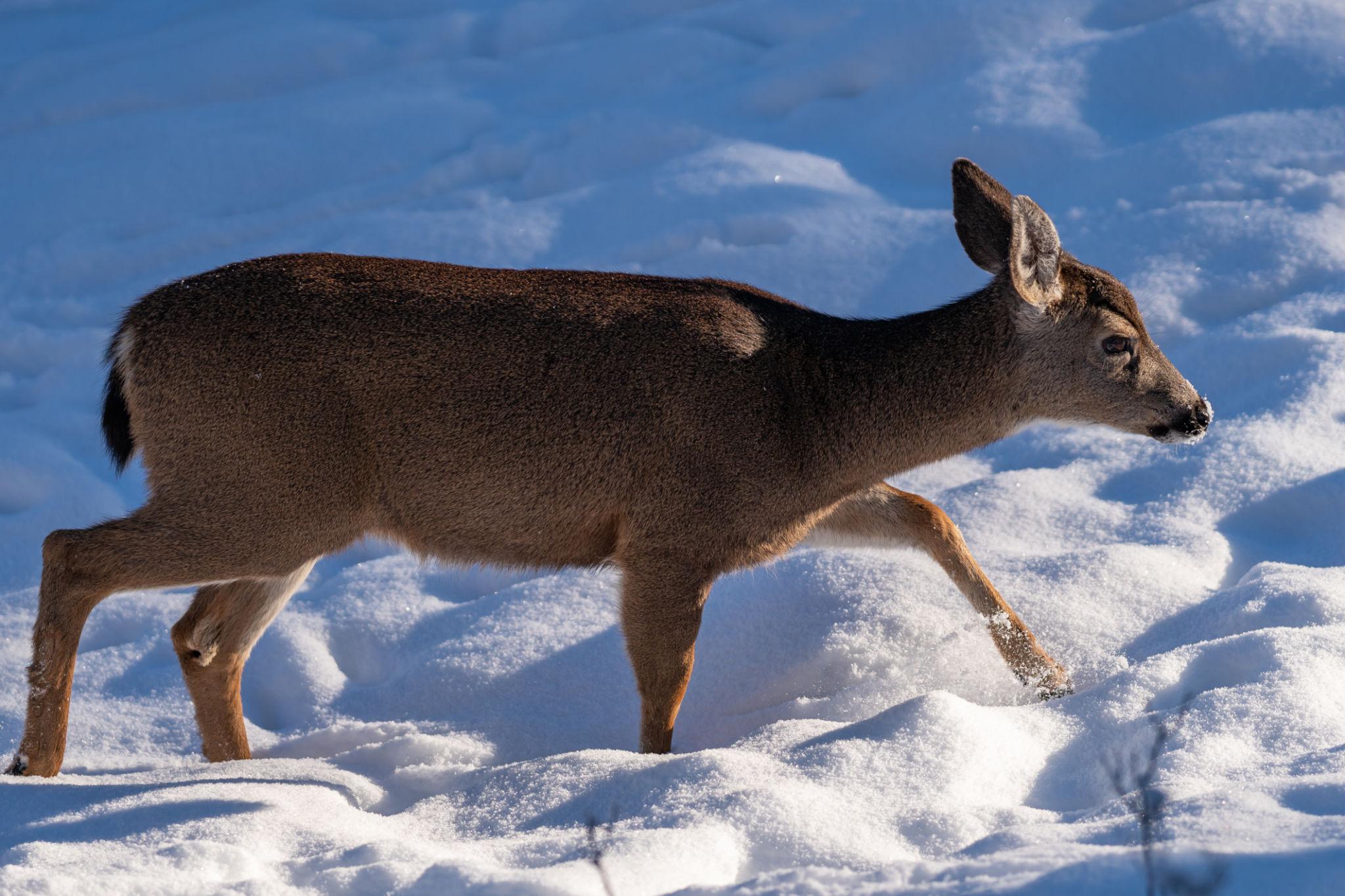
5. Do deer move after a storm?
Deer often resume feeding and traveling after heavy weather, especially when conditions become calm and safe. Movement is not guaranteed and depends on season, food, cover, temperature, wind, hunting pressure, and local behavior.
6. Do turkeys move after a storm?
Turkeys may move to feed, dry out, or use open areas after rain, but their behavior depends on season, flock structure, roosting cover, wind, and disturbance. Always follow turkey-specific season, calling, and safety rules.
7. Can rain help with scouting?
Yes. Rain can soften soil and reveal fresh tracks after it stops. Muddy trails, creek edges, field entrances, and logging roads may show recent animal movement more clearly than dry ground.
8. How do I know if tracks are fresh after rain?
Fresh tracks often have sharp edges, exposed moist soil, and little debris inside them. If rainwater, leaves, silt, or new snow has filled the track, it may be older than it first appears.
9. Does scent control matter after a storm?
Yes. Wet conditions may reduce some ground noise, but animals with strong noses can still detect human scent. Wind direction and entry route remain important.
10. What wind should I hunt after a storm?
Look for a wind that keeps your scent away from likely animal travel, bedding, or feeding areas. After storms, wind can swirl, so check it often and adjust your setup if it becomes unreliable.
11. Should I hunt low areas after heavy rain?
Be cautious. Low areas may flood, become muddy, or have unsafe crossings. Hunt higher legal ground if low access is wet, unstable, or blocked.
12. Is it safe to cross a flooded road to reach a hunting spot?
No. Do not cross flooded roads or flowing water on foot or in a vehicle. Choose another legal access point or postpone the hunt.
13. What should I do if I see a downed power line?
Stay far away, assume it is energized, keep others away, and report it to local emergency services or the utility company. Do not drive over it, touch it, or approach objects in contact with it.
14. Can I use a tree stand after a storm?
Only if the tree, stand, straps, steps, platform, and surrounding limbs are safe. Inspect from the ground first. If there is any doubt, do not climb. Always use a full-body safety harness.
15. Are ground blinds safer after storms?
Ground blinds may be safer than tree stands after high wind or ice, but they still need inspection. Check for broken poles, sharp debris, pooled water, poor visibility, and unsafe shooting angles.
16. What gear is most important after a storm?
Important gear includes waterproof boots, traction, rain gear, dry layers, navigation tools, first aid, headlamp, communication device, binoculars, license and tags, and clean meat-care supplies.
17. Should I still wear blaze orange after a storm?
Wear blaze orange or other visibility clothing when required by law and whenever it improves safety. Stormy or low-light conditions can make visibility harder for other hunters.
18. Does a storm erase hunting pressure?
Not necessarily. Some hunters leave during bad weather, while others enter right after it clears. Animals may also react to road noise, cleanup crews, other hunters, and changed access patterns.
19. Can storms make animals easier to approach?
Wet leaves and wind may cover some noise, but animals can still see, smell, and hear hunters. Move slowly, check wind, and avoid careless movement.
20. What if the storm damaged my usual trail?
Do not force your way through unsafe debris, washouts, or fallen timber. Use another legal route or choose a different hunting area. Safety is more important than reaching a familiar setup.
21. Should I call more after a storm?
Only call if it is legal and appropriate for the species and season. Overcalling can alert animals. Observe first, then use calling carefully if it fits the situation.
22. Is still-hunting good after rain?
Still-hunting can be useful after rain because the ground may be quieter and tracks may be visible. Move slowly, pause often, and keep identification and background safety as your top priority.
23. Is hunting after snow different from hunting after rain?
Yes. Snow can show tracks clearly, but it also creates cold exposure, icy travel, and access problems. Dress in layers, avoid unsafe roads, and plan a shorter hunt if conditions are severe.
24. What should I do if fog forms after a storm?
Fog can make hunting unsafe by reducing visibility and target identification. Wait for better visibility or move only in areas where you can clearly see your surroundings and safe shooting background.
25. Can I hunt public land immediately after severe weather?
Only if the land is legally open and access is safe. Check agency notices for road, trail, campground, boat ramp, or wildlife area closures before you go.
26. Should I ask a landowner before hunting private land after a storm?
Yes. Storms can damage fences, gates, livestock areas, roads, and crops. Ask for permission again if conditions changed, and follow any new instructions from the landowner.
27. How do I protect my firearm after rain?
Keep it pointed in a safe direction, keep it dry when possible, and clean and dry it after the hunt according to manufacturer instructions. Do not attempt unsafe modifications or repairs in the field.
28. How do bowhunters handle wet conditions?
Bowhunters should protect strings, cams, broadheads, release aids, and arrows from mud and debris. Know your practiced effective range and avoid shots affected by wind, poor footing, or low visibility.
29. What if I find storm-displaced wildlife?
Do not harass, chase, or handle distressed wildlife. Follow hunting laws and ethical standards. If an animal appears injured outside a legal hunting context, contact the appropriate wildlife agency.
30. Does rain affect game recovery?
Yes. Rain can wash away sign and make tracking harder. Mark the shot location, follow legal recovery practices, and get help from an experienced mentor or legal tracking resource if needed.
31. How should I handle meat after a warm storm?
Plan to cool meat promptly and keep it clean. Warm rain and humidity can make meat care more urgent. Use clean tools, gloves, game bags, shade, airflow, and a cooler when appropriate.
32. What if another storm is forecast later in the day?
Plan a shorter hunt close to safe exit routes or postpone. Keep checking weather, and leave early if thunder, lightning, heavy rain, high wind, or flooding becomes possible.
33. Is it ethical to hunt after severe weather?
It can be ethical if the hunt is legal, safe, and respectful. Do not exploit disaster conditions, interfere with emergency response, waste meat, trespass, or take unsafe shots.
34. What should beginners practice before hunting after a storm?
Beginners should practice safe firearm or bow handling, target identification, map reading, wind checking, quiet movement, basic tracking, emergency planning, and meat-care preparation.
35. What is the most important beginner tip for hunting after a storm?
Do not let the excitement of fresh sign override safety. Check regulations, check weather, avoid hazards, move slowly, identify your target clearly, and pass when conditions are uncertain.
Read more: How to Hunt in Cold Weather: A Safe, Practical Guide for Beginners