
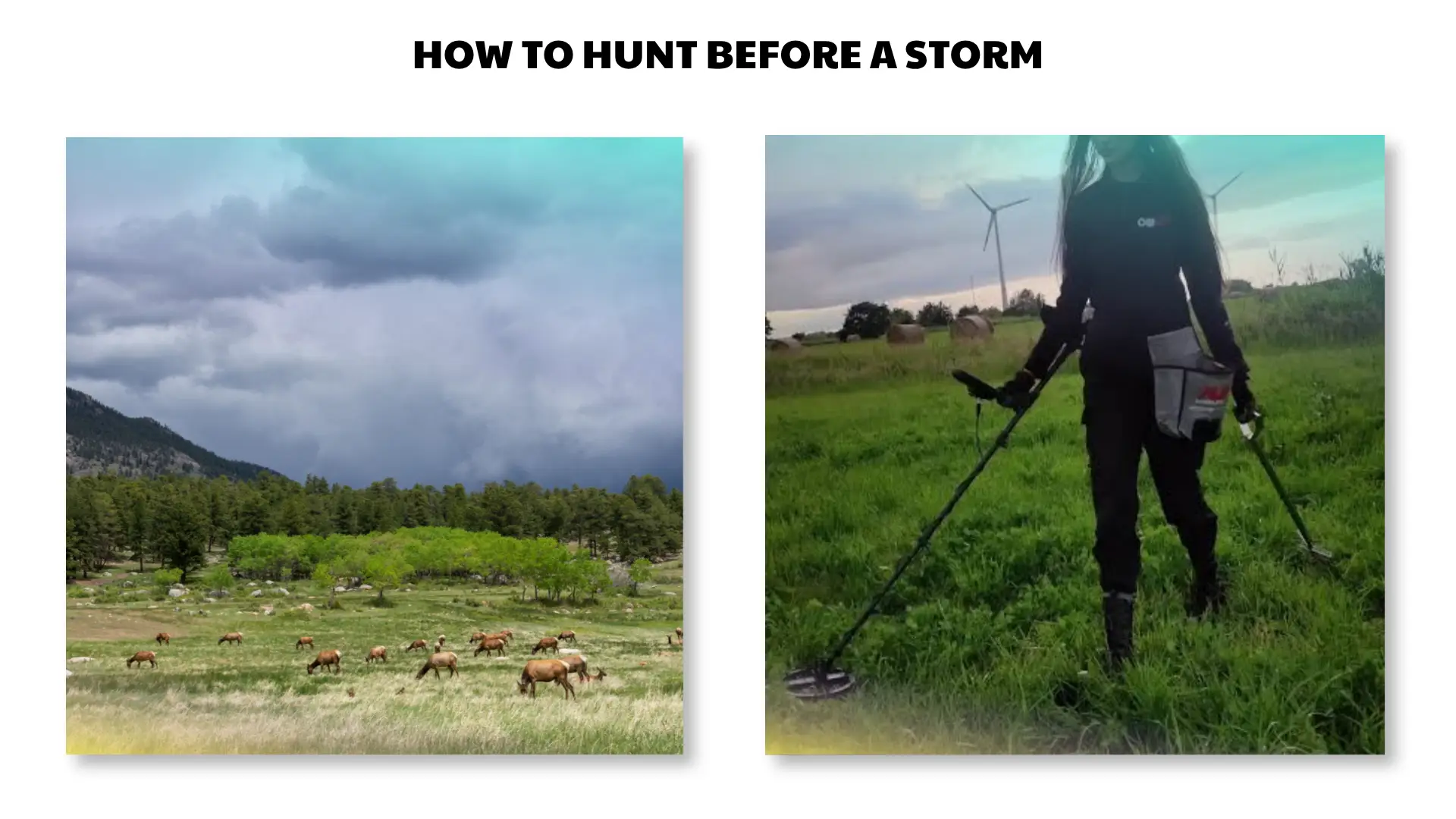

Quick Answer
To hunt before a storm, first verify that the season, license, tags, legal hours, weapon rules, and land access are valid for your area. Then check the latest forecast, radar, lightning risk, flood risk, wind speed, and local alerts before deciding whether the hunt is safe. Focus on accessible food sources, travel corridors, leeward cover, field edges, water sources, and game trails that animals may use before weather changes, but choose a setup with a short, clear exit route. End the hunt immediately if thunder, severe weather warnings, rising water, dangerous wind, poor visibility, or unsafe shooting conditions appear.
Important Legal and Safety Notice Before You Hunt
Hunting laws vary by country, state, province, county, species, season, land type, weapon type, and method of take. Before hunting before a storm, check your official wildlife agency for current rules. Do not rely on a general article, social media post, old regulation booklet, or advice from another hunter as your only source.
Before leaving home, verify:
- Valid hunting license, permits, stamps, and tags for the species you intend to hunt.
- Open hunting season, legal hunting hours, bag limits, possession limits, and harvest reporting rules.
- Legal weapons, ammunition, archery equipment, draw weight rules, and method restrictions in your area.
- Public land access, closures, special storm-related closures, fire restrictions, road conditions, and parking rules.
- Private land permission in writing when possible, including access routes, gates, livestock areas, and storm-related hazards.
- Required visibility clothing such as blaze orange or blaze pink where applicable.
- Safe firearm or bow handling, safe transport, and safe storage requirements.
- Weather, navigation, first aid, hydration, emergency communication, and a clear return plan.
For weather safety, use official sources such as the National Weather Service lightning safety page and the National Weather Service flood safety page. If thunder is close enough to hear, lightning is close enough to be dangerous. If roads, creek crossings, or low areas are flooded, turn around and choose a safer plan.
What Hunting Before a Storm Really Means
Hunting before a storm usually means hunting the safe window before rain, snow, wind, lightning, or a major front reaches your hunting area. It does not mean staying out during severe weather. A safe pre-storm hunt may be a short morning sit before afternoon rain, a careful evening hunt before a cold front, or a brief still-hunt before light snow arrives.
The most useful pre-storm question is not “Will animals move?” It is “Can I hunt legally and get back safely before conditions become hazardous?” If the answer is uncertain, shorten the hunt, choose safer terrain, or cancel.
Why Animals May Move Before Weather Changes
Wildlife behavior varies by species, region, hunting pressure, food availability, season, cover, and past weather. However, before a storm, some game animals may feed earlier, shift into heavier cover, use sheltered travel routes, or move before wind and precipitation make feeding more difficult. Birds may change feeding or roosting patterns. Big game may spend more time near food, edges, thermal cover, or routes that let them move with less exposure.
These patterns are not guaranteed. A storm may improve movement in one location and shut it down in another. Heavy pressure, swirling wind, sudden temperature swings, warm rain, deep snow, flooding, or human disturbance can all change the result.
Should You Hunt Before a Storm or Stay Home?
Use this decision table before every pre-storm hunt. When safety signals conflict with hunting opportunity, choose safety.
| Condition | Risk Level | Best Decision |
|---|---|---|
| Light rain or light snow forecast after your planned exit time | Lower, if roads and terrain are safe | Consider a short hunt with a firm exit time and weather monitoring. |
| Distant storm later in the day with no warnings yet | Moderate | Hunt only if you have reliable alerts, a short route out, and no risky crossings. |
| Thunder is heard, lightning is visible, or alerts show lightning nearby | High | Leave the field and move to a safe shelter or vehicle when it is safe to do so. |
| Severe thunderstorm warning, tornado warning, flash flood warning, or dangerous wind warning | Very high | Do not hunt. Follow official emergency guidance. |
| Flooded roads, rising creeks, low-water crossings, washed-out trails, or unstable slopes | Very high | Cancel or relocate. Do not drive or walk through flood water. |
| Strong gusts affecting trees, tree stands, shooting stability, or visibility | High | Avoid tree stands, open ridges, dead timber, and long shots. Leave if control is poor. |
How to Hunt Before a Storm: Step-by-Step Guide
Step 1: Check Local Hunting Laws First
Start with the official regulation source for the place you will hunt. Confirm the species, season, tag, license, legal hours, weapon type, bag limit, harvest reporting requirement, and land rules. Storms can also cause temporary road closures, public land closures, wildfire restrictions, boating restrictions, and emergency orders. Check those before driving.
Step 2: Study the Forecast, Not Just the Sky
Look at hourly forecasts, radar, wind speed, wind gusts, lightning risk, flood watches, river levels, snow forecasts, temperature changes, and the timing of the front. A dark cloud on the horizon is not enough information. Use official weather alerts, local emergency notices, and a reliable weather app before and during the hunt.
Step 3: Set a Hard Turnaround Time
Decide exactly when you will leave the field before the storm reaches your area. Build in time for packing, lowering gear, walking out, crossing legal access points, and driving home. A beginner should leave earlier than an experienced hunter because weather, darkness, and navigation problems can compound quickly.
Step 4: Choose a Legal Area With a Safe Exit
Pick a hunting area that does not require crossing flood-prone creeks, steep muddy slopes, long exposed ridges, or roads that commonly wash out. Public land hunters should confirm boundaries, parking rules, trail closures, and access points. Private land hunters should ask the landowner about gates, livestock, wet fields, low-water crossings, and where not to drive before rain.
Step 5: Scout Likely Pre-Storm Movement Areas
Look for animal tracks, fresh droppings, rubs, scrapes, feathers, feeding sign, trails, bedding cover, water access, and natural funnels. Before a storm, many hunters focus on areas where game can feed and then quickly move to cover. Good examples include field edges, oak flats, food plots where legal, brushy draws, creek benches above flood level, leeward slopes, conifer cover, marsh edges, and protected travel corridors.
Step 6: Plan Around Wind Direction and Wind Gusts
Wind direction still matters before a storm, but gusts and shifting air can make scent control and sound control harder. Set up with the expected wind in your favor, but also prepare for wind to swirl as the front approaches. Avoid setups where a sudden wind shift sends your scent directly into the most likely approach trail. If the wind becomes unstable or too strong for safe shooting, pass on the opportunity.
Step 7: Keep the Setup Simple and Close
A pre-storm hunt is not the best time to explore deep backcountry, hang a new stand, test unfamiliar gear, or push into difficult terrain. Choose a known location with safe footing, clear visibility, legal access, and a short route out. A ground blind, natural cover, or an already inspected permanent blind may be safer than climbing into a tree stand when gusts are increasing.
Step 8: Use Tree Stands Only When Conditions Are Safe
If you use a tree stand, inspect the stand, straps, steps, ladder, platform, and tree before climbing. Wear a full-body safety harness and stay connected from the time you leave the ground until you return. Do not use a tree stand during lightning, dangerous gusts, icy steps, unstable trees, dead timber, or conditions that make climbing unsafe. Never climb with a loaded firearm or a loose broadhead in hand.
Step 9: Move Quietly but Do Not Rush
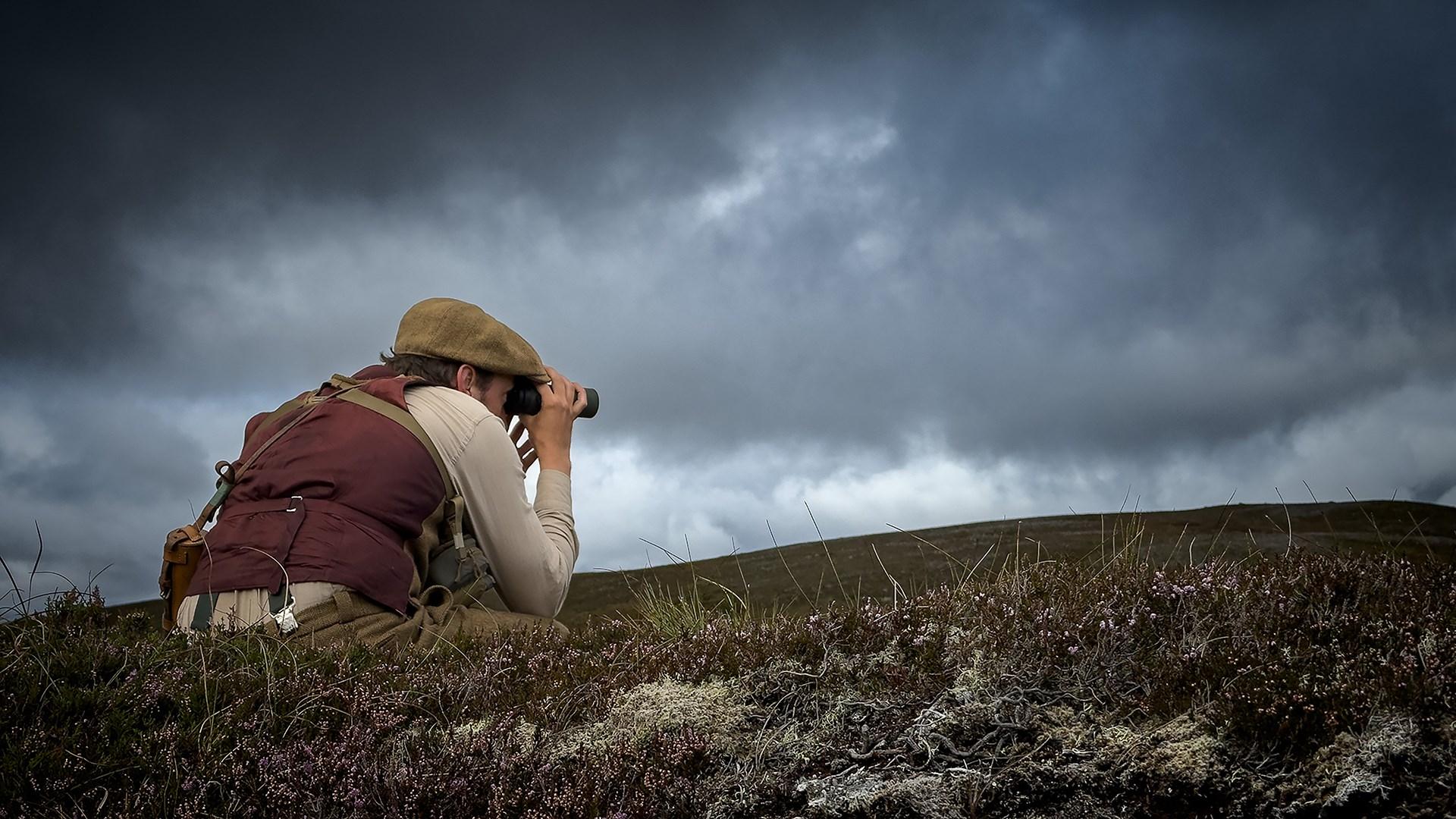
Pre-storm wind can cover some sound, but mud, wet leaves, brittle brush, and hurried movement still alert animals. Move slowly, stop often, and use binoculars before entering openings. Still-hunting can work in some conditions, but only if visibility, footing, and safe shooting lanes remain clear.
Step 10: Take Only a Safe, Legal, and Ethical Shot Opportunity
Before any shot, clearly identify the animal, confirm it is legal to harvest, know what is beyond it, and make sure the shot is within your practiced ability. Do not shoot at sound, movement, brush, skylined animals, road edges, buildings, livestock areas, trails, other hunters, or unclear shapes. Wind, rain, low light, fog, excitement, and awkward positions can reduce accuracy. Passing on a doubtful shot is responsible hunting.
Step 11: Leave Before the Storm Controls Your Exit
Do not wait until rain is heavy, lightning is close, creeks are rising, or roads are flooding. Pack early, unload or secure equipment according to local law, descend carefully if elevated, and leave by your planned route. Tell someone when you are out. A successful pre-storm hunt includes getting home safely.
Step 12: Follow Recovery, Reporting, and Meat Care Rules
If you legally harvest game before a storm, follow your local tagging, recovery, reporting, and transport rules. Make a careful plan before conditions worsen. Keep meat clean, cool, and protected from water, mud, insects, and heat. If weather, darkness, flooding, or safety concerns make recovery difficult, follow legal guidance and seek experienced help when appropriate.
Best Places to Hunt Before a Storm
The best place depends on species, season, terrain, pressure, and local regulations. The following areas are often worth scouting before a storm when access is legal and safe:
- Food sources near cover: Animals may feed before weather arrives, especially when a storm may limit later movement.
- Travel corridors: Saddles, benches, field corners, creek edges above flood level, fence gaps where legal, and brushy draws can concentrate movement.
- Leeward cover: Slopes, timber edges, thick cover, conifers, and sheltered hollows may offer protection from increasing wind.
- Water sources: In dry climates, animals may visit water before weather changes, but avoid unsafe washes, flash-flood areas, and slippery banks.
- Edges with visibility: Field edges, meadow edges, timber transitions, and marsh edges can allow observation without pushing too deep into cover.
- Known exit-friendly setups: A spot you know well is often better than a theoretically perfect location that becomes dangerous when weather changes.
Best Time to Hunt Before a Storm
For many hunters, the safest and most practical window is several hours before expected severe weather, not minutes before it arrives. Morning hunts before afternoon storms and evening hunts before an overnight front can be productive when conditions remain safe. If the forecast calls for severe lightning, tornado risk, flash flooding, or extreme winds, the best time to hunt may be another day.
Pay attention to legal shooting hours. Storm clouds can make the woods feel darker than normal, but legal hours still control when you may hunt. Low light can also make target identification harder, so stop earlier if visibility declines.
Pre-Storm Hunting Gear Checklist
You do not need expensive gear to hunt responsibly before a storm, but you do need equipment that supports safety, navigation, communication, and legal compliance.
- Valid license, tags, permits, and regulation information saved offline or carried in print.
- Legal hunting weapon or method allowed for your area and season.
- Weather-appropriate clothing, rain gear, insulating layers if needed, and required visibility clothing.
- Waterproof boots with reliable traction for mud, wet leaves, snow, or slick grass.
- Map, compass, GPS, or hunting app with offline maps and property boundaries.
- Fully charged phone, backup battery, and emergency contact plan.
- Headlamp or flashlight with spare batteries.
- First aid kit, personal medications, water, and snacks.
- Binoculars for safe identification before any shot decision.
- Wind checker or simple wind observation method.
- Game bags, gloves, cooler, and meat care supplies when relevant.
- Dry bag or waterproof pouch for phone, license, tags, and emergency gear.
- Full-body safety harness if using a tree stand.
Firearm, Bow, and Tree Stand Safety Before a Storm
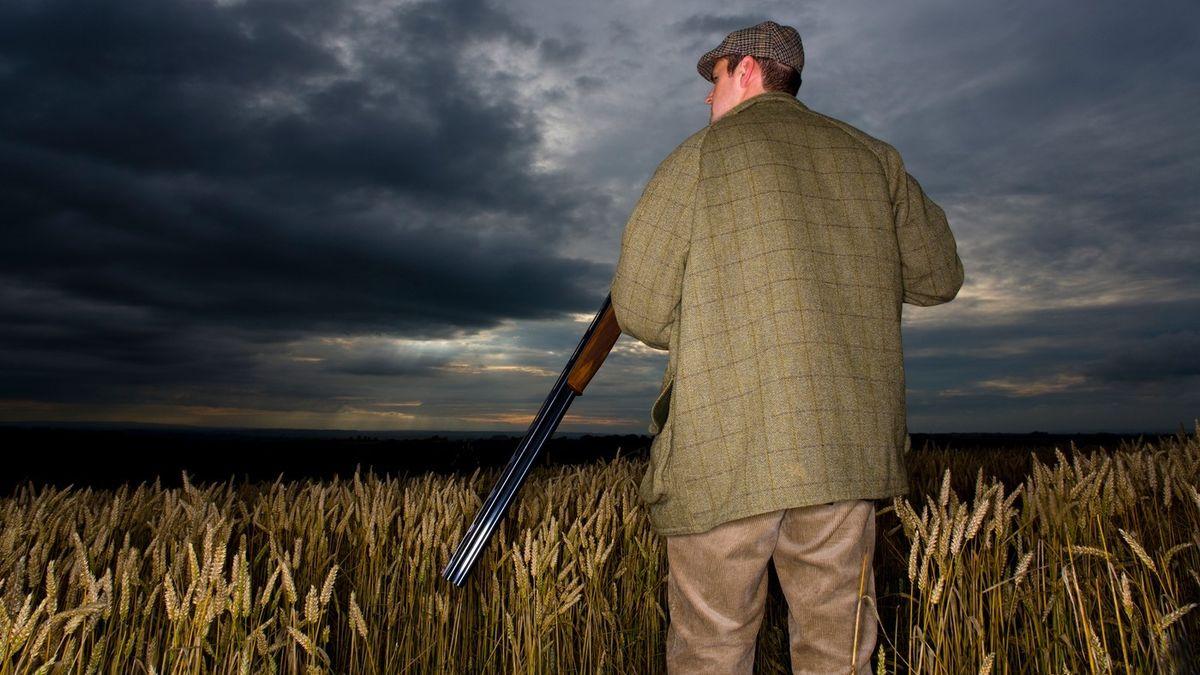
Weather stress can make hunters hurry. Hurrying is one of the biggest safety problems before a storm. Slow down when handling firearms, bows, knives, stands, and vehicles.
Firearm Safety
- Treat every firearm as if it is loaded.
- Keep the muzzle pointed in a safe direction.
- Keep your finger off the trigger until you are ready to shoot.
- Clearly identify your target and what is beyond it.
- Do not shoot toward roads, buildings, people, livestock, vehicles, trails, or unclear movement.
- Unload and case firearms when required by law and before climbing, crossing obstacles, or entering vehicles.
Bowhunting Safety
- Practice before the season and know your personal effective range.
- Protect broadheads during transport and keep hands clear of sharp edges.
- Do not take long, rushed, unstable, or obstructed shots in wind or poor visibility.
- Use a haul line for gear when elevated, and never climb with exposed broadheads in your hand.
Tree Stand Safety
- Use a full-body safety harness and stay connected while climbing, hunting, and descending.
- Inspect all straps, steps, platforms, ladders, and trees before use.
- Avoid tree stands when lightning, strong gusts, ice, rotten trees, or unstable footing are present.
- Leave early enough to climb down in daylight or with controlled lighting.
How Storms Can Change Animal Movement
Storms affect animals differently. Avoid rigid rules and observe local patterns over time. Keep notes about weather, wind direction, temperature, moon phase if you track it, pressure trends if useful, hunting pressure, and what you saw.
Big Game
Deer, elk, hogs, and similar big game may feed before conditions deteriorate, move toward sheltered bedding cover, or use routes that reduce wind exposure. In pressured areas, animals may still move mostly at low light or through thick cover. Focus on legal, safe setups near food-to-cover travel routes rather than chasing animals through bedding areas.
Turkeys and Upland Birds
Birds may become harder to hear in wind, and calling may be less effective when weather is noisy. Before a storm, focus on known feeding areas, roost travel routes, field edges, and safe visibility. Be especially cautious with target identification when vegetation moves in wind.
Waterfowl
Waterfowl hunters often pay close attention to weather changes, but boating, cold water, wind, waves, lightning, and flooding create serious risks. Wear a life jacket when required or prudent, know water conditions, avoid unsafe launches, and do not let weather excitement override boating safety.
Small Game
Rabbits, squirrels, and other small game may shift activity depending on wind, rain, cover, and food. In gusty pre-storm conditions, visibility and safe shooting angles may be more important than movement predictions.
Public Land and Private Land Considerations
Public Land Hunting Before a Storm
On public land, check maps, boundaries, trailheads, road closures, weather-related access restrictions, and parking rules. Avoid blocking gates, emergency routes, or narrow roads. Other hunters, hikers, land managers, and emergency crews may be using the same area. Wear required visibility clothing and communicate clearly if you encounter others.
Do not assume every road or trail shown on a map is open or safe before a storm. Mud, snow, flooding, downed trees, and washouts can change access quickly.
Private Land Hunting Before a Storm
On private land, get permission before entering and follow the landowner’s rules. Ask where you may park, which gates to use, whether fields are too wet to drive, where livestock are located, and whether any low areas flood. Close gates as instructed, avoid rutting roads or fields, and leave the property cleaner than you found it.
Helpful Tips for Better Results
- Hunt familiar areas before a storm instead of exploring unknown terrain.
- Choose a setup that lets you leave quickly without crossing dangerous water or steep ground.
- Watch wind direction and gusts more closely than usual because pre-storm air can shift fast.
- Focus on food-to-cover travel routes, sheltered edges, and safe observation points.
- Keep your gear waterproofed, organized, and easy to pack quickly.
- Shorten your hunt before the weather forces you to hurry.
- Tell someone where you are hunting, where you parked, and when you plan to return.
- Use binoculars to confirm animals instead of relying on movement in stormy light.
- Pass on any shot that wind, rain, low light, nerves, or poor footing makes uncertain.
Common Mistakes to Avoid
Many pre-storm hunting mistakes come from overvaluing a possible movement window and undervaluing safety. Avoid these common problems:
- Ignoring official weather alerts because animals “might move.”
- Waiting too long to leave when thunder, wind, or water levels increase.
- Hunting without checking current regulations, license, tags, season, and legal hours.
- Crossing flooded roads, creeks, ditches, or low-water crossings.
- Using a tree stand in gusty, icy, lightning-prone, or unstable conditions.
- Setting up too far from the vehicle before fast-moving weather.
- Assuming every storm improves animal movement.
- Taking rushed shots in wind, rain, low light, or poor visibility.
- Ignoring wind shifts and allowing scent to blow into the main travel route.
- Driving across wet private fields without landowner permission.
- Forgetting meat care supplies when rain or warm pre-storm temperatures are possible.
Troubleshooting Common Problems
| Problem | Possible Cause | What to Do |
|---|---|---|
| You are not seeing any game before the storm | Wrong food source, too much pressure, poor timing, wind problems, or animals already moved to cover | Scout fresh sign, shorten the hunt, adjust to safer travel corridors, and avoid pushing bedding areas recklessly. |
| The wind keeps shifting | Approaching front, terrain swirl, gusts, or unstable weather | Move only if safe and legal, choose a more forgiving setup, or end the hunt if scent and shooting control are poor. |
| Thunder starts earlier than expected | Storm speed changed or forecast timing was uncertain | Stop hunting and move toward safe shelter or your vehicle when it is safe to do so. Do not wait for rain. |
| Roads or trails are getting muddy | Rain arrived early or soil conditions were already saturated | Leave before access worsens. Avoid damaging private land, closed roads, or fragile habitat. |
| Visibility becomes too poor for confident identification | Heavy clouds, rain, fog, blowing dust, snow, or low light | Stop taking shot opportunities. Legal light does not matter if you cannot identify the target and background. |
| You feel pressured to stay because animals may move | Excitement, limited hunting time, or advice from others | Follow your safety plan. No hunt is worth lightning, flooding, unsafe shooting, or getting stranded. |
| You legally harvest game but weather is closing in | Storm timing, difficult terrain, or delayed recovery | Follow local recovery and reporting rules, prioritize safety, ask for legal help if needed, and protect meat from heat and contamination. |
Ethical Hunting and Conservation
Ethical hunting before a storm means making decisions that respect wildlife, landowners, other hunters, and the resource. It also means accepting that some days should be cut short or skipped entirely.
- Obey seasons, limits, weapon rules, land access rules, and reporting requirements.
- Practice with your firearm or bow before the season and stay within your ability.
- Pass on unsafe, rushed, obstructed, or uncertain shots.
- Do not use severe weather to pressure animals into reckless or unfair situations.
- Respect private land, gates, crops, livestock, and property boundaries.
- Share public land respectfully and avoid conflicts with other users.
- Recover game responsibly and use the meat according to local law and good ethics.
- Support conservation through legal license purchases, habitat respect, and responsible conduct.
- Leave the land cleaner than you found it.
When to Get More Training or Professional Guidance
Beginners should get more training before hunting in storm-related conditions if they are unsure about weather risk, firearm handling, bowhunting safety, land boundaries, navigation, game recovery, or meat care. A hunter education course, local wildlife agency, certified instructor, experienced ethical mentor, or conservation organization can help you build safe habits before you face difficult field decisions.
Get help before the hunt if:
- You have never handled a firearm or bow under formal supervision.
- You have not completed hunter education.
- You do not understand legal shooting hours, tags, reporting, or land access rules.
- You cannot read maps, property boundaries, or forecast alerts confidently.
- You plan to use a tree stand but have not practiced safe harness use.
- You are hunting unfamiliar terrain before changing weather.
- You are unsure how to care for meat quickly and responsibly.
After the Hunt: Follow-Up, Gear Care, and Learning
After a pre-storm hunt, clean and dry your gear as soon as practical. Moisture can damage optics, clothing, boots, packs, calls, knives, and other equipment. Follow firearm and bow manufacturer instructions for safe cleaning, storage, and maintenance.
Record what you learned. Note the forecast, actual storm timing, wind direction, animal movement, sign, pressure, access problems, and whether your exit plan worked. These notes help you improve without relying on guesswork.
If you harvested game, complete required tagging, reporting, and transport steps. Cool and store meat responsibly. If weather made any part of the recovery difficult, review what you would change next time.
Recommended Hunting Gear and Tools to Consider
You do not always need expensive gear to hunt responsibly before a storm. Choose gear based on your local laws, hunting method, species, terrain, weather, safety needs, skill level, and budget.
- Legal hunting weapon or method allowed in your area.
- Water-resistant pack or dry bags for essential items.
- Quality boots with traction for wet ground.
- Weather-appropriate layers and quiet rain gear.
- Required visibility clothing such as blaze orange or blaze pink where applicable.
- Binoculars for safe target identification.
- Offline maps, compass, GPS, or hunting app.
- First aid kit and emergency communication plan.
- Headlamp with spare batteries.
- Full-body safety harness for tree stand hunting.
- Game bags, gloves, cooler, and meat care supplies when relevant.
Final Thoughts on How to Hunt Before a Storm
Learning how to hunt before a storm is not about gambling with dangerous weather. It is about understanding local animal movement, checking current regulations, planning around wind and access, choosing safe setups, and leaving before conditions become hazardous. The best pre-storm hunters are disciplined enough to cancel, shorten, or adjust a hunt when the forecast changes.
Prepare carefully, scout legal areas, respect landowners and other users, practice with your equipment, and make only safe, ethical shot decisions. Hunting success depends on weather, season, regulations, animal behavior, land pressure, skill level, patience, and judgment. Safety and conservation should remain the foundation of every hunt.
FAQ
1. Is it good to hunt before a storm?
It can be good when the hunt is legal and conditions remain safe. Some animals may feed or travel before rough weather, but severe storms, lightning, flooding, and high winds are reasons to cancel or leave early.
2. How long before a storm should I hunt?
Many hunters focus on the safe window several hours before the storm reaches the area. Do not wait until thunder, dangerous wind, heavy rain, or rising water arrives. Set a firm exit time before the hunt begins.
3. Do deer move before a storm?
Deer may move before some storms, especially near food, cover, and travel corridors. Movement depends on season, pressure, temperature, wind, local habitat, and the type of storm. There is no guarantee.
4. Do turkeys move before a storm?
Turkeys may feed or shift locations before bad weather, but wind and rain can make calling, hearing, and visibility harder. Be extra cautious with target identification and avoid hunting when lightning or severe weather is possible.
5. Should I hunt during a thunderstorm?
No. If thunder is close enough to hear, lightning is a real danger. Leave the field and follow official storm safety guidance instead of continuing to hunt.
6. Is it safe to hunt from a tree stand before a storm?
Only if conditions are calm enough for safe climbing and sitting. Avoid tree stands when lightning, strong gusts, ice, dead trees, unstable footing, or poor visibility are present. Always use a full-body safety harness.
7. What is the best setup before a storm?
The best setup is legal, familiar, close to a safe exit, and positioned near likely food-to-cover travel routes with wind in your favor. A safe ground setup is often better than a risky elevated setup.
8. What wind direction is best before a storm?
The best wind carries your scent away from the area where animals are likely to approach. Before storms, wind can shift quickly, so choose a setup that gives you some margin for changing conditions.
9. Can high wind before a storm ruin a hunt?
High wind can reduce hearing, increase scent swirl, move vegetation, make shooting less stable, and create falling limb hazards. If wind affects safety or accuracy, shorten the hunt or leave.
10. Should I hunt field edges before a storm?
Field edges can be useful if animals are feeding before weather arrives and access is legal. Set up with safe visibility, a favorable wind, and a quick exit route. Avoid exposed areas if lightning risk increases.
11. Should I hunt bedding areas before a storm?
Beginners should be cautious about entering bedding areas because it can pressure animals and create difficult shot or recovery situations. It is often better to hunt travel routes between food and cover.
12. Is pressure change important before a storm?
Some hunters track pressure changes, but it should not be treated as a guarantee. Weather timing, wind, temperature, hunting pressure, food, and local animal behavior are all important.
13. What should I check before leaving home?
Check your license, tags, season, legal hours, weapon rules, land access, weather alerts, radar, wind, flood risk, road conditions, emergency contacts, and exit plan.
14. What weather alerts should make me cancel?
Severe thunderstorm warnings, tornado warnings, flash flood warnings, dangerous wind warnings, major winter storm warnings, and local emergency closures are strong reasons to cancel or leave the area.
15. Can I hunt in light rain before a storm?
Light rain may be manageable with proper gear and safe access, but it can reduce visibility, make footing slick, and affect equipment. Do not hunt if lightning, flooding, dangerous wind, or poor target identification is present.
16. Is public land safe before a storm?
Public land can be safe if access is open, weather risk is low, and you know the area. Check closures, roads, trailheads, boundaries, and other users before hunting.
17. What should I ask a private landowner before hunting before a storm?
Ask where to park, which gates to use, whether fields are too wet to drive, where livestock are located, which low areas flood, and whether the landowner wants you out by a certain time.
18. How do I keep meat safe if I harvest game before a storm?
Follow local tagging and reporting rules, keep tools clean, protect meat from mud and water, cool it as soon as practical, and transport it legally. Plan this before the hunt.
19. Should I hunt closer to the truck before a storm?
Often, yes. A closer setup reduces risk if weather arrives early or access gets worse. Familiar, exit-friendly locations are better than deep, unknown spots before a storm.
20. Can I cross a creek before a storm if it is low?
Be cautious. Water can rise quickly, and a crossing that is easy on the way in may become unsafe on the way out. Avoid routes that depend on flood-prone crossings.
21. What if animals start moving right as the storm arrives?
Do not let animal movement override safety. If thunder, dangerous wind, flooding, poor visibility, or official warnings appear, end the hunt.
22. Does scent control matter before a storm?
Yes, but wind direction and setup matter more than sprays or clothing claims. Pre-storm wind can swirl, so watch the wind and avoid letting scent blow into likely approach routes.
23. Should I still-hunt before a storm?
Still-hunting can work in safe conditions, but wet ground, wind noise, poor visibility, and limited time can create problems. Move slowly and stop if safe shooting lanes are unclear.
24. Is bowhunting before a storm harder?
It can be. Wind, rain, wet strings, cold hands, bulky clothing, and rushed timing can reduce accuracy. Know your effective range and pass on shots outside your ability.
25. Is rifle hunting before a storm safer than bowhunting?
Neither method is automatically safer. Firearms require strict muzzle control and awareness of what is beyond the target. Bows require safe broadhead handling, practiced range, and shot discipline. Weather can affect both.
26. What should I do if visibility drops?
Stop taking shot opportunities if you cannot clearly identify the animal and background. Pack up early if visibility continues to decline.
27. Can I use a pop-up blind before a storm?
A ground blind may be useful, but secure it properly and avoid exposed areas, flood-prone spots, and lightning risk. Do not stay in a blind during severe weather.
28. Do storms affect hunting pressure?
Yes. Some hunters stay home, while others focus heavily on pre-storm movement. Animals may react to both weather and human pressure, so quiet access and smart setup still matter.
29. How should beginners plan their first pre-storm hunt?
Beginners should pick a familiar legal area, hunt close to the vehicle, avoid tree stands in questionable weather, monitor alerts, set a short time limit, and go with an experienced ethical mentor when possible.
30. What is the biggest safety mistake before a storm?
The biggest mistake is staying too long. Weather can change quickly, and a possible animal movement window is not worth lightning, flooding, falling limbs, unsafe roads, or poor shot decisions.
31. Should I hunt before a snowstorm?
Only if travel, temperature, wind, and visibility are safe. Snow can reveal tracks and affect movement, but winter storms can also create dangerous roads, cold stress, and navigation problems.
32. Should I hunt before a tropical storm or hurricane?
No hunt is worth dangerous wind, flooding, storm surge, road closures, or emergency conditions. Follow official evacuation and weather guidance instead of hunting.
33. How do I know when to leave?
Leave at your planned exit time, when thunder is heard, when alerts worsen, when wind becomes unsafe, when water rises, when visibility drops, or when you feel pressure to rush.
34. What should I do after a pre-storm hunt?
Confirm you are safely out, tell your contact, complete any required harvest reporting, dry your gear, clean equipment safely, and record what the weather and animals did.
35. Is hunting before a storm worth it?
It can be worth it when the hunt is legal, safe, planned, and ethical. It is not worth it when storm risk, poor access, unsafe shooting conditions, or emergency alerts are present.
Read more: How to Hunt After a Storm: A Safe, Ethical Field Guide for Beginners