
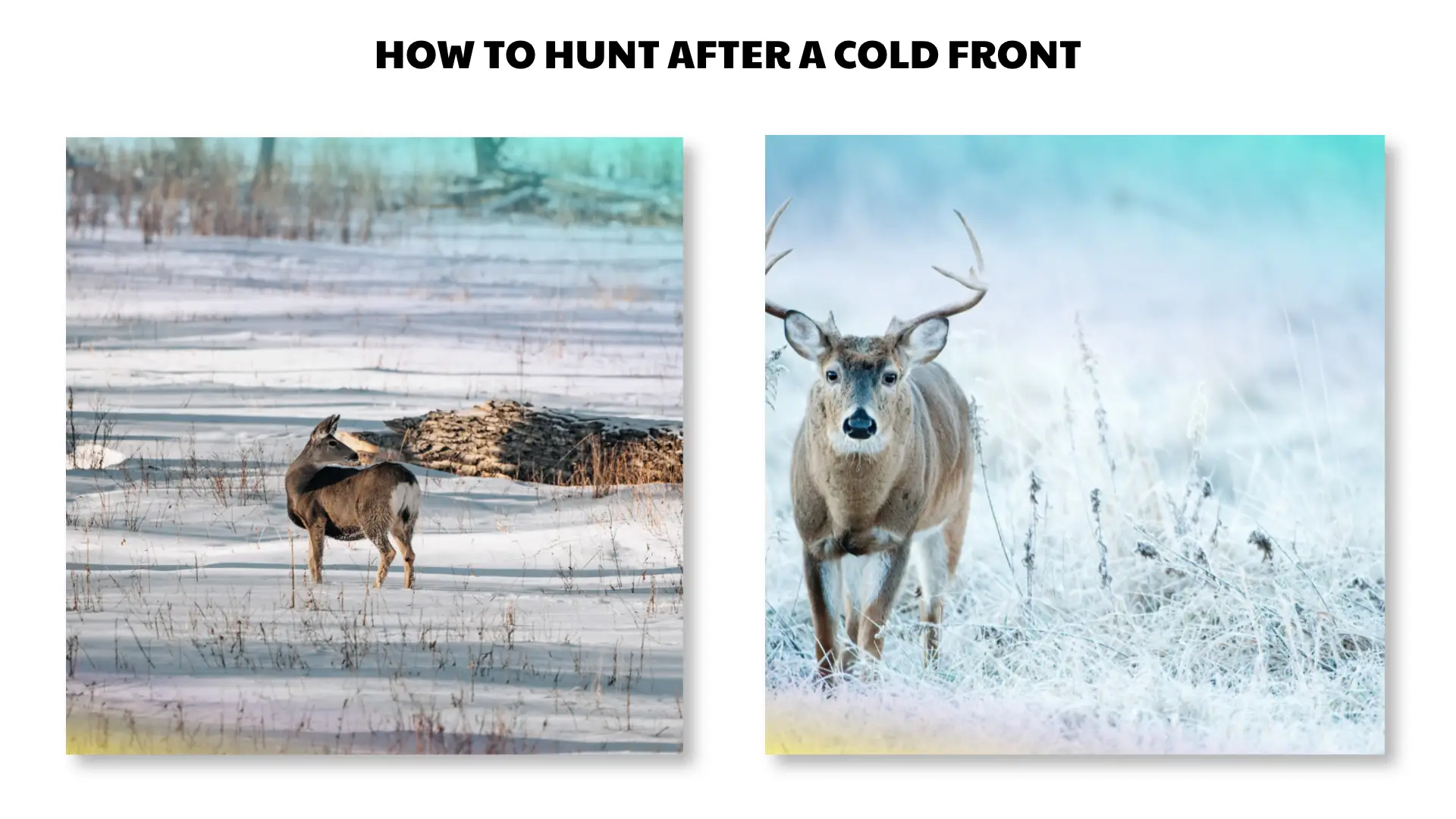

Learning how to hunt after a cold front can help beginners understand one of the most talked-about weather patterns in the field. A cold front can change wind direction, temperature, animal movement, hunter comfort, access conditions, visibility, and scent behavior. It can also create new safety concerns, especially when freezing temperatures, strong wind, snow, ice, or wet ground are involved.
Quick Answer
To hunt after a cold front, first verify that the season, license, tags, legal hours, weapon rules, and land access are valid for the species and area you plan to hunt. Then check the forecast, wind direction, temperature, road conditions, and cold-exposure risk before choosing a setup near fresh sign, food sources, travel corridors, bedding cover, or sheltered habitat. Move carefully, use the wind responsibly, stay warm and dry, and take only a safe, legal, ethical shot opportunity within your practiced ability. The best post-front hunts often come when conditions are clearing, wind is manageable, and animals begin moving again after rough weather.
Important Legal and Safety Notice Before You Hunt
Hunting regulations vary by country, state, province, county, land type, species, season, and weapon method. Before hunting after a cold front, verify all current rules with your official wildlife agency and check local weather warnings. Do not rely on general online advice as a substitute for current regulations or field safety judgment.
- Hunting license and permits: Confirm that your license, permit, stamp, or hunter education requirement is valid for your location.
- Tags and harvest reporting: Know tagging rules, harvest reporting deadlines, species identification requirements, and transport rules.
- Legal season and legal hours: Make sure the species is open to hunt and that you understand legal shooting hours.
- Legal weapons and ammunition: Verify firearm, bow, muzzleloader, broadhead, ammunition, magazine, and equipment restrictions where applicable.
- Public land or private land access: Confirm boundaries, access points, closures, permits, parking rules, and written private land permission.
- Required clothing or visibility rules: Wear blaze orange or other required visibility gear when your regulations call for it.
- Safe firearm or bow handling: Treat every firearm or bow with respect, keep the muzzle pointed in a safe direction, keep your finger off the trigger until ready, and identify your target and what is beyond it.
- Weather and emergency planning: Check the forecast through a reliable source such as the National Weather Service or your local meteorological agency before you leave.
- Cold exposure: Review cold-weather safety guidance from official sources such as NWS Cold Weather Safety and NWS Winter Safety.
What a Cold Front Changes for Hunters
A cold front is a transition zone where colder air replaces warmer air. In the field, that shift may bring falling temperatures, changing wind direction, clearing skies, rising or falling pressure, rain, snow, sleet, stronger wind, or a sudden change in humidity. Hunters often notice that wildlife behavior changes around these weather shifts, but the exact response varies by species and region.
For many game animals, the period immediately after severe weather can be important because animals may resume feeding, travel to sheltered food sources, or adjust bedding locations based on wind and temperature. In mild climates, a front may be just enough to improve daytime comfort and movement. In harsher conditions, a front can make animals conserve energy, bed in thermal cover, or move only during short windows.
Common Post-Front Field Changes
- Wind direction may shift: A stand, blind, or still-hunting route that worked before the front may be wrong afterward.
- Scent behavior changes: Cooler, denser air and variable wind can move scent differently across valleys, ridges, creek bottoms, and openings.
- Sound may carry differently: Calm, cold air can make small noises seem louder, while wind can hide some movement but reduce hearing.
- Animals may use cover differently: They may seek sunny slopes, conifer cover, lee-side terrain, thick bedding, or protected feeding areas.
- Access can become dangerous: Mud, ice, snow, flooded ditches, falling limbs, and poor roads can turn a simple entry route into a risk.
- Hunters burn more energy: Cold weather, heavy clothing, wet boots, and longer walks can lead to fatigue and poor decision-making.
Understanding Animal Movement After a Cold Front
There is no universal rule that every cold front automatically improves hunting. However, a front can influence animal movement because weather affects comfort, energy use, food availability, visibility, scent, and hunting pressure. Your job is to read local sign and choose a legal, safe setup based on what the animals are actually doing.
Deer and Similar Big Game
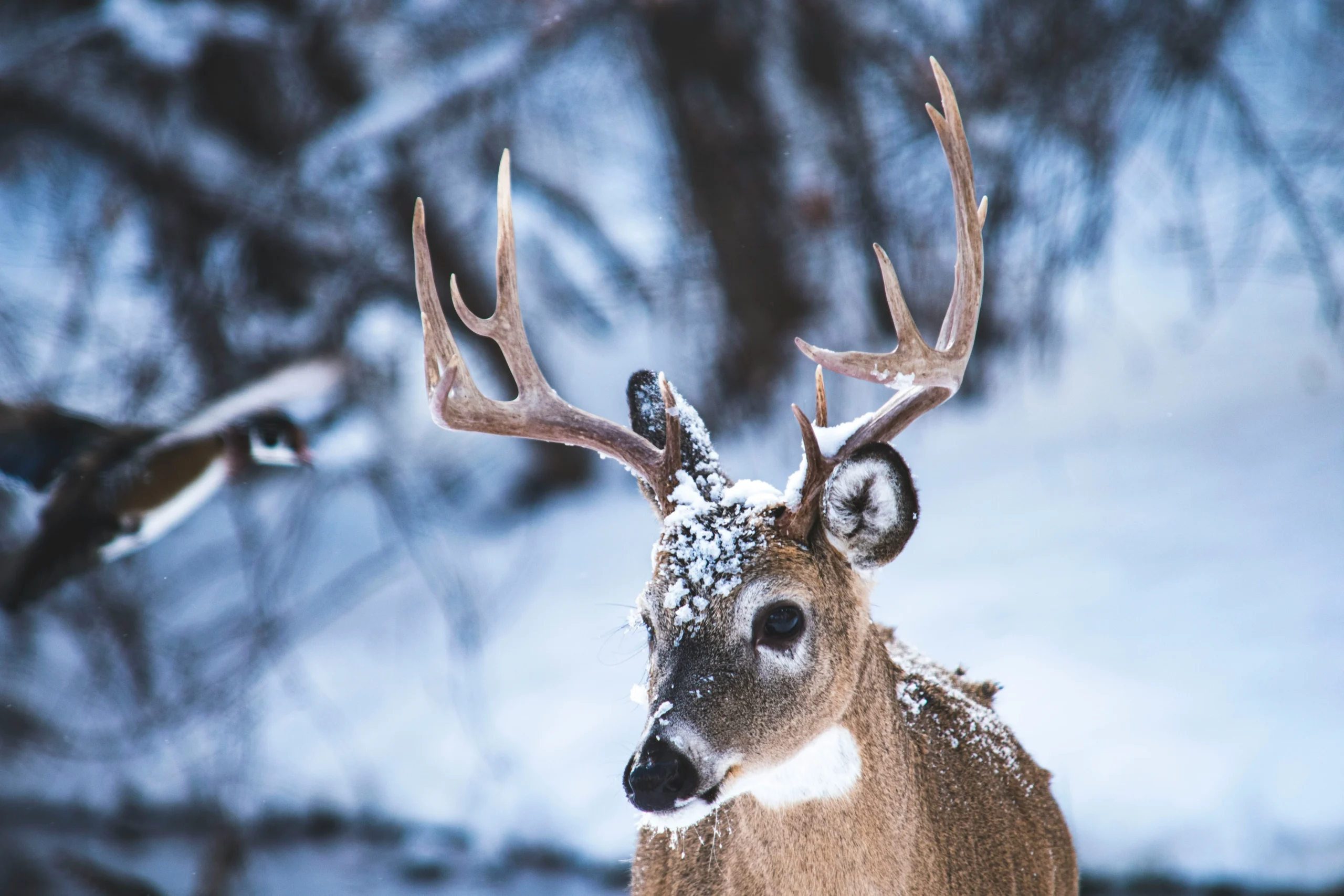
For deer and similar big game, post-front conditions may encourage movement toward food, water, bedding cover, or travel corridors when the weather settles. During colder periods, animals often balance energy conservation with feeding needs. Look for fresh tracks, droppings, rubs, scrapes where legal and relevant, browse pressure, trails between bedding and food, and sheltered travel routes that avoid the strongest wind.
Elk and Mountain Game
In mountain country, cold fronts can change elevation use, snow line, feeding access, and travel patterns. Elk and other mountain game may shift toward sheltered timber, south-facing slopes, lower elevations, or wind-protected benches depending on snow depth, pressure, and available forage. Safety matters more than speed in steep terrain; icy slopes and heavy packs can turn small mistakes into serious injuries.
Turkey and Upland Birds
Wild turkeys and upland birds may respond to post-front wind, precipitation, temperature, and feeding opportunities. Turkeys may be quieter or more cautious in windy conditions, and birds may use edges, sheltered openings, or feeding areas when conditions improve. Always be especially careful when calling turkeys because other hunters may also be drawn toward calling sounds.
Small Game
Rabbits, squirrels, and other small game may use thick cover, windbreaks, sunny edges, or food areas after cold weather. Fresh snow or damp ground can make tracks easier to see, but it can also make footing slippery. Move slowly and identify every target clearly before acting.
What You Need Before You Start
A successful post-cold-front hunt starts before you leave home. Your checklist should cover law, weather, navigation, safety, comfort, and responsible game handling.
- Valid hunting license, permits, tags, stamps, and current regulation knowledge
- Legal hunting weapon or method allowed for your species, season, and area
- Hunter orange or required visibility clothing when applicable
- Layered clothing that manages moisture, insulation, and wind protection
- Waterproof or water-resistant boots with traction appropriate for mud, snow, or ice
- Gloves, warm hat, neck gaiter, spare socks, and dry backup layers
- Map, compass, GPS, or hunting app with offline maps
- First aid kit, emergency communication, headlamp, extra batteries, and fire-starting supplies where legal and safe
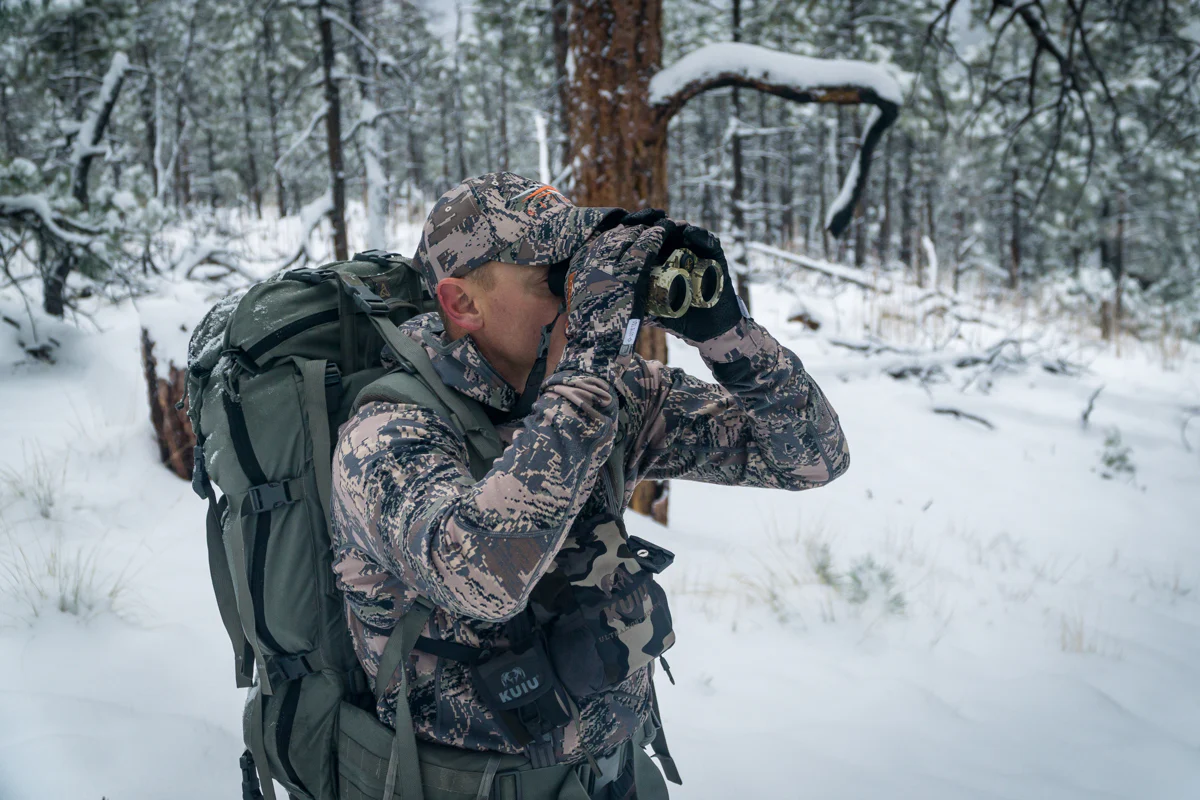
- Binoculars or optics for safe observation
- Wind checker or another simple way to monitor wind direction
- Game bags, gloves, cooler, and meat care supplies if a harvest is possible
- A written hunt plan shared with someone you trust
How to Hunt After a Cold Front: Step-by-Step Guide
Step 1: Check Local Hunting Laws First
Before thinking about weather strategy, confirm the legal basics. Make sure your species is in season, your license and tags are valid, your hunting method is legal, and the area is open. Check legal hunting hours, hunter orange requirements, harvest reporting rules, weapon restrictions, public land closures, private land permission, and transport rules.
Do not assume that a cold front makes an area legal or accessible. Some public lands close roads after storms, some private gates may be locked to prevent damage, and some wildlife areas have special rules after weather events.
Step 2: Study the Front and the Forecast
Look at what the front actually did. Did it drop temperatures by a few degrees or bring a major freeze? Did it include rain, snow, sleet, high wind, or lightning? Is the wind calming, shifting, or still dangerous? Check the forecast for the entire time you expect to be out, including your walk back after dark.
Pay attention to wind chill, road conditions, precipitation, ice, visibility, and any weather alerts. If the forecast includes dangerous cold, high winds, heavy snow, flooding, lightning, or unsafe roads, postpone the hunt.
Step 3: Decide Whether It Is Safe to Go
Post-front conditions can look promising but still be unsafe. Do not hunt if you cannot safely drive, walk, navigate, stay warm, or communicate. Avoid icy creek crossings, flooded roads, unstable slopes, weakened trees, and exposed ridge tops in high wind.
A safe hunt plan includes an exit time, a backup route, emergency contact, expected location, and a clear decision point for turning around. Responsible hunters know that skipping a risky hunt is part of ethical outdoor judgment.
Step 4: Choose a Legal Hunting Area
Select an area where you know the boundaries, access points, terrain, and likely animal movement. On public land, study maps, parking areas, trails, gates, property lines, wildlife management unit boundaries, and nearby private land. On private land, confirm permission, gate rules, livestock areas, boundaries, and whether recent weather changed road or field access.
After a cold front, easy access areas may receive more pressure because many hunters expect better movement. Consider legal, safe areas that require a quiet walk but do not push you into hazardous terrain.
Step 5: Scout for Fresh Post-Front Sign
Fresh sign matters more than old sign. Look for new tracks in mud, frost, snow, or soft soil. Check game trails, field edges, creek crossings, saddles, pinch points, food sources, bedding cover, droppings, feeding sign, and travel corridors. If the front brought snow or rain, it may reset the ground and make recent movement easier to read.
Do not over-scout so aggressively that you push animals out of the area. Use binoculars, careful walking, and low-impact observation whenever possible.
Step 6: Recheck Wind Direction and Thermals
Cold fronts often bring wind shifts. Your setup should keep your scent away from the route you expect animals to use. In hilly terrain, morning and evening thermals may move scent up or down slopes as temperatures change. In flat country, windbreaks, timber edges, and openings can create swirling pockets.
Keep checking the wind in the field. If the wind becomes wrong for your setup, move or back out instead of educating animals and creating an unsafe or poor shot situation.
Step 7: Set Up Near Shelter, Food, or Travel
After a cold front, many animals balance feeding needs with shelter from wind and cold. Good starting points include protected food sources, lee-side travel routes, thick bedding edges, south-facing slopes in cold climates, creek bottoms with careful access, windbreaks, conifer cover, and terrain funnels between bedding and feeding areas.
Choose a setup that gives you visibility, safe shooting lanes, a safe backstop, and a quiet exit route. Avoid setting up where roads, trails, homes, livestock, vehicles, or other hunters may be beyond your target.
Step 8: Enter Quietly and Slowly
Cold leaves, crusted snow, ice, or frozen ground can make noise. Wind can cover some sound, but it can also prevent you from hearing other hunters or animals. Move slowly, pause often, and use natural cover. Keep your firearm or bow under control at all times, especially when crossing obstacles or climbing into a stand.
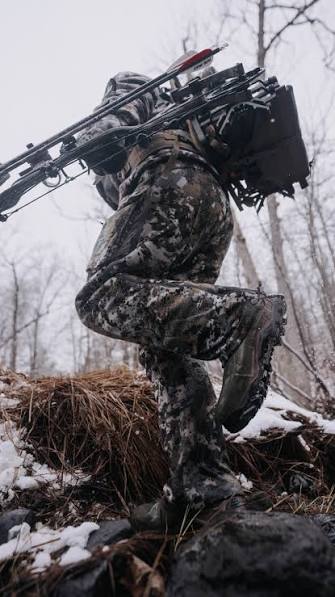
If you use a tree stand, wear a full-body safety harness and stay connected from the ground up. Cold hands, bulky clothing, and slick steps increase fall risk.
Step 9: Hunt the Movement Window, Not the Myth
Some hunters expect immediate action after a cold front, but animals do not follow internet rules. Watch for actual movement. If the front passed overnight and conditions are calm at first light, that may be worth prioritizing. If wind remains strong or temperatures are dangerously low, animals may move later, use protected routes, or stay tight to cover.
Stay observant, keep notes, and adjust based on sign, pressure, wind, and safe visibility rather than forcing a fixed plan.
Step 10: Take Only a Safe, Legal, Ethical Shot Opportunity
Only act when the animal is clearly identified, legal to harvest, within range, and positioned for a responsible shot. Know what is beyond the target. Do not shoot toward roads, homes, livestock, trails, vehicles, other hunters, or unclear movement. Cold weather can affect your body control, breathing, fine motor skills, and equipment handling, so be honest about your limits.
For bowhunting, know your practiced effective range and account for bulky clothing, cold muscles, broadhead safety, and shot angle. For firearm hunting, keep the muzzle controlled, use the safety correctly, and follow manufacturer instructions.
Step 11: Follow Recovery, Tagging, and Reporting Rules
If you harvest game, follow your local recovery, tagging, reporting, and transport rules. Keep the process calm, legal, and respectful. Avoid rushing in ways that cause unsafe movement, poor navigation, or careless handling of tools.
Cold weather can help slow spoilage, but it does not replace responsible meat care. Keep meat clean, cool, dry, and protected according to your local regulations and safe food-handling practices.
Best Time, Place, and Conditions After a Cold Front
The best post-front hunt is usually the one that combines legal access, safe weather, fresh sign, manageable wind, and a realistic plan. Timing varies by species and region, but these general patterns are useful for beginners.
| Condition | Why It Matters | How to Adjust |
|---|---|---|
| Clear, calm weather after rough conditions | Animals may resume feeding or traveling when conditions become more comfortable. | Focus on food sources, travel corridors, and sheltered cover near fresh sign. |
| Strong wind after the front | Wind may reduce hearing, swirl scent, and make tree stands or exposed ridges unsafe. | Hunt lower, protected terrain or postpone if winds are hazardous. |
| Fresh snow, frost, or wet ground | New tracks can reveal recent movement, but footing may be dangerous. | Scout slowly, watch your footing, and avoid risky slopes or crossings. |
| Cold morning after a front | Some species may move early, while others may wait until sun warms sheltered areas. | Start near bedding-to-food routes and observe before moving. |
| Heavy hunting pressure | Other hunters may target the same post-front window. | Use safe access routes, avoid crowding, and consider overlooked legal cover. |
Post-Front Setup Ideas
Food Source Edges
After cold weather, animals often need energy. Legal food source edges, crop fields, mast-producing areas, browse lines, grass openings, and natural feeding areas may be worth watching. Set up with the wind in your favor and avoid walking through the area you expect animals to use.
Travel Corridors
Game trails, saddles, fence gaps where legal to cross, creek crossings, benches, ridge transitions, and cover edges can concentrate movement. Post-front travel may be most useful when animals move from sheltered bedding to food or water.
Thermal Cover
Conifers, thick brush, sheltered draws, sunny slopes, and wind-protected timber can hold animals in cold or windy conditions. Hunt edges carefully rather than crashing through the cover and pushing animals away.
Leeward Terrain
The lee side of a ridge or cover line is the side protected from the wind. Animals may use it to reduce wind exposure while still using their senses. Watch for swirling wind in these areas and avoid setups where your scent blows into the bedding or travel route.
Cold Front Gear and Clothing Checklist
You do not need expensive gear to hunt responsibly, but cold-front conditions require smart choices. Clothing should help manage moisture, insulation, wind, and safety.
- Base layer: Choose moisture-managing fabric. Avoid cotton as a primary cold-weather layer because it holds moisture.
- Insulation layer: Use fleece, wool, synthetic insulation, or other appropriate warm layers for your climate.
- Wind and weather shell: Bring a quiet outer layer that blocks wind and sheds light precipitation when possible.
- Boots: Wear boots with traction, insulation, and waterproofing suitable for mud, snow, or ice.
- Hands and head: Pack warm gloves, a hat, and backups if conditions are wet.
- Visibility gear: Follow blaze orange or other visibility rules for your season and area.
- Navigation: Carry a map and compass even if you use a GPS or phone app.
- Emergency kit: Include first aid, headlamp, spare batteries, whistle, fire-starting tools where legal, emergency blanket, and communication.
- Meat care supplies: Bring gloves, game bags, cooler planning, and legal tagging/reporting materials.
Safety Tips for Hunting After a Cold Front
Cold-front hunting can be productive, but safety must come first. Weather-related accidents often happen when hunters underestimate cold, wind, ice, distance, or fatigue.
- Check weather alerts before leaving and again before entering the field.
- Cancel or shorten the hunt if wind, ice, snow, cold, flooding, or road conditions become unsafe.
- Tell someone where you will hunt and when you plan to return.
- Carry enough water; dehydration can happen in cold weather too.
- Eat enough calories to maintain energy and body heat.
- Keep a dry layer available in case you sweat or get wet.
- Avoid sweating during the hike in; slow down or vent layers if needed.
- Use a full-body harness in tree stands and inspect straps, steps, and platforms for ice.
- Unload or secure firearms as required when crossing obstacles, entering vehicles, or following local transport rules.
- Do not handle firearms or bows when cold, tired, rushed, or unsure of your footing.
Helpful Tips for Better Results
- Scout immediately after safe weather improves because fresh tracks may be easier to identify.
- Plan your setup around the new wind direction, not yesterday’s wind.
- Watch protected food sources when cold conditions increase feeding pressure.
- Use binoculars before moving; animals may be bedded close in sheltered cover.
- Move slower than normal on frozen leaves, crusted snow, or icy ground.
- Keep your hands warm enough to safely operate your gear.
- Record the temperature drop, wind, pressure trend, sign, and sightings in a field notebook.
- Have a safe exit route before dark, especially if roads or trails are icy.
- Do not let the excitement of a cold front push you into unsafe terrain or questionable shots.
Common Mistakes to Avoid
Beginners often hear that cold fronts are “magic” for hunting and then rush into the field without a safe plan. Avoid these common mistakes.
- Ignoring regulations: Weather never overrides license, tag, season, land access, or weapon rules.
- Using the wrong wind: A front can reverse or shift wind direction, ruining a familiar setup.
- Overlooking safety alerts: Wind chill, ice, high wind, and winter storms can create serious risks.
- Walking through fresh sign: Entering poorly can push animals away before the hunt begins.
- Overdressing for the hike: Sweating on the way in can make you cold after you sit.
- Underpacking emergency gear: A short hunt can become serious if weather or navigation problems arise.
- Assuming animals will move in open areas: Heavy pressure or wind may keep them in thick cover.
- Taking risky shots: Cold hands, wind, distance, and poor footing can reduce accuracy and judgment.
- Forgetting meat care: Plan tagging, reporting, cooling, transport, and legal records before the hunt.
Troubleshooting Common Problems
| Problem | Possible Cause | What to Do |
|---|---|---|
| You are not seeing any game | Wrong timing, poor location, heavy pressure, or animals using sheltered cover | Look for fresh sign, shift toward protected food or bedding edges, and avoid over-moving. |
| The wind keeps swirling | Terrain, timber edges, temperature changes, or unstable post-front wind | Move to steadier wind, use a different route, or leave the area for another time. |
| Your hands are too cold to handle gear safely | Poor gloves, wind exposure, wet hands, or long periods without movement | Warm your hands, use proper gloves, shorten the sit, and do not force a shot. |
| Access roads are muddy or icy | Rain, snow, freeze-thaw cycles, or poor road maintenance | Do not risk getting stranded; choose safer legal access or postpone the hunt. |
| You find lots of old sign but no fresh sign | Animals changed patterns after the front | Search for fresh tracks, current food use, and sheltered travel routes. |
| You feel rushed because the weather window looks good | Excitement, limited time, or fear of missing out | Slow down, follow your safety plan, and remember that no hunt is worth an accident. |
| You are unsure about regulations | Different species, zones, weapon seasons, or reporting rules | Stop and verify with the official wildlife agency before hunting. |
Public Land and Private Land Considerations
Public Land
Public land can be excellent after a cold front, but pressure may increase. Use maps to confirm boundaries, parking, access points, closed roads, trails, wildlife management unit lines, and nearby private land. Be respectful of other hunters, hikers, land managers, and local rules. Do not crowd another hunter’s setup or shoot toward trails and parking areas.
Private Land
On private land, get clear permission before hunting. Ask about wet roads, livestock, gates, crops, property boundaries, and where vehicles may or may not go after weather changes. Leave gates as you found them, avoid rutting roads or fields, remove trash, and communicate respectfully with the landowner.
Ethical Hunting and Conservation
Ethical hunting means more than filling a tag. It means respecting wildlife, landowners, other hunters, non-hunting recreationists, and the resource itself. Cold-front conditions can make hunting exciting, but they should not encourage reckless decisions.
- Obey seasons, bag limits, legal methods, and reporting requirements.
- Practice with your firearm or bow before the season.
- Pass on unsafe, rushed, distant, or uncertain shot opportunities.
- Respect property boundaries and never trespass.
- Use as much of the animal as possible and avoid waste.
- Leave the land cleaner than you found it.
- Support conservation through licenses, habitat work, and responsible participation.
When to Get More Training or Professional Guidance
Seek more training before hunting after a cold front if you are new to hunting, unfamiliar with cold-weather travel, unsure about local laws, or not confident with your equipment. A hunter education course, certified instructor, ethical mentor, wildlife agency resource, conservation group, or reputable hunting club can help you build safe habits.
- You have never handled a firearm or bow.
- You have not completed hunter education.
- You do not understand local seasons, tags, or land boundaries.
- You are not confident identifying legal game.
- You are hunting unfamiliar terrain or winter conditions.
- You need help with tracking, recovery, tagging, reporting, meat care, or transport rules.
After the Hunt: Follow-Up, Gear Care, and Learning
After a post-front hunt, review what happened. Good hunters learn from every trip, whether they harvest game or not.
- Unload, secure, clean, and store firearms or bows according to manufacturer instructions and local law.
- Dry wet boots, clothing, packs, and optics.
- Check tree stand straps, harnesses, ropes, and metal parts for wear or ice damage.
- Update your notes with temperature, wind direction, wind speed, sign, sightings, pressure, and setup location.
- Complete any legal harvest report or tag requirement if you harvested game.
- Clean and cool meat responsibly if applicable.
- Thank landowners and report access or safety issues when appropriate.
Recommended Hunting Gear and Tools to Consider
You do not always need expensive gear to hunt responsibly. Choose gear based on local law, species, terrain, weather, skill level, and budget.
- Legal hunting weapon or method allowed in your area
- Weather-appropriate layered clothing
- Waterproof or insulated boots with good traction
- Required visibility clothing
- Binoculars for safe observation
- Wind checker
- Map, compass, GPS, or offline hunting app
- First aid kit and emergency communication
- Headlamp and spare batteries
- Game bags, gloves, cooler, and meat care supplies if relevant
Final Thoughts
Learning how to hunt after a cold front is really about learning how weather, safety, animal behavior, and legal preparation fit together. A cold front may improve movement, but it also changes wind, access, temperature, visibility, and risk. The best approach is to verify your regulations, check weather hazards, scout fresh sign, choose a safe setup, manage your scent and wind, and make patient, ethical decisions.
Do not chase the idea of a perfect weather window at the expense of safety. Hunt legally, respect wildlife, respect other people, and keep learning from every trip.
FAQ
1. Is hunting after a cold front usually good?
It can be good, but it is not guaranteed. Many hunters like post-front conditions because animals may resume feeding or traveling after rough weather. Success still depends on species, season, local pressure, food, wind, temperature, and safe setup choices.
2. What is the best time to hunt after a cold front?
The best time often depends on when the weather settles and when the target species normally moves in your area. First light after a front can be useful if conditions are calm and legal hunting hours allow it. Late afternoon near food or sheltered travel routes can also be productive.
3. Should I hunt immediately after the front passes?
Only if conditions are safe. If high wind, ice, flooding, lightning, dangerous cold, or bad roads remain, wait. Animals may also delay movement until conditions become more comfortable.
4. How long after a cold front is hunting good?
There is no fixed rule. Some movement may happen within hours of clearing weather, while other patterns may last a day or more depending on temperature, pressure, food, hunting pressure, and species behavior.
5. Does a cold front make deer move more?
Cold fronts can encourage deer movement in some situations, especially when temperatures drop after warm weather or rough conditions settle. However, deer behavior varies by region, season, rut activity, hunting pressure, and available food.
6. Where should I set up after a cold front?
Start near fresh sign, legal food sources, travel corridors, bedding edges, wind-protected cover, or terrain funnels. Choose a setup that keeps the wind in your favor and gives you a safe background.
7. How does wind direction affect post-front hunting?
Wind direction controls where your scent travels. A cold front often changes wind direction, so you should recheck the wind before entering and again during the hunt. Move if the wind starts carrying scent into the area you expect animals to use.
8. What if the wind is strong after the front?
Strong wind can make animals use sheltered cover and can make tree stands, exposed ridges, and falling limbs dangerous. Consider lower, protected terrain or postpone the hunt if wind creates safety concerns.
9. Is it better to hunt food sources or bedding areas after a cold front?
Both can matter. Food sources may become important when animals need energy, while bedding cover may hold animals during wind or severe cold. Beginners often do best near travel routes between bedding and feeding areas.
10. Can I hunt from a tree stand after a cold front?
Yes, if it is legal and safe. Inspect steps, straps, platform surfaces, and harness gear for ice, wear, or damage. Always use a full-body safety harness and stay connected from the ground up.
11. Is still-hunting useful after a cold front?
Still-hunting can work when ground conditions allow quiet movement and visibility is good. Move very slowly, pause often, use the wind, and be extra careful about identifying targets and other hunters.
12. Does cold weather affect scent control?
Cold air, wind, thermals, and terrain can change how scent moves. Scent control products are not a substitute for wind discipline. Plan your route and setup so your scent avoids likely animal travel areas.
13. What should I wear for hunting after a cold front?
Wear moisture-managing base layers, insulating layers, and a wind-blocking outer layer appropriate for the forecast. Bring warm gloves, a hat, dry socks, and required visibility clothing.
14. Should I wear cotton in cold-front conditions?
Cotton is usually a poor primary cold-weather layer because it holds moisture and can make you colder once you stop moving. Choose wool or synthetic layers when possible.
15. What safety gear should I carry after a cold front?
Carry navigation tools, first aid, headlamp, spare batteries, emergency communication, water, food, a dry layer, and weather-appropriate survival items. Tell someone your plan and return time.
16. Can cold weather affect firearm performance?
Cold can affect your hands, gloves, optics, batteries, lubrication, and safe handling. Follow manufacturer instructions, keep equipment clean and dry, and do not attempt unsafe field modifications.
17. Can cold weather affect bowhunting?
Yes. Bulky clothing, cold muscles, gloves, and stiff gear can affect shooting form. Practice in similar clothing before hunting and stay within your known effective range.
18. Is public land good after a cold front?
Public land can be good, but it may also attract more hunters. Use maps, confirm legal access, avoid crowding, respect boundaries, and choose safe setups away from roads and trails.
19. How should I approach private land after a cold front?
Get permission before entering and ask whether wet or frozen conditions changed access. Avoid damaging roads, fields, gates, or livestock areas. Respect landowner instructions.
20. Should I hunt ridges after a cold front?
Ridges can be useful travel features, but wind can be stronger and more variable there. Avoid exposed ridges in dangerous wind or icy conditions. Use terrain carefully and prioritize safety.
21. What signs should I look for after a cold front?
Look for fresh tracks, droppings, feeding sign, trails, bedding areas, rubs or scrapes where relevant, disturbed snow or frost, and current use of food or cover.
22. Does snow help after a cold front?
Snow can make fresh tracks easier to see, but it can also hide hazards, make travel harder, and increase cold exposure. Move carefully and avoid unsafe terrain.
23. What if I am not seeing any animals?
Do not assume the area is empty. Animals may be using thicker cover, moving at different times, or avoiding pressure. Recheck fresh sign, wind, food sources, and safe access options.
24. How important is barometric pressure after a cold front?
Some hunters watch pressure trends, but beginners should not rely on pressure alone. Wind, temperature, precipitation, hunting pressure, food, and fresh sign are usually more useful for making field decisions.
25. Should I hunt longer after a cold front?
Only if you can stay safe, warm, alert, and legal. Longer sits can help in some conditions, but fatigue and cold can reduce judgment. Plan warm-up breaks or shorter hunts if needed.
26. What is the biggest beginner mistake after a cold front?
The biggest mistake is rushing into the field because conditions seem promising while ignoring safety, wind, access, and regulations. A careful plan is more valuable than excitement.
27. Is it safe to hunt alone after a cold front?
Solo hunting adds risk in cold, icy, or remote conditions. If you hunt alone, share a detailed plan, carry emergency communication, know your limits, and avoid dangerous terrain.
28. How do I keep my feet warm after a cold front?
Wear appropriate socks and boots, avoid sweating on the hike in, bring dry socks if needed, and do not sit too long if your feet become dangerously cold or numb.
29. How does hunting pressure change after a cold front?
More hunters may go out because cold fronts are popular. Animals may shift into thicker cover or use less obvious routes. Consider safe, legal areas that receive less pressure.
30. What should I do if the weather gets worse during the hunt?
Leave before conditions become dangerous. Follow your exit plan, avoid risky shortcuts, and do not wait until dark if roads, wind, snow, or ice are worsening.
31. Can I hunt after a cold front during any season?
No. You can only hunt when your target species, area, and method are legally open. Weather does not create an exception to season dates, tags, permits, or land access rules.
32. What should I do after a harvest in cold weather?
Follow tagging, reporting, and transport rules. Keep the meat clean, cool, dry, and protected. Cold air may help, but responsible meat care and legal reporting are still required.
33. When should I skip a post-front hunt?
Skip the hunt if roads, ice, wind, cold, flooding, visibility, health, gear, or navigation conditions are unsafe. Also skip if you are unsure about legal rules or land access.
34. Do I need a mentor to learn post-front hunting?
A mentor is highly helpful, especially for beginners. An experienced ethical hunter can teach safe setups, sign reading, wind use, cold-weather judgment, and responsible recovery practices.
35. What is the most important lesson for hunting after a cold front?
The most important lesson is to combine weather awareness with legal preparation, fresh sign, wind discipline, safety, patience, and ethical decision-making. A cold front is an opportunity, not a guarantee.
Read more: How to Hunt Before a Storm: A Safe, Legal, Beginner-Friendly Field Guide