
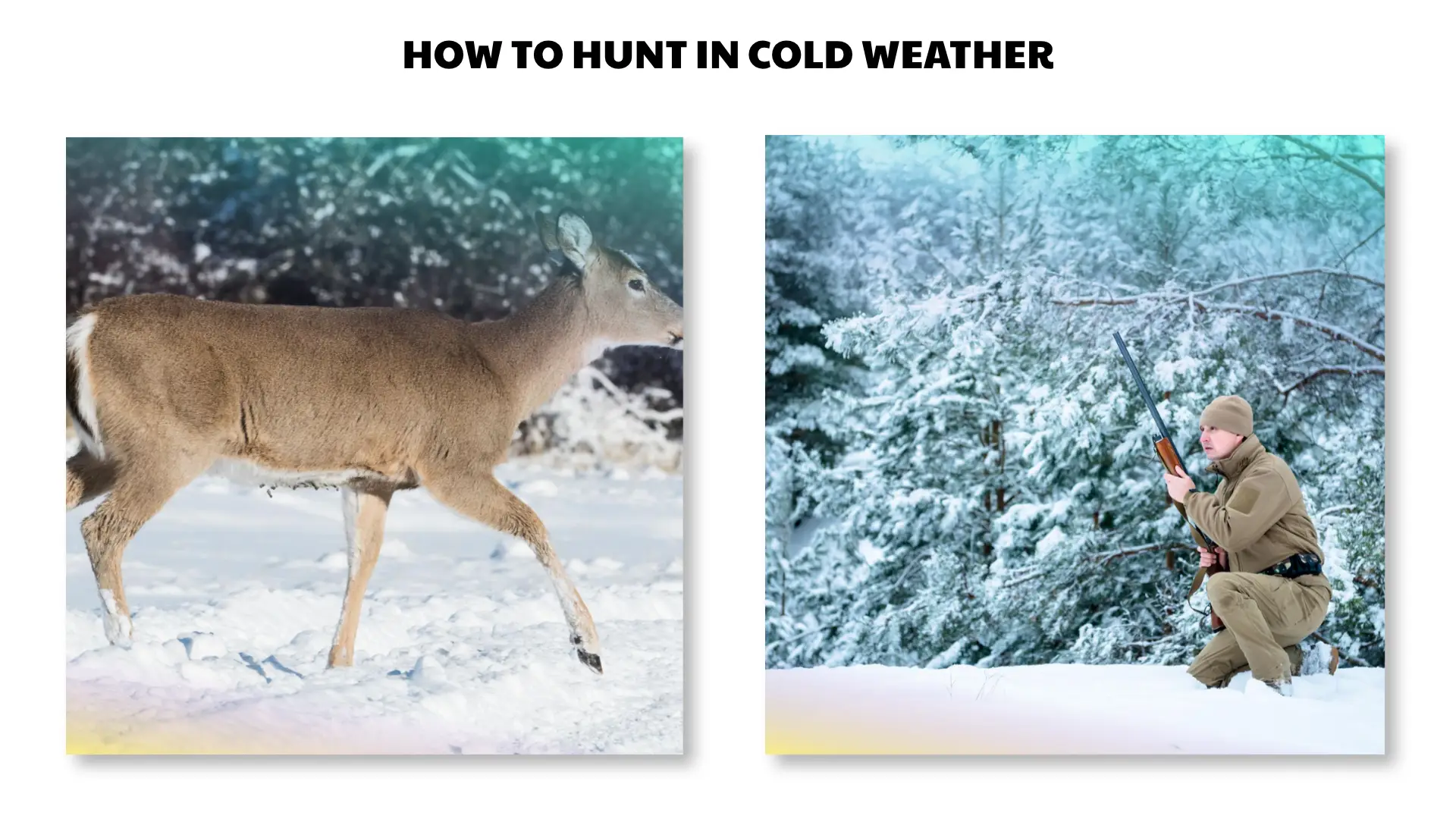

Quick Answer
To hunt in cold weather, first verify your local hunting license, tags, season dates, legal weapons, access rules, and reporting requirements. Then plan around wind direction, wind chill, daylight, animal food sources, bedding cover, safe entry routes, and an emergency exit plan. Dress in moisture-managing layers, carry navigation and first aid gear, avoid sweating on the way in, and take only a safe, legal, ethical shot opportunity within your practiced ability. With scouting, patience, and good judgment, cold conditions can be productive, but they also demand extra preparation and restraint.
Important Legal and Safety Notice Before You Hunt
Hunting regulations vary by country, state, province, county, species, season, weapon type, land ownership, and sometimes even by unit or zone. Before hunting, check your official wildlife agency for current rules. Do not rely on old articles, social media posts, outdated maps, or another hunter’s memory when legal details matter.
- Confirm your hunting license, permits, stamps, and tags.
- Verify season dates, legal hunting hours, bag limits, and harvest reporting rules.
- Check which firearms, bows, ammunition, broadheads, or other legal methods are allowed.
- Confirm public land boundaries, access points, closures, road restrictions, and private land permission.
- Wear required visibility clothing such as blaze orange or blaze pink where applicable.
- Follow safe firearm and bow handling at all times, especially with gloves, snow, and bulky clothing.
- Identify the target and what is beyond it before considering any shot.
- Never shoot toward roads, homes, vehicles, livestock, people, trails, or unclear movement.
- Check the forecast, wind chill, daylight, road conditions, and emergency communication options.
Beginners should complete a hunter education course and, when possible, hunt with an experienced ethical mentor. Cold weather adds risk, so it is better to cancel or shorten a hunt than to push into conditions you cannot manage safely.
Why Cold Weather Changes the Way You Hunt
Cold weather affects both hunters and animals. Animals still need food, water, cover, and security, but their movement may shift with snow depth, temperature swings, wind, hunting pressure, and available winter food. Some game may conserve energy by bedding in sheltered cover during harsh conditions and moving during calmer periods.
For hunters, cold weather changes the physical demands of the hunt. You may move slower on snow or ice, need more time to reach your setup, have less daylight, and face reduced dexterity when wearing gloves. Your scent may also move differently in cold air, especially around hills, valleys, creek bottoms, and thermal wind changes.
The most useful cold-weather hunting mindset is simple: stay safe first, scout smart, move carefully, keep your body dry and warm, and make conservative decisions.
Cold Weather Health Risks Every Hunter Should Understand
Cold-weather hunting can expose you to hypothermia, frostbite, slips, falls, dehydration, exhaustion, and poor decision-making caused by fatigue. The Centers for Disease Control and Prevention advises planning ahead for winter weather, checking forecasts, preparing supplies, and keeping emergency items in your vehicle. The National Weather Service explains that extreme cold and wind chill can make frostbite and hypothermia serious risks, especially for exposed skin and extremities.
Hypothermia
Hypothermia happens when the body loses heat faster than it can produce it. Hunters are at higher risk when they sweat during a hike, sit still for a long time, get wet from snow or rain, or underestimate wind chill. Shivering, confusion, clumsy movement, slurred speech, unusual fatigue, and poor judgment can be warning signs. Treat possible hypothermia as an emergency and seek medical help.
Frostbite
Frostbite is injury caused by freezing of skin and tissue. Fingers, toes, ears, nose, cheeks, and exposed skin are vulnerable. Numbness is a warning sign, not a comfort. Cover exposed skin, use dry gloves and socks, avoid tight boots, and end the hunt if you cannot keep extremities warm.
Wind Chill
Wind chill describes how cold conditions feel on exposed skin when wind removes body heat. A calm 20-degree morning and a windy 20-degree morning are not the same for a hunter sitting in a stand or glassing from a ridge. Check wind chill, not just air temperature, before deciding how long you can safely stay out.
Understanding Winter Animal Behavior and Habitat
Because this keyword does not name a single species, think in terms of basic winter needs. Most game animals balance feeding, security, and energy conservation in cold weather. The exact pattern depends on species, local habitat, hunting pressure, snow depth, food availability, and regulations.
- Food sources matter more: Look for legal areas near remaining mast, crop edges, browse, clearcuts, south-facing slopes, winter range, waterfowl feeding areas, or small game food cover.
- Thermal cover matters: Conifers, thick brush, sheltered draws, cattails, creek bottoms, and lee-side slopes can help animals avoid wind and conserve energy.
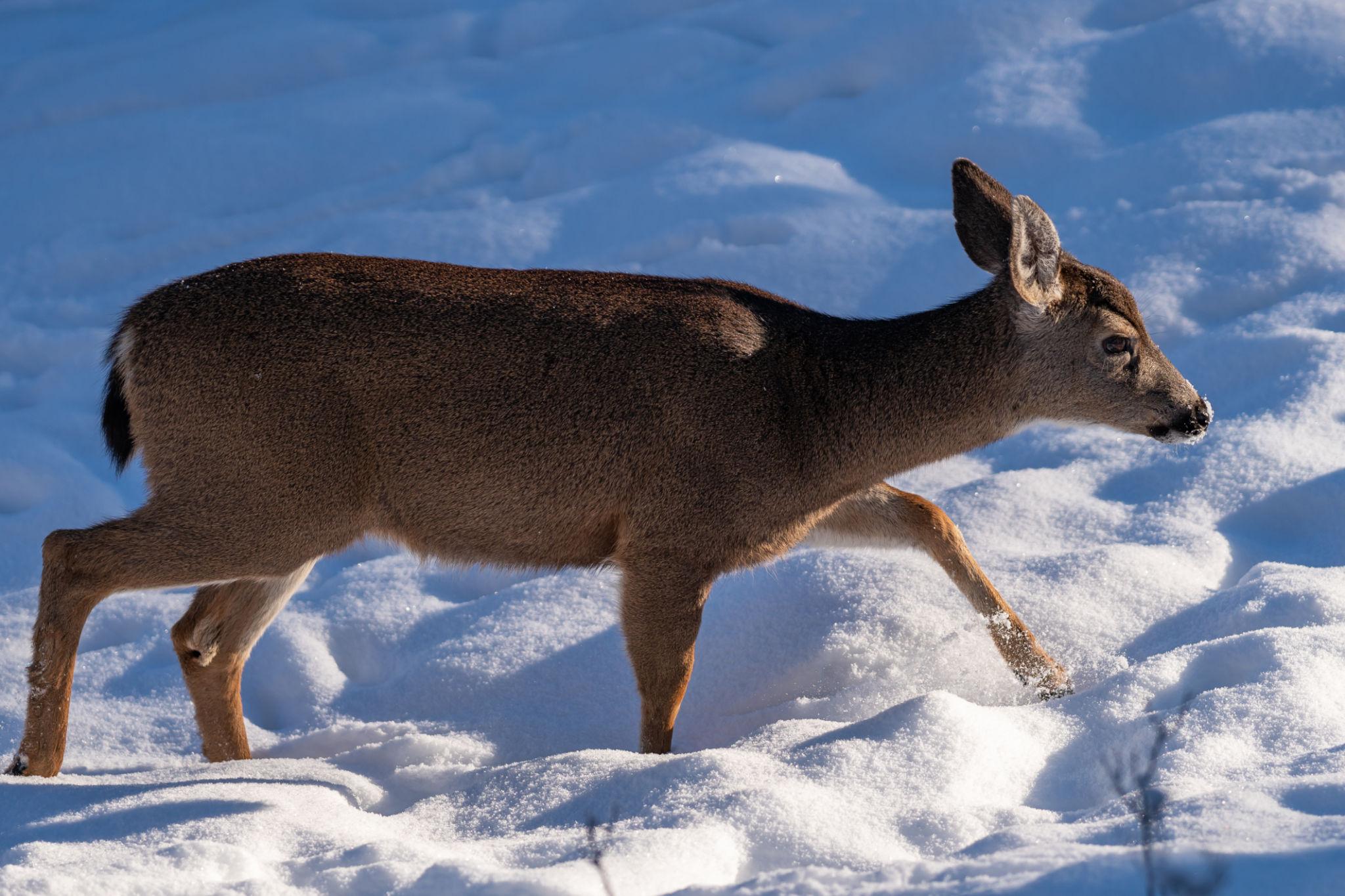
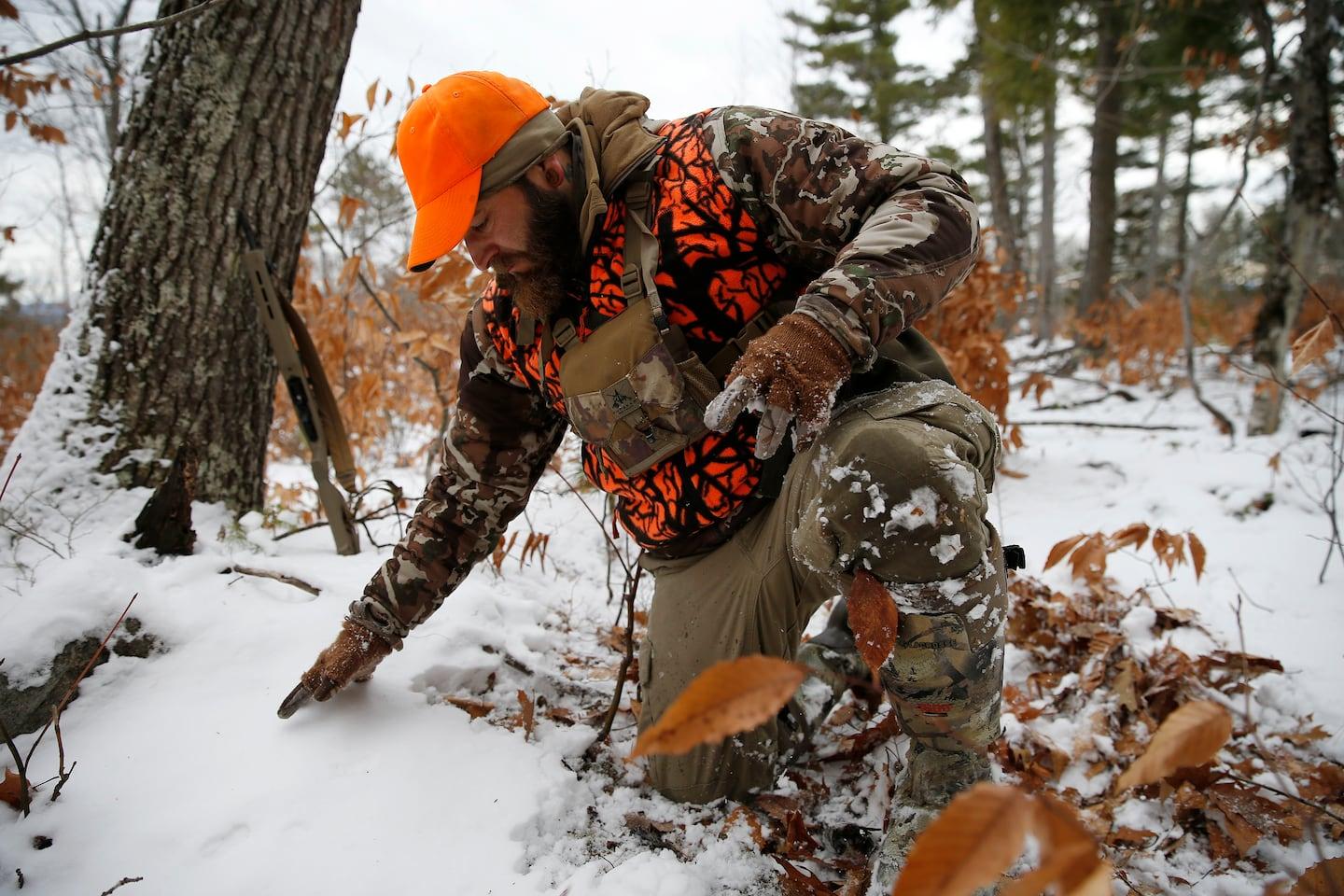
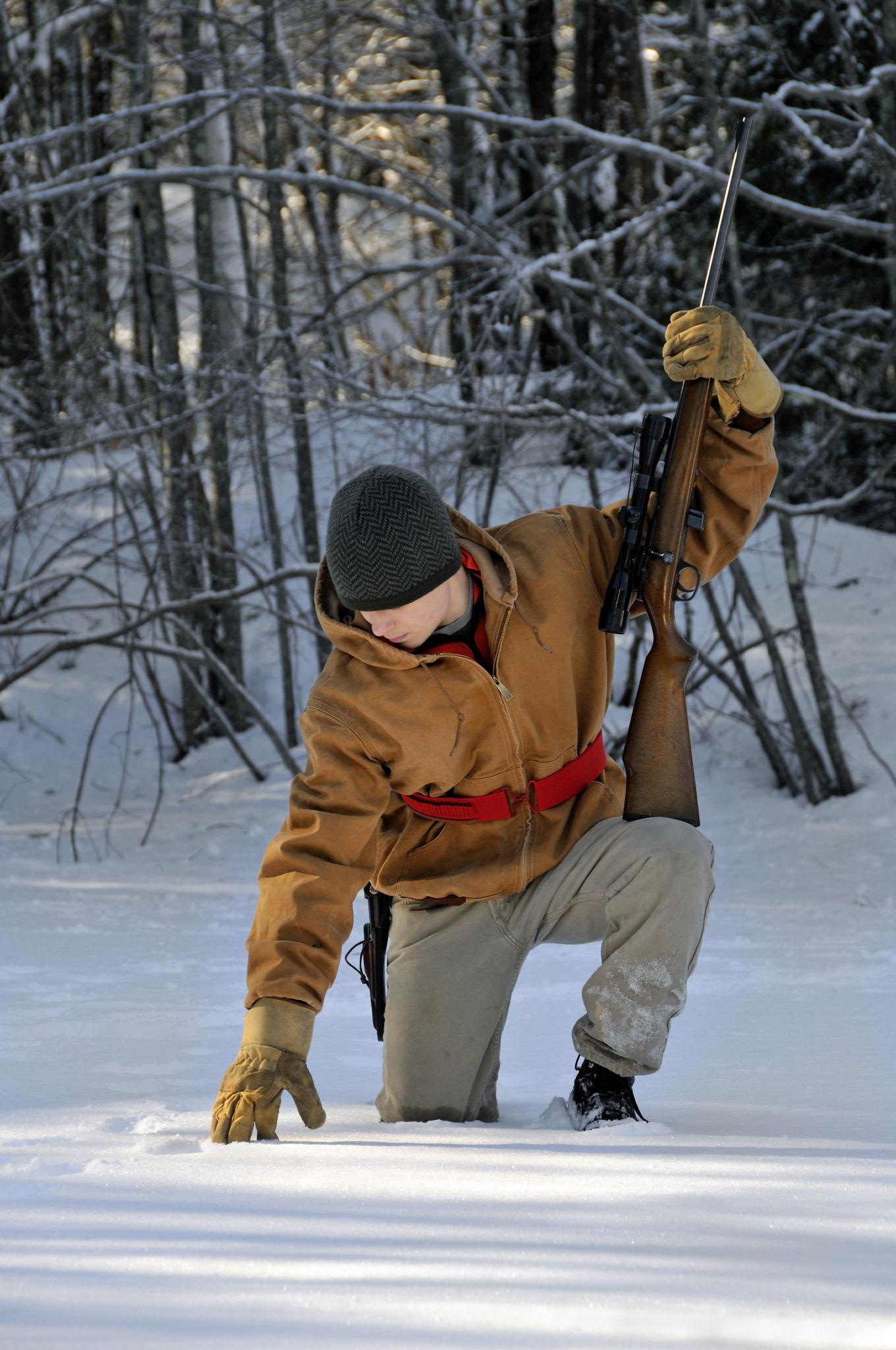
- Tracks become easier to read: Snow, mud, frost, and soft ground can reveal animal tracks, game trails, bedding areas, and travel corridors.
- Movement may be shorter: In harsh cold, animals may move less and stay close to food and cover.
- Pressure changes patterns: Public land hunting pressure can push animals into thicker cover, overlooked pockets, or areas farther from obvious access points.
A beginner should not assume that cold automatically makes hunting easy. It can help with tracking and visibility, but it can also reduce movement during severe weather and make hunter safety more difficult.
What You Need Before You Start
You do not need to buy every piece of winter hunting gear on the market, but you do need equipment that matches the legal method, terrain, forecast, and time you plan to spend outside. Cold-weather gear should help you stay dry, safe, visible, and able to make careful decisions.
- Valid hunting license, tags, permits, and current regulation knowledge.
- Legal hunting weapon or method allowed in your area.
- Required blaze orange, blaze pink, or other visibility clothing where applicable.
- Moisture-wicking base layers that move sweat away from your skin.
- Insulating mid-layers such as fleece, wool, or synthetic insulation.
- Windproof and weather-resistant outer layer suited to the forecast.
- Insulated boots with enough room for warm socks without cutting circulation.
- Warm hat, neck gaiter, gloves, backup gloves, and extra socks.
- Map, compass, GPS, or hunting app with offline maps.
- Headlamp or flashlight with extra batteries kept warm.
- First aid kit, emergency blanket, fire-starting tools where legal and safe, and emergency communication.
- Water, snacks, and food that can be eaten with cold hands.
- Binoculars or optics for safe observation.
- Game bags, gloves, cooler, and meat care supplies if a harvest is possible.
How to Hunt in Cold Weather: Step-by-Step Guide
Step 1: Check Local Hunting Laws First
Start by confirming that the species you plan to hunt is in season and that you have the correct license, tags, permits, and legal equipment. Check legal hunting hours, harvest reporting, tagging rules, weapon restrictions, ammunition or broadhead rules, public land closures, and transport requirements.
Cold weather often overlaps late-season hunts, special weapon seasons, waterfowl seasons, predator seasons, and small game opportunities. Do not assume the rules are the same as they were during early season.
Step 2: Study the Forecast, Wind Chill, and Road Conditions
Before you choose a hunting area, check the hourly forecast, wind direction, wind speed, wind chill, snow, ice, precipitation, sunrise, sunset, and road conditions. If the forecast includes dangerous cold, blizzard conditions, ice storms, or travel warnings, postpone the hunt.
Cold-weather planning should include your drive, hike, setup time, recovery time, and return route. A safe morning sit can become risky if a storm blocks roads or if you are still in the field after dark without enough gear.
Step 3: Choose a Legal Hunting Area With a Safe Exit Plan
Use current maps to confirm property boundaries, legal access, parking areas, closed roads, private land borders, and public land rules. On private land, get clear permission before entering. On public land, respect other hunters, hikers, land managers, parking areas, gates, and trail etiquette.
Plan an exit route before you hunt. Cold weather makes it easier to get tired, lose the trail, or underestimate distance. If snow covers landmarks, a map and compass or GPS can prevent a minor mistake from becoming serious.
Step 4: Scout for Winter Food, Cover, Tracks, and Travel Routes
Look for fresh animal tracks, trails, droppings, feeding sign, beds, rubs, scrapes, browse lines, feathers, water access, or other species-specific sign where legal and relevant. Snow can help you separate old sign from fresh sign, but wind and new snowfall can erase tracks quickly.
Focus on the relationship between food and shelter. In cold weather, many animals prefer efficient travel between feeding areas and protective cover. Avoid walking through bedding cover unless you are still-hunting carefully and have a legal, safe reason to do so.
Step 5: Dress in Layers and Avoid Sweating on the Way In
One of the biggest beginner mistakes is dressing too warmly for the hike and then sitting in damp clothing. Start slightly cool, walk slowly, vent layers when climbing, and add insulation once you stop moving. Wet clothing pulls heat away from your body and can make a long sit unsafe.
Pack extra gloves and socks in a dry bag. Keep your head, neck, hands, and feet protected, but avoid gear that is so bulky that it interferes with safe firearm or bow handling.
Step 6: Plan Your Wind Direction and Scent Control
Wind direction still matters in cold weather. Set up so your scent does not blow toward the area where you expect game to approach. In hills, valleys, and creek bottoms, cold air can sink and create shifting thermal currents, especially near sunrise and sunset.
Scent control products cannot replace smart wind planning. Clean clothing, careful entry routes, and a setup based on the actual wind are more important than trying to cover mistakes after you arrive.
Step 7: Move Slowly and Safely on Snow, Ice, and Frozen Ground
Cold ground can make every step louder. Snow crust, frozen leaves, ice, and brush can reveal your movement. Move slowly, pause often, and use wind, terrain, and cover to your advantage. If footing is unsafe, choose a safer route even if it takes longer.
Tree stand hunters should be especially careful. Use a full-body safety harness, maintain three points of contact when climbing, inspect straps and platforms, and never climb icy steps or stands that do not feel secure.
Step 8: Set Up Where You Can Stay Warm, Hidden, and Safe
A good cold-weather hunting setup balances visibility, cover, wind, safe shooting lanes, and your ability to stay comfortable enough to remain alert. A ground blind, natural cover, sheltered ridge, tree stand, or still-hunting route can all work when legal and safe.
Do not choose a setup only because it looks good on a map. Ask whether you can reach it safely, sit there without becoming dangerously cold, identify animals clearly, and make a legal shot only if the background is safe.
Step 9: Stay Patient, Hydrated, and Mentally Sharp
Cold weather can make hunters impatient. Eat snacks, drink water, check your hands and feet, and pay attention to your thinking. If you become confused, clumsy, unusually tired, or unable to warm up, end the hunt and get help if needed.
Hydration still matters in cold weather. You may not feel thirsty, but walking in layers, breathing cold dry air, and carrying gear can dehydrate you over time.
Step 10: Take Only a Safe, Legal, and Ethical Shot Opportunity
Only consider a shot when the animal is legal to harvest, clearly identified, within your practiced range, positioned for an ethical opportunity, and backed by a safe background. Cold hands, heavy gloves, fogged optics, snow, dim light, and excitement can all affect judgment.
If you are not certain, pass. Ethical hunting includes restraint. No animal is worth an unsafe shot, a questionable target, a rushed decision, or a violation of the law.
Step 11: Follow Legal Recovery, Tagging, and Reporting Rules
After a successful harvest, follow your local tagging, validation, evidence-of-sex, transport, check station, and harvest reporting rules. Requirements vary widely, so know them before you go into the field.
Cold weather can help with meat cooling, but it does not remove your responsibility to recover game promptly, avoid waste, and handle the harvest legally and respectfully.
Step 12: Handle Meat Responsibly in Winter Conditions
Use clean tools, gloves, game bags, and a cooler or other legal transport plan. Keep meat clean, cool, and protected from dirt, hair, snow contamination, fuel, exhaust, and scavengers. Avoid leaving a harvested animal in a place where recovery becomes unsafe or where local rules prohibit it.
If you are new to game care, learn from hunter education resources, experienced mentors, wildlife agencies, or reputable processing guidance before the hunt.
Best Time, Place, and Conditions for Cold-Weather Hunting
The best cold-weather conditions depend on species, legal season, local habitat, and pressure. In general, many hunters watch for calmer periods after strong weather, fresh snow that reveals tracks, and food sources that become more important as temperatures drop.
| Condition | Why It Matters | Beginner-Friendly Strategy |
|---|---|---|
| Fresh snow | Tracks, trails, and recent movement are easier to see. | Scout slowly and learn which tracks are fresh before choosing a setup. |
| Light wind | Animals may move more comfortably, and hunters can manage scent better. | Set up downwind of likely travel routes and avoid exposed ridges if wind chill is harsh. |
| Severe cold | Animals may conserve energy, and hunter exposure risk increases. | Shorten the hunt, focus near food and cover, and prioritize safety. |
| Late afternoon | Some game may move toward feeding areas before dark. | Arrive early enough to set up safely and leave before conditions become dangerous. |
| Heavy pressure | Animals may avoid obvious access routes and open areas. | Look for overlooked legal areas, thicker cover, and safe routes away from crowds. |
Cold-Weather Hunting Clothing: Layering Basics
Layering helps you adjust as you hike, sit, glass, still-hunt, or return to the vehicle. The goal is to stay dry, warm, and able to move safely.
Base Layer
Choose a base layer that moves moisture away from your skin. Avoid cotton for cold-weather hunting because it holds moisture and can make you colder when you stop moving.
Mid-Layer
Use fleece, wool, or synthetic insulation to trap warmth. Pack enough insulation for the sit, not just the hike. A vest can warm your core while allowing arm movement.
Outer Layer
Your outer layer should block wind and resist snow, rain, or brush. Quiet fabric may help in close-range hunting, but safety, warmth, and weather protection come first.
Hands, Feet, Head, and Neck
Cold hands and feet often end hunts early. Use warm socks, insulated boots, a good hat, a neck gaiter, and gloves that let you handle gear safely. Keep spare dry socks and gloves in your pack.
Cold-Weather Gear Checklist
This hunting gear checklist should be adjusted for your local regulations, species, legal method, terrain, and forecast.
- License, tags, permits, and regulation notes.
- Legal firearm, bow, or other approved hunting method.
- Required visibility clothing.
- Layered clothing system with extra dry gloves and socks.
- Insulated boots suited to snow, ice, mud, or frozen ground.
- Windproof outerwear and waterproof storage for critical items.
- Headlamp, extra batteries, and backup light.
- Map, compass, GPS, or offline hunting app.
- First aid kit, emergency blanket, whistle, and communication device.
- Water bottle or insulated bottle to reduce freezing risk.
- High-energy snacks that do not freeze into something impossible to eat.
- Binoculars or optics and lens cloth for fog, snow, or condensation.
- Seat pad or ground insulation for long sits.
- Game bags, gloves, cooler, and legal transport supplies if needed.
Helpful Tips for Better Results
- Scout food sources and thermal cover before the coldest part of the season.
- Use fresh tracks to learn travel direction, but do not chase blindly into unsafe terrain.
- Walk in slowly to avoid sweating, then add insulation once you stop.
- Keep spare gloves and socks dry in a sealed bag.
- Use wind direction first and scent-control products second.
- Choose setups that allow safe identification and a safe background.
- Shorten the hunt when wind chill, fatigue, or weather risk increases.
- Tell someone where you are going and when you expect to return.
- Keep vehicle emergency supplies ready, especially on remote roads.
- Pass on any shot that feels rushed, unclear, too far, or unsafe.
Common Mistakes to Avoid
Cold weather magnifies small mistakes. A poor route, wet socks, low phone battery, or uncertain boundary can become a serious problem when temperatures drop.
- Hunting without checking current regulations, tags, legal hours, and reporting rules.
- Entering private land without permission or crossing unclear property lines.
- Ignoring wind chill and focusing only on air temperature.
- Wearing cotton layers that hold moisture.
- Overdressing for the hike and sweating before the sit.
- Forgetting extra gloves, socks, batteries, water, and emergency gear.
- Climbing icy tree stands or using stands without a full-body safety harness.
- Letting cold hands, fogged optics, or low light affect target identification.
- Moving too quickly on snow, ice, or frozen leaves.
- Taking unsafe or unethical shots because cold weather makes the hunter impatient.
- Failing to plan recovery, reporting, transport, and meat care before the hunt.
Troubleshooting Common Problems
| Problem | Possible Cause | What to Do |
|---|---|---|
| You are not seeing any game | Wrong food source, heavy pressure, poor timing, limited scouting, or severe weather | Scout fresh sign, focus on food-to-cover routes, and try a different legal access point. |
| Your hands or feet are getting numb | Wet gear, tight boots, poor circulation, wind exposure, or inadequate insulation | End the sit, warm up safely, replace wet items, and do not ignore numbness. |
| You are sweating on the hike in | Too many layers, walking too fast, or carrying too much weight | Slow down, vent layers, pack insulation separately, and dress for the hike plus the sit. |
| Tracks are confusing | Old snow, drifting, multiple animals, wind, or melted edges | Look for sharp edges, direction of travel, fresh droppings, and repeated trail use. |
| Optics are fogging | Temperature changes, breath moisture, snow, or storing optics under warm layers | Keep optics dry, avoid breathing on lenses, use a lens cloth, and let gear acclimate. |
| You are unsure about a shot | Poor visibility, distance, gloves, excitement, or unclear target details | Do not shoot. Wait for a clear, legal, ethical opportunity or pass. |
| Your route becomes icy or unsafe | Changing weather, shaded slopes, frozen crossings, or poor footwear | Turn back or choose a safer route. Do not risk a fall to reach a setup. |
| Your phone battery drains quickly | Cold temperature and heavy app use | Keep it close to your body, carry a power bank, and bring map and compass backup. |
Firearm and Bow Safety in Cold Weather
Cold weather can make safe handling more difficult because gloves reduce feel, metal parts become cold, snow can enter equipment, and bulky sleeves may interfere with movement. Keep all handling focused on official hunter education principles and manufacturer instructions.
- Keep the muzzle pointed in a safe direction at all times.
- Keep your finger off the trigger until you are ready for a safe, legal, ethical shot.
- Treat every firearm as if it is loaded.
- Be certain of your target and what is beyond it.
- Keep snow, mud, and debris away from equipment.
- Use gloves that allow safe control rather than bulky gloves that cause fumbling.
- Do not modify firearms, ammunition, bows, broadheads, or safety devices.
- Transport, store, and handle all equipment according to law, manufacturer guidance, and hunter education rules.
Bowhunters should know their personal effective range through practice, follow legal draw weight and broadhead rules, handle broadheads carefully, and avoid risky shots beyond their skill level.
Public Land and Private Land Considerations
Public Land Hunting
Public land can be productive in cold weather, but access, pressure, parking, road closures, and boundaries matter. Download offline maps, verify legal access, respect other users, and do not block gates or roads. If another hunter is already set up, give them space and choose another legal area.
Private Land Permission
Private land requires permission. Get clear approval from the landowner, understand boundaries, close gates, avoid livestock, respect crops and equipment, and leave the property cleaner than you found it. Written permission is helpful and may be required in some areas.
Ethical Hunting and Conservation
Ethical hunting is not only about obeying laws. It is about respect for wildlife, landowners, other hunters, non-hunters, and the resource itself. Cold weather can tempt people to rush decisions because they are uncomfortable, but discomfort is never a reason to take an unsafe or uncertain shot.
- Obey seasons, limits, licensing rules, tagging rules, and reporting requirements.
- Practice before the season and know your real abilities in cold-weather clothing.
- Pass on unsafe, uncertain, or low-confidence shot opportunities.
- Recover game promptly and legally.
- Use the meat responsibly and avoid waste.
- Respect landowners, other hunters, and other public land users.
- Support conservation through lawful participation, license purchases, habitat respect, and responsible conduct.
When to Get More Training or Professional Guidance
Get more training before cold-weather hunting if you are new to firearms, bows, navigation, winter camping, backcountry travel, game recovery, or meat care. A mentor, instructor, wildlife agency class, or conservation organization can help you avoid mistakes that are difficult to fix in freezing conditions.
- You have not completed hunter education.
- You are unsure about local laws, tags, boundaries, or legal access.
- You are not confident with firearm or bow safety.
- You do not understand wind direction, safe shooting lanes, or target identification.
- You are hunting unfamiliar terrain or remote public land.
- You do not have a safe recovery, reporting, transport, and meat care plan.
- You are not prepared for hypothermia, frostbite, winter driving, or emergency communication.
After the Hunt: Follow-Up, Gear Care, and Learning
After a cold-weather hunt, dry your clothing, clean and store gear safely, check boots and gloves, recharge batteries, and review your notes. Record the temperature, wind direction, snow conditions, sign, animal movement, pressure, and what you would change next time.
If you harvested game, complete all required tagging, validation, reporting, and transport steps. Keep meat clean and cool, and follow local rules for processing, donation, or disposal of unused parts where applicable.
Recommended Hunting Gear and Tools to Consider
You do not always need expensive gear to hunt responsibly. Choose gear based on your local laws, hunting method, species, terrain, weather, safety needs, skill level, and budget.
- Legal hunting weapon or method allowed in your area.
- Layered clothing system designed for moisture management, insulation, and wind protection.
- Insulated boots and quality socks suited to your terrain.
- Required visibility clothing.
- Binoculars or optics for safe observation.
- Map, compass, GPS, or hunting app with offline access.
- First aid kit, emergency blanket, whistle, and communication device.
- Headlamp with extra batteries.
- Seat pad or ground insulation for long sits.
- Game bags, disposable gloves, cooler, and meat care supplies if relevant.
Final Thoughts
Learning how to hunt in cold weather takes patience, preparation, and respect for both wildlife and winter conditions. Start with legal requirements, scout food and cover, plan around wind and weather, dress in dry layers, carry emergency essentials, and make conservative choices in the field.
Cold weather can reveal tracks, concentrate animal movement, and create memorable hunting days, but it can also become dangerous when hunters ignore wind chill, wet clothing, icy terrain, or fatigue. Hunt legally, practice often, pass on uncertain shots, and choose methods and gear that match your local rules, terrain, skill level, and conservation responsibilities.
FAQ
1. Is cold weather good for hunting?
Cold weather can be good for hunting when it changes animal movement, reveals tracks, and concentrates activity near food and cover. It is not automatically better, and severe cold can reduce movement or make the hunt unsafe.
2. How do I start learning how to hunt in cold weather?
Start by checking current regulations, completing hunter education, scouting legal areas, learning wind direction, and practicing with your legal hunting method while wearing cold-weather clothing.
3. What should I check before a cold-weather hunt?
Check license and tag requirements, season dates, legal hours, weapon rules, land access, harvest reporting, weather forecast, wind chill, road conditions, and your emergency plan.
4. What is the biggest safety risk when hunting in cold weather?
Major risks include hypothermia, frostbite, icy falls, poor visibility, fatigue, and unsafe equipment handling with cold hands or bulky gloves.
5. How should I dress for cold-weather hunting?
Dress in layers: a moisture-wicking base layer, insulating mid-layer, and wind-resistant outer layer. Avoid cotton, carry spare dry gloves and socks, and add insulation after the hike in.
6. Should I wear cotton while hunting in the cold?
Cotton is usually a poor choice for cold-weather hunting because it holds moisture. Wet cotton can make you cold quickly after you stop moving.
7. How do I keep my feet warm while hunting?
Use insulated boots with enough room for circulation, wear moisture-managing socks, avoid sweating, change wet socks, and use a seat or stand setup that reduces contact with frozen ground when possible.
8. How do I keep my hands warm and still handle gear safely?
Use gloves that provide warmth without making safe handling difficult. Many hunters carry a warmer mitten or hand muff for sitting and a thinner glove for careful gear handling.
9. Does wind direction matter in cold weather?
Yes. Wind direction affects scent and animal detection. Set up so your scent does not blow toward expected travel routes, bedding areas, or feeding areas.
10. What is wind chill and why does it matter for hunters?
Wind chill describes how cold it feels on exposed skin when wind increases heat loss. Hunters sitting still in wind can become cold much faster than the air temperature alone suggests.
11. What time of day is best for cold-weather hunting?
It depends on species and local conditions. Morning and late afternoon can be useful, but severe cold, pressure, and food availability may shift movement. Always follow legal hunting hours.
12. Where should I look for game in cold weather?
Look for legal areas where food, cover, and travel routes meet. Thermal cover, sheltered slopes, creek bottoms, crop edges, browse, mast, and thick cover can be important depending on species.
13. How can snow help with scouting?
Snow can show tracks, trail direction, bedding areas, feeding areas, and recent movement. Learn to judge freshness by sharpness, snow crust, drift, and whether new snow has covered the track.
14. Is public land hunting harder in cold weather?
It can be. Road closures, parking limits, pressure, and long walks can make public land harder. It can also reveal tracks and reduce casual pressure in some areas.
15. Do I need private land permission in winter?
Yes. Cold weather does not change property rights. Always get permission before entering private land, and verify boundaries before hunting near property lines.
16. How do I avoid sweating on the walk in?
Walk slower, wear fewer layers during the hike, vent your jacket, and pack your heavy insulation until you reach your setup. Staying dry is critical.
17. Are tree stands safe in cold weather?
Tree stands require extra caution in cold weather. Ice, snow, stiff straps, and bulky clothing can increase risk. Use a full-body safety harness and do not climb unsafe or icy equipment.
18. Can I hunt from a ground blind in cold weather?
Yes, where legal. A ground blind can block wind and hide movement, but it must be placed legally and safely with clear shooting lanes and a safe background.
19. How do I keep water from freezing during a cold hunt?
Use an insulated bottle, keep it inside your pack or near your body, and avoid leaving small water containers exposed to wind for long periods.
20. What snacks are good for cold-weather hunting?
Choose easy-to-eat, high-energy snacks that do not freeze too hard, such as trail mix, jerky where legal and appropriate, soft bars, nuts, or sandwiches packed to stay usable.
21. How do I protect my phone battery in the cold?
Keep your phone close to your body, carry a power bank, download offline maps, and bring a map and compass as backup.
22. What should I do if I start shivering badly?
Take it seriously. Add dry layers, get out of the wind, drink and eat if you can, head back safely, and seek help if you cannot warm up or if confusion or clumsiness begins.
23. What should I do if my fingers or toes go numb?
Numbness can be a warning sign of cold injury. Warm up safely, replace wet gear, loosen tight boots or gloves, and end the hunt if sensation does not return quickly.
24. Does cold weather help with meat care?
Cold weather can help keep meat cool, but it does not replace clean handling, legal tagging, timely recovery, proper transport, and protection from contamination.
25. How do I make an ethical shot decision in cold weather?
Only take a shot when the target is clearly identified, legal, within your practiced range, and backed by a safe background. If cold, gloves, fog, snow, or low light create doubt, pass.
26. Should beginners hunt alone in cold weather?
Beginners are safer with an experienced ethical mentor. If you hunt alone, choose familiar legal areas, tell someone your plan, carry communication, and avoid risky weather or terrain.
27. What emergency items should I carry?
Carry a first aid kit, emergency blanket, whistle, headlamp, extra batteries, fire-starting tools where legal and safe, extra dry layers, water, food, and communication backup.
28. How do I know if tracks are fresh?
Fresh tracks often have sharper edges, visible detail, and may appear on top of recent snowfall or frost. Wind, sun, and melting can make old tracks look different, so compare multiple signs.
29. What if I cannot find game in the cold?
Recheck food sources, bedding cover, pressure, wind, access routes, and timing. Fresh sign is more useful than simply returning to the same empty setup.
30. Can I use hand warmers while hunting?
Hand warmers can help comfort and safety when used responsibly. Do not let them distract from safe equipment handling, and follow product instructions.
31. How should I handle a firearm with gloves?
Use gloves that allow safe control. Keep your finger off the trigger until ready for a safe shot, keep the muzzle pointed safely, and never allow bulky gloves to create unsafe handling.
32. How should bowhunters prepare for cold weather?
Bowhunters should practice in cold-weather clothing, know their effective range, handle broadheads safely, follow legal equipment rules, and avoid shots beyond their practiced ability.
33. Should I hunt during a winter storm?
Usually, beginners should avoid hunting during dangerous winter storms. Poor visibility, falling branches, icy roads, and extreme wind chill can make the hunt unsafe.
34. What official sources should I check before cold-weather hunting?
Check your state or provincial wildlife agency for hunting rules, your local weather service for forecasts and wind chill, and hunter education resources for safety guidance.
35. What is the most important beginner tip for cold-weather hunting?
Plan conservatively. A safe, legal, well-scouted short hunt is better than staying out too long, getting cold, and making rushed decisions.
Read more: How to Hunt in Hot Weather: A Safe, Ethical Field Guide for Beginners