
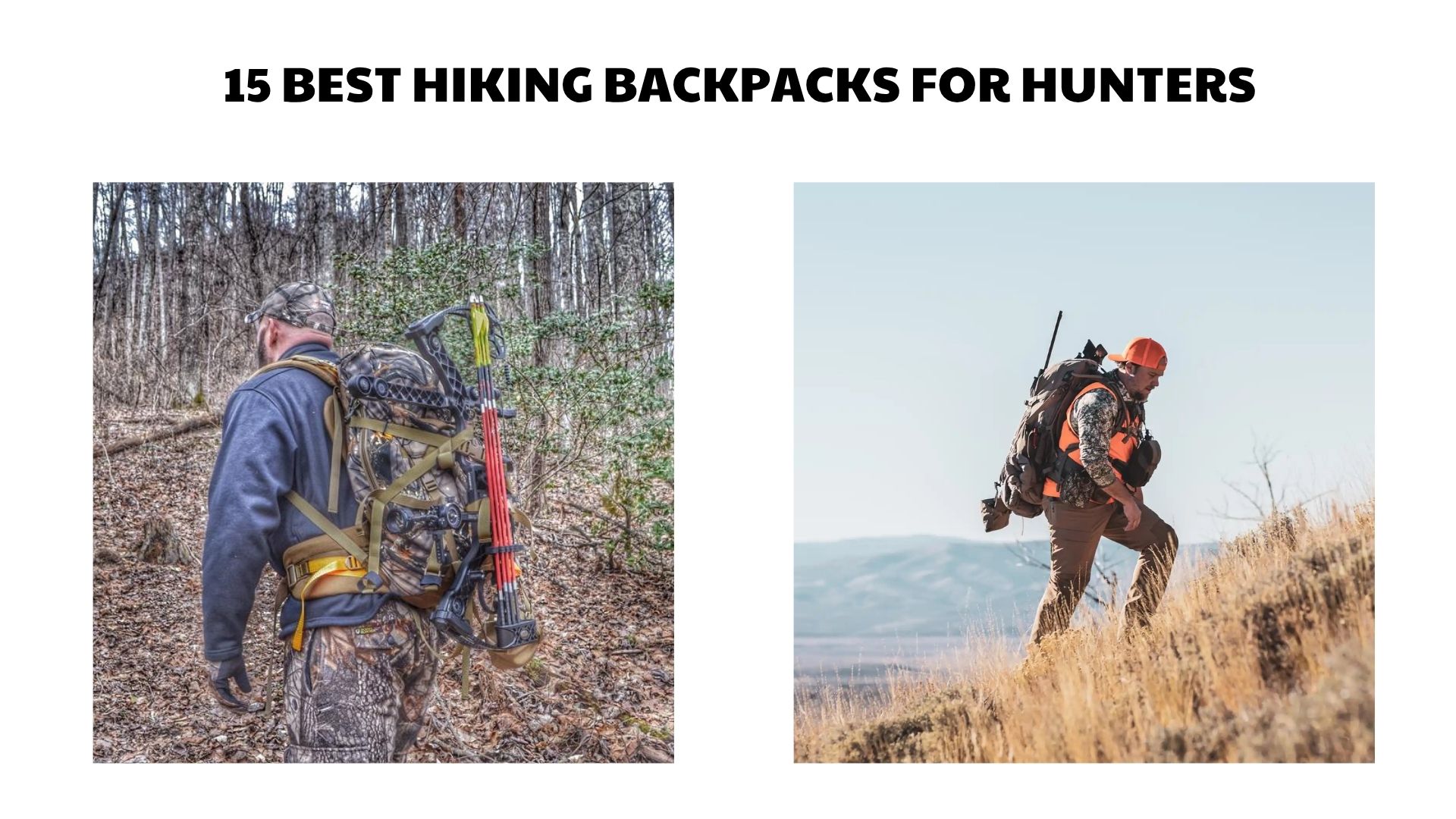

Choosing the best hiking backpacks for hunters is not the same as choosing a regular trail backpack. Hunters need comfort for long walks, quiet organization, hydration support, rugged materials, weather protection, and enough structure to carry optics, layers, food, calls, safety gear, and sometimes a bow or rifle according to local laws.
Current hunting backpack guides consistently focus on storage, comfort, durability, and load-hauling ability as core buying factors, while leading product roundups highlight hunting-specific packs from brands such as ALPS OutdoorZ, Badlands, Eberlestock, Stone Glacier, Exo, and Mystery Ranch. Amazon listings also confirm exact hunting backpack models such as TIDEWE 35L, TIDEWE 5500cu, ALPS OutdoorZ Commander + Pack Bag, Eberlestock X2, and several budget-friendly hunting packs.
This guide compares 15 Amazon hunting backpacks that fit different hunting styles, from lightweight day hunts to longer backcountry hikes. Always follow local hunting laws, land access rules, firearm transport laws, hunting seasons, and ethical field practices. The U.S. Fish & Wildlife Service reminds hunters to have valid state hunting licenses and check applicable regulations before hunting.
Key Takeaways
- Choose a day hunting backpack if you mainly hunt whitetail, turkey, small game, or short morning and evening sits.
- Choose a frame or meat-hauling pack if you hike deep into big-game country or need to carry heavier loads.
- Look for hydration compatibility, quiet fabric, organized pockets, rain protection, and comfortable shoulder and waist support.
- The best pack depends on your hunting style, terrain, season, weapon carry needs, and how far you hike.
Quick Picks
Quick Picks:
- Best Overall: Badlands 2200 Hunting Backpack on Amazon
- Best Budget Option: TIDEWE 35L Hunting Backpack on Amazon
- Best Large-Capacity Pick: TIDEWE 5500cu Hunting Backpack on Amazon
- Best Frame Pack Value: ALPS OutdoorZ Commander + Pack Bag on Amazon
- Best for Bow Hunters: ALPS OutdoorZ Matrix Hunting Pack on Amazon
Comparison Table: Best Hiking Backpacks for Hunters
| Product | Best For | Pack Type | Carry Style | Weather Protection | Hunting Use | Check Price |
|---|---|---|---|---|---|---|
| TIDEWE 35L Hunting Backpack | Best Budget Day Pack | Soft hunting daypack | Bow/rifle carry pocket, hydration port | Built-in rain cover | Deer hunting, stand hunting, short hikes | Check Price on Amazon |
| TIDEWE 25L Hunting Backpack | Best Lightweight Budget Pick | Compact daypack | Gear-friendly hunting layout | Rain cover included | Short hunts, scouting, minimalist gear | Check Price on Amazon |
| TIDEWE 5500cu Hunting Backpack | Best Large-Capacity Value | Large hunting backpack with frame | Bow/rifle/pistol compatible design | Rain cover included | Multi-day hunts, backcountry packing | Check Price on Amazon |
| ALPS OutdoorZ Commander + Pack Bag | Best Frame Pack Value | External frame hunting pack | Freighter frame, rifle holder | Water-resistant ripstop fabric | Big-game hauling, longer trips | Check Price on Amazon |
| ALPS OutdoorZ Commander Lite | Best External Frame Mobility | External frame hunting pack | Modular frame carry | Outdoor-ready construction | Backcountry hunters wanting frame support | Check Price on Amazon |
| ALPS OutdoorZ Traverse EPS Pack | Best Expandable Day Pack | Internal frame hunting pack | Expandable hauling mode | Field-oriented fabric | Day hunts, elk scouting, heavy gear | Check Price on Amazon |
| ALPS OutdoorZ Matrix Hunting Pack | Best for Bow and Crossbow Hunters | Versatile weapon-carry daypack | Wing pocket carry system | Rain cover included on many versions | Bow hunting, crossbow hunting, rifle carry | Check Price on Amazon |
| Badlands Superday Hunting Pack | Best Premium Day Pack | Structured hunting daypack | Rifle and bow boot design | Field-focused hunting fabric | Whitetail, elk day hunts, long sits | Check Price on Amazon |
| Badlands 2200 Hunting Backpack | Best Overall | Hunting pack with meat shelf | Rifle/bow compatible, molded suspension | Durable hunting construction | Deer hunting, elk hunting, meat hauling | Check Price on Amazon |
| Badlands ATX 16 Hunting Pack | Best Lightweight Premium Pack | Compact hunting backpack | All-terrain day carry | Water-resistant design | Fast hikes, scouting, mobile hunters | Check Price on Amazon |
| Eberlestock X2 Pack | Best Compact Hauler | Compact framed hunting pack | Compression straps, hydration compartments | Durable nylon build | Saddle hunting, optics, compact hauling | Check Price on Amazon |
| Eberlestock Bandit Pack | Best Minimalist Pack | Compact EDC/outdoor daypack | Small day-carry layout | Rugged outdoor fabric | Scouting, light hunts, everyday outdoor use | Check Price on Amazon |
| Eberlestock Vapor 2500 V2 | Best Lightweight Modular Pack | Modular hunting pack | Frame-compatible load system | All-weather-oriented build | Backcountry day hunts, modular packing | Check Price on Amazon |
| SPIKA Hunting Backpack Internal Frame | Best Expandable Internal Frame Pack | Internal frame backpack | Expandable storage, rifle holder | Waterproof-oriented design | Long-distance hunters, larger loads | Check Price on Amazon |
| BLISSWILL Large Hunting Backpack | Best Affordable 40L Hunting Pack | Large soft hunting backpack | Padded weapon compartment | Waterproof-oriented fabric and rain cover | Budget deer, elk, and bow hunting | Check Price on Amazon |
Overall, the best hiking backpacks for hunters fall into three groups: lightweight daypacks for scouting and short hunts, structured daypacks for deer and elk hunters who carry more gear, and framed hunting backpacks for heavy loads or longer backcountry trips. Budget-friendly options like TIDEWE and BLISSWILL are practical for beginners, while Badlands, ALPS OutdoorZ, Eberlestock, and SPIKA offer stronger designs for hunters who hike farther, carry optics, or need better load control.
1. TIDEWE 35L Hunting Backpack on Amazon
Short Overview
The TIDEWE 35L Hunting Backpack is one of the most practical budget-friendly choices for hunters who want a real hunting layout without moving into premium pack prices. Amazon’s listing describes a 2200 cubic inch, 35L capacity, built-in rain cover, hydration port, bow or rifle carrying pocket, and multi-pocket organization. That combination makes it useful for whitetail hunters, turkey hunters, scouting trips, and shorter hikes into a stand or blind. It is especially appealing for beginners because it covers the basics: storage, weather backup, hydration access, and hands-free gear carry. The padded waist belt and back panel help distribute weight better than a simple school-style backpack. It is not a true load-hauling frame pack, so it is better for day gear than heavy meat loads. For hunters who need a simple, affordable backpack that can carry layers, calls, snacks, water, small tools, and field accessories, this is a strong value pick.
Key Features
- 35L / 2200 cubic inch listed capacity
- Built-in rain cover
- Hydration port
- Bow or rifle carrying pocket
- Multiple pockets for hunting gear organization
Pros
- Good value for beginners and budget buyers
- Useful capacity for day hunts
- Rain cover helps protect gear in changing weather
- Bow/rifle carry design is helpful for legal transport in the field
Cons
- Not ideal for serious meat hauling
- May not match premium packs for long-term durability
- Capacity may feel limited for bulky winter layers
Who It’s Best For
This pack is best for beginner hunters, budget-focused deer hunters, turkey hunters, and anyone who needs an affordable hunting daypack for short to moderate hikes.
2. TIDEWE 25L Hunting Backpack on Amazon
Short Overview
The TIDEWE 25L Hunting Backpack is a better choice for hunters who prefer a smaller, lighter setup. It works well when you only need essentials such as water, snacks, gloves, calls, a rangefinder, a lightweight layer, a headlamp, and basic safety gear. Amazon’s listing shows it as a 25L hunting day pack with a waterproof rain cover and durable hunting-oriented layout. Compared with the larger TIDEWE 35L model, this one is easier to carry on quick scouting walks or warmer-weather hunts. It is also easier to keep compact when climbing into a treestand or moving through brush. The tradeoff is that it will not carry as much clothing, food, camera gear, or overnight equipment. For short sits and lightweight hunting, that smaller size can actually be an advantage. It helps reduce overpacking and keeps your gear simple.
Key Features
- Compact 25L hunting daypack design
- Waterproof rain cover included
- Hunting-focused camo layout
- Designed for bow, rifle, and general hunting gear
- Good size for short outings
Pros
- Light and easy to carry
- Good for scouting and short hunts
- Budget-friendly option
- Less bulky than larger hunting packs
Cons
- Limited space for cold-weather layers
- Not meant for heavy hauling
- May be too small for hunters carrying camera gear or large optics
Who It’s Best For
This backpack is best for mobile hunters, scouting trips, early-season hunts, and anyone who wants a small pack for essential gear only.
3. TIDEWE 5500cu Hunting Backpack on Amazon
Short Overview
The TIDEWE 5500cu Hunting Backpack is the large-capacity option in this list for hunters who need more room than a normal daypack. Amazon’s listing describes a 5500 cubic inch, 90L pack with a frame, rain cover, and bow/rifle/pistol carry compatibility. This makes it better suited for multi-day hunting trips, backcountry hikes, and situations where you need to pack extra clothing, food, optics, shelter items, or bulky cold-weather gear. It is also a practical option for hunters who want a larger pack without immediately jumping into the most expensive premium brands. The frame and larger layout help manage bigger loads, though fit and adjustment are very important with a pack this size. It will feel oversized for short evening sits or quick scouting walks. For hunters who hike farther and carry more, the extra space can be a major advantage.
Key Features
- 5500 cubic inch listed capacity
- Frame-supported design
- Rain cover included
- Bow, rifle, and pistol carry compatibility
- Large main compartment for multi-day gear
Pros
- Large capacity for extended trips
- Good value for hunters needing more storage
- Frame support helps with heavier loads
- Rain cover adds useful weather protection
Cons
- Too large for many simple day hunts
- Fit adjustment matters more than with smaller packs
- May feel bulky in thick brush or treestands
Who It’s Best For
This is best for hunters who need a large pack for backcountry hunting, camping-style trips, longer hikes, or carrying bulky layers and extended gear.
4. ALPS OutdoorZ Commander + Pack Bag on Amazon
Short Overview
The ALPS OutdoorZ Commander + Pack Bag is a classic value-focused hunting frame pack for hunters who need serious carrying capacity without paying top-tier premium prices. Amazon’s listing describes a 5,250 cubic inch hunting backpack with a freighter frame, rifle holder, spotting scope pocket, ripstop fabric, and adjustable pack system. GearJunkie’s 2026 hunting backpack guide also lists the ALPS OutdoorZ Commander + Pack Bag as a budget big-game hunting backpack and notes its 5,250 cubic inch volume. This pack is built for hunters who need to move camp gear, optics, layers, and potentially heavy loads. The external frame is not as sleek as modern ultralight internal-frame systems, but it remains practical for hunters who want value and utility. It is best for longer hikes, backcountry-style hunting, and big-game hunters who need more structure. It is not the best choice for minimalist day hunters.
Key Features
- External freighter frame
- Large 5,250 cubic inch listed capacity
- Rifle holder
- Spotting scope pocket
- Ripstop fabric construction
Pros
- Strong value for a frame pack
- Large capacity for longer hunts
- Useful for big-game packing
- Purpose-built hunting organization
Cons
- Heavier and bulkier than simple daypacks
- External frame style may not suit every hunter
- Overkill for short stand hunts
Who It’s Best For
This pack is best for budget-minded big-game hunters, backcountry hunters, and anyone who needs a high-capacity pack with a frame system.
5. ALPS OutdoorZ Commander Lite on Amazon
Short Overview
The ALPS OutdoorZ Commander Lite is designed for hunters who like the usefulness of an external frame but want a more compact, mobile version than a traditional large frame pack. It is a good match for backcountry hunters, elk hunters, and hunters who may need to lash awkward gear to a stable frame. GearJunkie’s Commander Lite review notes that the system uses an aluminum frame and emphasizes its usefulness for hunting and hauling. Compared with a soft daypack, the Commander Lite gives you more structure for load control. Compared with a full expedition pack, it can feel more manageable when you do not need maximum storage. The main thing to consider is whether you actually need an external frame. If you mostly hunt from a treestand near a vehicle, this may be more pack than you need.
Key Features
- External frame design
- Modular hunting pack concept
- Designed for carrying gear and heavier loads
- Useful lashing options
- Field-oriented support system
Pros
- Good support for heavier gear
- More mobile than some larger frame packs
- Useful for backcountry-style hunting
- Versatile frame-based setup
Cons
- Not as compact as a normal daypack
- External frames are not for everyone
- May require careful fitting and adjustment
Who It’s Best For
This pack is best for hunters who hike long distances, carry heavy gear, or want a frame system without going to the largest pack size.
6. ALPS OutdoorZ Traverse EPS Pack on Amazon
Short Overview
The ALPS OutdoorZ Traverse EPS Pack is a flexible choice for hunters who want a hunting daypack that can expand when needed. Amazon’s listing describes an expandable design that can hold a bow or gun, haul out meat, decoys, or extra gear, and includes storage such as a spotting scope pocket, waist-belt pockets, and front wing pockets. That makes it especially useful for hunters who do not want separate packs for scouting, day hunts, and occasional heavier hauling. The expandable section gives it more flexibility than a fixed-size daypack. It is not as minimal as a small 25L pack, but it is more capable when conditions change. This is a practical middle ground for hunters who may carry optics, layers, camera arms, or extra gear. If you hunt varied terrain and want one pack for many situations, the Traverse EPS deserves attention.
Key Features
- Expandable pack design
- Bow or gun carry capability
- Spotting scope pocket
- Waist-belt pockets
- Internal-frame style support
Pros
- Versatile for day hunts and heavier gear
- Good organization for optics and accessories
- Expandable design adds flexibility
- Useful for hunters who carry more than basic gear
Cons
- May feel heavy for minimalist hunters
- Not as compact as small daypacks
- Fit and load setup need attention
Who It’s Best For
This is best for hunters who want one backpack for day hunts, scouting, optics carry, and occasional larger loads.
7. ALPS OutdoorZ Matrix Hunting Pack on Amazon
Short Overview
The ALPS OutdoorZ Matrix Hunting Pack is built for hunters who need a secure carry system for a crossbow, compound bow, or rifle. Amazon’s listing describes a unique design for carrying a crossbow, gun, or compound bow, with front zippered wing pockets and a drop-down pocket. That makes it a strong choice for bowhunters who want hands-free hiking into a stand or blind. It can also work for rifle hunters who need gear organization in a hunting-specific layout. The wing-pocket style helps stabilize bulky hunting equipment better than a basic hiking pack. It is not the most streamlined pack for fast hiking, but it solves a real problem for hunters carrying awkward gear. If your main issue is bow or crossbow transport, the Matrix is one of the more purpose-built options in this list.
Key Features
- Designed for crossbow, compound bow, or rifle carry
- Front zippered wing pockets
- Drop-down pocket for weapon support
- Hunting-specific storage layout
- Good option for bowhunting setups
Pros
- Excellent for bow and crossbow hunters
- Stabilizes awkward gear better than standard packs
- Useful for treestand and blind hunters
- Practical organization for hunting accessories
Cons
- Less ideal for ultralight hiking
- Specialized design may be unnecessary for some hunters
- Can feel bulky when fully loaded
Who It’s Best For
This backpack is best for bowhunters, crossbow hunters, and rifle hunters who need a pack designed around secure equipment carry.
8. Badlands Superday Hunting Pack on Amazon
Short Overview
The Badlands Superday Hunting Pack is a premium daypack for hunters who want a stronger, more structured option than entry-level packs. Amazon’s product title highlights rifle and bow boot compatibility, a hip-belt holster, molded foam suspension, and hydration compatibility. This makes it useful for hunters who hike farther but do not need a full multi-day frame pack. It is a good size for all-day whitetail hunts, elk day hunts, turkey setups, and long sits where you carry layers and food. The molded suspension is a key reason hunters consider Badlands over lower-priced packs. It should also appeal to hunters who want a pack that feels more purpose-built and durable. The main drawback is cost compared with budget packs. For serious day hunters, the Superday is a dependable upgrade.
Key Features
- Rifle and bow boot design
- Molded foam suspension
- Hydration-compatible layout
- Hip-belt storage features
- Premium hunting daypack construction
Pros
- Comfortable for longer day hunts
- Better structure than basic budget packs
- Good for hunters carrying more gear
- Suitable for rifle and bow hunters
Cons
- Costs more than beginner packs
- Not a true expedition frame pack
- May be more pack than casual hunters need
Who It’s Best For
This pack is best for serious day hunters, whitetail hunters, elk day hunters, and anyone who wants a premium hunting pack without going full expedition size.
9. Badlands 2200 Hunting Backpack on Amazon
Short Overview
The Badlands 2200 is the best overall pick because it balances day-hunt size with real hunting capability. Amazon’s listing identifies it as a hunting backpack with a built-in meat hauler, while Badlands’ own product page highlights features such as a frame, rifle or bow carry, back-panel access, meat shelf, spotting scope pocket, molded foam suspension, and hydration compatibility. GearJunkie also lists the Badlands 2200 as a strong deer-pack option and notes its hunting-specific design. This pack is large enough for serious day hunts but not as oversized as a full expedition pack. It works well for deer hunters who want organization, load support, and the ability to handle the first heavy trip out. It is not the cheapest backpack, but it is one of the most complete hunting-specific options in this article. For hunters who want one dependable pack for many seasons and several hunting styles, the 2200 is hard to ignore.
Key Features
- Built-in meat hauler design
- Rifle and bow carry compatibility
- Spotting scope pocket
- Molded foam suspension
- Hydration-compatible layout
Pros
- Excellent balance of capacity and mobility
- Useful for deer and elk hunters
- More load-capable than basic daypacks
- Premium hunting organization
Cons
- Higher cost than budget hunting backpacks
- May be too much for very short hunts
- Fit and size should be checked carefully
Who It’s Best For
This pack is best for deer hunters, elk hunters, and serious day hunters who want one pack that can hike, organize gear, and help with heavier loads.
10. Badlands ATX 16 Hunting Pack on Amazon
Short Overview
The Badlands ATX 16 Hunting Pack is a compact premium option for mobile hunters who want a lighter, cleaner daypack. Amazon’s listing describes it as an all-terrain hunting pack that is lightweight and water resistant. It is better for scouting, short sits, active hunting, and warm-weather hikes than for heavy load-hauling. The smaller size encourages hunters to carry only what they need. This can be a major advantage for hunters who move often, climb, glass, relocate, or cover lots of terrain. It also works well as a dedicated scouting pack when you do not want to carry your larger hunting backpack. The downside is limited capacity compared with larger packs. If you want fast movement and premium build over maximum space, the ATX 16 is a smart choice.
Key Features
- Compact 16-style hunting pack layout
- Lightweight design
- Water-resistant construction
- All-terrain hunting concept
- Good for minimalist hunting gear
Pros
- Easy to carry on active hunts
- Good for scouting and short trips
- Premium feel in a smaller pack
- Less bulky in brush and treestands
Cons
- Not enough space for long trips
- Not designed for heavy hauling
- Premium price for a compact pack
Who It’s Best For
This pack is best for minimalist hunters, scouting trips, mobile deer hunters, and hunters who want a compact premium daypack.
11. Eberlestock X2 Pack on Amazon
Short Overview
The Eberlestock X2 Pack is a compact hunting pack with serious utility for hunters who need more structure than a soft daypack. Amazon’s listing describes nylon construction, a built-in tubular aluminum Intex frame, oversized compression straps, dual hydration compartments, quick-access pockets for spotting scopes and tripods, and a listed volume of 1800 cubic inches. This makes it useful for saddle hunters, optics-heavy hunters, and hunters who need to strap awkward gear to a compact platform. It is not a huge pack, but it carries gear in a very organized way. The compression straps and frame help when you need better load control. Hunters who carry climbing sticks, camera gear, optics, or layers may appreciate the layout. It is a premium compact hauler rather than a budget daypack. For mobile hunters who value organization and structure, it is one of the strongest picks here.
Key Features
- Built-in tubular aluminum frame
- Oversized compression straps
- Dual hydration compartments
- Quick-access optics pockets
- Compact hunting-hauler layout
Pros
- Great structure for a compact pack
- Useful for optics and saddle hunting gear
- Good compression for external carry
- Premium build quality
Cons
- Smaller capacity than expedition packs
- Costs more than beginner options
- May be too specialized for casual hunters
Who It’s Best For
This pack is best for saddle hunters, mobile hunters, optics users, and hunters who want compact structure without carrying a huge pack.
12. Eberlestock Bandit Pack on Amazon
Short Overview
The Eberlestock Bandit Pack is a compact daypack for hunters who want a rugged, simple, low-profile pack that can also work for everyday outdoor use. Amazon’s listing describes it as a rugged EDC backpack built for the office or outdoors and mentions compact dimensions. It is not a meat hauler and not a large backcountry pack, but it is useful for scouting, short hunts, range trips, and light outdoor carry. The Bandit is a good choice when you want premium brand construction in a smaller package. It carries essentials without encouraging overpacking. Hunters who move quickly or want a pack that works beyond hunting season may like this one. If you need a bow/rifle carry system or heavy load frame, choose a different model. If you need a compact, rugged daypack, the Bandit is a practical option.
Key Features
- Compact outdoor daypack design
- Rugged EDC-friendly construction
- Low-profile carry style
- Useful for scouting and short hikes
- Versatile non-hunting use
Pros
- Compact and easy to carry
- Good for scouting and light gear
- Works for outdoor and everyday use
- Premium brand reputation
Cons
- Not hunting-specific enough for every buyer
- No large frame for heavy loads
- Limited space for cold-weather gear
Who It’s Best For
This pack is best for minimalist hunters, scouting trips, everyday outdoor use, and anyone who wants a rugged compact pack rather than a full hunting hauler.
13. Eberlestock Vapor 2500 V2 on Amazon
Short Overview
The Eberlestock Vapor 2500 V2 is a lightweight modular hunting pack for hunters who want a more serious backcountry system than a basic daypack. Amazon’s listing describes it as an ultra-lightweight backpack, and the product line is designed around modular use. This pack is best for hunters who understand their load system and want to build around a frame-compatible setup. It is not the simplest beginner choice, but it can be excellent for hunters who need flexibility. The size is more manageable than a giant expedition bag while still offering more capability than a small daypack. It is especially relevant for mountain hunters, elk hunters, and hunters who hike long distances. Buyers should make sure they understand compatibility and what parts are included before ordering. For modular backcountry use, this is one of the more advanced choices.
Key Features
- Lightweight modular hunting pack design
- Frame-compatible system concept
- Useful for backcountry day hunts
- Designed for hunters who value flexible load setups
- Premium Eberlestock build category
Pros
- Good for modular hunting systems
- Better for long hikes than basic soft packs
- Useful capacity without going oversized
- Strong choice for experienced hunters
Cons
- May require compatible frame or accessories
- Not the simplest option for beginners
- Premium pricing compared with budget packs
Who It’s Best For
This backpack is best for experienced hunters who want a lighter modular pack for backcountry day hunting and flexible load management.
14. SPIKA Hunting Backpack Internal Frame on Amazon
Short Overview
The SPIKA Hunting Backpack Internal Frame is a good option for hunters who want expandable storage and internal-frame support. Amazon’s listing describes a removable internal frame intended to reduce burden and help outdoorsmen go in light and come out heavy. That makes it relevant for hunters who hike farther than normal but do not want a traditional external-frame pack. The SPIKA design is also useful for hunters who need a rifle holder and expandable capacity. It is more serious than a basic daypack and more affordable than some elite mountain packs. The main thing to check is sizing, capacity, and whether the frame fits your torso comfortably. Poor fit can make any pack uncomfortable, even if the design is strong. For hunters who want internal-frame support on Amazon, SPIKA is a solid comparison choice.
Key Features
- Internal frame design
- Removable frame concept
- Expandable storage
- Rifle holder
- Designed for longer outdoor use
Pros
- Good support for larger loads
- Expandable design adds flexibility
- Useful for long-distance hunters
- More structured than basic soft packs
Cons
- Fit should be checked carefully
- May be too large for simple day hunts
- Not as established as some older hunting pack brands
Who It’s Best For
This pack is best for hunters who want an expandable internal-frame backpack for longer hikes, heavier gear, and more serious hunting trips.
15. BLISSWILL Large Hunting Backpack on Amazon
Short Overview
The BLISSWILL Large Hunting Backpack is a budget-friendly 40L-style hunting backpack for buyers who want capacity, camo, and a padded weapon compartment without moving into premium prices. Amazon’s listing describes a large hunting backpack with a padded weapon area for bow or rifle hunting gear. It is best for hunters who need more space than a tiny daypack but do not want a frame-heavy system. The pack can work for deer hunting, elk scouting, bow hunting, and general outdoor gear organization. It should not be expected to perform like a top-tier mountain hauler, but it gives beginners a practical entry point. The padded weapon compartment is useful for carrying equipment more securely while hiking. As always, follow local firearm and bow transport regulations. For value-focused hunters, it is worth comparing against TIDEWE and ALPS options.
Key Features
- Large hunting backpack layout
- Padded weapon compartment
- Designed for bow and rifle hunting gear
- Multiple pockets and MOLLE-style organization
- Budget-friendly hunting pack category
Pros
- Good capacity for the money
- Useful for bow or rifle gear carry
- Practical beginner hunting backpack
- More storage than small daypacks
Cons
- Not a premium backcountry frame pack
- May not fit every body type equally well
- Long-term durability may not match high-end brands
Who It’s Best For
This backpack is best for budget-conscious hunters who want a larger hunting pack with a padded carry area for bow or rifle gear.
Buying Guide: How to Choose the Best Hiking Backpack for Hunters
The best hiking backpacks for hunters should match your hunting style first. A hunter walking 400 yards to a treestand does not need the same pack as an elk hunter hiking six miles into steep country. Before buying, think about your typical distance, weather, terrain, weapon type, gear list, and whether you ever need to carry meat or heavy loads.
Capacity is one of the first decisions. Small packs around 20L to 30L are good for scouting, turkey hunting, short whitetail sits, and warm-weather hunts. Mid-size packs around 35L to 45L are better for day hunters carrying extra layers, food, water, calls, knives, gloves, and optics. Large packs and frame packs are better for backcountry hunting, cold-weather layers, camp gear, or big-game hauling.
Comfort and fit matter more than most beginners realize. Look for padded shoulder straps, a usable waist belt, chest strap, back ventilation, and adjustable torso or frame features when available. A pack that fits badly can cause shoulder pain, back strain, hot spots, and poor balance on rough terrain. Always check sizing guidance, return policies, and customer feedback before buying.
Load support becomes important if you carry heavy gear. A soft daypack is fine for light equipment, but hunters who carry optics, tripods, climbing sticks, camera arms, or meat need more structure. Internal frames and external frames help transfer weight to the hips and keep the load more stable. For big-game hunting, a meat shelf or freighter frame can be valuable.
Organization helps reduce unnecessary movement in the field. Look for quiet-access pockets, waist-belt pockets, hydration sleeves, side pockets, rangefinder storage, spotting scope pockets, and separate compartments for wet or dirty gear. A pack that forces you to dig around loudly can be frustrating when wildlife is nearby.
Weapon carry features should match your equipment and local laws. Some packs include rifle holders, bow boots, crossbow carry systems, or padded weapon compartments. These can help during long hikes, but they do not replace safe handling. Keep firearms unloaded where required, follow transport laws, use proper muzzle control, and follow all state and local regulations.
Weather protection is important because hunting weather changes quickly. A built-in rain cover is useful for protecting extra layers, electronics, food, and licenses. Water-resistant fabric helps, but do not assume every pack is fully waterproof. Use dry bags for critical items such as licenses, phones, batteries, emergency fire starters, and first-aid supplies.
Noise control matters for deer, elk, turkey, and other wary game. Avoid packs with loud buckles, squeaky frames, loose straps, or noisy fabric. Before hunting season, load your pack and walk around with it. Check for clanking tools, rattling zippers, and straps that slap against the bag.
Terrain affects pack choice. In flat whitetail country, a structured daypack may be enough. In mountain terrain, load lifters, frame support, compression straps, and hip-belt comfort become much more important. In thick brush, a slimmer pack may be better than a wide frame. In snowy or wet terrain, rain protection and easy-access layers become more important.
Hunting season and temperature also matter. Early-season hunters can use smaller packs because clothing is lighter. Late-season hunters need more room for gloves, insulated layers, hand warmers, food, and emergency gear. If you hunt all seasons, choose a pack that can compress when lightly loaded but still expand for colder weather.
Durability depends on fabric quality, stitching, zippers, frame design, and stress-point reinforcement. Budget packs can be useful, but hard backcountry use usually favors stronger materials and better suspension systems. Premium packs cost more, but serious hunters often value comfort and reliability over time.
Hydration compatibility is useful for long hikes. A hydration bladder lets you drink without stopping, while side bottle pockets are simple and easy to refill. In freezing weather, hydration tubes can freeze, so insulated sleeves or bottles may be better.
Ethical and legal hunting should always guide gear choices. A backpack should help you carry safety gear, emergency supplies, game bags where appropriate, navigation tools, and the items needed to recover and care for game responsibly. Always check licenses, seasons, bag limits, land access, reporting rules, and hunter education requirements before going out.
Common Mistakes to Avoid When Buying Hiking Backpacks for Hunters
- Buying a normal hiking backpack without checking hunting-specific organization.
- Choosing a pack that is too small for cold-weather layers.
- Buying a huge frame pack for short hunts near the truck.
- Ignoring waist-belt comfort and torso fit.
- Assuming water-resistant fabric means fully waterproof protection.
- Forgetting to check bow, rifle, or crossbow compatibility.
- Overlooking noise from buckles, zippers, and loose straps.
- Not testing the pack fully loaded before hunting season.
- Ignoring return policies and sizing charts.
- Choosing based only on price instead of comfort, use case, and durability.
Expert Tips for Using Hunting Backpacks on Long Hikes
- Pack heavy items close to your back and high enough to keep balance.
- Use the waist belt properly so your hips carry more weight than your shoulders.
- Keep frequently used items in hip-belt, top, or side pockets.
- Use dry bags for electronics, emergency gear, and licenses.
- Trim loose strap ends or secure them with keepers to reduce noise.
- Practice loading your pack before opening day.
- Carry enough water, navigation tools, first aid, and weather-appropriate layers.
- Clean mud, blood, burrs, and plant debris from your pack after each trip.
- Air-dry the pack fully before storing it.
- Follow legal seasons, land access rules, and ethical hunting practices.
Final Recommendation
The best overall hiking backpack for hunters in this comparison is the Badlands 2200 Hunting Backpack because it balances day-pack size, hunting-specific organization, weapon carry features, suspension, and meat-hauling usefulness.
For budget buyers, the TIDEWE 35L Hunting Backpack is the easiest starting point. For large-capacity trips, the TIDEWE 5500cu Hunting Backpack and ALPS OutdoorZ Commander + Pack Bag offer more room and structure. Bowhunters should compare the ALPS OutdoorZ Matrix, while mobile hunters should look closely at the Eberlestock X2.
Choose your pack based on comfort, capacity, terrain, weather, hunting style, legal transport needs, and how much weight you realistically carry. A good hunting backpack should make your hunt safer, quieter, more organized, and more comfortable without encouraging you to carry unnecessary gear.
FAQs About the Best Hiking Backpacks for Hunters
1. What should I look for in the best hiking backpacks for hunters?
Look for capacity, comfort, quiet materials, weather protection, hydration support, and hunting-specific organization. A good hunting backpack should carry layers, water, food, safety gear, calls, optics, and tools without making too much noise. If you hunt big game or hike far, frame support and load control become more important.
2. Is a hunting backpack different from a hiking backpack?
Yes. A regular hiking backpack is usually designed for trail gear, while a hunting backpack often adds camo fabric, quiet access, weapon carry options, game-hauling features, optics pockets, and field-specific storage. Some hiking packs can work for hunting, but serious hunters usually benefit from a hunting-specific layout.
3. What size hunting backpack is best for day hunts?
For most day hunts, a 25L to 40L backpack is enough. Smaller packs are better for scouting and warm-weather hunts, while 35L to 40L packs are better for hunters carrying extra clothing, food, optics, and safety gear. Cold-weather hunters often need more space.
4. Do hunters need a frame backpack?
Not always. A frame backpack is helpful if you carry heavy gear, hunt big game, hike deep into the backcountry, or need to haul meat. If you only hunt near a stand or blind with light gear, a soft daypack may be enough.
5. What is the best hunting backpack for beginners?
The best beginner hunting backpack is usually affordable, comfortable, and easy to organize. A pack like the TIDEWE 35L is practical because it includes useful hunting features without being too expensive or complicated. Beginners should avoid buying oversized packs they do not need.
6. What is the best backpack for deer hunting?
For deer hunting, choose a quiet daypack with enough room for layers, calls, gloves, water, snacks, field tools, and safety gear. The Badlands 2200 is a strong premium choice, while the TIDEWE 35L is a good value option. Treestand hunters may prefer compact packs that hang easily.
7. What is the best backpack for elk hunting?
Elk hunters often need more support because hikes are longer and loads can be heavier. A frame pack such as the ALPS OutdoorZ Commander + Pack Bag, TIDEWE 5500cu, SPIKA internal frame pack, or a modular Eberlestock system can be more appropriate than a small daypack.
8. What backpack should bowhunters use?
Bowhunters should look for a pack that can securely carry a bow or crossbow while keeping hands free. The ALPS OutdoorZ Matrix is designed around bow, crossbow, and rifle carry. Always confirm your exact bow size and carry needs before buying.
9. Are waterproof hunting backpacks worth it?
Waterproof or rain-protected backpacks are worth it if you hunt in wet brush, rain, snow, or unpredictable weather. A rain cover is useful, but critical items should still go inside dry bags. Water-resistant fabric does not always mean the pack is fully waterproof.
10. Do I need a rain cover for a hunting backpack?
A rain cover is highly useful because it protects clothing, food, optics, electronics, and licenses from moisture. Many hunting backpacks include one. If yours does not, consider buying a compatible cover or using waterproof stuff sacks inside the pack.
11. What is the best backpack capacity for backcountry hunting?
Backcountry hunters often need 50L to 90L depending on trip length, season, and gear. Overnight or multi-day hunts require more space for shelter, food, insulation, water, and safety gear. A large frame pack is usually better than a small daypack for these trips.
12. Can I use a tactical backpack for hunting?
You can use a tactical backpack for some hunting situations, but it may not be ideal. Tactical packs can be durable, but they may lack quiet fabric, bow/rifle carry features, meat-hauling support, and hunting-specific pocket layouts. Choose based on actual field use, not appearance.
13. Should a hunting backpack have a waist belt?
Yes, a waist belt is very helpful for carrying weight comfortably. It transfers some load from your shoulders to your hips. For long hikes or heavy gear, a padded waist belt is much better than a simple webbing strap.
14. How important is backpack noise for hunting?
Backpack noise is very important, especially for deer, elk, turkey, and other wary game. Loud zippers, rattling buckles, and loose straps can alert wildlife. Test your backpack before hunting and secure anything that makes noise.
15. What should I pack in a hunting backpack?
Common items include water, snacks, knife, field dressing tools where legal and appropriate, first-aid kit, headlamp, extra batteries, rain gear, gloves, calls, licenses, navigation tools, fire starter, emergency blanket, and extra layers. Your exact gear list should match your hunt, weather, and local regulations.
16. Are meat-hauling backpacks necessary?
They are not necessary for every hunter, but they are very useful for big-game hunting. A meat shelf or freighter frame helps carry heavy, awkward loads more securely. If you hunt small game or stay close to the truck, you may not need one.
17. What is a meat shelf on a hunting backpack?
A meat shelf is a load-carrying section between the frame and pack bag or built into the pack. It is designed to help carry game bags or other heavy loads close to your body. It is most useful for deer, elk, and other big-game hunters.
18. Is an internal frame or external frame better for hunters?
Internal frames are usually more streamlined and comfortable for hiking through brush. External frames can be useful for heavy or awkward loads and ventilation. The best choice depends on your terrain, load weight, and personal comfort.
19. What is the best budget hunting backpack?
The TIDEWE 35L and BLISSWILL Large Hunting Backpack are good budget-friendly options. They provide hunting-specific storage and carry features at lower prices than premium brands. Budget buyers should still check comfort, warranty, return policy, and customer feedback.
20. Are premium hunting backpacks worth the money?
Premium hunting backpacks can be worth it if you hunt often, hike far, carry heavy gear, or need better suspension and durability. Casual hunters may be fine with budget packs. Serious hunters often value comfort and reliability enough to justify a better pack.
21. How do I choose a pack for treestand hunting?
Treestand hunters should choose a quiet pack that hangs easily, opens quietly, and keeps small items organized. A compact or mid-size daypack is usually enough. Avoid overly bulky packs that make climbing or setting up more difficult.
22. How do I choose a pack for saddle hunting?
Saddle hunters need a pack that carries climbing sticks, platform, ropes, layers, and small accessories without clanking. Compact structured packs like the Eberlestock X2 can work well because they offer compression and external carry support.
23. Should my hunting backpack be camo?
Camo can help the pack blend with hunting clothing and surroundings, but it is not the only factor. Noise, movement, wind direction, and proper setup usually matter more. Solid earth-tone packs can also work in many hunting environments.
24. How much should a hunting backpack weigh?
Weight depends on pack size and purpose. Lightweight daypacks are easier for mobile hunting, while frame packs are heavier but carry loads better. Do not judge by empty weight alone; comfort under load is more important.
25. Can I carry a rifle in a hunting backpack?
Some hunting backpacks include rifle holders or rifle boots, but you must follow all firearm safety and transport laws. Keep the firearm unloaded where required, maintain safe muzzle direction, and never rely on a backpack as a substitute for safe handling.
26. Can I carry a bow in a hunting backpack?
Yes, many hunting backpacks include bow carry systems. Make sure the pack fits your bow type and cam size. A secure bow carry system is helpful for hiking, but you should still protect strings, cams, sights, and accessories from impact.
27. Is a 25L backpack enough for hunting?
A 25L pack is enough for short hunts, scouting, turkey hunting, or warm-weather sits. It may be too small for winter layers, camera gear, large optics, or overnight gear. Minimalist hunters often like this size because it keeps weight low.
28. Is a 35L backpack enough for hunting?
A 35L pack is a very practical size for many day hunters. It can usually carry food, water, rain gear, gloves, calls, field tools, and a layer or two. For most deer and turkey hunters, 35L is a useful middle ground.
29. Is a 90L hunting backpack too big?
A 90L hunting backpack is too big for many short day hunts but useful for multi-day backcountry trips. It can carry camp gear, bulky clothing, food, and extended equipment. Buy this size only if you truly need the space.
30. What is the best hunting backpack for long walks?
For long walks, prioritize fit, waist-belt support, shoulder padding, frame structure, and ventilation. The Badlands 2200, Eberlestock X2, SPIKA internal frame, ALPS Traverse EPS, and ALPS Commander-style packs are better suited for longer hikes than basic soft backpacks.
31. What is the best hunting backpack for cold weather?
Cold-weather hunters need more capacity for insulated layers, gloves, hats, food, and emergency gear. A 35L to 55L pack is often better than a tiny daypack. If you hunt far from the truck, choose a pack with strong support and weather protection.
32. How do I keep gear dry inside a hunting backpack?
Use a rain cover, waterproof stuff sacks, zip bags, and dry bags for important items. Place electronics, licenses, batteries, and emergency gear in waterproof protection. Air-dry the pack after every wet hunt to prevent odor and mildew.
33. How do I reduce backpack scent?
Keep your pack clean, dry, and stored away from fuel, smoke, food odors, and pets. Wash removable parts only according to manufacturer instructions. Airing out the pack and storing it with hunting clothing can help reduce foreign odors.
34. How do I clean a hunting backpack?
Shake out dirt, brush off mud, wipe fabric with a damp cloth, and spot clean as directed by the manufacturer. Avoid harsh detergents that leave strong scents. Let the pack fully air-dry before storing it.
35. Can I wash a hunting backpack in a washing machine?
Usually, it is better not to machine wash hunting backpacks unless the manufacturer specifically allows it. Frames, coatings, zippers, buckles, and padding can be damaged. Spot cleaning and air drying are safer for most packs.
36. How should I store a hunting backpack?
Store your hunting backpack clean, dry, and loosely packed in a cool place. Do not store it wet or compressed under heavy items. Keep it away from strong odors, gasoline, pesticides, and household chemicals.
37. What backpack features help with optics?
Spotting scope pockets, tripod straps, side compression straps, padded compartments, and easy-access pockets help protect optics. Hunters carrying expensive glass should use padding and avoid loose contact with hard tools.
38. Are hydration bladders good for hunting?
Hydration bladders are convenient for long hikes because you can drink without stopping. They can freeze in cold weather and require cleaning. Some hunters prefer bottles because they are simpler and easier to manage in freezing conditions.
39. What should I avoid packing in a hunting backpack?
Avoid unnecessary heavy items, noisy loose tools, strong-smelling food, leaking liquids, and gear you do not know how to use. Overpacking makes hiking harder and can cause fatigue. Pack for safety and realistic field needs.
40. Should I buy a hunting backpack with MOLLE webbing?
MOLLE webbing is useful if you want to attach extra pouches or tools. However, too many external attachments can create noise and snag in brush. Use MOLLE only when it improves organization without making the pack bulky.
41. How do I test a hunting backpack before season?
Load it with your actual hunting gear and walk several miles if possible. Climb into your stand or practice your normal setup. Listen for noise, check shoulder comfort, adjust the waist belt, and make sure important items are easy to reach.
42. What is the best pack for public land hunters?
Public land hunters often hike farther and need more self-contained gear. A structured daypack or frame pack is usually better than a small casual backpack. Choose a pack with hydration, navigation storage, safety gear space, and enough capacity for changing weather.
43. What is the best pack for private land hunters?
Private land hunters who hunt close to stands may only need a compact daypack. If you can return to a vehicle or cabin quickly, you may not need a large frame pack. Comfort, quiet access, and organization are still important.
44. Can one backpack work for hunting and camping?
Yes, a larger hunting backpack can work for camping if it has enough capacity and comfortable load support. However, hunting packs may be heavier or more specialized than normal backpacking packs. Choose based on your main use.
45. Is a hunting backpack good for fishing or camping?
Some hunting backpacks work well for fishing, camping, hiking, or survival gear because they are rugged and organized. Remove hunting-specific tools and clean the pack before using it for other trips. Make sure the pack size matches the activity.
46. How much weight can a hunting backpack carry?
Weight capacity depends on the frame, stitching, suspension, and manufacturer design. Do not assume every pack can carry heavy meat loads. Check official product information, customer feedback, and your own physical ability before carrying heavy weight.
47. What is the safest way to carry heavy loads?
Keep heavy items close to your back, tighten compression straps, use the waist belt, and walk carefully on uneven ground. Do not overload beyond your strength or the pack’s intended use. Make multiple trips if needed.
48. Should I choose a pack with blaze orange?
Blaze orange can improve visibility where required or recommended. Some packs include blaze orange panels or meat shelves. Always follow state-specific blaze orange requirements for your season, species, and hunting area.
49. What safety gear should every hunter carry?
Carry a first-aid kit, navigation tools, headlamp, backup batteries, emergency blanket, fire starter, water, weather-appropriate clothing, license documents, and a communication plan. Remote hunters should consider extra emergency gear based on terrain and weather.
50. Are Amazon hunting backpacks reliable?
Many Amazon hunting backpacks are reliable for the right use, but quality varies. Read recent reviews, confirm product details, check return policies, and avoid choosing only by price. Serious backcountry hunters should be especially careful about fit and durability.
51. How do I choose between TIDEWE and ALPS OutdoorZ?
TIDEWE is often appealing for budget-friendly hunting daypacks and larger value packs. ALPS OutdoorZ has stronger frame-pack and hunting-specific carry options. Choose TIDEWE for lower-cost entry options and ALPS OutdoorZ when you need more structure or hauling features.
52. How do I choose between Badlands and Eberlestock?
Badlands is a strong choice for premium hunting daypacks and deer-focused packs like the 2200. Eberlestock is strong for modular, compact, and structured hunting systems. Your choice should depend on fit, capacity, carry style, and how much gear you haul.
53. Should I buy the cheapest hunting backpack?
The cheapest backpack may work for light use, but it may not be comfortable or durable enough for serious hunting. If you hunt often, hike far, or carry heavy gear, spending more on comfort and support can be worthwhile.
54. What is the most important feature in a hunting backpack?
Fit is the most important feature because even a well-designed pack feels bad if it does not fit your body. After fit, consider capacity, suspension, weather protection, noise control, organization, and hunting-specific carry features.
55. What is the best hiking backpack for hunters overall?
The best overall pick in this guide is the Badlands 2200 because it combines hunting-specific organization, day-hunt size, load support, bow/rifle compatibility, and meat-hauling usefulness. Budget buyers should consider the TIDEWE 35L, while backcountry hunters should compare TIDEWE 5500cu, ALPS Commander + Pack Bag, SPIKA, and Eberlestock options.
Read more: