
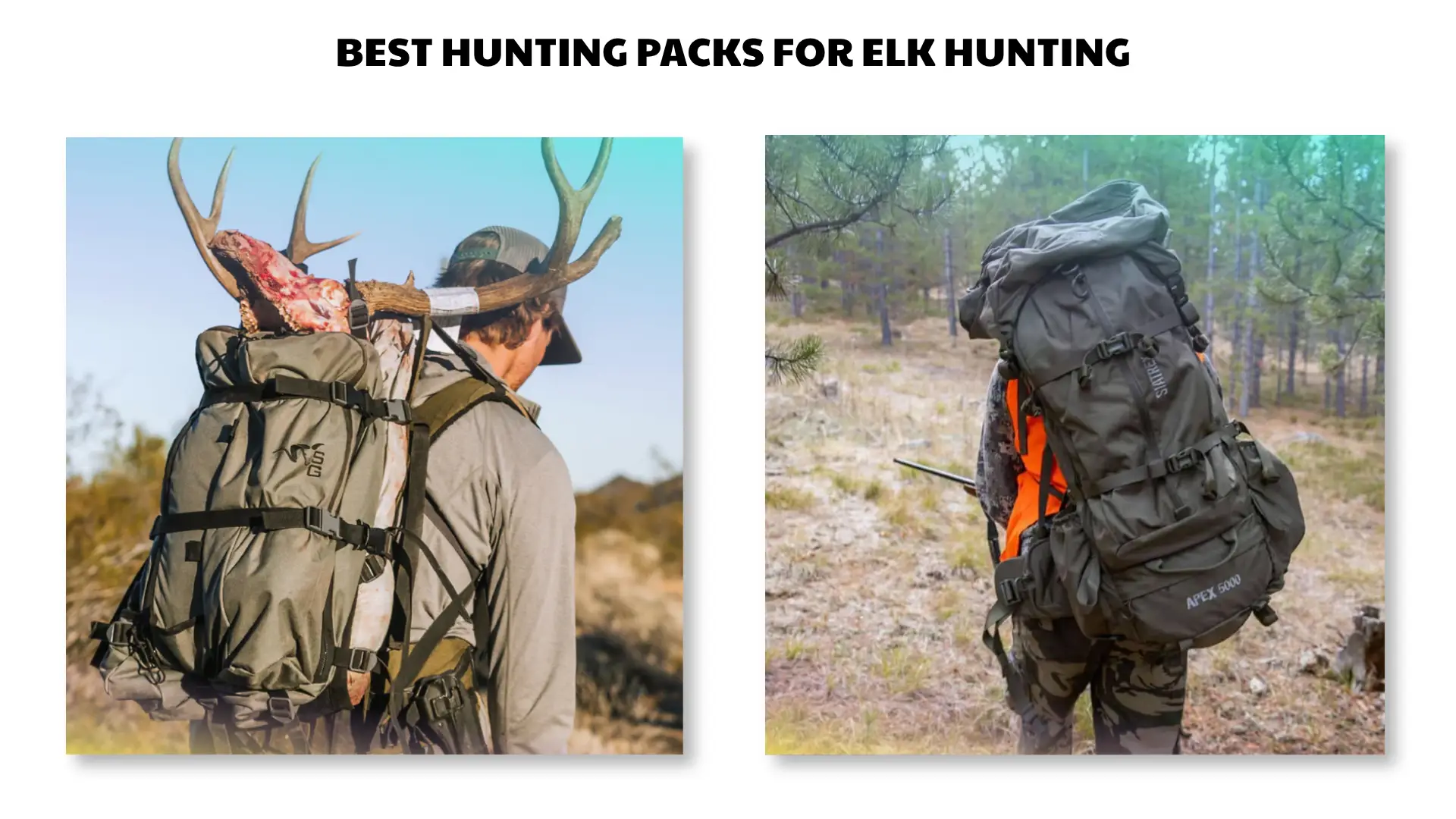

Quick Picks
- Best Budget Backpack-In Pack: TETON Sports Scout 3400 (55L)
- Best Elk-Specific Design: Eberlestock M5 Team Elk Pack
- Best Expandable Pack: Tenzing TZ 4000 Hunting Pack
- Best Compact Meat-Shelf Pack: Badlands 2200 Hunting Pack
- Best Budget Day-Hunt Option: ALPS OutdoorZ Pursuit Hunting Pack
Product Comparison Table
| Product | Best For | Capacity | Frame / Support | Approx. Empty Weight | Check Details |
|---|---|---|---|---|---|
| TETON Sports Scout 3400 (55L) | Best Budget Backpack-In Pack | About 3,400 cu in / 55 L | Internal frame with adjustable torso | About 4.5 lb (confirm current variation) | Check Price |
| Eberlestock M5 Team Elk Pack | Best Elk-Specific Design | About 3,100 cu in / 50 L | Internal aluminum frame with load shelf | About 6 lb 8 oz (version dependent) | Check Price |
| Tenzing TZ 4000 Hunting Pack | Best Expandable Pack | About 2,500–4,000 cu in depending on configuration | Dual internal aluminum stays | About 7 lb 6 oz (version dependent) | Check Price |
| ALPS OutdoorZ Traverse EPS | Best High-Capacity Internal-Frame Option | About 3,300 cu in; up to about 4,500 cu in expanded | Tubular aluminum H-frame | About 6 lb 14 oz (version dependent) | Check Price |
| Badlands 2200 Hunting Pack | Best Compact Meat-Shelf Pack | About 2,250 cu in | Internal aluminum suspension | About 5 lb 15 oz (version dependent) | Check Price |
| Eberlestock J34 Just One Pack | Best Modular Expansion | Expandable; optional add-ons can substantially increase volume | Structured internal-frame hunting suspension | Varies by configuration and accessories | Check Price |
| Tenzing TZ 2220 Day Pack | Best Organized Day Pack | About 2,220 cu in | Internal aluminum/Dyneema-supported structure | Check the selected Amazon variation | Check Price |
| ALPS OutdoorZ Pursuit Hunting Pack | Best Budget Day-Hunt Option | About 2,700 cu in | Internal support stay | About 4 lb (version dependent) | Check Price |
Important: Capacity and weight figures above describe commonly listed versions and may differ by product generation, color, frame size, or seller variation. Open the Amazon page and confirm the exact model before purchasing.
How These Packs Were Selected
These picks focus on characteristics that matter in elk country: a structured frame or support system, a load shelf or practical hauling mode, enough capacity for the intended hunt, compression straps, hip-belt support, torso adjustment, weather management, and a direct Amazon.com product listing. The list intentionally includes both dedicated hauling systems and lighter day-hunt options because not every hunter needs the same pack.
Products were not ranked by star rating or price alone. A less expensive pack can be the better choice when it fits correctly and matches a short hunt, while a premium modular pack can be poor value when the buyer does not need its accessories. Fit, safe load control, and the complete pack-out plan remain the deciding factors.
Best Hunting Packs for Elk Hunting Reviews
1. TETON Sports Scout 3400 (55L)
Best Budget Backpack-In Pack
The TETON Sports Scout 3400 is a lower-cost internal-frame backpack for hunters who need to carry camp, water, clothing, and emergency gear into elk country. It is better treated as a backpack-in pack than as a dedicated meat hauler, because it does not provide the purpose-built load shelf or freighter-frame function found on elk-specific systems.
Listed capacity: About 3,400 cu in / 55 L
Support system: Internal frame with adjustable torso
Approximate empty weight: About 4.5 lb (confirm current variation)
Amazon product ID: B000F34ZKS
Key Features
- Adjustable torso system for fitting different back lengths
- Padded shoulder harness, lumbar area, and supportive hip belt
- Separate sleeping-bag compartment and multiple compression straps
- Hydration-compatible layout and an integrated rain-cover compartment on commonly listed versions
Pros
- Accessible price for beginners assembling a first backpack-hunting setup
- Enough room for a compact overnight or short multi-day gear list
- Adjustable suspension is more useful than a fixed-size daypack for varied torso lengths
Cons
- No dedicated meat shelf or detachable freighter frame
- Not the best choice for repeated heavy pack-outs or very bulky late-season loads
- Heavier than some modern backpacking packs with similar capacity
Field Notes
Use this pack when the primary job is carrying camp and essential gear, and establish a separate, realistic pack-out plan before hunting. Keep dense items near the spine, tighten compression straps, and test the torso length and hip-belt placement indoors with gradually increasing weight. Do not assume a comfortable training load means the pack is suitable for a much heavier meat load.
Safety and Legal Notes
Do not place loose meat directly in the main compartment. Use appropriate game bags, maintain cleanliness, and follow current carcass-transport and chronic-wasting-disease rules. When a load exceeds the pack’s comfortable control or your conditioning, make additional trips or use a purpose-built hauling system rather than risking a fall or equipment failure.
Best For
Budget-conscious hunters who need an adjustable 55-liter pack for carrying camp and who already have a separate meat-hauling plan.
Listing note: Amazon sellers, colors, generations, included accessories, specifications, and availability can change. Confirm the exact model and variation before ordering.
2. Eberlestock M5 Team Elk Pack
Best Elk-Specific Design
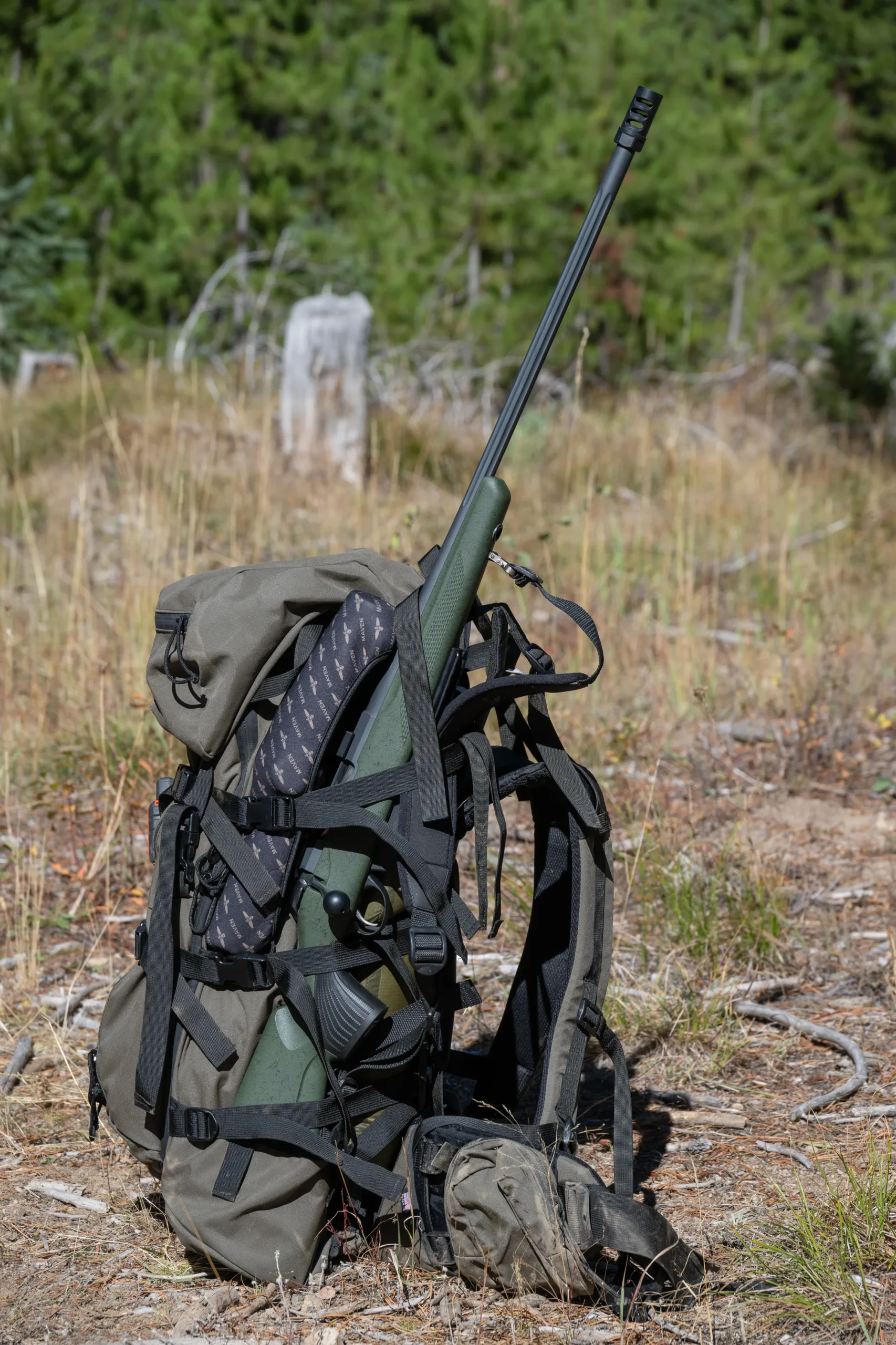
Eberlestock M5 Team Elk Pack is a practical candidate for elk hunters whose priorities match its frame style, capacity, and organization. It is not automatically the right choice for every body type or hunt, so compare the listed variation carefully and test the fit with real weight.
Listed capacity: About 3,100 cu in / 50 L
Support system: Internal aluminum frame with load shelf
Approximate empty weight: About 6 lb 8 oz (version dependent)
Amazon product ID: B006WDH3DG
Key Features
- Elk-focused mid-size pack with an integrated load-hauling layout
- Adjustable harness and structured aluminum frame
- Full-front and top access for easier organization
- Integrated bow-carrier and scabbard features on applicable versions
Pros
- Purpose-built balance between day-hunt organization and pack-out capability
- Good access to optics, layers, food, and frequently used gear
- Structured suspension provides more control than frameless hunting packs
Cons
- Premium price and substantial empty weight
- Integrated carry features add complexity and should be fitted before field use
Field Notes
The Team Elk is well suited to hunters who leave camp with a moderate day load but want a frame ready for the return trip. A 50-liter class bag is usually easier to keep organized than a giant expedition bag, but it may require disciplined packing for overnight bivy hunts.
Safety and Legal Notes
Any bow or lawful hunting firearm attached to a pack must be unloaded or otherwise carried exactly as required by local law and the manufacturer’s instructions. Keep the muzzle or broadheads controlled, protect the trigger area, and never rely on a pack attachment as a substitute for safe handling.
Best For
Hunters wanting a dedicated elk pack that transitions from organized day use to load hauling.
Listing note: Amazon sellers, colors, generations, included accessories, specifications, and availability can change. Confirm the exact variation before ordering.
3. Tenzing TZ 4000 Hunting Pack
Best Expandable Pack
Tenzing TZ 4000 Hunting Pack is a practical candidate for elk hunters whose priorities match its frame style, capacity, and organization. It is not automatically the right choice for every body type or hunt, so compare the listed variation carefully and test the fit with real weight.
Listed capacity: About 2,500–4,000 cu in depending on configuration
Support system: Dual internal aluminum stays
Approximate empty weight: About 7 lb 6 oz (version dependent)
Amazon product ID: B00IBD9V2Q
Key Features
- Expandable layout that can be configured for smaller or larger loads
- Breathable central hauling compartment
- Adjustable torso suspension and padded hip support
- Integrated rain cover and hydration-reservoir compatibility
Pros
- Flexible capacity for day hunts, bivy gear, or a separated hauling load
- Many pockets help organize optics, calls, food, and layers
- Structured frame and compression straps help control changing loads
Cons
- Numerous pockets and straps can encourage overpacking
- Relatively heavy before food, water, and hunting equipment are added
Field Notes
The TZ 4000 works best when the hunter assigns a purpose to each compartment and avoids filling empty space just because it is available. Use the compression straps to reduce sway, especially when the center hauling area is expanded.
Safety and Legal Notes
An included rain cover helps with precipitation but does not make the entire pack submersible or guarantee dry contents. Place navigation, electronics, emergency insulation, and fire-starting materials in separate waterproof bags.
Best For
Hunters who want one pack that changes from a compact hunting configuration to a larger hauling setup.
Listing note: Amazon sellers, colors, generations, included accessories, specifications, and availability can change. Confirm the exact variation before ordering.
4. ALPS OutdoorZ Traverse EPS
Best High-Capacity Internal-Frame Option
ALPS OutdoorZ Traverse EPS is a practical candidate for elk hunters whose priorities match its frame style, capacity, and organization. It is not automatically the right choice for every body type or hunt, so compare the listed variation carefully and test the fit with real weight.
Listed capacity: About 3,300 cu in; up to about 4,500 cu in expanded
Support system: Tubular aluminum H-frame
Approximate empty weight: About 6 lb 14 oz (version dependent)
Amazon product ID: B00E3Q7YWE
Key Features
- Expandable Pack Section for bulky gear or a separated load
- Structured H-frame and adjustable torso suspension
- Padded spotting-scope pocket and hydration compatibility
- Integrated blaze-orange rain cover on listed versions
Pros
- Useful middle ground between a conventional backpack and a freighter-frame system
- Expansion provides room for cold-weather layers or a return load
- Organized storage is practical for optics-heavy western hunts
Cons
- Bulky compared with streamlined 2,000–3,000 cu in packs
- Shoulder comfort depends heavily on correct torso and hip-belt setup
Field Notes
Use the Traverse’s expansion only when needed. A partially filled expanded compartment can let the load move away from the body. Tighten side compression straps, keep water and other dense items close to the frame, and use lightweight gear farther from the back.
Safety and Legal Notes
Do not exceed a load you can control on steep, loose, wet, or deadfall-covered terrain. A pack may be structurally capable of carrying more than the user can safely balance. Split loads, make additional trips, or use help when conditions demand it.
Best For
Multi-day hunters who want expandable capacity without moving to a separate external freighter frame.
Listing note: Amazon sellers, colors, generations, included accessories, specifications, and availability can change. Confirm the exact variation before ordering.
5. Badlands 2200 Hunting Pack
Best Compact Meat-Shelf Pack
Badlands 2200 Hunting Pack is a practical candidate for elk hunters whose priorities match its frame style, capacity, and organization. It is not automatically the right choice for every body type or hunt, so compare the listed variation carefully and test the fit with real weight.
Listed capacity: About 2,250 cu in
Support system: Internal aluminum suspension
Approximate empty weight: About 5 lb 15 oz (version dependent)
Amazon product ID: B00EOA67JU
Key Features
- Compact day-hunt bag with an integrated meat shelf
- Rear-entry access and multiple quick-access pockets
- Hydration-reservoir compatibility
- Straps and drop-down pocket for secured bow or firearm transport on applicable versions
Pros
- Smaller profile is convenient in timber and on active day hunts
- Meat shelf adds real utility absent from ordinary daypacks
- Good organization for optics, layers, first aid, and food
Cons
- Limited bag volume for bulky late-season or overnight equipment
- A rain cover or internal waterproof liners may need to be added
Field Notes
The 2200 is best treated as a day pack that can begin a pack-out, not as a full expedition bag. It can carry dense loads, but the smaller bag leaves less space for cold-weather layers once meat or other cargo occupies the shelf.
Safety and Legal Notes
Use clean, breathable game bags and cool meat promptly according to local guidance and conditions. A meat shelf organizes the load; it does not control temperature, prevent contamination, or replace proper field care.
Best For
Mobile day hunters who want a compact pack with more hauling ability than a normal daypack.
Listing note: Amazon sellers, colors, generations, included accessories, specifications, and availability can change. Confirm the exact variation before ordering.
6. Eberlestock J34 Just One Pack
Best Modular Expansion
Eberlestock J34 Just One Pack is a practical candidate for elk hunters whose priorities match its frame style, capacity, and organization. It is not automatically the right choice for every body type or hunt, so compare the listed variation carefully and test the fit with real weight.
Listed capacity: Expandable; optional add-ons can substantially increase volume
Support system: Structured internal-frame hunting suspension
Approximate empty weight: Varies by configuration and accessories
Amazon product ID: B005JCRMSC
Key Features
- Expandable main design for changing trip length and cargo
- Center mesh hauling area for separated loads
- Long side pockets for optics, tripod, water, or layers
- Compatible with selected Eberlestock expansion accessories
Pros
- Modular system can serve day, overnight, and larger-load roles
- Mesh hauling area allows airflow around a properly bagged load
- Compression system helps reduce the profile when lightly packed
Cons
- Optional accessories add cost, weight, and setup decisions
- The pack can become tall and bulky when fully expanded
Field Notes
The J34 rewards hunters who plan configurations in advance. Test every accessory, zipper, strap path, and load shelf at home. When expanded, pack deliberately so the weight remains close to the frame rather than hanging in the outermost portion.
Safety and Legal Notes
Do not assume airflow alone keeps meat safe. Time, ambient temperature, cleanliness, shade, and rapid cooling remain critical. Follow local wildlife-agency rules for evidence of sex, carcass transport, and chronic wasting disease restrictions where applicable.
Best For
Hunters who value a modular system and expect their pack volume to change during the hunt.
Listing note: Amazon sellers, colors, generations, included accessories, specifications, and availability can change. Confirm the exact variation before ordering.
7. Tenzing TZ 2220 Day Pack
Best Organized Day Pack
Tenzing TZ 2220 Day Pack is a practical candidate for elk hunters whose priorities match its frame style, capacity, and organization. It is not automatically the right choice for every body type or hunt, so compare the listed variation carefully and test the fit with real weight.
Listed capacity: About 2,220 cu in
Support system: Internal aluminum/Dyneema-supported structure
Approximate empty weight: Check the selected Amazon variation
Amazon product ID: B007TNXY04
Key Features
- Day-hunt capacity with extensive pocket organization
- Internal support structure and padded carrying system
- Integrated rain cover on listed versions
- Hydration-compatible design with bow/firearm carry features on applicable versions
Pros
- Practical size for scouting and day hunts
- Organization reduces time spent searching for small gear
- More supportive than a simple frameless daypack
Cons
- Not a substitute for a dedicated heavy meat-hauling frame
- Many small compartments can add zipper weight and complexity
Field Notes
Use the TZ 2220 when mobility and organized access matter more than expedition volume. It is a reasonable choice for hunters who already have a separate hauling plan, hunting partner, stock support, or vehicle access allowed by local rules.
Safety and Legal Notes
Before relying on any integrated weapon-carry feature, confirm fit and retention using an unloaded firearm or a protected bow in a safe location. Follow all firearm, archery, transport, and public-land regulations.
Best For
Day hunters and beginners who prioritize organization and moderate loads.
Listing note: Amazon sellers, colors, generations, included accessories, specifications, and availability can change. Confirm the exact variation before ordering.
8. ALPS OutdoorZ Pursuit Hunting Pack
Best Budget Day-Hunt Option
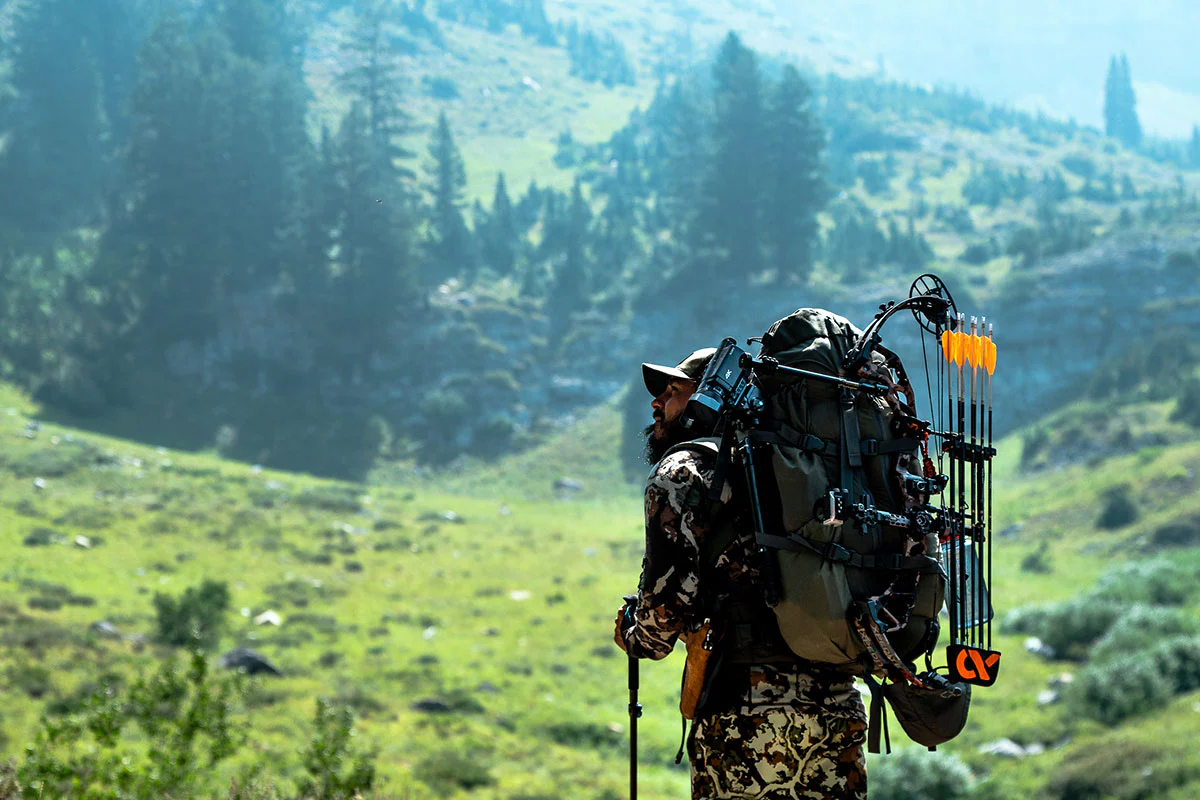
ALPS OutdoorZ Pursuit Hunting Pack is a practical candidate for elk hunters whose priorities match its frame style, capacity, and organization. It is not automatically the right choice for every body type or hunt, so compare the listed variation carefully and test the fit with real weight.
Listed capacity: About 2,700 cu in
Support system: Internal support stay
Approximate empty weight: About 4 lb (version dependent)
Amazon product ID: B004SXC652
Key Features
- Moderate day-pack capacity with padded shoulder harness and waist belt
- Drop-down pocket and straps for a bow or lawful hunting firearm
- Hydration pocket and port
- Integrated blaze-orange rain cover on listed versions
Pros
- Accessible price and useful day-hunt organization
- Moderate capacity accommodates layers, water, food, and safety gear
- Integrated rain cover adds practical weather protection
Cons
- Not designed as a true heavy-hauling elk frame
- May require a separate pack-out plan for larger loads
Field Notes
The Pursuit makes sense for elk hunters who hunt close to access or have another load-hauling solution. It is more capable than a small scouting pack, but buyers should not confuse a supportive daypack with a dedicated meat-hauling frame.
Safety and Legal Notes
Keep emergency equipment in the pack even when hunting close to a road. Mountain weather, injury, darkness, and route-finding errors can turn a short outing into an unplanned overnight situation.
Best For
Budget-focused day hunters who already have a realistic plan for hauling meat.
Listing note: Amazon sellers, colors, generations, included accessories, specifications, and availability can change. Confirm the exact variation before ordering.
How to Choose the Best Hunting Packs for Elk Hunting
Choose the Right Type
External freighter-frame systems provide a defined cargo platform and are useful for bulky or dense loads. Internal-frame hunting packs carry close to the body and can feel more streamlined in timber. Expandable packs compress for day use and open for camp gear or a hauling compartment. Supportive day packs are best when another pack-out plan already exists.
Match the Pack to Your Hunting Style
A truck-camp day hunter may prioritize a 2,000- to 3,000-cubic-inch bag, quiet access, and a meat shelf. A multi-day bivy hunter may need 4,000 to 6,000 cubic inches, depending on weather and the bulk of the sleep system. A hunter using horses, a guide, or permitted vehicle access may not need the same capacity as a solo backpack hunter several miles from the trailhead.
Check Fit, Sizing, and Comfort
Measure torso length using the manufacturer’s method, then confirm hip-belt range and shoulder-harness shape. The belt should wrap the hips rather than merely circle the waist. Load lifters should help control the upper load, and shoulder straps should stabilize instead of supporting the majority of the weight. Test fit with the clothing layers used during the hunt.
Consider Weight and Packability
Empty weight matters, but a frame that controls a dense load may be worth the extra pounds. Compare the complete system: frame, bag, lid, accessory pockets, rain cover, hydration reservoir, and straps. A pack that starts light but requires several add-ons may not remain light.
Look at Materials and Durability
Inspect fabric denier or construction, frame material, stitching, zipper size, buckle quality, and replaceable components. Elk terrain can abrade fabric against rock, deadfall, and brush. Quiet brushed fabric can be useful, but every material involves tradeoffs in water absorption, durability, noise, and weight.
Think About Weather Protection
Water-resistant fabric is not the same as a waterproof pack. Rain can enter through seams, zippers, hydration ports, and the open back panel. Use a properly sized cover and independent waterproof liners for insulation, navigation, electronics, and emergency gear. In freezing weather, protect hydration tubes and carry a backup bottle.
Check Load-Shelf and Meat-Hauling Design
The best shelf keeps a properly bagged load close to the frame and provides enough compression to prevent side-to-side movement. Check how the bag separates from the frame, where straps route, and whether the system can be cleaned. Make sure the frame height and belt remain functional after the shelf is loaded.
Check Compatibility
Confirm hydration-reservoir size, bow dimensions, lawful firearm fit, spotting-scope pocket size, tripod attachment, rain-cover coverage, accessory compatibility, and whether the advertised listing includes the frame. Similar names may refer to a bag only, frame only, or a complete system.
Understand Safety and Legal Requirements
Follow current wildlife regulations, land rules, private-property permission requirements, season dates, tags, blaze-orange requirements, firearm and archery laws, and carcass-transport restrictions. Pack attachments do not change legal requirements for firearm condition or transport. Contact the local wildlife agency or land manager when rules are unclear.
Understand the Product’s Limits
A strong frame does not make every load safe to carry. A rain cover does not make the pack submersible. A mesh meat panel does not refrigerate meat. A hydration sleeve does not guarantee leak-free water. A well-fitted pack can improve control and comfort, but it cannot replace fitness, conservative decisions, and multiple pack-out trips.
Use a Pre-Purchase Fit Checklist
- Measure torso length and hip circumference according to the manufacturer.
- Confirm that the Amazon variation includes the frame, bag, belt, lid, and accessories you expect.
- Load the pack with realistic weight and shape, not only soft pillows.
- Walk stairs and uneven ground while checking balance, belt slip, and hot spots.
- Verify that emergency gear remains accessible after the hauling shelf is loaded.
- Keep the return window and condition requirements in mind during indoor testing.
Important Hunting, Outdoor, and Firearm Safety Tips Before You Buy
- Follow local hunting laws, public-land rules, private-land access requirements, season dates, tag rules, legal-equipment rules, and manufacturer instructions.
- Carry navigation, first aid, water and treatment, weather protection, emergency insulation, communication tools, a reliable light, and a trip plan.
- Train gradually with the fitted pack. Heavy loads increase fall risk, joint stress, fatigue, and poor decision-making.
- Use clean game bags and a lawful, temperature-aware meat-care plan. A pack is only a transport tool.
- Keep lawful firearms pointed in a safe direction, control the trigger area, follow the four basic safety rules, and transport them in the legally required condition.
- Protect bow strings, cams, sights, and broadheads. Use a covered quiver and follow archery safety rules.
- Do not let a pack-out goal push you across dangerous slopes, swollen water, unstable snow, severe weather, or terrain you cannot safely reverse.
- Tell a responsible person the route, vehicle location, hunt unit, expected return, and emergency plan.
Common Mistakes to Avoid
- Buying by liters alone: two packs with the same stated volume can carry very differently because of frame height, bag shape, pockets, and compression.
- Skipping torso measurement: a premium frame with the wrong torso range can transfer weight poorly.
- Testing with soft household items: soft items do not reveal the pressure and movement created by water or meat.
- Ignoring empty weight: add the bag, frame, lid, accessories, water, and food before estimating trail weight.
- Assuming “waterproof” from coated fabric: protect critical contents independently.
- Overpacking every pocket: organization is useful, but spare capacity is not a requirement to carry more.
- Relying on one pack-out trip: terrain and temperature may make multiple lighter trips the safer option.
- Waiting until opening morning to adjust the pack: fit, strap routing, and emergency access must be practiced beforehand.
- Using weapon attachments without a safe test: confirm retention with an unloaded firearm or protected bow and follow all laws.
- Ignoring cleaning access: shelves, straps, and seams exposed to blood or dirt must be cleanable and fully dried.
Troubleshooting Common Problems
| Problem | Possible Cause | What to Do |
|---|---|---|
| Shoulder pain | Hip belt not carrying weight; incorrect torso setting; load too far back | Reduce the load, reset the belt first, adjust torso and load lifters, and repack dense items close to the frame. |
| Hip belt slips | Wrong belt size, slick layers, poor belt wrap, or low hanging load | Check belt size and torso fit, retighten after the load settles, and contact the manufacturer if the belt cannot wrap securely. |
| Pack sways | Uneven load or loose compression straps | Center dense cargo, balance left and right, and tighten the shelf and bag compression in stages. |
| Lower-back pressure | Frame shape or lumbar pad does not match the user; load is sagging | Stop, lighten the pack, correct load placement, and seek fitting help if pressure remains. |
| Rain reaches gear | Cover shifted; water entered through seams or back panel | Use internal waterproof bags and confirm the rain cover fits the expanded configuration. |
| Meat load shifts | Game bags are loosely stacked or straps are routed poorly | Set the pack down safely, rebuild the load close to the frame, and tighten every compression point before continuing. |
| Fabric or frame squeaks | Loose interface, rubbing hardware, or objects touching inside | Identify the source with a test load and use only manufacturer-approved adjustments or repairs. |
| Not enough capacity | Bulky sleep system, unnecessary gear, or pack chosen for the wrong hunt length | Refine the gear list, use proper compression, or move to a larger bag rather than leaving emergency items behind. |
| Too many dangling straps | Unused webbing has not been managed | Use built-in keepers or safe removable keepers without cutting load-bearing webbing. |
| Numbness or severe pain | Excessive load, poor fit, or possible injury | Stop carrying, reduce pressure, and seek medical evaluation when symptoms persist or are severe. |
When to Get Professional Help
Contact the pack manufacturer or an experienced pack fitter when torso adjustment, belt size, frame shape, or replacement components are unclear. Seek medical care for persistent numbness, weakness, severe pain, or an injury. Use a qualified firearms instructor or archery technician for safe carry and equipment-compatibility questions. Contact the local wildlife agency, land manager, licensed guide, or appropriate authority for current hunting laws, public access, carcass transport, chronic wasting disease rules, fire restrictions, and emergency closures.
Maintenance and Care Tips
- Empty every pocket and remove the bag from the frame only when the manufacturer permits it.
- Rinse blood and dirt promptly with cool water; follow the care label and avoid machine washing unless specifically approved.
- Use mild, unscented cleaning products and rinse thoroughly.
- Air-dry the pack completely before storage; do not store damp foam, webbing, or frame pockets.
- Inspect load-bearing stitching, belt attachment, buckles, compression straps, zippers, and frame joints after a heavy carry.
- Clean hydration reservoirs separately and replace damaged hoses or valves.
- Reapply water-repellent treatment only when compatible with the fabric and manufacturer guidance.
- Store away from direct sunlight, rodents, fuel, solvents, and strong household odors.
- Keep spare compatible buckles, strap keepers, cord, and a repair patch in the field kit.
- Perform a full loaded test several weeks before the next season, leaving time for repairs or replacement.
Final Verdict
The Eberlestock M5 Team Elk is the most balanced elk-specific option in this group, while the Tenzing TZ 4000 and ALPS Traverse EPS suit hunters who need expandable backcountry capacity. The Badlands 2200 is a practical compact pack with a meat shelf. The TETON Sports Scout 3400 is the budget backpack-in choice for carrying camp, but it should be paired with a separate meat-hauling plan. The ALPS Pursuit remains the budget day-hunt option when pack-out support is already arranged.
The best hunting packs for elk hunting are the ones that fit the hunter, control the intended load, protect essential gear, and match the actual hunt length and terrain. Confirm the exact Amazon variation, test it indoors with realistic weight, train gradually, maintain a conservative pack-out plan, and follow all manufacturer instructions and current hunting, firearm, archery, access, and carcass-transport laws.
Frequently Asked Questions
1. What is the best hunting pack for elk hunting for most hunters?
For many hunters, the best all-around choice is a properly fitted framed pack with roughly 3,000 to 5,000 cubic inches of usable space and a dedicated load shelf or freighter function. The Eberlestock Team Elk offers an elk-specific mid-size layout, while the TETON Scout 3400 is a lower-cost camp-carrying option that needs a separate meat-hauling plan. Fit and the ability to control the intended load matter more than brand name alone.
2. How large should an elk hunting pack be?
A day hunter may be comfortable with about 2,000 to 3,000 cubic inches if a separate pack-out plan exists. Multi-day bivy hunts commonly need around 3,500 to 5,500 cubic inches, depending on weather, insulation, food, water availability, and how compact the shelter and sleep system are. Do a complete test pack before choosing solely by the advertised volume.
3. Do I need a frame pack for elk hunting?
A frame is strongly worth considering when the pack may carry dense meat, water, or multi-day equipment. A good frame helps transfer weight to the hips and keeps the load more stable. A frameless daypack can work for scouting or light day hunts but is usually a poor substitute for a dedicated hauling system.
4. What is a meat shelf on a hunting pack?
A meat shelf is a load area between the frame and the bag, or an expandable section designed to hold properly bagged meat or bulky cargo. It keeps the dense load close to the frame and separated from personal gear. It does not replace game bags, cooling, cleanliness, or lawful carcass handling.
5. How much weight can an elk pack carry?
Manufacturers may publish different limits, but the user’s fitness, pack fit, terrain, altitude, and load shape often become the practical limit first. Avoid choosing a target weight based on internet claims. Train gradually, keep loads controllable, and split a pack-out into more trips when necessary.
6. What pack capacity is best for a one-day elk hunt?
About 2,000 to 3,000 cubic inches is a useful starting range for many day hunts. It should still hold water, food, layers, navigation, first aid, light, emergency insulation, and kill-kit items. A day pack should not force you to leave essential safety gear behind.
7. What pack capacity is best for a three- to five-day elk hunt?
Many hunters look in the 4,000 to 6,000 cubic-inch range for a three- to five-day hunt. Compact ultralight gear can reduce that need, while cold weather, water hauling, or bulky food can increase it. Lay out the exact gear list and measure the real packed volume before buying.
8. Is a bigger elk pack always better?
No. Extra space can encourage unnecessary gear and can make a lightly loaded pack harder to compress. The best size carries your actual equipment without strapping critical items loosely outside, while still compressing securely for day use.
9. How important is torso length when choosing a hunting pack?
Torso length is one of the most important fit measurements because it determines whether the hip belt can carry the load while the shoulder straps stabilize it. Height alone does not reveal torso length. Follow the manufacturer’s measuring method and confirm that the available adjustment range matches your body.
10. Where should the hip belt sit?
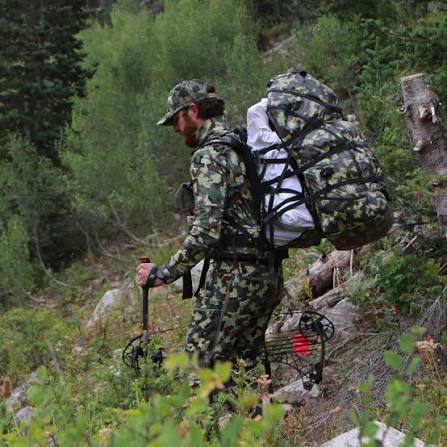
The padded portion should generally wrap the top of the hip bones so the pelvis supports most of the load. Exact placement varies by body shape and pack design. If the belt slides, pinches, or must be overtightened, reassess torso adjustment, belt size, clothing layers, and load balance.
11. How tight should shoulder straps be?
Shoulder straps should remove gaps and stabilize the pack without lifting most of the weight off the hips. Over-tightening can create shoulder pressure and pull the pack into an uncomfortable posture. Adjust the hip belt first, then shoulder straps, load lifters, and sternum strap.
12. What are load lifters?
Load lifters are the upper straps connecting the shoulder harness to the top of the frame or bag. They help control how the upper load sits relative to the shoulders. Their effectiveness depends on frame height and correct pack fit; pulling them extremely tight is not a cure for a poor fit.
13. How do I test an elk pack before hunting?
Load it with the same weight and shape you expect to carry, then walk stairs, side hills, uneven trails, and short steep sections in a controlled setting. Check for belt slip, numbness, hot spots, frame contact, and load sway. Increase training weight gradually rather than jumping directly to a maximum load.
14. How should I pack heavy items?
Place dense items close to the frame and near the body’s center of mass, usually around the mid-to-upper back without making the pack top-heavy. Keep the left and right sides balanced. Use compression straps so water, food, optics, and other heavy gear cannot shift.
15. Should meat ride high or low in the pack?
It should ride close to the frame in a position that you can balance and control, commonly centered around the mid-back rather than sagging low and far behind the hips. The exact position depends on frame geometry and terrain. Secure it firmly and reassess after the load settles.
16. Can I carry meat inside the main bag?
Only when the pack is designed for it and the meat is properly contained in clean game bags and additional protective liners as appropriate. Many hunters prefer a separate shelf or hauling compartment to protect equipment and simplify cleaning. Follow food-safety practices and local transport rules.
17. Are hunting packs waterproof?
Most hunting packs should not be treated as fully waterproof unless the manufacturer explicitly states and defines that performance. Coated fabric may resist light rain while seams and zippers still leak. Use a rain cover plus internal waterproof bags for critical equipment.
18. Is an integrated rain cover enough?
It is helpful for ordinary precipitation but can snag, shift in wind, or leave the harness exposed. Electronics, fire-starting supplies, emergency clothing, and maps should have independent waterproof protection. Inspect the cover and its attachment before each trip.
19. What pack material is best for elk hunting?
There is no single best fabric. Tough woven nylon and polyester can offer good abrasion resistance, while quieter brushed materials may be preferred in close-range hunting. Compare durability, noise, water resistance, repairability, and the weight of the complete pack rather than the fabric name alone.
20. How quiet should an elk hunting pack be?
It should not produce unnecessary squeaks, buckle clicks, or fabric scraping during normal movement. Test it while wearing the clothing used during the hunt and while accessing pockets. Quietness matters, but it does not replace wind awareness, movement discipline, or ethical distance.
21. Is a lightweight pack better?
A lighter empty pack leaves more capacity for useful gear, but removing frame structure and padding can reduce comfort under dense loads. Evaluate total system weight and intended load. The lightest pack is not automatically the safest or most efficient for a meat haul.
22. What is the difference between an internal and external frame?
Internal frames place stays or a frame sheet inside or directly behind the bag for a close, streamlined carry. External or freighter frames provide a more obvious platform for bulky cargo and may improve ventilation and load separation. Both can work when fitted and loaded correctly.
23. Do women need a women-specific elk pack?
Some women benefit from shoulder straps, hip belts, and torso ranges shaped for smaller frames or different body proportions. Others fit well in adjustable unisex packs. The correct choice is the one that transfers weight without chest, neck, hip, or lower-back pressure.
24. Can a youth use an adult hunting pack?
Only when the torso range and hip belt truly fit and the load is appropriate for the youth’s size, conditioning, and experience. An oversized frame can prevent safe load transfer. Adult supervision, conservative loads, and gradual training are essential.
25. Should I buy a used elk hunting pack?
A used pack can be a good value if the frame, stitching, buckles, zippers, belt foam, and attachment points are sound. Check for odors, blood contamination, coating failure, rodent damage, and improvised repairs. Confirm that replacement belts or hardware are still available.
26. Are budget hunting packs good enough for elk?
Some budget framed packs are practical when they fit well and have secure load-control hardware. They may be heavier or less refined than premium systems. Spend first on reliable fit and function, then on convenience features.
27. What do premium elk packs offer?
Premium packs often offer more torso and belt sizes, refined suspension, lighter frame materials, modular bags, and better access to replacement parts. Those advantages matter most when the pack is used frequently or carries heavy loads. Price still does not guarantee a good fit.
28. How many pockets should an elk pack have?
Enough to separate small essentials without turning the pack into a maze. Too many pockets add weight and can make it difficult to remember where items are stored. A large main compartment, accessible lid or front pocket, hip-belt pockets, and secure optics storage are enough for many hunters.
29. Is hydration compatibility important?
It is convenient, especially during active climbs, but it should not be your only water plan. Bladders can leak, freeze, or be difficult to monitor. Carry a backup container and know where reliable water sources are before the hunt.
30. How do I prevent a hydration bladder from leaking?
Inspect the cap, hose, bite valve, and seams; remove trapped air; and keep hard or sharp objects away from the reservoir. Place the bladder in its intended sleeve and consider a waterproof liner. Test the complete system before leaving home.
31. Can an elk pack carry a bow?
Many hunting packs include a bow boot, compression straps, or a dedicated carrier. Confirm that the system fits the exact bow without stressing cams, strings, sights, or rests. Secure broadheads separately and follow local transport and hunting rules.
32. Can an elk pack carry a rifle?
Some packs include a scabbard or drop-down pocket, but fit varies with firearm length, stock shape, optic, sling, and local law. Use the feature only as instructed, maintain muzzle and trigger control, and keep the firearm in the legally required condition during transport.
33. Is quick weapon access a reason to choose a pack?
Safe retention and lawful handling are more important than speed. Marketing claims about rapid access should never override the four basic firearm safety rules or archery safety. Practice only with an unloaded firearm or a safely protected bow in an appropriate setting.
34. What safety gear should always be in an elk pack?
Carry navigation, water and treatment, first aid, emergency insulation, weather protection, a reliable light, fire-starting tools where lawful, communication equipment, and a trip plan. Add region-specific items such as bear spray where legal and appropriate. Gear does not replace training.
35. Do I need blaze orange on the pack?
Requirements vary by state, season, method, and land type. An orange rain cover or panel may improve visibility but may not meet a specific legal garment requirement. Check the current regulations for the exact hunt.
36. How should I prepare for changing mountain weather?
Carry layers that manage sweat, wind, rain, and rapid temperature drops, and keep emergency insulation dry. Monitor forecasts but expect local mountain conditions to differ. Know turnaround points and do not let an expensive tag pressure you into unsafe travel.
37. How do I reduce pack noise?
Tighten loose webbing, isolate hard objects, cover metal-on-metal contact, and use compression straps. Test zippers and pockets while wearing gloves. Do not permanently alter load-bearing hardware in ways the manufacturer has not approved.
38. Why does my hip belt keep slipping?
Common causes include an incorrect belt size, poor torso adjustment, slick clothing, insufficient belt wrap, or a load placed too low and far back. Refit the pack from the hip belt upward. Contact the manufacturer or a knowledgeable fitter if the problem continues.
39. Why do my shoulders hurt?
The hip belt may not be carrying enough weight, the torso may be set too long or short, or the load may be pulling backward. Reduce the load, rebalance it, and check the harness sequence. Stop if you develop numbness, weakness, severe pain, or loss of balance.
40. Why does the pack sway side to side?
The load may be uneven, too far from the frame, or insufficiently compressed. Repack dense items near the frame and balance both sides. Tighten compression straps and confirm that the hip belt and sternum strap are adjusted without restricting breathing.
41. Why does the pack squeak?
Squeaks can come from frame interfaces, dry hardware, loose straps, or objects rubbing inside the bag. Identify the source with a test load. Use only manufacturer-approved maintenance methods and do not lubricate materials that could attract dirt or damage coatings.
42. What should I do if a buckle breaks in the field?
Stabilize and lighten the load before continuing. A field-repair buckle, cord, or webbing may provide a temporary solution, but it should not be trusted for a dangerous heavy carry unless secure. Replace damaged load-bearing hardware with compatible parts as soon as possible.
43. How do I clean blood from a hunting pack?
Follow the pack manufacturer’s care instructions. In general, remove the bag from the frame if permitted, rinse promptly with cool water, hand-clean with a mild unscented product, rinse thoroughly, and air-dry completely. Avoid machine washing unless specifically allowed.
44. Can I machine wash a hunting pack?
Usually not. Agitation and heat can damage coatings, foam, frame components, seam treatments, and buckles. Follow the care label and manufacturer guidance; hand cleaning is the safer default for most technical hunting packs.
45. How should I store a hunting pack?
Store it clean, fully dry, loosely closed, and away from sunlight, moisture, pests, fuel, and strong odors. Release excessive strap tension and keep the frame in its normal shape. Inspect it several weeks before the next hunt.
46. How often should I inspect my pack?
Inspect it before training, before each trip, after a heavy pack-out, and after cleaning. Look at frame junctions, stitching, webbing, buckles, zippers, belt attachment, and fabric around load shelves. Repair small problems before they become failures.
47. When should I replace a hunting pack?
Replace or professionally repair it when the frame is cracked or permanently deformed, load-bearing stitching is failing, the hip belt no longer supports weight, or replacement parts are unavailable. Cosmetic wear alone may not require replacement.
48. Can one elk pack work for deer hunting too?
Yes. A framed elk pack can be compressed for deer hunting, especially when a pack-out is possible. For short whitetail sits or tree-stand access, however, a smaller quieter pack may be more convenient.
49. Can I use an elk pack for bow hunting?
Yes, provided it carries the bow securely without contacting cams, string, sight, or rest. Check how the bow carrier affects balance and access to other gear. Handle broadheads safely and comply with archery seasons and equipment rules.
50. How do I choose between the TETON Scout 3400 and Eberlestock Team Elk?
Choose the TETON Scout 3400 when budget and carrying camp gear are the main priorities and a separate meat-hauling plan is already in place. Choose the Team Elk when you want a more hunting-specific layout and a system better suited to managing a pack-out load. Test either pack with realistic weight before the season.
51. How do I choose between the Badlands 2200 and a larger pack?
Choose the 2200 for mobile day hunts and a compact meat-shelf option. Choose a larger 4,000- to 5,500-cubic-inch pack for bivy gear, bulky cold-weather clothing, or longer water carries. Do not let a small bag force essential safety gear outside or at home.
52. Should I buy a pack online without trying it on?
Online buying can work when the seller has a clear return policy and the manufacturer publishes torso and belt measurements. Measure first, keep packaging, and test indoors with a realistic load. Do not soil or modify the pack until the fit is confirmed.
53. What should I check on the Amazon product page?
Confirm the exact model name, ASIN, color or size variation, included frame or accessories, seller, return terms, and current specifications. Product generations can share similar names. The direct links in this guide lead to specific ASIN pages, but listings and availability can change.
54. What should I do before the first hunt with a new pack?
Read the instructions, fit the torso and belt, inspect all hardware, waterproof critical contents, and complete several training hikes. Practice packing, accessing first aid and navigation, and securing any bow or lawful firearm safely.
55. When should I ask a professional for help?
Ask the manufacturer or a pack fitter when you cannot eliminate pain, numbness, belt slip, or frame contact. Contact a medical professional for persistent symptoms, a qualified firearms or archery instructor for carry questions, and the wildlife agency or land manager for current legal requirements.
Read more: 15 Best Hunting Clothes for Whitetail Deer