
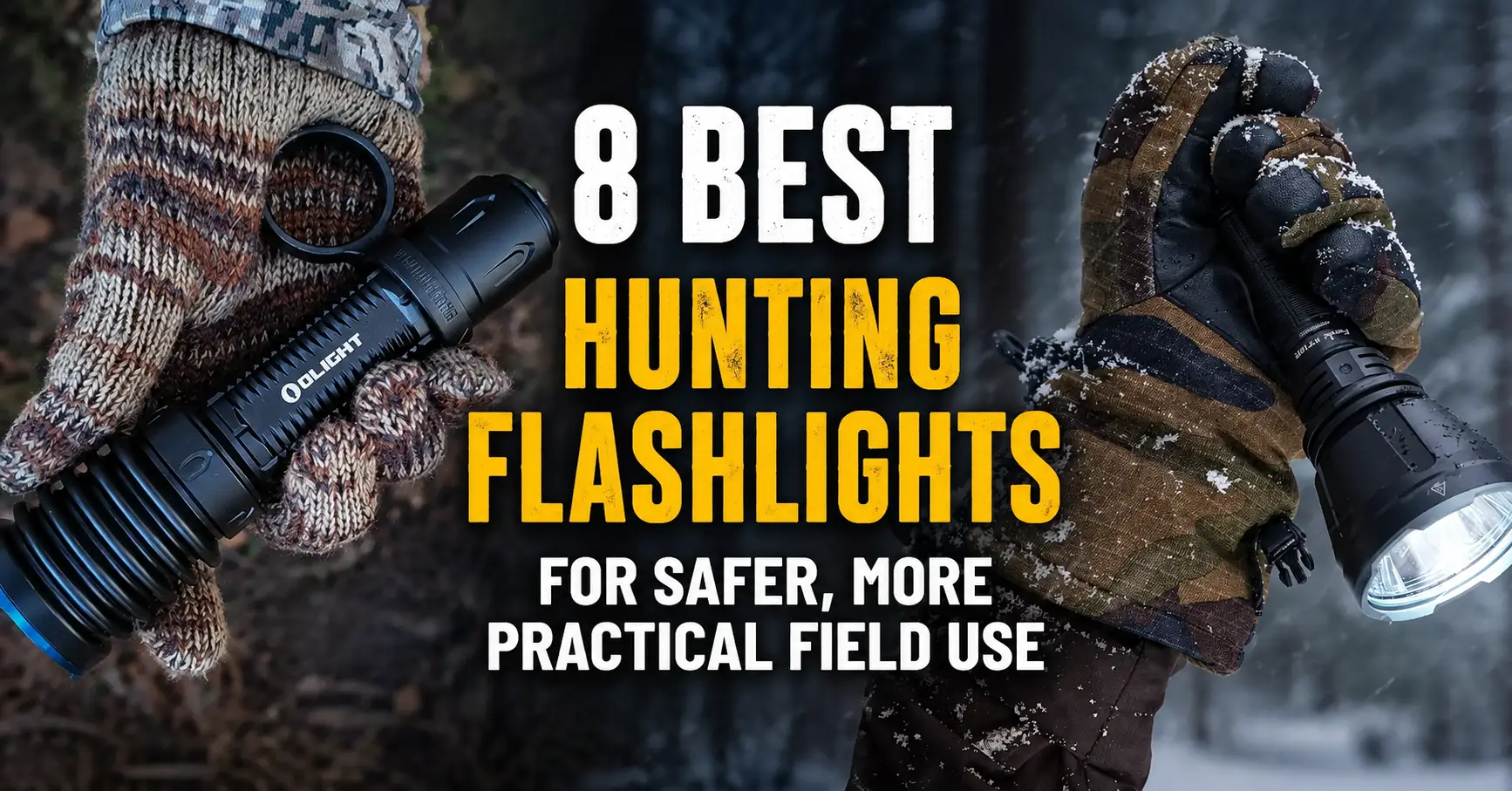

The best hunting flashlight isn’t the one with the biggest lumen number on the box. Hunters need a light with a genuinely usable low mode, sensible beam control, weather resistance, comfortable hands-free operation, and controls that still work with cold fingers or gloves on.
This guide compares eight Amazon-listed lights across different roles: red-light headlamps, long-range white flashlights, dual-power backups, and broad work lights for camp or equipment tasks. The picks below are meant for lawful hunting, hiking, campsite use, emergency preparedness, and safe travel before or after daylight.
Quick Picks
- Best Overall: OLIGHT Perun 3 Rechargeable Headlamp
- Best Premium Headlamp: Nitecore HC75 UHE Rechargeable Headlamp
- Best Lightweight Hunting Headlamp: Nitecore NU43 Rechargeable Headlamp
- Best Handheld Value: ThruNite TC15 V3 Rechargeable Flashlight
- Best for Replaceable AA Backup: Nitecore MT2A Pro Dual-Power Flashlight
- Best for Long Hikes: BioLite HeadLamp 800 Pro
- Best Focusable Beam: COAST XPH30R Dual-Power Headlamp
- Best for Camp and Field Work: Klein Tools 56412 Rechargeable Flashlight
Best Hunting Flashlight Comparison Table
| Product | Best For | Key Features | Important Notes | Check Details |
|---|---|---|---|---|
| OLIGHT Perun 3 Rechargeable Headlamp | Best Overall | 3,000-lumen maximum, white and red light, detachable right-angle design, magnetic charging, IP68 listing | Powerful but front-heavy; pack the proprietary magnetic cable carefully. | Check Price |
| Nitecore HC75 UHE Rechargeable Headlamp | Best Premium Headlamp | 3,000-lumen maximum, adjustable flood/spot focus, white and red beams, USB-C charging | Feature-rich and powerful; learn the controls before relying on it in the field. | Check Price |
| Nitecore NU43 Rechargeable Headlamp | Best Lightweight Hunting Headlamp | 1,400-lumen maximum, spotlight and floodlight, auxiliary red light, USB-C charging | Balanced performance at a moderate weight; built-in battery requires charging discipline. | Check Price |
| ThruNite TC15 V3 Rechargeable Flashlight | Best Handheld Value | 2,403-lumen maximum listing, USB-C rechargeable, compact aluminum body, multiple brightness levels | White-light only; pair it with a red headlamp if preserving dark adaptation matters. | Check Price |
| Nitecore MT2A Pro Dual-Power Flashlight | Best for Replaceable AA Backup | 1,000-lumen maximum, 279-yard listed beam, USB-C rechargeable battery plus two-AA compatibility | Slim and easy to pack; output drops when ordinary AA cells are used. | Check Price |
| BioLite HeadLamp 800 Pro | Best for Long Hikes | 800-lumen burst, eight lighting modes, balanced rear battery, front and rear red lighting, USB rechargeability | Only splash-resistant by its listing; protect it during prolonged heavy rain. | Check Price |
| COAST XPH30R Dual-Power Headlamp | Best Focusable Beam | 1,200-lumen maximum listing, twist-focus beam, rechargeable or CR123 power, magnetic base, detachable light | No dedicated red mode; better suited to trail and work illumination than discreet camp use. | Check Price |
| Klein Tools 56412 Rechargeable Flashlight | Best for Camp and Field Work | 500-lumen main beam, side floodlight, USB-C rechargeability, magnetic base, pocket clip | Shorter range than dedicated search lights and has no red mode. | Check Price |
Best Hunting Flashlight Reviews
1. OLIGHT Perun 3 Rechargeable Headlamp
The OLIGHT Perun 3 is the most versatile option in this guide, working as a headlamp, a right-angle handheld flashlight, and a magnetic task light. Its red-light settings are useful for low-output camp tasks and preserving dark adaptation, while the white beam handles trail travel, gear checks, and emergency signaling.
Key Features
- Maximum output listed at 3,000 lumens with several lower modes
- Two red-light brightness levels plus a flashing red mode
- Detaches from the headband for handheld or magnetic-base use
- Proximity sensor reduces output when the light is close to an object
- IP68 dust and water resistance listed by the manufacturer
Pros
- Very broad range of output levels
- Red mode and moonlight-style low output
- Strong weather protection and durable aluminum body
- Multiple hands-free mounting options
Cons
- Heavier and more front-loaded than ultralight headlamps
- Uses a proprietary magnetic charging cable
- Maximum output is meant for short bursts, not all-night use
Field Notes
The practical modes matter more than the headline output. Use a low white or red setting around camp, in a blind, or while checking a map, and save the brighter levels for trail hazards or emergency searches. Test the headband over the hat or beanie you normally wear, since the metal light body carries more weight than a plastic headlamp.
Safety and Legal Notes
Don’t aim high-output modes into another person’s eyes, reflective road signs, optics, or vehicle traffic. Check local hunting rules before using artificial light around wildlife — red light doesn’t make an otherwise prohibited activity legal.
Best For
Hunters who want one premium light for hands-free travel, close work, bad weather, and emergency use.
2. Nitecore HC75 UHE Rechargeable Headlamp
The Nitecore HC75 UHE pairs a broad flood beam with a tighter spotlight on one platform, and adds red illumination, making it better suited to hunting camp and low-light navigation than a white-only work headlamp.
Key Features
- Maximum output listed at 3,000 lumens
- Adjustable beam that shifts between flood and spotlight patterns
- Separate white and red light sources
- USB-C rechargeable power system
- Designed for outdoor, work, hiking, and hunting use
Pros
- Excellent beam versatility for near and far tasks
- Red-light option for low-output camp use
- Modern USB-C charging
- Strong choice for search, tracking, and difficult trail travel
Cons
- More controls and modes than a basic headlamp
- Premium price compared with simple AAA models
- High modes produce heat and drain the battery quickly
Field Notes
A focusable beam is useful for switching between reading terrain at your feet and checking a distant trail marker. Before a hunt, practice changing modes with gloves on and confirm the light doesn’t open on maximum output when you want a discreet low setting.
Safety and Legal Notes
Use the narrow beam carefully around partners and never sweep it across people, roads, buildings, or occupied campsites. Artificial-light rules differ by state, species, season, and property type, so verify regulations with your wildlife agency.
Best For
Backcountry and late-season hunters who prioritize beam control, red light, and strong maximum output.
3. Nitecore NU43 Rechargeable Headlamp
The Nitecore NU43 combines a spotlight, floodlight, and red auxiliary light in a relatively light package — a practical step up from a basic camping headlamp without the weight of a metal-body design.
Key Features
- Maximum output listed at 1,400 lumens
- Spotlight and floodlight cover both distance and close work
- Auxiliary red-light mode
- USB-C charging with a built-in proximity sensor
- Headlamp weight listed a little over four ounces
Pros
- Good balance of brightness, weight, and beam options
- Red mode for map reading and camp organization
- Simple USB-C charging
- Useful proximity dimming near objects
Cons
- Built-in battery can’t be swapped for ordinary cells in the field
- Not as powerful as premium 3,000-lumen models
- Runtime depends heavily on the selected mode and temperature
Field Notes
The NU43 is easier to wear for long stretches than many high-output right-angle lights. Its flood beam works well for walking and camp chores, while the spot beam identifies trail features farther out. Carry a power bank or backup headlamp on multi-day hunts.
Safety and Legal Notes
Lock the controls during transport so the headlamp can’t activate inside a pack and drain its battery. Red light should stay at modest brightness and doesn’t remove the need to follow legal shooting hours.
Best For
Mobile hunters, bowhunters, and backpack hunters who want a capable but reasonably light headlamp.
4. ThruNite TC15 V3 Rechargeable Flashlight
The ThruNite TC15 V3 is a compact handheld flashlight with strong white-light output in a small package. It works well as a primary handheld search light or as the high-output backup to a lower-powered red headlamp.
Key Features
- Maximum output listed at 2,403 lumens
- USB-C rechargeable battery system
- Multiple brightness modes, including a low setting
- Compact handheld format with pocket clip
- Longer throw than many small flood-oriented lights
Pros
- High output for its size
- Good price-to-performance ratio
- Standard USB-C charging
- Easy to carry in a belt pouch or pack pocket
Cons
- No dedicated red or green LED
- Small metal body can get warm at high output
- Round body needs attention on sloped surfaces
Field Notes
A handheld light is useful when you need to aim the beam independently of your head — examining tracks, checking a vehicle, or signaling a partner. Keep it in a consistent pocket and use a lanyard around water, steep slopes, or thick brush.
Safety and Legal Notes
Avoid using turbo as your default mode; sudden glare reduces night vision and can distract other hunters. Never use a flashlight to identify something that should be confirmed with binoculars in daylight or during legal observation conditions.
Best For
Budget-conscious hunters who want a bright, compact, rechargeable white-light flashlight.
5. Nitecore MT2A Pro Dual-Power Flashlight
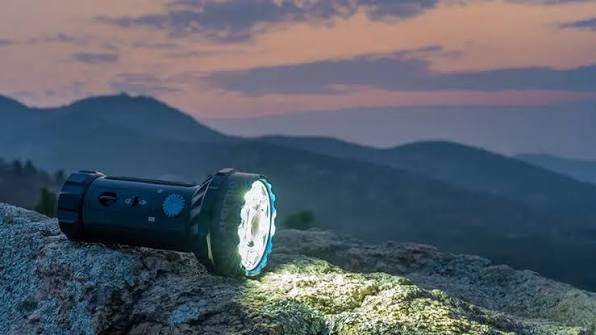
The Nitecore MT2A Pro stands out because it runs on its rechargeable power source or two commonly available AA batteries. That flexibility matters for remote hunts, cold-weather travel, and emergency kits where charger access may be uncertain.
Key Features
- Maximum output listed at 1,000 lumens
- Beam distance listed at 279 yards
- Rechargeable power source with USB-C charging
- Compatible with two standard AA batteries
- Slim pen-style aluminum body with two-way clip
Pros
- Excellent backup-power flexibility
- Long, narrow shape packs easily
- Simple tail switch with three output levels
- Widely available AA batteries can keep it running
Cons
- No red-light mode
- AA cells give reduced performance versus the included rechargeable source
- Slim body is less stable for tail-standing
Field Notes
Keep a matched pair of fresh lithium or quality alkaline AA batteries in a waterproof sleeve. In cold conditions, carry spare cells inside an inner clothing layer and avoid mixing old and new batteries.
Safety and Legal Notes
Inspect batteries for leakage, swelling, torn wrappers, or corrosion before use. Never mix battery types, brands, ages, or charge levels, and follow the manufacturer’s power-source instructions.
Best For
Hunters traveling far from charging access or building a dependable backup lighting kit.
6. BioLite HeadLamp 800 Pro
The BioLite HeadLamp 800 Pro uses a rear battery pack to distribute weight more evenly than a front-heavy metal headlamp — a real advantage on long approaches, pack-outs, and group travel where comfort and rear visibility matter.
Key Features
- Maximum burst output listed at 800 lumens
- Eight lighting modes
- Rear battery pack balances weight
- Rear red visibility light plus front red-light options
- USB rechargeable design with lock mode
Pros
- Comfortable balance for long periods
- Rear light helps partners track the wearer
- Useful red and low-output modes
- Lockout reduces accidental battery drain
Cons
- Cord and rear battery can snag on pack straps or branches
- IPX4 listing means splash-resistant, not submersible
- Higher price than basic headlamps
Field Notes
Check that the rear battery clears your pack and doesn’t interfere with a hood. The rear red light helps a group stay organized on a trail, but it isn’t a substitute for reflective clothing or road-safety lighting.
Safety and Legal Notes
Don’t rely on a rear light as your only visibility measure near roads, vehicles, or machinery. Protect the charging port from mud and prolonged rain, and dry the unit before charging.
Best For
Hunters covering long distances who value comfort, balanced weight, and group visibility.
7. COAST XPH30R Dual-Power Headlamp
The COAST XPH30R is a rugged, detachable headlamp with a focusable beam and dual-power capability. Wear it on the headband, use it as a handheld right-angle light, or attach it to steel with its magnetic base.
Key Features
- Maximum output listed at 1,200 lumens
- Twist-focus system shifts between flood and spot
- Rechargeable battery with compatible backup-cell option
- Detachable right-angle light with magnetic base
- USB-C rechargeable system
Pros
- Focusable beam adapts to trail and task lighting
- Multiple mounting and carrying options
- Backup power flexibility
- Solid choice for camp, vehicle, and equipment work
Cons
- No red-light mode
- Mechanical focus ring adds a moving part
- Metal light can feel heavy during extended wear
Field Notes
Use the flood setting for walking, since it improves peripheral awareness, and tighten the beam only when checking a distant object. Confirm the focus ring still moves smoothly after exposure to dust or grit.
Safety and Legal Notes
Don’t attach the magnetic base near compasses, sensitive electronics, or unsecured metal surfaces. Keep the beam low around partners and avoid dazzling drivers or other recreationists.
Best For
Hunters who want a versatile focusable light for trail travel, camp repairs, and vehicle use.
8. Klein Tools 56412 Rechargeable Flashlight
The Klein Tools 56412 is less of a long-range hunting light and more of a practical task light. Its forward flashlight and side floodlight suit equipment repairs, organizing a truck, cooking, cleaning gear, and other close-range jobs.
Key Features
- Main flashlight output listed at up to 500 lumens
- Integrated side floodlight for broad close-range illumination
- USB-C rechargeable battery
- Magnetic end cap and pocket clip
- Compact professional work-light design
Pros
- Very useful for hands-free close work
- Simple controls and moderate output
- Magnetic base and clip improve positioning
- Good companion to a longer-range primary flashlight
Cons
- Limited throw compared with hunting search lights
- No red or green mode
- Magnet only works on suitable ferrous surfaces
Field Notes
A broad work light is often easier than a narrow beam when sorting gear, changing batteries, repairing straps, or prepping food. Keep it separate from your primary navigation light so one failure doesn’t leave you without illumination.
Safety and Legal Notes
Clean dirt and metal debris from the magnetic base before attaching it. Keep the light away from exposed fuel, hot stoves, and damaged batteries, and never charge it while wet.
Best For
Hunters who want a dependable secondary light for camp, truck, blind, and equipment tasks.
How to Choose the Best Hunting Flashlight
Choose the Right Type
A headlamp is the best primary light for walking, climbing, dressing game, and organizing equipment because it keeps both hands free. A handheld flashlight gives better directional control and is often easier to use for checking distant terrain. A broad work light is useful around a vehicle, blind, tent, or equipment repair area. A solid kit commonly includes one headlamp and one handheld backup.
Match the Light to Your Hunting Style
Backcountry hunters should prioritize low weight, long runtime, cold-weather battery performance, and reliable charging. Stand hunters may value a quiet low mode and a comfortable headband. Waterfowl hunters need strong water resistance and secure retention. Anyone using boats, tree stands, or steep trails should carry redundant lighting, since a dropped or failed light can quickly become a safety problem.
Compare Low Modes, Not Just Maximum Lumens
Maximum output is useful for brief searches, but low and medium modes determine practical runtime. A light that starts at a sensible low level is less likely to wreck your night adaptation or disturb partners. Check whether the light remembers its last mode and whether it can be locked during transport.
Understand Lumens, Candela, Flood, and Throw
Lumens describe total light output. Candela relates to beam intensity and helps explain long-range performance. A flood beam improves peripheral awareness at walking distance, while a focused spot reaches farther. Hunters often benefit from having both rather than an extremely narrow or extremely wide beam alone.
Consider Red Light Carefully
Red light can reduce glare and help preserve dark adaptation during map reading or camp tasks. It isn’t invisible to wildlife, doesn’t guarantee stealth, and doesn’t change hunting laws. Choose a light with a genuinely low red setting rather than an unnecessarily bright red beam.
Evaluate Battery and Charging Options
Rechargeable lights cut down on disposable battery use and work well when a power bank or vehicle charger is available. Replaceable cells add resilience on long trips. Dual-power lights offer flexibility, but output can vary by battery type. Use only cells approved by the manufacturer.
Check Weather Resistance and Construction
Rain, snow, sweat, mud, and condensation are normal field conditions. Review the exact IP rating, charging-port cover, lens protection, and battery compartment. Water resistance can be compromised by damaged seals, open ports, impacts, or incorrect assembly.
Check Weight, Balance, and Controls
A powerful headlamp isn’t much use if it slips, causes pressure points, or interferes with a hood. Test it with your usual hat and cold-weather layers. Controls should be easy to operate with gloves on, without accidentally cycling through distracting modes.
Understand the Product’s Limits
No flashlight guarantees safe travel, successful tracking, legal compliance, or positive identification. Fog, snow, dust, rain, brush, battery temperature, and reflective surfaces can all reduce useful visibility. Carry navigation, communication, first aid, weather protection, water, and a trip plan alongside any light.
Important Hunting, Outdoor, and Firearm Safety Tips Before You Buy
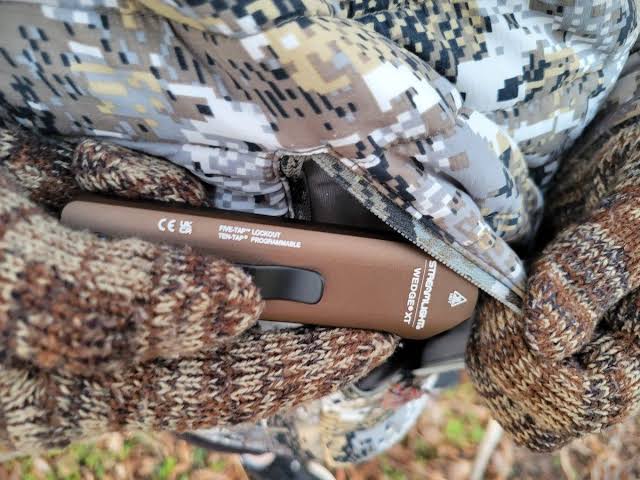
- Follow current hunting laws, shooting hours, artificial-light restrictions, public-land rules, private-property requirements, and manufacturer instructions.
- Never use a flashlight beam as a substitute for positive identification. Keep firearms pointed in a safe direction and keep your finger off the trigger until a lawful shot has been decided.
- Don’t point high-output lights at people, drivers, aircraft, occupied buildings, or reflective traffic signs.
- Carry at least two independent light sources and protect spare batteries from short circuits.
- Lock controls during transport and never charge a wet, damaged, swollen, or unusually hot battery.
- Use a full-body harness on elevated stands and an appropriate PFD when boating — a bright light doesn’t remove fall or drowning hazards.
- Leave a trip plan and carry navigation, first aid, water, weather protection, and communication tools.
- Contact a wildlife agency, land manager, qualified instructor, guide, manufacturer, or local authority whenever laws, access, compatibility, or safe use are unclear.
Common Mistakes to Avoid
- Buying by lumens alone: High output can hide poor runtime, awkward controls, excessive heat, or an unsuitable beam.
- Ignoring low modes: A practical low mode is essential for close work and preserving night vision.
- Relying on one light: Batteries fail, lights get dropped, and charging mistakes happen.
- Skipping a real fit test: Headlamp comfort changes once you add a hat, hood, or beanie.
- Assuming red light is legal for hunting: Light color doesn’t override artificial-light restrictions or legal shooting hours.
- Using unapproved batteries: Incorrect cells can cause unreliable performance, overheating, or damage.
- Waiting until the hunt to learn the controls: Practice mode changes in darkness and with gloves beforehand.
- Charging a wet light: Moisture in a charging port can damage the light and create a battery hazard.
Troubleshooting Common Problems
| Problem | Possible Cause | What to Do |
|---|---|---|
| Light won’t turn on | Battery is empty, lockout is active, contacts are dirty, or the battery is installed incorrectly | Recharge or replace the approved battery, disable lockout, inspect contacts, and follow the manual. |
| Runtime is much shorter than expected | High output, cold weather, an aged battery, or accidental activation | Use a lower mode, keep spare batteries warm, replace degraded cells, and lock the controls in your pack. |
| Beam looks weak or uneven | Dirty lens, fog, dust, low battery, or a damaged optic | Clean the lens, test in clear air, charge the battery, and contact the manufacturer if damage is visible. |
| Headlamp slips down | Loose or stretched strap, poor balance, or incompatible hat/hood | Readjust the band, use the top strap, clean the strap, and test over field clothing. |
| Flashlight becomes very hot | Turbo mode, blocked heat dissipation, or a battery problem | Switch to a lower mode and let it cool. Stop use immediately for abnormal odor, swelling, or extreme heat. |
| Charging doesn’t start | Wet or dirty port, damaged cable, incompatible charger, or battery fault | Dry and clean the port, try an approved cable and charger, and contact the manufacturer if it persists. |
| Light turns on inside the pack | Button pressure or lockout not enabled | Use lockout, protect the switch, or loosen the tailcap only when the manual allows it. |
| Red mode seems too bright | Selected red level is high, or reflected glare is strong | Choose the lowest red setting, aim downward, and shield the beam near reflective surfaces. |
When to Get Professional Help
Contact the manufacturer when a light overheats abnormally, shows battery swelling, repeatedly fails to charge, has damaged seals, flickers after an impact, or requires a battery type that’s unclear. Contact a wildlife agency or conservation officer for questions about artificial-light use, night hunting, tracking, recovery, legal shooting hours, or public-land restrictions. Use a qualified guide, wilderness medical professional, or emergency service when terrain, weather, injury, a missing person, or a recovery situation exceeds your skills.
Maintenance and Care Tips
- Wipe mud, sweat, and moisture from the light after every trip.
- Clean the lens with a soft lens cloth and avoid abrasive cleaners.
- Inspect O-rings, threads, straps, clips, charging covers, and cables.
- Dry the light completely before charging or sealing it for storage.
- Store spare batteries in individual protective cases.
- Recharge built-in batteries periodically according to the manual.
- Remove disposable batteries during long-term storage when the manufacturer recommends it.
- Replace damaged, leaking, swollen, corroded, or overheating batteries immediately and recycle them properly.
Final Verdict
The OLIGHT Perun 3 is the best hunting flashlight in this comparison for anyone who wants a powerful, weather-resistant headlamp with useful red modes and a detachable right-angle body. The Nitecore NU43 offers a lighter balance of spot, flood, and red light, while the Nitecore HC75 UHE is the premium choice for maximum beam flexibility. For a handheld backup, the ThruNite TC15 V3 offers strong value, and the Nitecore MT2A Pro adds valuable AA-battery compatibility. Whatever you choose, test it before the season, carry a second independent light, use approved batteries, and follow all local hunting and artificial-light regulations.
Frequently Asked Questions
1. What is the best hunting flashlight for most hunters?
A headlamp with a low white mode, a red mode, reliable weather protection, and a separate handheld backup is the most practical setup for most hunters. In this guide, the OLIGHT Perun 3 offers the broadest all-around feature set.
2. Is a headlamp or handheld flashlight better for hunting?
A headlamp is better for walking, climbing, and organizing gear because it keeps both hands free. A handheld flashlight gives more directional control, reaches farther, and works well as a backup. Many hunters carry both.
3. Why do hunters use red light, and does it make night hunting legal?
Low-output red light helps preserve dark adaptation and causes less glare when reading maps or working near partners. It doesn’t make you invisible to wildlife, and it doesn’t make otherwise illegal night hunting or spotlighting legal — check your local wildlife regulations.
4. Is green light useful for hunting?
Green light may offer good contrast for some outdoor tasks, but effectiveness varies by environment and individual vision. Local rules may restrict artificial lights around wildlife regardless of color, so legal compliance matters more than which color you choose.
5. How many lumens do I need for a hunting flashlight?
Around 50 to 300 lumens is usually enough for close camp work and familiar trails. Several hundred lumens helps on rough terrain, while very high modes are best reserved for brief searches or emergencies, since they burn through runtime quickly and create glare.
6. Does a higher lumen rating always mean a better flashlight?
No. Beam shape, candela, runtime, control layout, low modes, weather resistance, battery system, weight, and reliability often matter more than maximum lumens.
7. What is the difference between flood, spot, and beam throw?
A flood beam spreads light over a wide area and works well for walking or camp tasks. A spot beam concentrates light farther out and helps you check distant trail features. Throw is simply the useful distance a light can project — it depends on reflector or lens design and beam intensity, not just the lumen number.
8. What battery type is best for backcountry hunting, and should I carry spares?
A rechargeable battery is convenient for frequent use, while replaceable AA or CR123 cells add useful backup flexibility. The right choice depends on trip length, temperature, and charging access — check the manufacturer’s approved battery list. Either way, carry approved spare batteries in a protective case or a power bank, and never mix batteries of different ages, brands, or charge levels.
9. Are lithium batteries better in cold weather?
Quality lithium primary cells generally hold performance better than alkaline cells in cold conditions. Rechargeable lithium-ion batteries also work well but lose capacity as temperatures drop, so keep spares warm and follow the manufacturer’s guidance.
10. Is spotlighting legal, and can I use artificial light during shooting hours?
Rules vary by jurisdiction, species, season, and method. In many places, using artificial light to locate or take wildlife is restricted even when simply possessing a flashlight is allowed, and spotlighting is prohibited or tightly restricted in many locations. Never assume landowner permission or a hunting license makes it legal — check with your wildlife agency when the rules aren’t clear.
11. What IP or water-resistance rating should I look for?
IPX4 handles splashes, while higher ratings offer stronger water protection. Read the manufacturer’s exact test conditions, since an IP rating doesn’t guarantee performance after damage, an open charging port, or improper maintenance.
12. How heavy should a hunting headlamp be, and how do I stop it from slipping?
Lighter models are more comfortable for long travel, but weight distribution matters too — a balanced rear battery can feel better than a lighter front-heavy lamp. Test the fit over your normal hat and hood, adjust the strap, clean sweat and oils off the band, and use the top strap when one’s provided.
13. Is a rechargeable headlamp reliable for multi-day hunts?
Yes, when paired with a realistic charging plan, power bank, or backup light. Built-in batteries need more planning since they can’t be swapped out in the field.
14. Should I choose USB-C charging, or are proprietary magnetic chargers a problem?
USB-C is convenient because many phones, power banks, and electronics already use the same connector — confirm the light accepts ordinary USB-C cables. Proprietary magnetic chargers can seal a port more effectively, but losing the cable can leave you unable to charge, so pack a spare cable or carry a backup light with a more common charging system.
15. Can bright flashlights damage night vision or someone’s eyes?
A sudden bright beam can temporarily reduce dark adaptation, especially when reflected off snow, fog, tents, signs, or nearby objects — start low and increase brightness only as needed. High-output lights can also cause pain, glare, and temporary visual impairment, so never stare into a beam or aim it at another person except in a genuine emergency.
16. What’s the best light for tracking or blood trailing after dark?
A reliable white-light flashlight with good color rendering and adequate runtime is the most dependable option. Some colored lights may increase contrast under specific conditions, but results are inconsistent, so a quality white beam plus careful observation and experience matter more. Follow all recovery laws and property boundaries, and consider contacting an experienced tracker when needed.
17. What’s the best light setup for tree stands, ground blinds, or bowhunting?
A quiet, hands-free headlamp with a low mode and red option works well for stand access, blind setup, and gear organization, since bowhunters especially benefit from keeping both hands free with no cables or clips that could snag a bow or release aid. Avoid shining light through windows toward roads, homes, or other hunters, and always use a full-body harness on elevated stands — a light doesn’t make climbing safe by itself.
18. What’s the best flashlight setup for waterfowl or cold-weather hunting?
Prioritize strong water resistance, glove-friendly controls, corrosion-resistant materials, and a secure lanyard, plus approved lithium battery options and a battery-level indicator for cold conditions. Keep spare batteries warm, expect shorter runtime in low temperatures, wear an appropriate PFD when boating, and carry redundant lighting.
19. How do I prevent accidental activation or overheating in my pack?
Use electronic or mechanical lockout, loosen the tailcap only if the manufacturer permits it, and store the light where the buttons are protected. High-output LEDs and batteries generate heat, and many lights automatically step down output as they warm up — stop using the light if it feels unusually hot, smells abnormal, or shows battery damage.
20. Should I carry two flashlights, and what emergency modes are useful?
Yes — darkness, cold, water, impacts, and charging mistakes can all disable a single light, so carry a backup in a separate pocket or pack compartment. A steady low mode preserves runtime for emergencies, while SOS or beacon modes support signaling; use strobe carefully, since it can disorient people and may affect those with photosensitive conditions.
21. Can a hunting flashlight replace a GPS or map?
No. A flashlight helps you see, but it doesn’t provide location, route planning, or communication. Carry navigation tools, first aid, water, weather protection, and a trip plan alongside it.
22. What should I test before hunting season, and when should I contact the manufacturer?
Test every mode, charging cable, spare battery, lockout, headband fit, beam pattern, runtime, and cold-weather behavior, and practice operating the light with gloves in complete darkness. Contact the manufacturer for repeated charging failures, damaged seals, abnormal heat, battery swelling, switch problems, unclear battery compatibility, or any safety-related defect, and stop using damaged equipment until it’s checked.
Read more: 15 Best Hunting Clothes for Cold Weather