
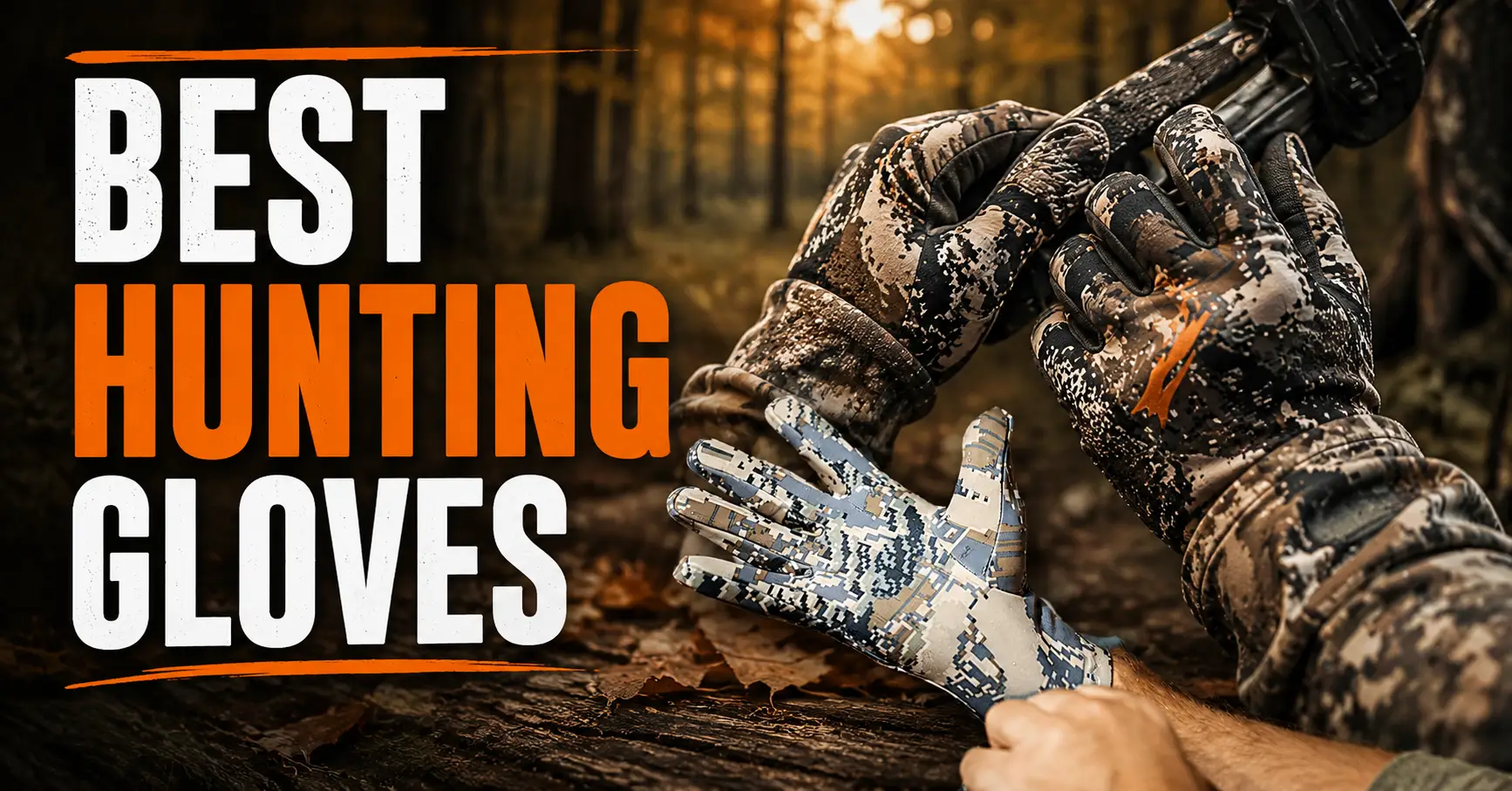

The best hunting gloves must solve a difficult problem: protect your hands from cold, wind, moisture, and rough field conditions while preserving enough dexterity to handle optics, zippers, calls, navigation tools, and other lawful hunting equipment safely.
This guide is for beginners and experienced hunters who want a practical handwear system rather than a one-size-fits-all promise. The right choice depends on temperature, precipitation, activity level, time spent sitting, fit, circulation, and hunting style.
Quick Picks
- Best Overall: DecoyPro Men’s Camo Touchscreen Hunting Gloves
- Best for Youth: Huntworth Youth Classic Hunting Gloves
- Best Lightweight: Mossy Oak Lightweight Hunting Gloves
- Best for Camp Setup: Mechanix Wear The Original MultiCam Work Gloves
- Best Convertible: Camouflage Convertible Fingerless Hunting Gloves
Product Comparison Table
| Product | Best For | Key Features | Important Notes | Check Price |
|---|---|---|---|---|
| DecoyPro Men’s Camo Touchscreen Hunting Gloves | Best Overall Lightweight Hunting Glove | Lightweight thermal material; Touchscreen index finger and thumb; Textured grip on palms and fingers; One-size design listed for many men’s L–XL hands | Lightweight rather than heavily insulated; verify fit because the listing uses a broad one-size range. | Check Price |
| Hunters Stock Outdoor Hunting Gloves | Best Traditional Outdoor Hunting Option | Outdoor hunting-oriented design; Camouflage styling shown in the listing; Medium-size option in the supplied link; General hand coverage for field use | The current listing should be checked for exact material, insulation, size, and weather-resistance claims. | Check Price |
| Mechanix Wear The Original MultiCam Work Gloves | Best for Camp Setup and Gear Handling | MultiCam pattern; Secure wrist closure; Flexible synthetic work-glove construction; Touchscreen-capable design on the current listing | A multipurpose work glove, not a dedicated insulated hunting glove. | Check Price |
| Huntworth Youth Classic Hunting Gloves | Best Youth Hunting Glove | Youth-oriented sizing; Classic hunting camouflage pattern; Full-finger coverage; Designed for outdoor hunting use | Adult supervision, correct sizing, and safe equipment practice are essential for youth users. | Check Price |
| Mossy Oak Lightweight Hunting Gloves | Best Lightweight Camouflage Option | Lightweight construction; Mossy Oak camouflage; Full-finger design; Intended for hunting and outdoor use | Best suited to mild weather, active use, or layering rather than severe cold. | Check Price |
| Camouflage Convertible Fingerless Hunting Gloves | Best Convertible Fingerless Option | Convertible fingerless layout; Camouflage design; Anti-slip palm treatment listed; Quick access to exposed fingertips | Convertible panels can snag or shift; confirm closure security and fit before field use. | Check Price |
| KEMIMOTO Touchscreen Tactical Gloves | Best Protective Multi-Purpose Option | Touchscreen-compatible fingertips; Reinforced protective styling; Adjustable wrist closure; Designed for multiple outdoor activities | A tactical-style multipurpose glove, not a dedicated cold-weather hunting model. | Check Price |
| KUMGIM Touchscreen Motorcycle and Outdoor Gloves | Best Budget Multi-Activity Glove | Touchscreen-compatible design; Protective motorcycle-style construction; Adjustable wrist area; Multi-activity outdoor use | Primarily marketed as a motorcycle or multipurpose glove; hunting suitability depends on noise, fit, color, and dexterity. | Check Price |
Best Hunting Gloves Reviews
1. DecoyPro Men’s Camo Touchscreen Hunting Gloves
The DecoyPro glove is the most hunting-specific all-around option in this group. It is designed for hunters who want camouflage, touchscreen access, and a textured grip without the bulk of a late-season insulated glove.
Key Features
- Lightweight thermal material
- Touchscreen index finger and thumb
- Textured grip on palms and fingers
- One-size design listed for many men’s L–XL hands
Pros
- Purpose-built for common hunting activities
- Touchscreen access can reduce unnecessary glove removal
- Textured palm and fingers support general equipment handling
Cons
- One-size sizing may not suit narrow or very large hands
- Not intended to replace a heavily insulated winter glove
Field Notes
This model is best treated as an early-season, mild-weather, or active-use glove. Test the touchscreen areas, fingertip length, cuff overlap, and grip before relying on it in the field.
Safety and Legal Notes
A textured grip does not guarantee secure control in rain, mud, or ice. Do not use the glove if loose material interferes with safe firearm, bow, knife, or equipment operation.
Best For
Best Overall Lightweight Hunting Glove.
2. Hunters Stock Outdoor Hunting Gloves
The Hunters Stock model is a straightforward outdoor hunting option for buyers who want a conventional camouflage glove. Because listing details can change, it is especially important to compare the selected size and current materials before ordering.
Key Features
- Outdoor hunting-oriented design
- Camouflage styling shown in the listing
- Medium-size option in the supplied link
- General hand coverage for field use
Pros
- Hunting-focused styling
- Useful for general field and camp tasks
- A defined size may fit better than a broad one-size model
Cons
- Exact warmth and weather protection should be confirmed on the live listing
- May require a separate liner or over-glove in colder conditions
Field Notes
Choose it only after checking palm width, finger length, cuff design, and whether the current version is intended for mild, cool, or cold weather.
Safety and Legal Notes
Do not assume camouflage, insulation, or grip performance beyond what the current listing states. Practice safe equipment handling while wearing the exact size purchased.
Best For
Best Traditional Outdoor Hunting Option.
3. Mechanix Wear The Original MultiCam Work Gloves
Mechanix Wear The Original is a practical utility glove for setting blinds, organizing camp, carrying equipment, and handling straps or tools. It provides dexterity and abrasion protection but should not be confused with a cold-weather hunting glove.
Key Features
- MultiCam pattern
- Secure wrist closure
- Flexible synthetic work-glove construction
- Touchscreen-capable design on the current listing
Pros
- Good dexterity for setup work
- Durable enough for repeated general tasks
- Secure wrist closure helps reduce loose material
Cons
- Limited insulation for cold stationary hunts
- Work-glove materials may be noisier than soft hunting fabrics
Field Notes
Use this model for preparation, camp chores, and gear handling, then switch to a quieter or warmer glove when conditions and hunting method require it.
Safety and Legal Notes
These gloves are not cut-proof, crush-proof, or fireproof. Keep hands clear of sharp hardware, stand cables, moving equipment, and hot surfaces.
Best For
Best for Camp Setup and Gear Handling.
4. Huntworth Youth Classic Hunting Gloves
The Huntworth Youth Classic is the clearest youth-specific choice in the group. A properly sized youth glove can reduce excess fingertip material and improve comfort compared with trying to adapt an adult glove.
Key Features
- Youth-oriented sizing
- Classic hunting camouflage pattern
- Full-finger coverage
- Designed for outdoor hunting use
Pros
- Youth-specific fit is safer than oversized adult gloves
- Camouflage design suits hunting use
- Full-finger coverage offers basic weather and brush protection
Cons
- Young hunters may outgrow the size quickly
- Exact insulation and weather resistance must be checked on the current listing
Field Notes
Measure the child’s hand and make sure fingertips do not fold or bunch. Test zippers, binocular controls, and all supervised equipment before going outdoors.
Safety and Legal Notes
Youth hunters require close adult supervision, age-appropriate instruction, and compliance with local hunter-education and licensing rules. Oversized gloves should not be used around firearms, bows, knives, stands, or moving equipment.
Best For
Best Youth Hunting Glove.
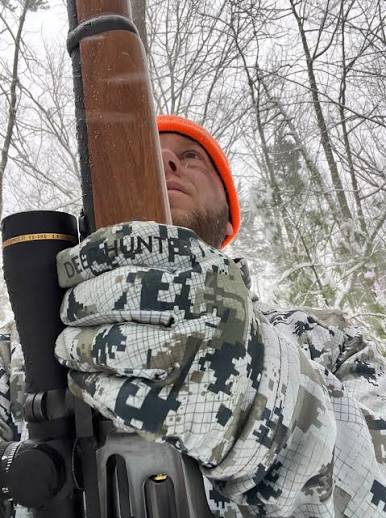
5. Mossy Oak Lightweight Hunting Gloves
Mossy Oak Lightweight Hunting Gloves are a sensible choice for early-season deer, turkey, and bow hunters who value low bulk and camouflage more than heavy insulation.
Key Features
- Lightweight construction
- Mossy Oak camouflage
- Full-finger design
- Intended for hunting and outdoor use
Pros
- Low bulk supports dexterity
- Easy to carry as a spare or liner-style glove
- Hunting-specific camouflage appearance
Cons
- Limited warmth during long cold sits
- Light materials may offer less abrasion resistance than work gloves
Field Notes
These gloves are most useful when walking, scouting, or hunting in mild conditions. Carry a warmer backup if temperatures may fall or wind increases.
Safety and Legal Notes
Check for loose seams and fingertip material. Never rely on a thin glove for protection from blades, thorns, heat, or mechanical hazards.
Best For
Best Lightweight Camouflage Option.
6. Camouflage Convertible Fingerless Hunting Gloves
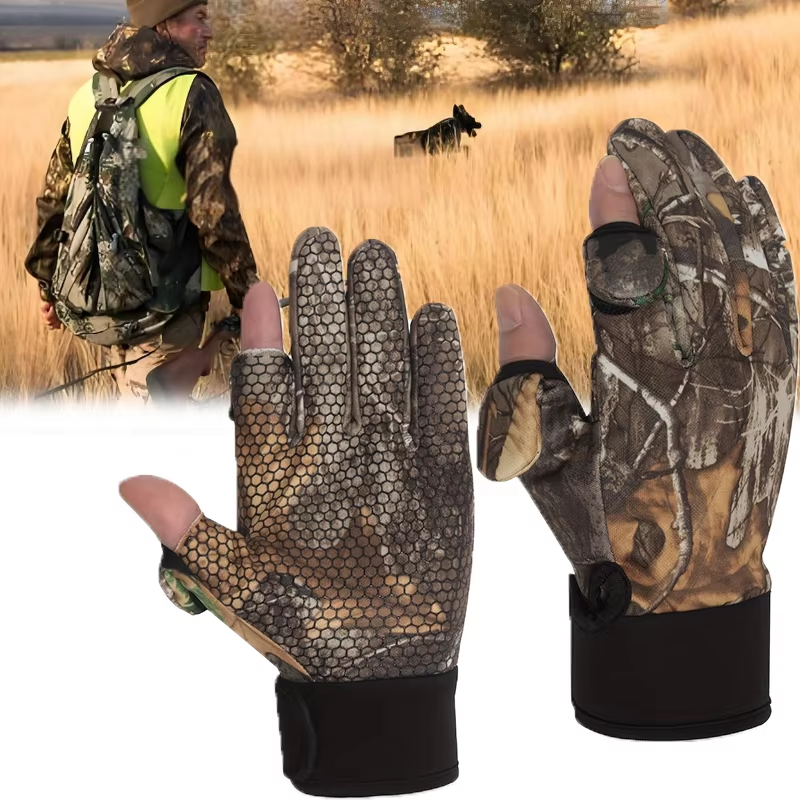
This convertible design is useful for hunters who alternate between warmth and fingertip access. It can help with calls, phones, knots, optics, and other small controls, but the fold-back section adds complexity.
Key Features
- Convertible fingerless layout
- Camouflage design
- Anti-slip palm treatment listed
- Quick access to exposed fingertips
Pros
- Fast transition between coverage and fingertip access
- Useful for tasks requiring tactile feedback
- More adaptable than a fixed fingerless glove
Cons
- Fold-back sections may snag or create noise
- Exposed fingertips lose warmth quickly
Field Notes
Practice opening and securing the convertible section with both hands. Ensure magnets, hook-and-loop tabs, or fabric flaps do not interfere with other equipment.
Safety and Legal Notes
Do not leave loose convertible panels near bowstrings, firearm controls, stove parts, rotating equipment, or other snag hazards.
Best For
Best Convertible Fingerless Option.
7. KEMIMOTO Touchscreen Tactical Gloves
The KEMIMOTO glove may appeal to hunters who want extra structure for camp setup, brushy terrain, paintball, riding, or general outdoor chores. Its protective styling adds bulk compared with thin hunting gloves.
Key Features
- Touchscreen-compatible fingertips
- Reinforced protective styling
- Adjustable wrist closure
- Designed for multiple outdoor activities
Pros
- More structured hand coverage than a thin liner
- Touchscreen capability supports basic device use
- Useful for rough setup and utility tasks
Cons
- Potentially bulky for precise hunting controls
- May be noisier and less breathable than lightweight hunting gloves
Field Notes
Treat it as a utility or protective glove. Check knuckle bulk, finger articulation, noise, and cuff compatibility before deciding whether it suits actual hunting use.
Safety and Legal Notes
Protective styling does not establish impact, cut, or professional safety certification. Use only for activities supported by the current manufacturer listing.
Best For
Best Protective Multi-Purpose Option.
8. KUMGIM Touchscreen Motorcycle and Outdoor Gloves
The KUMGIM model is a multi-activity glove rather than a hunting-specific design. It may work for transport, camp chores, gear handling, or rough outdoor tasks, but hunters should evaluate whether its bulk and materials fit their hunting method.
Key Features
- Touchscreen-compatible design
- Protective motorcycle-style construction
- Adjustable wrist area
- Multi-activity outdoor use
Pros
- Versatile for multiple outdoor activities
- Structured design can help with general gear handling
- Touchscreen feature adds convenience
Cons
- Not optimized for insulation or quiet close-range hunting
- Protective panels may reduce fine dexterity
Field Notes
Consider this glove for travel and utility work rather than as the only hunting glove. A quiet lightweight or insulated backup may still be necessary.
Safety and Legal Notes
Do not assume motorcycle-style padding provides certified impact protection. Check the live listing and never use bulky gloves when they compromise safe control.
Best For
Best Budget Multi-Activity Glove.
How to Choose the Best Hunting Gloves
Choose the Right Type
Light liners prioritize feel and moisture management. Midweight softshell gloves balance dexterity with wind protection. Waterproof-style gloves are useful in rain, snow, boats, and wet vegetation. Insulated gloves and mittens are best for long stationary periods. Many hunters benefit from carrying two or three layers instead of one oversized glove.
Match the Gear to Your Hunting Style
Bow hunters often prioritize quiet materials and a precise fit. Backcountry hunters need breathability, fast drying, and low pack weight. Waterfowl hunters need long cuffs and wet-weather grip. Tree-stand and late-season hunters need more insulation because inactivity reduces heat production.
Check Fit, Sizing, and Comfort
Measure around the widest part of the palm and compare the result with the current manufacturer size chart. A glove that is too tight can reduce circulation; one that is too loose can bunch, snag, and interfere with equipment control.
Consider Weight and Packability
Light gloves are easier to carry and layer, but they may offer limited warmth. A compact liner and an over-mitten often provide more flexibility than one bulky pair.
Look at Materials and Durability
Softshell fabrics stretch and block some wind. Fleece is quiet but may allow wind through. Wool manages moisture and odor. Neoprene performs well around water but can trap sweat. Leather and reinforced synthetics increase abrasion resistance but may add stiffness and noise.
Think About Weather Protection
Do not treat weather resistance as a universal guarantee. Check whether the current product is described as waterproof, water-resistant, wind-resistant, or merely insulated. Cuff design, seam condition, exposure time, and perspiration all affect field performance.
Check Compatibility
Test gloves with jacket cuffs, watch straps, binocular harnesses, trekking poles, releases, rangefinders, zippers, touchscreens, and other equipment. Safe control matters more than a feature list.
Understand Safety and Legal Requirements
Gloves do not make equipment use automatically safe or legal. Check season dates, licenses, tags, legal equipment rules, blaze-orange requirements, public-land rules, firearm and bow transport rules, and manufacturer instructions.
Understand the Product’s Limits
No glove guarantees warmth, dry hands, secure grip, injury prevention, or hunting success. Conditions, circulation, activity, fit, maintenance, and individual tolerance all matter.
Important Hunting, Outdoor, and Firearm Safety Tips Before You Buy
- Follow local hunting laws, land-access rules, firearm and archery safety rules, and manufacturer instructions.
- Check seasons, licenses, tags, legal equipment, blaze-orange requirements, transport rules, and storage laws.
- Carry navigation, first aid, water, weather protection, communication tools, a light source, and a trip plan.
- Practice with the complete glove and equipment setup before the hunt.
- Keep fingers outside the trigger guard until legally ready to fire and maintain safe muzzle direction at all times.
- Do not use a glove that interferes with safe bow, firearm, knife, stove, stand, or boat operation.
- Store firearms, knives, and sharp tools securely away from children and unauthorized users.
- Contact a qualified instructor, guide, manufacturer, wildlife agency, or local authority when uncertain.
Common Mistakes to Avoid
- Buying the warmest glove without considering sweat and activity level.
- Choosing a size that compresses the fingertips or leaves excess loose material.
- Assuming water-resistant means waterproof during prolonged exposure.
- Relying on one pair for hiking, wet work, and long stationary sits.
- Ignoring noise, cuff gaps, drying time, and compatibility with other equipment.
- Waiting until opening day to test grip, dexterity, and safe control.
- Using worn or damaged gloves around ropes, stands, tools, blades, stoves, or moving equipment.
Troubleshooting Common Problems
| Problem | Possible Cause | What to Do |
|---|---|---|
| Cold fingers | Gloves too tight, damp liner, wind exposure, low activity | Loosen the system, replace wet liners, add a mitten shell, warm the core, and move safely. |
| Loss of dexterity | Glove too large or overly insulated | Use a thinner liner for precise tasks and a removable over-mitten for warmth. |
| Poor grip | Wet, icy, muddy, worn, or contaminated palm | Clean and dry the glove, inspect overlays, and replace it if grip remains unreliable. |
| Wet insulation | Sweat, cuff entry, seam damage, immersion | Vent earlier, change liners, protect cuffs, and dry the glove away from direct heat. |
| Hands overheat | Too much insulation during hiking | Switch to a liner, open cuffs, and add insulation again before stopping. |
| Glove feels noisy | Stiff shell, hook-and-loop, reinforced palm | Use a quieter glove during close-range hunting and reserve the noisy pair for setup work. |
When to Get Professional Help
Contact the manufacturer for unclear sizing, care, defects, or material claims. Seek a qualified firearms instructor or archery technician when gloves interfere with safe equipment control. Contact a medical professional for persistent numbness, color changes, pain, frostbite concerns, allergic reactions, or circulation problems. Ask the local wildlife agency, land manager, or authority about legal equipment and access rules.
Maintenance and Care Tips
- Read the care label before washing or applying waterproofing treatment.
- Brush off mud and debris before they damage seams or palm overlays.
- Dry gloves completely with gentle airflow and keep them away from flames, stove pipes, and high heat.
- Remove liners when possible so trapped moisture can escape.
- Condition leather only with a product approved by the manufacturer.
- Inspect seams, fingertips, cuffs, closures, and grip surfaces before each trip.
- Store clean gloves uncompressed in a cool, dry place.
- Keep one dry backup pair sealed inside the pack.
Final Verdict
Among these eight products, the DecoyPro Men’s Camo Touchscreen Hunting Gloves are the strongest all-around lightweight hunting choice, while the Mossy Oak Lightweight Hunting Gloves suit mild-weather hunters who value low bulk. The Huntworth Youth Classic is the clearest youth-specific option, and the Mechanix Wear Original MultiCam is better reserved for camp setup and gear handling. Convertible and tactical-style models can be useful for specialized or multi-activity tasks, but they should not be treated as guaranteed cold-weather, waterproof, impact-rated, or hunting-specific protection. Choose the best hunting gloves according to fit, weather, activity level, noise, safe equipment control, and the current manufacturer listing. Carry a dry backup, practice with the full setup, and follow all hunting, firearm, archery, land-use, and manufacturer rules.
Frequently Asked Questions
1. What are the best hunting gloves for most hunters?
For most hunters, a close-fitting softshell glove with a grippy palm and enough room for a thin liner offers the best balance of dexterity, wind protection, and versatility.
2. How do I know whether hunting gloves are worth buying?
They are worth buying when they solve a specific problem—cold hands, wet weather, brush protection, poor grip, or loss of dexterity—without creating a new safety or fit problem.
3. Should hunting gloves fit tight or loose?
They should fit close without compressing the fingertips. Compression reduces circulation, while excess material reduces control and can snag.
4. How much room should be left at the fingertips?
A small amount of space is acceptable, but the glove should not fold over the fingertip or bunch when you grip equipment.
5. Are mittens warmer than gloves?
Usually yes, because fingers share heat inside one compartment. The tradeoff is reduced dexterity.
6. Are fingerless hunting gloves useful?
Yes, in mild weather or as liners when tactile control matters. They offer limited protection from cold, brush, and moisture.
7. What is the best glove system for very cold weather?
A moisture-managing liner, an insulating glove or mitten, and a wind- or water-resistant shell is more adaptable than one overly bulky glove.
8. Are waterproof hunting gloves truly waterproof?
Some use waterproof membranes, but water can still enter through cuffs, damaged seams, or prolonged immersion. Always review the current manufacturer description.
9. What is the difference between waterproof and water-resistant gloves?
Water-resistant gloves handle light moisture for a limited time. Waterproof gloves use a barrier intended to stop water penetration, though real-world performance depends on condition and design.
10. Do waterproof gloves breathe?
Many breathable membranes release some moisture vapor, but all gloves can become damp during hard activity. Venting and changing liners may still be necessary.
11. What insulation is best for hunting gloves?
Synthetic insulation is practical in damp conditions, wool manages moisture well, and down offers high warmth for weight but is less common in gloves and must stay dry.
12. How much insulation do I need?
Match insulation to temperature, wind, precipitation, activity level, circulation, and how long you will remain still.
13. Can one pair work for the entire hunting season?
Rarely. A light glove and a warmer backup provide better flexibility across changing conditions.
14. What gloves are best for early-season deer hunting?
Thin, quiet, breathable gloves with good grip are usually more useful than heavily insulated models.
15. What gloves are best for late-season deer hunting?
Insulated mittens or layered gloves with wind protection are generally better for long stationary sits.
16. What gloves are best for elk hunting?
Light or midweight gloves that breathe during climbing and fit under a warmer shell work well for mobile mountain hunts.
17. What gloves are best for bow hunting?
Choose quiet, close-fitting gloves that allow consistent contact with the release, string area, and other equipment during safe practice.
18. What gloves are best for waterfowl hunting?
Long-cuff, wet-weather gloves with good grip are useful, plus a dry backup pair stored in a waterproof bag.
19. Are neoprene gloves good for hunting?
They can be effective around water and wind but may trap sweat and reduce breathability during active hiking.
20. Are leather gloves good for hunting?
Leather offers durability and grip but can become stiff when wet unless properly designed and maintained.
21. Are wool gloves good for hunting?
Wool remains useful because it manages moisture and insulates when damp, but knit wool alone may allow wind through.
22. Are fleece gloves good for hunting?
Fleece is light and quiet but often needs a wind-resistant shell in exposed conditions.
23. Are softshell gloves good for hunting?
Yes, for active use and moderate weather. They typically balance stretch, wind resistance, and dexterity.
24. Do touchscreen hunting gloves work well?
They are convenient for simple taps, but accuracy varies. Do not depend on touchscreen compatibility for emergency communication without testing it.
25. How can I keep my hands warm without bulky gloves?
Keep your core warm, avoid tight cuffs, manage sweat, use liners, add hand warmers safely, and switch to mittens during long inactive periods.
26. Can hand warmers be used inside gloves?
Yes, when the product instructions allow it. Avoid direct prolonged skin contact and stop use if you feel excessive heat, pain, or numbness.
27. Why do my fingers get cold even in insulated gloves?
Common causes include tight sizing, damp liners, wind exposure, low activity, poor circulation, or insulation compressed by gripping.
28. Why do my hands sweat inside gloves?
The glove may be too warm or not breathable enough for your activity. Reduce insulation during hiking and add it again when stationary.
29. How do I prevent wet insulation?
Vent early, carry spare liners, keep cuffs covered, store backups in a waterproof bag, and dry gloves fully after use.
30. How do I improve dexterity in winter gloves?
Use a thin liner under a removable mitten or choose pre-curved, properly sized gloves with minimal excess fingertip material.
31. Are hunting gloves noisy?
Some shells, hook-and-loop closures, and reinforced palms create noise. Test them in a quiet room before bow hunting or close-range hunting.
32. What palm material gives the best grip?
Textured synthetic palms, silicone prints, and supple leather can work well. Grip still changes with mud, ice, water, and wear.
33. Should gloves cover the jacket cuff?
Either over-cuff or under-cuff systems can work. The important point is eliminating gaps where wind, snow, or water can enter.
34. How should women size hunting gloves?
Use hand measurements rather than assuming a unisex size. Finger length, palm width, and cuff shape matter more than the label.
35. How should youth hunting gloves fit?
They should fit securely without excess fingertip material. Adult supervision and safe equipment handling remain essential.
36. Can I use ski gloves for hunting?
Yes for warmth, but check noise, color, grip, cuff compatibility, and whether the bulk interferes with lawful equipment handling.
37. Can I use work gloves for hunting?
They are useful for setup and camp chores but may be noisy, bulky, or poorly suited to precise tasks.
38. What are the best budget hunting gloves?
A simple liner plus a durable midweight glove often provides better value than one cheap glove expected to handle every condition.
39. Are premium hunting gloves worth it?
They can be when fit, durability, quieter fabrics, better patterning, and weather protection match your hunting style.
40. How many pairs should I carry?
At least one primary pair and one dry backup is sensible in cold or wet weather. Backcountry trips may justify additional liners.
41. How do I pack gloves so they stay dry?
Store backup gloves in a sealed waterproof bag inside the pack, away from leaking hydration systems and wet clothing.
42. How do I clean hunting gloves?
Follow the care label. Use mild detergent when allowed, avoid fabric softener on technical membranes, and never apply high heat unless approved.
43. Can hunting gloves go in a dryer?
Only when the manufacturer allows it. High heat can damage membranes, adhesives, leather, and insulation.
44. How do I dry gloves in camp?
Open cuffs, remove liners when possible, keep them away from direct flames and hot stove surfaces, and use gentle airflow.
45. How do I store hunting gloves after the season?
Clean and dry them completely, repair small damage, and store them uncompressed in a cool, dry area.
46. When should hunting gloves be replaced?
Replace them when holes, failed seams, degraded grip, damaged membranes, or compacted insulation affect function or safety.
47. Can I repair small holes?
Small shell damage may be repairable with a manufacturer-approved patch. Replace gloves when repairs cannot restore safe function.
48. Why is the grip peeling off my gloves?
Abrasion, heat, chemicals, age, and repeated washing can degrade overlays. Follow care instructions and replace the glove if grip becomes unreliable.
49. What should I test before a hunt?
Test fit, cuff overlap, noise, grip, touchscreen use, layering, drying time, and safe control of every piece of equipment you may use.
50. What should I avoid doing with hunting gloves?
Do not rely on them for cut protection, fire protection, electrical work, or guaranteed warmth unless the manufacturer specifically rates them for that use.
51. Can gloves interfere with firearm safety?
Yes. Bulky or loose gloves can reduce control. Keep the finger outside the trigger guard until legally ready to fire and use only gloves that permit safe operation.
52. Can gloves interfere with archery equipment?
Yes. Seams, loose material, or bulky cuffs can contact strings, releases, or moving parts. Test the complete setup under qualified supervision.
53. Do blaze-orange rules apply to gloves?
Rules vary by jurisdiction and season. Gloves alone usually do not replace required visible garments, so check local regulations.
54. When should I contact the manufacturer?
Contact the manufacturer about unclear sizing, waterproof claims, material allergies, warranty questions, defects, care instructions, or compatibility.
55. When should I get professional help?
Seek help from a qualified instructor, guide, outfitter, medical professional, or local authority when gear affects safe handling, legal compliance, circulation, injury risk, or wilderness safety.