
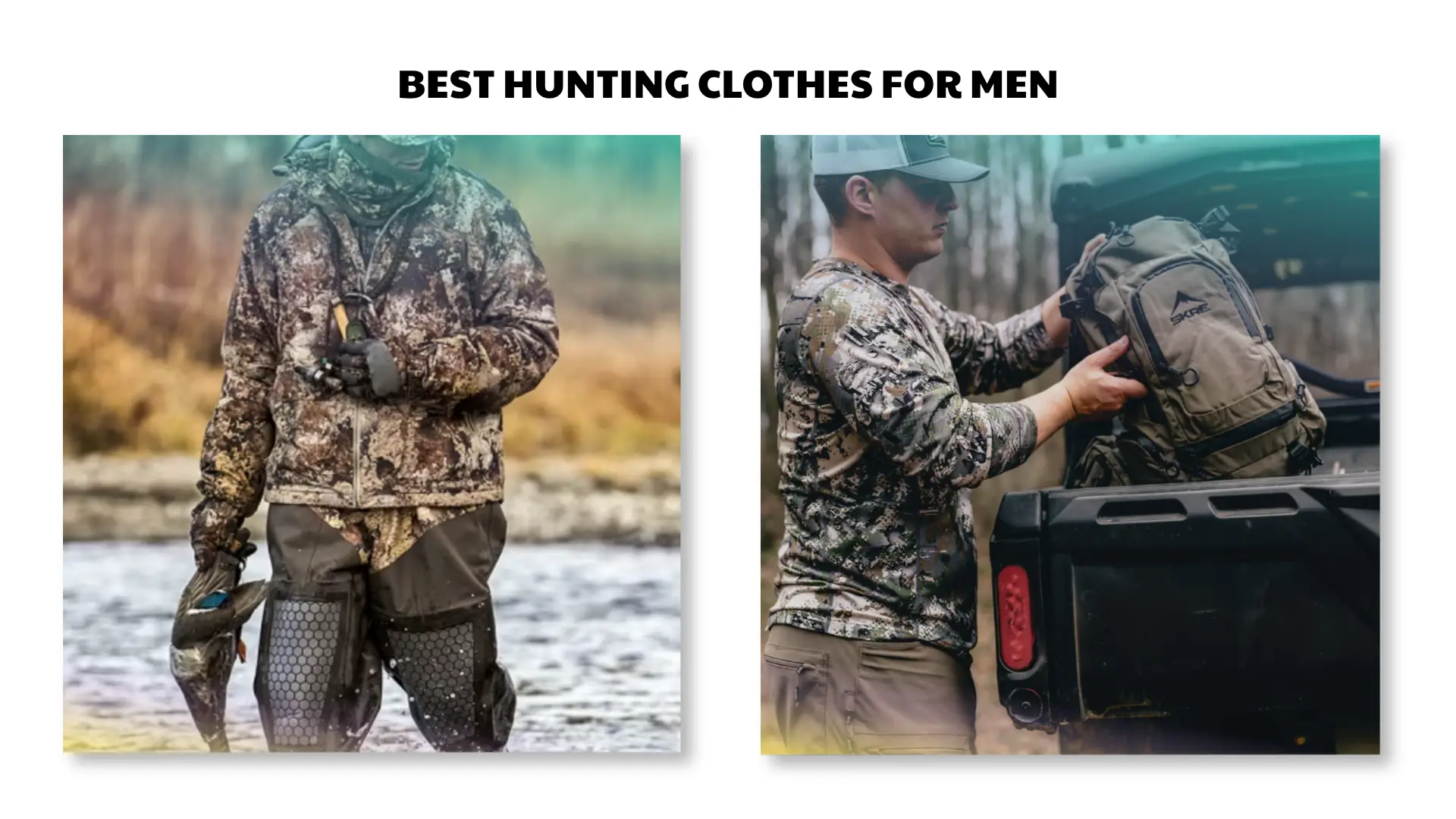

Finding the best hunting clothes for men is not about buying one camo jacket and hoping it works everywhere. A reliable men’s hunting outfit is a layering system that helps you stay dry, warm, quiet, mobile, and comfortable while adapting to changing weather, long walks, cold sits, wet brush, snow, wind, and rough terrain.
This guide compares 15 practical hunting clothing picks for men, including softshell jackets, rain shells, mountain pants, fleece hoodies, merino base layers, insulated jackets, cold-weather pants, bibs, and stretch hoodies. The article is written for hunters who want useful Amazon product options, a clear comparison table, and beginner-friendly buying advice without hype or unsupported claims.
The products are compared by build quality, fabric type, warmth, waterproof or water-resistant protection, breathability, quietness, mobility, layering value, fit, and field usefulness. Because hunting conditions vary widely, always choose clothing based on your local season, legal requirements, terrain, expected weather, and personal safety needs.
Key Takeaways
- The best hunting clothes for men work as a system: base layer, mid layer, insulation, and weather shell.
- Choose breathable clothing for active hunts and warmer insulated clothing for long treestand, blind, or glassing sessions.
- Waterproof protection is important for rain, slush, creek crossings, wet grass, and brush soaked with morning dew.
- Wind resistance matters because cold wind can drain heat quickly during exposed ridge, field-edge, and late-season hunts.
- Fit is critical because men often layer over base layers, under packs, with binocular harnesses, gloves, boots, and rain gear.
- Footwear still matters: pair your clothing with warm hunting boots for winter, insulated waterproof hunting boots, or waterproof hunting boots for snow when conditions require it.
- Always follow hunting license rules, legal seasons, visibility clothing requirements, land access laws, and ethical field practices.
Quick Picks:
- Best Overall: SITKA Gear Men’s Hunting Windproof Jetstream Jacket on Amazon
- Best Mountain Pant: SITKA Gear Mountain Performance Hunting Pant on Amazon
- Best Rain Jacket: SITKA Dew Point Hooded Hunting Jacket on Amazon
- Best Base Layer: First Lite Men’s Kiln Hoody on Amazon
- Best Cold-Weather Jacket: Badlands Men’s Calor Jacket on Amazon
- Best Late-Season Pick: Badlands Pyre Jacket on Amazon
- Best Value Pant: King’s Camo Men’s XKG Ridge Pant on Amazon
Comparison Table: Best Hunting Clothes for Men
| Product | Best For | Material / Build | Insulation / Warmth | Waterproof / Weather Protection | Field Use | Check Price |
|---|---|---|---|---|---|---|
| SITKA Gear Men’s Hunting Windproof Jetstream Jacket | Best Overall Softshell | Wind-resistant softshell hunting jacket | Moderate warmth when layered | Wind and light weather protection | Mobile deer, elk, turkey, and general big-game hunting | Check Price on Amazon |
| SITKA Gear Mountain Performance Hunting Pant | Best Mountain Pant | Stretch-woven technical hunting pant | Light to moderate warmth with base layers | Light weather resistance for active conditions | Steep terrain, hiking, scouting, and spot-and-stalk hunting | Check Price on Amazon |
| SITKA Dew Point Hooded Hunting Jacket | Best Rain Jacket | Packable waterproof hunting shell | Shell-only warmth over other layers | Rain, wet brush, and changing mountain weather | Backpack hunts, wet conditions, and emergency weather protection | Check Price on Amazon |
| SITKA Gear Men’s Dew Point Hunting Pant | Best Rain Pant | Lightweight waterproof shell pant | Shell-only lower-body warmth | Rain, wet brush, snow, and slush protection | Layering over hunting pants in wet field conditions | Check Price on Amazon |
| SITKA Traverse Hunting Hoody | Best Fleece Hoody | Fleece-style hooded hunting mid layer | Moderate warmth for cool mornings | Best under a shell in rough weather | Mid-layer comfort, glassing breaks, camp, and quiet movement | Check Price on Amazon |
| SITKA Ambient 75 Hoodie | Best Active Insulation | Light active-insulation hoodie | Light to moderate active warmth | Best under a shell in rain or heavy wind | Move-stop-move hunting styles and high-output hunts | Check Price on Amazon |
| First Lite Men’s Kiln Hoody | Best Merino Hoody | Merino-blend hooded hunting layer | Midweight base or light mid-layer warmth | Not a weather shell | Multi-day hunts, cool mornings, and layering under jackets | Check Price on Amazon |
| First Lite Men’s Kiln Long John | Best Base Layer Bottom | Merino-blend lower base layer | Midweight lower-body warmth | Depends on outer pants | Cold mornings, long sits, glassing, and layering under pants | Check Price on Amazon |
| First Lite Men’s Kiln Quarter Zip | Best Quarter-Zip Layer | Merino-blend quarter-zip hunting top | Midweight warmth with ventilation control | Not windproof or waterproof by itself | Base or mid layer under jackets, vests, and rain shells | Check Price on Amazon |
| Badlands Men’s Calor Jacket | Best Cold-Weather Jacket | Insulated-style hunting jacket | Cold-weather warmth over base and mid layers | Field-weather comfort with proper layering | Cold rifle seasons, glassing, sitting, and slow hunting | Check Price on Amazon |
| Badlands Calor Hunting Pant | Best Cold-Weather Pant | Cold-weather hunting pant | Warmer than lightweight mountain pants | Cool and cold conditions with outer layering as needed | Slow hunting, glassing, rifle seasons, and cold mornings | Check Price on Amazon |
| Badlands Pyre Jacket | Best Late-Season Jacket | Waterproof insulated hunting coat | High warmth for cold conditions | Cold, wet, windy, and snowy weather protection | Late-season glassing, long sits, and harsh-weather hunts | Check Price on Amazon |
| Badlands Pyre Bib | Best Insulated Bib | Waterproof insulated hunting bib | High lower-body warmth | Cold wet weather protection | Treestand sits, blind hunts, glassing, snow, and freezing conditions | Check Price on Amazon |
| Badlands Draw Hoodie | Best Stretch Hoodie | Stretch hunting hoodie with built-in field comfort | Light to moderate warmth | Dry to mild conditions or under a shell | Bowhunting, scouting, turkey hunting, and quiet early-season movement | Check Price on Amazon |
| King’s Camo Men’s XKG Ridge Pant | Best Value Mountain Pant | Lightweight active-hunting pant | Light warmth with layering | Light weather protection with shell backup as needed | Scouting, hiking, early-season hunts, and mobile public-land hunting | Check Price on Amazon |
This comparison shows why men’s hunting clothes should be selected by role rather than by camo pattern alone. A softshell jacket can be excellent for wind and mobility, but rain gear is better for sustained wet weather. Lightweight mountain pants help active hunters cover ground, while insulated bibs and cold-weather jackets are better for late-season sits. Base layers and hoodies may look simple, but they often decide whether you stay comfortable when sweat, wind, and temperature changes become a problem.
15 Best Hunting Clothes for Men Reviewed
1. SITKA Gear Men’s Hunting Windproof Jetstream Jacket on Amazon
Short Overview
SITKA Gear Men’s Hunting Windproof Jetstream Jacket is a strong option for men who want best overall softshell in a practical hunting clothing system. It is best used for mobile deer, elk, turkey, and general big-game hunting, where comfort, movement, weather awareness, and dependable layering matter more than flashy features. The main benefit is that it fills a specific role instead of trying to be every piece of clothing at once. For hunters who move between scouting, hiking, sitting, glassing, and returning through wet or cold terrain, this kind of focused apparel makes planning easier.
Men choosing hunting clothes should think about how this piece works with base layers, jackets, pants, rain shells, gloves, gaiters, socks, and boots. This product can help solve common buyer problems such as overheating, cold wind, wet conditions, poor fit, restricted movement, and overpacking the wrong layer. It is especially useful when selected for the right season and paired with the correct outer or inner layers. As with any hunting clothing, check sizing, fabric care instructions, weather suitability, and return policies before buying.
Key Features
- Wind-focused outer layer for exposed terrain
- Hunting-specific cut for mobility and layering
- Useful pockets for field essentials
- Designed for active use rather than bulky sitting only
- Works as a core outer layer in a men’s hunting clothing system
Pros
- Strong all-around choice for many hunting seasons
- Good balance of mobility, weather protection, and comfort
- Useful for men who hike, glass, and sit during the same hunt
- Pairs well with base layers and insulation
Cons
- Not a substitute for dedicated waterproof rain gear
- Premium hunting apparel may cost more than basic camo
- May feel warm during hard climbs in mild weather
Who It’s Best For
Men who want one dependable outer layer for cool, windy, active hunts and prefer a technical softshell over a bulky jacket.
2. SITKA Gear Mountain Performance Hunting Pant on Amazon
Short Overview
SITKA Gear Mountain Performance Hunting Pant is a strong option for men who want best mountain pant in a practical hunting clothing system. It is best used for steep terrain, hiking, scouting, and spot-and-stalk hunting, where comfort, movement, weather awareness, and dependable layering matter more than flashy features. The main benefit is that it fills a specific role instead of trying to be every piece of clothing at once. For hunters who move between scouting, hiking, sitting, glassing, and returning through wet or cold terrain, this kind of focused apparel makes planning easier.
Men choosing hunting clothes should think about how this piece works with base layers, jackets, pants, rain shells, gloves, gaiters, socks, and boots. This product can help solve common buyer problems such as overheating, cold wind, wet conditions, poor fit, restricted movement, and overpacking the wrong layer. It is especially useful when selected for the right season and paired with the correct outer or inner layers. As with any hunting clothing, check sizing, fabric care instructions, weather suitability, and return policies before buying.
Key Features
- Stretch construction for climbing and kneeling
- Built for long walks and uneven ground
- Works with base layers in cooler weather
- Pocket layout suited to field use
- Good choice for a lightweight men’s hunting outfit
Pros
- Comfortable for hunters who cover miles
- Less bulky than insulated bibs or stand pants
- Versatile for early to mid-season hunts
- Pairs well with gaiters in brush, snow, and wet grass
Cons
- Not warm enough alone for long cold sits
- Rain pants may still be needed in heavy weather
- Athletic fit may require careful sizing
Who It’s Best For
Men who hunt western terrain, public land, ridges, timber edges, and any setup where walking comfort matters.
3. SITKA Dew Point Hooded Hunting Jacket on Amazon
Short Overview
SITKA Dew Point Hooded Hunting Jacket is a strong option for men who want best rain jacket in a practical hunting clothing system. It is best used for backpack hunts, wet conditions, and emergency weather protection, where comfort, movement, weather awareness, and dependable layering matter more than flashy features. The main benefit is that it fills a specific role instead of trying to be every piece of clothing at once. For hunters who move between scouting, hiking, sitting, glassing, and returning through wet or cold terrain, this kind of focused apparel makes planning easier.
Men choosing hunting clothes should think about how this piece works with base layers, jackets, pants, rain shells, gloves, gaiters, socks, and boots. This product can help solve common buyer problems such as overheating, cold wind, wet conditions, poor fit, restricted movement, and overpacking the wrong layer. It is especially useful when selected for the right season and paired with the correct outer or inner layers. As with any hunting clothing, check sizing, fabric care instructions, weather suitability, and return policies before buying.
Key Features
- Lightweight shell design for packability
- Hooded coverage for wet weather
- Useful over fleece, softshell, or insulation
- Made for hunters who need weather backup
- Helps keep core layers dry in rain
Pros
- Easy to carry when the forecast is uncertain
- Useful for wet brush and surprise storms
- A smart part of any men’s hunting clothing system
- Works across multiple species and seasons
Cons
- Not designed as a primary insulation layer
- Can feel warm if worn during intense hiking
- Rain shells can be noisier than fleece or softshell
Who It’s Best For
Men who hunt in unpredictable weather and want a packable shell rather than relying on water-resistant layers only.
4. SITKA Gear Men’s Dew Point Hunting Pant on Amazon
Short Overview
SITKA Gear Men’s Dew Point Hunting Pant is a strong option for men who want best rain pant in a practical hunting clothing system. It is best used for layering over hunting pants in wet field conditions, where comfort, movement, weather awareness, and dependable layering matter more than flashy features. The main benefit is that it fills a specific role instead of trying to be every piece of clothing at once. For hunters who move between scouting, hiking, sitting, glassing, and returning through wet or cold terrain, this kind of focused apparel makes planning easier.
Men choosing hunting clothes should think about how this piece works with base layers, jackets, pants, rain shells, gloves, gaiters, socks, and boots. This product can help solve common buyer problems such as overheating, cold wind, wet conditions, poor fit, restricted movement, and overpacking the wrong layer. It is especially useful when selected for the right season and paired with the correct outer or inner layers. As with any hunting clothing, check sizing, fabric care instructions, weather suitability, and return policies before buying.
Key Features
- Packable waterproof lower-body layer
- Useful over softshell or mountain pants
- Helps protect base layers from soaking through
- Practical for wet grass and brush
- Good emergency layer for backpack hunters
Pros
- Protects legs when vegetation is wet
- Can extend the usefulness of lighter pants
- Good for rainy hunts and mountain storms
- Easy to combine with gaiters
Cons
- Not a warm insulated pant by itself
- Fit over boots should be checked before a trip
- May not be necessary in dry climates
Who It’s Best For
Men who hunt in rain, snow, wet grass, or public-land areas where weather can change quickly.
5. SITKA Traverse Hunting Hoody on Amazon
Short Overview
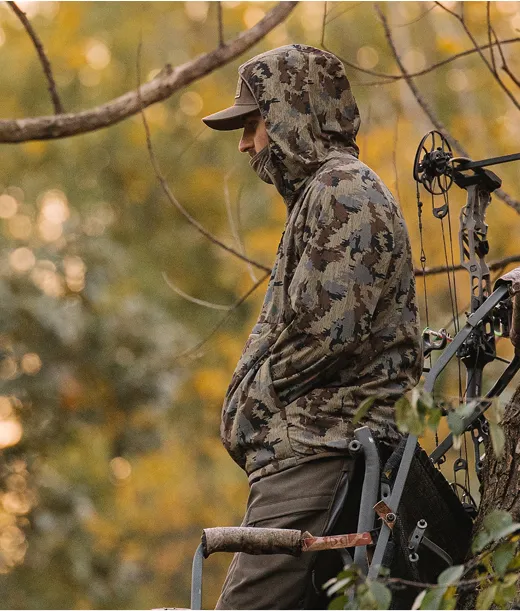
SITKA Traverse Hunting Hoody is a strong option for men who want best fleece hoody in a practical hunting clothing system. It is best used for mid-layer comfort, glassing breaks, camp, and quiet movement, where comfort, movement, weather awareness, and dependable layering matter more than flashy features. The main benefit is that it fills a specific role instead of trying to be every piece of clothing at once. For hunters who move between scouting, hiking, sitting, glassing, and returning through wet or cold terrain, this kind of focused apparel makes planning easier.
Men choosing hunting clothes should think about how this piece works with base layers, jackets, pants, rain shells, gloves, gaiters, socks, and boots. This product can help solve common buyer problems such as overheating, cold wind, wet conditions, poor fit, restricted movement, and overpacking the wrong layer. It is especially useful when selected for the right season and paired with the correct outer or inner layers. As with any hunting clothing, check sizing, fabric care instructions, weather suitability, and return policies before buying.
Key Features
- Soft mid-layer feel for hunting comfort
- Hooded design for added warmth
- Works under shells and jackets
- Useful for cool but not extreme conditions
- Good everyday piece for scouting and range practice
Pros
- Comfortable enough for frequent use
- Quieter than many slick outer shells
- Easy to layer over a base layer
- Works for hunters who want versatility
Cons
- Not waterproof as a main rain layer
- May require a shell in high wind
- Can be too warm for hot-weather hiking
Who It’s Best For
Men who want a practical hoodie for early mornings, treestand sits, mild weather, and layering under jackets.
6. SITKA Ambient 75 Hoodie on Amazon
Short Overview
SITKA Ambient 75 Hoodie is a strong option for men who want best active insulation in a practical hunting clothing system. It is best used for move-stop-move hunting styles and high-output hunts, where comfort, movement, weather awareness, and dependable layering matter more than flashy features. The main benefit is that it fills a specific role instead of trying to be every piece of clothing at once. For hunters who move between scouting, hiking, sitting, glassing, and returning through wet or cold terrain, this kind of focused apparel makes planning easier.
Men choosing hunting clothes should think about how this piece works with base layers, jackets, pants, rain shells, gloves, gaiters, socks, and boots. This product can help solve common buyer problems such as overheating, cold wind, wet conditions, poor fit, restricted movement, and overpacking the wrong layer. It is especially useful when selected for the right season and paired with the correct outer or inner layers. As with any hunting clothing, check sizing, fabric care instructions, weather suitability, and return policies before buying.
Key Features
- Designed for active layering
- Less bulky than heavy insulation
- Useful during climbs and glassing transitions
- Hooded warmth without a full coat feel
- Fits into a modern men’s hunting clothing system
Pros
- Great for hunters who do not sit all day
- More breathable than heavy late-season insulation
- Works under rain gear or softshells
- Helpful for changing weather and activity levels
Cons
- Not the warmest option for freezing treestand sits
- Still needs an outer layer for storm protection
- Premium active insulation can be expensive
Who It’s Best For
Men who walk, climb, scout, and still-hunt more than they sit motionless for hours.
7. First Lite Men’s Kiln Hoody on Amazon
Short Overview
First Lite Men’s Kiln Hoody is a strong option for men who want best merino hoody in a practical hunting clothing system. It is best used for multi-day hunts, cool mornings, and layering under jackets, where comfort, movement, weather awareness, and dependable layering matter more than flashy features. The main benefit is that it fills a specific role instead of trying to be every piece of clothing at once. For hunters who move between scouting, hiking, sitting, glassing, and returning through wet or cold terrain, this kind of focused apparel makes planning easier.
Men choosing hunting clothes should think about how this piece works with base layers, jackets, pants, rain shells, gloves, gaiters, socks, and boots. This product can help solve common buyer problems such as overheating, cold wind, wet conditions, poor fit, restricted movement, and overpacking the wrong layer. It is especially useful when selected for the right season and paired with the correct outer or inner layers. As with any hunting clothing, check sizing, fabric care instructions, weather suitability, and return policies before buying.
Key Features
- Merino-blend comfort for base or mid-layer use
- Hood adds warmth around head and neck
- Useful under softshells and rain shells
- Good for hunters who value moisture management
- Works in a simple three-layer system
Pros
- Comfortable next to skin or over a light base layer
- Useful for multi-day hunting clothing systems
- Less bulky than many fleece tops
- Good balance of warmth and mobility
Cons
- Needs outer protection in wind or rain
- Merino blends require proper care
- May be too warm for hot early-season afternoons
Who It’s Best For
Men who want a versatile base or mid layer for deer, elk, turkey, scouting, and camp use.
8. First Lite Men’s Kiln Long John on Amazon
Short Overview
First Lite Men’s Kiln Long John is a strong option for men who want best base layer bottom in a practical hunting clothing system. It is best used for cold mornings, long sits, glassing, and layering under pants, where comfort, movement, weather awareness, and dependable layering matter more than flashy features. The main benefit is that it fills a specific role instead of trying to be every piece of clothing at once. For hunters who move between scouting, hiking, sitting, glassing, and returning through wet or cold terrain, this kind of focused apparel makes planning easier.
Men choosing hunting clothes should think about how this piece works with base layers, jackets, pants, rain shells, gloves, gaiters, socks, and boots. This product can help solve common buyer problems such as overheating, cold wind, wet conditions, poor fit, restricted movement, and overpacking the wrong layer. It is especially useful when selected for the right season and paired with the correct outer or inner layers. As with any hunting clothing, check sizing, fabric care instructions, weather suitability, and return policies before buying.
Key Features
- Lower-body base layer for cold-weather hunting
- Designed to be worn under hunting pants or bibs
- Helps reduce chill during long stationary periods
- Useful with rain pants or insulated outerwear
- Good for men building a winter hunting outfit
Pros
- Adds warmth without changing outer pants
- Practical for freezing mornings and late seasons
- Useful for treestand and glassing setups
- Pairs well with wool or synthetic socks
Cons
- Can overheat during hard climbs if weather is mild
- Not an outer garment
- Sizing and comfort should be tested before long hunts
Who It’s Best For
Men who hunt in cool to cold weather and need reliable lower-body warmth under pants or bibs.
9. First Lite Men’s Kiln Quarter Zip on Amazon
Short Overview
First Lite Men’s Kiln Quarter Zip is a strong option for men who want best quarter-zip layer in a practical hunting clothing system. It is best used for base or mid layer under jackets, vests, and rain shells, where comfort, movement, weather awareness, and dependable layering matter more than flashy features. The main benefit is that it fills a specific role instead of trying to be every piece of clothing at once. For hunters who move between scouting, hiking, sitting, glassing, and returning through wet or cold terrain, this kind of focused apparel makes planning easier.
Men choosing hunting clothes should think about how this piece works with base layers, jackets, pants, rain shells, gloves, gaiters, socks, and boots. This product can help solve common buyer problems such as overheating, cold wind, wet conditions, poor fit, restricted movement, and overpacking the wrong layer. It is especially useful when selected for the right season and paired with the correct outer or inner layers. As with any hunting clothing, check sizing, fabric care instructions, weather suitability, and return policies before buying.
Key Features
- Quarter-zip opening for venting heat
- Useful under a softshell or rain jacket
- Comfortable for cool mornings and active hunts
- A simple piece for flexible layering
- Works across several hunting styles
Pros
- Easy to vent while hiking
- More adaptable than a basic crew top
- Good for men who layer carefully
- Useful from early fall into colder seasons
Cons
- Requires outer protection in rough weather
- May not be enough insulation for stationary cold sits
- Care instructions should be followed to preserve fabric
Who It’s Best For
Men who want a versatile top layer that can vent heat during climbs and add warmth during glassing or sitting.
10. Badlands Men’s Calor Jacket on Amazon
Short Overview
Badlands Men’s Calor Jacket is a strong option for men who want best cold-weather jacket in a practical hunting clothing system. It is best used for cold rifle seasons, glassing, sitting, and slow hunting, where comfort, movement, weather awareness, and dependable layering matter more than flashy features. The main benefit is that it fills a specific role instead of trying to be every piece of clothing at once. For hunters who move between scouting, hiking, sitting, glassing, and returning through wet or cold terrain, this kind of focused apparel makes planning easier.
Men choosing hunting clothes should think about how this piece works with base layers, jackets, pants, rain shells, gloves, gaiters, socks, and boots. This product can help solve common buyer problems such as overheating, cold wind, wet conditions, poor fit, restricted movement, and overpacking the wrong layer. It is especially useful when selected for the right season and paired with the correct outer or inner layers. As with any hunting clothing, check sizing, fabric care instructions, weather suitability, and return policies before buying.
Key Features
- Built for colder hunting conditions
- Works over base layers and mid layers
- Practical for glassing and slower movement
- Hunting-focused pocket and hood layout
- Good choice for men who get cold during long sits
Pros
- Warmer than lightweight softshell layers
- Useful in late fall and winter hunting setups
- Can reduce the need for multiple bulky layers
- Good for hunters who sit and glass often
Cons
- May be too warm for steep active hunts
- Bulkier than lightweight active layers
- Check sizing if wearing heavy layers underneath
Who It’s Best For
Men who hunt colder conditions and need more warmth than a fleece or softshell can provide.
11. Badlands Calor Hunting Pant on Amazon
Short Overview
Badlands Calor Hunting Pant is a strong option for men who want best cold-weather pant in a practical hunting clothing system. It is best used for slow hunting, glassing, rifle seasons, and cold mornings, where comfort, movement, weather awareness, and dependable layering matter more than flashy features. The main benefit is that it fills a specific role instead of trying to be every piece of clothing at once. For hunters who move between scouting, hiking, sitting, glassing, and returning through wet or cold terrain, this kind of focused apparel makes planning easier.
Men choosing hunting clothes should think about how this piece works with base layers, jackets, pants, rain shells, gloves, gaiters, socks, and boots. This product can help solve common buyer problems such as overheating, cold wind, wet conditions, poor fit, restricted movement, and overpacking the wrong layer. It is especially useful when selected for the right season and paired with the correct outer or inner layers. As with any hunting clothing, check sizing, fabric care instructions, weather suitability, and return policies before buying.
Key Features
- Designed for colder lower-body comfort
- Useful alternative to lightweight stretch pants
- Works with base layers in winter conditions
- Cargo-style utility for field storage
- Better for slow hunts than hot-weather scouting
Pros
- Good for men who sit, glass, and move slowly
- Adds comfort in colder seasons
- Can be paired with rain pants in wet weather
- More warmth than many early-season pants
Cons
- Too warm for hot early-season hikes
- May be heavier than minimalist pants
- Sizing should allow base layers underneath
Who It’s Best For
Men who need a warmer hunting pant for cold-weather deer, elk, predator, or late-season field use.
12. Badlands Pyre Jacket on Amazon
Short Overview
Badlands Pyre Jacket is a strong option for men who want best late-season jacket in a practical hunting clothing system. It is best used for late-season glassing, long sits, and harsh-weather hunts, where comfort, movement, weather awareness, and dependable layering matter more than flashy features. The main benefit is that it fills a specific role instead of trying to be every piece of clothing at once. For hunters who move between scouting, hiking, sitting, glassing, and returning through wet or cold terrain, this kind of focused apparel makes planning easier.
Men choosing hunting clothes should think about how this piece works with base layers, jackets, pants, rain shells, gloves, gaiters, socks, and boots. This product can help solve common buyer problems such as overheating, cold wind, wet conditions, poor fit, restricted movement, and overpacking the wrong layer. It is especially useful when selected for the right season and paired with the correct outer or inner layers. As with any hunting clothing, check sizing, fabric care instructions, weather suitability, and return policies before buying.
Key Features
- Insulated design for cold-weather hunting
- Weather-protective outer construction
- Useful for long stationary periods
- Works with base layers and bibs
- Good for men who hunt freezing mornings
Pros
- Strong choice for late-season cold
- Reduces wind and weather discomfort
- Useful for treestand, blind, and glassing setups
- Pairs well with insulated bibs
Cons
- Likely too warm for active warm-weather hunts
- Bulkier than active insulation layers
- Not every hunter needs this level of warmth
Who It’s Best For
Men who hunt in cold, wet, snowy, or windy late-season conditions and need serious outer-layer warmth.
13. Badlands Pyre Bib on Amazon
Short Overview
Badlands Pyre Bib is a strong option for men who want best insulated bib in a practical hunting clothing system. It is best used for treestand sits, blind hunts, glassing, snow, and freezing conditions, where comfort, movement, weather awareness, and dependable layering matter more than flashy features. The main benefit is that it fills a specific role instead of trying to be every piece of clothing at once. For hunters who move between scouting, hiking, sitting, glassing, and returning through wet or cold terrain, this kind of focused apparel makes planning easier.
Men choosing hunting clothes should think about how this piece works with base layers, jackets, pants, rain shells, gloves, gaiters, socks, and boots. This product can help solve common buyer problems such as overheating, cold wind, wet conditions, poor fit, restricted movement, and overpacking the wrong layer. It is especially useful when selected for the right season and paired with the correct outer or inner layers. As with any hunting clothing, check sizing, fabric care instructions, weather suitability, and return policies before buying.
Key Features
- Full bib coverage for cold-weather hunting
- Warmer than basic hunting pants
- Useful with insulated jackets
- Helps reduce drafts around the waist
- Good for men who sit still in cold weather
Pros
- Excellent for long stationary hunts
- Adds warmth to the core and legs
- Useful in snow and freezing wind
- Practical for late-season deer and predator hunting
Cons
- Not ideal for long warm hikes
- May feel bulky for mobile hunters
- Sizing over base layers should be checked
Who It’s Best For
Men who spend long hours in treestands, ground blinds, or glassing spots during cold seasons.
14. Badlands Draw Hoodie on Amazon
Short Overview
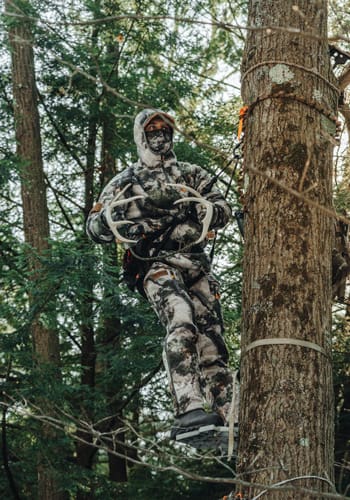
Badlands Draw Hoodie is a strong option for men who want best stretch hoodie in a practical hunting clothing system. It is best used for bowhunting, scouting, turkey hunting, and quiet early-season movement, where comfort, movement, weather awareness, and dependable layering matter more than flashy features. The main benefit is that it fills a specific role instead of trying to be every piece of clothing at once. For hunters who move between scouting, hiking, sitting, glassing, and returning through wet or cold terrain, this kind of focused apparel makes planning easier.
Men choosing hunting clothes should think about how this piece works with base layers, jackets, pants, rain shells, gloves, gaiters, socks, and boots. This product can help solve common buyer problems such as overheating, cold wind, wet conditions, poor fit, restricted movement, and overpacking the wrong layer. It is especially useful when selected for the right season and paired with the correct outer or inner layers. As with any hunting clothing, check sizing, fabric care instructions, weather suitability, and return policies before buying.
Key Features
- Stretch fabric for easier movement
- Hooded design for concealment and comfort
- Works as a quiet outer layer in mild weather
- Useful under jackets when temperatures drop
- Good everyday hunting hoodie for men
Pros
- Comfortable and easy to move in
- Good for archery and early-season hunts
- Less bulky than heavy jackets
- Versatile enough for scouting and camp
Cons
- Not a storm shell
- Not enough warmth for freezing long sits
- May need a vest or jacket in cold wind
Who It’s Best For
Men who want a flexible camo hoodie for mild weather, archery season, scouting, and layering.
15. King’s Camo Men’s XKG Ridge Pant on Amazon
Short Overview
King’s Camo Men’s XKG Ridge Pant is a strong option for men who want best value mountain pant in a practical hunting clothing system. It is best used for scouting, hiking, early-season hunts, and mobile public-land hunting, where comfort, movement, weather awareness, and dependable layering matter more than flashy features. The main benefit is that it fills a specific role instead of trying to be every piece of clothing at once. For hunters who move between scouting, hiking, sitting, glassing, and returning through wet or cold terrain, this kind of focused apparel makes planning easier.
Men choosing hunting clothes should think about how this piece works with base layers, jackets, pants, rain shells, gloves, gaiters, socks, and boots. This product can help solve common buyer problems such as overheating, cold wind, wet conditions, poor fit, restricted movement, and overpacking the wrong layer. It is especially useful when selected for the right season and paired with the correct outer or inner layers. As with any hunting clothing, check sizing, fabric care instructions, weather suitability, and return policies before buying.
Key Features
- Lightweight pant for active hunters
- Designed for movement and field comfort
- Works with base layers in cooler weather
- Useful for scouting and early seasons
- Good option for value-minded men’s hunting clothes
Pros
- Practical choice for hunters who walk a lot
- Less bulky than cold-weather pants
- Good value compared with some premium options
- Pairs well with rain gear or gaiters
Cons
- Not a late-season insulated pant
- Needs waterproof shell in heavy rain
- Fit and sizing should be checked carefully
Who It’s Best For
Men who want a versatile hunting pant for active hunts without jumping straight into premium pricing.
Buying Guide: Things to Consider Before Buying Men’s Hunting Clothes
Before choosing the best hunting clothes for men, start with your hunting style. A bowhunter moving quietly through early-season timber needs different clothing than a rifle hunter glassing in freezing wind or a waterfowl hunter sitting near wet marsh grass. Active hunts usually require breathable, flexible layers. Stationary hunts usually require more insulation, wind protection, and lower-body warmth.
Think about your terrain. Mountain hunters often need lightweight pants, a breathable base layer, a packable rain shell, gaiters, and a softshell jacket. Whitetail hunters in treestands may care more about silence, warmth, and room for layering. Turkey hunters often want lightweight camo that breaks up movement and does not overheat during spring mornings. Predator and late-season deer hunters may need insulated bibs, heavy jackets, warm hats, gloves, and cold weather hunting boots.
Temperature is one of the biggest buying factors. Lightweight layers are comfortable during warm scouting trips and early archery seasons, but they are not enough for freezing mornings. Heavy insulated clothing can be excellent for cold sits but uncomfortable during hard hikes. The best solution is usually a layered system: moisture-wicking base layer, breathable mid layer, insulation for stops, and a weather shell for rain, snow, or wind.
Insulation should match your activity level. If you hike hard, too much insulation can make you sweat, and sweat can make you cold once you stop. If you sit for long periods, not enough insulation can shorten your hunt and create cold-weather safety risks. Men who hunt in freezing temperatures should also consider warm hunting boots for winter, insulated waterproof hunting boots, and socks that leave toe room for circulation.
Waterproofing matters, but it should be used carefully. Waterproof hunting clothes are useful for rain, slush, wet brush, and snow. However, full waterproof shells can trap heat if worn during steep climbs. A common approach is to hike in breathable layers and keep rain gear in the pack until the weather turns. For deep snow, pair pants with gaiters and waterproof hunting boots for snow to keep moisture from moving up the legs.
Fit and sizing are critical. Base layers should fit close enough to move moisture away from the skin. Mid layers should not bunch under a jacket. Outer layers should allow enough room for insulation without restricting shoulder movement, drawing a bow, shouldering a firearm safely, climbing over deadfall, or sitting comfortably. Pants should provide room for kneeling, stepping high, wearing a belt, and layering long johns underneath.
Material quality affects comfort and durability. Merino wool is popular for base layers because it feels comfortable and works well on multi-day hunts. Synthetic fabrics often dry quickly and can be very durable. Softshell fabrics help with wind and mobility. Fleece is quiet and comfortable. Waterproof shells protect against rain but may be noisier. Heavy insulated fabrics are best saved for cold sits, blinds, and late-season conditions.
Traction and footwear belong in the same conversation even when the article is about clothing. A great outfit will not help if your boots slip on ice, leak in wet grass, or crush your toes with thick socks. For snow and freezing temperatures, look at winter hunting boots for men, snow hunting boots, insulated waterproof hunting boots, and boots for deer hunting in snow. Choose boot height, insulation, and sole design based on snow depth, terrain, and walking distance.
Noise control is another important factor. Bowhunters and close-range hunters should test fabric noise before buying. Rub sleeves, open pockets, work zippers, and move as if climbing into a stand or kneeling. Quiet clothing does not replace careful movement, but noisy clothing can ruin a close encounter.
Maintenance also matters. Read care labels, especially for merino, rain gear, and technical fabrics. Wash hunting clothes with appropriate detergent and avoid strong odors before hunts. Dry boots and clothing fully between trips. Store clothing in a clean, dry place. Check seams, zippers, cuffs, and waterproof shells before the season starts.
Finally, buy with responsible field use in mind. Clothing does not replace hunter education, safe firearm handling, bow practice, legal licensing, harvest reporting, land permission, or ethical decision-making. Always verify current regulations with your official wildlife agency, including legal seasons, tags, bag limits, weapon rules, required blaze orange or visibility clothing, public land access, private land permission, and transport rules.
Common Mistakes to Avoid When Buying Hunting Clothes for Men
- Buying one heavy jacket and ignoring the need for base layers, rain gear, and breathable mid layers.
- Choosing camo pattern before considering warmth, waterproof protection, fit, and mobility.
- Wearing cotton base layers in cold or wet conditions.
- Assuming water-resistant clothing is the same as waterproof rain gear.
- Buying pants that are too tight to wear over long johns or too stiff for climbing and kneeling.
- Ignoring wind protection during exposed ridge, field-edge, and late-season hunts.
- Forgetting cold weather hunting boots, waterproof hunting boots for snow, or warm socks when hunting in freezing weather.
- Not testing clothing with a pack, harness, binocular chest rig, gloves, and boots before the season.
- Buying heavy insulated clothing for active hunts where overheating becomes a bigger problem than cold.
- Skipping legal visibility clothing rules, such as blaze orange, where required.
Expert Tips for Using Hunting Clothes in the Field
- Start hikes slightly cool so you do not sweat heavily before reaching your setup.
- Pack insulation separately and put it on when glassing, sitting, or resting.
- Use moisture-wicking base layers and avoid cotton in cold weather.
- Keep rain gear accessible rather than buried at the bottom of your pack.
- Use gaiters when moving through wet grass, brush, mud, snow, or burr-heavy areas.
- Choose cold weather hunting boots based on actual temperature, walking distance, and snow depth.
- Dry clothing and boots fully between hunts to reduce odor and protect materials.
- Practice moving, kneeling, sitting, drawing, and shouldering your legal hunting method while wearing your full system.
- Carry gloves, a beanie, and a neck gaiter because small accessories can make a major comfort difference.
- Follow all local hunting regulations, property boundaries, ethical hunting principles, and safety rules.
Final Recommendation
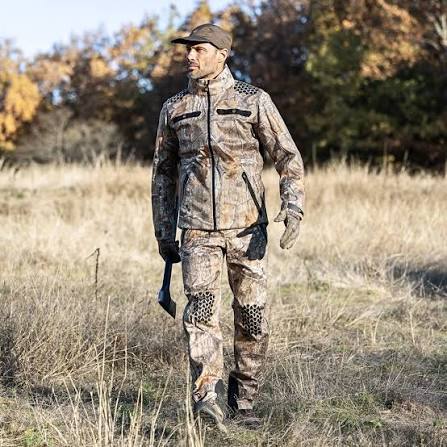
If you want the best overall starting point, the SITKA Gear Men’s Hunting Windproof Jetstream Jacket is a strong outer layer for men who hunt in cool, windy, active conditions. Pair it with a practical pant such as the SITKA Gear Mountain Performance Hunting Pant or King’s Camo Men’s XKG Ridge Pant for mobile hunts. Add a merino layer like the First Lite Men’s Kiln Hoody or Kiln Quarter Zip when temperatures drop.
For wet conditions, the SITKA Dew Point Hooded Hunting Jacket and Dew Point Hunting Pant are valuable shell layers. For cold sits, late-season rifle hunts, treestand hunting, or long glassing sessions, look at the Badlands Calor Jacket, Badlands Calor Hunting Pant, Badlands Pyre Jacket, and Badlands Pyre Bib. The best hunting clothes for men are the pieces that fit your hunting style, terrain, weather, budget, safety needs, and legal responsibilities.
Check current prices and availability on Amazon, compare sizing carefully, and build your clothing system around comfort, warmth, waterproofing, breathability, mobility, and responsible field use. Share this guide with hunting partners, family members, or campmates who want a better men’s hunting clothing setup.
FAQs
1. What should I look for when buying hunting clothes for men?
Focus on fit, layering ability, weather protection, quiet fabric, durability, and comfort. A good men’s hunting clothing system should include a base layer, mid layer, outer layer, and weather shell when needed. Your clothing should match your season, terrain, and hunting style. Also consider boots, gloves, socks, and visibility clothing required by law.
2. What is the best clothing system for male hunters?
The best system usually starts with a moisture-wicking base layer, adds a fleece or merino mid layer, includes insulation for cold periods, and finishes with a softshell or waterproof shell depending on weather. Active hunters need breathable pieces. Treestand and blind hunters usually need warmer insulated layers.
3. Do men need camo hunting clothes?
Camo can help break up your outline, but it is not the only factor. Wind direction, movement control, safe setup, and understanding animal behavior matter more. Some hunts require blaze orange or other visibility clothing, even if you also wear camo. Always follow local rules.
4. What is the best hunting jacket for men?
The best hunting jacket depends on conditions. A softshell is useful for wind and movement, a rain shell is better for wet weather, and an insulated jacket is better for cold sitting. Many men eventually use more than one jacket because no single jacket is perfect for every season.
5. What is the best hunting pant for men?
A good hunting pant should fit comfortably, move with your body, handle brush, and work with base layers when needed. Lightweight stretch pants are best for active warm-weather hunts. Insulated pants or bibs are better for cold sits. Rain pants are useful for wet brush and storms.
6. Are merino wool base layers good for hunting?
Yes, merino wool is popular because it is comfortable, useful across temperatures, and practical for multi-day hunts. It is often chosen for base layers and hoodies. It still needs proper care and is not a replacement for rain gear or wind shells.
7. Are synthetic base layers good for hunting?
Synthetic base layers can be excellent because they usually dry quickly and move moisture well. They are often more affordable than merino. Some synthetic fabrics may hold odor more than wool, so wash and dry them carefully between trips.
8. Should hunting clothes be waterproof?
Some hunting clothes should be waterproof, especially rain jackets and rain pants. Base layers and mid layers usually should be breathable rather than waterproof. Waterproof shells are helpful in rain, wet brush, snow, and slush, but they can trap heat during hard climbs.
9. What is the difference between waterproof and water-resistant hunting clothes?
Waterproof clothing is designed to keep rain and wet brush from soaking through more effectively than water-resistant clothing. Water-resistant clothing can shed light moisture but may not handle sustained rain. Product descriptions vary, so read manufacturer details carefully and avoid assuming all outerwear is storm-proof.
10. What should men wear for early-season hunting?
Early-season hunters usually need breathable pants, a lightweight base shirt or hoodie, comfortable socks, and a light rain shell. Avoid overdressing because sweating early can make you uncomfortable later. Add camo or earth tones based on the species, terrain, and legal rules.
11. What should men wear for late-season hunting?
Late-season hunters usually need warmer base layers, insulation, wind protection, gloves, a warm hat, insulated pants or bibs, and appropriate boots. Cold-weather safety matters, so plan for freezing temperatures, wind chill, snow, and a safe route back.
12. Are insulated bibs worth it for hunting?
Insulated bibs are worth it for cold stationary hunts, especially treestand, blind, and late-season glassing setups. They add lower-body and core warmth. They are usually too warm and bulky for long active hikes in mild weather.
13. Can I use hiking clothes for hunting?
Many hiking clothes work for hunting if they are quiet, durable, and appropriate for the season. Hunting-specific clothing may offer better camo patterns, quieter fabrics, and pocket layouts. Avoid bright colors when not required and always follow visibility clothing laws.
14. Can I use work clothes for hunting?
Durable work clothes can work for some casual hunts, but cotton and noisy fabrics are often poor choices in cold or wet conditions. Technical hunting clothing usually handles moisture, layering, and weather better. If you use work clothes, add proper base layers and rain protection.
15. How should hunting clothes fit men?
Base layers should fit close but not restrict movement. Mid layers should allow easy motion. Outer layers should fit over everything without compressing insulation. Pants should allow kneeling, climbing, and sitting. Test the full system before hunting.
16. Should I size up in hunting clothes?
You may size up outer layers if you need room for insulation underneath. Do not oversize base layers too much because they need skin contact to manage moisture. Check sizing charts and return policies before buying.
17. What is the best color for men’s hunting clothes?
The best color depends on terrain, species, season, and legal requirements. Camo patterns, earth tones, and muted greens or browns can all work in the right setting. During many firearm seasons, blaze orange or other high-visibility clothing may be legally required.
18. Is scent-control clothing necessary?
Scent-control clothing is not strictly necessary for every hunter. It may help as part of an odor-control routine, but it does not defeat wind direction. Keep clothing clean, avoid strong smells, and plan setups around wind and thermals.
19. How do I wash hunting clothes?
Follow the garment label. Many hunters use scent-free detergent and avoid fabric softeners or strong fragrances. Technical rain gear, merino wool, and insulated layers may have specific washing and drying requirements. Dry clothing fully before storage.
20. How do I store hunting clothes?
Store clothing clean, dry, and away from strong odors such as fuel, smoke, food, and household fragrances. Use a sealed tote or garment bag if scent matters for your hunting style. Make sure everything is completely dry to reduce mildew risk.
21. What are the warmest hunting clothes for men?
Warmth usually comes from layered insulation, wind protection, and good lower-body coverage. Insulated jackets, bibs, base layers, warm socks, gloves, beanies, and cold weather hunting boots work together. Avoid relying on one jacket while ignoring legs, feet, and hands.
22. What hunting clothes are best for rain?
A dedicated waterproof rain jacket and rain pant are the best choices for rain. Softshells and fleece layers may shed light moisture but are not always suitable for sustained rain. Keep rain gear accessible in your pack when the forecast is uncertain.
23. What hunting clothes are best for snow?
For snow, use moisture-wicking base layers, warm insulation, wind protection, waterproof shells if needed, gaiters, gloves, a warm hat, and appropriate boots. Waterproof hunting boots for snow and insulated waterproof hunting boots are important for keeping feet dry and warm.
24. Do I need gaiters for hunting?
Gaiters are useful in wet grass, snow, mud, scree, burrs, and brush. They help protect pant legs and reduce moisture entering boots. They are especially helpful for mountain hunting, elk hunting, and long walks through rough terrain.
25. What should I wear for deer hunting in snow?
For deer hunting in snow, consider warm base layers, insulated pants or bibs, a warm jacket, gloves, a beanie, and waterproof hunting boots for snow. If you walk long distances, avoid overdressing during the hike and add insulation once you sit.
26. Are hunting boots part of hunting clothes?
Many hunters treat boots as part of the clothing system because cold, wet, or sore feet can ruin a hunt. Warm hunting boots for winter, winter hunting boots for men, snow hunting boots, and boots for deer hunting in snow should be selected based on terrain, temperature, and activity level.
27. What are the best insulated hunting boots for snow?
The best insulated hunting boots for snow depend on snow depth, temperature, walking distance, and fit. Look for insulation, waterproof construction, traction, ankle support, and enough toe room for winter socks. Avoid boots that are so tight they reduce circulation.
28. Do I need waterproof hunting boots for snow?
Waterproof hunting boots for snow are strongly recommended when snow, slush, creek crossings, or wet brush are expected. Wet feet can become cold quickly. Pair boots with moisture-wicking socks and gaiters for better protection.
29. What are cold weather hunting boots?
Cold weather hunting boots are designed to help keep feet warmer in freezing conditions. They often include insulation, waterproof materials, and traction-focused soles. Choose based on walking distance and weather rather than insulation numbers alone.
30. Are warm hunting boots for winter always heavy?
Not always, but warmer boots often weigh more than uninsulated boots. Heavy boots may be fine for short walks and cold sits, while lighter insulated boots may be better for active hunters. Fit, traction, and waterproofing matter as much as warmth.
31. What socks should I wear with men’s hunting clothes?
Use moisture-wicking socks made from merino wool or synthetic blends. Avoid cotton in cold weather. Make sure boots have enough room for socks without compressing your toes. Carry spare socks on long or wet hunts.
32. How do I avoid sweating in hunting clothes?
Layer carefully and start hikes slightly cool. Open vents, remove insulation during climbs, and add warm layers after stopping. Sweat management is one of the most important skills for cold-weather hunting comfort.
33. Are quiet clothes important for rifle hunting?
Quiet clothing is still useful for rifle hunting, especially when stalking, moving through timber, or approaching a setup. It may be less critical than for bowhunting, but noisy fabric can still alert game at close range.
34. Are quiet clothes important for bowhunting?
Yes, quiet clothing is very important for bowhunting because encounters happen at closer distances. Test sleeves, pant legs, zippers, and pockets before the season. Avoid shiny, stiff, or loud fabrics near your bow arm.
35. Should men wear blaze orange over camo?
Many firearm seasons require blaze orange or other visibility clothing. Requirements vary by location, species, weapon, and season. Always check official regulations before hunting. Visibility clothing helps other hunters identify you and can be a key safety requirement.
36. What should men wear for turkey hunting?
Turkey hunters often use lightweight camo, face and hand coverage, comfortable boots, and quiet clothing. However, safety is critical because turkey hunting involves calling and concealment. Never wear colors that could be mistaken for a turkey, and follow local safety rules.
37. What should men wear for waterfowl hunting?
Waterfowl hunters often need waterproof outerwear, warm layers, gloves, waders or waterproof boots, and clothing that handles wind and wet conditions. Camo should match marsh, timber, or field environments. Follow all waterfowl regulations and safe firearm handling rules.
38. What should men wear for elk hunting?
Elk hunters usually need breathable layers, mountain pants, a softshell or wind layer, rain gear, and insulation for glassing. The best clothing depends on archery versus rifle season, elevation, and weather. Avoid heavy clothing during steep hikes unless temperatures are severe.
39. What should men wear for whitetail treestand hunting?
Treestand hunters often need quiet insulated clothing, base layers, warm boots, gloves, and a face covering. Because movement is limited, warmth is more important than breathability once seated. Use a safety harness and follow all treestand safety guidelines.
40. How much should I spend on hunting clothes?
Spend according to your hunting frequency, climate, and risk of bad weather. Beginners can start with base layers, a versatile pant, fleece or hoodie, and rain gear. Upgrade premium pieces after you know your needs. Do not ignore boots, safety gear, and licensing costs.
41. Are premium hunting clothes worth it?
Premium hunting clothes can be worth it for frequent hunters who need better fit, durability, breathability, and weather protection. Casual hunters may not need the most expensive pieces. Compare function, sizing, fabric, and warranty rather than buying by brand name alone.
42. What are the most common mistakes when buying men’s hunting clothes?
Common mistakes include buying too much insulation, ignoring rain protection, choosing cotton base layers, skipping sizing charts, buying noisy fabric, forgetting boots, and ignoring legal visibility rules. Build a system instead of buying random camo pieces.
43. How do I choose hunting clothes for public land?
Public-land hunters often walk farther and deal with more pressure, so comfort, mobility, packability, and legal visibility are important. Use maps, respect other users, and avoid crossing private property without permission. Clothing should help you adapt without carrying too much weight.
44. How do I choose hunting clothes for private land?
Private-land hunters should match clothing to the property, stand locations, weather, and landowner rules. Respect gates, livestock, crops, and boundaries. If you are walking short distances to a blind, warmer clothing may matter more than lightweight mobility.
45. What hunting clothes are best for beginners?
Beginners should choose versatile clothing that works across several seasons: moisture-wicking base layer, quiet hoodie or fleece, durable pants, rain shell, gloves, beanie, and good boots. Avoid buying a full expensive system before understanding local conditions.
46. How do I know if a hunting jacket is too warm?
If you sweat heavily while walking in mild weather, the jacket may be too warm for active use. Try wearing fewer layers while hiking and adding insulation after stopping. A jacket that is perfect for a cold treestand sit may be too hot for mountain hiking.
47. How do I know if hunting pants are durable?
Look for reinforced areas, quality stitching, practical pocket design, and fabric suited to brush, kneeling, and climbing. Read product details and customer feedback. Lightweight pants are comfortable but may not handle thorns or heavy brush as well as tougher fabrics.
48. Do I need a hunting hoodie?
A hunting hoodie is not mandatory, but it is useful because it adds warmth, coverage, and comfort without the bulk of a jacket. Hoodies work well as mid layers or mild-weather outer layers. Choose one that is quiet and easy to layer.
49. Do I need a hunting vest?
A vest can be useful because it warms the core while keeping arms free. It works well over base layers and under shells. Vests are good for active hunters who want warmth without too much sleeve bulk.
50. How do I keep hunting clothes dry between trips?
Hang clothing in a dry, ventilated area and avoid storing damp layers in a pack or vehicle. Dry boots with safe airflow, not excessive heat that can damage materials. Check rain gear, gaiters, and socks before the next hunt.
51. Can hunting clothes help with safety?
Yes, clothing can support safety by keeping you warm, dry, visible when required, and protected from brush or weather. However, clothing does not replace navigation, communication, hunter education, firearm safety, bow safety, and sound judgment.
52. What legal rules affect hunting clothes?
Some areas require blaze orange, hunter pink, or other visibility clothing during certain seasons. Regulations may also vary by species, weapon, land type, and age. Always check the official wildlife agency before hunting.
53. Should I buy hunting clothes on Amazon?
Amazon can be convenient for comparing sizes, availability, and customer feedback. Use exact product pages, read sizing charts, check return policies, and avoid assuming every listing has the same features. Always verify product details before ordering.
54. How do I compare Amazon hunting clothing listings?
Compare the product title, brand, material description, weather claims, sizing chart, customer photos, return policy, and seller information. Avoid relying only on camo pattern or star rating. Match the garment to your actual weather and hunting style.
55. What warranty questions should I ask before buying hunting clothes?
Check whether the brand offers warranty support, what defects are covered, and whether wear from normal field use is excluded. Technical rain gear, zippers, seams, and insulation can vary by brand. Keep order information in case you need support.
Read more:
- 15 Best Hunting Clothes for Kids
- 15 Best Waterproof Pants for Hunting: Rain Pants, Bibs, Shells, and Wet-Weather Camo Picks