
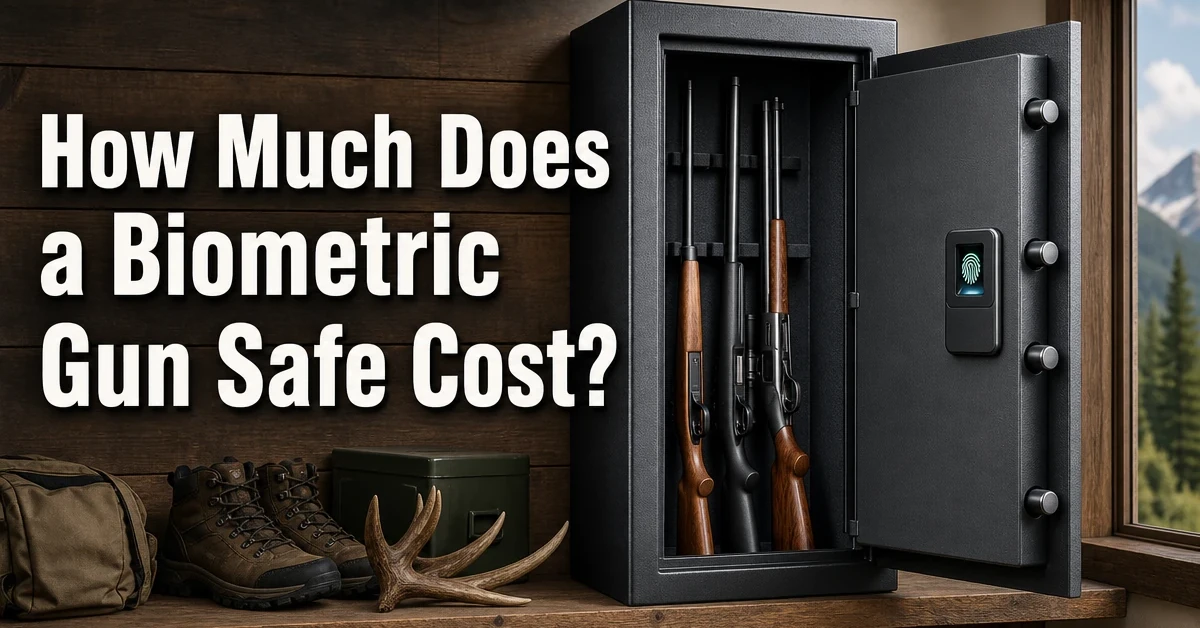

How much does a biometric gun safe cost? Most models cost roughly $100 to $500, while larger, heavier, or premium safes may cost more. The final price depends on capacity, construction, biometric reliability, backup access, fire protection, and installation. For firearm safety, choose secure storage that prevents unauthorized access—not simply the cheapest fingerprint lock.
What Determines the Cost of a Biometric Gun Safe?
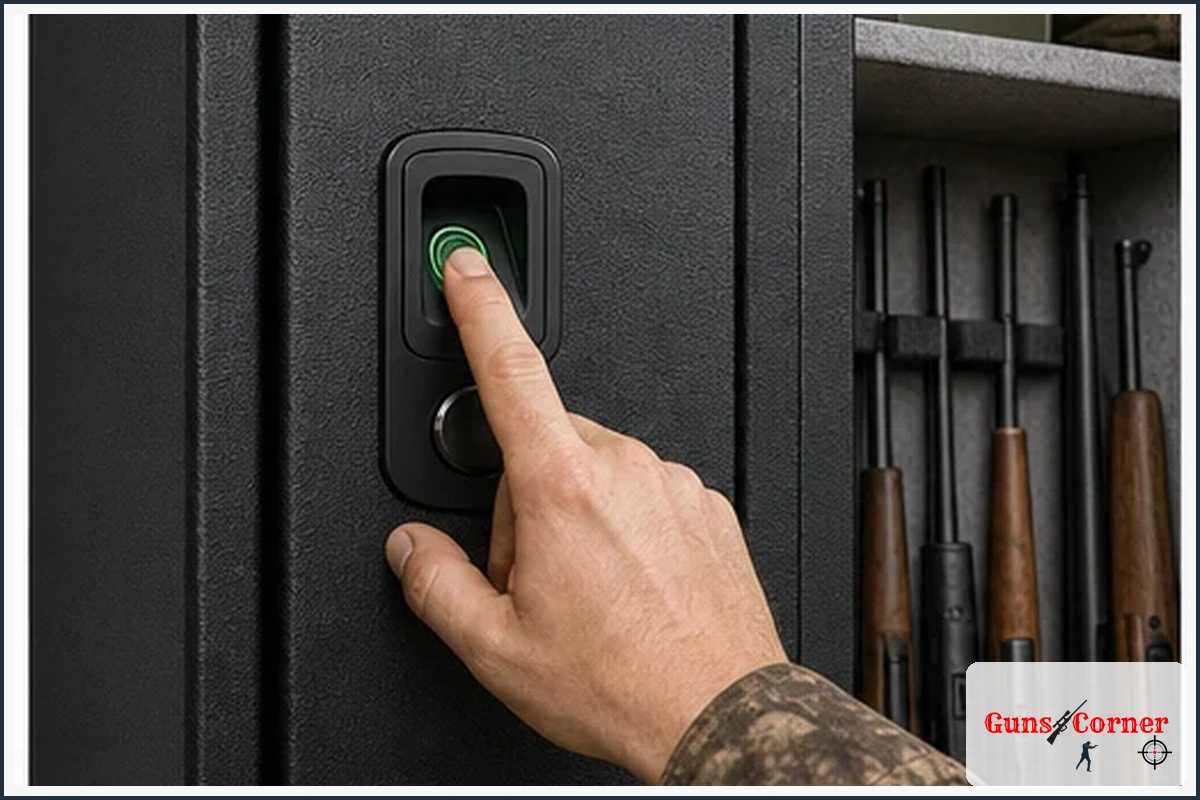
Biometric gun safes use fingerprint recognition to unlock the safe. Prices vary because manufacturers offer different levels of protection, capacity, construction, and convenience.
| Safe category | Typical price range | Best suited for | Main considerations |
|---|---|---|---|
| Compact handgun safe | About $100–$200 | One handgun and limited storage | Portability, mounting, battery access, and backup entry |
| Medium biometric safe | About $200–$500 | Multiple handguns or additional valuables | Interior organization, stronger construction, and mounting options |
| Large biometric gun cabinet or safe | Often $500 and up | Several firearms and household storage | Capacity, weight, anchoring, fire protection, and secure installation |
These are broad planning ranges rather than fixed market prices. Models, promotions, shipping, taxes, and availability can change the final cost.
What You Usually Get at Different Price Levels
Lower-cost biometric safes
Entry-level models commonly focus on compact storage and quick access. They may hold one handgun and use batteries, a keypad, or a physical key as backup access.
Before buying, check whether the safe can be securely mounted. A portable container that can simply be carried away may not provide the same protection as an anchored safe.
Mid-range biometric safes
Mid-range models often provide more interior space, better organization, heavier construction, and additional mounting hardware. They may be more practical for households storing multiple firearms or other valuables.
Do not assume a higher price automatically means better security. Compare the actual construction, locking system, mounting method, and manufacturer documentation.
Premium and full-size biometric safes
Larger safes generally cost more because they use more material and may include features such as adjustable shelving, stronger locking mechanisms, heavier doors, or fire-resistance claims.
Fire protection is separate from unauthorized-access protection. If fire resistance matters, verify the manufacturer’s tested rating and conditions instead of relying on general marketing language.
Important Features to Compare Before Buying
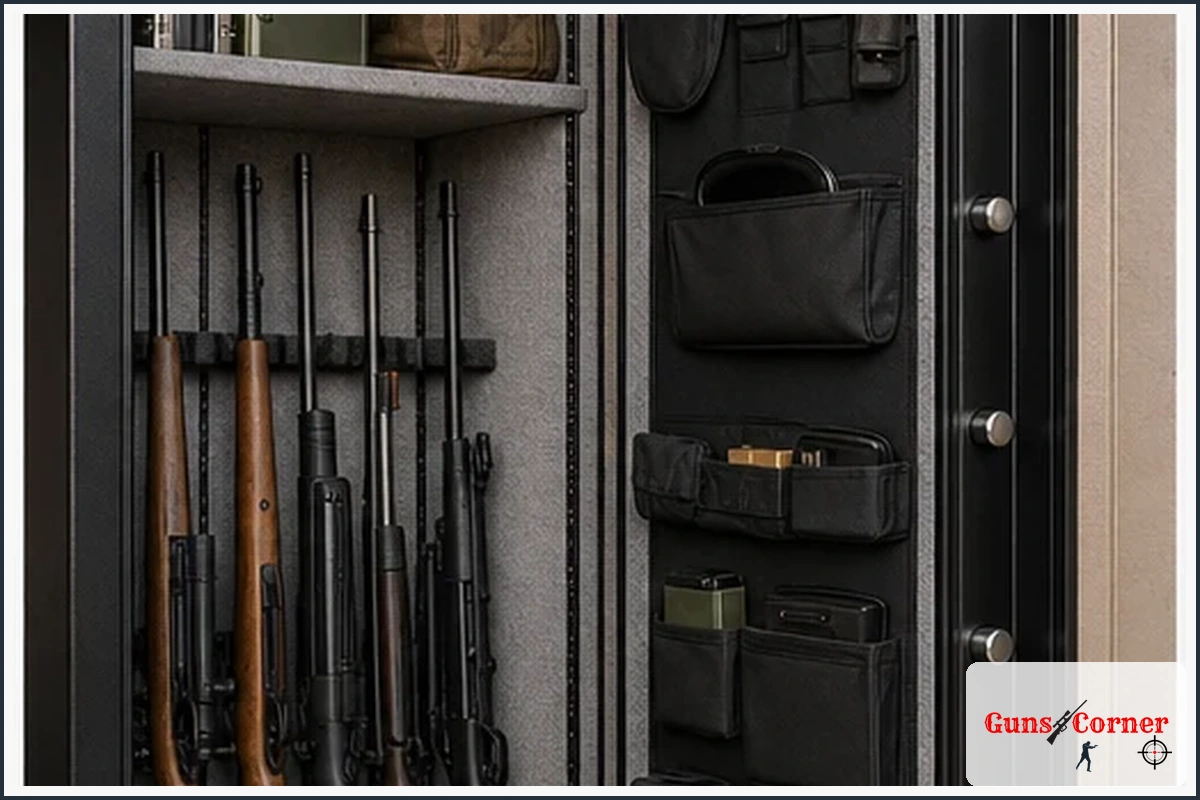
Biometric reader reliability
A fingerprint reader should recognize an enrolled fingerprint consistently. Dirt, moisture, cuts, cold fingers, and poor enrollment can affect performance.
Enroll more than one finger if the manufacturer permits it, and test the safe periodically. Biometric access should supplement—not replace—responsible storage practices and a dependable backup method.
Backup entry
Look for a documented backup system, such as a keypad or mechanical key. Understand how backup access works and store any key securely. Leaving the key beside the safe defeats the purpose of locked storage.
Construction and pry resistance
Examine the door, hinges, locking points, seams, and overall rigidity. A biometric sensor is only one part of the security system. A weak container can remain vulnerable even if its fingerprint scanner works well.
Capacity and interior layout
Manufacturers may describe capacity using different assumptions. Check the interior dimensions and allow enough room to store firearms without damaging sights, optics, finishes, or other equipment.
Mounting options
A safe that can be anchored to a suitable floor, wall, vehicle structure, or furniture may provide better theft resistance than an unsecured portable container. Follow the manufacturer’s mounting instructions and avoid drilling into utilities or structural components without knowing what is behind the surface.
Battery and maintenance access
Confirm how batteries are replaced, whether the safe warns about low power, and whether the emergency power procedure is documented. Test the battery compartment and locking system according to the manual.
Biometric Gun Safe Cost Versus Other Lock Types
| Lock type | Potential advantage | Potential limitation |
|---|---|---|
| Biometric | Convenient fingerprint access | Requires power and may be affected by finger condition or sensor quality |
| Keypad | No fingerprint enrollment required | Code management and battery maintenance are important |
| Mechanical key | Does not require batteries | The key must be controlled and stored securely |
| Combination lock | Can operate without electronic power | May be slower to open and requires careful code management |
The best choice depends on the people who must access the safe, the risk of unauthorized access, the storage location, and applicable local law. Convenience should never override secure storage.
Are Biometric Gun Safes Worth the Extra Cost?
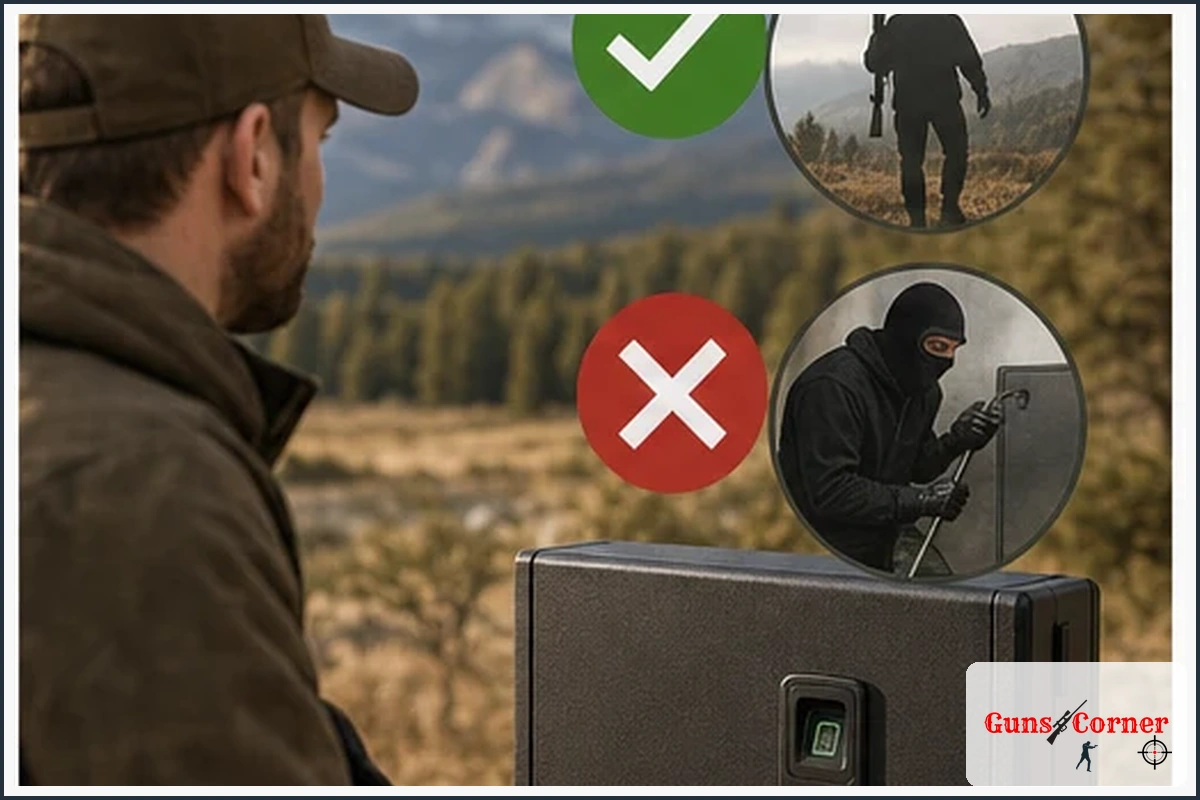
A biometric safe may be worth the additional cost when quick, controlled access is important and the user is willing to maintain and test the system. It may be less suitable if the fingerprint reader is unreliable, the safe cannot be anchored, or household users are not trained to operate it.
For many households, a well-built keypad or mechanical safe can provide responsible storage without biometric technology. The lock type matters less than secure construction, proper installation, restricted access, and consistent maintenance.
Safety and Legal Considerations
Firearm-storage requirements vary by state and locality. Some jurisdictions may have specific rules concerning locked storage, child access prevention, transport, or firearm storage in vehicles. Verify current requirements with the appropriate state or local authority before purchasing or installing a safe.
- Keep firearms unloaded when stored unless applicable law and a documented safety plan require otherwise.
- Keep ammunition secured according to local law, household circumstances, and manufacturer guidance.
- Restrict access to authorized adults.
- Do not rely on the safe’s electronic lock as a substitute for the four firearm-safety rules.
- Inspect batteries, hinges, locks, and mounting hardware regularly.
- Follow the safe and firearm manufacturer’s instructions.
Always treat every firearm as loaded, keep the muzzle pointed in a safe direction, keep your finger outside the trigger guard until ready to shoot, and be certain of the target and what is beyond it.
Common Mistakes When Buying a Biometric Gun Safe
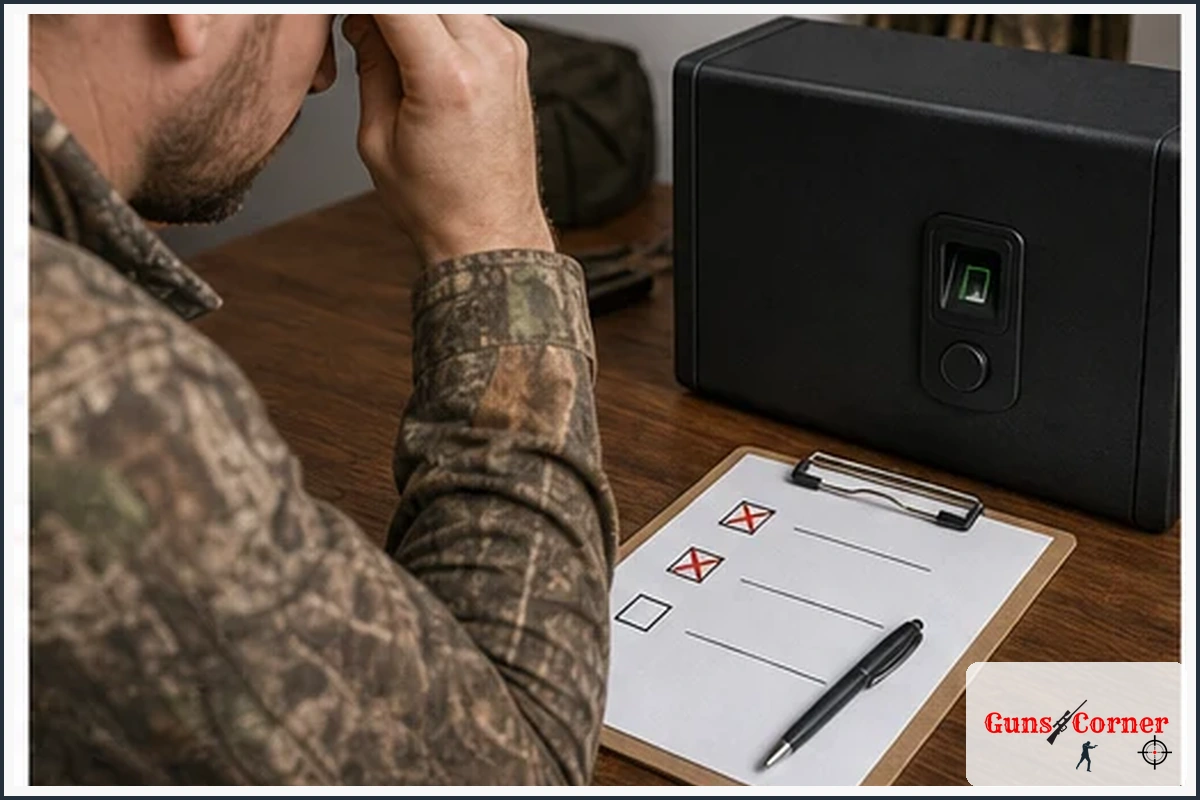
- Choosing by price alone: A low price may mean limited capacity, weak mounting options, or fewer backup-access features.
- Ignoring the interior dimensions: Advertised capacity may not reflect the size of your firearm or accessories.
- Failing to test the fingerprint reader: Enroll and test fingerprints before relying on the safe.
- Leaving the backup key unsecured: A hidden key should still be controlled and inaccessible to unauthorized users.
- Not anchoring the safe: A portable safe can be vulnerable to theft if it is not secured where appropriate.
- Assuming biometric means tamper-proof: No consumer lock eliminates every security risk.
- Skipping local-law research: Storage requirements can change by jurisdiction and household circumstances.
How to Choose a Safe Within Your Budget
- Count the firearms and accessories that need secure storage.
- Decide whether portability or permanent installation is more appropriate.
- Compare construction, locking points, mounting options, and interior dimensions.
- Check biometric enrollment, backup-entry, battery, and low-power procedures.
- Verify fire-resistance claims through manufacturer documentation.
- Review current state and local storage requirements.
- Test the installed safe and maintain it according to the instructions.
You do not need the most expensive equipment to store firearms responsibly. Choose a safe that fits your household risks, prevents unauthorized access, and can be used correctly every time.
FAQs
How much should I budget for a biometric handgun safe?
A practical starting budget is approximately $100 to $200 for a compact model, although construction, features, shipping, and local availability can change the price.
Are cheap biometric gun safes reliable?
Some may work adequately, but reliability depends on the sensor, construction, battery system, backup access, and maintenance. Test any safe before relying on it for secure firearm storage.
Do biometric gun safes require batteries?
Most electronic biometric safes require batteries. Check the manual for battery type, replacement procedure, low-power warnings, and emergency access instructions.
Can a biometric gun safe replace a larger gun safe?
Not always. A compact safe may be suitable for limited storage, while multiple firearms or long guns may require a larger, properly anchored storage solution.
Are biometric gun safes legal everywhere?
Storage laws vary by jurisdiction. Check current state and local rules, especially where children or other unauthorized people may access the home.
What is more important than biometric technology?
Secure construction, controlled access, appropriate installation, reliable maintenance, and compliance with current storage requirements are more important than the presence of a fingerprint reader alone.
Final Answer: How Much Does a Biometric Gun Safe Cost?
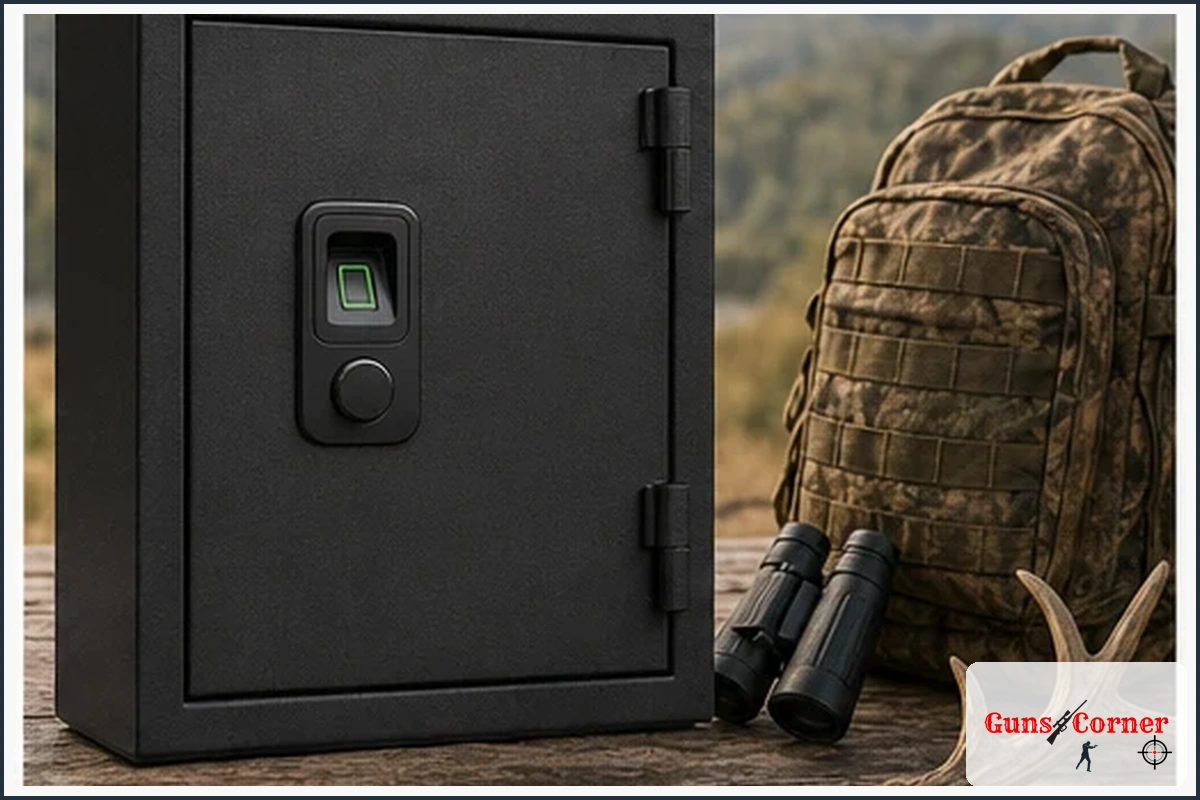
Most biometric gun safes cost about $100 to $500, with larger or premium models costing more. Compare construction, capacity, backup access, battery maintenance, mounting options, and verified fire protection rather than choosing by price alone. Before purchase, check current storage laws and follow the safe manufacturer’s instructions. Official regulations always override general online guidance.