
An Arkansas hunting license is issued through the Arkansas Game and Fish Commission (AGFC), but the correct license depends on residency, species, age, season, and whether you are hunting public or private land. Choose the license that matches your hunt, add any required permits or tags, and verify current rules directly with AGFC before entering the field.
What an Arkansas Hunting License Covers
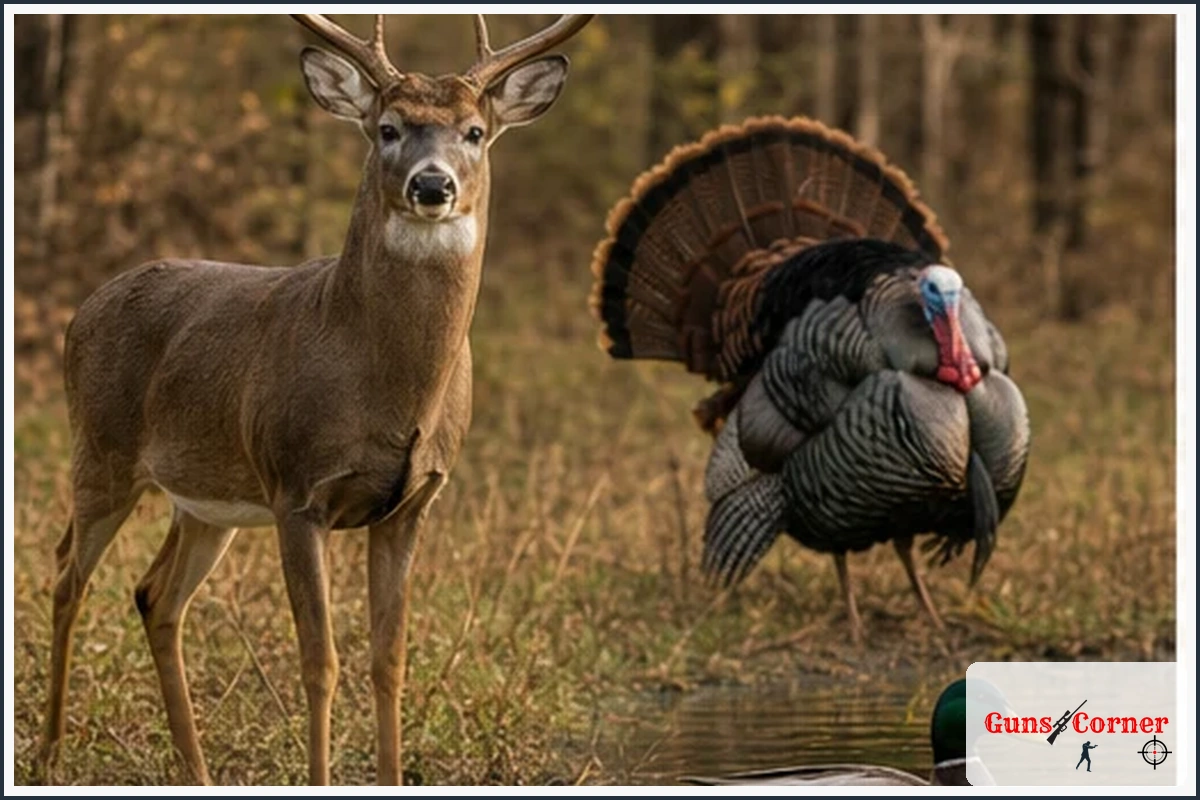
Arkansas hunting licenses authorize specific hunting activities during legal seasons. A general license may cover certain game, while deer, turkey, bear, waterfowl, trapping, or wildlife-management-area hunting may require additional privileges, permits, tags, or harvest reporting.
License privileges and fees can change by license year. Arkansas licenses commonly distinguish between residents and nonresidents, and some licenses combine hunting with fishing privileges.
Which Arkansas Hunting License Do You Need?
| Hunting situation | What to check | Why it matters |
|---|---|---|
| Resident hunting | Resident license eligibility and selected game privileges | Resident and nonresident licenses are different |
| Nonresident hunting | Species-specific or annual nonresident license options | Nonresident fees and privileges vary by hunt |
| Deer hunting | Deer license privileges, tags, season dates, and harvest reporting | A basic license may not provide every deer privilege |
| Turkey hunting | Turkey license or permit requirements and season rules | Turkey privileges may be separate from general hunting |
| Waterfowl hunting | Arkansas waterfowl requirements plus applicable federal requirements | Duck and goose hunting can require additional documentation |
| Wildlife Management Area hunting | WMA permits, hunt-specific permits, and area regulations | Some public areas have rules beyond the base license |
Arkansas Hunting License Types
Resident licenses
Resident options may include a Resident Sportsman’s License, Combination Sportsman’s License, Resident Wildlife Conservation License, senior licenses, and other specialized credentials. The correct choice depends on the species you plan to hunt and whether you also need fishing privileges.
Nonresident licenses
Nonresidents may choose from annual, short-term, and species-specific licenses. A nonresident deer, turkey, or small-game hunter should confirm whether the selected license covers the intended species, season, and number of animals.
Combination licenses
A combination license can include hunting and fishing privileges. It may be convenient for residents who participate in both activities, but compare the listed privileges rather than assuming every hunting permit is included.
Senior, youth, and disability-related licenses
Arkansas provides certain license categories or exemptions for eligible hunters, but age, residency, disability status, and documentation requirements apply. Check the current AGFC license descriptions before relying on an exemption or reduced-cost option.
How to Buy an Arkansas Hunting License
- Identify your residency status.
- Choose the species and hunting method.
- Check the current AGFC license descriptions and fees.
- Determine whether you need tags, permits, stamps, or area-specific authorization.
- Purchase through the official AGFC licensing system, an authorized license agent, or an AGFC office.
- Save a digital or printed copy of your license and carry required identification.
- Review the current Arkansas hunting regulations before hunting.
Use the official Arkansas Game and Fish Commission licensing page for current prices and purchase options. Third-party summaries can become outdated, especially when license structures change between years.
Do You Need More Than the Basic License?

Often, yes. A base hunting license does not automatically mean that every species, season, weapon, or public hunting area is covered.
- Deer: Confirm deer tags, season-specific rules, harvest reporting, and weapon restrictions.
- Turkey: Check turkey permits, tags, seasonal limits, and reporting requirements.
- Bear: Verify bear permits, open units, season dates, and harvest restrictions.
- Waterfowl: Check Arkansas requirements and applicable federal waterfowl credentials.
- Furbearers: Determine whether hunting and trapping require different authorization.
- Wildlife Management Areas: Review WMA-specific permits, drawings, and restrictions.
Official regulations override general online guidance. Verify the exact requirements for the wildlife management unit, species, season, and hunting method you intend to use.
License Fees and Expiration Dates
Arkansas hunting-license fees depend on the license type and the hunter’s residency. Many annual licenses follow the Arkansas license year and may expire on June 30, but confirm the expiration printed on your license and shown in the current AGFC system.
Do not rely on an old fee table. License prices, privileges, permits, and electronic-document procedures may change. Check AGFC’s current “Hunting License Descriptions and Fees” page immediately before purchase.
What to Carry While Hunting

- Required hunting license and identification
- Species-specific tags, permits, or stamps
- Harvest-reporting information or mobile access when required
- Hunter-education documentation when applicable
- Permission for private land
- Current regulations or access to them
- Required safety equipment, including hunter orange where applicable
A phone image of a license may be useful, but keep your device charged and follow AGFC instructions about acceptable electronic documentation. A backup paper copy can help in areas with poor reception or limited battery life.
Important Safety and Legal Rules
A license does not replace hunter education or safe decision-making. Before hunting, identify the target positively, know what lies beyond it, respect property boundaries, and stay within the legal season and bag limit.
For firearm hunting, follow the four basic rules: treat every firearm as loaded, keep the muzzle pointed safely, keep your finger outside the trigger guard until ready to shoot, and be certain of the target and what is beyond it.
Complete hunter education when required or when you are new to hunting. Practice with your actual equipment before the season, and stop hunting when visibility, weather, terrain, health, or equipment conditions become unsafe.
Common Mistakes Arkansas Hunters Should Avoid

- Buying a general license without checking species-specific privileges
- Assuming a resident license applies before confirming residency eligibility
- Forgetting additional tags, permits, stamps, or WMA requirements
- Using an outdated regulation booklet or fee schedule
- Failing to report harvested game when required
- Entering private property without permission
- Assuming a license makes an otherwise illegal method lawful
- Hunting after a license or permit has expired
How to Verify Current Arkansas Hunting Regulations
- Visit the official Arkansas Game and Fish Commission website.
- Open the current hunting regulations and licensing pages.
- Choose the relevant species, season, zone, and hunting method.
- Check license privileges, tags, permits, bag limits, reporting rules, and equipment restrictions.
- Review WMA or federal-land rules if applicable.
- Confirm the information again immediately before hunting.
The AGFC is the appropriate starting authority for Arkansas hunting licenses, seasons, wildlife regulations, and public-land requirements. Federal agencies may add rules for federal refuges or other federally managed areas.
FAQs
How much does an Arkansas hunting license cost?
The cost depends on residency, license type, species, duration, and included privileges. Check the current AGFC fee schedule because prices and license structures can change.
Can I buy an Arkansas hunting license online?
Many Arkansas licenses can be purchased through the AGFC’s official online licensing system. Authorized license agents and AGFC offices may also be available.
Does an Arkansas hunting license include deer tags?
Some license types include deer privileges or tags, while others require additional authorization. Confirm the exact deer privileges listed for your license before hunting.
Do nonresidents need a different Arkansas hunting license?
Yes. Nonresident licenses and fees are separate from resident options, and some are species-specific or short-term.
Do I need a separate license for turkey hunting?
Turkey hunting may require a turkey-specific license, permit, tag, or privilege in addition to a general hunting credential. Check the current AGFC turkey regulations.
Do Arkansas hunting licenses cover wildlife management areas?
Not always. Some WMAs require additional permits, drawings, or hunt-specific authorization. Review the rules for the exact area before entering it.
Can I show my Arkansas hunting license on my phone?
AGFC may provide downloadable electronic licenses, but hunters should follow current agency instructions and keep required identification available. A charged phone or backup copy is recommended.
Where should I check Arkansas hunting license rules?
Use the official Arkansas Game and Fish Commission licensing and hunting-regulations pages. Official regulations override third-party summaries and older articles.
Final Answer: Arkansas Hunting License

The right Arkansas hunting license depends on your residency, target species, season, age, hunting method, and hunting location. Purchase through the Arkansas Game and Fish Commission, confirm all required tags and permits, and review the current regulations before hunting. A valid license is only one part of a legal and ethical hunt: complete hunter education, follow firearm or archery safety rules, respect land access, and recover game responsibly.
Related posts:

How to Hunt Grouse: Beginner Guide to Safe, Legal, and Ethical Grouse Hunting

15 Best Hunting Boots for Alaska: Waterproof, Insulated and Rugged Field Picks

How to Hunt Crows: Legal, Safe, and Beginner-Friendly Crow Hunting Guide
What Hunters Should Know About Deer Body Language: 12 Essential Signals

What Is a Deer Bedding Area? Signs, Habitat, and Scouting
