
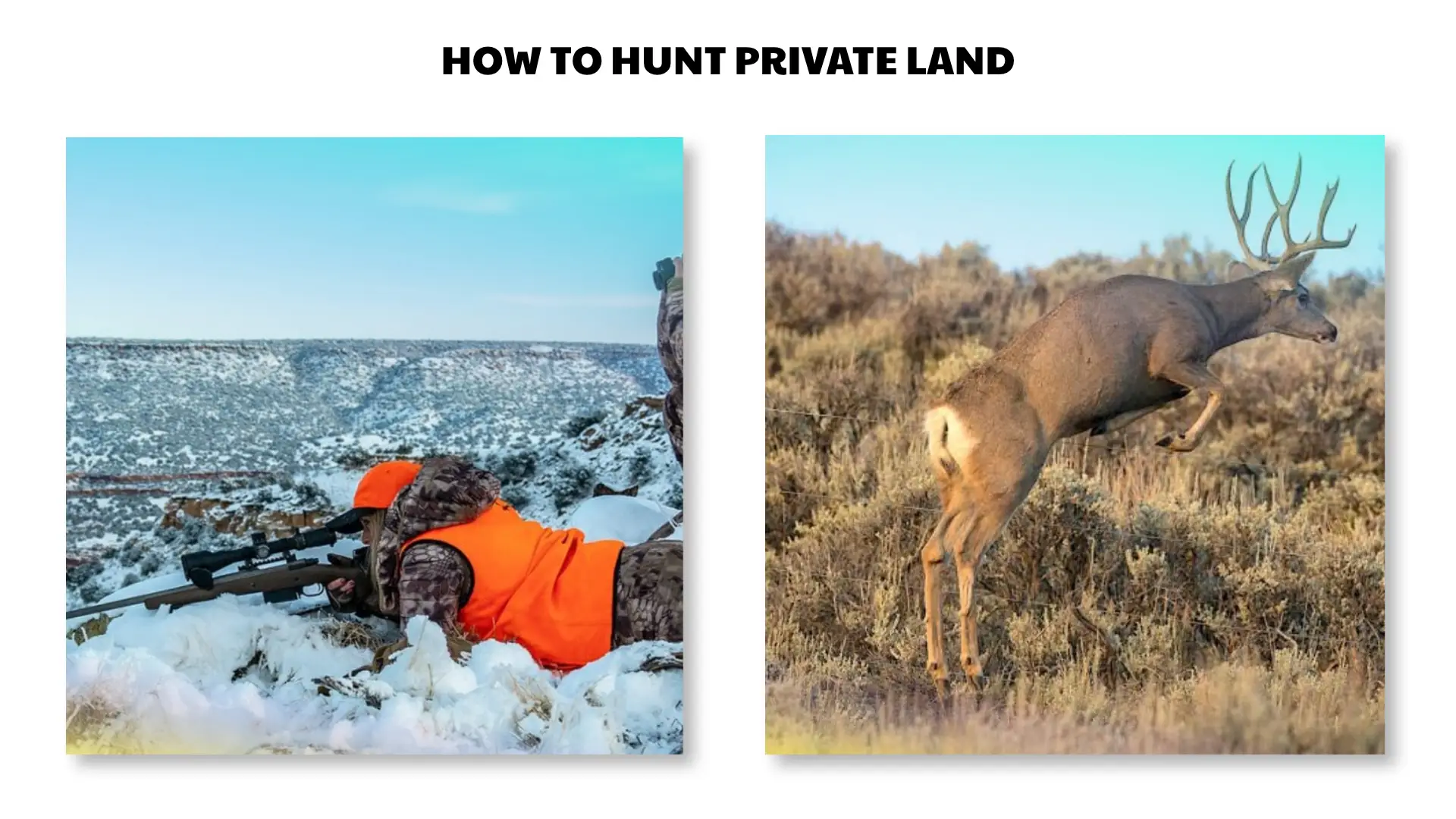

Private land can offer good hunting opportunities for deer, turkey, small game, waterfowl, predators, or other legal game species, depending on your region. However, private property access does not replace a hunting license, tags, season knowledge, safe firearm or bow handling, or local wildlife regulations. Always verify current rules with your official wildlife agency before hunting.
Quick Answer
To hunt private land responsibly, first check current hunting laws, then get clear permission from the landowner before entering the property. Written permission is usually best because it reduces confusion about dates, boundaries, gates, parking, guests, stands, scouting, and harvest rules. Scout carefully, respect livestock and crops, use safe firearm or bow handling, and only take a legal, ethical shot opportunity with a safe background. With patience, good communication, and respectful behavior, private land hunting can become a long-term relationship rather than a one-time favor.
Important Legal and Safety Notice Before You Hunt
Hunting regulations vary by country, state, province, county, land type, species, season, and hunting method. Private land permission does not automatically make a hunt legal. You must confirm current rules with your official wildlife agency, local land manager, or other proper authority before hunting.
- Hunting license and permits: Confirm that your license is valid for the species, season, residency status, and hunting method.
- Tags or harvest reporting: Know whether you need a tag, permit, check-in, harvest report, or game seal.
- Legal season and hours: Verify season dates, legal hunting hours, Sunday rules where applicable, and any special private-land restrictions.
- Legal weapons and ammunition: Follow local firearm, muzzleloader, shotgun, handgun, archery, crossbow, and ammunition rules.
- Private land access: Get permission before entering, scouting, setting stands, retrieving game, driving roads, or bringing guests.
- Required visibility clothing: Wear blaze orange or other required safety clothing when the law or conditions require it.
- Safe firearm or bow handling: Treat every firearm as loaded, keep the muzzle in a safe direction, keep your finger off the trigger until ready, and identify the target and what is beyond it.
- Weather, navigation, and emergency planning: Carry navigation, first aid, water, communication, and a trip plan.
What Private Land Hunting Really Means
Private land hunting means hunting on property owned or controlled by an individual, family, farm, ranch, timber company, hunt club, leaseholder, or other private entity. The land may be used for crops, livestock, timber, recreation, conservation, or residential living. The owner or legal manager controls access, but wildlife regulations still apply.
Many beginners assume private land is simpler than public land. In some ways it can be quieter and less crowded, but it also requires more communication. You need to understand boundaries, nearby homes, livestock areas, farm equipment, gates, access roads, neighbors, other hunters, and the landowner’s expectations.
The best private land hunters act like trusted guests. They do not leave trash, cut fences, block roads, drive through wet fields, damage trees, ignore boundaries, or show up unannounced. They communicate clearly and make the landowner’s life easier, not harder.
Private Land Permission: The Foundation of the Hunt
Permission is the most important step in learning how to hunt private land. A hunting license does not grant permission to enter private property. Trespassing can damage relationships, create safety risks, and lead to legal consequences.
Ask Early, Not the Day Before the Season
Landowners are more likely to consider a respectful request when they are not being rushed. Ask weeks or months before the season if possible. Early communication gives you time to discuss boundaries, access points, parking, livestock, other hunters, and any property-specific concerns.
Be Clear About What You Are Asking For
Do not ask vaguely if you can “hunt sometime.” Be specific. Mention the species, season, method, number of hunters, whether you want to scout, where you would park, and whether you would like to use a blind, tree stand, or trail camera if legal.
Use Written Permission When Possible
Written permission helps prevent misunderstandings. It can include the landowner’s name, hunter’s name, property description, approved dates, allowed species, guests, vehicle rules, stand placement rules, access points, emergency contacts, and any special instructions. Some wildlife agencies provide printable permission cards or forms.
Respect a “No” Without Arguing
A landowner may say no because of livestock, family use, insurance concerns, past bad experiences, nearby homes, other hunters, or personal preference. Thank them anyway. A calm, respectful response can leave the door open for future conversations.
What to Discuss With the Landowner Before You Hunt
Good private land hunting starts with a clear conversation. Do not assume that permission to hunt means permission to do everything on the property.
| Topic | What to Ask | Why It Matters |
|---|---|---|
| Boundaries | Where are the exact property lines, neighboring parcels, roads, and restricted areas? | Prevents trespassing and unsafe setups near homes, livestock, roads, or neighboring hunters. |
| Access | Where should I park, walk in, unlock gates, and avoid driving? | Protects fields, lanes, gates, crops, and daily farm or ranch operations. |
| Dates and Times | Which days and times are approved for scouting and hunting? | Prevents conflicts with family events, farm work, livestock handling, or other hunters. |
| Guests | May I bring another hunter, youth hunter, mentor, dog, or non-hunting observer? | Some permission is for one person only. Always ask before bringing anyone else. |
| Stands and Blinds | Can I use a ground blind, portable stand, ladder stand, or natural cover? | Prevents tree damage, property damage, and unsafe stand placement. |
| Trail Cameras | Are cameras allowed, and where may they be placed? | Some owners have privacy concerns or do not want cameras near homes, barns, workers, or neighbors. |
| Harvest Expectations | Are there landowner preferences about does, antlerless animals, mature animals, predators, or nuisance species? | Landowner goals should be considered, but they must still fit legal wildlife regulations. |
| Recovery | What should I do if game crosses a fence, enters a restricted area, or goes onto neighboring land? | Recovery must be legal, safe, and respectful of all property boundaries. |
How to Hunt Private Land: Step-by-Step Guide
Step 1: Check Local Hunting Laws First
Start with your official wildlife agency. Confirm the legal species, season dates, bag limits, tags, legal hunting hours, weapon restrictions, baiting rules, blaze orange requirements, harvest reporting, transport rules, and any special private-land regulations. Do not rely only on social media, old forum posts, or another hunter’s memory.
Step 2: Identify Possible Private Land Opportunities
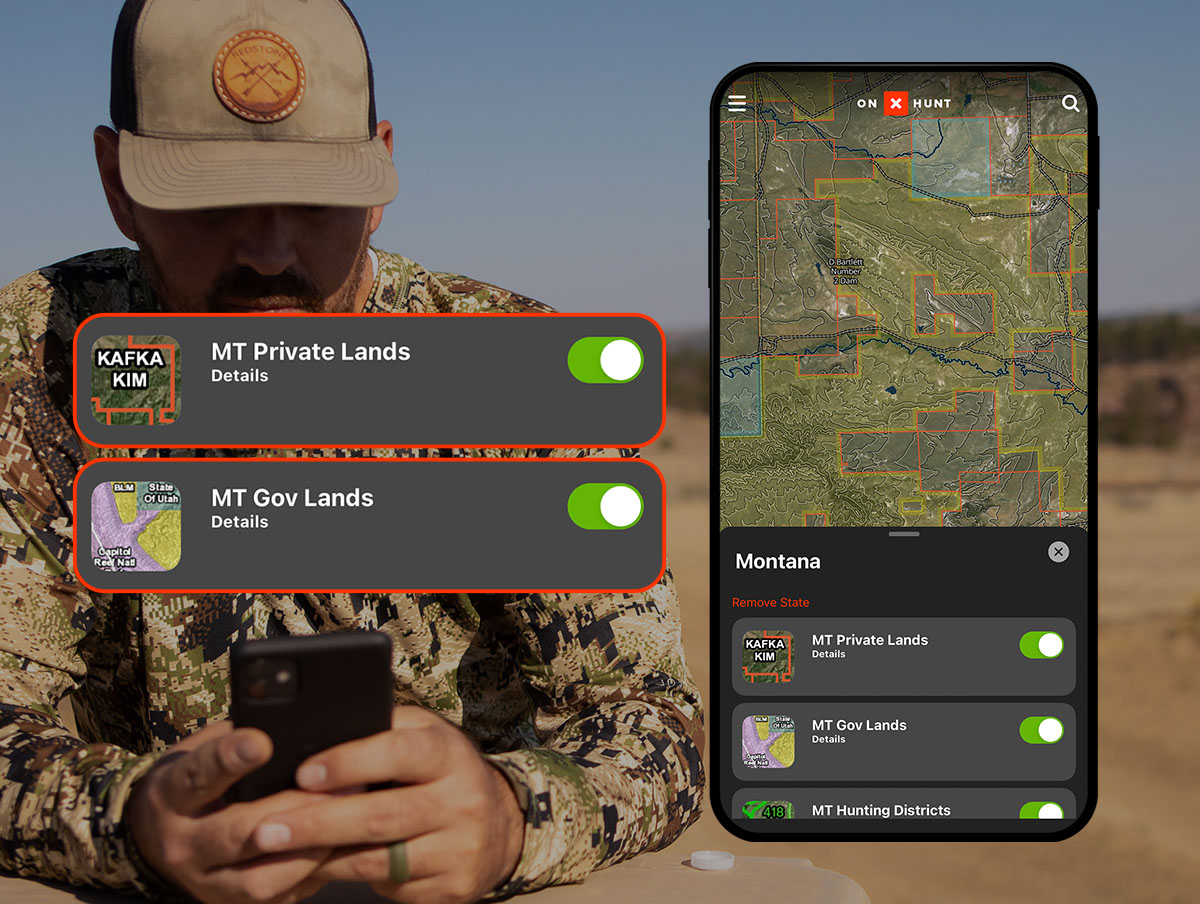
Look for properties where hunting may fit the landowner’s goals. Farms, timber parcels, ranches, orchards, crop fields, river bottoms, pasture edges, woodlots, and large rural properties may hold game. Use maps to understand the area, but do not enter or cross private land without permission.
Step 3: Ask Permission Respectfully
Introduce yourself clearly. Explain that you are a licensed hunter, that you follow safety rules and wildlife regulations, and that you are asking before entering the property. Dress and speak respectfully. Avoid showing up during busy farm work, late at night, during meals, or when the landowner seems rushed.
Step 4: Get the Details in Writing
When the landowner agrees, ask whether they are comfortable with a simple written permission note or form. Include the approved dates, species, access points, guest rules, parking, stand rules, and contact information. Carry a copy with you while hunting if your state, province, or landowner requires it.
Step 5: Walk the Property With the Landowner if Possible
A property tour can prevent many problems. Ask the landowner to point out boundaries, homes, barns, livestock, water sources, fences, neighbors, danger zones, old wells, equipment, wet fields, and places you should avoid. Mark these details on a map.
Step 6: Scout Without Damaging the Property
Scout for tracks, droppings, game trails, bedding cover, feeding areas, water sources, rubs, scrapes, dusting areas, roosting areas, or other legal species-specific sign. Stay on approved routes, close gates, avoid crops, do not disturb livestock, and avoid leaving flagging tape, trash, or unnecessary disturbance.
Step 7: Choose a Safe Setup Location
Pick a setup that gives you legal visibility, a safe backstop, and a clear understanding of what lies beyond the target area. Avoid shooting toward roads, homes, barns, livestock, people, trails, vehicles, or neighboring properties. For tree stands, use a full-body safety harness and follow manufacturer instructions.
Step 8: Plan Entry, Exit, Wind, and Noise
Private land often has farm lanes, gates, dogs, livestock, and family activity. Plan a quiet entry route that does not damage roads or fields. Consider wind direction so your scent and movement are less likely to alert game. Avoid walking through high-value bedding or feeding areas unless necessary and legal.
Step 9: Hunt Patiently and Communicate Changes
Arrive when approved, park where agreed, and let the landowner know if that was part of your arrangement. Do not change stands, bring guests, drive new areas, or hunt different dates without asking. Stay patient, observe carefully, and avoid unnecessary movement or noise.
Step 10: Take Only a Safe, Legal, and Ethical Shot Opportunity
Only act when the animal is clearly identified, legal to harvest, within your practiced ability, and positioned with a safe background. If you are unsure about the species, sex, antler rules, distance, angle, background, or your own ability, pass the opportunity. No harvest is worth an unsafe or illegal decision.
Step 11: Follow Recovery, Tagging, and Reporting Rules
After a legal harvest, follow your local tagging, validation, check-in, or harvest reporting requirements. If game crosses onto another property, contact the landowner and get permission before entering. Keep recovery calm, legal, and respectful. Avoid graphic behavior or public display that could harm relationships with landowners and neighbors.
Step 12: Thank the Landowner and Follow Up
After the hunt, thank the landowner. Offer to share a respectful update, help with a small task if appropriate, or provide properly handled meat if the landowner wants it and local laws allow. Report any damaged fence, open gate, trespass sign issue, sick animal, suspicious activity, or property concern you noticed.
Understanding Wildlife Movement on Private Land
Private land can hold game for many reasons: food, water, bedding cover, security, travel corridors, crop edges, timber changes, brushy draws, creek bottoms, mast-producing trees, or reduced pressure. The specific pattern depends on the species, season, weather, habitat, hunting pressure, and local regulations.
For deer, look for travel routes between bedding cover and food sources, especially where wind and terrain create natural movement. For turkey, focus on roosting areas, feeding openings, tracks, scratching, and safe calling setups. For small game, study brush piles, field edges, fencerows, timber transitions, and food cover. For waterfowl, follow legal access rules for ponds, wetlands, creeks, and fields, and confirm waterfowl-specific regulations.
Do not over-scout or pressure the best areas. A few careful visits can teach you more than repeatedly walking through bedding cover, crop edges, or roosting areas right before the season.
Best Time, Place, and Conditions for Private Land Hunting
The best time to hunt private land depends on the legal season, target species, food availability, weather, hunting pressure, and landowner activity. Early mornings and late afternoons are often productive for many species, but legal hunting hours vary by location and species.
Weather can influence movement, but it should never override safety. Avoid hunting in dangerous storms, extreme heat, unsafe ice, high wind, lightning, flooding, or conditions that make roads and fields easy to damage. On working farms, wet weather may also make access roads and fields too soft for vehicles.
The best place is not always the center of the property. Many good setups are near travel corridors, field corners, timber edges, saddles, creek crossings, inside corners, or natural pinch points where you have a safe background and legal access. Avoid setting up close to homes, livestock, public roads, property lines, or neighboring hunters unless the landowner and local law clearly allow it.
Private Land Hunting Gear Checklist
You do not need expensive gear to hunt private land responsibly. Choose equipment based on your local laws, species, terrain, weather, hunting method, safety needs, and skill level.
- Valid hunting license, tags, permits, written permission, and regulation knowledge
- Legal firearm, bow, crossbow, muzzleloader, or other approved method for your area
- Hunter orange or required visibility clothing when applicable
- Weather-appropriate clothing, boots, gloves, and rain protection
- Map, compass, GPS, or hunting app with downloaded offline maps
- First aid kit, water, snacks, headlamp or flashlight, and emergency communication
- Binoculars or optics for safe observation and target identification
- Rangefinder if legal and useful for your hunting method
- Knife, gloves, game bags, cooler, and meat care supplies when appropriate
- Safety harness for elevated stands and a haul line for gear
- Notebook or app for recording wind, sign, sightings, access notes, and landowner instructions
Private Land Etiquette That Builds Long-Term Access
Private land access is built on trust. Even one careless mistake can end permission for you and other hunters. Treat the property better than you would treat your own.
- Ask before every season, even if you had permission last year.
- Park only where approved and never block gates, driveways, barns, or equipment.
- Leave gates exactly as you found them unless the landowner says otherwise.
- Do not drive across fields, food plots, soft roads, or wet ground without permission.
- Do not cut trees, trim limbs, hang permanent stands, or place cameras without approval.
- Do not invite friends, family, dogs, or guests unless permission includes them.
- Do not post photos that identify the property without the landowner’s consent.
- Pick up trash, shells, wrappers, flagging tape, zip ties, and old equipment.
- Report property problems such as broken fences, open gates, trespassers, injured livestock, or suspicious activity.
- Thank the landowner after the hunt, not only when you need something.
Helpful Tips for Better Results
- Build the relationship before asking for a favor. A polite introduction in the off-season often works better than a rushed request during opening week.
- Learn the landowner’s priorities. Some owners care most about safety, crops, livestock, privacy, property damage, deer numbers, predators, or family use.
- Use a map during the permission conversation so everyone understands boundaries and approved areas.
- Scout low-impact areas first, such as field edges, lanes, fence crossings, and observation points.
- Keep your setup simple until you understand animal movement and landowner expectations.
- Choose safe shooting lanes with a known backstop and avoid property lines.
- Practice with your legal hunting method before the season so you know your personal effective range.
- Keep the landowner informed about schedule changes, harvests, problems, and anything unusual you see.
- Have a legal recovery plan before you hunt near property lines.
- Be the hunter the landowner would be comfortable recommending to a neighbor.
Common Mistakes to Avoid
Most private land problems are not caused by lack of gear. They are caused by poor communication, unclear boundaries, unsafe decisions, or disrespect for the property.
- Assuming verbal permission covers everything: Ask about dates, species, guests, vehicles, stands, cameras, and recovery.
- Not checking current regulations: Private land hunting is still regulated by wildlife laws.
- Bringing a friend without asking: Permission for one hunter is not permission for a group.
- Ignoring boundaries: Use maps, fences, landmarks, and landowner guidance to avoid trespassing.
- Parking in the wrong place: Never block gates, equipment, livestock access, or emergency routes.
- Driving wet fields: One set of ruts can ruin access and damage crops or soil.
- Leaving trash or spent shells: Clean up every time.
- Setting up too close to homes or roads: Safety and local setback rules matter.
- Taking questionable shots: Pass any opportunity that is unsafe, illegal, unclear, or beyond your ability.
- Failing to say thank you: Follow-up helps preserve access for future seasons.
Troubleshooting Common Problems
| Problem | Possible Cause | What to Do |
|---|---|---|
| You cannot get permission | Landowner had bad past experiences, already has hunters, or has safety concerns | Be polite, ask in the off-season, offer references, respect a no, and look for other legal opportunities. |
| The landowner gives unclear boundaries | Old fences, multiple parcels, family-owned land, or unclear maps | Ask for a property walk, use parcel maps as a starting point, and avoid any area that remains uncertain. |
| You are not seeing game | Poor timing, wind issues, too much pressure, or limited scouting | Observe from a distance, study fresh sign, reduce disturbance, and adjust setup only within approved areas. |
| Animals detect you quickly | Wind, noise, movement, skyline exposure, or poor entry route | Plan entry routes carefully, move slowly, watch the wind, and avoid walking through bedding or feeding areas. |
| Another hunter is using the property | Multiple permissions, family hunters, lease members, or poor communication | Stop and clarify with the landowner. Do not argue in the field or assume priority. |
| Game crosses onto neighboring land | Property lines are close to the setup or the animal moved after the shot | Do not cross without permission. Contact the landowner or local authority if needed and follow recovery laws. |
| Farm work changes your plan | Planting, harvest, livestock movement, logging, or family events | Adapt respectfully. The landowner’s property use comes first. |
| You are unsure about a legal rule | Changing regulations, special season, weapon rule, or land-specific restriction | Do not hunt until you verify the rule with the official wildlife agency or appropriate authority. |
Ethical Hunting and Conservation on Private Land
Ethical private land hunting means more than obeying minimum legal requirements. It means respecting wildlife, the landowner, neighbors, livestock, property boundaries, and the future of hunting access.
- Obey seasons, bag limits, legal methods, and reporting requirements.
- Take only safe, legal, and ethical shot opportunities.
- Pass on uncertain targets, poor backgrounds, and opportunities beyond your skill level.
- Use harvested game responsibly and avoid waste.
- Do not pressure landowners to allow methods they dislike.
- Respect neighboring properties and never cross boundaries without permission.
- Support conservation through legal licenses, habitat respect, and responsible participation.
- Leave the property cleaner than you found it.
When to Get More Training or Professional Guidance
Seek more training before hunting private land if you are unsure about safe firearm handling, bowhunting safety, tree stand use, navigation, laws, recovery, meat care, or land access. A beginner should not be embarrassed to ask for help.
- Take an official hunter education course if you have not completed one.
- Work with an experienced, ethical mentor when possible.
- Ask your wildlife agency about licenses, tags, private land programs, harvest reporting, and legal methods.
- Consult a certified firearms instructor or archery coach if you are not confident in safe handling and accuracy.
- Contact a land manager, surveyor, or local authority if boundaries are unclear.
- Ask a processor, experienced mentor, or official resource about legal meat care and transport rules.
- Call emergency services for injuries, serious accidents, unsafe confrontations, or medical emergencies.
After the Hunt: Follow-Up, Gear Care, and Learning
The work is not finished when the hunt ends. Private land access depends on how you behave afterward.
- Check out with the landowner if that was part of the agreement.
- Complete tagging, reporting, transport, and record requirements.
- Clean up spent shells, wrappers, flagging, blind material, and any trash you find.
- Remove temporary gear when the landowner expects it removed.
- Clean and store firearms, bows, knives, boots, clothing, optics, and safety equipment properly.
- Write down what you learned about wind, weather, sign, movement, and access.
- Thank the landowner and share only appropriate photos or details with permission.
Recommended Hunting Gear and Tools to Consider
You do not always need expensive gear to hunt responsibly. Choose gear based on your local laws, species, terrain, weather, safety needs, skill level, and the landowner’s rules.
- Legal hunting method allowed in your area
- Printed or digital written permission form
- Offline map, compass, GPS, or hunting app
- Quality boots for fields, timber, mud, snow, or rocky terrain
- Weather-appropriate clothing and required visibility gear
- Binoculars or optics for careful observation
- First aid kit, water, headlamp, and emergency communication
- Safety harness for elevated stands
- Game bags, gloves, cooler, and clean meat care supplies when relevant
- Notebook for landowner instructions, sightings, wind, and access notes
Final Thoughts
Learning how to hunt private land starts with permission, but it succeeds through trust. Check the law, ask early, communicate clearly, respect boundaries, scout carefully, make safe decisions, and follow up after every hunt. Private land can provide meaningful hunting opportunities, but no property access is worth unsafe firearm handling, trespassing, illegal harvest, damaged relationships, or disrespect for wildlife. Hunt patiently, legally, and ethically, and treat every landowner relationship as something worth protecting.
Frequently Asked Questions (Q&A)
1. What is the first step in learning how to hunt private land?
The first step is to check current hunting regulations and then get permission from the landowner before entering the property. Do not scout, park, place cameras, or retrieve game on private land without permission.
2. Do I need written permission to hunt private land?
Written permission is strongly recommended and may be required in some places. It helps clarify approved dates, species, boundaries, access points, guests, stands, and recovery rules.
3. Does a hunting license allow me to enter private property?
No. A hunting license may allow you to hunt legal game during legal seasons, but it does not give you the right to enter private property without the owner’s permission.
4. How should I ask a landowner for hunting permission?
Ask politely, be specific, and respect the owner’s time. Explain who you are, what species and season you are asking about, how many people would hunt, and how you will protect the property.
5. When is the best time to ask for private land hunting permission?
The off-season is usually best. Asking early gives the landowner time to consider your request and gives you time to discuss boundaries, safety, and access details before the season.
6. What should be included in a written hunting permission note?
It should include the landowner’s name, hunter’s name, property description, approved dates, allowed species, guest rules, parking, access points, emergency contact information, and any special instructions.
7. Can I bring a friend if I have permission?
Only if the landowner clearly allows it. Permission for one hunter does not automatically include guests, family members, youth hunters, dogs, or observers.
8. Can I place a tree stand on private land?
Only with the landowner’s permission and only if it is legal and safe. Use a full-body safety harness, follow manufacturer instructions, and avoid damaging trees or property.
9. Can I use trail cameras on private land?
Only if the landowner allows it and local laws permit it. Ask where cameras may be placed and avoid areas near homes, workers, livestock, driveways, or neighbors.
10. What should I do if the landowner says no?
Thank them politely and leave on good terms. Do not argue, pressure them, or enter anyway. A respectful response may help you later, even if the answer is no this season.
11. How do I avoid trespassing while hunting private land?
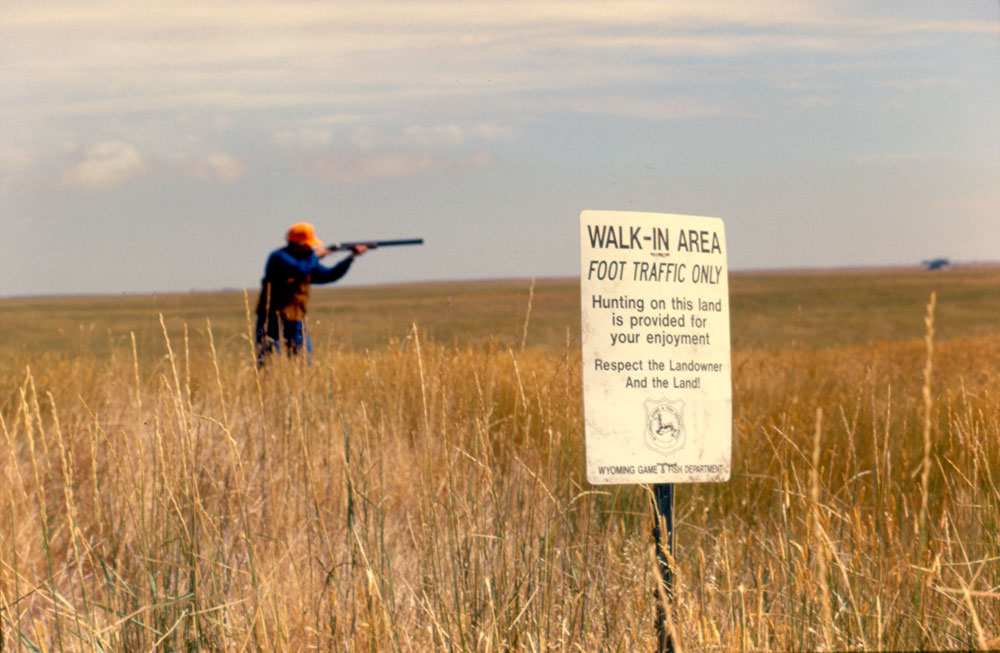
Confirm boundaries before hunting, use maps carefully, watch for fences and posted signs, and stay well inside approved areas. If a boundary is unclear, do not hunt near it until it is clarified.
12. What if wounded game crosses onto another property?
Do not cross without permission unless your local law specifically provides another process. Contact the landowner, follow wildlife agency rules, and ask a local authority for guidance if needed.
13. Are hunting laws different on private land?
They can be. Some areas have different private-land seasons, tags, methods, access rules, or reporting requirements. Always verify current regulations with your official wildlife agency.
14. Can I hunt private land without a tag?
That depends on the species and jurisdiction. Many big game animals require tags or permits even on private land. Never assume private property removes tag or reporting requirements.
15. What should I ask about parking?
Ask exactly where to park and whether any gates, driveways, barns, equipment lanes, or livestock access points must remain clear. Never block a gate or field entrance.
16. Should I tell the landowner when I arrive and leave?
Ask what they prefer. Some landowners want a text or call for safety and coordination, while others prefer limited contact once the schedule is agreed upon.
17. How do I scout private land respectfully?
Scout only approved areas, stay out of crops and livestock zones, close gates, avoid wet roads, and leave no trash. Look for sign without disturbing bedding, feeding, or roosting areas more than necessary.
18. What signs should I look for when scouting?
Look for tracks, droppings, trails, feeding sign, bedding cover, rubs, scrapes, feathers, scratching, water sources, crop damage, or other sign that fits the legal species you are hunting.
19. Is private land always better than public land?
No. Private land may have less pressure, but it depends on habitat, species, hunting pressure, landowner rules, and your preparation. Public land can also be excellent when hunted legally and thoughtfully.
20. How close can I hunt to a house, road, barn, or livestock?
Setback rules vary by location and method. Check local law and always choose a setup with a safe background away from homes, roads, buildings, livestock, vehicles, trails, and people.
21. What firearm safety rules matter most on private land?
Treat every firearm as loaded, keep the muzzle in a safe direction, keep your finger off the trigger until ready, and identify your target and what is beyond it. These rules apply every time.
22. What bowhunting safety rules matter most on private land?
Practice before the season, know your effective range, handle broadheads carefully, transport equipment safely, and pass any shot that is beyond your ability or has an unsafe background.
23. Should I wear hunter orange on private land?
Wear required visibility clothing when the law requires it. Even when it is not required, visibility clothing can be wise when other hunters, livestock workers, family members, or neighbors may be nearby.
24. Can I drive around private land while hunting?
Only if the landowner allows it and local laws permit it. Avoid wet fields, crop areas, soft roads, livestock, and any area where vehicle use could cause damage or create safety risks.
25. Can I hunt near property lines?
It is usually better to stay well inside approved property. Hunting close to boundaries increases the chance of trespass, unsafe shots, neighbor conflict, and difficult recovery situations.
26. What if another hunter is already on the property?
Back out calmly and clarify the situation with the landowner. Do not argue in the field. Multiple permissions can happen, and safety should come before claiming a spot.
27. How do I choose a good setup on private land?
Choose a location with legal access, fresh sign, favorable wind, low disturbance, and a safe shooting background. Avoid homes, roads, livestock, workers, and uncertain boundaries.
28. Is baiting allowed on private land?
Baiting rules vary widely by species and location. Private property does not automatically make baiting legal. Check current wildlife regulations before using any attractant, feed, mineral, or bait site.
29. Can I hunt at night on private land?
Only if the species, method, land access, and local law allow it. Many forms of night hunting are restricted or prohibited. Verify legal hours and lighting rules before planning any hunt.
30. What should I do after a successful harvest?
Follow tagging, reporting, recovery, transport, and meat care rules. Keep the process respectful, avoid waste, and notify the landowner if that was part of your agreement.
31. Should I share meat with the landowner?
It can be a kind gesture if the landowner wants it and local rules allow it. Ask first and make sure any shared meat is handled cleanly and legally.
32. Can I post hunting photos from private land?
Ask the landowner before posting anything that identifies the property, access points, landmarks, gates, homes, or harvest location. Respect privacy and avoid creating unwanted attention.
33. What if I accidentally damage something?
Tell the landowner immediately, apologize, and offer to make it right. Hiding damage is one of the fastest ways to lose trust and future access.
34. How can I build a long-term private land hunting relationship?
Communicate clearly, follow every rule, help when appropriate, report issues, clean up, avoid drama, and thank the landowner after the season. Trust is built over time.
35. Is leasing private land different from getting permission?
Yes. A lease is usually a formal agreement that may involve payment, insurance, dates, guests, species, and specific rules. Read it carefully and consider legal advice for complex agreements.
36. Should I offer money for access?
Some landowners accept paid leases or access fees, while others do not. Be respectful either way. Make sure any agreement is clear, legal, and understood by all parties.
37. What if the land has livestock?
Ask where livestock will be, avoid stressing animals, close gates, avoid shooting near them, and never assume a pasture is safe just because you do not see animals at first glance.
38. What if the landowner has crop damage concerns?
Ask about the owner’s goals and legal options, then verify wildlife regulations. Some owners may want help with specific species, but all hunting must remain legal and ethical.
39. When should I ask a professional or official for help?
Ask for help when you are unsure about laws, boundaries, safe firearm or bow handling, tree stand setup, recovery rules, meat care, or emergency situations. Official wildlife agencies and certified instructors are good starting points.
40. What is the most important rule for private land hunting?
Respect permission. That means respecting the landowner, the law, wildlife, property boundaries, neighbors, safety rules, and the future of access. A good hunter is a trusted guest.
Read more: How to Hunt Ducks Without Decoys: A Beginner-Friendly Guide