
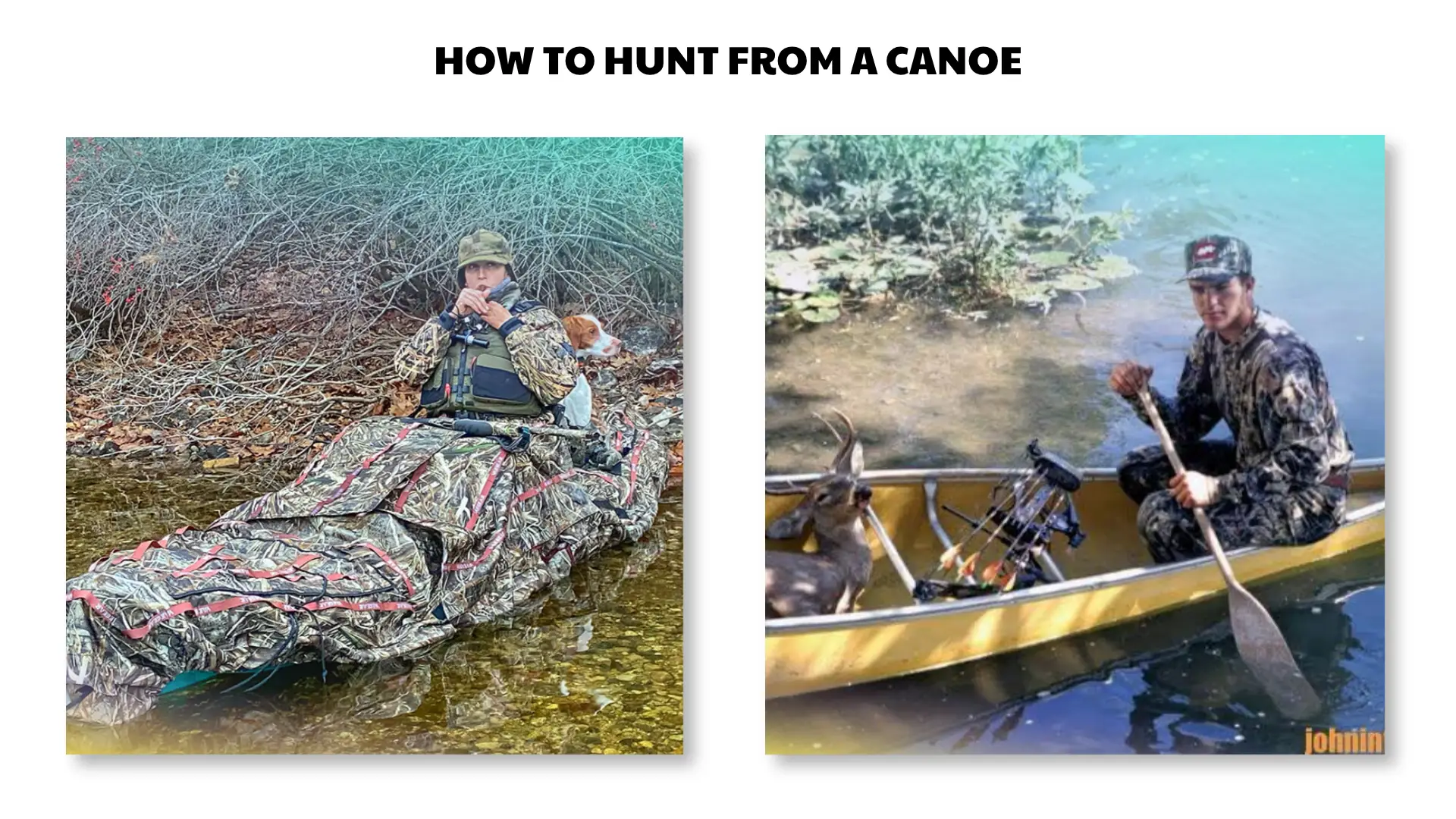
Quick Answer
To hunt from a canoe safely, first confirm that your hunting method, species, waterway, land access, and boating setup are legal in your area. Use the canoe mainly as a quiet access and scouting tool, wear a properly fitted PFD, keep gear balanced and secured, and avoid unstable or rushed decisions. The safest beginner approach is often to paddle to a legal area, secure the canoe, and hunt from stable shore cover or an approved blind when required. With practice, patience, and careful planning, a canoe can be a useful hunting tool, but it should never replace training, judgment, or legal compliance.
Important Legal and Safety Notice Before You Hunt
Hunting laws and boating rules change by country, state, province, county, species, season, waterway, land ownership, and weapon type. Do not treat online advice as legal permission. Always check current regulations before launching or hunting.
- Confirm your hunting license, hunter education requirements, permits, tags, stamps, and harvest reporting rules.
- Check legal season dates, legal hunting hours, species identification rules, bag limits, and possession limits.
- Verify whether hunting from a canoe, boat, floating blind, shoreline, island, or public water is legal where you plan to hunt.
- Confirm weapon rules, ammunition rules, broadhead rules, nontoxic shot requirements when applicable, and transport rules.
- Understand public land boundaries, private land permission, launch access, refuge rules, waterway closures, and local boating rules.
- Wear a properly fitted PFD and carry required boating safety equipment such as a whistle, light, and navigation tools.
- Follow firearm and bow safety principles at all times: control the muzzle or arrow direction, keep your finger off the trigger until ready, identify the target and what is beyond it, and pass on unsafe or uncertain opportunities.
- Leave a float plan with someone you trust and prepare for weather, cold water, navigation, and emergencies.
What Searchers Really Want to Know
Most people searching for this topic are not looking for a complicated boat-hunting system. They want to know whether canoe hunting is legal, what gear is needed, how to stay safe, how to avoid tipping, whether a firearm or bow can be handled safely around water, and how to use a canoe without disturbing game. They also need clear reminders about licensing, water access, private property, hunter education, PFD use, and ethical decision-making.
The key point is simple: a canoe can help you reach hunting areas, but it also magnifies mistakes. Poor balance, cold water, wind, loaded gear, unclear rules, and rushed decisions can turn a simple hunt into an emergency.
Is Hunting From a Canoe Legal?
There is no universal answer. Some places allow certain types of hunting from non-motorized boats. Some allow boat access but require the hunter to be stationary, anchored, beached, or outside the boat before taking action. Some areas restrict hunting from moving boats, motorized vessels, public waterways, refuge waters, roads, shorelines, or specific blind zones. Waterfowl rules can also include stamps, nontoxic shot requirements, shooting-hour rules, species identification rules, and special refuge regulations.
Before you plan a canoe hunt, check these questions with the official rulebook:
- Is the target species open to hunting in the area and season?
- Is a canoe allowed for access, scouting, retrieval, or hunting?
- Are there restrictions on shooting from a boat, floating device, or moving vessel?
- Are motors, drift, anchoring, blinds, decoys, or boat concealment regulated?
- Are the waterway, shoreline, island, refuge, or public-land unit open to hunting?
- Do you need a state license, federal stamp, state stamp, public-land permit, water access permit, or harvest report?
- Are there firearm, bow, ammunition, nontoxic shot, transport, or casing rules?
When rules are unclear, contact the wildlife agency or conservation officer before the trip. Guessing is not worth a citation, unsafe encounter, or lost hunting privileges.
Best Ways to Use a Canoe for Hunting
A canoe is usually most useful as an access tool, scouting platform, and gear carrier. It is not automatically a safe shooting platform. Beginners should think of the canoe as a way to move quietly and reach legal setups, not as a shortcut around safe hunting fundamentals.
Using a Canoe for Access
Many hunters use a canoe to reach backwaters, marsh edges, creek bends, flooded timber edges, small islands, or public-land parcels that are difficult to reach on foot. This can reduce walking pressure and help you approach from a low-impact route. Always confirm that the launch, waterway, landing area, and hunting location are legally accessible.
Using a Canoe for Scouting
A canoe can be excellent for preseason scouting. You can look for animal sign, waterfowl movement, tracks in mud, feeding areas, trails, bedding cover near water, rubs, scrapes, feathers, droppings, and safe landing locations. Scout slowly and avoid disturbing wildlife more than necessary.
Using a Canoe as a Gear Carrier
Canoes can carry decoys, dry bags, layers, first aid, game bags, and other equipment, but overloading is a common mistake. Keep the load within the canoe’s rated capacity, distribute weight evenly, and keep emergency items accessible.
Using a Canoe as a Hunting Platform
This is the highest-risk use and may not be legal in your area. A canoe is narrow, moves with current and wind, and reacts to body movement. If local law allows any boat-based hunting, only proceed when the canoe is controlled, the water is calm, the target is clearly identified, the background is safe, and the opportunity is within your practiced ability. If any part is uncertain, pass.
What You Need Before You Start
You do not need expensive gear to hunt responsibly, but you do need safe, legal, and reliable equipment. The exact list depends on your species, method, weather, water conditions, and local regulations.
- Valid hunting license, permits, tags, stamps, and current regulation knowledge.
- Legal hunting method allowed in your area, plus manufacturer instructions for safe transport and use.
- A stable canoe with enough capacity for the hunter, partner, dog if used, and gear.
- A properly fitted, serviceable PFD for each person, worn on the water.
- Paddle, spare paddle if possible, whistle or sound-producing device, and waterproof light.
- Navigation tools such as paper map, compass, GPS, or a hunting app with offline maps.
- Dry bags for clothing, license documents, emergency gear, phone, and first aid.
- Weather-appropriate layers, rain protection, gloves, and required visibility clothing.
- First aid kit, water, snacks, emergency communication, and a written or shared float plan.
- Game bags, gloves, cooler, and meat-care supplies if a legal harvest occurs.
Canoe Setup and Safety Checklist
| Item | Why It Matters | Beginner Tip |
|---|---|---|
| PFD | Helps keep you afloat if you fall in or capsize. | Wear it, do not bury it under gear. |
| Stable canoe | Reduces tipping risk and carries gear more safely. | Practice with a loaded canoe before hunting. |
| Dry bags | Protect clothing, phone, license, and emergency gear. | Use separate bags for safety gear and hunting gear. |
| Balanced load | Improves control, tracking, and stability. | Keep heavy items low and centered. |
| Navigation | Helps you avoid wrong turns, closed areas, and boundary mistakes. | Carry a map and compass even if you use a phone app. |
| Lighting | Supports visibility during legal low-light travel or emergencies. | Follow boating light rules and carry backup batteries. |
| Communication | Helps you contact help if weather, injury, or capsize occurs. | Use a waterproof case and do not rely only on cell service. |
How to Hunt From a Canoe: Step-by-Step Guide
Step 1: Check Local Hunting and Boating Laws First
Start with the official regulation book, not social media or old forum advice. Confirm species, season, license, tags, stamps, legal methods, shooting hours, public-land rules, waterway rules, boat-use restrictions, harvest reporting, and transport requirements. If waterfowl are involved, check all migratory bird rules carefully.
Step 2: Choose the Right Water for Your Skill Level
Beginners should avoid fast rivers, big open lakes, heavy wind, large wakes, cold-water crossings, and unfamiliar marsh mazes. Start with calm, shallow, protected water where you already know the launch, exit, and emergency options. Your paddling skill should match the water before hunting gear is added.
Step 3: Decide Whether the Canoe Is for Access or Hunting
Before the trip, decide how the canoe will be used. The safest beginner plan is often to paddle to a legal area, secure the canoe, and hunt from stable ground, natural cover, or an approved blind. If local law allows hunting from a vessel, understand exactly what is allowed and what safety conditions must be met.
Step 4: Scout the Area Before the Hunt
Use maps and daylight scouting to locate legal launches, quiet routes, landing spots, game sign, wind exposure, current, shallow bars, private boundaries, and other users. Mark closed areas, houses, roads, docks, trails, livestock areas, and other places that affect safe background awareness.
Step 5: Practice With the Loaded Canoe
Do a practice paddle with similar gear weight before hunting day. Learn how the canoe turns, tracks, drifts, and reacts when you reach for a dry bag, shift your weight, or paddle in wind. Practice entering and exiting without hunting pressure.
Step 6: Pack Low, Balanced, and Simple
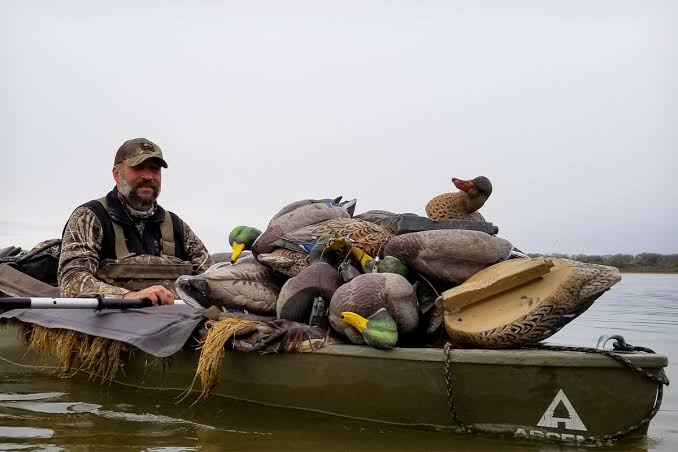
Place heavy items low and near the center. Keep both ends balanced. Secure loose gear so it does not roll, bang, fall overboard, or block movement. Keep PFDs worn, emergency gear accessible, and license documents protected from water.
Step 7: Plan Wind, Weather, Water, and Exit Route
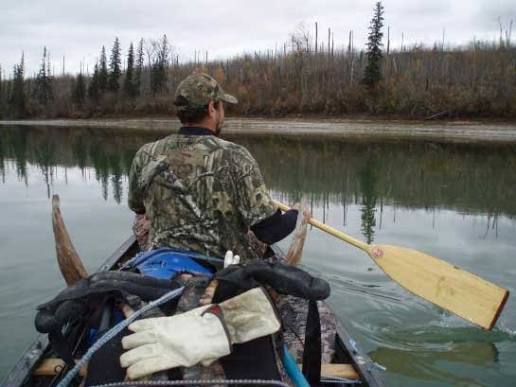
Wind can push a canoe off course, expose scent, create waves, and make the return trip harder. Current can make quiet entry difficult and recovery plans more complex. Check weather before you go and be willing to cancel if conditions are unsafe.
Step 8: Paddle Quietly and Respect Other Users
Use slow strokes, avoid banging gear, and give other hunters, anglers, paddlers, landowners, and wildlife plenty of space. Do not crowd another setup. On public water, good etiquette helps prevent conflict and keeps the hunt safer.
Step 9: Set Up in a Stable, Legal Position
When you reach the area, secure the canoe where legal and safe. This may mean beaching it, tying off where allowed, using natural cover, or setting up from land. Avoid blocking navigation channels, trespassing, damaging vegetation, or entering closed areas.
Step 10: Keep Firearm or Bow Handling Conservative
Follow all manufacturer instructions and hunter education rules. Control the muzzle or arrow direction, keep fingers away from triggers until ready, and avoid handling hunting gear while the canoe is unstable. Unload or secure equipment during transport, entry, exit, portage, or obstacle crossing as required by law and safe practice.
Step 11: Take Only Safe, Legal, and Ethical Opportunities
Only act when the animal is legal, clearly identified, the background is safe, the canoe or setup is stable, the opportunity is within your practiced ability, and your action complies with all local regulations. Do not rush. Passing an uncertain opportunity is responsible hunting.
Step 12: Follow Recovery, Reporting, and Meat-Care Rules
If a legal harvest occurs, follow tagging, reporting, retrieval, transport, and meat-care requirements. Keep tools clean, cool the meat appropriately, avoid waste, and do not overload the canoe on the return trip. Plan this before the hunt, not after.
Best Time, Place, and Conditions for Canoe Hunting
The best conditions are calm, legal, familiar, and within your paddling skill. Early and late movement periods can be productive for many species, but low light also increases navigation and identification challenges. Beginners should prioritize safe water, known routes, and legal visibility over trying to force a difficult hunt.
Protected marsh edges, slow creeks, backwater channels, and small ponds may be easier than open lakes or fast rivers. Always consider wind direction, boat traffic, public pressure, private boundaries, and the return paddle. A perfect-looking hunting spot is not worth using if getting back safely is doubtful.
Firearm and Bow Safety Around Canoes
Combining a canoe with a firearm or bow requires extra caution. A canoe moves when you shift your weight, reach for gear, react to wind, or turn your body. Safe handling is more important than speed or opportunity.
- Complete hunter education and seek qualified instruction before hunting with a firearm or bow.
- Keep the muzzle or arrow direction controlled at all times.
- Keep fingers away from triggers until ready and safe.
- Identify the target, species, legal status, and what is beyond it.
- Do not shoot toward homes, roads, boats, docks, livestock, people, trails, or unclear movement.
- Do not handle loaded equipment during unstable paddling, launching, landing, or obstacle crossing.
- Know the exact transport and loading rules for your state, province, refuge, or public-land unit.
- Pass on any opportunity that feels rushed, unstable, illegal, or unclear.
Helpful Tips for Better Results
- Use the canoe to reduce access pressure, not to bypass regulations or safety rules.
- Scout in daylight before your first hunting trip.
- Keep your route simple and avoid long crossings in wind.
- Secure gear so it stays quiet and does not shift suddenly.
- Wear a PFD and dress for the water temperature, not only the air temperature.
- Keep a dry emergency layer in a waterproof bag.
- Mark legal boundaries and closed areas before launching.
- Leave earlier than you think you need to; rushing around water increases mistakes.
- Carry a spare paddle when practical.
- Respect other hunters and do not crowd established setups.
Common Mistakes to Avoid
The biggest canoe-hunting mistakes usually come from treating the trip like either a normal paddle or a normal land hunt. It is both, and each side adds risk to the other.
- Not checking current hunting and boating regulations.
- Assuming public water means legal hunting access everywhere.
- Launching without a PFD or wearing one that does not fit.
- Overloading the canoe with decoys, gear, extra clothing, or harvested game.
- Standing, twisting, or reaching suddenly in a narrow canoe.
- Paddling in wind, current, waves, fog, or cold water beyond your ability.
- Failing to secure gear in dry bags.
- Not telling anyone your route or return time.
- Handling a firearm or bow without accounting for canoe movement.
- Taking unsafe, unstable, illegal, or poorly identified opportunities.
- Not planning recovery, harvest reporting, cooling, and transport.
- Forgetting that a tired return paddle can be harder than the morning entry.
Troubleshooting Common Problems
| Problem | Possible Cause | What to Do |
|---|---|---|
| The canoe feels unstable | Too much gear, poor weight distribution, sudden movement, or rough water | Return to shore, reduce load, repack low and centered, and practice in safer conditions. |
| You are not seeing game | Poor timing, pressure, wind, noise, or limited scouting | Scout more, adjust entry route, check wind, and look for fresher sign in legal areas. |
| Wind pushes you off course | Open water, light canoe, poor route planning, or rising weather | Use protected shorelines, shorten the hunt, avoid crossings, and leave before conditions worsen. |
| Gear gets wet | No dry bags, loose packing, rain, splash, or capsize risk | Use waterproof bags, keep critical items sealed, and carry a dry emergency layer. |
| You are unsure about legal access | Unclear maps, private boundaries, refuge rules, or waterway restrictions | Stop and verify with official maps, land managers, wildlife officers, or landowners before hunting. |
| You feel rushed when game appears | Lack of practice, unstable setup, excitement, or poor planning | Slow down, breathe, and pass unless the opportunity is legal, stable, clearly identified, and ethical. |
| The return trip is harder than expected | Wind shift, fatigue, extra load, current, or poor timing | Plan conservative distances, leave early, monitor weather, and avoid overloading the canoe. |
Ethical Hunting and Conservation
Ethical canoe hunting means more than staying legal. It means respecting wildlife, other hunters, landowners, anglers, paddlers, and the habitat that makes hunting possible. Canoes can help hunters move quietly, but quiet access should never become a reason to crowd wildlife, trespass, ignore closed areas, or take risky opportunities.
- Obey seasons, limits, legal hours, and species identification rules.
- Practice before hunting and know your personal limits.
- Pass on unsafe, unclear, unstable, or marginal opportunities.
- Recover legal game responsibly and follow reporting rules.
- Avoid waste and plan meat care before the hunt.
- Respect private land, public land boundaries, and other users.
- Pack out trash, spent shells where applicable, fishing line, and damaged gear.
- Support conservation through licenses, stamps, habitat programs, and responsible participation.
When to Get More Training or Professional Guidance
Get help before the hunt if you are unsure about paddling, cold-water rescue, firearm safety, bow safety, regulations, land boundaries, access rights, species identification, or meat care. A canoe hunt is not the right place to learn everything at once.
- Take a hunter education course if you are new to hunting.
- Take a paddling or canoe safety course if you are new to small boats.
- Ask a wildlife officer or official agency about unclear regulations.
- Ask a land manager about public access, refuge rules, or closed areas.
- Learn from an experienced ethical mentor before hunting alone.
- Seek professional instruction for firearm or bow handling if you lack confidence.
- Contact emergency services if injury, hypothermia, capsize, or a lost-person situation occurs.
After the Hunt: Follow-Up, Gear Care, and Learning
After the hunt, unload and store hunting equipment safely according to manufacturer instructions and local law. Clean and dry the canoe, paddles, PFD, dry bags, boots, and clothing. Inspect the canoe for damage, check straps and tie-downs, and restock first aid or emergency supplies.
Write down what you learned: wind direction, water level, wildlife movement, sign, pressure, launch timing, gear problems, and route choices. If you harvested game legally, complete required tagging, reporting, transport, and meat-care steps. Good notes make the next canoe hunt safer and more effective.
Recommended Hunting Gear and Tools to Consider
You do not need the most expensive gear to hunt responsibly. Choose equipment based on local law, water conditions, hunting method, species, weather, safety needs, skill level, and budget.
- Stable canoe with adequate capacity for people and gear.
- Properly fitted PFD for each person.
- Primary paddle and spare paddle if practical.
- Whistle, waterproof light, and other required boating safety items.
- Dry bags for clothing, license, phone, first aid, and emergency gear.
- Map, compass, GPS, or hunting app with offline map access.
- Legal hunting gear appropriate for your species and regulations.
- Weather-appropriate clothing and required visibility clothing.
- First aid kit, water, food, emergency blanket, and communication device.
- Game bags, gloves, cooler, and cleaning supplies if a legal harvest occurs.
Final Thoughts
Learning how to hunt from a canoe starts with restraint. The canoe can help you scout quietly, reach low-pressure areas, and carry gear, but it also requires honest judgment about water, weather, balance, legal access, and safe hunting practices. Start simple, wear your PFD, pack light, verify the law, practice before the season, and treat every uncertain situation as a reason to pause.
The best canoe hunters are not the ones who take the most chances. They are the ones who return safely, follow the rules, respect wildlife, care for the harvest responsibly, and keep improving through practice and experience.
Frequently Asked Questions (Q&A)
1. Is hunting from a canoe legal?
It depends on your country, state, province, species, waterway, land ownership, and hunting method. Some places allow certain types of non-motorized boat hunting, while others restrict shooting from vessels, loaded firearms in boats, motor use, waterfowl methods, or access. Always verify current rules with your official wildlife agency and boating authority before you hunt.
2. What is the safest way to hunt from a canoe?
The safest approach is to use the canoe mainly for transportation, scouting, access, or retrieving in legal situations, then hunt from stable shore cover, an approved blind, or another safe setup when required. Wear a properly fitted PFD, keep the canoe balanced, avoid standing, and never take an action if the target, background, or canoe stability is uncertain.
3. Can beginners hunt from a canoe?
Beginners can learn canoe-based hunting, but they should first be comfortable paddling, self-rescuing, reading weather, and handling their hunting method safely on land. A new hunter should take hunter education, practice paddling with gear, and go with an experienced mentor before combining hunting, cold water, and firearm or bow safety.
4. What animals can you hunt from a canoe?
The answer depends on local law and habitat. Canoes are most often discussed around waterfowl access, marsh scouting, small-game access near waterways, and transportation to legal hunting areas. Do not assume a species is legal to hunt from a canoe just because it lives near water.
5. Do I need a hunting license to hunt from a canoe?
Yes, in most regulated hunting areas you need the proper hunting license and may also need species tags, permits, stamps, harvest reporting, hunter education, or land-access authorization. Waterfowl hunting may require additional federal or state stamps in some regions. Always check the current rulebook before going.
6. Do I need a boating license or registration for a canoe?
That depends on your jurisdiction and whether the canoe is motorized. Some areas do not require registration for simple paddle craft, while others have rules for motors, public waters, lights, invasive species permits, or launch access. Check your state or provincial boating authority before launching.
7. Should I wear a life jacket while hunting from a canoe?
Yes. A properly fitted, serviceable PFD should be worn on the water, especially when carrying hunting gear, paddling in cold weather, crossing deeper water, or hunting alone. A PFD stored under gear is much less useful in an emergency.
8. What type of canoe is best for hunting?
A stable canoe with adequate capacity, quiet handling, and enough room for gear is usually better than a narrow performance canoe. The right canoe depends on water conditions, load weight, portages, vegetation, and whether you hunt solo or with a partner.
9. Is a canoe better than a kayak for hunting?
Neither is always better. Canoes often carry more gear and can be easier to load with decoys or a dog, while kayaks may handle wind differently and can be easier for solo paddling. Choose based on stability, capacity, access, water type, and your paddling skill.
10. Can I shoot from a canoe?
Laws vary widely, and safety must come first. Even where boat-based hunting is allowed, a canoe is less stable than land or a fixed blind. Do not attempt any shot unless it is legal, the canoe is controlled, the target is clearly identified, the background is safe, and the opportunity is within your practiced ability.
11. Can I shoot from a moving canoe?
Do not assume this is legal or safe. Many places restrict shooting from moving vessels or motor-driven boats, and a moving canoe adds serious balance and background-identification problems. Verify the law and avoid any action that is unstable, rushed, or unsafe.
12. How do I keep a canoe stable while hunting?
Keep weight low and centered, avoid sudden movement, distribute gear evenly, stay seated or kneeling if trained to do so, and practice paddling with a loaded canoe before hunting season. In rough wind, current, waves, or cold water, choose a safer plan or do not launch.
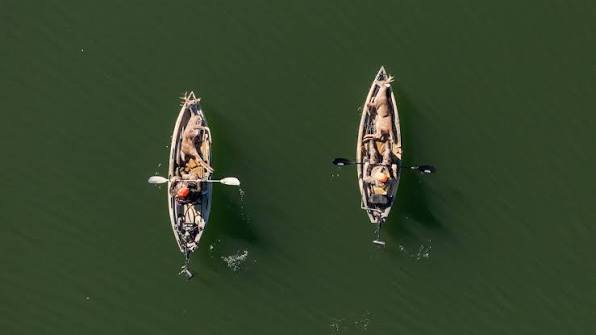
13. What gear should I bring for canoe hunting?
Bring a PFD, paddle, spare paddle if possible, whistle, navigation, waterproof light, first aid kit, dry bags, weather layers, communication device, legal hunting gear, license documents, and any required visibility clothing. Pack only what you can carry safely without overloading the canoe.
14. How do I keep my firearm or bow safe in a canoe?
Follow manufacturer instructions and local law. Keep the muzzle or arrow direction controlled, avoid loading or handling during unstable movement, protect equipment from water, and unload or secure gear when entering, exiting, crossing obstacles, or transporting. Take formal training if you are unsure.
15. Can I take a dog in a canoe while hunting?
Only if the dog is trained for canoe travel, wearing suitable flotation if needed, and calm around gear and wildlife. A dog can shift weight quickly, so practice in warm, safe conditions before hunting and do not overload the canoe.
16. How do I choose a hunting spot from a canoe?
Use the canoe to access legal shorelines, marsh edges, backwater channels, islands, or public-land areas that match your target species and regulations. Scout sign, wind, entry routes, water depth, current, safe backstops, and exit options before deciding.
17. How do I scout from a canoe?
Paddle quietly, look for legal access points, tracks, feathers, feeding sign, trails, rubs, droppings, beds, or waterfowl activity depending on species. Mark observations on a map and avoid disturbing wildlife more than necessary.
18. What time of day is best for canoe hunting?
It depends on species, season, weather, and legal hunting hours. Many hunters use early and late movement periods, but water safety matters more than timing. Avoid launching in darkness, fog, wind, or cold conditions unless you are skilled, equipped, and legal.
19. How does wind affect hunting from a canoe?
Wind affects scent, sound, paddling control, waves, drift, and safe positioning. A headwind can exhaust you, a crosswind can push you off course, and a tailwind can make stopping difficult. Plan entry and exit routes with the wind in mind.
20. What weather is unsafe for canoe hunting?
High wind, lightning, heavy fog, fast current, freezing rain, high waves, sudden temperature drops, and cold-water exposure can make canoe hunting unsafe. When conditions are beyond your skill or gear, postpone the hunt.
21. Can I hunt from a canoe on public land?
Maybe, but public land does not mean every waterway, shoreline, species, or method is open. Check maps, refuge rules, launch rules, access boundaries, closed areas, non-hunting zones, and season-specific restrictions before you go.
22. Can I cross private land to reach water?
Not without permission. Water access laws vary, and crossing private land, using private launches, tying up to private docks, or landing on private banks may require permission. When boundaries are unclear, contact the landowner or local authority.
23. Do I need decoys for canoe hunting?
Only for certain styles such as some waterfowl hunting, and only where legal. Decoys add weight and bulk, so beginners should avoid overloading the canoe. Use simple, manageable setups and confirm all waterfowl rules before placing decoys.
24. Should I camouflage my canoe?
Concealment may help in some legal hunting situations, but it should not reduce safety, visibility to boaters, or compliance with boating rules. Avoid materials that snag, block paddling, hide required lights, or make rescue harder.
25. How do I avoid tipping a canoe while hunting?
Do not stand, lean far over the gunwale, make sudden reaches, overload the canoe, or paddle in water beyond your skill level. Keep movements slow, gear low, and the canoe pointed safely into waves when possible.
26. How should I pack gear in a canoe?
Use dry bags, tie down essential items, keep weight balanced, and place heavy items low in the center. Keep emergency gear accessible instead of buried under decoys, packs, or clothing.
27. How do I stay quiet in a canoe?
Pad contact points, secure loose gear, avoid banging paddles on the hull, and practice slow paddle strokes. Noise control helps, but safety and control are more important than being perfectly silent.
28. What should I do if my canoe capsizes?
Prioritize people, not gear. Stay with the canoe if safe, use your PFD, get out of cold water quickly, call for help if needed, and follow your practiced self-rescue plan. Do not hunt cold water without rescue preparation.
29. Is cold-water canoe hunting dangerous?
Yes, cold water can become life-threatening quickly. Wear a PFD, dress for immersion, carry dry clothes in a waterproof bag, know self-rescue, and avoid solo trips in cold conditions unless you have advanced skill and a reliable plan.
30. How do I handle harvested game from a canoe?
Follow tagging, reporting, transport, and meat-care rules. Keep the load balanced, cool the meat as conditions require, avoid contamination, and do not overload the canoe on the trip back.
31. Can I use a canoe for deer hunting access?
A canoe can be useful for accessing legal shoreline or island hunting areas, but the actual hunt must follow local deer regulations, land-access rules, weapon rules, and safety requirements. Plan retrieval, weight, and return travel before you hunt.
32. Can I use a canoe for duck hunting?
Often, canoe-related hunting is associated with waterfowl access, but waterfowl laws can be highly specific. Check season dates, species identification rules, nontoxic shot requirements where applicable, stamps, shooting-hour rules, blind laws, and boat rules.
33. How do I identify a safe background near water?
Look beyond the animal or bird and consider water, shorelines, homes, roads, docks, livestock, boats, trails, hunters, and public-use areas. If the background is not safe and clearly understood, pass the opportunity.
34. Should I hunt alone from a canoe?
Solo canoe hunting increases risk. Beginners should go with a responsible partner or mentor, leave a float plan, carry communication, and stay within conservative conditions. If you hunt alone, reduce distance, load, weather risk, and complexity.
35. What is a float plan?
A float plan tells someone where you are launching, where you intend to go, when you expect to return, who is with you, what canoe you are using, and who to contact if you are overdue. It is a simple safety habit for any paddling hunt.
36. How do I use navigation safely from a canoe?
Carry a waterproof map, compass, GPS or hunting app, and backup power. Mark launch points and legal boundaries before leaving. Do not rely on phone signal alone in marshes, river bottoms, or remote public land.
37. What are common mistakes when hunting from a canoe?
Common mistakes include overloading the canoe, skipping PFD use, ignoring wind, launching in unsafe weather, assuming the law, handling hunting gear carelessly, paddling beyond skill level, and failing to plan recovery or meat care.
38. How much gear is too much for canoe hunting?
Too much gear is anything that exceeds the canoe’s rated capacity, raises the center of gravity, blocks movement, or makes self-rescue difficult. Leave nonessential items behind and make multiple trips if necessary.
39. When should I get professional training?
Get training if you are new to firearms, bowhunting, paddling, cold-water rescue, navigation, or local hunting laws. Hunter education, paddling courses, certified instructors, wildlife agencies, and ethical mentors can prevent dangerous mistakes.
40. What is the most important rule for canoe hunting?
Do not combine uncertainty with risk. If you are unsure about the law, water conditions, firearm or bow handling, target identification, background, canoe stability, or recovery plan, stop and choose the safer option.
Read more: How to Hunt from a Kayak: A Safe, Legal, Beginner-Friendly Guide