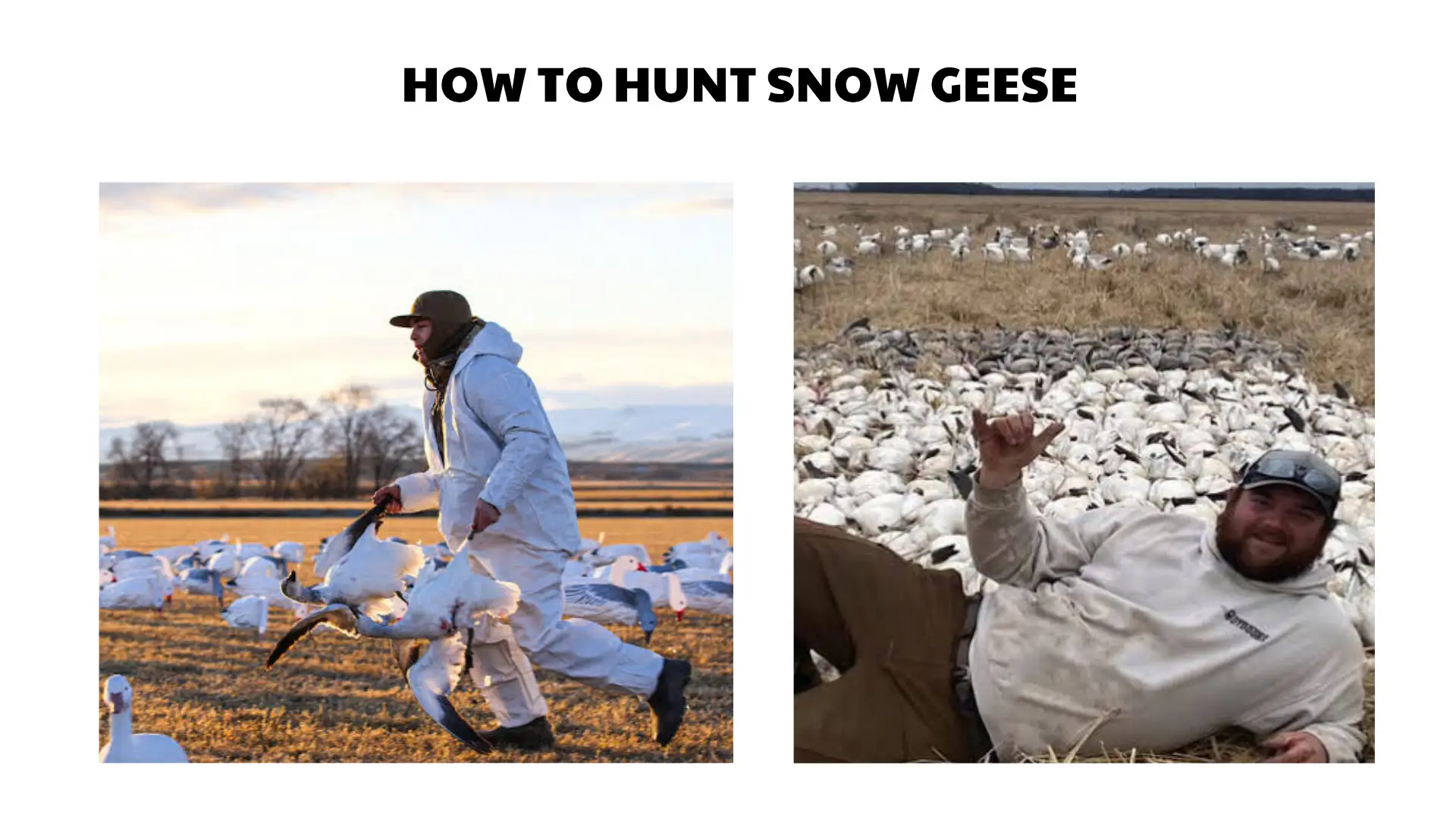

Learning how to hunt snow geese starts with understanding that these birds are migratory, alert, social, and often influenced by weather, feeding patterns, and hunting pressure. A good snow goose hunt is not built on guesswork. It is built on legal preparation, careful scouting, safe firearm handling, clean access, realistic concealment, and ethical decision-making.
This guide is written for beginners who want a practical, calm, and responsible introduction to snow goose hunting. You will learn what to check before the season, how snow geese use fields and wetlands, what gear matters, how to plan a setup, what mistakes to avoid, and what to do after a successful hunt at a high-level, non-graphic level.
Snow goose hunting can be demanding because flocks may move long distances, change feeding areas quickly, and react strongly to pressure. With patience, practice, mentorship, and respect for wildlife regulations, a beginner can build useful field skills without taking unsafe shortcuts or assuming success is guaranteed.
Quick Answer
To learn how to hunt snow geese, first verify current migratory bird regulations, licenses, stamps, permits, legal methods, access rules, season dates, bag limits, and reporting requirements with your official wildlife agency. Then scout feeding fields, roosting areas, and flight lines, choose a legal setup, use safe concealment, and plan your approach around wind and weather. Take only safe, legal, clearly identified, and ethical shot opportunities within your practiced ability. With scouting, patience, and responsible preparation, beginners can improve steadily, but no hunt is guaranteed..
Important Legal and Safety Notice Before You Hunt
Hunting regulations vary by country, state, province, county, season, flyway, land type, species, and weapon type. Snow geese are migratory waterfowl in many regions, so hunters must verify current rules with their official wildlife agency before hunting. Check the latest license, permit, stamp, tag, season, legal hours, weapon, ammunition, bag limit, possession, land access, reporting, and transport rules before each hunt.
- Hunting license and permits: Carry the correct current license and any required migratory bird permits, stamps, or conservation season authorizations.
- Tags or harvest reporting: Follow all harvest reporting, possession, transport, and identification rules for your area.
- Legal season and legal hours: Confirm the exact open dates and daily legal hunting hours for your location.
- Legal weapons and ammunition: Use only legal firearms, bows, ammunition, shot types, magazine limits, and equipment allowed in that season.
- Public land or private land access: Verify land ownership, access points, closed zones, refuge boundaries, parking rules, and written private permission when needed.
- Required clothing or visibility rules: Follow all hunter orange, waterfowl camouflage, or area-specific visibility requirements.
- Safe firearm or bow handling: Identify the target and what is beyond it, keep the muzzle pointed safely, and never shoot toward roads, homes, livestock, vehicles, trails, people, or unclear movement.
- Weather, navigation, and emergency planning: Plan for cold, mud, water, wind, darkness, communication, first aid, and a safe route back.
For current official information, start with your state or provincial wildlife agency and national migratory bird resources such as the U.S. Fish & Wildlife Service migratory bird hunting regulations. Health guidance for handling wild birds can also be reviewed through the CDC guidance for hunters and bird flu.
Understanding the Game Species and Its Habitat
Snow geese are highly social migratory geese often seen in large flocks. They are known for long-distance movements between breeding, staging, and wintering areas. Their daily behavior commonly revolves around safe roosting water, feeding areas, weather conditions, and pressure from hunters or other disturbance.
In many hunting areas, snow geese feed in agricultural fields, wetland edges, marshes, and open landscapes where they can see danger. They may use crop fields, waste grain, grasses, roots, or other available plant foods depending on region and season. They usually prefer areas with visibility and room for flocks to land, which is why concealment and wind planning are important for hunters.
Beginners should learn to recognize flock movement, flight lines, fresh droppings, feathers, tracks in soft ground, feeding activity, and areas where birds repeatedly enter or leave fields. Snow geese can change patterns quickly after a weather shift or hunting pressure, so fresh scouting is more useful than old information.
What You Need Before You Start
- Valid hunting license, permits, stamps, conservation order documents if applicable, and current regulation knowledge
- Legal hunting weapon or method allowed in your area
- Approved waterfowl ammunition or other legal projectiles required by your jurisdiction
- Hunter orange or required visibility clothing if applicable to the area or season
- Weather-appropriate waterfowl clothing, gloves, hat, waterproof boots, and spare dry layers
- Concealment such as a legal blind, layout blind, natural cover, or field-appropriate camouflage
- Snow goose decoys, windsocks, silhouettes, or other legal decoy options if you plan to hunt over a spread
- Calls or legal electronic calling equipment only where allowed by current regulations
- Navigation tools such as official maps, compass, GPS, or a hunting app with verified boundaries
- First aid kit, water, snacks, emergency communication, headlamp, and weather backup plan
- Binoculars for safe observation and bird identification
- Game bags, disposable gloves, cooler, ice, and basic meat care supplies if you harvest birds
How To Hunt Snow Geese: Step-by-Step Guide
Step 1: Check Local Hunting Laws First
Start by reading the current regulations from your official wildlife agency. Confirm license requirements, migratory bird stamps, species rules, season dates, legal shooting hours, daily bag limits, possession limits, ammunition restrictions, magazine limits, public land rules, reporting requirements, and transport rules.
Snow goose hunting may include regular waterfowl seasons and, in some places, special conservation seasons with different rules. Do not assume that electronic callers, unplugged shotguns, extended hours, or special limits are allowed unless the current regulations clearly say so.
Step 2: Learn the Animal’s Patterns
Watch how snow geese move between roosting water, feeding fields, and resting areas. Note the direction of morning and afternoon flights, the fields they choose, the weather that changes their movement, and how they react to pressure.
Snow geese often land into the wind, circle before committing, and avoid suspicious shapes or movement. Understanding these patterns helps you choose better decoy placement, safer shooting lanes, and a more effective blind location.
Step 3: Choose a Legal Hunting Area
Use official maps to locate public lands, wildlife management areas, walk-in access areas, controlled hunt zones, and legal waterfowl hunting areas. Check whether the property requires reservations, drawings, permits, check-in, shell limits, boat rules, parking rules, dog rules, or blind assignments.
If birds are using private land, ask permission before entering. Respect gates, crops, livestock, roads, equipment, and landowner instructions. Never cross private land to reach public land unless you have legal access.
Step 4: Scout Before the Hunt
Scout from legal roads, observation points, or public access areas without disturbing birds. Look for fresh droppings, feathers, tracks, feeding activity, roosting water, and repeated flight lines. Mark legal parking areas, safe walking routes, and possible blind locations.
Fresh sign matters. A field full of birds yesterday may be empty today if the weather changes, food is depleted, or hunting pressure increases. Keep notes about date, time, wind, temperature, crop type, bird numbers, and direction of travel.
Step 5: Prepare Your Gear Safely
Before leaving home, confirm that your firearm or bow is legal, clean, functioning, and transported according to law. Use only manufacturer-approved ammunition or equipment and never modify firearms, ammunition, or safety features.
Pack only the gear you can carry safely. Snow goose hunting may involve mud, darkness, water, cold, and large decoy bags. Beginners often do better with a simple, organized setup than with too much equipment they cannot manage safely.
Step 6: Plan for Wind, Weather, and Entry Route
Wind direction helps predict how geese may approach a field or decoy spread. Plan your blind and decoy layout so birds approach into the wind while your safe shooting lanes remain clear of people, roads, houses, livestock, vehicles, and other hunters.
Choose a quiet entry route that avoids flushing birds before legal hunting time. Check weather for fog, strong wind, lightning, extreme cold, ice, mud, and unsafe road conditions. Leave your plan with someone who knows where you are going.
Step 7: Set Up Carefully
Place blinds and decoys in a way that looks natural for the terrain and wind. Brush in blinds thoroughly, hide shiny objects, cover your face and hands when needed, and keep movement low when birds are working.
If using a decoy spread, leave realistic landing space and avoid placing hunters where they might shoot toward each other. If hunting public land, be aware of other users and never crowd another party.
Step 8: Stay Patient and Observe
Snow geese may appear suddenly, circle wide, or pass without committing. Stay still, listen, watch flock behavior, and avoid unnecessary calling or movement. Use binoculars for observation, not for pointing a firearm.
If birds repeatedly flare, do not rush into unsafe changes. Check concealment, wind, decoy shine, blind shape, calling volume, and pressure from nearby hunters.
Step 9: Take Only a Safe, Legal, and Ethical Shot Opportunity
Only act when the bird is clearly identified as a legal target, the season is open, the background is safe, and the shot is within your practiced ability. Never shoot at sound, movement, sky shapes you cannot identify, low birds over other hunters, or birds near roads, homes, livestock, vehicles, or trails.
Ethical shot discipline means passing on uncertain opportunities. A safe hunt is more important than a filled limit.
Step 10: Follow Legal Recovery and Reporting Rules
After a successful harvest, follow all recovery, possession, tagging, reporting, and transport rules. Keep required species identification attached where regulations require it, and do not mix birds in a way that creates possession or tagging problems.
Recover game promptly and safely. If a bird goes onto private land or into a closed area, follow the legal process instead of trespassing or entering a restricted zone.
Step 11: Handle the Game Responsibly
Use clean tools, disposable gloves when appropriate, and a cooler or ice to cool birds promptly. Avoid cross-contamination, keep uncooked game separate from ready-to-eat food, and follow public health guidance for cooking game birds safely.
Responsible meat care honors the harvest. Plan before the hunt so you know how you will transport, store, prepare, or share the meat legally.
Best Time, Place, and Conditions for This Hunt
The best timing depends on migration, local season dates, weather, food availability, and pressure. Many snow goose hunters focus on morning feeding flights from roosts to fields, while others find useful movement later in the day when birds shift or return to feed.
Cold fronts, thawing fields, new food availability, changing winds, and hunting pressure can all move birds. Open agricultural areas, wetland edges, and legal fields near known flight lines may be productive when birds are actively using them.
On public land, pressure can be heavy near easy access points. Walk-in distance, legal overlooked areas, and careful scouting may help, but safety and boundaries matter more than trying to escape competition. On private land, permission and landowner trust are essential.
Local regulations and local bird behavior matter most. A setup that works in one flyway or region may not work in another.
Helpful Tips for Better Results
- Scout fresh bird movement instead of relying only on old reports or online chatter.
- Check official regulations before every season and again before special conservation hunts.
- Set up with the wind in mind because geese often land into the wind.
- Brush in blinds carefully and hide shiny gear, faces, hands, and unnatural outlines.
- Keep calling realistic and legal; more sound is not always better.
- Pack safety essentials even on short hunts, especially in cold, muddy, or remote areas.
- Pass on unsafe, poorly identified, or low-confidence shots.
Common Mistakes to Avoid
Many beginner mistakes come from rushing. Snow goose hunting rewards preparation more than impatience. Avoid building a hunt around assumptions that have not been checked in the field or verified in the regulations.
- Not checking current migratory bird regulations, season dates, and legal methods.
- Hunting without the correct license, stamps, permits, land permission, or access authorization.
- Ignoring wind direction when placing blinds and decoys.
- Using poor concealment that looks obvious from above.
- Setting up where birds were last week instead of where they are using now.
- Making too much movement when birds are circling.
- Calling too loudly, too often, or with illegal equipment.
- Parking illegally, blocking gates, damaging fields, or upsetting landowners.
- Overpacking decoys and underpacking safety gear.
- Taking unsafe, rushed, or unethical shots beyond practiced ability.
- Failing to plan legal recovery, reporting, transport, and meat care.
Troubleshooting Common Problems
| Problem | Possible Cause | What to Do |
|---|---|---|
| You are not seeing any geese | Poor location, stale scouting, weather shift, heavy pressure, or migration timing | Scout fresh feeding areas, observe flight lines, check weather, and try different legal access points. |
| Geese circle but do not finish | Blind is visible, decoys look unnatural, landing pocket is poor, or calling is too aggressive | Improve concealment, adjust decoy spacing, reduce movement, and match calling to bird behavior. |
| Birds flare suddenly | Shiny gear, face or hand movement, unsafe crowding, wrong wind setup, or pressure nearby | Cover reflective items, stay still, reposition legally, and review wind and blind placement. |
| Public land is too crowded | Easy access, peak migration, weekend pressure, or limited huntable zones | Arrive legally and respectfully, avoid crowding, explore overlooked legal areas, or choose another day. |
| Property boundaries are unclear | Map error, poor signage, mixed public and private parcels, or uncertain access | Stop and verify with official maps, agency staff, or landowners before entering or hunting. |
| Bad weather creates safety concerns | Fog, lightning, extreme cold, ice, mud, high wind, or poor roads | Delay the hunt, leave early, use safer access, and never risk injury for a hunting opportunity. |
| Gear fails in the field | Wet conditions, poor maintenance, dead batteries, damaged decoys, or disorganized packing | Inspect gear before the hunt, carry simple backups, and avoid using unsafe equipment. |
| Visibility is poor | Fog, low light, snow, rain, glare, or birds too far away | Do not shoot unless you can identify the target and confirm a safe background. |
| You are unsure about a legal rule | Confusing season structure, conservation order differences, access rules, or equipment restrictions | Do not hunt until you confirm the rule with the official regulation book or wildlife agency. |
| You feel nervous before a shot | Beginner pressure, poor practice, unfamiliar firearm, or rushed flock movement | Pass on the shot, breathe, keep the muzzle safe, and practice more before the next hunt. |
| Recovery becomes complicated | Bird lands in water, thick cover, private land, closed area, or near other hunters | Follow legal recovery rules, communicate safely, do not trespass, and ask an agency officer if needed. |
Ethical Hunting and Conservation
Ethical snow goose hunting means following the law, respecting wildlife, using safe methods, and making decisions that reduce waste and unnecessary suffering. It also means accepting that passing on a poor opportunity is part of responsible hunting.
- Respect wildlife by learning identification, behavior, and legal harvest rules.
- Respect landowners, other hunters, non-hunting public land users, and agency staff.
- Obey seasons, limits, shooting hours, access rules, and reporting requirements.
- Practice before hunting and stay within your real ability.
- Pass on unsafe, uncertain, or unethical shots.
- Recover game legally and use the meat responsibly.
- Support conservation through licenses, stamps, habitat work, and responsible participation.
- Leave fields, wetlands, parking areas, and blinds cleaner than you found them.
When to Get More Training or Professional Guidance
Beginners should seek more help before hunting if they have never handled a firearm or bow, have not completed hunter education, are unsure about local laws, do not understand land boundaries, are not confident in safe shooting, or are hunting unfamiliar terrain.
Additional guidance is also wise if you need help with waterfowl identification, decoy setup, safe dog handling, legal recovery, meat care, or transport rules. Good sources include official hunter education courses, state or provincial wildlife agencies, certified instructors, experienced ethical mentors, local conservation organizations, and reputable hunting clubs.
After the Hunt: Follow-Up, Gear Care, and Learning
After the hunt, unload and store firearms safely according to law and manufacturer guidance. Clean and dry gear, waders, boots, decoys, blinds, and tools before storage. If you hunted around waterfowl, follow disease-prevention hygiene guidance and keep equipment away from domestic poultry until cleaned.
Write down what worked and what did not. Record weather, wind, location, bird numbers, flight direction, decoy layout, access notes, and mistakes. Complete any required harvest reports or check-out procedures. If you harvested birds, cool and store the meat responsibly and follow safe cooking guidance.
Improvement comes from honest notes and steady practice. Review your scouting, concealment, calling, safety decisions, and legal preparation before planning the next hunt.
Recommended Hunting Gear and Tools to Consider
You do not always need expensive gear to hunt responsibly. Choose gear based on your local laws, hunting method, species, terrain, weather, safety needs, skill level, and budget.
- Legal hunting weapon or method allowed in your area
- Approved non-toxic waterfowl ammunition where required
- Quality waterproof boots or waders suited to your terrain and weather
- Weather-appropriate clothing and required visibility gear
- Blind, layout blind, or legal natural concealment materials
- Snow goose decoys matched to your budget and hunting style
- Legal calls or electronic equipment only when allowed
- Binoculars or optics for safe observation and identification
- Navigation tools such as a map, compass, GPS, or hunting app
- First aid kit and emergency communication
- Game bags, gloves, cooler, ice, and meat care supplies if relevant
Final Thoughts
Learning how to hunt snow geese is a process of legal research, scouting, safe setup, patient observation, disciplined shot selection, and responsible follow-through after the hunt. Start with the regulations, learn where birds are actually feeding and flying, plan your setup around wind and safety, and keep your expectations realistic.
Good snow goose hunters respect wildlife, landowners, other hunters, public land users, and the conservation system that makes regulated hunting possible. Choose methods and gear based on your local laws, terrain, skill level, and ethical responsibilities. With practice and patience, each hunt can teach you something useful, even when birds do not finish over the spread.
FAQs
1. How long does it take to learn how to hunt snow geese?
Most beginners can learn the basic process in a season, but becoming consistent usually takes several seasons of scouting, watching birds, learning weather patterns, and improving calling and concealment. Start by learning laws, safety, bird identification, and simple field setups before investing in complicated gear.
2. Do I need a hunting license to hunt snow geese?
Yes, in most places you need a valid hunting license and any required migratory bird permits, stamps, or species-specific authorizations. Requirements vary by country, state, province, and season, so verify them with your official wildlife agency before you hunt.
3. Do snow goose hunters need a federal duck stamp?
In the United States, many migratory waterfowl hunters must meet federal and state stamp or permit requirements, but exact rules depend on age, location, season, and land type. Check the current federal and state regulations before hunting.
4. Are snow geese migratory birds?
Yes. Snow geese are migratory waterfowl, and their movements are shaped by breeding grounds, wintering areas, weather, food availability, and hunting pressure. Because they cross large regions, regulations are usually managed through official wildlife agencies and flyway systems.
5. When is snow goose hunting season?
Season dates vary by jurisdiction and may differ between regular waterfowl seasons and special conservation seasons. Never rely on last year’s dates; check current regulations for the exact open dates, legal hours, bag limits, and allowed methods.
6. What is a snow goose conservation order?
In some regions, special conservation seasons or orders may allow different methods or limits to manage overabundant light goose populations. These rules are not universal, so confirm whether a conservation order exists where you hunt and what equipment or reporting rules apply.
7. Can beginners hunt snow geese successfully?
Yes, beginners can hunt snow geese, but it is often more challenging than it looks. Snow geese travel in large, wary flocks and often require good scouting, concealment, realistic decoy spreads, and patience.
8. What is the best place to hunt snow geese?
Good areas often include legal agricultural fields, wetlands, refuges with nearby huntable zones, flight corridors, and feeding areas where birds are already using the landscape. Always confirm access, boundaries, and local rules before setting up.
9. Can I hunt snow geese on public land?
Yes, where public land is open to snow goose hunting and the season is legal. Public areas may have access rules, blinds, draw systems, parking rules, shell limits, or restricted zones, so read the area-specific regulations carefully.
10. Do I need private land permission for snow geese?
Yes. If the birds are feeding on private fields, get permission before entering, parking, scouting on foot, placing decoys, or retrieving birds across property lines. Written permission is best when available.
11. What gear do I need for snow goose hunting?
Basic gear includes legal license documents, a legal shotgun or other approved method, approved ammunition where required, weather-appropriate clothing, blind or concealment, decoys if using a spread, navigation tools, first aid, water, gloves, and meat care supplies.
12. Do I need a huge decoy spread?
Not always. Large spreads can help in open fields, but beginners can still learn with smaller, well-placed spreads if they scout birds carefully and set up where geese already want to be. Realistic spacing, movement, and concealment often matter more than simply having more decoys.
13. What kind of decoys work for snow geese?
Common options include windsock decoys, shell decoys, silhouettes, full-body decoys, and mixed spreads. Choose legal, practical decoys that match your budget, terrain, wind conditions, and ability to carry or deploy them safely.
14. Do I need an electronic caller?
Electronic callers may be legal during some special conservation seasons but restricted during regular seasons in many areas. Do not assume they are legal; check the exact current rules for your location and season.
15. What calls should a beginner learn?
Beginners should first learn basic snow goose sounds, flock rhythm, and when not to call. Calling should support the setup rather than replace scouting and concealment.
16. How important is scouting for snow geese?
Scouting is one of the most important parts of snow goose hunting. Watch where birds feed, where they rest, what routes they fly, how they respond to pressure, and whether access is legal.
17. What signs show that snow geese are using a field?
Look for visible flocks, feathers, droppings, tracks in soft ground, feeding activity, and repeated flight lines. Fresh sign is more useful than old sign because snow geese may shift quickly with weather and pressure.
18. What time of day is best for snow goose hunting?
Many hunts focus on morning movement from roosts to feeding areas, but afternoon feeding flights can also matter. Legal hunting hours vary, so check current rules before planning any hunt.
19. How does wind affect snow goose hunting?
Snow geese often approach and land into the wind, so wind direction helps you place blinds, decoys, and safe shooting lanes. Strong or shifting wind can change flight paths, decoy movement, and visibility.
20. Does weather matter for snow goose hunting?
Yes. Fronts, temperature changes, snow melt, fog, bright sun, wind, and barometric changes can all influence movement. Safety comes first, so avoid unsafe roads, storms, extreme cold, and poor visibility.
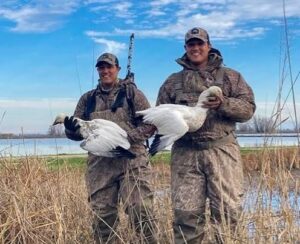
21. How do I hide from snow geese?
Use a legal blind, natural cover, low profile, matching clothing, and careful movement control. Snow geese can spot unnatural shapes and shine from above, so cover faces, hands, gear, and blind outlines.
22. Are layout blinds useful for snow geese?
Layout blinds can be useful in open fields when they are brushed in well and placed safely. They are not a substitute for legal access, good scouting, and disciplined movement.
23. Can I hunt snow geese without a blind?
Sometimes, if you can use legal natural cover, terrain breaks, ditch edges, or low vegetation safely. Avoid unsafe positions near roads, buildings, livestock, trails, or unclear backgrounds.
24. What color clothing should I wear?
Wear clothing that matches the terrain and follows local visibility rules. In snowy fields, light outer layers may help; in muddy fields or crop stubble, earth-toned clothing and well-brushed blinds may be better.
25. Is blaze orange required for snow goose hunting?
Visibility clothing requirements vary by area, season, and nearby hunting activity. Waterfowl hunters may not always be required to wear blaze orange, but you must verify local rules and consider safety around other users.
26. What firearm safety rules matter most?
Treat every firearm as loaded, keep the muzzle pointed in a safe direction, keep your finger off the trigger until ready to shoot, identify the target and what is beyond it, and never shoot toward people, roads, homes, vehicles, livestock, or unclear movement.
27. What ammunition is legal for snow geese?
Waterfowl laws often require approved non-toxic shot, but exact rules and approved materials vary by jurisdiction. Verify current ammunition rules and use only legal loads that match your firearm and manufacturer guidance.
28. Can I use lead shot for snow geese?
In many waterfowl hunting areas, lead shot is not legal. Check current federal, state, provincial, and area-specific regulations before buying or carrying ammunition.
29. How far should beginners shoot at snow geese?
Beginners should stay within their practiced, ethical range and pass on shots that are too far, too fast, poorly identified, or unsafe. Practice on appropriate targets before the season and be honest about your ability.
30. How do I identify snow geese correctly?
Learn the size, white body, black wingtips, blue morph variation, flock behavior, calls, and differences from similar geese. Always make a positive identification before taking any shot.
31. What is a blue goose?
A blue goose is a dark color morph of the snow goose, often with a darker body and white head. Legal classification and limits can vary, so confirm how your agency defines and regulates light geese.
32. Can I hunt snow geese near a refuge?
You may only hunt where hunting is legally open. Many refuges have closed zones, special permits, controlled hunt areas, or boundary restrictions, so study maps and signs before setting up.
33. Can I retrieve a bird across private land?
Rules vary. Do not trespass; contact the landowner or follow the legal process required in your area before entering private property to retrieve game.
34. What should I do if geese flare away from the spread?
Check your concealment, blind shine, decoy spacing, wind alignment, calling volume, and movement. Birds may also be pressured or committed to another field.
35. What should I do if I am not seeing snow geese?
Move only within legal boundaries, scout new feeding areas, check weather shifts, observe flight lines from a distance, and consider different access points. Avoid wandering into closed areas or private land.
36. How much does snow goose hunting cost?
Costs vary widely. A beginner can start with licenses, basic safety gear, borrowed or modest decoys, and a mentor, while large spreads and specialized gear can become expensive. Buy slowly based on real needs.
37. Do I need a dog for snow goose hunting?
A trained retriever can help with ethical recovery, especially in water or thick cover, but it is not required everywhere. If using a dog, follow area rules and plan for the dog’s safety, warmth, hydration, and control.
38. Can I hunt snow geese alone?
Legal solo hunting may be allowed, but beginners are safer with an experienced mentor. Waterfowl hunting can involve cold weather, water, mud, firearms, dogs, and heavy gear, so communication and emergency planning are important.
39. What should I pack for safety?
Pack a charged phone or communication device, map, compass or GPS, first aid kit, water, food, headlamp, weather layers, gloves, emergency blanket, and any required licenses or permits.
40. How do I avoid conflicts with other hunters?
Arrive respectfully, park legally, avoid crowding another setup, control dogs, keep safe shooting lanes, communicate calmly, and follow all public land rules. If an area is too crowded, choose another legal spot.
41. Can I shoot into a large flock?
Only take a safe, legal, clearly identified, and ethical shot with a safe background and a clear bird. Avoid careless flock shooting that increases the risk of wounding, unsafe angles, or confusion about targets.
42. What should I do after harvesting a snow goose?
Follow tagging, possession, reporting, and transport rules. Handle birds cleanly, cool them promptly, keep required identification attached where required, and use the meat responsibly.
43. Do I have to report harvested snow geese?
Reporting requirements vary by location, season, and program. Some permits or conservation seasons may require harvest reporting, so check and complete all required steps on time.
44. How should I care for snow goose meat?
Keep tools clean, wear gloves if appropriate, cool the meat promptly, avoid cross-contamination, and follow food safety guidance. Cook game birds to a safe internal temperature recommended by public health authorities.
45. Are snow geese good to eat?
Many hunters use snow goose meat successfully when handled and cooked well. Taste depends on diet, age, preparation, and meat care, so prompt cooling and thoughtful recipes matter.
46. What disease precautions should waterfowl hunters take?
Avoid handling birds that look sick or are found dead, use good hygiene, consider gloves and protective equipment when cleaning birds, disinfect tools, and keep uncooked game separate from ready-to-eat foods.
47. Should I hunt if I see sick or dead birds nearby?
Be cautious. Do not handle sick or dead birds, follow wildlife agency reporting guidance, and consider choosing another area if disease concerns are present.
48. What is the biggest beginner mistake in snow goose hunting?
The biggest mistake is often skipping scouting and relying only on decoys or calling. Snow geese are mobile, wary, and pressure-sensitive, so location and concealment are critical.
49. Can I bait snow geese?
Baiting laws are strict and vary by jurisdiction. Do not hunt over bait or manipulated feed unless your official regulations clearly allow the situation; when unsure, contact a wildlife officer before hunting.
50. How close should decoys be to the blind?
Placement depends on wind, terrain, shooting lanes, and bird behavior. Keep the spread natural, leave landing space, and place your blind so any shot opportunity remains safe and within your practiced range.
51. How do I learn snow goose flight lines?
Watch from roads or legal observation points without disturbing birds. Note where flocks leave roosts, where they feed, how they use wind, and how pressure changes their route.
52. What maps should I use?
Use official public land maps, agency access maps, property boundary tools, paper maps, and a compass or GPS. Digital apps are helpful, but batteries fail and map data can be wrong, so verify important boundaries.
53. When should I get professional guidance?
Get more training if you are new to firearms, unsure about laws, confused about boundaries, uncomfortable with waterfowl identification, or inexperienced with game handling. Hunter education courses and ethical mentors are excellent starting points.
54. How does snow goose hunting support conservation?
License fees, stamps, habitat programs, and regulated harvest help fund wildlife management and conservation. Ethical hunters also support conservation by following seasons, limits, reporting rules, and habitat-respecting behavior.
55. Can snow goose hunting success be guaranteed?
No. Success depends on weather, migration timing, scouting, pressure, access, skill, gear, patience, and legal opportunity. A responsible hunter prepares carefully but accepts that every hunt is uncertain.
Read more: How to Hunt Pressured Turkeys: Smart Tips for Tough Birds