
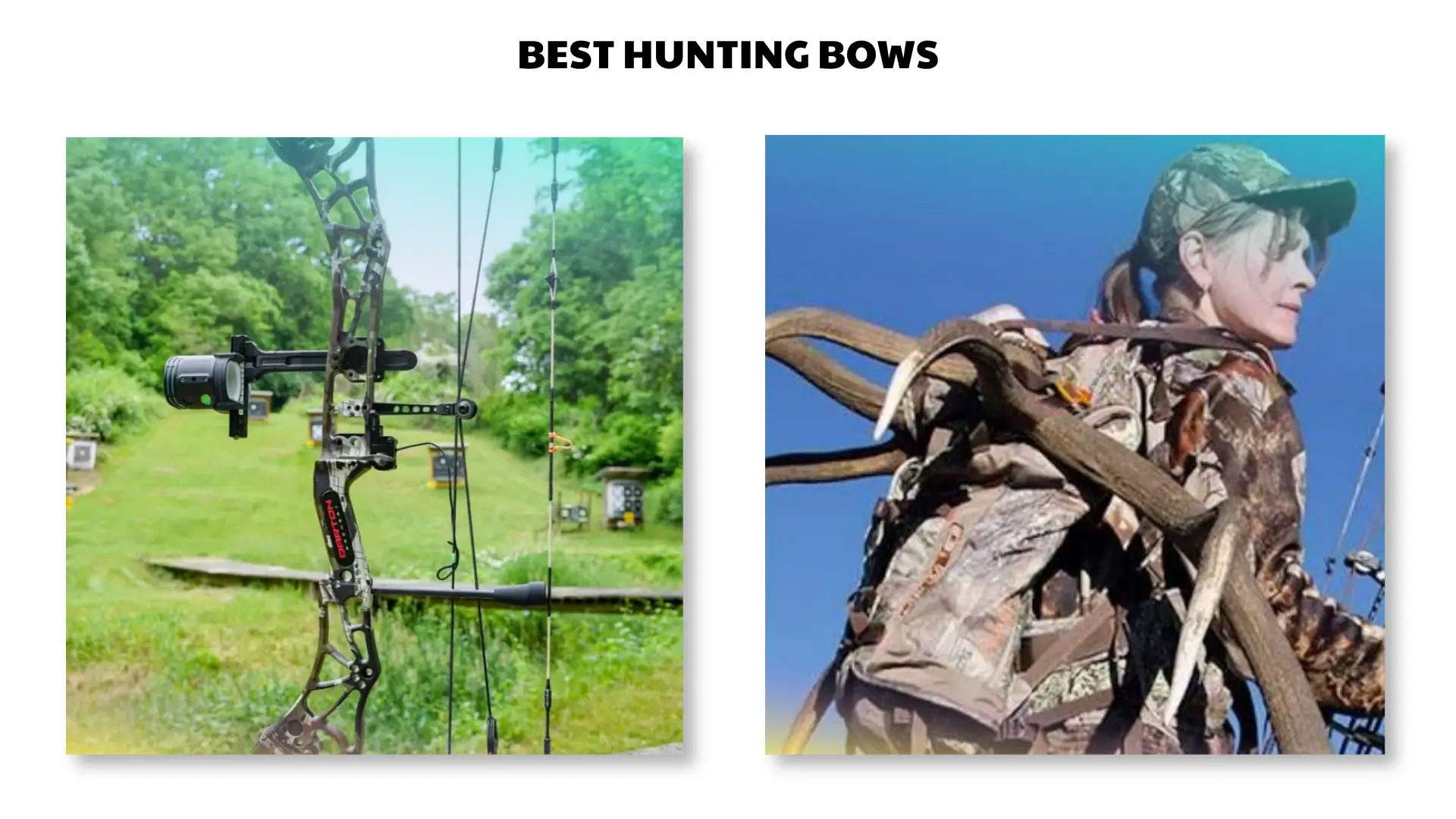

Choosing among the best hunting bows is not just about speed, camouflage, or the biggest draw-weight number on a product page. A good hunting bow must fit your body, match your hunting style, tune reliably, accept the right arrows, and help you practice safely before you ever step into the woods.
This guide is for new bow hunters, returning archers, whitetail hunters, elk hunters, backcountry hunters, and gear buyers who want a practical comparison of available compound bows and ready-to-hunt bow packages. You will learn which bows fit different needs, what features matter most, what common mistakes to avoid, and when to ask an archery technician for help.
Before buying, remember that archery equipment is not a substitute for skill, judgment, legal research, and ethical hunting practice. Always follow local hunting laws, season dates, license and tag requirements, public-land rules, private-land permission rules, archery safety rules, and manufacturer instructions.
Quick Picks
- Best Overall: Sanlida Dragon X8 RTH Compound Bow Package
- Best Budget Option: Bear Archery Royale RTH Compound Bow
- Best for Beginners: Bear Archery Royale RTH Compound Bow
- Best for Backcountry Use: Diamond Archery Edge XT Compound Bow
- Best Premium Option: Sanlida Dragon 10 Compound Bow Package
Product Comparison Table: Best Hunting Bows
| Product | Best For | Key Features | Important Notes | Check Details |
|---|---|---|---|---|
| Sanlida Dragon X8 RTH Compound Bow Package | Best Overall | 18–31 in draw length, 0–70 lb draw weight, 310 FPS listed, accessory package | Broad adjustability and complete kit make it useful for adults and teens when properly fitted. | Check Price |
| Bear Archery Royale RTH Compound Bow | Best for Beginners and Youth-to-Adult Adjustability | 12–27 in draw length, 5–50 lb draw weight, up to 290 FPS listed | Good choice for growing archers or lower draw weights; verify legality for hunting draw weight in your state. | Check Price |
| Diamond Archery Edge XT Compound Bow | Best Adjustable Hunting Bow | Highly adjustable Diamond compound bow platform | A strong fit-first option for hunters who want broad setup flexibility and dealer-style tuning support. | Check Price |
| Bear Legit Maxx Ready to Hunt Compound Bow | Best Ready-to-Hunt Bear Bow | 70 lb model, ready-to-hunt accessory package, longer axle-to-axle design | Better for hunters who already know their draw length and can handle higher draw weight safely. | Check Price |
| Sanlida Dragon 10 Compound Bow Package | Best Premium Amazon Kit | Flagship-style Sanlida package, listed 340 FPS, adult hunting setup | More advanced than budget kits; should be inspected and tuned by an archery technician before hunting. | Check Price |
| Diamond Archery Carbon Knockout Compound Bow | Best Women-Focused Premium Option | Diamond compound bow, carbon-focused platform, hunting/recreation use | A premium-style option for hunters who want lighter handling and proper professional setup. | Check Price |
| Bear Archery Adjustable Bear Maxx RTH Compound Bow | Best Mid-Range Bear Option | Adjustable Bear RTH package | A practical mid-range choice when you want a recognizable hunting brand and included accessories. | Check Price |
| TOPOINT ARCHERY M2 Junior Compound Bow Set | Best Youth Practice Bow | Junior/beginner compound bow set | Primarily for supervised practice and learning; confirm draw weight and legal hunting suitability before any field use. | Check Price |
Best Hunting Bows Reviews
1. Sanlida Dragon X8 RTH Compound Bow Package
Sanlida Dragon X8 RTH Compound Bow Package is selected for hunters and archers who want a practical, available bow option that fits a clear use case: best overall. It should be treated as a starting point, not a shortcut around fitting, tuning, practice, and local hunting-law checks.
Key Features
- 18–31 in draw length, 0–70 lb draw weight, 310 FPS listed, accessory package
- Compound-bow design intended for archery practice, bow hunting preparation, or recreational shooting where legal and appropriate.
- Works best when draw length, draw weight, arrows, release, sight, rest, and peep are matched to the shooter.
Pros
- Clear role in this guide: Best Overall.
- Useful for hunters comparing ready-to-hunt bows and adjustable compound bow packages.
- Can reduce setup confusion when paired with help from a qualified archery shop.
Cons
- Factory accessory packages often still need inspection, tuning, paper tuning, sight-in work, and practice.
- Draw weight, hand orientation, arrow spine, and local hunting rules must be checked before use.
Field Notes
Broad adjustability and complete kit make it useful for adults and teens when properly fitted. Pay attention to grip comfort, let-off feel, noise, vibration, overall weight, axle-to-axle length, and whether the bow feels controllable from awkward field positions. A bow that fits well and tunes cleanly is usually more useful than a faster bow that is difficult to control.
Safety and Legal Notes
Never dry fire a compound bow. Inspect limbs, cams, string, cables, serving, arrows, nocks, release aids, and broadhead-compatible arrows before use. Follow archery-range rules, hunting seasons, minimum draw-weight laws, broadhead rules, public-land rules, private-land permission requirements, and the manufacturer’s instructions.
Best For
This bow is best for buyers who want best overall and are willing to confirm fit, tune the setup, practice ethically, and check all hunting regulations before heading into the field.
2. Bear Archery Royale RTH Compound Bow
Bear Archery Royale RTH Compound Bow is selected for hunters and archers who want a practical, available bow option that fits a clear use case: best for beginners and youth-to-adult adjustability. It should be treated as a starting point, not a shortcut around fitting, tuning, practice, and local hunting-law checks.
Key Features
- 12–27 in draw length, 5–50 lb draw weight, up to 290 FPS listed
- Compound-bow design intended for archery practice, bow hunting preparation, or recreational shooting where legal and appropriate.
- Works best when draw length, draw weight, arrows, release, sight, rest, and peep are matched to the shooter.
Pros
- Clear role in this guide: Best for Beginners and Youth-to-Adult Adjustability.
- Useful for hunters comparing ready-to-hunt bows and adjustable compound bow packages.
- Can reduce setup confusion when paired with help from a qualified archery shop.
Cons
- Factory accessory packages often still need inspection, tuning, paper tuning, sight-in work, and practice.
- Draw weight, hand orientation, arrow spine, and local hunting rules must be checked before use.
Field Notes
Good choice for growing archers or lower draw weights; verify legality for hunting draw weight in your state. Pay attention to grip comfort, let-off feel, noise, vibration, overall weight, axle-to-axle length, and whether the bow feels controllable from awkward field positions. A bow that fits well and tunes cleanly is usually more useful than a faster bow that is difficult to control.
Safety and Legal Notes
Never dry fire a compound bow. Inspect limbs, cams, string, cables, serving, arrows, nocks, release aids, and broadhead-compatible arrows before use. Follow archery-range rules, hunting seasons, minimum draw-weight laws, broadhead rules, public-land rules, private-land permission requirements, and the manufacturer’s instructions.
Best For
This bow is best for buyers who want best for beginners and youth-to-adult adjustability and are willing to confirm fit, tune the setup, practice ethically, and check all hunting regulations before heading into the field.
3. Diamond Archery Edge XT Compound Bow
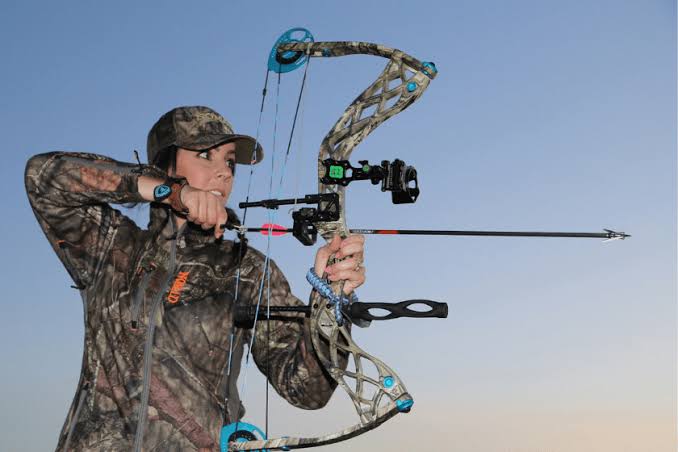
Diamond Archery Edge XT Compound Bow is selected for hunters and archers who want a practical, available bow option that fits a clear use case: best adjustable hunting bow. It should be treated as a starting point, not a shortcut around fitting, tuning, practice, and local hunting-law checks.
Key Features
- Highly adjustable Diamond compound bow platform
- Compound-bow design intended for archery practice, bow hunting preparation, or recreational shooting where legal and appropriate.
- Works best when draw length, draw weight, arrows, release, sight, rest, and peep are matched to the shooter.
Pros
- Clear role in this guide: Best Adjustable Hunting Bow.
- Useful for hunters comparing ready-to-hunt bows and adjustable compound bow packages.
- Can reduce setup confusion when paired with help from a qualified archery shop.
Cons
- Factory accessory packages often still need inspection, tuning, paper tuning, sight-in work, and practice.
- Draw weight, hand orientation, arrow spine, and local hunting rules must be checked before use.
Field Notes
A strong fit-first option for hunters who want broad setup flexibility and dealer-style tuning support. Pay attention to grip comfort, let-off feel, noise, vibration, overall weight, axle-to-axle length, and whether the bow feels controllable from awkward field positions. A bow that fits well and tunes cleanly is usually more useful than a faster bow that is difficult to control.
Safety and Legal Notes
Never dry fire a compound bow. Inspect limbs, cams, string, cables, serving, arrows, nocks, release aids, and broadhead-compatible arrows before use. Follow archery-range rules, hunting seasons, minimum draw-weight laws, broadhead rules, public-land rules, private-land permission requirements, and the manufacturer’s instructions.
Best For
This bow is best for buyers who want best adjustable hunting bow and are willing to confirm fit, tune the setup, practice ethically, and check all hunting regulations before heading into the field.
4. Bear Legit Maxx Ready to Hunt Compound Bow
Bear Legit Maxx Ready to Hunt Compound Bow is selected for hunters and archers who want a practical, available bow option that fits a clear use case: best ready-to-hunt bear bow. It should be treated as a starting point, not a shortcut around fitting, tuning, practice, and local hunting-law checks.
Key Features
- 70 lb model, ready-to-hunt accessory package, longer axle-to-axle design
- Compound-bow design intended for archery practice, bow hunting preparation, or recreational shooting where legal and appropriate.
- Works best when draw length, draw weight, arrows, release, sight, rest, and peep are matched to the shooter.
Pros
- Clear role in this guide: Best Ready-to-Hunt Bear Bow.
- Useful for hunters comparing ready-to-hunt bows and adjustable compound bow packages.
- Can reduce setup confusion when paired with help from a qualified archery shop.
Cons
- Factory accessory packages often still need inspection, tuning, paper tuning, sight-in work, and practice.
- Draw weight, hand orientation, arrow spine, and local hunting rules must be checked before use.
Field Notes
Better for hunters who already know their draw length and can handle higher draw weight safely. Pay attention to grip comfort, let-off feel, noise, vibration, overall weight, axle-to-axle length, and whether the bow feels controllable from awkward field positions. A bow that fits well and tunes cleanly is usually more useful than a faster bow that is difficult to control.
Safety and Legal Notes
Never dry fire a compound bow. Inspect limbs, cams, string, cables, serving, arrows, nocks, release aids, and broadhead-compatible arrows before use. Follow archery-range rules, hunting seasons, minimum draw-weight laws, broadhead rules, public-land rules, private-land permission requirements, and the manufacturer’s instructions.
Best For
This bow is best for buyers who want best ready-to-hunt bear bow and are willing to confirm fit, tune the setup, practice ethically, and check all hunting regulations before heading into the field.
5. Sanlida Dragon 10 Compound Bow Package
Sanlida Dragon 10 Compound Bow Package is selected for hunters and archers who want a practical, available bow option that fits a clear use case: best premium amazon kit. It should be treated as a starting point, not a shortcut around fitting, tuning, practice, and local hunting-law checks.
Key Features
- Flagship-style Sanlida package, listed 340 FPS, adult hunting setup
- Compound-bow design intended for archery practice, bow hunting preparation, or recreational shooting where legal and appropriate.
- Works best when draw length, draw weight, arrows, release, sight, rest, and peep are matched to the shooter.
Pros
- Clear role in this guide: Best Premium Amazon Kit.
- Useful for hunters comparing ready-to-hunt bows and adjustable compound bow packages.
- Can reduce setup confusion when paired with help from a qualified archery shop.
Cons
- Factory accessory packages often still need inspection, tuning, paper tuning, sight-in work, and practice.
- Draw weight, hand orientation, arrow spine, and local hunting rules must be checked before use.
Field Notes
More advanced than budget kits; should be inspected and tuned by an archery technician before hunting. Pay attention to grip comfort, let-off feel, noise, vibration, overall weight, axle-to-axle length, and whether the bow feels controllable from awkward field positions. A bow that fits well and tunes cleanly is usually more useful than a faster bow that is difficult to control.
Safety and Legal Notes
Never dry fire a compound bow. Inspect limbs, cams, string, cables, serving, arrows, nocks, release aids, and broadhead-compatible arrows before use. Follow archery-range rules, hunting seasons, minimum draw-weight laws, broadhead rules, public-land rules, private-land permission requirements, and the manufacturer’s instructions.
Best For
This bow is best for buyers who want best premium amazon kit and are willing to confirm fit, tune the setup, practice ethically, and check all hunting regulations before heading into the field.
6. Diamond Archery Carbon Knockout Compound Bow
Diamond Archery Carbon Knockout Compound Bow is selected for hunters and archers who want a practical, available bow option that fits a clear use case: best women-focused premium option. It should be treated as a starting point, not a shortcut around fitting, tuning, practice, and local hunting-law checks.
Key Features
- Diamond compound bow, carbon-focused platform, hunting/recreation use
- Compound-bow design intended for archery practice, bow hunting preparation, or recreational shooting where legal and appropriate.
- Works best when draw length, draw weight, arrows, release, sight, rest, and peep are matched to the shooter.
Pros
- Clear role in this guide: Best Women-Focused Premium Option.
- Useful for hunters comparing ready-to-hunt bows and adjustable compound bow packages.
- Can reduce setup confusion when paired with help from a qualified archery shop.
Cons
- Factory accessory packages often still need inspection, tuning, paper tuning, sight-in work, and practice.
- Draw weight, hand orientation, arrow spine, and local hunting rules must be checked before use.
Field Notes
A premium-style option for hunters who want lighter handling and proper professional setup. Pay attention to grip comfort, let-off feel, noise, vibration, overall weight, axle-to-axle length, and whether the bow feels controllable from awkward field positions. A bow that fits well and tunes cleanly is usually more useful than a faster bow that is difficult to control.
Safety and Legal Notes
Never dry fire a compound bow. Inspect limbs, cams, string, cables, serving, arrows, nocks, release aids, and broadhead-compatible arrows before use. Follow archery-range rules, hunting seasons, minimum draw-weight laws, broadhead rules, public-land rules, private-land permission requirements, and the manufacturer’s instructions.
Best For
This bow is best for buyers who want best women-focused premium option and are willing to confirm fit, tune the setup, practice ethically, and check all hunting regulations before heading into the field.
7. Bear Archery Adjustable Bear Maxx RTH Compound Bow
Bear Archery Adjustable Bear Maxx RTH Compound Bow is selected for hunters and archers who want a practical, available bow option that fits a clear use case: best mid-range bear option. It should be treated as a starting point, not a shortcut around fitting, tuning, practice, and local hunting-law checks.
Key Features
- Adjustable Bear RTH package
- Compound-bow design intended for archery practice, bow hunting preparation, or recreational shooting where legal and appropriate.
- Works best when draw length, draw weight, arrows, release, sight, rest, and peep are matched to the shooter.
Pros
- Clear role in this guide: Best Mid-Range Bear Option.
- Useful for hunters comparing ready-to-hunt bows and adjustable compound bow packages.
- Can reduce setup confusion when paired with help from a qualified archery shop.
Cons
- Factory accessory packages often still need inspection, tuning, paper tuning, sight-in work, and practice.
- Draw weight, hand orientation, arrow spine, and local hunting rules must be checked before use.
Field Notes
A practical mid-range choice when you want a recognizable hunting brand and included accessories. Pay attention to grip comfort, let-off feel, noise, vibration, overall weight, axle-to-axle length, and whether the bow feels controllable from awkward field positions. A bow that fits well and tunes cleanly is usually more useful than a faster bow that is difficult to control.
Safety and Legal Notes
Never dry fire a compound bow. Inspect limbs, cams, string, cables, serving, arrows, nocks, release aids, and broadhead-compatible arrows before use. Follow archery-range rules, hunting seasons, minimum draw-weight laws, broadhead rules, public-land rules, private-land permission requirements, and the manufacturer’s instructions.
Best For
This bow is best for buyers who want best mid-range bear option and are willing to confirm fit, tune the setup, practice ethically, and check all hunting regulations before heading into the field.
8. TOPOINT ARCHERY M2 Junior Compound Bow Set
TOPOINT ARCHERY M2 Junior Compound Bow Set is selected for hunters and archers who want a practical, available bow option that fits a clear use case: best youth practice bow. It should be treated as a starting point, not a shortcut around fitting, tuning, practice, and local hunting-law checks.
Key Features
- Junior/beginner compound bow set
- Compound-bow design intended for archery practice, bow hunting preparation, or recreational shooting where legal and appropriate.
- Works best when draw length, draw weight, arrows, release, sight, rest, and peep are matched to the shooter.
Pros
- Clear role in this guide: Best Youth Practice Bow.
- Useful for hunters comparing ready-to-hunt bows and adjustable compound bow packages.
- Can reduce setup confusion when paired with help from a qualified archery shop.
Cons
- Factory accessory packages often still need inspection, tuning, paper tuning, sight-in work, and practice.
- Draw weight, hand orientation, arrow spine, and local hunting rules must be checked before use.
Field Notes
Primarily for supervised practice and learning; confirm draw weight and legal hunting suitability before any field use. Pay attention to grip comfort, let-off feel, noise, vibration, overall weight, axle-to-axle length, and whether the bow feels controllable from awkward field positions. A bow that fits well and tunes cleanly is usually more useful than a faster bow that is difficult to control.
Safety and Legal Notes
Never dry fire a compound bow. Inspect limbs, cams, string, cables, serving, arrows, nocks, release aids, and broadhead-compatible arrows before use. Follow archery-range rules, hunting seasons, minimum draw-weight laws, broadhead rules, public-land rules, private-land permission requirements, and the manufacturer’s instructions.
Best For
This bow is best for buyers who want best youth practice bow and are willing to confirm fit, tune the setup, practice ethically, and check all hunting regulations before heading into the field.
How to Choose the Best Hunting Bows
Choose the Right Type
Most modern bow hunters choose compound bows because they offer let-off, sights, rests, stabilizers, quivers, and broad adjustability. Traditional bows and recurves can be effective in skilled hands, but they usually require more practice, closer shots, and a deeper understanding of arrow tuning.
Match the Gear to Your Hunting Style
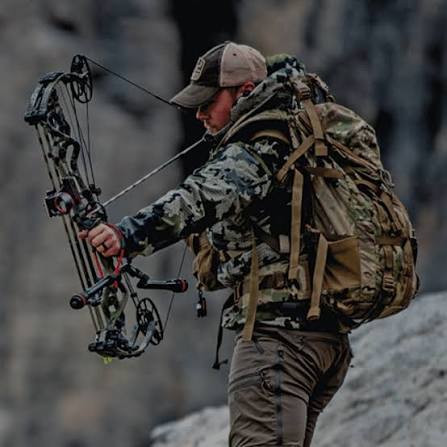
Whitetail hunters in tree stands often prefer quiet, compact bows that handle well in blinds or tight cover. Elk hunters may prioritize dependable arrow performance, a comfortable draw cycle, and enough draw weight to meet legal and ethical requirements. Backcountry hunters should consider weight, durability, simple field maintenance, and a protective case for travel.
Check Fit, Sizing, and Comfort
Draw length is one of the most important fit measurements. If it is too long or too short, your anchor point, posture, peep alignment, and accuracy can suffer. Draw weight should be heavy enough to meet the law and your hunting goal, but light enough that you can draw smoothly while cold, tired, seated, or wearing layers.
Consider Weight and Packability
A lighter bow is easier to carry on long hikes, but extremely light bows may feel less steady for some shooters. Consider how the bow balances with a sight, rest, quiver, stabilizer, release, and arrows attached.
Look at Materials and Durability
Riser material, limb quality, cam system, string quality, accessory mounts, and hardware all affect long-term use. Do not assume a bow is perfectly tuned or field-ready out of the box. Inspect it carefully and get help if anything looks uneven, loose, cracked, frayed, or misaligned.
Think About Weather Protection
Bow hunting often happens in rain, cold, dust, and changing humidity. After wet hunts, dry your bow, check screws, inspect strings and cables, and store it properly. Do not claim a bow is waterproof unless the manufacturer clearly states that level of protection.
Check Compatibility
Your bow must work with your arrows, release aid, sight, peep, rest, quiver, stabilizer, case, broadheads, and target. Arrow spine and total arrow weight are especially important for safe and ethical hunting performance.
Understand Safety and Legal Requirements
Check minimum draw weight, legal hunting equipment, broadhead rules, license requirements, tag rules, blaze orange rules, public land access, private land permission, transport rules, and season dates before hunting. Laws vary, so confirm with your local wildlife agency.
Understand the Product’s Limits
No hunting bow guarantees accuracy, recovery, safety, or success. The bow must be tuned, the shooter must practice, and every shot decision must be ethical. If conditions are wrong, distance is too far, the angle is poor, or you are not steady, do not take the shot.
Important Hunting, Outdoor, and Firearm Safety Tips Before You Buy
- Follow local hunting laws, public land rules, private land access rules, archery safety rules, firearm safety rules where relevant, and manufacturer instructions.
- Check season dates, licenses, tags, legal equipment rules, blaze orange requirements, transport rules, and storage laws before hunting.
- Carry basic safety gear such as navigation, first aid, water, weather protection, communication tools, a light source, and a trip plan.
- Practice with your bow, arrows, release, and broadhead setup before relying on them in the field.
- Do not dry fire a bow or use damaged arrows, cracked nocks, frayed strings, damaged limbs, or loose accessories.
- Use safe targets and backstops during practice, and never shoot where people, pets, roads, buildings, or livestock may be at risk.
- Store bows, arrows, broadheads, knives, firearms, and sharp tools securely and away from children or unauthorized users.
- Contact a qualified archery technician, local wildlife agency, land manager, or local authority if you are unsure about legal requirements or safe setup.
Common Mistakes to Avoid
Many bow buyers focus on speed, price, or appearance before fit. That is a mistake. The best hunting bows are the ones you can draw smoothly, hold steadily, tune correctly, and shoot responsibly at realistic distances.
- Buying based only on maximum FPS instead of fit and control.
- Choosing too much draw weight and developing poor form.
- Ignoring draw length, eye dominance, hand orientation, and anchor point.
- Assuming a ready-to-hunt package is perfectly tuned out of the box.
- Using arrows with the wrong spine, poor nocks, or unknown weight.
- Waiting until the week before the hunt to practice or sight in.
- Ignoring local draw-weight minimums, broadhead rules, tags, and seasons.
- Not carrying basic safety gear and a trip plan on outdoor hunts.
Troubleshooting Common Problems
| Problem | Possible Cause | What to Do |
|---|---|---|
| Inconsistent groups | Poor form, wrong draw length, loose accessories, bad arrows, or tuning issues | Check screws, inspect arrows, practice form, and ask an archery technician to tune the bow. |
| Bow feels hard to draw | Draw weight too high, poor cam setting, cold muscles, or wrong form | Lower draw weight if the bow allows it and practice safe drawing under supervision. |
| Peep sight rotates | String twist, new-string settling, or incorrect installation | Have a shop adjust the peep and inspect string condition. |
| Arrows hit left or right | Sight issue, grip torque, rest alignment, arrow spine, or release inconsistency | Confirm form, check arrow spine, and tune the rest and sight. |
| Bow is noisy | Loose hardware, accessory vibration, poor tuning, or worn parts | Inspect hardware, check dampeners, and get the setup tuned. |
| String looks frayed | Wear, abrasion, poor storage, or age | Stop using the bow until the string and cables are inspected. |
| Broadheads fly differently | Poor arrow tuning, broadhead alignment, wrong spine, or rest issue | Broadhead tune carefully and confirm legal broadhead use before hunting. |
When to Get Professional Help
Contact an archery technician when setting up a new bow, changing draw length, adjusting cams, installing a peep, replacing strings or cables, choosing arrows, diagnosing tuning problems, or checking suspected damage. Contact your local wildlife agency for hunting-law questions, season dates, legal equipment rules, and tag requirements. In emergencies, contact local emergency services.
Maintenance and Care Tips
- Inspect limbs, cams, axles, strings, cables, serving, rest, sight, quiver, and stabilizer before practice and hunting.
- Wax the string only as recommended and keep wax away from areas where it does not belong.
- Dry the bow after rain, snow, or heavy condensation before storing it.
- Store the bow in a case away from extreme heat, moisture, children, pets, and unauthorized users.
- Inspect arrows, nocks, inserts, vanes, and broadheads before every session.
- Replace damaged arrows immediately; cracked carbon arrows can be dangerous.
- Keep broadheads covered, sharp, legal, and safely stored.
- Schedule periodic professional tune-ups, especially before hunting season.
Final Verdict
The best hunting bows are not automatically the fastest or most expensive bows. For most buyers, the smartest choice is the bow that fits correctly, adjusts to your body, tunes reliably, works with safe arrows, and supports steady practice. The Sanlida Dragon X8 is a strong overall Amazon package, the Bear Royale is useful for beginners and growing archers, the Diamond Edge XT is a versatile adjustable option, and the Sanlida Dragon 10 or Diamond Carbon Knockout may appeal to hunters looking for a more premium setup.
Before choosing any bow, confirm draw length, draw weight, hand orientation, arrow spine, accessory compatibility, and local hunting laws. Practice often, hunt ethically, maintain your gear, and get professional help when needed.
Frequently Asked Questions
1. What is the best hunting bow for most hunters?
For most hunters, the best hunting bow is a properly fitted compound bow with a manageable draw weight, reliable accessories, quiet performance, and local legal compliance. The Sanlida Dragon X8 and Diamond Edge XT style of adjustable bow can work well for many buyers, but fit and tuning matter more than brand alone.
2. How do I know if a hunting bow is worth buying?
Check adjustability, draw-weight range, draw-length range, included accessories, warranty language, replacement-part availability, owner feedback, and whether a local archery shop can tune it. A bow is worth buying only if it fits you and can be practiced with safely.
3. What draw weight do I need for deer hunting?
Minimum draw weight varies by state or province. Many adult hunters use moderate to higher draw weights, but the legal minimum and ethical setup depend on local law, arrow weight, broadhead choice, shot distance, and your ability to draw smoothly.
4. Is a compound bow better than a recurve for hunting?
A compound bow is usually easier for many modern hunters because it offers let-off, sight compatibility, and higher arrow speed. Recurve bows are simpler but require more practice and closer-range discipline.
5. Are ready-to-hunt bow packages actually ready to hunt?
They are usually ready to set up, not automatically ready for the field. Most need draw-length adjustment, peep placement, sighting in, arrow matching, rest tuning, and safety inspection.
6. What is draw length?
Draw length is how far the bow is drawn at full draw. A wrong draw length can hurt accuracy, comfort, safety, and anchor consistency.
7. What is draw weight?
Draw weight is the peak force needed to draw the bow. Choose a weight you can draw smoothly while seated, cold, and under field conditions without pointing the bow unsafely.
8. What does let-off mean?
Let-off is the percentage of draw weight reduced when the compound bow reaches full draw. Higher let-off can make aiming easier, but you still need a stable shot process.
9. What is axle-to-axle length?
Axle-to-axle length is the distance between the cam axles. Longer bows may feel steadier, while shorter bows can be easier in blinds, tree stands, or tight cover.
10. What is brace height?
Brace height is the distance from the grip area to the bowstring at rest. Higher brace heights are often considered more forgiving, but real performance depends on the full setup.
11. What arrow spine should I use?
Arrow spine must match draw weight, draw length, arrow length, point weight, and bow speed. Use the arrow manufacturer’s spine chart or ask an archery technician.
12. Can beginners use a hunting bow?
Yes, but beginners should start with professional fitting, low enough draw weight, supervised range practice, and safe handling habits before considering hunting.
13. What is the best hunting bow for beginners?
A highly adjustable compound bow with modest draw-weight settings is usually best. The Bear Royale style of bow is attractive for beginners because it offers lower weight settings.
14. What is the best budget hunting bow?
Budget bows can be useful when they fit properly and tune well. Avoid buying only by price; a cheap bow with poor arrows, weak accessories, or no support can cost more later.
15. What is the best premium hunting bow?
Premium hunters often prioritize smoother draw cycles, lighter risers, better accessories, quieter shooting, and dealer support. Diamond and higher-end Bear or Sanlida packages may fit this category depending on model and setup.
16. Do I need a bow press?
Some adjustable bows allow certain changes without a bow press, but string, cable, cam, timing, and deeper tuning work should be handled by an archery shop.
17. Can I set up a hunting bow myself?
Basic accessory checks and sight adjustments can be learned, but first-time buyers should get professional help for draw length, peep height, rest setup, cam timing, and arrow selection.
18. What accessories do I need?
Common accessories include sight, rest, peep, stabilizer, quiver, release aid, arrows, target points, broadheads where legal, bow case, wax, and a safe target for practice.
19. Do I need a release aid?
Many compound bow hunters use a release aid for consistency. The release must fit your hand, connect safely to the D-loop, and be practiced before hunting.
20. How often should I practice before bow season?
Practice regularly enough to know your honest effective range. Quality practice with safe form is better than rushing right before opening day.
21. How far should I shoot at deer with a bow?
Your ethical range is the distance where you can consistently place arrows under realistic conditions. Many hunters keep shots close, especially from stands or in cover.
22. Are faster bows always better?
No. Speed is useful, but a comfortable, quiet, forgiving, well-tuned bow is usually more important than chasing the highest FPS number.
23. How important is bow weight?
Bow weight matters on long hikes, backcountry hunts, and all-day carries. Heavier bows may hold steadier, while lighter bows are easier to pack.
24. What is the best bow for backcountry hunting?
Backcountry hunters usually want a reliable, reasonably light bow with durable accessories, a protective case for travel, and easy-to-source replacement parts.
25. What is the best bow for elk hunting?
Elk hunters should prioritize a legal and ethical setup with enough arrow energy, strong arrows, reliable broadheads where legal, and a bow they can shoot accurately under pressure.
26. What is the best bow for whitetail deer hunting?
For whitetails, quiet performance, compact handling in stands or blinds, and dependable accuracy at realistic ranges usually matter more than maximum speed.
27. Can youth hunters use adult hunting bows?
Only if the bow adjusts low enough and fits safely. Youth hunters need adult supervision, legal compliance, and age-appropriate instruction.
28. Are women’s hunting bows different?
Some women-focused bows use lower mass weight, shorter draw-length ranges, and grip dimensions that may fit smaller frames. Fit matters more than labeling.
29. Should I buy right-hand or left-hand?
Most right-handed shooters use right-hand bows, but eye dominance and comfort can matter. An archery coach can help if you are unsure.
30. How do I check eye dominance?
A simple eye-dominance test can help, but final bow choice should consider safety, comfort, and consistency. Ask a coach if results conflict with your hand dominance.
31. How do I maintain a bowstring?
Inspect the string and cables often, apply bowstring wax when appropriate, and replace worn or damaged strings through a qualified technician.
32. How often should bow strings be replaced?
Replacement depends on use, storage, climate, and visible wear. If you see fraying, broken strands, serving separation, or timing issues, stop using the bow and get it inspected.
33. Can a compound bow be dry fired?
No. Dry firing can damage the bow and injure the shooter or bystanders. Never draw and release without a properly nocked arrow of suitable weight.
34. How should I store a hunting bow?
Store it in a cool, dry place in a protective case, away from heat, moisture, children, pets, and unauthorized users.
35. Can rain damage a hunting bow?
Rain can affect strings, accessories, screws, and arrows over time. Dry the bow after wet hunts and inspect it before storage.
36. Is a hunting bow waterproof?
Do not assume full waterproofing unless the manufacturer states it. Treat a bow as weather-tolerant gear that still needs drying, care, and inspection.
37. How do I reduce bow noise?
Start with professional tuning, check loose accessories, inspect arrows, use proper stabilizers or dampeners if appropriate, and avoid poorly fitted gear.
38. Why is my bow shooting inconsistently?
Common causes include poor form, wrong draw length, bad arrows, loose accessories, rest issues, sight movement, peep rotation, or poor tuning.
39. Why are my arrows grouping left or right?
Possible causes include sight alignment, grip torque, rest setup, arrow spine, release technique, or tuning problems. Do not guess; diagnose carefully.
40. Why does my peep sight rotate?
Peep rotation often points to string twist or settling. An archery shop can adjust it safely.
41. Can I hunt with target arrows?
Hunting usually requires arrows and broadheads that meet legal and ethical requirements. Practice points are not hunting broadheads.
42. Are broadheads included with hunting bows?
Many bow packages do not include broadheads. Buy legal broadheads separately and match them to your arrows and setup.
43. Should I use fixed-blade or mechanical broadheads?
Both can work where legal, but they must match your bow, arrow setup, game, and regulations. Test flight carefully and follow manufacturer guidance.
44. How do I transport a hunting bow?
Use a bow case, protect the cams and strings, secure arrows separately, and follow local transport laws and vehicle rules.
45. Can I use a hunting bow on public land?
Only where archery hunting is legal and during the correct season with required licenses, tags, and equipment. Check local wildlife agency rules.
46. Do blaze orange rules apply to bow hunters?
They may. Blaze orange or pink requirements vary by state, season, and public land. Confirm before hunting.
47. Can I practice in my backyard?
Only if local ordinances allow it and you have a safe backstop, safe shooting lane, and no risk to people, animals, or property.
48. What target should I use?
Use a target rated for your bow’s draw weight and arrow setup. Broadheads require broadhead-rated targets.
49. How do I choose a bow case?
Choose a case that protects cams, strings, sight, rest, quiver, and arrows. Hard cases are better for travel; soft cases can work for local range trips.
50. Do I need a rangefinder?
A rangefinder is useful for judging distance, but you must still know your ethical range and local electronics rules.
51. What should I carry with a hunting bow?
Carry licenses, tags, navigation, first aid, water, light, communication, weather protection, knife where legal, release aid backup if needed, and a trip plan.
52. When should I contact an archery technician?
Contact a technician for first setup, tuning problems, string replacement, cam timing, peep installation, rest setup, arrow selection, or any suspected damage.
53. When should I not use my bow?
Do not use it if limbs, cams, strings, cables, arrows, nocks, or accessories are damaged, loose, or questionable.
54. Can a hunting bow guarantee success?
No. A bow is only one part of responsible hunting. Skill, practice, judgment, scouting, legal compliance, and ethical shot choices matter more.
55. What is the biggest mistake new bow hunters make?
The biggest mistake is buying a bow without fit, tuning, realistic practice, and legal research. Do those first before relying on the bow in the field.