
Quick Picks
- Best Overall: Vortex Optics Crossfire II 3-9×40 Dead-Hold BDC Riflescope
- Best for Beginners: Vortex Triumph HD 3-9×40 Riflescope Kit
- Best for Low Light on a Budget: Bushnell Banner 3-9×40 Dusk & Dawn Multi-X Riflescope
- Best for Deer Hunting: SIG SAUER Buckmasters 3-9×40 BDC Riflescope
- Best High-Magnification Budget Option: CVLIFE 6-24×50 AO Illuminated Rifle Scope
Product Comparison Table
| Product | Best For | Key Features | Important Notes | Check Details |
|---|---|---|---|---|
| Vortex Optics Crossfire II 3-9×40 Dead-Hold BDC Riflescope | Best Overall | 3-9×40, Dead-Hold BDC reticle, fully multi-coated lenses, long eye relief, 1-inch tube | A balanced deer-hunting scope for hunters who want simple magnification and a proven budget optic. | Check Price |
| Vortex Triumph HD 3-9×40 Riflescope Kit | Best for Beginners | 3-9×40, HD optical system, Dead-Hold BDC reticle, included 1-inch hunter rings | A beginner-friendly kit because it includes useful setup accessories, but ring fit still must be confirmed. | Check Price |
| Bushnell Banner 3-9×40 Dusk & Dawn Multi-X Riflescope | Best for Low Light on a Budget | 3-9×40, Multi-X reticle, Dusk & Dawn coatings, extended eye relief, waterproof/fogproof design | Good for hunters who want a simple crosshair-style reticle and budget low-light emphasis. | Check Price |
| SIG SAUER Buckmasters 3-9×40 BDC Riflescope | Best for Deer Hunting | 3-9×40, Buckmasters BDC reticle, low-dispersion glass, 1-inch tube, weather-resistant build | A value hunting scope for common deer setups, especially for hunters who want a BDC-style reticle. | Check Price |
| Vortex Optics Sonora 4-12×44 Dead-Hold BDC Riflescope | Best for Open Fields | 4-12×44, Dead-Hold BDC reticle, 1-inch tube, locking diopter, fully multi-coated lenses | A good choice when you want more top-end magnification than a 3-9x scope. | Check Price |
| Burris Droptine 4.5-14×42 Ballistic Plex Riflescope | Best Adjustable Parallax Option | 4.5-14×42, Ballistic Plex reticle, adjustable parallax, high-grade optical glass | A higher-magnification budget option for careful hunters and range users; price and offers can vary. | Check Price |
| SIG SAUER Buckmasters 3-12×44 BDC Riflescope | Best 3-12x Value Scope | 3-12×44, Buckmasters BDC reticle, 1-inch tube, low-dispersion glass, flip-back covers | A flexible step-up from 3-9x when you want more top-end power while keeping 3x on the low end. | Check Price |
| Vortex Optics Copperhead 3-9×40 Dead-Hold BDC Riflescope | Best Simple Vortex Budget Pick | 3-9×40, second focal plane, Dead-Hold BDC reticle, budget Vortex hunting scope | A straightforward budget scope for hunters who like the Vortex ecosystem. | Check Price |
| Simmons Truplex 3-9×40 Riflescope | Best Ultra-Budget Basic Scope | 3-9×40, Truplex reticle, included rings, Weaver-style mounting, simple hunting layout | A very budget-focused choice; best for light-duty use and careful expectations. | Check Price |
| UTG BugBuster 3-9×32 AO RGB Scope | Best Compact Scope | 3-9×32, adjustable objective, illuminated mil-dot reticle, QD rings, compact body | Compact and feature-rich, but better for specific setups than general big-game hunting rifles. | Check Price |
| CVLIFE 6-24×50 AO Illuminated Rifle Scope | Best High-Magnification Budget Option | 6-24×50, adjustable objective, red/green illumination, included rings | A very inexpensive high-magnification scope; best for cautious buyers with realistic expectations. | Check Price |
Best Hunting Scope Under $200 Reviews
1. Vortex Optics Crossfire II 3-9×40 Dead-Hold BDC Riflescope
The Vortex Optics Crossfire II 3-9×40 is one of the easiest recommendations for hunters shopping for the best hunting scope under 200. It keeps the classic 3-9×40 format, adds a useful Dead-Hold BDC reticle, and focuses on clear, practical performance rather than unnecessary complexity.
Key Features
- 3-9x magnification with a 40mm objective lens
- Dead-Hold BDC reticle for hunters who want simple holdover references
- Fully multi-coated lenses and a fast-focus eyepiece
- Long eye relief and a forgiving eye box
- Single-piece aluminum tube with waterproof and fogproof construction
Pros
- Excellent all-around choice for deer hunting and general rifle use
- Simple enough for beginners but useful for experienced hunters
- Good balance of price, clarity, durability, and brand support
Cons
- Not a premium low-light scope compared with higher-priced optics
- BDC references still require proper zeroing, verification, and practice
Field Notes
This is a sensible pick for wooded deer country, food plots, moderate fields, and hunters who want one scope that does many common hunting jobs well. The 3-9x range is easy to manage in the field and does not force a narrow view at close distance.
Safety and Legal Notes
Confirm ring height, base compatibility, eye relief, torque specs, and zero at the range before hunting. Follow firearm safety rules and never rely on a reticle alone to justify an unsafe or unethical shot.
Best For
Best Overall: A balanced deer-hunting scope for hunters who want simple magnification and a proven budget optic.
2. Vortex Triumph HD 3-9×40 Riflescope Kit
The Vortex Triumph HD 3-9×40 kit is a strong beginner option because it is built around a familiar magnification range and includes hunter rings and a neoprene cover. For a new hunter building a basic deer rifle setup, that can simplify the buying process.
Key Features
- 3-9×40 second focal plane riflescope
- HD optical system and fully multi-coated lenses
- Dead-Hold BDC reticle
- Includes 1-inch hunter rings, custom turret tool, neoprene cover, and lens cloth
- Waterproof, fogproof, and shockproof construction according to the listing
Pros
- Kit format is helpful for new hunters
- Good simple magnification range for whitetail hunting
- Included accessories add value
Cons
- Included rings may not match every rifle, base, or preferred scope height
- Availability and price can change because it is a newer listing
Field Notes
This scope is best for hunters who want less gear-matching stress. Even with included rings, check cheek weld, bolt clearance, objective clearance, and eye relief before you assume the setup is ready for the field.
Safety and Legal Notes
Have the scope mounted by a qualified gunsmith or optics professional if you are unsure about ring alignment, torque, bore-sighting, or safe range verification.
Best For
Best for Beginners: A beginner-friendly kit because it includes useful setup accessories, but ring fit still must be confirmed.
3. Bushnell Banner 3-9×40 Dusk & Dawn Multi-X Riflescope
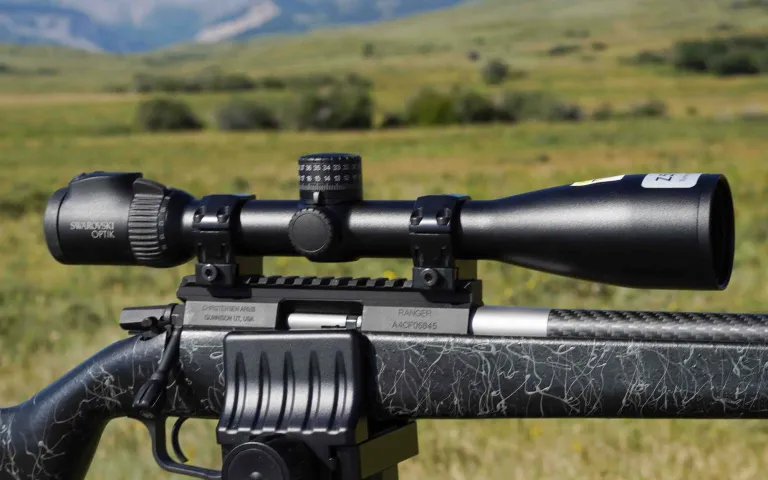
The Bushnell Banner 3-9×40 Dusk & Dawn is a practical budget scope for hunters who prefer a traditional Multi-X reticle and want extra help during legal low-light windows. It is not a premium optic, but it is straightforward and familiar.
Key Features
- 3-9x magnification and 40mm objective lens
- Multi-X reticle for a clean sight picture
- Dusk & Dawn Brightness lens coatings
- Extended eye relief listed by the manufacturer
- Argon-purged fogproofing and waterproof construction listed on the product page
Pros
- Simple reticle is easy for beginners to understand
- Good fit for treestand and blind hunters
- Often budget-friendly compared with many name-brand scopes
Cons
- Less feature-rich than BDC or adjustable-parallax models
- Budget construction may not satisfy hunters expecting premium glass
Field Notes
This scope makes sense for woods hunters who want uncomplicated aiming and a clear enough image at dawn or dusk. It is especially practical for hunters who do not want busy holdover marks in the sight picture.
Safety and Legal Notes
Always confirm legal shooting light in your hunting area. A brighter optic does not make an unsafe shot safe and does not replace positive target identification.
Best For
Best for Low Light on a Budget: Good for hunters who want a simple crosshair-style reticle and budget low-light emphasis.
4. SIG SAUER Buckmasters 3-9×40 BDC Riflescope
The SIG SAUER Buckmasters 3-9×40 is built for hunters who want a familiar magnification range with a BDC reticle. It fits the common deer-hunting role well: enough magnification for open lanes while still keeping the lower end useful in timber.
Key Features
- 3-9x magnification with a 40mm objective lens
- Buckmasters BDC reticle
- Low-dispersion glass listed in the product description
- Single-piece 1-inch main tube
- Waterproof, shockproof, and fogproof performance listed by the product page
Pros
- Good practical magnification range for deer rifles
- BDC reticle can help hunters create a repeatable reference system after range confirmation
- Recognizable optics brand at a budget-friendly level
Cons
- BDC reticle must be matched to your rifle, ammunition, zero, and conditions
- Not as minimal as a plain duplex-style reticle
Field Notes
This is a good match for whitetail hunters who split time between stands, blinds, and field edges. It rewards careful zeroing and note-taking at the range.
Safety and Legal Notes
Do not treat BDC dots as automatic impact points. Verify every reference safely at the range and follow all hunting regulations, backstop rules, and ethical shot-distance limits.
Best For
Best for Deer Hunting: A value hunting scope for common deer setups, especially for hunters who want a BDC-style reticle.
5. Vortex Optics Sonora 4-12×44 Dead-Hold BDC Riflescope
The Vortex Sonora 4-12×44 is worth considering if your hunting setup leans toward open fields, powerline cuts, western foothills, or range practice where a little more magnification is useful. It keeps the Vortex value approach but moves beyond the standard 3-9x range.
Key Features
- 4-12x magnification with a 44mm objective lens
- Dead-Hold BDC reticle
- 1-inch aircraft-grade aluminum tube
- Locking diopter eyepiece
- Waterproof, fogproof, and shockproof construction listed by the product page
Pros
- More magnification for open-country observation and range work
- Still uses a familiar second focal plane hunting setup
- Good value for hunters who like BDC references
Cons
- Higher minimum magnification is not ideal for very close woods hunting
- More magnification does not replace stable shooting positions and judgment
Field Notes
This scope is most useful where the lower end of 4x is still wide enough and the 12x top end gives a better look at targets on the range or legal game at longer field distances.
Safety and Legal Notes
Higher magnification narrows field of view and can make it easier to lose awareness of the surrounding area. Identify the target and what is beyond it before making any hunting decision.
Best For
Best for Open Fields: A good choice when you want more top-end magnification than a 3-9x scope.
6. Burris Droptine 4.5-14×42 Ballistic Plex Riflescope
The Burris Droptine 4.5-14×42 is the scope in this guide for hunters who want more magnification and adjustable parallax without immediately moving into a much higher price tier. It is more specialized than a 3-9x scope, so it is best for hunters who understand why they need the extra features.
Key Features
- 4.5-14x magnification with a 42mm objective lens
- Ballistic Plex reticle
- Adjustable parallax focus
- High-grade optical glass and Hi-Lume multicoating listed by the product page
- Waterproof, nitrogen-filled tube listed by the product page
Pros
- Useful for open-country hunting and range verification
- Adjustable parallax is uncommon in many basic budget scopes
- Good option for hunters who want a step beyond basic 3-9x optics
Cons
- Can be more scope than a beginner needs
- May move above the under-$200 range depending on seller and availability
Field Notes
This is not the first scope I would give a brand-new woods hunter, but it makes sense for a careful shooter who wants more magnification for range practice, varmint-style use where legal, or open country hunting.
Safety and Legal Notes
Adjustable parallax and higher magnification require practice. Never use magnification as an excuse to take shots beyond your verified skill, safe backstop, legal rules, or ethical limits.
Best For
Best Adjustable Parallax Option: A higher-magnification budget option for careful hunters and range users; price and offers can vary.
7. SIG SAUER Buckmasters 3-12×44 BDC Riflescope
The SIG SAUER Buckmasters 3-12×44 gives hunters a little more reach than a traditional 3-9x scope while still keeping a usable 3x low end. It is a practical compromise for mixed terrain.
Key Features
- 3-12x magnification with a 44mm objective lens
- Buckmasters BDC reticle
- Low-dispersion glass listed by the product page
- Single-piece 1-inch main tube
- Waterproof, shockproof, and fogproof construction listed by the product page
Pros
- Useful magnification range for fields and mixed terrain
- BDC reticle is familiar to many hunters
- Good middle ground between basic 3-9x and higher-magnification scopes
Cons
- More reticle and magnification than some close-range hunters need
- Check current price because seller pricing can change
Field Notes
This scope works well for hunters who want one rifle to cover stands, blinds, and longer open lanes. Keep the scope on lower magnification while moving or entering thick cover.
Safety and Legal Notes
Confirm eye relief, mount security, and point of impact after transport. A scope can shift if rings are loose or the rifle takes a hard bump.
Best For
Best 3-12x Value Scope: A flexible step-up from 3-9x when you want more top-end power while keeping 3x on the low end.
8. Vortex Optics Copperhead 3-9×40 Dead-Hold BDC Riflescope
The Vortex Copperhead 3-9×40 is a simple budget option for hunters who want the Vortex name, a familiar 3-9x range, and a Dead-Hold BDC reticle. It is not the most feature-packed optic here, but its simplicity is part of the appeal.
Key Features
- 3-9x magnification with a 40mm objective lens
- Second focal plane design
- Dead-Hold BDC reticle
- Compact, traditional hunting-scope layout
- Budget-friendly Vortex option
Pros
- Simple magnification range for common hunting situations
- Good pick for hunters who do not need extra knobs or illumination
- Generally easy to understand for beginners
Cons
- Less versatile than higher-magnification or adjustable-parallax scopes
- Confirm current listing details because variants can differ
Field Notes
Use this scope for basic deer hunting, rimfire-range practice where appropriate, and general field use where a clean setup matters more than advanced features.
Safety and Legal Notes
Check the exact reticle, size, and included components before ordering. Mount and zero the optic safely before any hunt.
Best For
Best Simple Vortex Budget Pick: A straightforward budget scope for hunters who like the Vortex ecosystem.
9. Simmons Truplex 3-9×40 Riflescope
The Simmons Truplex 3-9×40 is for buyers who want to spend as little as possible while still getting a basic magnified optic. It is best viewed as a starter or light-duty scope rather than a premium long-term investment.
Key Features
- 3-9x magnification with a 40mm objective lens
- Truplex reticle
- Weaver-style mounting listed on the product page
- Included rings listed on the product page
- Simple, lightweight hunting-scope layout
Pros
- Low entry cost
- Simple reticle is easy to understand
- Can work for casual range use or a budget hunting setup when properly mounted
Cons
- Not the best choice for heavy recoil, rough backcountry use, or premium clarity
- Included rings may not be ideal for every firearm or base
Field Notes
This scope is best for hunters who accept budget limitations and are willing to verify performance carefully. Check zero retention before trusting it on a hunt.
Safety and Legal Notes
A low-cost scope still needs safe mounting, correct eye relief, and repeated zero checks. Replace or repair any optic that will not hold zero.
Best For
Best Ultra-Budget Basic Scope: A very budget-focused choice; best for light-duty use and careful expectations.
10. UTG BugBuster 3-9×32 AO RGB Scope
The UTG BugBuster 3-9×32 is compact, has an adjustable objective, and includes rings. It is most interesting for hunters using compact rifles, rimfire trainers, or small-game setups where legal and appropriate.
Key Features
- 3-9x magnification with a 32mm objective lens
- Adjustable objective
- Red/green illuminated mil-dot reticle
- Parallax adjustment listed from 3 yards to infinity
- Includes quick-detach Weaver/Picatinny rings and lens accessories
Pros
- Very compact compared with many hunting scopes
- Adjustable objective is useful for close-range range work and small-game practice
- Included mounting accessories add value
Cons
- 32mm objective is not ideal for low-light deer hunting compared with 40mm or 44mm scopes
- Illumination and mil-dot reticles may be unnecessary for many traditional hunters
Field Notes
This is a niche pick. It is better for compact firearms, rimfire practice, and close-to-moderate use than for hunters who need maximum legal-light brightness.
Safety and Legal Notes
Use illumination responsibly and check local hunting rules about electronic or illuminated optics if they apply in your area. Always verify that the mounting system is appropriate for your firearm.
Best For
Best Compact Scope: Compact and feature-rich, but better for specific setups than general big-game hunting rifles.
11. CVLIFE 6-24×50 AO Illuminated Rifle Scope
The CVLIFE 6-24×50 AO scope offers a lot of magnification for the money. It can be interesting for range practice and budget experimenting, but hunters should be realistic: high magnification, illumination, and included rings do not automatically mean premium optical performance.
Key Features
- 6-24x magnification with a 50mm objective lens
- Adjustable objective design
- Red and green illuminated reticle listed by the product page
- 1/8-inch click value at 100 yards listed by the product page
- Scope rings included according to the listing
Pros
- Very low cost for the magnification range
- Useful for range learning and controlled practice
- Included rings may help budget buyers start, if compatible
Cons
- High magnification can be too much for close-range hunting
- Budget glass and mechanics may not satisfy serious backcountry or hard-use hunters
Field Notes
Use this as a cautious budget or range-practice option, not as a substitute for dependable field-tested gear on a demanding hunt.
Safety and Legal Notes
Test zero retention and mechanical function before relying on any budget scope in the field. Do not assume included rings are the correct height or strength for your setup.
Best For
Best High-Magnification Budget Option: A very inexpensive high-magnification scope; best for cautious buyers with realistic expectations.
How to Choose the Best Hunting Scope Under $200
Choose the Right Type
Most hunters shopping under $200 should begin with a simple variable-power rifle scope. A 3-9×40 scope is the classic all-around choice because it works in woods, fields, blinds, and stands. A 4-12×44 or 3-12×44 scope adds more top-end magnification for open country. A 6-24×50 scope is more specialized and may be better for range work than fast field hunting.
Match the Gear to Your Hunting Style
Deer hunters in thick timber usually benefit from lower magnification, a clean reticle, and generous eye relief. Hunters watching longer fields may prefer 4-12x or 3-12x. Backcountry hunters should prioritize weight, durability, weather resistance, and a scope that will not complicate the rifle. Elk hunters should focus on dependable zero, clear glass, and rugged mounting more than flashy features.
Check Fit, Sizing, and Comfort
Scope fit includes tube diameter, ring height, base compatibility, objective clearance, bolt clearance, eye relief, and cheek weld. A scope that looks good online can still be wrong for your rifle if the rings are too high, the objective touches the barrel, or your eye position is uncomfortable.
Consider Weight and Packability
A heavy scope can make a lightweight rifle feel awkward, especially for backcountry hunting or long public-land walks. Bigger objective lenses and high magnification often add bulk. Choose enough scope for your hunt, not the largest scope you can afford.
Look at Materials and Durability
Budget scopes often use aluminum tubes, coated lenses, capped turrets, and basic weather sealing. Look for a one-piece tube, clear manufacturer claims, reliable adjustment feel, and a warranty you understand. Avoid unsupported claims that sound too good for the price.
Think About Weather Protection
Rain, cold, fog, dust, and rough transport can expose weaknesses in any optic. Waterproof, fogproof, and shockproof claims should come from the listing or manufacturer, not guesswork. Even weather-resistant scopes should be dried, inspected, and stored properly after use.
Check Compatibility
Confirm whether the scope uses a 1-inch or 30mm tube. Match rings to the tube and the rifle base, such as Weaver, Picatinny, or a rifle-specific base. Confirm the scope is suitable for the firearm, recoil level, legal hunting method, and intended game.
Understand Reticle Choice
A simple duplex, Truplex, or Multi-X reticle is easy to see and quick to use. A BDC reticle can be useful, but only after you confirm the marks with your rifle, ammunition, zero distance, and real range practice. Illuminated reticles can help in some conditions but may add complexity and battery dependence.
Understand Safety and Legal Requirements
Before hunting, check season dates, licenses, tags, legal equipment rules, blaze orange requirements, public land restrictions, private land permission, firearm transport rules, and safe storage laws. Contact your local wildlife agency or legal authority if you are unsure.
Understand the Product’s Limits
No budget scope guarantees accuracy, hunting success, legal compliance, or safe shot placement. A scope can help you aim, but it cannot replace training, stable shooting fundamentals, target identification, backstop awareness, or ethical judgment.
Important Hunting, Outdoor, and Firearm Safety Tips Before You Buy
- Follow local hunting laws, public land rules, private land access rules, firearm safety rules, range rules, and manufacturer instructions.
- Check season dates, licenses, tags, legal equipment rules, blaze orange requirements, transport rules, and storage laws before hunting.
- Carry basic safety gear such as navigation, first aid, water, weather protection, communication tools, a light source, and a trip plan.
- Practice with your rifle, scope, and field positions before relying on the setup during a hunt.
- Do not use a scope as a substitute for training, judgment, preparation, and safe hunting practices.
- Keep the muzzle pointed in a safe direction, keep your finger off the trigger until ready to shoot, and be sure of your target and what is beyond it.
- Store firearms securely and away from children or unauthorized users.
- Contact a qualified instructor, gunsmith, optics professional, local wildlife agency, or local authority if you are unsure about safe setup or legal requirements.
Common Mistakes to Avoid
The most common mistake is buying a scope only because it has high magnification. More power does not automatically mean a better hunting optic. In close woods, too much magnification can slow you down and narrow your field of view.
- Buying based only on price or Amazon ratings.
- Ignoring eye relief on rifles with noticeable recoil.
- Choosing the wrong ring height or tube diameter.
- Assuming included rings fit every rifle.
- Trusting BDC marks without range verification.
- Buying a 6-24x scope for close-range woods hunting.
- Failing to check legal hunting rules about optics, illumination, or equipment.
- Waiting until opening morning to test a new scope.
- Ignoring safe storage, transport rules, and firearm training.
Troubleshooting Common Problems
| Problem | Possible Cause | What to Do |
|---|---|---|
| Blurry image | Focus not adjusted, dirty lens, poor eye position, or magnification too high for light conditions | Adjust the eyepiece, clean lenses properly, lower magnification, and check eye relief. |
| Scope will not hold zero | Loose rings, loose base, poor mounting, damaged scope, or inconsistent shooting fundamentals | Stop hunting with the setup until inspected. Re-torque to manufacturer specs or contact a gunsmith. |
| Poor low-light performance | Budget glass, high magnification, small exit pupil, or dirty lenses | Lower magnification, clean the lenses, confirm legal light, and consider a better low-light optic. |
| Eye discomfort or scope shadow | Incorrect eye relief, wrong stock position, or ring placement | Remount the scope for proper eye relief and check cheek weld before firing. |
| Reticle appears tilted | Scope not leveled during installation | Level the rifle and scope again, or ask an optics professional for help. |
| BDC marks do not match impact | Different ammunition, velocity, zero distance, or environmental conditions | Verify marks at the range and record actual impacts. Do not guess on game. |
| Rings do not fit | Wrong tube size, wrong base style, or wrong height | Confirm tube diameter and base type, then choose correct rings. |
| Scope fogs internally | Seal failure or moisture intrusion | Stop relying on the scope and contact the manufacturer or seller. |
When to Get Professional Help
Contact a gunsmith, optics professional, qualified firearms instructor, licensed dealer, gear manufacturer, local wildlife agency, land manager, or local legal authority when you are unsure about scope mounting, safe firearm setup, legal hunting equipment, public land access, transport rules, storage laws, or repeated product defects. Get emergency help immediately for injuries or unsafe firearm incidents.
Maintenance and Care Tips
- Use lens covers when the rifle is stored or transported.
- Clean lenses with optics-safe tools, not a shirt sleeve or dirty cloth.
- Inspect rings, bases, and screws before the season and after rough travel.
- Check zero before hunting and after any hard bump.
- Dry the scope after rain, snow, or condensation before storage.
- Remove batteries from illuminated scopes during long storage.
- Store firearms securely, unloaded where required, and away from unauthorized users.
- Follow the manufacturer’s manual for torque, cleaning, battery, and warranty instructions.
Final Verdict
The best hunting scope under $200 for most hunters is a clear, durable, properly mounted 3-9×40 or 3-12×44 scope that fits the rifle and the hunt. The Vortex Crossfire II is the strongest all-around pick, the Vortex Triumph HD kit is especially helpful for beginners, the Bushnell Banner is a good low-light budget choice, and the SIG SAUER Buckmasters models are practical deer-hunting options. Choose the scope that matches your terrain, legal hunting method, rifle setup, and experience level. Then mount it correctly, verify zero, practice safely, and follow all hunting laws and firearm safety rules.
Frequently Asked Questions
1. What is the best hunting scope under $200 for most hunters?
For most hunters, a simple 3-9×40 scope from a reputable optics brand is the safest starting point. It offers enough magnification for common deer hunting distances while staying easy to use in timber, stands, and blinds.
2. Is a hunting scope under $200 worth buying?
Yes, a budget hunting scope can be worth buying if it holds zero, has enough eye relief, fits your rifle, and gives you a clear sight picture during legal hunting hours. It should still be tested before every hunt.
3. What magnification is best for deer hunting?
A 3-9x scope is still one of the most practical deer hunting choices. The lower end works in woods, and the higher end helps on fields or longer lanes.
4. Is 4-12x better than 3-9x for hunting?
A 4-12x scope gives more top-end magnification, but it is not automatically better. It can be useful in open country, while 3-9x is often easier in close cover.
5. Should beginners choose a BDC reticle?
Beginners can use a BDC reticle, but they must verify every holdover mark at the range. A BDC reticle is a reference tool, not a guarantee.
6. Is a duplex or Multi-X reticle better for hunting?
A duplex or Multi-X reticle is often better for hunters who want a clean, uncluttered view. It is especially helpful in timber and low light.
7. What does second focal plane mean?
A second focal plane reticle stays the same visual size as magnification changes. Many budget hunting scopes use this design because it is simple and familiar.
8. Do I need first focal plane for hunting?
Most deer hunters do not need first focal plane. It can help with ranging or holdovers at different magnifications, but it usually costs more and may be less visible at low power.
9. How much eye relief should a hunting scope have?
Many hunters prefer generous eye relief, especially on rifles with noticeable recoil. Always check the listing and mount the scope so your eye stays safe during recoil.
10. Can I mount a scope myself?
You can mount a scope yourself if you understand bases, rings, torque specs, leveling, and eye relief. If you are unsure, use a gunsmith or optics professional.
11. Do budget scopes hold zero?
Some budget scopes hold zero well, while others may struggle. Always test zero after mounting, after transport, and before hunting season.
12. What objective size is best under $200?
A 40mm objective is a practical all-around size. It balances brightness, weight, mounting height, and cost better than many oversized budget scopes.
13. Is a 50mm objective better for low light?
A 50mm objective can gather more light, but glass quality, coatings, exit pupil, and legal shooting light matter too. It may also require higher rings.
14. Are illuminated reticles useful for hunting?
Illuminated reticles can help in dim backgrounds, but they are not necessary for everyone. Check local rules and keep brightness low enough that it does not wash out the target.
15. Is a scope with included rings a good deal?
It can be a good deal, but included rings are not always the right height, quality, or mounting style for your rifle. Confirm fit before relying on them.
16. What is parallax on a hunting scope?
Parallax is an optical alignment issue that can affect apparent reticle position. Many basic hunting scopes are factory-set, while some higher-magnification scopes include adjustment.
17. Do I need adjustable parallax for deer hunting?
Most typical deer hunters do not need adjustable parallax. It is more useful for higher magnification, range practice, small targets, or longer-distance work.
18. What is the best hunting scope under $200 for low light?
Look for fully multi-coated lenses, a simple visible reticle, useful eye relief, and a practical objective size. The Bushnell Banner and similar dusk-focused scopes are common budget choices.
19. Can a cheap scope work on a high-recoil rifle?
Some can, but heavy recoil is hard on budget optics. Check manufacturer recommendations, use quality rings, and verify zero repeatedly.
20. What scope is best for a .308 hunting rifle?
A durable 3-9×40 or 3-12×44 scope is a practical match for many .308 hunting rifles. Confirm eye relief and ring height before buying.
21. What scope is best for a .30-06 hunting rifle?
A 3-9×40, 3-12×44, or 4-12×44 scope can work well on a .30-06. Prioritize eye relief, secure mounting, and repeatable zero.
22. What scope is best for rimfire hunting?
For rimfire use, a compact 3-9x or lower-power scope with appropriate parallax can be useful. Match the scope to legal small-game hunting and safe backstops.
23. Is a 6-24x scope good for hunting?
A 6-24x scope can be useful for range practice or specialized hunting, but it is often too much for close woods hunting. It may have a narrower field of view and slower target acquisition.
24. What is the best scope for elk hunting under $200?
For elk hunting on a budget, choose the most durable scope you can afford, with clear glass, dependable zero, and enough eye relief. A 3-9×40 or 4-12×44 can work depending on terrain.
25. What is the best scope for backcountry hunting under $200?
Backcountry hunters should prioritize durability, low weight, weather resistance, and reliable zero. Avoid overly heavy or unproven scopes just because they offer more magnification.
26. What is the best scope for treestand hunting?
A simple 3-9×40 or 2-7x scope is often enough for treestand hunting. Keep magnification low when deer are close.
27. What is the best scope for hunting from a blind?
For blind hunting, choose a scope with good low-light clarity, a simple reticle, and comfortable eye relief. A 3-9×40 is often practical.
28. Should I choose MOA or MIL adjustments?
Either can work if you understand the system. Many hunting scopes use MOA adjustments, but consistency and practice matter more than the label.
29. What does 1/4 MOA click mean?
A 1/4 MOA click generally moves the point of impact about one-quarter inch at 100 yards. Always confirm adjustments at the range.
30. How do I know if my scope fits my rifle?
Check tube diameter, ring height, base type, objective clearance, bolt clearance, eye relief, and manufacturer guidance. Ask a professional if you are unsure.
31. Can I use a rifle scope on a shotgun?
Only if the scope is rated and appropriate for the firearm, recoil, mounting system, and legal hunting use. Check the product listing and manufacturer guidance.
32. Can I use a rifle scope on a crossbow?
Use only optics that are appropriate for crossbow use and legal in your area. Rifle scope reticles and parallax settings may not match crossbow trajectories.
33. Do hunting scopes come waterproof?
Some do, but do not assume. Check the exact product listing for waterproof or water-resistant claims and understand that seals can still fail with age or abuse.
34. How do I clean a hunting scope?
Use a lens brush or blower first, then a proper optics cloth and lens-safe cleaner. Do not grind dirt into the lens coating.
35. How should I store my scope?
Store the rifle and scope safely in a dry, secure location away from children and unauthorized users. Use lens covers and avoid extreme moisture.
36. How often should I check zero?
Check zero after mounting, after a hard bump, after travel, before hunting season, and any time your rifle behaves differently.
37. Can a scope lose zero in a truck or ATV?
Yes. Rough transport can loosen mounts or shift impact. Carry firearms safely and check zero before relying on the setup.
38. What are common signs of a bad scope?
Common signs include wandering zero, blurry image that will not focus, mushy adjustments, moisture inside the optic, or a reticle that appears canted.
39. Should I buy based only on Amazon ratings?
No. Ratings can help, but you should also check specifications, compatibility, warranty, return policy, and whether the scope fits your hunting style.
40. What is the biggest mistake when buying a budget scope?
The biggest mistake is chasing magnification instead of reliability, eye relief, mounting quality, and real field suitability.
41. Do I need a rangefinder with a BDC scope?
A rangefinder can help, but you still need to know your local laws and verify your reticle at the range. Never guess at distance on game.
42. Is a scope a substitute for shooting practice?
No. A scope does not replace training, safe firearm handling, range practice, or good judgment.
43. What should I do before hunting with a new scope?
Mount it correctly, confirm eye relief, bore sight if appropriate, zero at the range, test groups, inspect all screws, and practice from safe field positions.
44. Can I hunt immediately after mounting a scope?
No. You should zero and test the scope before hunting. A newly mounted optic is not field-ready until confirmed.
45. What ring height do I need?
Use the lowest rings that provide safe objective clearance, bolt clearance, and comfortable cheek weld. Ring height depends on your rifle, base, and scope size.
46. What tube size do budget hunting scopes use?
Many budget hunting scopes use a 1-inch tube, but some use 30mm tubes. Match the rings to the exact tube diameter.
47. Does a bigger scope make a rifle more accurate?
No. A scope helps you aim, but accuracy depends on the rifle, ammunition, mounting, shooter skill, conditions, and safe practice.
48. Are budget scopes good for youth hunters?
They can be, but fit, eye relief, rifle weight, recoil, training, and adult supervision matter more than price. Youth hunters need proper instruction.
49. Are these scopes good for women hunters?
Scope choice is not gender-specific. Fit, eye relief, rifle setup, recoil comfort, and intended hunting style matter most.
50. Can I use these scopes for bow hunting?
No. Rifle scopes are not bow sights. Use archery equipment designed for bows and follow archery safety rules.
51. Can I use a hunting scope at night?
Only hunt within legal hours and legal methods in your area. A scope does not make illegal night hunting acceptable.
52. When should I call an optics professional?
Call a professional if you cannot get proper eye relief, the reticle appears canted, the scope will not hold zero, or you are unsure about torque and mounting.
53. When should I contact local authorities?
Contact your local wildlife agency or legal authority if you are unsure about seasons, tags, legal equipment, public land rules, transport laws, or optic restrictions.
54. How long should a budget hunting scope last?
It depends on build quality, recoil, weather exposure, mounting, care, and use. Inspect it regularly and replace it if it becomes unreliable.
55. What is the safest way to choose a hunting scope?
Choose a scope that fits your rifle, your terrain, your legal hunting method, and your skill level. Verify it at the range and always follow firearm safety rules.
Read more: 15 Best Hunting Clothing for Layering, Comfort, and Field Performance