
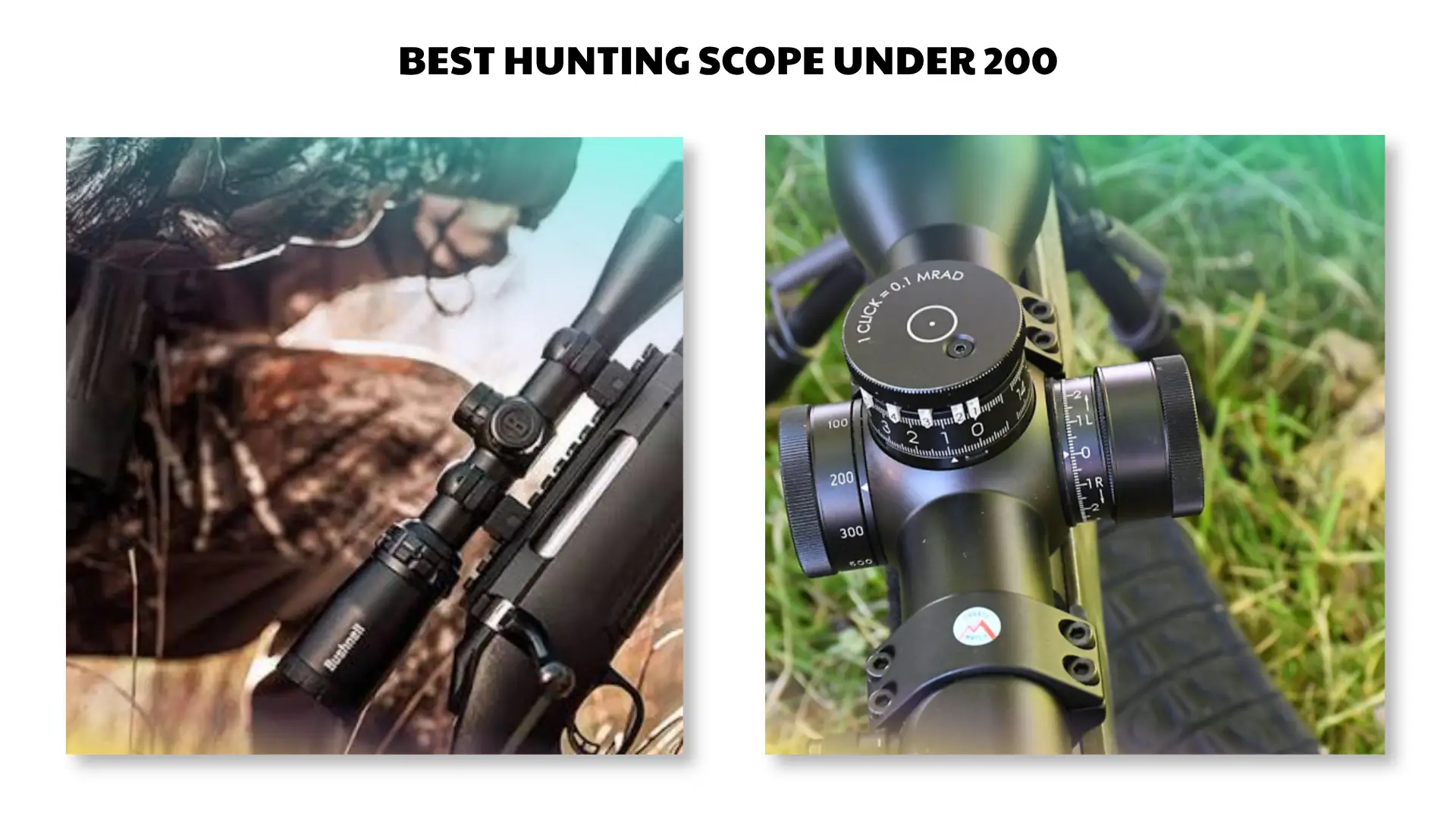

Quick Picks
- Best Overall: Vortex Optics Crossfire II 3-9×40 Dead-Hold BDC Riflescope
- Best Budget Option: Simmons Truplex 3-9×40 Riflescope
- Best for Beginners: Vortex Triumph HD 3-9×40 Riflescope Kit
- Best for Low Light: Bushnell Banner 3-9×40 Dusk & Dawn Multi-X Riflescope
- Best Higher Magnification: SIG SAUER Buckmasters 3-12×44 BDC Riflescope
Product Comparison Table: Best Hunting Scope Under 300
| Product | Best For | Key Features | Important Notes | Check Details |
|---|---|---|---|---|
| Vortex Optics Crossfire II 3-9×40 Dead-Hold BDC Riflescope | Best Overall | 3-9×40 configuration with a 1-inch tube and second focal plane reticle; Dead-Hold BDC reticle for hunters who want simple holdover references | A practical all-around choice for deer hunting, range practice, and general field use when you want dependable basics without overspending. | Check Price |
| Vortex Triumph HD 3-9×40 Riflescope Kit | Best for Beginners | 3-9×40 second focal plane riflescope kit; Includes 1-inch hunter rings and a neoprene cover | Helpful for new hunters because the kit format reduces the number of separate parts to research before mounting. | Check Price |
| SIG SAUER Buckmasters 3-9×40 BDC Riflescope | Best BDC Value | 3-9×40 hunting scope with Buckmasters BDC reticle; Second focal plane design with 1-inch tube | A value-focused hunting scope for buyers who want a simple BDC reticle and common 3-9x magnification. | Check Price |
| Bushnell Banner 3-9×40 Dusk & Dawn Multi-X Riflescope | Best Low-Light Budget Option | 3-9×40 hunting configuration with Multi-X reticle; Dusk & Dawn Brightness multi-coated lenses listed for low-light clarity | A simple low-light-oriented scope for hunters who prefer a classic crosshair instead of a BDC reticle. | Check Price |
| Vortex Optics Sonora 4-12×44 Dead-Hold BDC Riflescope | Best 4-12x Option | 4-12×44 configuration for hunters who want more top-end magnification; Dead-Hold BDC reticle in a second focal plane design | A better fit than a basic 3-9x when you hunt more open country but still want a simple capped-turret scope. | Check Price |
| Burris Droptine 4.5-14×42 Ballistic Plex Riflescope | Best for Open Country | 4.5-14×42 configuration with Ballistic Plex reticle; Adjustable parallax focus listed for distance work | A useful pick for hunters who want more magnification and parallax adjustment without jumping into a premium price tier. | Check Price |
| SIG SAUER Buckmasters 3-12×44 BDC Riflescope | Best Higher Magnification Value | 3-12×44 configuration with Buckmasters BDC reticle; 1-inch main tube and second focal plane layout | A step up in magnification for hunters who like the Buckmasters concept but want more than 9x on the top end. | Check Price |
| Vortex Optics Copperhead 3-9×40 Dead-Hold BDC Riflescope | Best Simple Vortex Alternative | 3-9×40 configuration with Dead-Hold BDC reticle; Second focal plane hunting scope layout | A basic Vortex alternative for buyers who find the Crossfire II unavailable or prefer the Copperhead package. | Check Price |
| Simmons Truplex 3-9×40 Riflescope | Best Ultra-Budget Scope | 3-9×40 configuration with Truplex reticle; Often sold with rings depending on listing variation | A very low-cost option that is better suited to light-duty hunting, rimfire practice, and cautious buyers than hard backcountry use. | Check Price |
Best Hunting Scope Under $300 Reviews
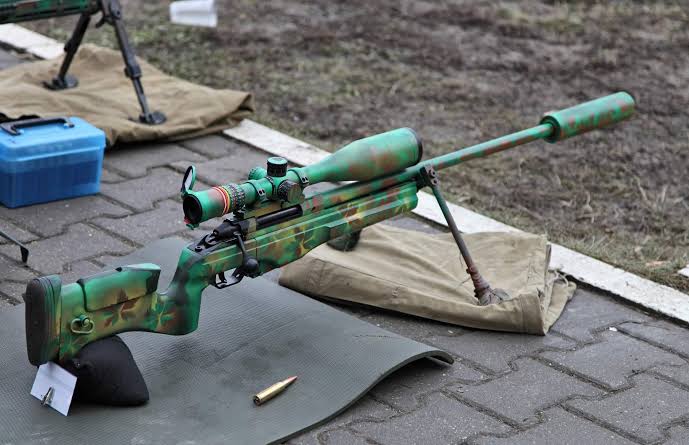
1. Vortex Optics Crossfire II 3-9×40 Dead-Hold BDC Riflescope
A practical all-around choice for deer hunting, range practice, and general field use when you want dependable basics without overspending. It earns a spot in this guide because it addresses a real buyer problem: getting useful hunting optics without paying premium-scope money.
Key Features
- 3-9×40 configuration with a 1-inch tube and second focal plane reticle
- Dead-Hold BDC reticle for hunters who want simple holdover references
- Fully multi-coated lenses, long eye relief, and fast-focus eyepiece
Pros
- Balanced magnification range for woods, field edges, and general big-game hunting
- Reticle is useful for hunters who understand their rifle, load, and zero distance
- Good value from a well-known hunting optics brand
Cons
- Not a high-end low-light scope
- BDC marks still require range confirmation and practice
- Mounting rings may need to be purchased separately depending on your setup
Field Notes
The 3-9×40 format is popular because it stays simple. Keep the lower end for closer timber and raise magnification only when you have a stable rest and enough light. Confirm ring height, eye relief, and bolt clearance before final mounting.
Safety and Legal Notes
A BDC reticle is only a reference system. It does not identify legal game, measure wind perfectly, or replace a safe backstop, range verification, and ethical judgment. Always follow firearm safety rules, range rules, manufacturer instructions, and local hunting regulations.
Best For
Hunters who want one affordable scope for a standard hunting rifle and do not need complex exposed turrets.
2. Vortex Triumph HD 3-9×40 Riflescope Kit
Helpful for new hunters because the kit format reduces the number of separate parts to research before mounting. It earns a spot in this guide because it addresses a real buyer problem: getting useful hunting optics without paying premium-scope money.
Key Features
- 3-9×40 second focal plane riflescope kit
- Includes 1-inch hunter rings and a neoprene cover
- HD optical system, fully multi-coated lenses, capped turrets, and Dead-Hold BDC reticle
Pros
- Kit includes useful setup accessories
- Simple magnification range for common deer hunting distances
- Good choice for hunters who want low complexity
Cons
- Included rings may not fit every rifle base or height preference
- Still needs careful mounting and zero confirmation
- Not intended to replace range practice or optics instruction
Field Notes
This is a friendly option for deer camp or a first hunting rifle because it keeps the controls familiar. Even with included rings, confirm base compatibility and eye relief before tightening anything permanently.
Safety and Legal Notes
Have a qualified gunsmith or optics professional mount it if you are unsure. Incorrect ring alignment, loose screws, or poor eye relief can cause misses, damage, or unsafe handling. Always follow firearm safety rules, range rules, manufacturer instructions, and local hunting regulations.
Best For
Beginners and casual hunters who want a straightforward hunting scope package with fewer accessories to buy separately.
3. SIG SAUER Buckmasters 3-9×40 BDC Riflescope
A value-focused hunting scope for buyers who want a simple BDC reticle and common 3-9x magnification. It earns a spot in this guide because it addresses a real buyer problem: getting useful hunting optics without paying premium-scope money.
Key Features
- 3-9×40 hunting scope with Buckmasters BDC reticle
- Second focal plane design with 1-inch tube
- Waterproof, shockproof, and fogproof performance stated by the product listing
Pros
- BDC reticle gives reference points when used correctly
- Classic magnification range works for many deer hunting setups
- Good option for hunters who want a recognized optics brand under budget
Cons
- BDC marks must be verified with your exact cartridge and zero
- Not as refined as higher-end SIG or premium European glass
- May require separate rings and proper torque tools
Field Notes
The Buckmasters reticle can be useful, but do not assume any dot equals an exact distance for every load. Build a simple range card after zeroing and verify performance in safe range conditions.
Safety and Legal Notes
Never use reticle references to take uncertain shots. Know the distance, wind, target angle, legal limits, and what lies beyond the target. Always follow firearm safety rules, range rules, manufacturer instructions, and local hunting regulations.
Best For
Hunters who want an affordable BDC hunting optic for deer, hogs, or general big-game setups where local laws allow rifle optics.
4. Bushnell Banner 3-9×40 Dusk & Dawn Multi-X Riflescope
A simple low-light-oriented scope for hunters who prefer a classic crosshair instead of a BDC reticle. It earns a spot in this guide because it addresses a real buyer problem: getting useful hunting optics without paying premium-scope money.
Key Features
- 3-9×40 hunting configuration with Multi-X reticle
- Dusk & Dawn Brightness multi-coated lenses listed for low-light clarity
- Extended eye relief noted on the product page
Pros
- Straightforward Multi-X reticle is easy to understand
- Useful for hunters who sit at dawn and dusk within legal shooting hours
- Budget-friendly compared with many premium low-light scopes
Cons
- Simple reticle lacks holdover marks
- Budget glass has limits in very dim light
- Availability and seller options can change
Field Notes
This scope makes the most sense for stands, blinds, and moderate distances where a clean reticle is preferred. Low-light clarity helps only within legal shooting time and ethical visibility.
Safety and Legal Notes
Always check legal shooting hours. Being able to see through an optic does not mean the shot is legal, safe, or ethical. Always follow firearm safety rules, range rules, manufacturer instructions, and local hunting regulations.
Best For
Deer hunters who want a plain, affordable 3-9×40 scope for early and late daylight conditions.
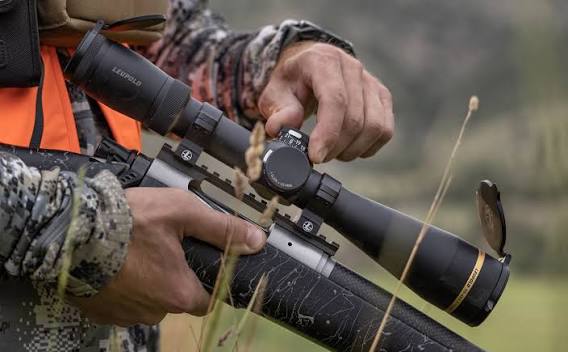
5. Vortex Optics Sonora 4-12×44 Dead-Hold BDC Riflescope
A better fit than a basic 3-9x when you hunt more open country but still want a simple capped-turret scope. It earns a spot in this guide because it addresses a real buyer problem: getting useful hunting optics without paying premium-scope money.
Key Features
- 4-12×44 configuration for hunters who want more top-end magnification
- Dead-Hold BDC reticle in a second focal plane design
- Budget-friendly Vortex hunting scope format
Pros
- More top-end magnification than standard 3-9x scopes
- Useful for open fields, bean fields, and longer glassing from a rest
- Keeps controls simpler than exposed-turret precision scopes
Cons
- Higher magnification narrows field of view
- Can be harder to hold steady without a rest
- Not ideal if most shots are close in thick cover
Field Notes
Use the lower magnification setting when still-hunting or covering close lanes. Increase power only when the rifle is supported and the target, background, and legal conditions are clear.
Safety and Legal Notes
More magnification can make shaky positions look worse. Do not use magnification to justify shots beyond your practiced ability. Always follow firearm safety rules, range rules, manufacturer instructions, and local hunting regulations.
Best For
Hunters who want a scope under $300 for fields, powerline cuts, and mixed terrain where a 12x top end is useful.
6. Burris Droptine 4.5-14×42 Ballistic Plex Riflescope
A useful pick for hunters who want more magnification and parallax adjustment without jumping into a premium price tier. It earns a spot in this guide because it addresses a real buyer problem: getting useful hunting optics without paying premium-scope money.
Key Features
- 4.5-14×42 configuration with Ballistic Plex reticle
- Adjustable parallax focus listed for distance work
- High-grade optical glass and Hi-Lume multicoating described in the product listing
Pros
- Higher magnification range helps in open terrain
- Adjustable parallax is useful when targets are farther away
- Ballistic Plex reticle offers simple trajectory references
Cons
- More scope than many close-range woods hunters need
- Higher power requires a steady rest and careful focus
- May sit higher or require careful ring selection
Field Notes
This scope belongs on a rifle used from stable positions, open country, or longer field edges. It is less ideal for fast, close timber hunting where a lower low-end magnification is easier to use.
Safety and Legal Notes
Ethical distance depends on skill, conditions, rifle, ammunition, rest, and target presentation. The scope does not extend your responsibility beyond practiced limits. Always follow firearm safety rules, range rules, manufacturer instructions, and local hunting regulations.
Best For
Open-country deer, antelope-style terrain, varmint setups, and hunters who want parallax adjustment on a budget.
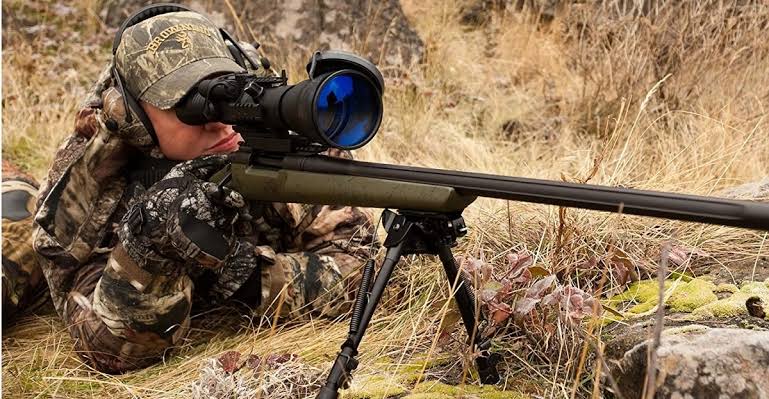
7. SIG SAUER Buckmasters 3-12×44 BDC Riflescope
A step up in magnification for hunters who like the Buckmasters concept but want more than 9x on the top end. It earns a spot in this guide because it addresses a real buyer problem: getting useful hunting optics without paying premium-scope money.
Key Features
- 3-12×44 configuration with Buckmasters BDC reticle
- 1-inch main tube and second focal plane layout
- Low-dispersion glass and weather-resistant construction described in the listing
Pros
- Wider magnification range than standard 3-9x models
- Good for hunters moving between timber edges and more open country
- BDC reticle can be useful after careful verification
Cons
- Larger objective and extra magnification can affect mounting height
- BDC system still needs range time and confirmation
- Not as compact as a basic 3-9×40 scope
Field Notes
The 3-12×44 format offers flexibility, but avoid leaving it on high power while moving through thick cover. A lower setting gives a wider field of view for close opportunities.
Safety and Legal Notes
Confirm zero after mounting, after travel, and after hard bumps. A scope that loses zero can lead to poor shot placement and unsafe decisions. Always follow firearm safety rules, range rules, manufacturer instructions, and local hunting regulations.
Best For
Hunters who want a flexible budget scope for stands, fields, and mixed-distance rifle hunting.
8. Vortex Optics Copperhead 3-9×40 Dead-Hold BDC Riflescope
A basic Vortex alternative for buyers who find the Crossfire II unavailable or prefer the Copperhead package. It earns a spot in this guide because it addresses a real buyer problem: getting useful hunting optics without paying premium-scope money.
Key Features
- 3-9×40 configuration with Dead-Hold BDC reticle
- Second focal plane hunting scope layout
- Simple capped-turret design for field use
Pros
- Simple controls are beginner-friendly
- BDC reticle supports basic holdover references after verification
- Good backup choice when other Vortex budget models are out of stock
Cons
- Less feature-rich than some other Vortex lines
- Not the best choice for dial-based long-range shooting
- Specifications and availability should be checked carefully before purchase
Field Notes
Treat this as a practical field optic rather than a precision dialing scope. Keep the rifle zeroed, keep lenses clean, and use the reticle only after confirming impact points.
Safety and Legal Notes
Do not rely on estimated holdovers on live game unless you have verified them at a safe range and conditions are appropriate. Always follow firearm safety rules, range rules, manufacturer instructions, and local hunting regulations.
Best For
Budget-minded hunters who want a simple Vortex 3-9x hunting optic with a familiar BDC-style reticle.
9. Simmons Truplex 3-9×40 Riflescope
A very low-cost option that is better suited to light-duty hunting, rimfire practice, and cautious buyers than hard backcountry use. It earns a spot in this guide because it addresses a real buyer problem: getting useful hunting optics without paying premium-scope money.
Key Features
- 3-9×40 configuration with Truplex reticle
- Often sold with rings depending on listing variation
- Simple, lightweight budget scope for basic use
Pros
- Very affordable entry point
- Simple reticle is easy for beginners to understand
- Useful for rimfire, range practice, and lower-recoil setups
Cons
- Not as rugged or optically refined as better scopes
- May not be ideal for heavy recoil or harsh weather
- Quality control and seller details should be checked closely
Field Notes
This is a place to save money only when expectations are realistic. If you hunt rough country, heavy recoil, or bad weather, spending more on durability may be the better value.
Safety and Legal Notes
Low-cost optics still need correct mounting, zeroing, and inspection. Replace or repair any scope that will not hold zero. Always follow firearm safety rules, range rules, manufacturer instructions, and local hunting regulations.
Best For
New shooters, rimfire hunters, small-game setups, and buyers who need the lowest practical price.
How to Choose the Best Hunting Scope Under $300
Choose the Right Type
Most hunters shopping below $300 are choosing between simple 3-9×40 scopes, slightly higher-magnification 4-12x or 4.5-14x scopes, and value-focused BDC models. A basic 3-9×40 is usually the easiest to use. A 4-12x can help in open fields. A 4.5-14x with parallax adjustment makes more sense for hunters who practice from stable rests and understand distance, wind, and reticle limits.
Match the Scope to Your Hunting Style
For close woods deer hunting, prioritize field of view, low-end magnification, simple reticle visibility, and eye relief. For open-country deer, antelope-style terrain, or longer field edges, more top-end magnification can help when used from a stable position. For backcountry hunting, pay attention to weight, durability, weather sealing, and whether the scope has already proven reliable before the trip.
Check Fit, Mounting, and Eye Relief
A good scope can perform poorly if it is mounted incorrectly. Check tube diameter, ring height, base compatibility, bolt clearance, objective bell clearance, and eye relief in real shooting positions. If you are unsure, use a qualified gunsmith or optics professional.
Consider Weight and Balance
A heavy scope can change rifle balance and make mountain or public-land hunting more tiring. A lighter scope is easier to carry, but it still needs to withstand recoil, weather, and field bumps.
Look at Glass, Coatings, and Low-Light Use
Glass quality, lens coatings, objective size, and exit pupil all affect visibility. Do not judge low-light performance by objective size alone. Stay within legal shooting hours and never take a shot unless you can positively identify the target and background.
Understand Reticle Choices
A duplex or Multi-X reticle is fast and simple. A BDC reticle gives holdover references but must be verified with your rifle and ammunition. A reticle is not a substitute for range practice, safe backstop awareness, or ethical distance limits.
Check Compatibility
Confirm that the scope fits your rifle, base, rings, cartridge recoil level, and intended hunting use. Also check whether the scope requires 1-inch or 30mm rings and whether the objective bell needs medium or high rings.
Understand Safety and Legal Requirements
Check hunting seasons, licenses, tags, legal equipment rules, public land restrictions, blaze orange requirements, firearm transport rules, safe storage laws, and range rules. Contact your local wildlife agency or legal authority if you are unsure.
Understand the Product’s Limits
No hunting scope under $300 guarantees perfect accuracy, perfect low-light performance, legal compliance, or hunting success. The right scope helps only when combined with safe handling, proper zeroing, good judgment, and field practice.
Important Hunting, Outdoor, and Firearm Safety Tips Before You Buy
- Follow local hunting laws, public land rules, private land access rules, firearm safety rules, range rules, and manufacturer instructions.
- Check season dates, licenses, tags, legal equipment rules, blaze orange requirements, transport rules, and storage laws before hunting.
- Carry basic outdoor safety gear such as navigation, first aid, water, weather protection, communication tools, a light source, and a trip plan.
- Practice with the scope at a safe range before relying on it in the field.
- Do not use outdoor gear as a substitute for training, judgment, preparation, and safe hunting practices.
- Keep the muzzle pointed in a safe direction while mounting, checking, transporting, or using any firearm.
- Store firearms securely and away from children or unauthorized users.
- Contact a qualified professional, local wildlife agency, or local authority if you are unsure about legal requirements or safe setup.
Common Mistakes to Avoid
Many hunters overspend on magnification and underspend on mounting. Others buy the cheapest scope available, mount it quickly, and wait until the hunt to discover eye relief, zero, or clarity problems.
- Buying based only on price instead of reliability, eye relief, and compatibility.
- Choosing too much magnification for close woods hunting.
- Ignoring ring height, tube diameter, and base compatibility.
- Trusting a BDC reticle without verifying it at the range.
- Assuming waterproof or fogproof means the scope is indestructible.
- Waiting until opening morning to test a new optic.
- Ignoring local hunting laws, legal shooting hours, and safe backstop requirements.
- Mounting a scope without correct tools or manufacturer torque guidance.
Troubleshooting Common Problems
| Problem | Possible Cause | What to Do |
|---|---|---|
| Blurry image | Eyepiece not focused, dirty lens, wrong eye position, or parallax issue | Adjust the eyepiece, clean lenses safely, center your eye, and check parallax if available. |
| Scope will not hold zero | Loose rings, poor base fit, damaged scope, inconsistent ammunition, or rifle issue | Stop hunting with it, inspect the mount, verify torque, test at the range, and contact a professional if needed. |
| Poor low-light view | Budget glass limits, dirty lenses, too much magnification, or legal light ending | Lower magnification, clean lenses, use safe identification, and stop when legal or ethical visibility is gone. |
| Scope shadow | Incorrect eye relief or inconsistent cheek weld | Move the scope only after unloading and making the firearm safe, or ask a gunsmith to adjust the setup. |
| Reticle appears tilted | Scope not leveled during mounting | Remount with proper leveling tools or use an optics professional. |
| BDC marks do not match impact | Different ammunition, zero distance, velocity, altitude, or magnification setting | Verify at the range and create a simple data card. Do not guess on live game. |
When to Get Professional Help
Get help from a qualified gunsmith, optics professional, firearms instructor, licensed dealer, gear manufacturer, local wildlife agency, land manager, or local authority when you are unsure about scope mounting, ring torque, rifle compatibility, recoil concerns, legal hunting equipment, safe firearm handling, transport, storage, or public land rules. If a scope repeatedly loses zero or appears damaged, contact the manufacturer or seller before using it again.
Maintenance and Care Tips
- Keep lens caps on when the scope is not in use.
- Use a blower, soft brush, and lens-safe cloth instead of wiping grit across the glass.
- Check ring and base screws according to manufacturer guidance before the season and after hard travel.
- Dry the exterior after rain or snow before storage.
- Store the rifle and optic securely, legally, and away from children or unauthorized users.
- Confirm zero before hunting season and after any serious bump or mount adjustment.
- Keep product manuals, warranty details, and reticle information where you can find them.
Final Verdict
The best hunting scope under $300 is the one that fits your rifle, hunting terrain, eyesight, budget, and skill level without adding unnecessary complexity. For most hunters, the Vortex Crossfire II 3-9×40 is the best overall starting point. The Vortex Triumph HD 3-9×40 Kit is especially friendly for beginners. The Bushnell Banner 3-9×40 is a simple low-light budget choice, while the Burris Droptine 4.5-14×42 and SIG SAUER Buckmasters 3-12×44 fit hunters who want more magnification.
No scope can replace safe firearm handling, ethical shot decisions, practice, maintenance, or legal compliance. Mount the optic correctly, verify your zero, understand your reticle, and follow all hunting regulations before heading into the field.
Frequently Asked Questions
1. What is the best hunting scope under $300 for most hunters?
For most hunters, a simple 3-9×40 scope from a reputable optics brand is the safest starting point. It gives enough magnification for common deer hunting distances without adding unnecessary complexity.
2. How do I know if a hunting scope under $300 is worth buying?
Look for clear glass, dependable adjustment clicks, enough eye relief, weather resistance, a reticle you understand, and a return policy or warranty that makes sense for your use.
3. Is a 3-9×40 scope enough for deer hunting?
Yes, a 3-9×40 scope is enough for many deer hunters, especially in woods, stands, blinds, and moderate field distances. It is not automatically enough for every terrain or every shooter.
4. Is more magnification always better for hunting?
No. More magnification narrows field of view and makes movement look shakier. A lower-power setting is often better for close cover, moving game, and fast target identification.
5. What does BDC mean on a hunting scope?
BDC means bullet drop compensation. It gives reference marks for holdover, but those marks must be checked with your rifle, ammunition, zero distance, and safe range conditions.
6. Should beginners choose a BDC reticle or a simple duplex reticle?
Beginners often do well with a simple duplex-style reticle because it is less distracting. A BDC reticle can help later if the hunter learns how it matches their rifle and load.
7. What is the best scope magnification for thick woods?
A low setting around 2x to 4x is useful in thick woods because it gives a wider field of view. A 3-9x scope left on 3x is a common practical setup.
8. What is the best scope magnification for open fields?
A 4-12x or 4.5-14x scope can be helpful in open fields when the rifle is supported and the hunter has practiced at the expected distance.
9. Is a 40mm objective lens good for hunting?
A 40mm objective is a proven hunting size because it balances light transmission, weight, mounting height, and cost. Bigger objectives can help in some cases but may require higher rings.
10. Is a 44mm objective better than a 40mm objective?
A 44mm objective may gather slightly more light, but optical quality, coatings, exit pupil, and legal shooting light matter too. It is not automatically better for every rifle.
11. What is eye relief and why does it matter?
Eye relief is the distance between your eye and the eyepiece where you see a full image. Enough eye relief helps avoid scope contact under recoil and supports safer shooting form.
12. How much eye relief should a hunting scope have?
Many hunters prefer roughly 3.5 inches or more, but the right amount depends on rifle fit, recoil, shooting position, and scope model.
13. Do hunting scopes under $300 hold zero?
Many can hold zero when mounted correctly, but quality varies. Use good rings, correct torque, clean mounting surfaces, and range checks after bumps or travel.
14. Do I need expensive rings for a budget hunting scope?
You do not always need premium rings, but you do need rings that fit the tube, base, objective clearance, and recoil level. Poor rings can ruin even a good scope.
15. What tube size is common on budget hunting scopes?
Many budget hunting scopes use a 1-inch main tube. Some scopes use 30mm tubes, so always check tube diameter before buying rings.
16. What is a second focal plane scope?
In a second focal plane scope, the reticle appears the same size as magnification changes. Many affordable hunting scopes use this design because it is simple and familiar.
17. Is first focal plane better for hunting?
First focal plane can be useful for ranging and holdovers across magnifications, but it often costs more and may not be necessary for ordinary deer hunting.
18. What is parallax on a rifle scope?
Parallax is an optical alignment issue that can shift the apparent reticle position if your eye is not centered. Many hunting scopes are fixed at a common distance, while some have adjustable parallax.
19. Do I need adjustable parallax for hunting?
Not always. It can help for longer distances or small targets, but many woods and deer hunters do fine with a fixed-parallax hunting scope.
20. What reticle is best for deer hunting?
A duplex, Multi-X, BDC, or simple hashmark reticle can work. The best reticle is the one you can see clearly, understand quickly, and verify at the range.
21. Are illuminated reticles necessary?
No. They can help in some low-light backgrounds, but they add cost, batteries, and complexity. Always stay within legal shooting hours.
22. Can a budget scope be good in low light?
Some budget scopes are usable in dawn and dusk conditions, but premium glass usually performs better. Never stretch legal or ethical limits because of an optic.
23. What does fully multi-coated mean?
It means multiple lens surfaces have coatings designed to improve light transmission and reduce glare. Coating quality still varies by brand and model.
24. Is waterproofing important on a hunting scope?
Yes, weather resistance matters because hunting often involves rain, snow, humidity, and temperature changes. Check the product listing and manufacturer guidance for the exact claim.
25. What does fogproof mean?
Fogproof usually means the scope is sealed and purged to reduce internal fogging. External lens fog can still happen and should be managed with safe lens care.
26. Can I use a hunting scope in heavy rain?
Only if the scope is rated for that use and mounted correctly. Even then, protect lenses, dry the scope afterward, and avoid assuming waterproof means indestructible.
27. How should I clean scope lenses?
Use a blower or soft brush first, then a lens cloth or lens-safe cleaning product. Do not grind dirt into the coating with a rough cloth.
28. How should I store a hunting scope?
Store the rifle and optic legally and securely in a dry place, away from children and unauthorized users. Use lens covers and avoid extreme heat or moisture.
29. Do I need to re-zero after mounting a new scope?
Yes. Every new scope installation must be bore-sighted if appropriate and then zeroed safely at the range before hunting.
30. Should a gunsmith mount my scope?
A gunsmith or optics professional is a good idea if you lack tools, torque specs, or experience. Correct mounting helps protect the optic and improves reliability.
31. What torque should I use on scope rings?
Follow the ring and scope manufacturer instructions. Do not guess because over-tightening can damage the tube and under-tightening can allow movement.
32. Can I move one scope between rifles?
It is possible, but you must confirm ring fit, eye relief, and zero on each rifle. Never assume the zero transfers between firearms.
33. Is a budget scope okay for elk hunting?
It can be, but elk hunts often involve rough country and bad weather. Choose durability, clarity, and secure mounting over the cheapest price.
34. Is a budget scope okay for backcountry hunting?
Only if it has proven reliable in practice. Backcountry trips punish gear, so weight, durability, weather sealing, and zero retention matter.
35. Is a hunting scope under $300 good for youth hunters?
It can be, but fit is more important than price. Youth hunters need proper rifle fit, safe supervision, comfortable eye relief, and training.
36. Is a lightweight scope better?
A lightweight scope helps on long hikes, but it must still be durable enough for recoil, weather, and field bumps.
37. What is the biggest mistake when buying a hunting scope?
The biggest mistake is buying by price or magnification alone while ignoring eye relief, mounting compatibility, reticle usefulness, and safe practice.
38. Should I buy a scope with rings included?
Included rings can save money, but they may not match your base, height, or rifle setup. Verify compatibility before relying on them.
39. What is the best scope for a beginner deer rifle?
A durable 3-9×40 scope with a simple reticle, enough eye relief, and clear instructions is usually better than a complex high-magnification model.
40. What is the best scope for low recoil rifles?
Many lighter budget scopes work well on rimfire and low-recoil rifles. For heavier recoil, prioritize stronger construction and proven mounting hardware.
41. Can I use these scopes for rimfire hunting?
Some can be used on rimfire rifles, but parallax distance, ring height, and rifle compatibility still matter. A rimfire-specific scope may be better for small game.
42. Can I use these scopes for shotgun hunting?
Only if the scope is suitable for the recoil and the setup is legal in your area. Check eye relief and manufacturer recommendations carefully.
43. Are Amazon scope listings always accurate?
Listings can change and may include variations. Check the ASIN, seller, reticle, size, return policy, and current product details before buying.
44. How do I avoid counterfeit or wrong-item optics?
Buy from reputable sellers, inspect packaging, compare the product to manufacturer information, and use brand registration or verification tools when available.
45. Should I choose Vortex, Bushnell, SIG Sauer, Burris, or Simmons?
Choose based on your use. Vortex and SIG have strong budget options, Bushnell is simple and low-light oriented, Burris offers higher magnification, and Simmons is ultra-budget.
46. Is a premium scope worth saving for?
Yes, if you hunt often, hunt rough conditions, need better low-light performance, or want more consistent tracking. Budget scopes are useful, but they have limits.
47. How often should I check zero?
Check zero before hunting season, after mounting changes, after hard travel, after a fall, and any time the rifle or scope may have been bumped.
48. Can a scope make me shoot farther?
No. A scope may help you see and aim, but ethical distance is based on training, rifle accuracy, ammunition, rest, wind, target angle, and judgment.
49. What should I bring to the range when testing a scope?
Bring eye and ear protection, targets, tools, torque driver if needed, ammunition from the same lot if possible, a stable rest, and a notebook for zero data.
50. What should I do if the image is blurry?
Adjust eyepiece focus first, check magnification and parallax if available, clean lenses safely, and confirm your eye position behind the scope.
51. What should I do if my scope will not hold zero?
Stop hunting with it until the issue is fixed. Check rings, bases, action screws, ammunition consistency, and contact the manufacturer or a qualified professional.
52. What should I do if the scope hits my eyebrow?
Stop and correct the setup. You may need more eye relief, different ring placement, better rifle fit, or professional mounting help.
53. Are these scopes legal for hunting everywhere?
No. Optics rules vary by state, season, weapon type, and species. Check your wildlife agency rules before hunting.
54. What safety rules matter most when using a scoped rifle?
Treat every firearm as loaded, keep the muzzle pointed in a safe direction, keep your finger off the trigger until ready, and know your target and what is beyond it.
55. What is the final buying advice for a hunting scope under $300?
Choose the simplest scope that fits your rifle, hunting style, legal requirements, and skill level. Then mount it correctly, test it, maintain it, and hunt responsibly.