
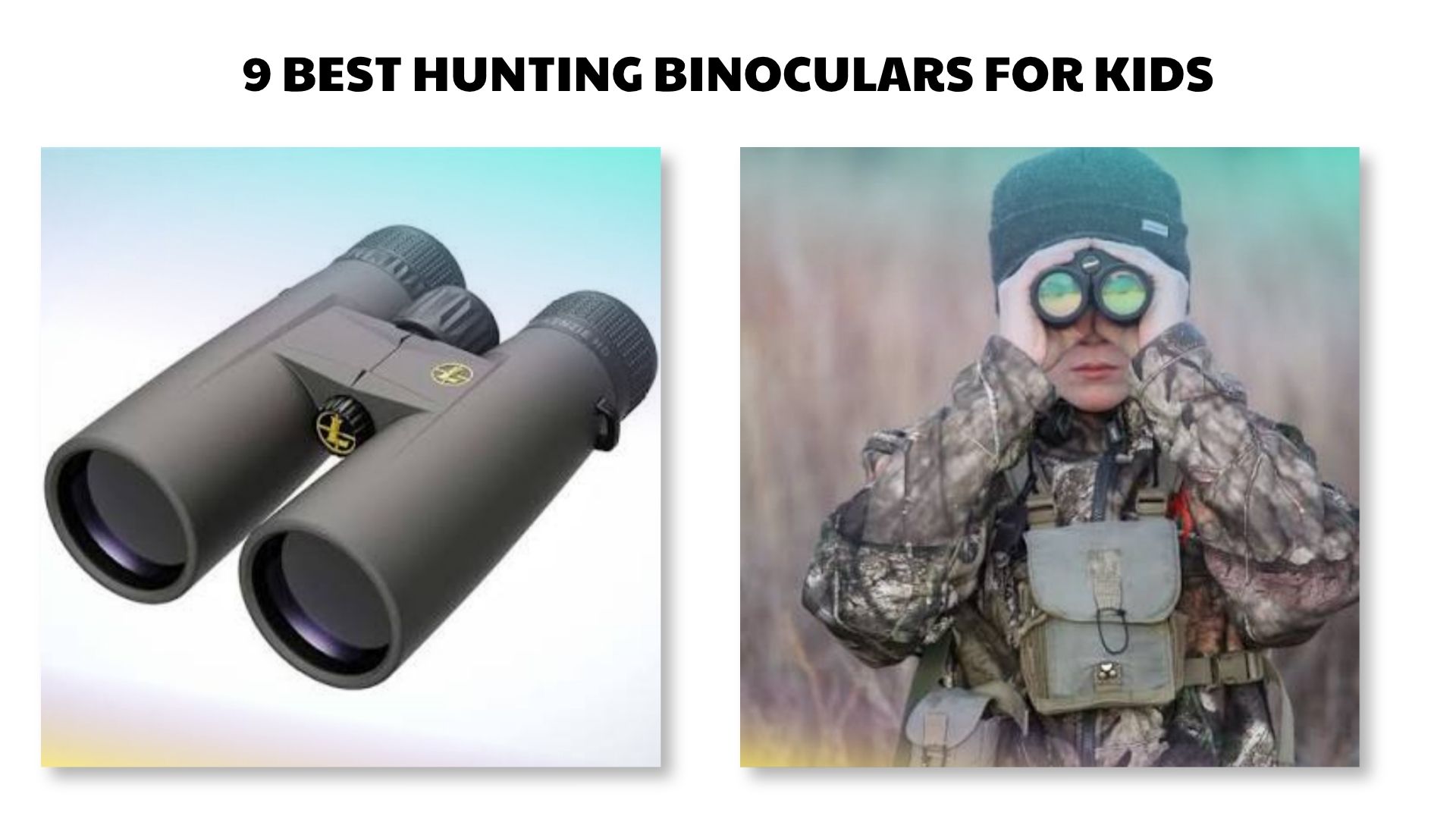

The best hunting binoculars for kids should fit smaller faces, feel manageable in young hands, provide a stable image, and support safe wildlife observation. A child does not benefit from exaggerated magnification if the view shakes, the barrels cannot close to match the eyes, or the binocular is too heavy to carry.
This guide compares youth-specific optics, compact beginner binoculars, full-size choices for responsible teens, and simple nature-learning viewers for younger children. Each recommendation has a clearly defined role. Preschool products are included only for supervised outdoor education and are not suitable for legal game identification.
Quick Picks
- Best Overall: Vortex Bantam HD 6.5×32 Youth Binoculars
- Best Budget Compact: Bushnell Powerview 2 8×21 Binoculars
- Best for Elementary-Age Beginners: National Geographic 6×21 Children’s Binoculars
- Best for Teens: Celestron Nature DX 8×42 Binoculars
- Best for Preschool Nature Learning: Educational Insights GeoSafari Jr. Kidnoculars
Best Hunting Binoculars for Kids Comparison Table
| Product | Best For | Suggested User | Configuration | Key Features | Important Notes | Check Details |
|---|---|---|---|---|---|---|
| Vortex Bantam HD 6.5×32 Youth Binoculars | Best Overall | Older children and teens, with adult supervision | 6.5×32 | Youth-oriented chassis, 51–69 mm IPD, 18.7 mm eye relief, 14.4 oz weight, waterproof/fogproof construction | The most purpose-built option here; still requires adult fitting, instruction, and supervision. | Check Price |
| Bushnell Powerview 2 8×21 Binoculars | Best Budget Compact | Older children and teens | 8×21 | Compact folding roof-prism design, aluminum-alloy chassis, multi-coated optics, rubber armor | Excellent portability and price, but small objectives are best in daylight rather than dim timber. | Check Price |
| National Geographic 6×21 Children’s Binoculars | Best for Elementary-Age Beginners | Approximately ages 4–8, depending on fit and maturity | 6×21 | Low 6x power, lightweight body, adjustable hinge, rubberized exterior, BK-7 prisms | A useful introduction to wildlife observation, but not a substitute for adult-quality identification glass. | Check Price |
| Promora 8×21 Binoculars for Kids | Best Adventure Gift Set | Young children through preteens, with adult supervision | 8×21 | Compact kids design, 8×21 optics, adjustable hinge, bundled exploration accessories | Fun and portable, but the bundled extras should not distract from correct fitting and safe use. | Check Price |
| Celestron Nature DX 8×42 Binoculars | Best for Teens | Older children and teenagers who can manage a full-size binocular | 8×42 | Full-size 8×42 format, BaK-4 prisms, multi-coated optics, twist-up eyecups, waterproof and nitrogen-filled construction | A serious step-up option with better low-light geometry, but it is heavier than youth-specific models. | Check Price |
| Nikon Aculon T02 10×21 Binoculars | Best Ultra-Light Teen Option | Teens and experienced older children | 10×21 | Very light 10×21 format, single-hinge body, turn-and-slide eyecups, multi-coated lenses | Highly portable, but 10x power and 21mm objectives are less forgiving than 6x or 8x youth optics. | Check Price |
| Celestron Cometron 7×50 Binoculars | Best for Supervised Low-Light Observation | Older children and teens using a rest or tripod | 7×50 | Large 50mm objectives, 7x magnification, wide view, multi-coated optics, optional tripod-adapter compatibility | Bright and steady but much too heavy for many children to carry all day. | Check Price |
| Nikon Aculon T11 8-24×25 Zoom Binoculars | Best for Stationary Zoom Practice | Teens under close adult supervision | 8-24×25 zoom | Variable 8x–24x magnification, 25mm objectives, compact body, center zoom control | Interesting for stationary learning, but zoom complexity and image shake make it a weak general hunting choice. | Check Price |
| Educational Insights GeoSafari Jr. Kidnoculars | Best for Preschool Nature Learning | Approximately ages 3–5 | 2x focus-free viewer | Focus-free eyepieces, oversized goggle-style design, rubberized grip, low 2x magnification | A preschool learning toy, not a hunting identification optic. | Check Price |
How We Chose These Youth Binoculars
The selections prioritize age-appropriate magnification, adjustable eye spacing, low weight, clear product identity, practical controls, weather resistance where available, and specific Amazon.com product pages. We also included honest limitations because a child-friendly label does not automatically mean that a binocular is suitable for real hunting observation.
The strongest choices use 6x to 8x magnification, provide a wide and steady view, and either use a youth-oriented chassis or have dimensions that an older child can reasonably manage. High-power zoom and preschool models appear only in specialized categories with clear warnings.
We did not personally field-test every listed product in every hunting environment. The reviews below combine verified product information with configuration-based analysis, youth-fit considerations, and responsible outdoor-safety guidance. Test the actual fit whenever possible.
Best Hunting Binoculars for Kids Reviews
1. Vortex Bantam HD 6.5×32 Youth Binoculars
Best Overall
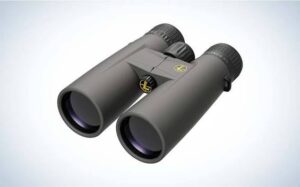
The Vortex Bantam HD 6.5×32 is the strongest overall choice because it is designed around youth ergonomics rather than simply shrinking an adult marketing label onto a generic compact binocular. Its 6.5x magnification is easier for young users to hold steady, while the 32mm objectives provide a more relaxed view than tiny 21mm compacts. The manufacturer lists a 51–69mm interpupillary-distance range, 18.7mm eye relief, a 400-foot field of view at 1,000 yards, and a 14.4-ounce weight.
Key Features
- 6.5x magnification and 32mm objective lenses
- Youth-friendly 51–69mm interpupillary-distance range
- 18.7mm eye relief and adjustable eyecups for use with or without glasses
- HD optical system with XR lens coatings
- Rubber armor, tripod adaptability, and manufacturer-listed waterproof, fogproof, and shockproof construction
Pros
- Lower magnification is easier for children to stabilize
- Wider, more forgiving view helps a young user locate wildlife
- Designed for smaller hands and faces rather than only adult dimensions
- Serious optical features make it useful beyond backyard play
Cons
- Costs more than toy-style children’s binoculars
- May still be too large or heavy for very young children
- A neck strap must be fitted carefully to avoid snagging
Field Notes
For supervised deer scouting, wildlife observation, target-range spotting from a safe position, and family hikes, the Bantam’s 6.5×32 format makes practical sense. A child can find the subject faster than with narrow, shaky high-power optics. Before any trip, an adult should adjust the hinge until the child sees one circular image, set the diopter, and shorten the strap or use a properly fitted youth harness.
Safety and Legal Notes
This is an observation tool, not permission for unsupervised hunting activity. A responsible adult must control all firearms and archery equipment, teach safe muzzle direction, and ensure the child never uses a riflescope to identify unknown movement. Never look at the sun through binoculars.
Best For
Families who want a real youth hunting binocular that can support scouting, wildlife education, and supervised field use.
2. Bushnell Powerview 2 8×21 Binoculars
Best Budget Compact
The Bushnell Powerview 2 8×21 is a practical first compact for an older child who can use a center focus and diopter correctly. Its folding roof-prism design fits easily into a daypack, and the aluminum-alloy chassis gives it more structure than many inexpensive all-plastic models. The 8x magnification is reasonable for youth use, although the 21mm objectives limit low-light comfort.
Key Features
- 8x magnification with 21mm objective lenses
- Compact folding roof-prism body
- Aluminum-alloy chassis with textured rubber armor
- Multi-coated optics
- Includes a basic carrying case and strap
Pros
- Affordable entry into a recognized optics brand
- Small enough for a child’s pack or jacket pocket
- Eight-power view is more manageable than many exaggerated high-power kids models
- Metal chassis is reassuring at this price level
Cons
- Small exit pupil is less forgiving at dawn, dusk, or under heavy tree cover
- Compact controls may feel fiddly with gloves
- Not a purpose-built youth chassis
Field Notes
This model is best for bright-day scouting, hiking, wildlife spotting, and learning how to focus properly. It is less suitable for making difficult legal-animal distinctions near the edge of shooting light. If the child cannot see one full circular image after adjusting the hinge, choose a model with a narrower minimum IPD.
Safety and Legal Notes
Compact does not mean toy. Teach the child to stop walking before raising the binocular, keep the strap away from branches and vehicle controls, and hand the binocular to an adult before climbing, crossing water, or entering a stand.
Best For
Budget-conscious families needing a small daylight binocular for an older child or teen.
3. National Geographic 6×21 Children’s Binoculars
Best for Elementary-Age Beginners
The National Geographic 6×21 children’s binoculars offer a sensible 6x magnification for elementary-age users. Lower power reduces visible hand shake and makes it easier to find an animal in the view. The lightweight 21mm format is easy to carry during family walks, though it is primarily a daylight learning optic rather than a serious low-light hunting binocular.
Key Features
- 6x magnification with 21mm objective lenses
- Lightweight construction for smaller hands
- Adjustable hinge for matching eye spacing
- Rubberized exterior
- BK-7 prism system and included carry accessories
Pros
- Easy-to-stabilize magnification
- Light and approachable for younger children
- Useful for teaching basic focus, wildlife location, and field etiquette
- More practical than extreme-power toy binoculars
Cons
- Not listed as waterproof
- Limited low-light performance
- Optical detail is below serious youth hunting models
Field Notes
Use these for backyard practice, nature walks, checking distant landmarks, and supervised wildlife spotting. They can help a child learn to find a subject, hold still, and describe what they see. For legal game identification or difficult dawn-and-dusk observation, the supervising adult should use higher-quality optics.
Safety and Legal Notes
A child in this age range should remain within direct reach of an adult around roads, water, stands, firearms, bows, knives, vehicles, and rough terrain. Use a breakaway or carefully adjusted strap where appropriate, and never allow sun viewing.
Best For
Young children learning observation skills before they are ready for a more expensive youth hunting binocular.
4. Promora 8×21 Binoculars for Kids
Best Adventure Gift Set
The Promora 8×21 package is aimed at children who enjoy nature walks, camping, travel, and outdoor exploration. Its 8x magnification provides more apparent reach than 6x beginner models, while the 21mm objectives keep the body compact. The value is in the child-friendly package and accessories rather than premium hunting optics.
Key Features
- 8x magnification and 21mm objective lenses
- Compact folding design with adjustable center hinge
- Rubberized child-oriented exterior
- Typically bundled with exploration accessories
- Lightweight format for packs and short outings
Pros
- Engaging gift presentation encourages outdoor curiosity
- Compact enough for small daypacks
- Adjustable hinge supports better eye alignment than fixed toy viewers
- Useful for bright-day wildlife watching
Cons
- Not a serious low-light hunting optic
- Not listed as fully waterproof
- Quality control and accessory details should be checked on the current listing
Field Notes
This is best viewed as an exploration kit that can introduce children to glassing. Parents should spend time adjusting the binocular and practicing on stationary objects before taking it on a hunt. If the child sees double, black shadows, or only part of the view, stop and readjust instead of encouraging eye strain.
Safety and Legal Notes
Small accessories can be misplaced or create distractions. Inventory the kit before and after the trip, keep cords and straps controlled, and do not allow a child to roam away while looking through magnified optics.
Best For
Gift buyers who want a fun, portable nature-exploration set for supervised daytime use.
5. Celestron Nature DX 8×42 Binoculars
Best for Teens
The Celestron Nature DX 8×42 is a full-size adult-style binocular that can suit a responsible teen with larger hands. The 8x magnification is steady and the 42mm objectives provide a more comfortable exit pupil than compact 8×21 models. Its waterproof, nitrogen-filled construction and BaK-4 prisms make it more appropriate for regular field use.
Key Features
- 8x magnification with 42mm objective lenses
- BaK-4 roof prisms and multi-coated optics
- Twist-up eyecups and approximately 18mm eye relief
- Waterproof, nitrogen-filled construction
- Close-focus capability useful for general nature observation
Pros
- Brighter and more forgiving than tiny compact binoculars
- Eight-power configuration works well in woodland and mixed terrain
- Suitable for a teen to grow into and share with adults
- Weather-ready construction
Cons
- Heavier and bulkier for a small child
- Edge sharpness and difficult low-light detail trail premium optics
- Full-size barrel spacing may not fit narrow faces
Field Notes
For a teen who participates regularly in deer, turkey, or waterfowl scouting, an 8×42 can be a better long-term investment than a toy-style model. Test the minimum barrel spacing on the teen’s face and use a chest harness rather than a thin neck strap for longer walks.
Safety and Legal Notes
Teens may be physically capable of carrying adult gear, but adult supervision and legal responsibility remain essential. Use binoculars—not a firearm-mounted optic—to identify unknown movement, and verify species, background, legal hours, and land boundaries before any hunting decision.
Best For
Responsible teenagers who need a real all-weather binocular for regular supervised hunting and outdoor use.
6. Nikon Aculon T02 10×21 Binoculars
Best Ultra-Light Teen Option
The Nikon Aculon T02 10×21 is an ultra-light binocular for a teen who values pocketability. Its Nikon optics and simple controls make it more credible than generic high-power compacts, but the 10x magnification amplifies hand shake and the 21mm objectives are best in bright daylight.
Key Features
- 10x magnification and 21mm objectives
- Approximately 195-gram lightweight body
- Turn-and-slide eyecups
- Multi-coated lenses
- Single-hinge design with center focus
Pros
- Very easy to carry
- Recognized optics manufacturer
- Useful for bright-day observation from a stable position
- Fits in a small pack pocket
Cons
- Ten-power view is harder for young hands to steady
- Not waterproof
- Small objectives are weak for low-light hunting conditions
- Short eye relief may be uncomfortable for some glasses wearers
Field Notes
This model makes the most sense for a teen who already understands focus and can brace against a tree, vehicle window frame, or solid rest. It should not be selected solely because 10x sounds better than 6x or 8x. In many real hunting situations, a steadier lower-power image reveals more usable detail.
Safety and Legal Notes
Do not encourage a child to climb, walk, or cross obstacles while viewing through 10x optics. The narrow view reduces awareness of nearby hazards. Stop in a stable location, scan briefly, lower the binocular, and reassess surroundings.
Best For
Teens who prioritize minimum weight for bright-day scouting and can control higher magnification.
7. Celestron Cometron 7×50 Binoculars
Best for Supervised Low-Light Observation
The Celestron Cometron 7×50 is not a typical mobile youth hunting binocular, but its 7x magnification and large 50mm objectives make it useful for supervised observation from a blind, vehicle pull-off, camp, or tripod. The main limitation is weight and bulk.
Key Features
- 7x magnification with 50mm objective lenses
- Wide 6.6-degree field of view
- Multi-coated optics
- Porro-prism body with rubberized grip
- Can be paired with a compatible tripod adapter
Pros
- Steady seven-power image
- Large exit pupil is forgiving for eye placement
- Useful for wildlife observation and stargazing
- Affordable way to teach tripod-supported glassing
Cons
- Approximately two-pound class is heavy for children
- Water-resistant rather than a premium fully sealed hunting design
- Bulky for backpack or chest-harness carry
Field Notes
Use this binocular from a fixed and safe position. A tripod lets a child observe without fighting the weight and teaches careful scanning. It is poorly suited to mobile backcountry hunting, climbing, or all-day neck carry.
Safety and Legal Notes
An adult should set up and stabilize the tripod away from traffic, ledges, boat edges, and shooting lanes. The child should never carry a large binocular while climbing into a stand. Never use it to look at the sun.
Best For
Supervised low-light wildlife watching, blind use, camp observation, and learning tripod glassing.
8. Nikon Aculon T11 8-24×25 Zoom Binoculars
Best for Stationary Zoom Practice
The Nikon Aculon T11 8-24×25 offers variable magnification in a compact body. That flexibility may interest a teen observing from a fixed blind, sports stand, or stable rest, but it is not the best first hunting binocular. At higher magnification the image becomes harder to hold steady, the field narrows, and the small objectives limit brightness.
Key Features
- Variable 8x to 24x magnification
- 25mm objective lenses
- Central zoom lever and center focus
- Multi-coated optical surfaces
- Compact travel-oriented construction
Pros
- Lets a teen learn how magnification affects field of view and stability
- Compact relative to full-size binoculars
- Useful for stationary daylight observation
Cons
- Higher zoom settings are difficult to use handheld
- Narrower field makes wildlife harder to locate
- Not waterproof
- More controls increase the learning curve
Field Notes
Begin at 8x, locate the subject, then increase magnification only while braced or supported. Do not assume that 24x will provide a clearer view; atmospheric shimmer, hand shake, focus error, and low brightness may erase the apparent advantage.
Safety and Legal Notes
High magnification reduces situational awareness. The user must be seated or standing securely, with an adult monitoring surroundings. Do not zoom while walking, driving, paddling, climbing, or handling any firearm or bow.
Best For
Teens learning about magnification from a safe stationary position—not general active hunting.
9. Educational Insights GeoSafari Jr. Kidnoculars
Best for Preschool Nature Learning
GeoSafari Jr. Kidnoculars are included for families with preschool children who want to participate in safe nature observation. The focus-free, goggle-style design removes complicated controls and the 2x magnification is easy to understand. However, this product should never be presented as equipment for identifying legal game or supporting a hunting shot decision.
Key Features
- Low 2x magnification
- Focus-free eyepieces
- Large child-friendly viewing area
- Rubberized grip and bright exterior
- Designed as an educational toy for preschool ages
Pros
- Very simple for preschool children
- Encourages interest in wildlife and family outdoor time
- Low magnification is easy to control
- Affordable enough for supervised practice
Cons
- Not suitable for meaningful long-range identification
- Toy-level optical performance
- Not appropriate for active hunting decisions
Field Notes
Use this product in the backyard, at camp, or on a short supervised nature walk. Ask the child to describe colors, shapes, birds, and landmarks. Keep actual hunting identification and all equipment decisions with a responsible adult using proper optics.
Safety and Legal Notes
Preschool children require constant direct supervision. Keep them away from firearms, bows, ammunition, knives, tree stands, vehicles, water hazards, and cooking fires. Remove or manage straps according to the product instructions and never permit sun viewing.
Best For
Preschool children joining family nature activities before they are old enough for real hunting binoculars.
How to Choose the Best Hunting Binoculars for Kids
Start With the Child’s Age, Maturity, and Role
A preschool child accompanying the family at camp needs a very different product from a responsible teenager participating in supervised scouting. Toy-style viewers are useful for curiosity and basic observation, but they should not be used to make species, antler, horn, sex, or legal-hunting determinations.
The supervising adult remains responsible for safety, hunting regulations, firearm control, route planning, weather decisions, and all final identification.
Choose 6x or 8x Before Chasing More Power
For most children, 6x to 8x magnification is easier to hold steady and provides a wider view for finding animals. Ten-power compacts can work for an experienced teen, but they magnify hand movement and often produce a narrower view.
Variable zoom sounds attractive, yet it adds controls and becomes difficult to use at high power. A clear, stable 6.5x or 8x image is usually more useful than a shaky 20x image.
Check Interpupillary Distance
Interpupillary distance, or IPD, is the distance between the centers of the pupils. A child’s eyes may be too close together for some adult binoculars. The barrels must fold inward far enough for the child to see one clean circular image.
The Vortex Bantam HD lists a 51–69mm IPD range, making it a particularly relevant benchmark. Do not force a child to use binoculars that show two images or cause eye strain.
Match Objective Size to Carry Weight and Light
Small 21mm or 25mm objectives keep binoculars light and affordable, but they provide a smaller exit pupil and less comfortable viewing in dim conditions. A 30mm or 32mm youth binocular is a strong balance for mobile field use.
Full-size 42mm and 50mm models can appear brighter and more forgiving, but they may be too heavy or wide for a child. A tripod or adult carry plan may be necessary.
Check Eye Relief and Eyecups
Eye relief affects how easily the user sees the full image, especially with glasses. Adjustable eyecups help position the eyes correctly. A child should be able to see the entire field without pressing the binocular painfully into the face.
Black crescents, a tunnel-like view, or frequent loss of the image usually indicate poor eye position, unsuitable eyecup height, or incorrect barrel spacing.
Prioritize a Wide Field of View
A wide field helps a child find wildlife, track movement, and maintain orientation. It is especially valuable in timber, marsh edges, and mixed habitat.
Higher magnification often narrows the field. This is another reason a lower-power youth model may outperform a higher-numbered compact in real use.
Consider Weight and Carry Method
Children tire faster than adults, and neck strain can turn a learning experience into frustration. Check actual weight, not just the word compact. A padded strap or correctly fitted harness can help older children.
Any strap can snag on branches, stands, boat hardware, or vehicle controls. The adult should fit it and remove the binocular before climbing, crossing obstacles, or entering a stand.
Look for Weather Resistance and Grip
Rubber armor improves grip and protects the exterior from ordinary knocks. Waterproof and fogproof construction is valuable for wet grass, rain, snow, and temperature changes, but only rely on claims supported by the manufacturer.
Toy or budget models that are not waterproof should be kept in a case and dried promptly. No binocular should be treated as indestructible.
Test the Focus Wheel and Diopter
The child should be able to reach and turn the center focus without shifting the binocular away from the eyes. An adult should initially set the diopter and teach the child not to spin it randomly.
Practice on a sign, tree trunk, or stationary animal at different distances before the hunting season.
Match the Binocular to the Hunt
For woodland deer or turkey observation, 6.5×32 or 8×32 can be easier for a child. A responsible teen may use 8×42 in mixed terrain. Waterfowl scouting requires weather protection and a strap that does not interfere with a personal flotation device.
Backcountry use favors lighter optics, but never remove essential navigation, first aid, water, communication, weather protection, and emergency gear simply to carry binoculars.
Understand Product Limits
No youth binocular guarantees identification, ethical shooting, safety, or legal compliance. Fog, vegetation, glare, distance, low light, heat shimmer, poor fit, and inexperience can hide important details.
When the child or adult cannot identify the subject confidently, stop. Move to a safe observation position, stabilize the binocular, wait for better light, or end the attempt.
Buy From a Clear, Specific Listing
Confirm the exact model, magnification, objective size, color variation, included accessories, seller, and return policy. Marketplace listings may combine multiple versions and reviews.
Avoid products with implausible power claims, vague specifications, misleading night-vision language, or no clear manufacturer support.
Important Youth Hunting, Outdoor, and Firearm Safety Tips
- Keep children under direct adult supervision around firearms, bows, ammunition, knives, vehicles, boats, stands, water, fire, and difficult terrain.
- Use binoculars to identify unknown movement. Never point a firearm-mounted optic at a person, animal, building, road, or object merely to determine what it is.
- Follow the four basic firearm safety rules and all manufacturer instructions.
- Check hunting seasons, licenses, tags, legal equipment, blaze-orange requirements, shooting hours, access permission, transport laws, and storage laws.
- Stop walking before raising binoculars. Magnified viewing hides nearby hazards.
- Never look at the sun through binoculars. Magnified sunlight can cause permanent eye injury.
- Remove or secure binoculars before climbing into a tree stand, crossing fences, boarding a boat, riding an ATV, or negotiating steep terrain.
- Make sure a binocular strap or harness does not interfere with a full-body stand harness, PFD, backpack, firearm sling, or vehicle controls.
- Carry navigation, first aid, water, weather protection, communication, a light source, and a trip plan. Binoculars do not replace emergency preparation.
- End the observation session when the child is cold, tired, dizzy, frustrated, or unable to identify the subject confidently.
Common Mistakes to Avoid
- Buying the highest magnification available: High power magnifies hand shake and makes wildlife harder to locate.
- Ignoring the child’s eye spacing: Adult binoculars may not fold narrowly enough to produce one image.
- Choosing by age label alone: Face shape, hand size, maturity, eyesight, and intended use vary widely.
- Using toy binoculars for legal game identification: Preschool viewers are educational toys, not decision-making hunting optics.
- Letting a child glass while walking: Magnification hides roots, drops, traffic, branches, water, and nearby people.
- Using a riflescope to identify movement: This violates safe muzzle discipline; unknown subjects must be viewed with binoculars.
- Leaving the strap too long: Loose straps can snag on brush, stands, boats, bikes, ATVs, and vehicle controls.
- Skipping practice before the hunt: The child should learn IPD, focus, diopter, and scanning in a controlled setting.
- Assuming waterproof means maintenance-free: Mud, fingerprints, condensation, and grit still require correct cleaning and drying.
- Pushing a tired child to keep glassing: Fatigue reduces attention, balance, judgment, and enjoyment.
The most important buying mistake is treating every product marketed “for kids” as a hunting optic. A colorful focus-free viewer may be excellent for learning, while a legal game-identification task requires clear, properly fitted binoculars and an experienced supervising adult.
Troubleshooting Common Problems
| Problem | Possible Cause | What to Do |
|---|---|---|
| The child sees two images | Incorrect IPD or binocular misalignment | Fold the barrels slowly until one circle appears. If double vision remains after a drop, stop using the binocular and contact the manufacturer. |
| The view turns black at the edges | Eye relief or eyecup height is wrong | Adjust eyecups and move the binocular slightly closer or farther from the eyes. |
| One eye is sharp and the other is blurry | Diopter is not calibrated | Have an adult set the diopter using the manufacturer’s instructions. |
| The child cannot find the animal | Field of view is narrow or magnification is too high | Start with a visible landmark, use lower power, and teach a slow grid scan. |
| The image shakes | High power, fatigue, unsupported arms, or heavy binocular | Use 6x–8x, brace elbows, sit down, shorten the viewing session, or use a tripod. |
| The binocular feels too wide | Minimum IPD is larger than the child’s eye spacing | Choose a youth-specific model with a narrower IPD range. |
| The child develops a headache | Poor alignment, incorrect diopter, eye strain, or vision issue | Stop immediately, recheck fit, and consult an eye-care professional if symptoms recur. |
| The image is dim | Small objectives, dirty lenses, low light, or poor eye position | Clean correctly, adjust eye position, use a larger objective model, or stop when light is inadequate. |
| Exterior lenses fog | Warm breath or rapid temperature change | Improve airflow, avoid breathing on eyepieces, and use only manufacturer-approved anti-fog methods. |
| Fog appears inside | Seal failure or trapped moisture | Dry the exterior and contact the manufacturer. Do not open the binocular. |
| The focus wheel is hard to turn | Cold, debris, or mechanical damage | Warm gradually, remove exterior grit carefully, and seek service if stiffness continues. |
| The strap causes neck discomfort | Poor adjustment or excess weight | Use a padded youth harness, shorten the session, or choose a lighter model. |
When to Get Professional Help
Contact the manufacturer or a qualified optics professional when the binocular shows persistent double vision, internal fogging, a damaged hinge, cracked lenses, a failed focus wheel, loose internal parts, or coating damage. Do not open a sealed binocular at home.
Consult an eye-care professional if the child repeatedly experiences headaches, eye pain, dizziness, or difficulty merging the image. Contact a qualified firearms instructor, hunter-education program, wildlife agency, land manager, or appropriate local authority for questions about youth hunting participation, safe firearm handling, licenses, seasons, access, legal equipment, storage, or transport.
Call emergency services for any serious injury, exposure emergency, missing child, firearm incident, fall, boating accident, or medical concern. A first-aid kit does not replace medical training or professional care.
Maintenance and Care Tips
- Have an adult inspect the hinge, focus wheel, diopter, eyecups, caps, strap attachments, and harness before each trip.
- Remove loose dust and grit with an optical blower or soft lens brush before wiping.
- Use manufacturer-approved lens fluid and a clean microfiber cloth.
- Dry rain, snow, mud, fingerprints, and condensation before storage.
- Do not store wet binoculars in a sealed case.
- Keep optics away from extreme dashboard heat, cooking fires, solvents, and unauthorized hunting equipment.
- After a drop, check for double images, loose parts, cracked glass, and focus problems.
- Wash or replace dirty straps and inspect stitching for damage.
- Record the model, ASIN, receipt, seller, warranty information, and serial number when available.
- Follow the manufacturer’s cleaning, water-resistance, service, and storage instructions.
Final Verdict
The Vortex Bantam HD 6.5×32 is the best hunting binocular for kids overall. Its lower 6.5x power, youth-oriented IPD range, long eye relief, manageable weight, wide view, and field-ready construction solve the most common problems children face with adult binoculars.
For a lower-cost compact, the Bushnell Powerview 2 8×21 is a useful bright-day option for older children. Younger beginners can learn with the National Geographic 6×21, while responsible teens who can manage a full-size optic may prefer the Celestron Nature DX 8×42.
Preschool viewers such as GeoSafari Jr. Kidnoculars should remain nature-learning toys, not game-identification tools. Whatever model you choose, fit it to the child’s face, practice before the hunt, control straps and other equipment, maintain direct adult supervision, and follow all firearm-safety and hunting-law requirements.
Frequently Asked Questions
1. What are the best hunting binoculars for kids?
The Vortex Bantam HD 6.5×32 is the best overall choice because it is designed around youth ergonomics, lower magnification, a narrow IPD range, and real field durability.
2. What age can a child start using binoculars?
A preschool child can use a simple focus-free viewer with direct supervision. Real focusable hunting binoculars are better for older children who can follow instructions and handle optics carefully.
3. Are toy binoculars good for hunting?
No. Toy binoculars can support nature learning, but they should not be used for legal game identification or any decision related to taking a shot.
4. What magnification is best for a child?
Six-power to eight-power is usually best. It is easier to hold steady and provides a wider field of view than 10x or higher magnification.
5. Is 10x too powerful for kids?
It can be. An experienced teen may use 10x from a braced position, but younger users usually get more useful detail from a steadier 6x or 8x image.
6. What does 6.5×32 mean?
The binocular magnifies the view 6.5 times and has 32mm objective lenses at the front.
7. Why is interpupillary distance important for kids?
Children often have narrower eye spacing. The binocular must fold inward far enough for both optical tubes to align with the child’s pupils.
8. How do I know whether the IPD fits?
Adjust the hinge until the child sees one circular image. If the view remains doubled or split, the binocular may not fit.
9. What IPD range does the Vortex Bantam HD have?
The manufacturer lists an interpupillary-distance range of 51mm to 69mm.
10. Are 21mm binoculars bright enough for hunting?
They can work in daylight, but they are less comfortable in dim timber, dawn, dusk, or overcast conditions than 30mm, 32mm, or 42mm models.
11. Are 32mm binoculars good for youth hunters?
Yes. A 6×32 or 8×32 often balances brightness, weight, grip, and portability well.
12. Should a teen use 8×42 binoculars?
A responsible teen with suitable face width and hand size can use 8×42 binoculars, especially with a chest harness.
13. Are 7×50 binoculars good for kids?
They provide a steady, bright view but are usually too heavy for mobile youth use. They are better on a tripod or from a fixed position.
14. Are zoom binoculars good for young hunters?
They are usually not the best first choice. Zoom controls add complexity, and high settings produce more shake and a narrower view.
15. What field of view is best for children?
A wider field is better because it helps the child find wildlife and follow movement. Compare models using the same units.
16. What is eye relief?
Eye relief is the distance from the eyepiece where the full image can be seen. It is especially important for children who wear glasses.
17. Can children wear glasses with binoculars?
Yes, when the binocular has adequate eye relief and adjustable eyecups. Test the actual fit because glasses frames vary.
18. Why does my child see black shadows?
The eyes may be too close, too far, or off-center. Adjust eyecup height, barrel spacing, and distance from the face.
19. Why does my child see double?
The IPD may be wrong or the binocular may be misaligned. Stop use if adjustment does not create one image.
20. Can binoculars cause headaches?
Poor fit, misalignment, incorrect diopter, or eyesight issues can cause discomfort. Stop and consult an eye-care professional if symptoms recur.
21. How should I set the diopter for a child?
Follow the product manual and have an adult perform the initial calibration. Mark the setting if possible.
22. Should children use a neck strap?
Only when properly fitted and supervised. A short padded harness may be safer and more comfortable for older children, but straps can snag.
23. Are breakaway straps safer?
They may reduce some strangulation or snag risk, but they are not a substitute for adult supervision or following the manufacturer’s instructions.
24. Can a child wear binoculars in a tree stand?
Only if the binocular harness does not interfere with the full-body safety harness. Test all equipment at ground level under adult control.
25. Should a child carry binoculars while climbing?
No. Secure or hand up the binocular separately according to safe climbing and stand procedures.
26. Can kids use binoculars from a boat or kayak?
Yes only with direct supervision, an appropriate PFD, calm conditions, and a carry method that does not interfere with paddling or self-rescue.
27. Are waterproof binoculars necessary for children?
They are strongly preferred for regular outdoor use because children encounter rain, wet grass, snow, and spills. Verify the manufacturer’s actual rating.
28. What is the difference between waterproof and fogproof?
Waterproofing limits water entry under stated conditions. Fogproofing usually refers to reducing internal condensation. Exterior lenses can still fog.
29. Are rubber-armored binoculars childproof?
No. Rubber armor improves grip and protects against minor knocks, but a hard drop can still damage alignment or lenses.
30. Can binoculars survive being dropped?
Some are shock-resistant, but no model should be treated as drop-proof. Check for double vision, loose parts, and focus damage after an impact.
31. How heavy should kids binoculars be?
The lightest model that still provides a comfortable, useful image is best. Many children handle roughly 7–15 ounces more easily than full-size two-pound binoculars.
32. Do children need a binocular harness?
A harness helps distribute weight and limits swinging for older children, but it must fit correctly and avoid interference with other safety gear.
33. Can kids use adult binoculars?
Sometimes. The model must fit the child’s IPD, face, hands, strength, and eye relief. Many full-size adult binoculars are too wide or heavy.
34. What are the best binoculars for a preschool child?
A low-power focus-free product such as GeoSafari Jr. Kidnoculars is suitable for nature learning, not hunting identification.
35. What are the best binoculars for an elementary-age child?
A lightweight 6×21 model can be easier to use. The National Geographic 6×21 is one example for supervised learning.
36. What are the best binoculars for a teenager?
A teen can consider the Vortex Bantam HD 6.5×32 or a full-size 8×42 such as the Celestron Nature DX if it fits comfortably.
37. What are the best binoculars for youth deer hunting?
A stable 6.5×32 or 8×32 is a strong starting point. An 8×42 can work for a larger teen who can manage the weight.
38. What are the best binoculars for youth turkey hunting?
Lower-power 6x or 8x binoculars with a wide field help locate movement in timber and field edges.
39. What are the best binoculars for youth elk hunting?
A lightweight 8×32 or 8×42 is practical. Tripod support may help in open country, but adults must manage safety and identification.
40. What are the best binoculars for youth waterfowl scouting?
Choose a weather-sealed 6x to 8x model and ensure the strap does not interfere with a PFD, boat controls, or paddling.
41. Are compact binoculars good for backcountry hunts with kids?
Yes for weight savings, but tiny objectives reduce low-light comfort. Do not trade away navigation, first aid, water, or weather gear to save pack weight.
42. Can kids use binoculars in low light?
Yes, but identification becomes more difficult. Use good-quality 30mm to 42mm optics and stop when legal light or confident identification is gone.
43. Can regular binoculars see in complete darkness?
No. Standard binoculars need available light. Night vision and thermal devices are different products and may be restricted for hunting.
44. Is night vision legal for youth hunting?
Rules vary by species and jurisdiction. Contact the relevant wildlife agency before using any electronic night-vision or thermal device.
45. Can binoculars be used to identify an animal before pointing a firearm?
Yes. That is a central safety advantage. Never use a riflescope to identify unknown movement.
46. Should a child ever control a firearm while glassing?
Only within lawful, age-appropriate, qualified instruction and direct adult supervision. The safest practice is to keep the firearm controlled separately while using binoculars.
47. What are the four basic firearm safety rules?
Treat every firearm as loaded, keep the muzzle pointed in a safe direction, keep the finger off the trigger until ready, and know the target and what lies beyond it.
48. Can binoculars make a hunt safe?
No. They support observation but cannot replace training, adult supervision, legal knowledge, navigation, weather planning, and judgment.
49. How do I teach a child to scan with binoculars?
Start with a visible landmark, focus, then move in a slow overlapping grid. Keep sessions short and let the child lower the binocular frequently.
50. How long should a child glass at one time?
Use short sessions based on comfort and attention. Stop for eye strain, neck pain, dizziness, cold, fatigue, or frustration.
51. How should kids binocular lenses be cleaned?
Blow or brush off grit first, then use approved lens fluid and a clean microfiber cloth. Never grind dirt into the coating with a shirt.
52. Can a child clean binoculars alone?
Older children can learn with supervision. Adults should handle difficult mud, salt, internal fogging, or mechanical problems.
53. How should children’s binoculars be stored?
Store them clean and dry in a ventilated case away from extreme heat, moisture, and unauthorized access to hunting equipment.
54. When should youth binoculars be replaced?
Replace or repair them after persistent double vision, cracked lenses, failed focus, internal fogging, damaged straps, or when the child no longer fits the IPD range.
55. When should I contact an optics professional?
Get help for double images, internal fogging, loose prisms, damaged coatings, focus failure, repeated headaches, or uncertainty about fit.
Read more: