
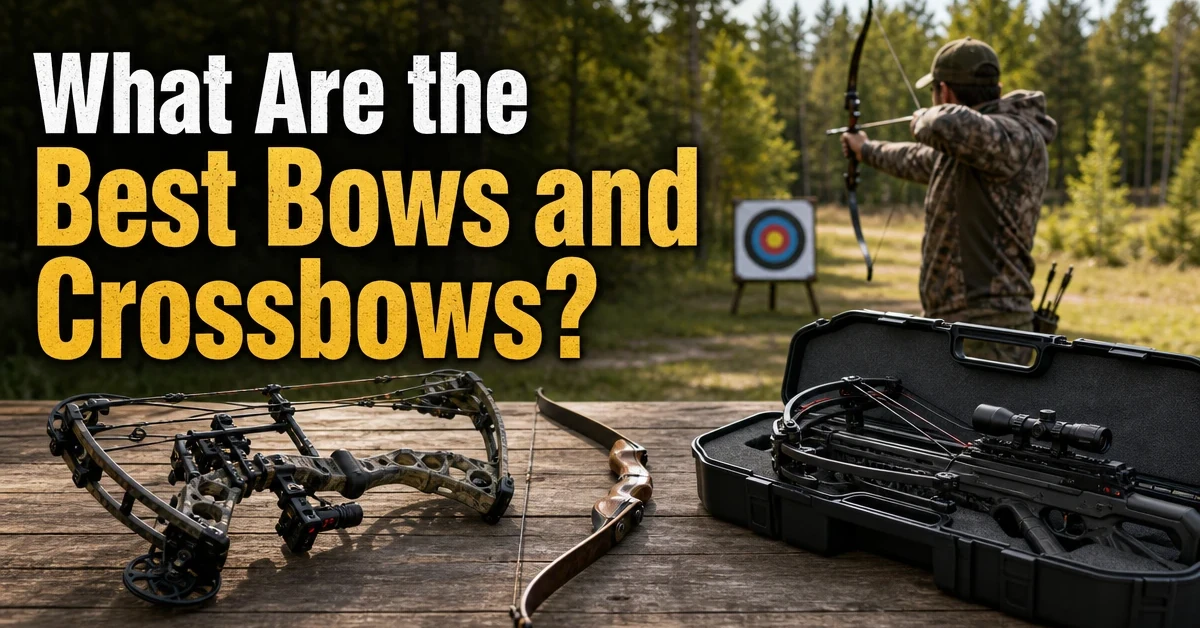

What are the best bows and crossbows? For most hunters, the best choice depends on the game, local regulations, hunting distance, body fit, practice time, and budget. Compound bows offer a quiet, lightweight setup with a strong learning curve, while crossbows make aiming more familiar and can suit hunters who need a shorter draw cycle. The right choice is the one you can safely control, accurately shoot, and legally use.
How to Choose the Best Bow or Crossbow
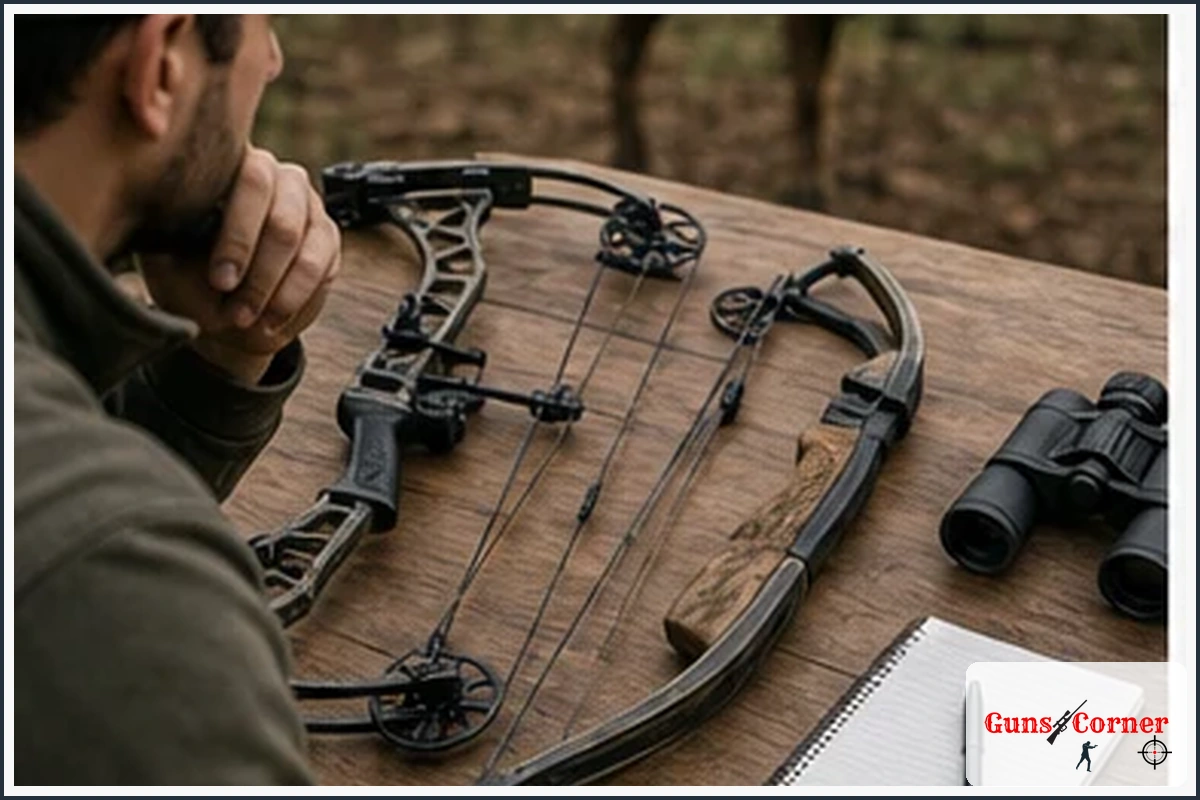
There is no single best bow or crossbow for every hunter. Start with the animal and hunting method, then compare fit, draw weight or cocking effort, accuracy, weight, noise, maintenance, and legal requirements.
| Option | Best For | Main Advantages | Important Limitations |
|---|---|---|---|
| Compound bow | Hunters willing to practice regularly | Compact, quiet, adjustable, and efficient | Requires consistent form, tuning, and practice |
| Traditional recurve bow | Archery enthusiasts and simple setups | Light, reliable, and mechanically simple | Requires excellent technique and usually has a shorter practical range |
| Longbow | Traditional archery and instinctive shooting | Simple design and natural shooting experience | Less forgiving and demanding to master |
| Crossbow | Hunters who prefer a supported aiming position | Can be held at full draw and uses a familiar aiming process | Often heavier and wider, with mechanical parts requiring inspection |
| Reverse-draw crossbow | Hunters seeking a different balance and compact profile | May provide a centered balance and reduced front weight | Compatibility, maintenance, and replacement parts vary by model |
Compound Bows: Best for Practiced Archers
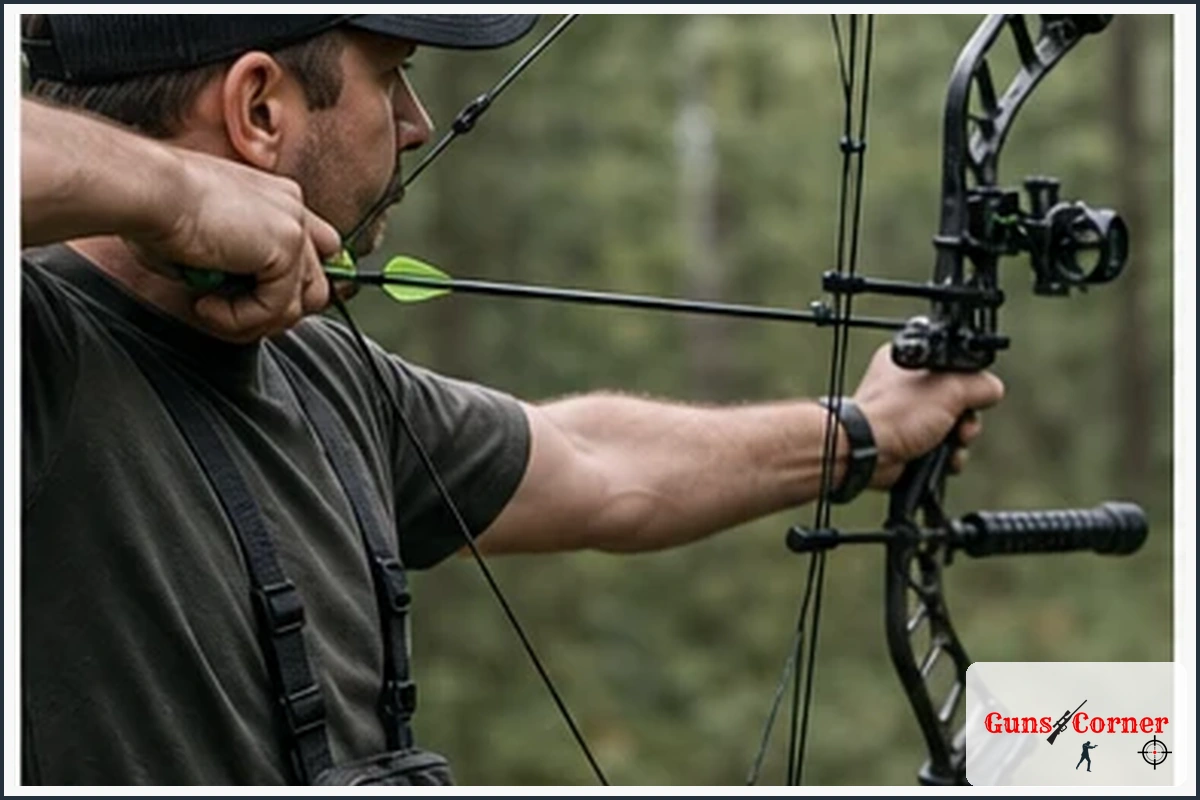
A compound bow uses cams, cables, limbs, and a riser to reduce the holding weight after the bow reaches its draw cycle. This lets an archer aim while holding less weight than the bow’s peak draw weight.
Why choose a compound bow?
- It can be relatively compact in thick cover or from a tree stand.
- The let-off makes it easier to hold at full draw.
- Draw length and draw weight can often be adjusted within the manufacturer’s limits.
- It supports precise aiming when properly fitted and tuned.
- It is generally quiet compared with many firearm-hunting options.
Compound-bow limitations
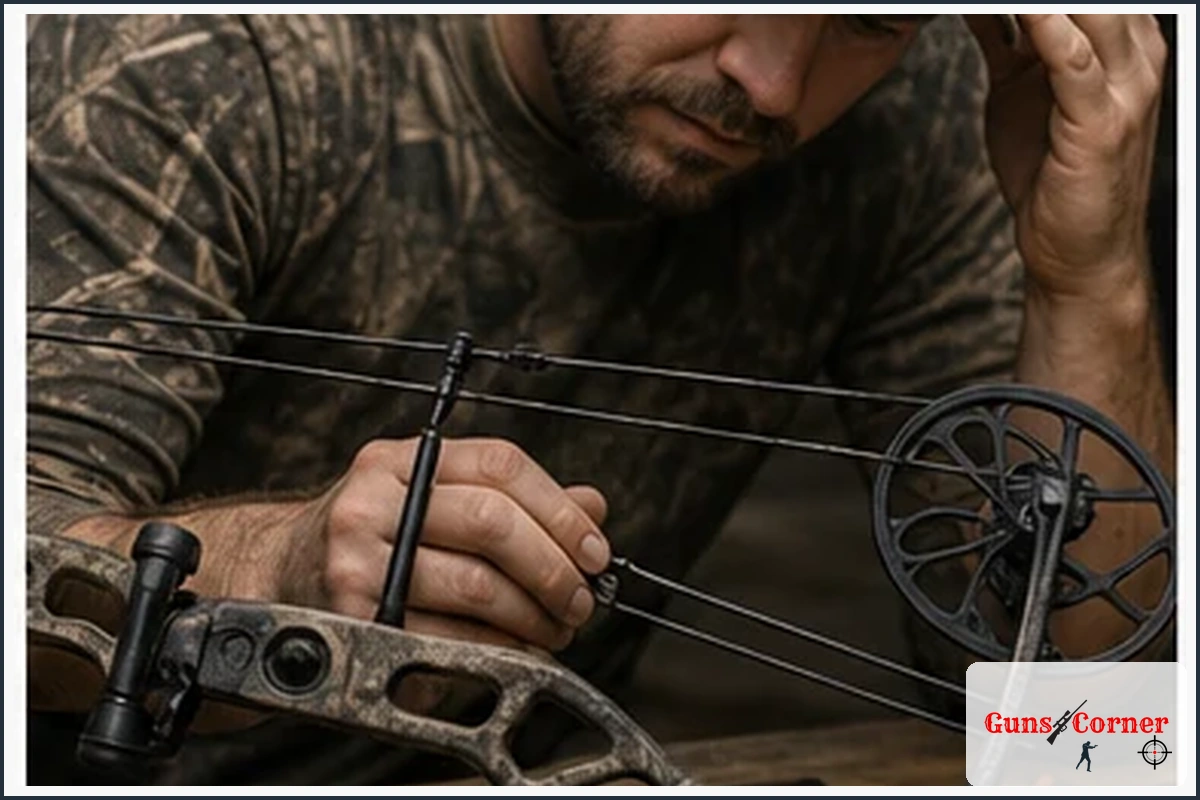
A compound bow is not automatically easy to use. Incorrect draw length, excessive draw weight, poor form, or improper tuning can reduce accuracy and increase the risk of injury. A bow press, replacement strings, and professional setup may also be needed for some repairs and adjustments.
Recurve Bows and Longbows: Best for Traditional Archery
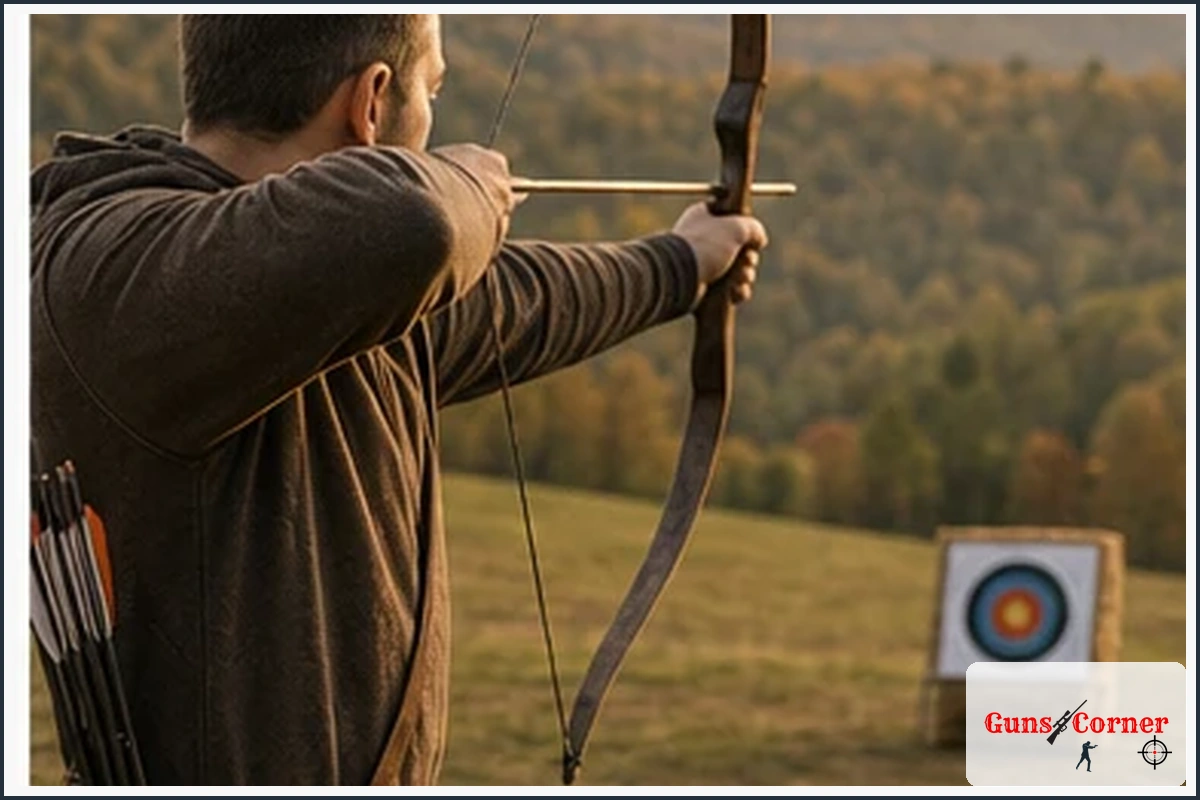
Recurve bows curve away from the archer at the limb tips, while longbows generally have a simpler, straighter profile. Both require the archer to hold the full draw weight while aiming.
Traditional bows can be excellent choices for hunters who enjoy a simple setup and are willing to practice extensively. They are usually less forgiving of inconsistent anchor points, release technique, and shooting form than a properly fitted compound bow.
Crossbows: Best for Supported Aiming
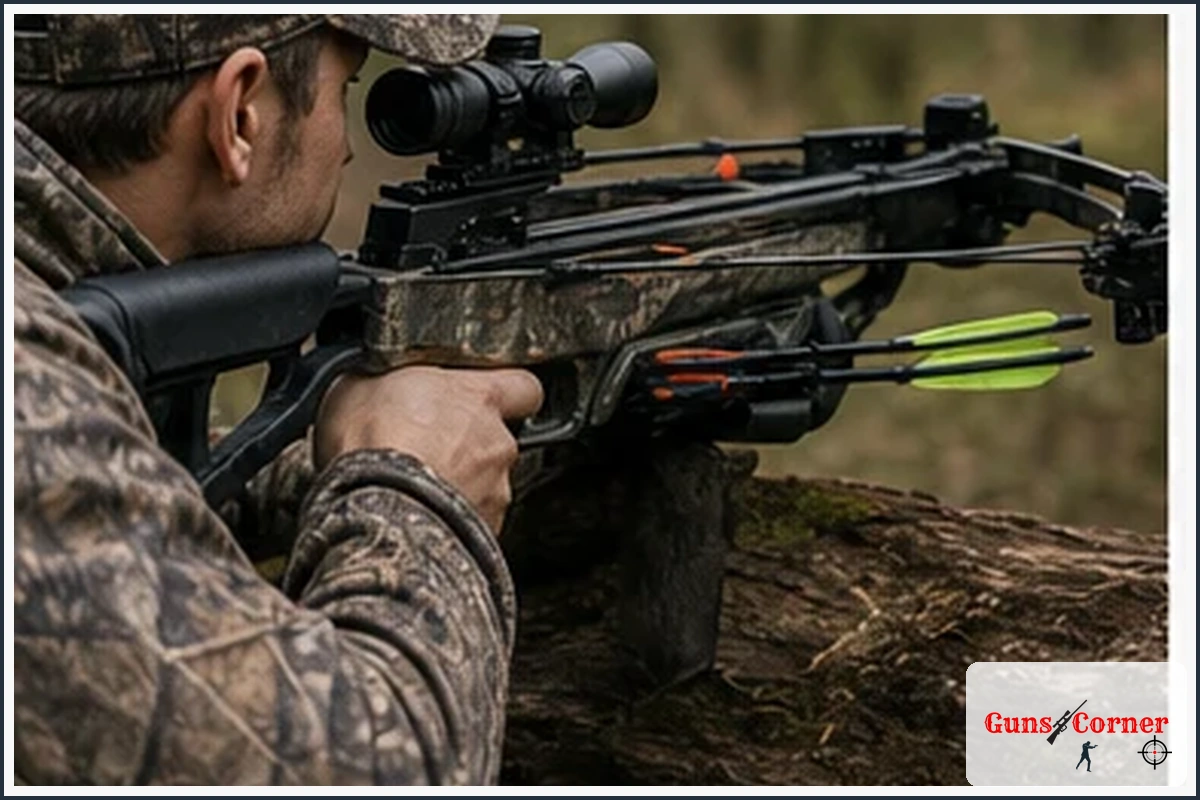
A crossbow launches a bolt from a horizontal bow system. The string can be held by a trigger mechanism, allowing the hunter to aim without continuously holding the full draw weight.
Why choose a crossbow?
- It uses a shooting process familiar to many rifle hunters.
- The stock and scope or sight provide multiple contact points for aiming.
- The shooter can remain at full draw while waiting for an ethical shot opportunity.
- It may be suitable for some hunters who cannot comfortably hold a vertical bow at full draw.
- Many models accept cocking aids that reduce the effort required to prepare the bow.
Crossbow limitations
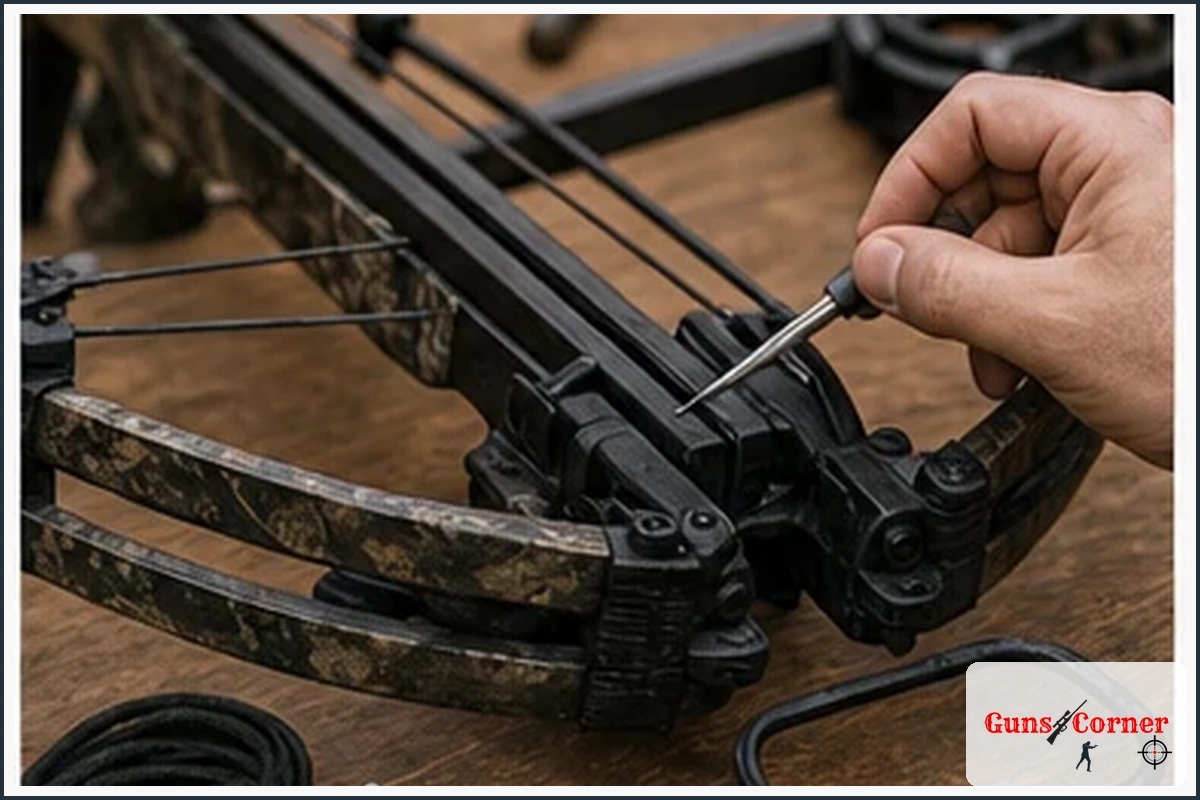
Crossbows can be heavy, wide, and slower to reload than many firearms. The limbs, string, cables, trigger mechanism, and cocking system require regular inspection. A crossbow must never be dry-fired, and hunters should follow the manufacturer’s loading, cocking, decocking, and transport instructions.
Important Factors Before Buying
Fit and draw length
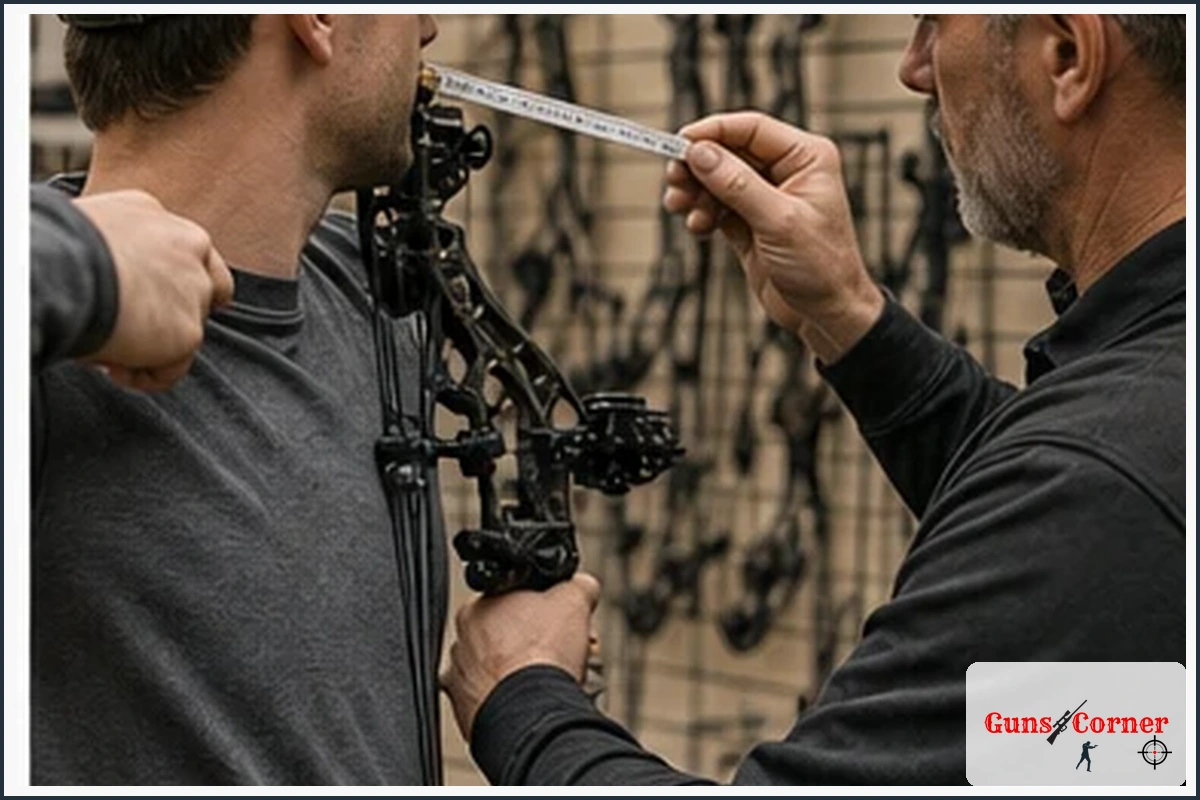
Correct fit is more important than brand reputation. A compound bow with the wrong draw length can cause poor posture, inconsistent anchoring, and reduced control. Have a qualified archery professional measure and set the bow rather than guessing.
Draw weight and cocking effort
Choose a draw weight you can pull smoothly without twisting, jerking, or losing control. Crossbow cocking effort should also match your strength and the available cocking aid. A higher rating is not useful if you cannot safely operate the equipment.
Weight and balance
Consider how far you will carry the equipment, whether you hunt from a blind or stand, and how easily you can maneuver it. A lighter bow may be easier to carry, while a heavier setup can sometimes feel steadier. Balance matters when holding at full draw or positioning a crossbow in confined space.
Noise and vibration
Noise reduction can help limit animal reaction, but no bow is silent. Proper tuning, secure accessories, good string condition, and a controlled shooting technique are more important than adding accessories indiscriminately.
Sight and aiming system
Compound bows may use fixed-pin, adjustable-pin, or other sight systems. Crossbows may use open sights, red dots, or scopes designed for their trajectory. Use only sights and mounts compatible with the manufacturer’s specifications, and confirm the setup at the distances you can shoot accurately.
Arrows, bolts, and broadheads
Use arrows or bolts with the correct length, spine, weight, nock design, and manufacturer-approved specifications. Broadheads must match the shaft and equipment. Fixed-blade and mechanical broadheads can behave differently, so practice with the hunting setup you intend to use.
Compound Bow vs. Crossbow
| Question | Compound Bow | Crossbow |
|---|---|---|
| Can it be held at full draw? | Yes, but the archer holds the reduced let-off weight | Yes, once safely cocked |
| Learning curve | Requires substantial form and release practice | Aiming may feel more familiar, but safe handling still requires training |
| Typical handling | Often lighter and narrower | Often heavier and wider |
| Key maintenance | Strings, cables, cams, limbs, and tuning | String, cables, limbs, trigger, rail, and cocking system |
| Best deciding factor | Ability to practice and shoot consistently | Comfort with weight, cocking, and supported aiming |
Best Choices for Different Hunters
Best for a beginner
A beginner should choose a properly fitted compound bow or an easy-to-operate crossbow from a reputable manufacturer. Professional setup and instruction are more valuable than buying the most powerful model.
Best for tree-stand hunting
A compact compound bow may be easier to maneuver in a stand. A crossbow can also work well, but the hunter must account for its width, limb clearance, safe loading, and the direction of the limbs while turning.
Best for hunting from a ground blind
Either style can work. Check the blind’s interior width, shooting-window height, and clearance before hunting. Practice from the same seated or kneeling position used in the field.
Best for hunters with limited upper-body strength
A crossbow with an appropriate cocking aid may reduce the effort needed to prepare the shot. A compound bow with a suitable draw weight may also work, but a professional should evaluate fit and safe operation.
Best for traditional archery
A recurve or longbow is appropriate for hunters who want a simple, traditional setup and are prepared to practice frequently. Traditional equipment may require closer shots and stricter personal range limits.
Practice and Setup Checklist
- Read the complete manufacturer manual.
- Have the bow or crossbow inspected and adjusted by a qualified professional.
- Confirm the draw length, draw weight, axle-to-axle dimensions, and accessory compatibility.
- Use the correct arrows, bolts, nocks, inserts, and broadheads.
- Practice with field points before switching to broadheads.
- Confirm broadhead flight at realistic hunting distances.
- Practice from standing, seated, kneeling, and blind positions when relevant.
- Set a personal maximum range based on repeatable accuracy, not equipment advertising.
- Inspect strings, cables, limbs, cams, serving, bolts, and fasteners before every hunt.
- Carry only equipment that you can safely operate under field conditions.
Archery Safety Rules
- Never dry-fire a bow or crossbow.
- Keep fingers, hands, clothing, and equipment clear of the string and cables.
- Do not point a cocked crossbow at anything you do not intend to shoot.
- Unload or decock equipment according to the manufacturer’s instructions.
- Use a safe backstop during practice.
- Identify the target and what lies beyond it before releasing an arrow or bolt.
- Use a full-body fall-arrest system and lifeline when hunting from an elevated stand.
- Never climb with a loaded firearm or a nocked arrow unless your equipment and local training guidance specifically support a safe method.
- Inspect equipment after impacts, dry-fire incidents, or suspected damage.
Legal and Ethical Considerations
Archery and crossbow rules vary by state, province, wildlife unit, species, season, and equipment type. Some jurisdictions set minimum draw weights, broadhead requirements, bolt or arrow specifications, crossbow season dates, or restrictions on sights and accessories. Do not assume that a setup legal in one location is legal elsewhere.
Before hunting, check the current regulations from the relevant wildlife agency. Confirm season dates, licenses, tags, permitted equipment, minimum requirements, hunter-orange rules, baiting restrictions, and public-land regulations.
Ethical bowhunting requires a high-percentage shot within your proven ability. Do not shoot at an animal that is moving unpredictably, poorly positioned, obscured, too far away, or beyond a safe recovery opportunity. Make every reasonable legal effort to recover wounded game, and never trespass or enter dangerous terrain without preparation.
Common Buying Mistakes
- Choosing draw weight based only on maximum strength.
- Buying a bow without confirming draw-length fit.
- Assuming a crossbow needs no practice because it resembles a rifle.
- Using incorrect arrows, bolts, nocks, or broadheads.
- Practicing only at a bench instead of from realistic hunting positions.
- Ignoring string, cable, limb, and fastener inspections.
- Choosing a powerful model that is too heavy to carry or control.
- Taking advertised speed as proof of field accuracy or humane range.
- Failing to check local crossbow and archery regulations.
- Waiting until the season opens to begin practicing.
What Gear Do You Really Need?
You do not need the most expensive equipment to hunt responsibly. Choose gear based on the species, terrain, weather, local regulations, fit, safety, reliability, and your actual experience.
Essential equipment
- A correctly fitted bow or crossbow
- Compatible arrows or bolts
- Legal broadheads
- A suitable sight or aiming system
- An arm guard or other equipment recommended by an instructor
- A safe case or transport method
- Range equipment and a suitable backstop
- Required license, tag, and safety equipment
Useful optional equipment
- Release aid for a compound bow
- Cocking aid for a crossbow
- Spare arrows or bolts
- String wax and manufacturer-approved maintenance supplies
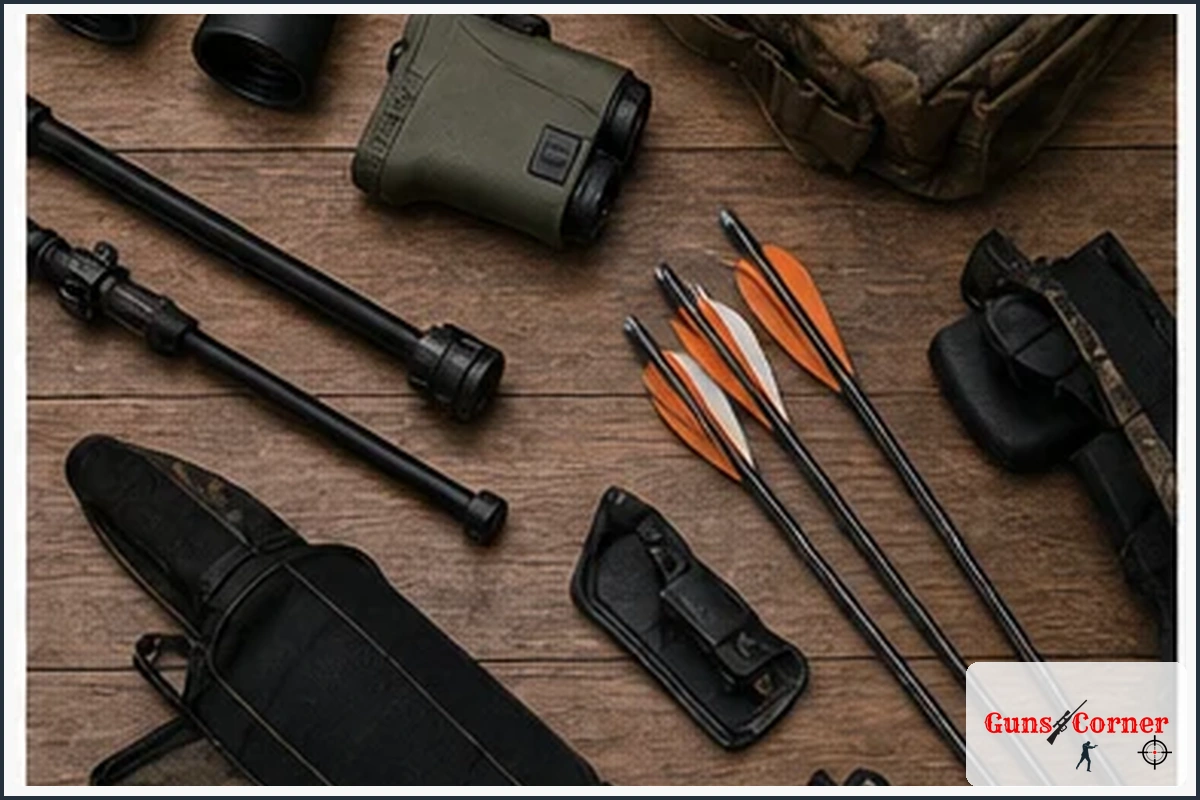
- Rangefinder, where legal and appropriate
- Quiet carrying sling
- Tree-stand safety system
- Small repair and first-aid kit
FAQs
1. What are the best bows and crossbows for beginners?
The best beginner choice is a properly fitted, adjustable bow or a crossbow that you can safely cock, aim, carry, and maintain. Professional setup matters more than maximum speed.
2. Is a compound bow better than a crossbow?
Neither is universally better. A compound bow is often lighter and rewards regular practice, while a crossbow allows supported aiming and can suit hunters who cannot comfortably hold a vertical bow at full draw.
3. Are crossbows easier to learn than compound bows?
Crossbow aiming may feel familiar to rifle hunters, but safe loading, cocking, range estimation, and shot placement still require practice. Compound bows demand more attention to draw length, anchor point, and shooting form.
4. What draw weight should I choose?
Choose a draw weight you can pull smoothly and repeatedly without straining. A qualified archery technician can help determine a safe setting.
5. How much crossbow cocking effort is appropriate?
It should be low enough for you to cock the crossbow without losing control or damaging equipment. A rope or crank aid may reduce effort, but use only manufacturer-approved methods.
6. Are faster bows always better?
No. Speed can be useful, but accuracy, quiet operation, correct tuning, arrow or bolt compatibility, and shot discipline matter more for ethical hunting.
7. What is the best bow for deer hunting?
A properly fitted compound bow is a common choice, while a crossbow may be better for hunters who prefer supported aiming. Local regulations and your demonstrated accuracy determine the practical choice.
8. What is the best crossbow for deer hunting?
The best model is one you can safely cock, carry, aim, and shoot accurately with legal hunting ammunition and broadheads. Check the current deer regulations before buying.
9. Can a beginner use a high-draw-weight bow?
A beginner should not start with a draw weight that causes poor form or strain. Begin at a manageable setting and increase only when an instructor confirms that control and technique remain consistent.
10. What arrows should I use with a compound bow?
Use arrows with the length, spine, weight, insert, and nock specifications recommended for your bow’s draw weight and draw length. A shop or manufacturer chart can help verify compatibility.
11. What bolts should I use with a crossbow?
Use the length, weight, diameter, and nock style specified by the crossbow manufacturer. Incorrect bolts can affect safety, accuracy, and equipment performance.
12. Can I use mechanical broadheads with any bow?
No. Confirm that the broadhead is approved for your bow or crossbow and that its cutting diameter and total arrow or bolt weight fit the manufacturer’s requirements.
13. Should I practice with broadheads?
Practice first with field points, then confirm the hunting setup with broadheads before the season. Broadheads may fly differently and can damage targets not designed for them.
14. How far can I ethically shoot?
Your ethical range is the farthest distance at which you can repeatedly place arrows or bolts in a vital area under realistic conditions. It is personal, not a universal equipment specification.
15. Do crossbows have more range than compound bows?
Equipment performance varies, but practical hunting range depends on accuracy, trajectory, wind, shot angle, and recovery conditions. Longer mechanical range does not automatically create a longer ethical range.
16. Are crossbows legal during archery season?
That depends on the jurisdiction and season segment. Check the current official wildlife regulations for the exact species, dates, and wildlife management unit.
17. Do bows and crossbows require hunter education?
Many jurisdictions require hunter education for some or all hunters, while others have exceptions or additional requirements. Verify the current rule with the local wildlife agency.
18. Can I hunt from a tree stand with a crossbow?
Yes, where legal, but the stand must provide enough clearance for the limbs and scope. Use a full-body fall-arrest system and follow safe climbing and unloading procedures.
19. Can I climb a stand with a loaded crossbow?
Do not climb while holding or carrying a loaded crossbow. Use a haul line and follow the manufacturer’s and stand-safety instructions.
20. How often should bowstrings be replaced?
Replacement depends on use, storage, wear, serving condition, and manufacturer guidance. Have strings and cables inspected when you see fraying, separation, damage, or changed performance.
21. What happens if a bow or crossbow is dry-fired?
Stop using it immediately. Dry-firing can damage limbs, strings, cables, cams, or the trigger system. Have the equipment inspected by a qualified professional before shooting again.
22. Are compound bows quieter than crossbows?
Noise varies by model, tuning, accessories, and arrow or bolt setup. Both can be quiet when properly maintained, but neither should be assumed to be silent.
23. Are heavier bows more accurate?
Weight can affect steadiness, but heavier is not automatically more accurate. Choose a setup you can carry and hold consistently in realistic hunting positions.
24. Do I need a rangefinder?
A rangefinder can help with distance estimation where legal, particularly in open terrain. It should support practice and judgment, not encourage shots beyond your proven ability.
25. Can I use a rifle scope on a crossbow?
Use only an optic designed and rated for crossbow use. Crossbow trajectory differs from rifle trajectory, and mounting compatibility must be confirmed.
26. How should I store a bow or crossbow?
Store it dry, protected from heat and moisture, and inaccessible to unauthorized users. Follow the manufacturer’s guidance for uncocking, string storage, and long-term maintenance.
27. What is the safest way to transport a crossbow?
Transport it uncocked or in the condition specified by the manufacturer, inside a suitable case when required or practical. Follow local transport and public-land rules.
28. Can I hunt large game with a traditional bow?
That depends on local minimum equipment rules, the animal, and your skill. Traditional equipment requires careful shot selection and a demonstrated ability to achieve reliable penetration and recovery.
29. Are broadheads dangerous during practice?
Yes. Treat broadheads as sharp hunting tools, use an appropriate target, keep them covered when carried, and maintain a safe range setup.
30. What should I do if my arrow or bolt hits an animal poorly?
Mark the location, observe the animal’s direction and behavior, wait when appropriate, and begin a careful legal recovery effort. Avoid contaminating sign, trespassing, or entering unsafe terrain.
31. Can expensive equipment make me a better bowhunter?
Not by itself. Instruction, proper fit, practice, equipment maintenance, and disciplined shot selection have a greater effect on responsible performance.
32. Where can I learn proper bow or crossbow technique?
Take instruction from a qualified archery professional, hunter-education program, or reputable range. Supervised practice is especially valuable for beginners.
33. What should I check before every hunt?
Inspect strings, cables, limbs, cams, fasteners, sights, arrows or bolts, broadheads, cocking equipment, and transport cases. Confirm that your license, tag, and equipment comply with current regulations.
34. Is a compound bow or crossbow better for public-land hunting?
Both can work where legal. Weight, access, terrain, stand restrictions, shooting lanes, and local equipment rules should guide the decision.
35. What is the most important factor when choosing a bow or crossbow?
Choose the equipment you can safely operate and accurately shoot under realistic hunting conditions. Fit and practice are more important than advertised power.
Final Answer
The best bows and crossbows are not the most powerful or expensive models. A well-fitted compound bow is a strong choice for hunters who will practice consistently, while a crossbow can be practical for supported aiming and easier full-draw holding. Traditional bows suit experienced archers who value simplicity and are willing to accept a steeper learning curve.
Before hunting, confirm equipment compatibility, practice with the complete hunting setup, establish a realistic ethical range, and check current local regulations. Safe handling, positive target identification, humane shot selection, and responsible game recovery matter more than brand or advertised speed.