
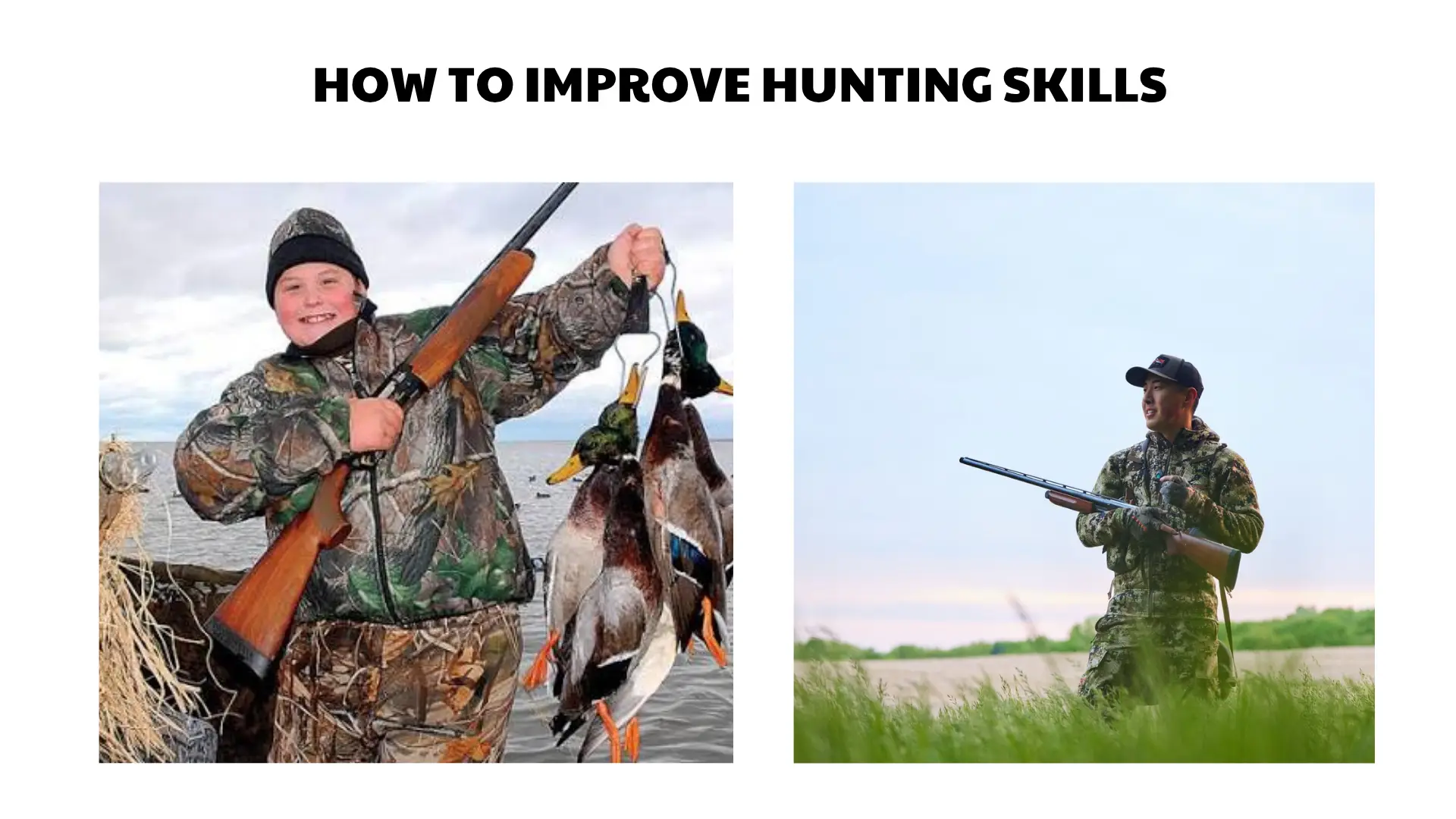

Learning how to improve hunting skills is not about one secret tactic, one expensive product, or one lucky day in the field. Good hunters improve through legal preparation, safety habits, scouting, species knowledge, marksmanship, navigation, patience, ethical judgment, and honest review after every hunt.
This guide is written for beginners and developing hunters who want practical ways to become safer, more prepared, and more responsible. You will learn how to study hunting regulations, read habitat, scout animal sign, plan for wind and weather, practice with firearms or bows, set up safely, make ethical decisions, recover game responsibly, and keep learning after the hunt.
Hunting success is never guaranteed. Weather, season dates, animal behavior, access, pressure, skill level, and legal opportunity all matter. The goal is to build repeatable field skills while respecting wildlife, landowners, other hunters, and conservation laws.
Quick Answer
To improve hunting skills, start with current hunting regulations, hunter education, safe firearm or bow handling, and a clear understanding of the species you plan to hunt. Then practice scouting, map reading, wind planning, quiet movement, setup selection, marksmanship, ethical shot discipline, game recovery, and meat care. Keep notes after every hunt so you can learn from weather, sign, sightings, mistakes, and decisions. With consistent practice and patience, you can become safer, more confident, and more effective without expecting guaranteed results.
Important Legal and Safety Notice Before You Hunt
Hunting regulations vary by country, state, province, county, season, land type, species, and weapon type. Always check your official wildlife agency for current license, permit, tag, season, weapon, bag limit, land access, reporting, and transport rules before hunting. Do not rely on old information, social media posts, or advice from someone who is not checking current regulations.
- Hunting license and permits: Carry the correct current license and any required species permits, habitat stamps, public land permits, or special authorizations.
- Tags or harvest reporting: Know how to tag, validate, report, check in, or record a harvest where required.
- Legal season and legal hours: Confirm open dates, legal hunting hours, daily limits, possession limits, and closed areas.
- Legal weapons and ammunition: Use only legal firearms, bows, ammunition, broadheads, shot types, magazine limits, and equipment for that season and species.
- Public land or private land access: Verify boundaries, parking, access points, refuge rules, trail etiquette, and private land permission.
- Required clothing or visibility rules: Follow blaze orange, hunter pink, or other visibility requirements where applicable.
- Safe firearm or bow handling: Identify the target and what is beyond it, keep the muzzle or arrow pointed safely, and never shoot toward roads, homes, people, livestock, vehicles, trails, or unclear movement.
- Weather, navigation, and emergency planning: Carry a map, compass or GPS, first aid kit, water, communication, lighting, and a plan for changing weather or injury.
For official guidance, begin with your state or provincial wildlife agency, hunter education provider, and national resources such as the U.S. Fish & Wildlife Service general hunting laws page and the International Hunter Education Association.
Understanding the Game Species and Its Habitat
Because this topic is about improving overall hunting ability, the “game species” may be deer, turkey, upland birds, waterfowl, small game, wild hogs where legal, or other local species. Each animal uses habitat differently. A skilled hunter studies one species at a time instead of assuming all animals move for the same reasons.
Most game animals are shaped by food, water, cover, breeding behavior, weather, safety, and pressure. Deer may use bedding areas, food sources, water, and travel corridors. Turkeys may use roosts, feeding areas, strut zones, and open edges. Upland birds may use grass, brush, crop edges, timber cuts, or escape cover. Waterfowl may use wetlands, fields, roosting water, and flight lines.
Beginners should learn to recognize animal tracks, droppings, feeding sign, feathers, trails, rubs, scrapes, beds, roosts, wallows, rooting, browsing, tracks in snow or mud, and changes in movement after pressure or weather. Good scouting is not just finding sign. It is understanding why that sign is there and when the animal may return.
What You Need Before You Start
- Valid hunting license, permits, tags, and current regulation knowledge
- Legal hunting weapon or method allowed in your area
- Hunter education certificate if required and strongly recommended if not required
- Hunter orange, hunter pink, or required visibility clothing if applicable
- Weather-appropriate hunting clothing and boots
- Navigation tools such as map, compass, GPS, or hunting app
- First aid kit, water, snacks, light source, and emergency communication
- Binoculars or optics if useful for the species and terrain
- Range practice plan, safe targets, and legal practice area
- Notebook or hunting journal for weather, sign, sightings, and lessons learned
- Game bags, gloves, cooler, and basic meat care supplies if relevant
How To Improve Hunting Skills: Step-by-Step Guide
Step 1: Check Local Hunting Laws First
Skill begins with legality. Before hunting any species, verify the current rules for license, permits, tags, season dates, legal hours, bag limits, possession limits, weapons, ammunition, public land restrictions, private land permission, reporting, transport, and hunter education.
Make this a habit. Regulations may change by year, county, wildlife management unit, weapon season, or property. A responsible hunter checks rules before acting.
Step 2: Learn the Animal’s Patterns
Choose one species and study its daily and seasonal behavior. Learn what it eats, where it rests, how it travels, how it reacts to wind and pressure, and how breeding season changes movement. Avoid trying to master every species at once.
Watch animals without hunting when possible. Observation from a safe, legal distance teaches more than guessing from a map alone.
Step 3: Choose a Legal Hunting Area
Use official maps and land access tools to find legal public land, private land with permission, controlled hunt areas, or leased access. Confirm boundaries, parking areas, roads, closed zones, trails, water crossings, and safe shooting directions.
Never trespass or cross private property without permission. If a boundary is unclear, stop and verify before continuing.
Step 4: Scout Before the Hunt
Scout for fresh tracks, droppings, trails, feeding areas, bedding areas, water, roosts, rubs, scrapes, wallows, rooting, feathers, or other species-specific signs. Fresh sign is more useful than old sign because animals shift with food, pressure, weather, and season.
Scout your access route too. A good hunting spot is less useful if your entry path sends scent, noise, or movement directly into the animals you hope to observe.
Step 5: Prepare Your Gear Safely
Inspect your firearm, bow, optics, clothing, boots, pack, knives, lights, first aid kit, and communication tools before the hunt. Use only legal and manufacturer-approved equipment. Do not modify firearms, ammunition, bows, or safety features in unsafe or illegal ways.
Practice with the gear you will actually carry. New boots, new packs, and unfamiliar setups can create problems when the hunt starts.
Step 6: Plan for Wind, Weather, and Entry Route
Wind direction can decide whether animals detect you before you ever see them. Plan your approach and setup so wind does not carry your scent directly into expected animal movement. Weather also affects safety, scent, visibility, road conditions, and animal behavior.
Choose an entry route that is legal, quiet, and safe. Tell someone where you are going and when you expect to return.
Step 7: Set Up Carefully
Whether you use a ground blind, tree stand, natural cover, waterfowl blind, or still-hunting route, set up with safety first. Check shooting lanes, background, visibility, wind, comfort, and legal restrictions. If using a tree stand, wear a full-body safety harness and follow safe climbing practices.
A good setup is not just where animals might appear. It is where you can observe, identify, and act safely and legally.
Step 8: Stay Patient and Observe
Many beginners move too much, leave too early, or stop paying attention. Slow down. Listen, scan carefully, watch edges, and look for parts of animals rather than expecting a full-body view.
Patience also means passing on poor decisions. If wind changes, other hunters enter, weather becomes unsafe, or you cannot identify a target, adjust or stop.
Step 9: Take Only a Safe, Legal, and Ethical Shot Opportunity
Only act when the target is positively identified, legal to harvest, within your practiced ability, and backed by a safe background. Do not shoot toward roads, homes, vehicles, people, livestock, trails, dogs, or unclear movement.
Ethical shot discipline is a core hunting skill. Passing on a risky opportunity is not failure; it is responsible hunting.
Step 10: Follow Legal Recovery and Reporting Rules
After a shot, follow the appropriate recovery process for the species, weapon, and situation. Mark the location, remain calm, follow sign carefully, and get legal help from a mentor, tracker, or dog handler where allowed and needed.
Complete any required tag validation, harvest reporting, check station, possession, or transport steps. Know these rules before the hunt begins.
Step 11: Handle the Game Responsibly
Use clean tools, gloves when appropriate, and a plan for cooling and transporting meat. Avoid waste and follow food safety practices. Keep required evidence of sex or species attached where regulations require it.
Responsible meat care is part of ethical hunting. The work after the shot matters as much as the preparation before it.
Best Time, Place, and Conditions for This Hunt
The best time, place, and conditions depend on the species, season, local regulations, weather, hunting pressure, and habitat. In general, many game animals move more during cooler parts of the day, near feeding periods, during seasonal transitions, or around weather changes, but local behavior matters most.
Better hunters learn to connect sign with conditions. They ask: What was the wind doing? What food was available? Was there pressure nearby? Was the sign fresh? Was the route safe and legal? Did weather change animal movement?
Public land often requires more map work, pressure awareness, and backup plans. Private land requires permission, boundary respect, and landowner communication. In both cases, a safe and legal setup is more important than chasing a rumor of animal activity.
Helpful Tips for Better Results
- Improve one skill at a time instead of changing everything at once.
- Scout more than you hunt, especially before opening day.
- Keep a hunting journal with weather, wind, sign, sightings, and mistakes.
- Practice with your firearm or bow from safe, realistic field positions.
- Plan every setup around wind, access, legal boundaries, and safe background.
- Take hunter education and seek an ethical mentor whenever possible.
- Pass on uncertain shots, unclear targets, and unsafe situations without hesitation.
Common Mistakes to Avoid
Many hunters struggle because they try to fix field problems with gear instead of habits. Skill grows from preparation, observation, practice, and honest review.
- Not checking current regulations before hunting.
- Hunting without proper license, tags, permits, or permission.
- Ignoring wind direction and entry route.
- Moving too quickly through good habitat.
- Making too much noise with clothing, packs, or gear.
- Choosing setup locations based only on convenience.
- Overpacking unnecessary gear while underpacking safety essentials.
- Not practicing enough before the season.
- Taking unsafe or unethical shots beyond practiced ability.
- Failing to plan recovery, reporting, transport, and meat care.
- Trespassing or crossing unclear property lines.
- Ignoring weather, navigation risks, fatigue, and emergency planning.
Troubleshooting Common Problems
| Problem | Possible Cause | What to Do |
|---|---|---|
| You are not seeing any game | Poor location, wrong timing, heavy pressure, wind issues, or limited scouting | Scout more fresh sign, adjust your setup, check wind, and try different legal access points. |
| Animals detect you before you see them | Wind, noise, movement, skyline exposure, or poor entry route | Plan around wind, slow down, reduce noise, use cover, and change your entry path. |
| You feel rushed when an opportunity appears | Lack of practice, unclear decision rules, or beginner nervousness | Practice realistic scenarios and decide in advance when you will pass. |
| Public land feels too pressured | Easy access areas, weekends, opening day, or visible parking pressure | Use maps, scout overlooked legal areas, hunt off-peak times, and keep backup spots. |
| Property boundaries are unclear | Mixed ownership, outdated maps, poor signage, or confusing access | Stop and verify with official maps, agency staff, or landowners before proceeding. |
| Bad weather creates risk | Storms, heat, cold, fog, ice, high water, or poor road conditions | Delay, shorten, or cancel the hunt. Safety comes first. |
| Gear fails in the field | Poor maintenance, dead batteries, wet equipment, or unfamiliar gear | Test gear before the hunt, carry essential backups, and avoid relying only on electronics. |
| Visibility is poor | Low light, fog, brush, snow, rain, or glare | Do not shoot unless the target is clearly identified and the background is safe. |
| You are unsure about a legal rule | Changing regulations, special permits, weapon seasons, or area rules | Do not hunt until you confirm the rule with the official wildlife agency. |
| You struggle with recovery | Poor marking, rushed tracking, lack of experience, or difficult terrain | Mark the spot, slow down, follow sign carefully, and get legal help where allowed. |
| You are not improving over time | No notes, repeating the same mistakes, or focusing only on harvest | Keep a hunting journal, ask a mentor for feedback, and practice one skill at a time. |
Ethical Hunting and Conservation
Ethical hunting means doing the right thing even when no one is watching. It includes legal compliance, safe weapon handling, respect for wildlife, respect for other people, and responsible use of harvested game.
- Respect wildlife by learning species identification, seasons, and limits.
- Respect landowners and other hunters through permission, communication, and courtesy.
- Obey seasons, bag limits, possession limits, legal hours, and reporting rules.
- Practice before hunting and stay within your real ability.
- Pass on unsafe, uncertain, or unethical shots.
- Recover game responsibly and avoid waste.
- Support conservation through licenses, stamps, habitat work, and responsible participation.
- Leave the land cleaner than you found it.
When to Get More Training or Professional Guidance
Get more training if you have never handled a firearm or bow, have not completed hunter education, are unsure about local laws, do not understand land boundaries, are not confident in safe shooting, are hunting unfamiliar terrain, or need help tracking or recovering game legally and ethically.
Good learning sources include official hunter education courses, state or provincial wildlife agencies, certified instructors, experienced ethical mentors, conservation organizations, local hunting clubs, range officers, archery coaches, and reputable learn-to-hunt programs.
After the Hunt: Follow-Up, Gear Care, and Learning
After the hunt, unload and store firearms safely, secure bows and broadheads, clean and dry gear, recharge electronics, restock first aid supplies, and inspect boots, packs, optics, and clothing. Complete any required harvest reports or check-out steps.
Write down what happened while it is fresh. Record weather, wind, sign, sightings, animal behavior, pressure, setup choice, access route, shots passed, mistakes, and gear issues. These notes turn each hunt into a lesson.
If you harvested game, cool and care for the meat responsibly. If you did not harvest, review what you learned. Improvement is not measured only by filled tags; it is measured by better decisions.
Recommended Hunting Gear and Tools to Consider
You do not always need expensive gear to hunt responsibly. Choose gear based on your local laws, hunting method, species, terrain, weather, safety needs, skill level, and budget.
- Legal hunting weapon or method allowed in your area
- Quality boots for your terrain and weather
- Weather-appropriate clothing and required visibility gear
- Binoculars or optics for safe observation
- Navigation tools such as a map, compass, GPS, or hunting app
- First aid kit and emergency communication
- Headlamp or flashlight with spare power
- Hunting journal or notes app for tracking lessons
- Range tools for safe practice and skill measurement
- Game bags, gloves, cooler, and meat care supplies if relevant
Final Thoughts
Learning how to improve hunting skills is a long-term process built on safety, legality, scouting, practice, patience, and honest reflection. Start with hunter education and current regulations, then build field skills one step at a time: read habitat, plan wind, move quietly, set up safely, practice realistic shooting, and follow ethical recovery and reporting rules.
The best hunters are not the ones who rush or promise guaranteed success. They are the ones who keep learning, respect wildlife, protect access, use meat responsibly, and make safe choices even when the hunt is difficult. Choose methods and gear based on your local laws, terrain, skill level, and conservation responsibilities.
FAQs
1. How long does it take to learn how to improve hunting skills?
A beginner can improve basic hunting skills in one season, but becoming consistently safe, patient, and effective takes years of practice. Focus first on legal knowledge, hunter education, safe weapon handling, scouting, navigation, and ethical decision-making.
2. What is the first hunting skill a beginner should improve?
The first skill is safety. Learn the laws, complete hunter education, handle firearms or bows responsibly, identify targets clearly, and know what is beyond the target before thinking about advanced tactics.
3. Do I need hunter education to improve as a hunter?
Hunter education is strongly recommended and may be legally required depending on your age, location, and license history. It teaches firearm safety, ethics, wildlife identification, regulations, and field responsibility.
4. How do I learn hunting laws?
Start with your official state, provincial, or national wildlife agency. Read the current regulation guide for your species, season, weapon type, land type, bag limits, legal hours, tagging, harvest reporting, and transport rules.
5. How often should I check hunting regulations?
Check regulations before every season and again before each hunt if you are hunting a new area, species, weapon season, public land unit, or special permit hunt. Rules can change from year to year.
6. What skills should I practice before hunting season?
Practice safe weapon handling, marksmanship or archery form, range estimation, map reading, scouting, animal identification, wind awareness, quiet walking, first aid, and gear organization.
7. How can I become a better shot for hunting?
Use formal instruction, safe range practice, realistic positions, and honest distance limits. Never take shots in the field that exceed your practiced ability or create an unsafe background.
8. How do I improve firearm safety?
Follow the core safety rules every time: keep the muzzle in a safe direction, treat every firearm as loaded, keep your finger off the trigger until ready, and be sure of the target and what is beyond it.
9. How do I improve bowhunting safety?
Practice with legal equipment, use safe broadhead handling, know your effective range, inspect strings and arrows, use a safe backstop, and never shoot beyond your practiced ability.
10. How do I improve scouting skills?
Spend time observing habitat before the season. Look for tracks, droppings, feeding sign, bedding cover, water, trails, travel corridors, rubs, scrapes, feathers, roosts, or species-specific signs.
11. What is the best way to learn animal behavior?
Study one species at a time. Learn its food sources, bedding or resting cover, movement timing, breeding season behavior, weather response, and pressure response through observation and reliable wildlife agency resources.
12. How do I read animal tracks?
Start with common local species and learn track size, shape, stride, direction, and freshness. Tracks are most useful when combined with droppings, trails, feeding sign, habitat, and recent weather.
13. How do I tell if sign is fresh?
Fresh sign often has sharper edges, moisture, strong contrast, or has not been disturbed by wind, rain, sun, insects, or new debris. Freshness depends on soil, snow, weather, and species, so compare signs over time.
14. How important is wind direction?
Wind direction is very important for many hunts because animals can detect human scent. Plan entry routes, stand locations, and still-hunting movement so wind does not carry your scent directly toward likely animals.
15. How do I improve quiet movement?
Move slowly, avoid stepping on dry sticks or noisy leaves, secure loose gear, pause often, and practice walking in hunting boots. Quiet movement is usually more about patience than speed.
16. How do I improve patience while hunting?
Set realistic expectations, slow down, observe carefully, and accept that many good hunts do not end with a harvest. Keeping notes helps you focus on learning instead of rushing.
17. How do I choose a better hunting setup?
Choose a setup based on fresh sign, wind, safe shooting lanes, legal access, animal movement, cover, and a safe route in and out. A comfortable but poorly placed setup is not useful.
18. How do I improve public land hunting skills?
Study maps, verify boundaries, scout away from obvious pressure, respect other users, park legally, avoid crowding, and have backup locations. Public land rewards preparation and patience.
19. How do I improve private land hunting skills?
Get permission, understand boundaries, respect landowner instructions, avoid damaging property, close gates, avoid livestock, and share appreciation. Good relationships are part of good hunting.
20. What should I carry on every hunt?
Carry licenses, permits, map, compass or GPS, communication device, first aid kit, water, food, weather layers, light source, knife or tool where legal, game care supplies, and emergency items suited to the area.
21. How can I avoid overpacking?
Pack around the hunt plan, weather, distance, species, and emergency needs. Keep essentials, remove duplicate comfort items, and practice with your pack before the season.
22. How do I improve navigation skills?
Learn to use paper maps and a compass in addition to digital tools. Mark access points, boundaries, hazards, water, exit routes, and areas where phone service may be poor.
23. How do I improve weather awareness?
Check the forecast, wind, temperature, storms, sunrise and sunset, road conditions, and terrain hazards. Know when to delay, shorten, or cancel a hunt for safety.
24. How do I improve tree stand safety?
Use a full-body safety harness, inspect straps and steps, maintain three points of contact, use a haul line for gear, and never climb with a loaded firearm or unsafely carried bow.
25. How do I improve ground blind skills?
Set blinds where wind, cover, legal access, and shooting lanes make sense. Brush them in, reduce shine, enter quietly, and avoid placing blinds where shots could be unsafe.
26. How do I improve game identification?
Study legal species, sex or age requirements, similar species, tracks, silhouettes, calls, and behavior. If identification is uncertain, do not shoot.
27. How do I learn ethical shot placement?
Use hunter education, official species resources, mentors, and practice targets. Ethical decisions include distance, angle, animal position, background, legal status, and your actual ability.
28. How do I know my effective range?
Your effective range is the distance where you can place shots consistently under realistic, safe practice conditions. In the field, stay inside that range and shorten it when conditions are difficult.
29. How do I improve recovery skills?
Watch carefully after the shot, mark the location, wait according to ethical guidance for the species and situation, follow sign calmly, and ask for experienced help when needed. Avoid rushing and trampling sign.
30. What should I do if I lose sign during recovery?
Stop, mark the last sign, search slowly in small circles, look for tracks or disturbed vegetation, and avoid wandering randomly. Follow legal rules and get experienced help if allowed and needed.
31. Do I need a mentor?
A mentor is extremely helpful for beginners. A responsible mentor can teach safety, laws, scouting, field judgment, animal behavior, game care, and when to pass on a shot.
32. How do I find a hunting mentor?
Look for official learn-to-hunt programs, conservation groups, hunter education instructors, local clubs, ethical friends or family members, and agency-sponsored workshops.
33. How do I keep a hunting journal?
Record date, location, weather, wind, sign, sightings, pressure, setup, entry route, exit route, gear issues, and lessons learned. Over time, patterns become clearer.
34. What should I review after every hunt?
Review safety decisions, legal preparation, wind, scouting accuracy, movement, setup choice, animal sightings, shot opportunities passed, gear problems, and what to change next time.
35. How do I improve scent control?
Scent control starts with wind planning. Clean clothing and careful storage can help, but no product replaces choosing a setup and route based on wind direction and animal movement.
36. How do I improve calling skills?
Learn species-specific sounds from reliable sources, practice before the season, use calls sparingly, and watch animal response. Bad timing or too much calling can hurt more than help.
37. How do I improve glassing skills?
Use binoculars safely from stable positions. Scan slowly, look for parts of animals rather than whole bodies, and focus on edges, shade, feeding areas, and movement corridors.
38. How do I improve still-hunting skills?
Move slowly into the wind, pause often, scan before stepping, use cover, avoid skyline exposure, and treat every few steps as a new observation point.
39. How do I improve stand hunting skills?
Enter quietly, manage wind, prepare shooting lanes legally and safely, stay patient, limit movement, and choose stands based on fresh sign and safe access rather than convenience.
40. How do I improve waterfowl hunting skills?
Learn regulations, species identification, decoy placement, calling restraint, safe shooting lanes, dog safety if used, weather patterns, and legal access to water or fields.
41. How do I improve upland hunting skills?
Improve walking pace, dog handling if used, bird habitat knowledge, safe zones of fire, wind use, and recovery skills. Upland hunting rewards fitness and awareness.
42. How do I improve turkey hunting skills?
Learn turkey behavior, calling basics, roosting areas, safe setups, full target identification, and extra caution because other hunters may be calling or moving nearby.
43. How do I improve deer hunting skills?
Learn food, water, bedding, trails, wind direction, pressure, rut behavior, safe stand placement, and ethical shot decisions. Consistent scouting is more important than luck.
44. How do I improve hunting fitness?
Walk with your pack, climb hills, practice balance, stretch, hydrate, and build endurance gradually. Fitness improves safety, patience, and your ability to recover game responsibly.
45. How do I improve meat care skills?
Learn local transport rules, use clean tools, cool meat promptly, avoid contamination, and seek hands-on instruction from a mentor or processor when needed.
46. How much should I spend to improve hunting skills?
Spend first on legal requirements, hunter education, safety gear, practice, good boots, maps, and essential field tools. Expensive gear cannot replace scouting, patience, and safe judgment.
47. What gear upgrade helps most?
The most useful upgrade depends on your weakness. Many hunters benefit more from better boots, maps, optics, range practice, or safety equipment than from trendy gear.
48. How do I improve when I keep getting skunked?
Review your scouting, wind, timing, access, pressure, and patience. Look for fresh sign, ask mentors for feedback, and set learning goals beyond harvest.
49. What should I do if animals keep detecting me?
Check wind, movement, noise, skyline position, clothing shine, entry route, and setup location. Small mistakes often matter more than one big problem.
50. How do I avoid trespassing mistakes?
Use official maps, verify boundaries, read signs, ask landowners, and stop if uncertain. Digital maps can be wrong, so treat unclear boundaries seriously.
51. How do I improve safety with hunting partners?
Discuss zones of fire, communication, meeting points, emergency plans, loaded/unloaded status, and when shots are allowed before the hunt starts.
52. When should I get professional instruction?
Get instruction if you are new to firearms, bows, tree stands, navigation, tracking, game care, or local laws. Professional training can prevent dangerous habits.
53. How does conservation help improve hunting?
Conservation improves habitat, wildlife populations, access, and long-term opportunity. Hunters support conservation through licenses, stamps, habitat work, reporting, and ethical participation.
54. Can hunting success be guaranteed if I improve my skills?
No. Improved skills increase safety, judgment, and opportunity, but success still depends on weather, season, regulations, animal behavior, land pressure, and ethical decisions.
55. What is the best mindset for improving hunting skills?
Stay humble, legal, patient, and safety-focused. Treat every hunt as field education, pass on uncertain shots, respect wildlife, and keep improving one skill at a time.
Read more: How to Hunt With Bird Dogs: A Beginner-Friendly Upland Guide