
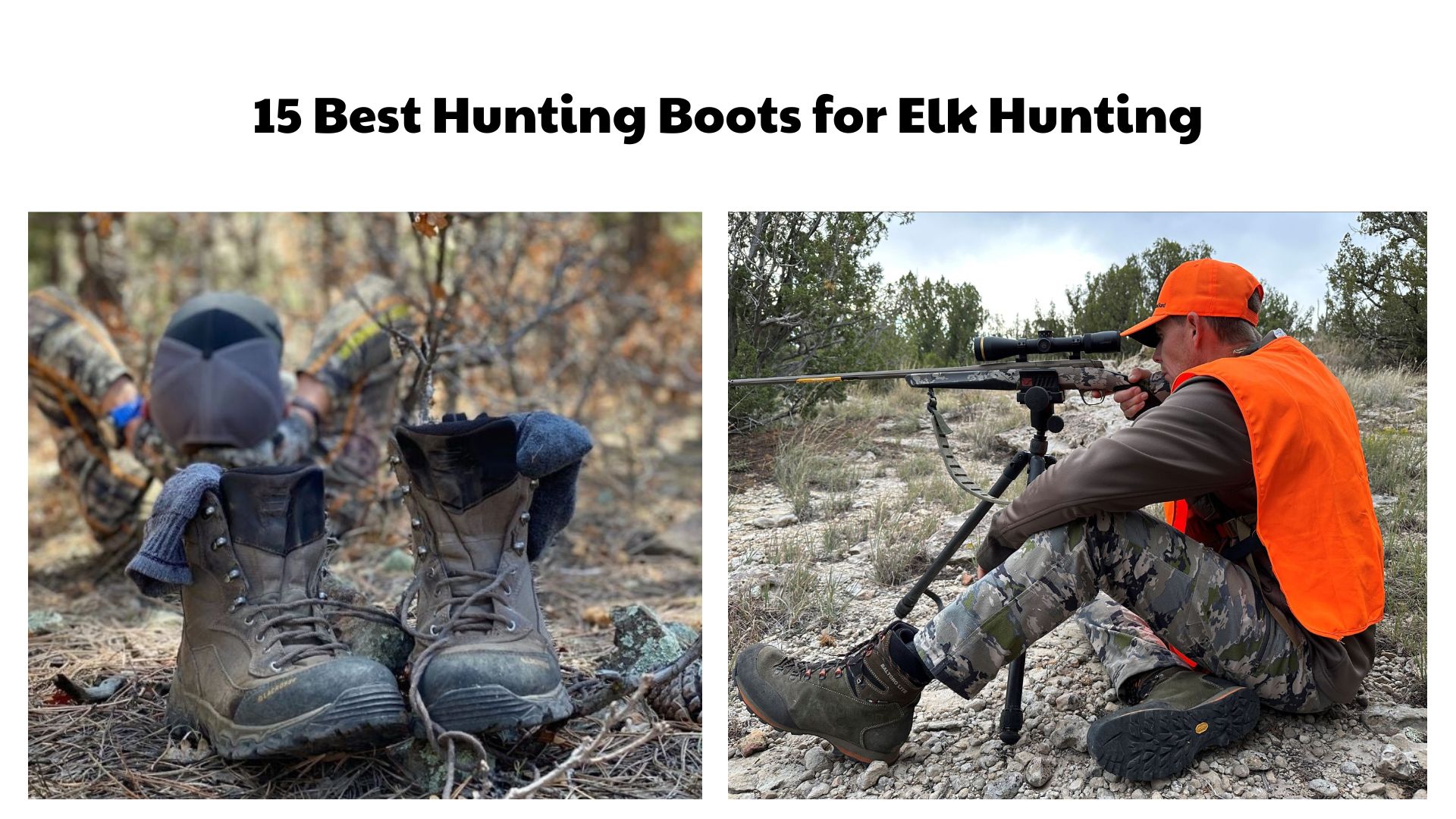

The best hunting boots for elk hunting need to do more than keep your feet dry. Elk country can mean steep climbs, loose rock, deadfall, snow, sidehills, long approaches, heavy packs, and long descents after a successful hunt. A soft boot that feels fine around camp may feel unstable after several miles in mountain terrain.
This guide compares 15 elk hunting boots and elk-capable outdoor boots for different hunters, budgets, seasons, and terrain. Some picks are rugged mountain-style hunting boots. Others are lighter boots for early-season archery elk, scouting, camp chores, and lower-elevation hunts. The list also includes budget-friendly options for newer hunters who need usable field footwear without overspending.
The boots were compared by support, outsole stability, waterproofing, insulation, material quality, break-in expectations, weight, traction, ankle protection, durability, brand reputation, customer feedback, and overall field value. Because Amazon prices change often, this article uses “Check Price on Amazon” instead of listing exact prices.
Elk hunters should always follow federal, state, and local hunting laws. Carry the correct elk tag and license, hunt only in legal seasons, respect private land and public-land rules, follow firearm and archery regulations, and practice ethical shot selection. Good boots can help you travel safely and comfortably, but responsible hunting decisions always matter most.
Quick Picks:
- Best Overall: Kenetrek Mountain Extreme Insulated Hunting Boot on Amazon
- Best Budget Option: RUNFUN Waterproof Lightweight Insulated Hunting Boots on Amazon
- Best Premium Pick: Meindl EuroLight Hunter on Amazon
- Best Lightweight Pick: LOWA Innox Pro Mid GTX on Amazon
- Best Rugged Terrain Pick: Rocky BearClaw 3D Gore-Tex Hunting Boot on Amazon
Comparison Table: 15 Best Hunting Boots for Elk Hunting
| Product | Best For | Material | Support / Height | Key Features | Weather Resistance | Check Price |
|---|---|---|---|---|---|---|
| Kenetrek Mountain Extreme Insulated | Best Overall Elk Boot | Leather mountain hunting boot | Tall supportive profile | Mountain support, rugged outsole, insulated design | Waterproof hunting construction | Check Price on Amazon |
| Kenetrek Corrie 3.2 Hiker | Best Supportive Hiker | Leather hunting hiker | Mid-height support | Stable walking feel, rugged traction, field comfort | Waterproof hunting design | Check Price on Amazon |
| Danner Pronghorn | Best Classic Elk-Capable Boot | Leather and textile | Mid/tall hunting support | Classic hunting profile, supportive fit, all-around use | Waterproof versions available | Check Price on Amazon |
| Danner Recurve | Best Value Lace-Up Boot | Leather-style hunting boot | Mid-height boot | Comfort-focused, versatile, easier walking feel | Waterproof versions available | Check Price on Amazon |
| Rocky BearClaw 3D Gore-Tex | Best Rugged Terrain Pick | Leather and nylon | Supportive hunting boot | Rugged outsole, insulated options, rough-weather build | Gore-Tex waterproof model listed | Check Price on Amazon |
| Meindl EuroLight Hunter | Best Premium Pick | Leather hunting boot | Supportive field boot | Premium build, long-walk comfort, durable materials | Weather-ready hunting design | Check Price on Amazon |
| LOWA Innox Pro Mid GTX | Best Lightweight Pick | Synthetic outdoor boot | Mid-height support | Lightweight feel, flexible movement, scouting comfort | GTX waterproof membrane listed | Check Price on Amazon |
| Irish Setter Wingshooter | Best Field-Walking Boot | Leather field boot | 9-inch coverage | Classic leather support, long-walk profile, durable upper | Waterproof models available | Check Price on Amazon |
| Irish Setter VaprTrek | Best Active Early-Season Pick | Synthetic/leather-style hunting boot | 8-inch style | Lightweight profile, camo design, active field use | Waterproof versions available | Check Price on Amazon |
| Danner Grouse | Best Upland-Style Crossover | Leather and textile | Field-walking support | Traditional support, durable construction, walking comfort | Waterproof versions available | Check Price on Amazon |
| Merrell Moab 3 Mid Waterproof | Best Scouting Boot | Leather and mesh | Mid-height hiking support | Trail comfort, roomy fit, useful for scouting | Waterproof hiking boot | Check Price on Amazon |
| KEEN Targhee 3 Mid Waterproof | Best Roomy-Toe Option | Leather/textile hiking boot | Mid-height support | Roomy toe feel, trail traction, casual elk scouting use | Waterproof hiking boot | Check Price on Amazon |
| RUNFUN Waterproof Lightweight Insulated Hunting Boots | Best Budget Option | Synthetic hunting boot | 8-inch style | Lightweight design, insulated comfort, accessible price point | Waterproof listing | Check Price on Amazon |
| HUNTRITE Insulated Waterproof Hunting Boots | Best Beginner Option | Synthetic insulated hunting boot | Mid/tall boot style | Affordable, insulated, rugged outsole | Waterproof listing | Check Price on Amazon |
| LaCrosse Alphaburly Pro | Best Wet Lowland Backup | Rubber and neoprene | Tall pull-on boot | Easy-clean rubber design, wet-ground protection, scent-conscious style | Built for wet ground | Check Price on Amazon |
For elk hunting, the most reliable options are usually supportive lace-up boots with stable soles, strong traction, waterproof construction, and enough ankle support for sidehills and heavy packs. Lightweight boots can work for early-season archery elk and scouting, but they may not provide enough protection for rough pack-outs. Rubber boots are useful in wet lowland conditions, but they are usually not the first choice for steep elk country. The best value comes from matching the boot to terrain, season, load weight, and how many miles you expect to cover.
1. Kenetrek Mountain Extreme Insulated Hunting Boot on Amazon
Short Overview
The Kenetrek Mountain Extreme Insulated is one of the most relevant boots for elk hunters who need serious mountain support. Elk hunting often includes steep climbs, loose rock, wet grass, timber, snow, and long pack-outs, and this boot is built for that style of use. The tall leather profile gives more ankle support than a light hiking boot. The rugged outsole is useful when crossing uneven terrain, sidehills, and rocky approaches. Insulation makes it more appealing for colder rifle seasons, high-elevation mornings, and late-season hunts. It may be more boot than early-season archery hunters need in warm weather, but that extra structure is useful when terrain gets rough. It is a premium-style option, so break-in and fit testing are important before a major hunt. For hunters who want one tough elk boot for demanding terrain, this is the best overall pick.
Key Features
- Tall leather mountain hunting boot design
- Insulated construction for colder hunts
- Supportive upper for sidehills and uneven terrain
- Rugged outsole for rocky and steep ground
- Useful for elk, mule deer, mountain hunting, and late-season use
Pros
- Excellent support for rugged elk country
- Strong choice for cold-weather mountain hunts
- Durable leather construction
- Good for hunters carrying heavy packs
Cons
- Premium model may cost more
- May feel too warm for early-season archery hunts
- Requires break-in before serious use
Who It’s Best For
This boot is best for serious elk hunters, western hunters, mule deer hunters, and backcountry users who need durable support for steep terrain, rough weather, and heavy loads.
2. Kenetrek Corrie 3.2 Hiker on Amazon
Short Overview
The Kenetrek Corrie 3.2 Hiker is a strong option for elk hunters who want a supportive hunting hiker instead of a tall insulated mountain boot. It is best for scouting, early-season hunts, camp access, and lower-to-moderate elevation elk terrain. The mid-height profile provides more ankle support than a low trail shoe while staying easier to walk in than very tall boots. It works well for hunters who cover ground but do not always need maximum insulation. The leather construction gives it a durable outdoor feel. It is also useful for shed hunting, deer hunting, and general backcountry walking. Hunters who want a boot that crosses over between hiking and hunting may appreciate the balance. For elk hunting where mobility matters, it is one of the better supportive hiker-style picks.
Key Features
- Leather hunting hiker construction
- Supportive mid-height profile
- Rugged outsole for mixed terrain
- Good for scouting, hiking, and early-season elk use
- More mobile than heavy insulated mountain boots
Pros
- Comfortable option for active hunters
- Supportive enough for moderate elk terrain
- Useful beyond elk season
- Good balance of mobility and durability
Cons
- Not as supportive as taller mountain boots
- May not be warm enough for late-season cold
- May require break-in before long hikes
Who It’s Best For
This boot is best for elk hunters who scout heavily, hunt early season, prefer a lighter feel, or want a versatile hunting hiker for mixed outdoor use.
3. Danner Pronghorn Hunting Boot on Amazon
Short Overview
The Danner Pronghorn is a classic hunting boot that can work for elk hunters who want an all-around lace-up boot with field support. It is not the most technical mountain boot in this guide, but it has broad hunting appeal. It works for elk scouting, moderate terrain, deer hunting, turkey hunting, camp chores, and general outdoor use. The lace-up profile provides better control than rubber pull-on boots. Many hunters like the Pronghorn because it balances comfort and durability without feeling as stiff as a full mountaineering boot. Exact versions vary by Amazon listing, so buyers should check insulation, height, waterproofing, and sizing before ordering. It may not be the first choice for extreme alpine pack-outs, but it is a useful elk-capable boot for moderate conditions. For hunters who want one familiar hunting boot for several uses, it is worth considering.
Key Features
- Classic hunting boot design
- Leather and textile-style construction
- Supportive lace-up fit
- Available in different hunting configurations
- Useful for elk scouting, deer hunting, and camp use
Pros
- Versatile hunting boot for many seasons
- More supportive than casual hiking shoes
- Good all-around field suitability
- Familiar design from a well-known outdoor brand
Cons
- Not as stiff as premium mountain boots
- Exact features vary by listing
- May require break-in before long elk hikes
Who It’s Best For
This boot is best for hunters who want a versatile elk-capable hunting boot for moderate terrain, scouting, deer hunting, and general field use.
4. Danner Recurve Hunting Boot on Amazon
Short Overview
The Danner Recurve is a practical value pick for elk hunters who want comfort and walking support without buying an extremely stiff mountain boot. It is best for scouting, lower-elevation elk country, mild weather, and hunters who cover moderate distances. The mid-height design helps with ankle support while still feeling approachable for beginners. It works well for trail access, camp chores, stand hunting, deer hunting, and early-season elk scouting. Compared with heavy insulated boots, it is easier to wear on warmer days. Compared with casual hiking boots, it feels more hunting-focused. It is not the strongest option for heavy backcountry pack-outs, but it is useful for hunters who need one boot for many outdoor jobs. For budget-conscious elk hunters, it offers practical value.
Key Features
- Mid-height lace-up hunting boot profile
- Comfort-focused design
- Leather-style construction
- Useful for scouting and moderate elk terrain
- More field-focused than casual outdoor shoes
Pros
- Good value for a lace-up hunting boot
- Comfortable for moderate walking
- Works for multiple hunting styles
- Beginner-friendly compared with very stiff boots
Cons
- Not ideal for extreme mountain terrain
- Insulation and waterproofing can vary by listing
- May not offer enough stiffness for heavy pack-outs
Who It’s Best For
This boot is best for newer elk hunters, deer hunters, scouts, and outdoor users who want a practical lace-up hunting boot for moderate terrain and regular field use.
5. Rocky BearClaw 3D Gore-Tex Hunting Boot on Amazon
Short Overview
The Rocky BearClaw 3D Gore-Tex is a rugged hunting boot for elk hunters who need protection, traction, and weather resistance in rough country. It is a good fit for cold mornings, wet brush, snow patches, and uneven ground. The Gore-Tex-listed model is especially relevant for hunters who prioritize waterproofing in a lace-up boot. The rugged outsole helps when moving through steep, rocky, or muddy terrain. It may feel heavier than lightweight scouting boots, but the added protection can be useful in elk country. Hunters should check the exact insulation level on the Amazon listing before ordering. It is not a minimalist boot, and that is part of the appeal for rough-weather users. For rugged terrain and colder hunts, it is a strong candidate.
Key Features
- Gore-Tex waterproof hunting boot model
- Insulated options available
- Rugged outsole for field traction
- Leather and nylon-style construction
- Designed for wet and demanding hunting conditions
Pros
- Good rugged hunting boot choice
- Useful for cold and wet elk conditions
- Supportive build for rough terrain
- More protective than lightweight hiking boots
Cons
- Can feel heavy for warm archery season
- Exact insulation level should be checked
- May be more boot than casual hunters need
Who It’s Best For
This boot is best for elk hunters who want a rugged waterproof hunting boot for cold mornings, rough ground, wet brush, and demanding field conditions.
6. Meindl EuroLight Hunter on Amazon
Short Overview
The Meindl EuroLight Hunter is a premium field boot for hunters who walk a lot and want serious comfort without choosing an overly heavy insulated boot. It is especially useful for early-season elk scouting, upland crossover use, camp work, and moderate mountain terrain. The leather construction gives it a durable and supportive feel. It is not as bulky as some late-season mountain boots, which makes it more attractive for active hunters. The supportive build helps when walking uneven ground and carrying gear. It may not be the warmest option for deep winter rifle seasons, but it can be excellent for hunters who prioritize mobility. Like most leather boots, fit and break-in matter. For premium comfort in walking-focused elk terrain, it is one of the best picks.
Key Features
- Premium leather hunting boot style
- Supportive build for long field walks
- Durable materials for regular outdoor use
- Good crossover option for elk, upland, and hiking
- Practical for active hunters who cover ground
Pros
- Strong premium option for active hunters
- Good support for long walking days
- Durable field-ready construction
- Useful for hunting, scouting, and hiking
Cons
- Higher cost than entry-level boots
- May be unnecessary for short casual hunts
- Fit should be checked carefully before field use
Who It’s Best For
This boot is best for elk hunters who cover long distances and want a premium leather boot with support, mobility, and field durability.
7. LOWA Innox Pro Mid GTX on Amazon
Short Overview
The LOWA Innox Pro Mid GTX is a lightweight waterproof boot that makes sense for elk hunters who prioritize scouting, speed, and mobility. It is not a heavy mountain boot, and it should not be treated like one. However, it can be very useful for early-season elk scouting, trail camera checks, hiking into camp, and lower-elevation archery hunts. The GTX waterproof membrane listed on the product is useful for wet grass and damp trails. The mid-height design gives more support than low trail shoes while keeping the boot flexible. Hunters who dislike heavy boots may appreciate the lighter feel. It is not ideal for heavy pack-outs, extreme cold, or very rocky terrain with heavy loads. For active hunters in mild conditions, it is a strong lightweight pick.
Key Features
- Lightweight mid-height outdoor boot
- GTX waterproof membrane listed
- Flexible design for active walking
- Good crossover use for hiking, scouting, and elk access
- Useful for early-season and mild-weather conditions
Pros
- Lighter than many traditional hunting boots
- Good for scouting and early-season hunts
- Comfortable for trail use
- Practical beyond elk season
Cons
- Not ideal for extreme cold
- Less protective than tall mountain boots
- May not be stiff enough for heavy pack-outs
Who It’s Best For
This boot is best for elk hunters who want lightweight waterproof footwear for scouting, early-season archery, camp access, and mild-to-moderate terrain.
8. Irish Setter Wingshooter 9-Inch Hunting Boot on Amazon
Short Overview
The Irish Setter Wingshooter is a classic leather field boot that can work for elk hunters in lower country, camp areas, and scouting conditions. It is not a technical western mountain boot, but it provides a supportive leather profile for long walks and general hunting use. The 9-inch height gives more coverage than a low hiking shoe. It is useful for hunters who also chase upland birds, deer, turkey, or small game. The traditional leather build is durable and practical beyond elk season. It may require break-in before long hikes. It is not the best choice for steep high-country pack-outs, but it can be a comfortable field-walking option. For hunters who want one classic boot for multiple hunting styles, it is a useful crossover pick.
Key Features
- 9-inch leather hunting boot style
- Classic field-walking design
- Supportive upper for brush and uneven ground
- Good walking comfort for moderate terrain
- Useful for elk scouting, upland hunting, and camp work
Pros
- Durable leather construction
- Good for field walking and lower-country use
- Useful outside elk season
- More protective than low hiking shoes
Cons
- Not a true mountain elk boot
- May require break-in time
- Can feel heavier than lightweight hikers
Who It’s Best For
This boot is best for hunters who want a classic leather boot for elk scouting, camp use, upland hunting, and moderate field terrain.
9. Irish Setter VaprTrek Hunting Boot on Amazon
Short Overview
The Irish Setter VaprTrek is a lighter hunting boot for active elk hunters who want more mobility during early-season conditions. It is useful for archery elk, scouting, turkey hunting, and moderate field walking. The 8-inch profile gives more coverage than a low hiking shoe while staying more mobile than heavy insulated mountain boots. It is not the top pick for late-season snow or steep pack-outs, but it can help hunters move comfortably in mild weather. The camo hunting design fits typical hunting clothing. Buyers should check the exact listing for waterproofing, insulation, and size details. It is a practical choice for hunters who do not want a bulky boot. For warm-weather elk scouting and active hunts, it is worth comparing.
Key Features
- Lightweight hunting boot profile
- 8-inch field coverage
- Camo hunting design
- Useful for early-season and active hunting
- More mobile than many heavy insulated boots
Pros
- Good for active hunters
- Lighter feel than many traditional hunting boots
- Useful for scouting and early-season elk hunting
- Hunting-specific design
Cons
- Not ideal for extreme cold
- Less rugged than premium mountain boots
- Exact waterproofing and insulation should be checked by listing
Who It’s Best For
This boot is best for hunters who want a lighter hunting boot for early-season elk, scouting, turkey hunting, and active field use.
10. Danner Grouse Hunting Boot on Amazon
Short Overview
The Danner Grouse is a traditional field boot that can serve elk hunters who spend time in lower-elevation country, camp areas, and mixed hunting terrain. It is more of a field-walking boot than a high-country mountaineering boot. The supportive leather-style build helps when walking through grass, brush, and uneven ground. It is useful for hunters who split time between elk scouting, upland birds, deer hunting, and camp work. The boot may not be stiff enough for heavy elk pack-outs in steep country, but it offers practical support for moderate terrain. It may also require break-in, especially before long days. It is not as easy to wash as rubber boots, but it is better for walking. For crossover field use, it is a solid option.
Key Features
- Classic upland-style hunting boot
- Leather and textile-style upper
- Supportive fit for long walking days
- Rugged outsole for field terrain
- Useful for moderate elk scouting and general hunting
Pros
- Strong field-walking boot
- Good support for brush and uneven ground
- Classic outdoor style
- Durable construction for regular use
Cons
- Can require break-in time
- Not ideal for steep technical elk terrain
- May feel narrow for some feet
Who It’s Best For
This boot is best for hunters who want a durable field boot for elk scouting, upland hunting, camp chores, and moderate terrain.
11. Merrell Moab 3 Mid Waterproof Boot on Amazon
Short Overview
The Merrell Moab 3 Mid Waterproof is not a dedicated elk hunting boot, but it is useful for scouting, camp use, mild-weather access, and hunters who need comfortable trail footwear. Many elk hunters spend weeks scouting before season, checking access routes, hiking ridges, and preparing camp. For those jobs, a comfortable waterproof hiking boot can be practical. The mid-height profile gives more support than a low shoe while staying lighter than most hunting boots. It is not the best choice for steep pack-outs, deep snow, or heavy late-season loads. However, it can reduce fatigue during pre-season walking and low-risk access routes. It also works for camping, hiking, and general outdoor use. For scouting-focused elk hunters, it is a strong comfort pick.
Key Features
- Waterproof mid-height hiking boot
- Leather and mesh upper
- Comfort-focused walking design
- Trail traction outsole
- Useful for scouting, camping, and mild elk access
Pros
- Comfortable for scouting and long walks
- Lighter than many hunting boots
- Useful beyond elk season
- Good option for mild outdoor conditions
Cons
- Not a dedicated hunting boot
- Limited lower-leg protection
- Not ideal for heavy pack-outs or cold stationary hunts
Who It’s Best For
This boot is best for elk hunters who need comfortable waterproof footwear for scouting, camping, hiking, shed hunting, and low-to-moderate terrain.
12. KEEN Targhee 3 Mid Waterproof Boot on Amazon
Short Overview
The KEEN Targhee 3 Mid Waterproof is a hiking-style option for elk hunters who value comfort, toe room, and light trail use. It is not a true mountain hunting boot, but it can work well for scouting, camp chores, moderate hiking, and mild early-season access. The roomy toe feel can be helpful for hunters whose feet swell during long walks. The waterproof construction helps in wet grass and damp trail conditions. It is best used where terrain is moderate rather than extreme. It should not be chosen for heavy elk pack-outs in steep country. However, many hunters need a lighter boot for pre-season preparation and camp use. For comfort-focused scouting, it is a practical crossover option.
Key Features
- Waterproof mid-height hiking boot
- Roomy toe-box feel
- Leather/textile outdoor upper
- Trail-focused outsole
- Useful for scouting, camping, and mild elk terrain
Pros
- Comfortable for walking-heavy days
- Good for users who need toe room
- Waterproof protection for damp trails
- Versatile beyond hunting season
Cons
- Not hunting-specific
- Not ideal for deep mud, snow, or steep pack-outs
- Less lower-leg protection than tall hunting boots
Who It’s Best For
This boot is best for hunters, hikers, campers, and elk scouts who want a comfortable waterproof boot for mild-to-moderate terrain.
13. RUNFUN Waterproof Lightweight Insulated Hunting Boots on Amazon
Short Overview
The RUNFUN Waterproof Lightweight Insulated Hunting Boots are a budget-friendly option for hunters who want a basic elk-capable boot for moderate conditions. They are not premium mountain boots, but they can be useful for beginners, scouting, camp chores, and lower-elevation hunting. The lightweight design helps reduce fatigue compared with some heavier insulated boots. The insulation can help on cool mornings, while the waterproof listing adds protection from wet grass and light snow. They are best for hunters who do not need serious backcountry stiffness or long pack-out support. Buyers should check size, recent reviews, and current listing details carefully. They offer practical value for occasional hunters. For an affordable starter boot, they are worth considering.
Key Features
- Lightweight insulated hunting boot design
- Waterproof listing
- 8-inch style coverage
- Beginner-friendly price point
- Useful for scouting, camp, and moderate hunting conditions
Pros
- Good starter hunting boot
- Lighter than many heavy insulated boots
- Budget-friendly and practical
- Suitable for moderate outdoor use
Cons
- Not built for extreme backcountry elk terrain
- May not last as long as premium leather boots
- Support may be limited compared with higher-end models
Who It’s Best For
This boot is best for beginner elk hunters, casual hunters, campers, and outdoor users who need affordable waterproof hunting boots for moderate conditions.
14. HUNTRITE Insulated Waterproof Hunting Boots on Amazon
Short Overview
The HUNTRITE Insulated Waterproof Hunting Boots are another budget-oriented choice for hunters who want warmth, waterproofing, and basic field traction. They are best for beginners, camp use, short access routes, and cold-weather field chores. For elk hunting, they are most appropriate in lower country or moderate terrain rather than steep backcountry pack-outs. The insulated design helps during cold mornings, while the waterproof listing adds basic wet-weather protection. They may not have the refined fit or long-term materials of premium mountain boots. However, they can be useful for occasional hunters building a full gear kit. Buyers should check sizing and customer feedback before ordering. For entry-level elk scouting and basic hunting use, they provide affordable value.
Key Features
- Insulated hunting boot design
- Waterproof listing
- Rugged outsole for field traction
- Budget-friendly category
- Useful for cold-weather moderate outdoor use
Pros
- Affordable entry-level boot
- Useful for cool mornings and basic hunting
- Good for camp and moderate field use
- Practical for beginners
Cons
- Not ideal for steep elk terrain
- May not match premium boot durability
- Can feel too warm for active early-season hunts
Who It’s Best For
This boot is best for beginner hunters, camp users, occasional elk hunters, and budget buyers who need insulated waterproof boots for moderate terrain.
15. LaCrosse Alphaburly Pro Hunting Boot on Amazon
Short Overview
The LaCrosse Alphaburly Pro is not a traditional elk mountain boot, but it can be useful for specific elk hunting situations. If you hunt wet lowlands, private ranch access, muddy meadows, snowmelt areas, or short approaches through wet grass, a rubber boot can solve a real problem. The Alphaburly Pro is easy to clean and provides strong wet-ground coverage. It is also useful for scent-conscious access, camp chores, and general wet-weather hunting. However, it is not the best choice for steep terrain, rocky sidehills, or long elk pack-outs. The pull-on design does not give the same precise support as lace-up mountain boots. Hunters should treat it as a wet-ground backup, not a primary western elk boot. For the right conditions, it is still practical.
Key Features
- Rubber and neoprene hunting boot construction
- Tall pull-on design
- Easy-clean exterior
- Useful for wet grass, mud, and lowland access
- Practical backup boot for wet hunting conditions
Pros
- Excellent for wet and muddy areas
- Easy to rinse clean after field use
- Useful for camp chores and lowland hunting
- Good wet-weather protection
Cons
- Not ideal for steep elk country
- Less ankle control than lace-up boots
- Can feel warm during active early-season hunts
Who It’s Best For
This boot is best for hunters who need a rubber backup boot for wet access routes, muddy ranch country, camp chores, and lowland elk hunting conditions.
Buying Guide: How to Choose the Best Hunting Boots for Elk Hunting
Start With Terrain
Elk hunting terrain can vary from lower-elevation timber and meadows to steep alpine basins, shale slopes, snowy ridges, and deadfall-filled drainages. If your hunt involves steep climbs and sidehills, choose supportive lace-up boots with stable soles. If your hunt is mostly lower-country scouting or camp access, lighter boots may be enough. Avoid choosing a boot only because it looks rugged. Choose based on your actual elk country.
Support Matters More Than Looks
Elk hunters often carry heavy packs, especially after a successful harvest. A boot with weak ankle support and a soft sole can become a problem on descents and sidehills. Supportive boots help reduce foot fatigue and improve stability. Tall leather boots and mountain-style hunting boots usually provide better control than light hikers or rubber pull-on boots.
Think About Sole Stiffness
For elk hunting, sole stiffness is important. A flexible sole feels comfortable on flat trails but may fatigue your feet on rocks and steep terrain. A stiffer sole helps with edging, sidehilling, and carrying weight. However, very stiff boots may feel uncomfortable for beginners or flat-ground use. Match stiffness to terrain and pack weight.
Waterproofing Is Essential
Elk hunts often include wet grass, creek crossings, snow, rain, mud, and cold mornings. Waterproof boots help keep feet dry and reduce blister risk. Leather boots with waterproof membranes are common for elk hunting. Rubber boots offer strong waterproofing but usually lack the support needed for steep mountain travel.
Choose Insulation Carefully
More insulation is not always better. Early archery elk hunts often involve warm weather and hard hiking, so uninsulated or lightly insulated boots may be better. Rifle seasons can bring snow and freezing temperatures, where insulated boots make more sense. If your feet sweat during climbs, they may get cold later. Match insulation to season and activity level.
Fit and Break-In Are Critical
Fit is the most important factor in any elk boot. Your heel should stay secure, your toes should have room, and the boot should not pinch the forefoot. Break boots in before the hunt with hikes, scouting trips, and pack training. Never start an elk hunt with untested boots. Hot spots on day one can ruin the rest of the trip.
Weight and Mobility
Heavy boots offer protection, but they can also slow you down. Lightweight boots feel better during warm-weather scouting and archery hunts, but they may lack support for rocky pack-outs. Choose a balance. If you hunt steep country and carry meat, prioritize support over ultralight comfort. If you scout trails and hunt mild terrain, lighter boots can be practical.
Traction and Outsole Design
Good traction matters on wet grass, loose rock, shale, snow patches, mud, and deadfall. Deep lugs help in soft ground. Stiffer soles help on rocks and sidehills. No outsole makes slippery ground completely safe, so move carefully and use trekking poles when needed. Check the outsole pattern before buying.
Height and Ankle Protection
Mid-height boots are comfortable and mobile, but taller boots offer more ankle support and brush protection. Elk hunters who travel steep terrain often prefer 8-inch to 10-inch boots. Lower boots may work for scouting and easy trails, but they provide less protection from rocks, sticks, snow, and sidehill stress.
Material Quality
Leather boots are durable and supportive, but they require break-in and care. Synthetic boots are often lighter and faster-drying, but durability varies. Rubber boots are waterproof and easy to clean, but less supportive for mountains. For elk hunting, leather or leather/synthetic lace-up boots are usually the most practical primary choice.
Maintenance
Clean mud and grit from boots after each trip. Remove insoles and dry boots naturally. Do not place boots directly against a fire or heater because heat can damage leather, adhesives, rubber, and waterproof membranes. Condition leather when needed and inspect laces, eyelets, soles, and rand areas before the season.
Budget and Value
Elk hunting is demanding, so boots are not the best place to gamble if you will be hiking steep terrain. Budget boots can work for beginners, camp use, or moderate conditions. Premium boots make more sense for hunters who travel far, carry heavy packs, or hunt rugged country. Value means the boot fits well, supports your terrain, and lasts through real use.
Responsible Elk Hunting
Boots help you reach elk country, but they do not replace responsible hunting. Follow licensing laws, legal seasons, bag limits, land access rules, weapon regulations, and ethical shot selection. Plan pack-out routes, carry safety gear, and respect wildlife and other hunters. Choose gear that supports safe, legal, and ethical field use.
Final Recommendation
The best overall pick is the Kenetrek Mountain Extreme Insulated Hunting Boot on Amazon because it offers the kind of support, protection, and rugged construction elk hunters often need in steep and cold terrain.
For hunters who want a lighter supportive option, the Kenetrek Corrie 3.2 Hiker on Amazon is a strong elk scouting and early-season choice. For rugged waterproof use, compare the Rocky BearClaw 3D Gore-Tex Hunting Boot on Amazon. For premium long-walk comfort, the Meindl EuroLight Hunter on Amazon is worth considering. For budget buyers, the RUNFUN Waterproof Lightweight Insulated Hunting Boots on Amazon offer an accessible entry point for moderate conditions.
Choose based on fit, terrain, season, waterproofing, insulation, support, pack weight, and responsible field use. Check current Amazon availability, sizing, seller details, product specifications, customer feedback, and return policy before ordering.
FAQs About the Best Hunting Boots for Elk Hunting
1. What are the best hunting boots for elk hunting?
The best hunting boots for elk hunting are supportive lace-up boots with stable soles, durable uppers, waterproof protection, strong traction, and enough ankle support for steep terrain. The right boot depends on season, terrain, pack weight, weather, and how many miles you expect to cover.
2. Are elk hunting boots different from deer hunting boots?
Yes. Elk hunting usually involves more walking, steeper terrain, heavier packs, and rougher ground than many whitetail deer hunts. Elk boots often need more support, stiffness, traction, and durability than rubber deer boots or lightweight stand-hunting boots.
3. Should elk hunting boots be waterproof?
Waterproof boots are strongly recommended for elk hunting. Wet grass, snow, rain, mud, and creek crossings can soak ordinary boots quickly. Dry feet help reduce blisters, discomfort, and cold-related problems during long hunts.
4. Should elk hunting boots be insulated?
Insulation depends on season. Early archery elk hunters often prefer uninsulated or lightly insulated boots because they hike hard and generate heat. Late-season rifle hunters may need insulated boots for snow, cold mornings, and long glassing sessions.
5. Are rubber boots good for elk hunting?
Rubber boots are useful for wet lowland access, muddy meadows, camp chores, and short wet approaches. They are usually not the best primary boot for steep elk country because they offer less ankle support and less precise fit than lace-up boots.
6. Are hiking boots good for elk hunting?
Hiking boots can work for scouting, early-season hunts, camp use, and mild elk terrain. For steep mountain terrain or heavy pack-outs, dedicated hunting or mountain boots usually provide better support and protection.
7. What boot height is best for elk hunting?
Many elk hunters prefer 8-inch to 10-inch boots because they provide ankle support and protection without becoming too tall. Mid-height boots can work for scouting and mild terrain. Very low boots provide less protection on sidehills and in brush.
8. How stiff should elk hunting boots be?
Elk hunting boots should be stiff enough to support sidehilling, rocky ground, and heavy packs. Very flexible boots feel comfortable on flat trails but may fatigue your feet in rough terrain. Choose stiffness based on terrain and pack weight.
9. How should elk hunting boots fit?
Your heel should stay secure, your toes should have room, and the boot should not pinch your forefoot. Try boots with hunting socks. Your toes should not hit the front on downhill steps, and your heel should not lift excessively.
10. Should I size up in elk hunting boots?
Some hunters size up slightly for thick socks, but sizing up too much can cause heel slip and blisters. Check the brand size chart and recent reviews. Try boots indoors before wearing them outside.
11. How do I break in elk hunting boots?
Wear them around the house, then on short walks, then on longer hikes with a loaded pack. Do not start an elk hunt with new boots. Break-in helps find pressure points before they become serious problems.
12. What socks are best for elk hunting boots?
Wool or wool-blend moisture-wicking socks are usually best. Avoid cotton because it holds moisture. Choose sock thickness based on boot fit, weather, and activity level.
13. Are heavy boots better for elk hunting?
Heavy boots can offer more support and protection, but they can also increase fatigue. The best elk boot balances support and weight. Choose more support for steep country and lighter boots for scouting or mild terrain.
14. Are lightweight boots good for elk hunting?
Lightweight boots are good for early-season hunts, scouting, and lower-risk terrain. They may not be supportive enough for heavy pack-outs, late-season snow, or rough rocky country.
15. What are the best boots for archery elk hunting?
Archery elk hunters often prefer lightweight or moderately supportive waterproof boots because the weather is warmer and walking distances can be long. Avoid overly insulated boots unless conditions are cold.
16. What are the best boots for rifle elk hunting?
Rifle elk seasons can bring snow, cold, and rough weather. Insulated waterproof boots with strong support are often better for rifle elk hunting, especially at higher elevations or during late seasons.
17. Are mountain boots worth it for elk hunting?
Mountain boots can be worth it if you hunt steep, rocky, or remote elk country. They provide more stability, durability, and pack support than basic hunting boots. They may be unnecessary for flat or low-country hunts.
18. What outsole is best for elk hunting?
A rugged outsole with good lugs is best for elk hunting. It should grip loose dirt, rock, mud, wet grass, and snow patches. A stable sole also helps when carrying heavy packs downhill.
19. Do elk hunting boots need a rand?
A protective rand can help defend the boot against rocks, brush, and abrasion. It is useful in rugged mountain terrain. Not every hunter needs a full rand, but it can improve durability in rough country.
20. Are leather boots good for elk hunting?
Leather boots are popular for elk hunting because they provide support, durability, and protection. They need break-in and maintenance, but many serious hunters prefer leather for demanding terrain.
21. Are synthetic boots good for elk hunting?
Synthetic boots can be lighter and more flexible than leather boots. They are useful for scouting and early-season hunts. Durability varies, so choose carefully if you hunt rocky terrain.
22. How do I prevent blisters on an elk hunt?
Prevent blisters by choosing the correct size, breaking boots in, wearing moisture-wicking socks, and fixing hot spots early. Heel slip, wet socks, and stiff new boots are common blister causes.
23. Should I use aftermarket insoles?
Aftermarket insoles can improve arch support and comfort for some hunters. Make sure they do not make the boot too tight. A tight boot can reduce circulation and warmth.
24. Can elk hunting boots be too warm?
Yes. Over-insulated boots can make your feet sweat during climbs. Sweat can later make your feet cold. Match insulation to season, temperature, and activity level.
25. Can elk hunting boots be too stiff?
Yes. Very stiff boots help in rough terrain but may feel uncomfortable on easy trails. Beginners may need time to adjust. Choose stiffness based on real terrain and experience level.
26. Can elk hunting boots be too soft?
Yes. Soft boots may feel comfortable at first but can lack support on rocks, slopes, and sidehills. They may also fatigue your feet during long pack-outs.
27. What boots are best for steep elk country?
Steep elk country requires lace-up boots with strong ankle support, stiff soles, rugged outsoles, and waterproof construction. Avoid loose pull-on boots if you need control on sidehills.
28. What boots are best for low-country elk hunting?
Low-country elk hunting may allow lighter boots or waterproof hikers. If the ground is wet and muddy, rubber boots may be useful for short approaches. Choose based on terrain and walking distance.
29. Are camo boots necessary for elk hunting?
Camo boots are not essential. Fit, support, waterproofing, traction, and comfort matter more. Elk are more affected by movement, wind direction, scent, and noise than boot pattern alone.
30. Do elk hunting boots help with scent control?
Boots alone do not control scent. Rubber boots absorb less odor than fabric boots, but wind direction, clothing storage, hygiene, and route planning are more important.
31. Are quiet boots important for elk hunting?
Quiet movement matters, especially during close-range archery hunts. Proper fit, careful foot placement, and controlled movement help reduce noise. No boot can make a careless hunter silent.
32. How do I clean elk hunting boots?
Brush off dirt and mud, wipe with a damp cloth, remove insoles, and air dry naturally. Leather boots may need conditioning. Avoid direct heat because it can damage materials and adhesives.
33. How should I store elk hunting boots?
Store boots clean and dry in a cool, ventilated area. Keep them away from direct sunlight, heaters, fuel, and chemicals. Do not store wet boots in a sealed bag.
34. How long do elk hunting boots last?
Boot lifespan depends on quality, terrain, use frequency, and maintenance. Rocky terrain, mud, snow, and heavy packs wear boots faster. Proper cleaning and drying help extend boot life.
35. Are expensive elk boots worth it?
Premium elk boots can be worth it for hunters who travel far, hunt steep terrain, or carry heavy loads. Budget boots can work for beginners and moderate terrain. Value depends on fit and use.
36. What should beginners look for?
Beginners should look for waterproofing, comfortable fit, moderate support, traction, and reasonable weight. Avoid buying extreme boots unless the terrain truly requires them.
37. Should I train in my elk boots?
Yes. Hike, scout, or walk with a pack in your boots before the hunt. Training helps break them in and reveals fit issues before you are far from camp.
38. Are elk boots good for camping?
Many elk boots work well for camping, especially waterproof lace-up models. However, heavy insulated boots may be too warm for summer camping. Choose footwear based on weather and activity.
39. Can I use elk boots for deer hunting?
Yes. Elk boots can work for deer hunting, especially in hilly or cold terrain. They may be more boot than needed for short flat whitetail stand hunts.
40. Can I use elk boots for fishing?
Elk boots can work for bank fishing and camp use, but they are not a replacement for wading boots. Always follow local fishing regulations and safety guidance near water.
41. Can I use elk boots at the range?
Elk boots can work for outdoor range use in mud, snow, or cold weather. For indoor ranges, lighter footwear may be more comfortable. Always follow firearm safety rules.
42. What should I check on Amazon before buying?
Check the exact product title, size, width, insulation level, waterproof claim, seller, return policy, and recent reviews. Make sure the link points to a product page and not a search page or sponsored redirect.
43. Are Amazon reviews useful for elk boots?
Amazon reviews can help identify fit, sizing, waterproofing, break-in, and durability patterns. Focus on recent reviews from users who mention terrain, hunting, hiking, or similar outdoor use.
44. Should I buy elk boots online?
Buying online gives you more options, but fit can be difficult. Check return policies, size charts, width options, and customer feedback. Try boots indoors before wearing them outside.
45. Do elk boots need a warranty?
A warranty can be helpful, especially for premium boots. Coverage depends on the brand and seller. Normal wear is usually not covered, so read warranty details before buying.
46. What is 400g insulation?
It refers to the amount of insulation in the boot. It is often used for cool-to-cold conditions, but warmth also depends on socks, boot fit, activity level, and weather.
47. What is 1000g insulation?
1000g insulation is generally used for colder conditions and more stationary hunting. It may be too warm for active early-season elk hunting. Match insulation to temperature and movement.
48. What does Gore-Tex mean in hunting boots?
Gore-Tex is a waterproof-breathable membrane used in some boots. It helps keep water out while allowing some moisture vapor to escape. Always check the exact product listing for details.
49. Are elk boots good for snow?
Insulated waterproof elk boots can work well in snow, especially when paired with good socks and gaiters. Deep snow may require taller boots or snowshoes depending on conditions.
50. Do I need gaiters with elk boots?
Gaiters can help keep snow, debris, and wet brush out of boots. They are especially useful in tall grass, shale, snow, and wet mountain terrain.
51. How do I know if boots are too small?
Boots are too small if your toes hit the front, your foot feels squeezed, or thicker socks cause pain. Tight boots can reduce circulation and warmth.
52. How do I know if boots are too big?
Boots are too big if your heel slips, your foot slides on sidehills, or your toes jam forward downhill. Oversized boots can cause blisters and poor control.
53. What is the best value elk hunting boot?
The best value boot is the one that fits well, supports your terrain, stays dry, and lasts through real use. Budget boots can work for moderate hunts, while premium boots are better for serious mountain terrain.
54. What is the safest boot choice for elk hunting?
The safest choice is a boot that matches terrain, weather, pack weight, and your physical needs. Prioritize fit, traction, support, waterproofing, and comfort over appearance.
55. What is the most important elk boot buying tip?
Fit and break-in are the most important. Even an expensive boot can ruin a hunt if it does not fit your foot. Test boots before the season, hike in them, and solve problems before you are deep in elk country.
Read more: