
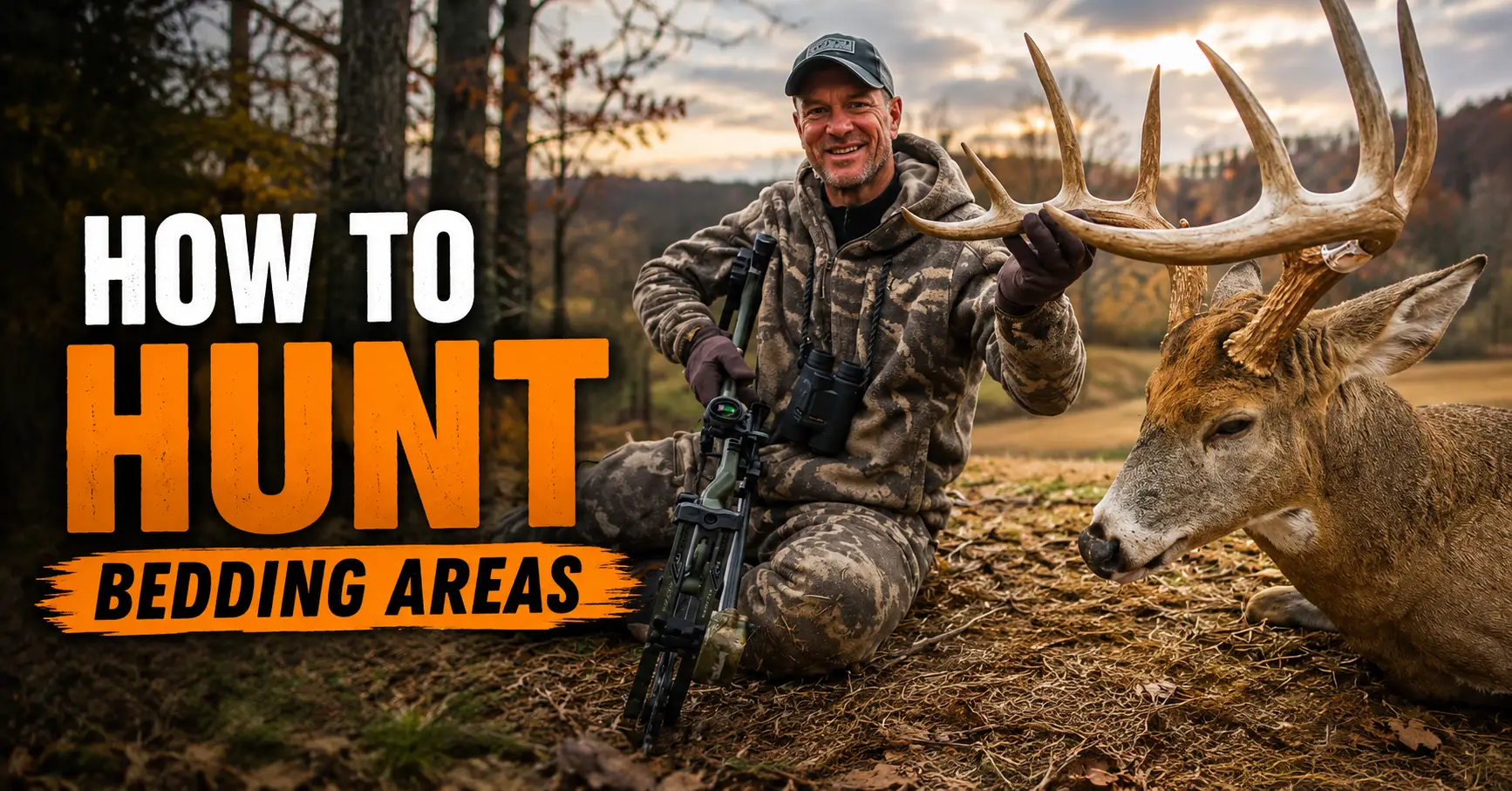

Quick Answer
To hunt bedding areas effectively, first verify current hunting laws and legal access. Scout the edges to identify beds, exit trails, staging cover, terrain funnels, and food-to-bed movement. Choose a setup that is downwind or crosswind of the expected travel route, then enter quietly without crossing fresh sign. Stay outside the core bedding cover unless conditions, experience, land rules, and a carefully planned exit justify a closer approach.
Important Legal and Safety Notice Before You Hunt
Hunting regulations vary by country, state, province, county, season, wildlife management unit, land type, species, and weapon. Before hunting, verify all current requirements with the official wildlife agency that regulates the area.
- Valid hunting license, permits, and species tags
- Season dates, legal hours, bag limits, and harvest reporting
- Legal firearms, bows, ammunition, broadheads, and equipment
- Public-land rules, private-land permission, and property boundaries
- Required blaze orange or other visibility clothing
- Tree-stand, baiting, trail-camera, and electronic-device rules
- Safe firearm or bow transport, handling, and storage
- Weather, navigation, first aid, and emergency communication planning
Complete an approved hunter education course and hunt with an experienced, ethical mentor when possible. Always identify the target and what is beyond it. Never shoot toward roads, homes, livestock, people, vehicles, trails, or unclear movement.
Understanding Deer Bedding Behavior
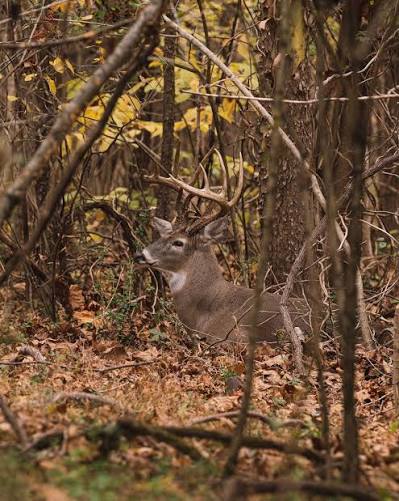
A bedding area is a place deer use to rest, ruminate, monitor danger, and conserve energy. It may be a single isolated bed or a group of beds used by does and young deer. Good bedding cover often combines security, favorable wind, escape options, and proximity to food or water.
Common bedding locations include thick brush, young clear-cuts, cattail edges, overgrown fields, conifer cover, creek bends, benches, ridge points, islands of cover, leeward slopes, and transition lines. Deer do not use every bed every day. Weather, wind, hunting pressure, food availability, breeding behavior, and human activity can change which beds are preferred.
Signs of an Active Bedding Area
- Oval depressions in leaves, grass, or snow
- Several beds grouped in secure cover
- Hair, tracks, droppings, rubs, or nearby trails
- Multiple entry and exit routes
- A view or wind advantage over approaching danger
- Fresh sign leading toward food, water, or staging cover
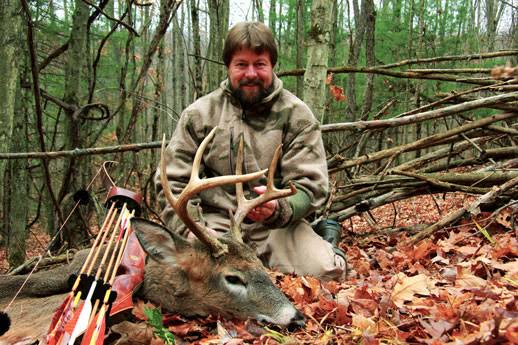
What You Need Before You Start
- Valid license, tags, permits, and current regulation knowledge
- A legal hunting method appropriate for the season
- Required visibility clothing
- Weather-appropriate layers and reliable boots
- Map, compass, GPS, or hunting app with verified boundaries
- First aid kit, water, food, headlamp, and emergency communication
- Binoculars for safe observation and target identification
- Full-body harness for elevated hunting
- Gloves, game bags, cooler, and legal transport supplies
How to Hunt Bedding Areas: Step-by-Step Guide
Step 1: Confirm Laws, Access, and Boundaries
Check the official regulations before scouting or hunting. Confirm that the land is open, your route is legal, the season and weapon are correct, and you have any required permission. Do not assume an old map, sign, app boundary, or previous access arrangement is still valid.
Step 2: Start With Map Scouting
Use aerial imagery and topographic maps to identify thick cover, terrain points, benches, creek crossings, saddles, edge habitat, food sources, and secluded pockets. Mark likely access routes that avoid primary deer trails. Map scouting narrows the search, but field confirmation is still necessary.
Step 3: Scout the Edges Before Entering the Core
Begin on the downwind edge and look for trails, tracks, droppings, rubs, scrapes, and transitions. Follow sign only as far as needed to understand movement. In-season, avoid walking through the center unless you accept the risk of disturbing the area.
Step 4: Identify Entry and Exit Trails
Determine which trails lead toward evening food and which routes may be used when deer return in the morning. Look for converging paths, fence gaps, creek crossings, narrow cover strips, and terrain pinches. These locations can offer a safer interception point than the bed itself.
Step 5: Find a Staging Area
A staging area is secure cover between bedding and an open feeding location. Deer may pause there before entering exposed ground. A setup near staging cover can provide daylight movement without requiring the hunter to enter the core bedding zone.
Step 6: Plan Around Wind and Thermals
Choose a wind that keeps your scent away from both the expected bed and the likely travel route. In rolling or mountainous terrain, warming air may rise and cooling air may fall. Watch milkweed, powder, leaves, or other legal wind indicators at ground and stand height.
Step 7: Select a Low-Impact Access Route
Use ditches, creeks, field edges, roads, terrain folds, or dense screening cover where legal and safe. Avoid crossing fresh tracks, food-to-bed trails, and open areas visible from the bedding cover. Prepare the route during an appropriate scouting period rather than making noise on the hunt.
Step 8: Set Up Outside the Most Sensitive Cover
Beginners should usually start farther back on a funnel, travel corridor, or staging edge. A close setup offers less margin for changing wind, unexpected deer movement, or noisy entry. Move closer only after repeated observation shows a clear advantage and a clean access plan.
Step 9: Use Safe Stand or Blind Placement
Choose a location with a safe background, legal shooting lanes, and clear visibility. For a tree stand, use a full-body harness and stay connected from the ground up. For a ground blind, avoid setting up where another hunter could mistake movement or where shots would cross roads, trails, buildings, or property lines.
Step 10: Arrive at the Right Time
Morning entry can be difficult because deer may already be near the route. Evening access is often simpler when deer are still bedded, but the wind must remain favorable through sunset and exit. Time the approach according to local movement rather than a rigid clock rule.
Step 11: Stay Still, Observe, and Avoid Forcing the Hunt
Once set up, minimize movement and noise. Watch secondary trails as well as the obvious path. If the wind changes or another hunter, vehicle, livestock activity, or weather event compromises the setup, leave safely rather than forcing a poor situation.
Step 12: Take Only a Safe, Legal, Ethical Opportunity
Act only when the animal is clearly identified, legal to harvest, within your practiced ability, and positioned with a safe background. Pass on uncertain, obstructed, rushed, or unsafe opportunities.
Step 13: Follow Recovery, Tagging, and Reporting Rules
After a legal harvest, follow local tagging and reporting requirements immediately. Recover responsibly, avoid entering unsafe terrain in darkness without a plan, and ask an experienced hunter, conservation officer, or approved recovery service for help when needed.
Best Time, Place, and Conditions
| Factor | Practical Consideration |
|---|---|
| Morning | Potential movement back toward cover, but access can disturb deer already near the bedding area. |
| Evening | Often easier to approach while deer are bedded, especially on trails leading toward food. |
| Wind | Favor a steady crosswind or quartering wind that keeps scent away from the bed and route. |
| Thermals | Expect local air currents to change as slopes warm or cool. |
| Weather | Light moisture can quiet leaves, while strong shifting winds may make scent control unpredictable. |
| Pressure | Heavily hunted deer may use thicker cover, alternate exits, or delayed movement. |
| Season | Patterns can change with food availability, breeding activity, hunting pressure, and weather. |
Helpful Tips for Better Results
- Save your best close-range setup for a reliable wind.
- Mark multiple stand or blind options for different wind directions.
- Scout after the season to learn beds without harming current opportunities.
- Use observation setups before moving closer.
- Keep camera checks and stand visits to a minimum.
- Enter and exit with the same care used during the hunt.
- Record wind, weather, tracks, sightings, and access results after every sit.
Common Mistakes to Avoid
- Walking directly into thick cover without a plan
- Ignoring wind shifts and thermals
- Crossing the main trail during entry
- Hunting the same bed repeatedly
- Choosing a tree before checking background safety
- Relying on scent products instead of wind
- Entering too early in the morning and alerting nearby deer
- Leaving through the feeding route after dark
- Trusting unverified property boundaries
- Taking a shot outside personal ability
Troubleshooting Common Problems
| Problem | Possible Cause | What to Do |
|---|---|---|
| You are not seeing deer | Old sign, poor timing, pressure, or wrong trail | Back out, scout the edges, and test a different route or wind. |
| Deer blow before reaching you | Scent reaches the bed or downwind loop | Move farther away or choose a crosswind setup. |
| Deer appear after legal light | Setup is too close to the food source and too far from staging cover | Move carefully toward a legal daylight travel feature without entering the bed. |
| You bump deer on entry | Route crosses return trails or starts too late | Change access, timing, or hunt the evening instead. |
| The wind changes during the sit | Front, terrain, or thermal shift | Leave safely before scent contaminates the bedding area. |
| Other hunters use the area | Public-land pressure or shared access | Communicate respectfully, maintain safe separation, and use another legal setup. |
| Boundary is unclear | Map error or missing markers | Stop and verify with the landowner or managing agency before proceeding. |
Ethical Hunting and Conservation
Responsible hunting requires restraint. Respect wildlife by taking only legal, high-confidence opportunities and making every reasonable effort to recover and use the harvest. Respect landowners, other hunters, hikers, livestock, and property boundaries. Obey seasons and limits, avoid habitat damage, remove litter, and leave access points cleaner than you found them.
License revenue and regulated participation can support wildlife management, habitat work, and hunter education. That benefit depends on hunters following science-based rules and maintaining public trust through safe, ethical conduct.
When to Get More Training or Professional Guidance
Seek additional instruction when you have not completed hunter education, are unfamiliar with firearms or bows, cannot identify legal boundaries, lack tree-stand training, are hunting new terrain, or are unsure about game recovery and meat care. Good resources include official wildlife agencies, certified hunter education instructors, conservation officers, reputable conservation organizations, and experienced ethical mentors.
After the Hunt: Gear Care and Learning
- Unload and store firearms or bows according to law and manufacturer instructions.
- Inspect harnesses, stands, ropes, straps, and climbing equipment.
- Clean boots, optics, clothing, and tools appropriately.
- Complete all required harvest reports and records.
- Review wind, entry, exit, sightings, and mistakes in a hunting journal.
- Update maps with confirmed trails and areas to avoid.
- Prepare responsibly for meat cooling, transport, and storage.
Recommended Hunting Gear and Tools to Consider
You do not need the most expensive equipment. Select gear for local laws, terrain, weather, hunting method, skill level, and safety.
- Legal firearm, bow, or other permitted method
- Full-body tree-stand harness where applicable
- Required visibility clothing
- Reliable boots and weather layers
- Binoculars
- Map, compass, GPS, or hunting app
- Wind indicator
- First aid kit and emergency communication
- Headlamp and spare power
- Clean game-care supplies
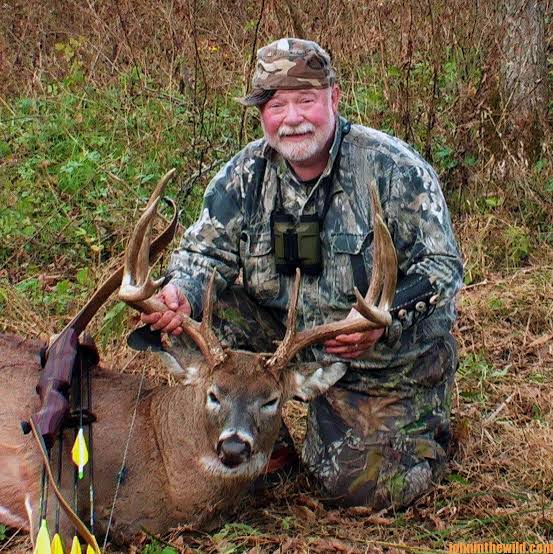
Final Thoughts
The central lesson in how to hunt bedding areas is to protect the location from your own presence. Find the bed, but focus your hunting on the safest downwind edge, staging cover, funnel, or travel route. Plan every entry and exit, wait for favorable conditions, and pass on setups or shots that are not legal, safe, or ethical. Careful scouting, patience, restraint, and respect for wildlife will improve your hunting more than repeatedly pushing deeper into cover.
Frequently Asked Questions
What does a deer bedding area look like?
A bedding area is usually a place where deer can rest with cover, visibility, wind advantage, or easy escape routes. Look for oval depressions, flattened leaves or grass, nearby tracks, droppings, hair, and several trails entering or leaving cover.
Should beginners hunt directly inside a bedding area?
Usually no. A safer and more repeatable approach is to hunt a travel route, staging area, funnel, or downwind edge. Entering the core too often can alert deer and reduce future opportunities.
How close should a stand be to a bedding area?
There is no universal distance. Stay far enough away that your scent, noise, and access route do not disturb the bed, but close enough to intercept legal movement during hunting hours.
What wind is best for hunting bedding areas?
Use a wind that carries your scent away from the expected bed and travel route. A crosswind is often easier to manage than a wind blowing directly toward or directly away from the deer.
Can deer circle downwind of a bedding area?
Yes. Deer may use wind and terrain to check for danger. Avoid setting up where your scent cone covers likely approach routes or escape cover.
When should I scout bedding areas?
Post-season and off-season scouting usually creates less immediate hunting pressure. In-season scouting should be limited, quiet, legal, and timed to reduce the chance of disturbing deer.
Is morning or evening better near bedding cover?
Morning setups can be effective when deer return from feeding areas, but access is risky because animals may already be nearby. Evening setups are often easier when hunters can approach without crossing feeding-to-bedding travel routes.
How do I find beds on a map?
Start with thick cover, leeward ridges, points, islands of cover, brushy edges, creek bends, benches, and transitions near food or water. Confirm map predictions with legal ground scouting.
Do mature bucks use different beds than does?
They may use more isolated beds with wind and visibility advantages, but behavior varies by habitat, pressure, season, and individual animal. Avoid treating any pattern as guaranteed.
What is a staging area?
A staging area is cover between a bed and a primary feeding area where deer may pause before entering more open ground. It can be a lower-impact setup than the core bedding area.
What is a bedding-area funnel?
A funnel is a narrow travel feature such as a creek crossing, saddle, fence gap, strip of cover, or terrain pinch that concentrates movement between bedding and other resources.
How does hunting pressure affect bedding areas?
Repeated human scent, noise, cameras, stand visits, and poor access can shift deer movement or push them toward thicker cover. Reduce unnecessary trips and rotate setups.
Can I use trail cameras near bedding cover?
Only where legal and permitted. Place cameras on edges or travel routes when possible, minimize visits, and check current public-land and electronic-device rules.
Should I trim shooting lanes near a bed?
Only with landowner or agency permission. Excessive cutting can expose your location, damage habitat, create noise, and violate land-management rules.
Is scent-control clothing enough to beat a deer’s nose?
No. Clean clothing and careful odor management may help, but wind direction and access planning remain more important.
How should I enter a bedding-area setup?
Use terrain, vegetation, creeks, roads, field edges, or other legal features that hide movement. Avoid crossing fresh tracks, primary trails, and expected scent-checking routes.
How should I leave after dark?
Plan the exit before the hunt. Use a light safely where legal, unload or secure equipment according to regulations and manufacturer guidance, and avoid walking through the bedding core.
Can I hunt bedding areas from the ground?
Yes, when visibility, background safety, cover, and legal shooting lanes are adequate. A ground setup may reduce climbing risk but requires careful target and background identification.
What tree-stand safety equipment is essential?
Use a properly fitted full-body harness and remain connected during ascent, hunting, and descent. Inspect the stand, straps, steps, and tree before every use.
How do thermals affect bedding-area hunting?
Air currents often rise as the ground warms and fall as it cools, especially in hilly terrain. These shifts can carry scent in unexpected directions, so observe local conditions rather than relying only on a forecast.
What should I do if deer keep detecting me?
Reevaluate wind, thermals, access, stand height, movement, noise, and pressure. Move farther from the bed rather than forcing a closer setup.
How many times should I hunt the same bedding setup?
That depends on wind, access, sightings, and pressure. Avoid repeated low-odds sits that contaminate the area; preserve strong setups for favorable conditions.
Can I hunt bedding areas on public land?
Yes where hunting is open and legal, but verify boundaries, parking, access, weapon restrictions, season rules, and other-user considerations with the managing agency.
Do I need permission to cross private land to reach public land?
Yes. Public ownership does not create a right to cross private property. Use a legal public access route or obtain explicit permission.
What should I do after a successful harvest?
Follow tagging, reporting, transport, and recovery rules immediately. Use clean tools and gloves, cool meat promptly, and seek help if you are unsure about recovery or processing.