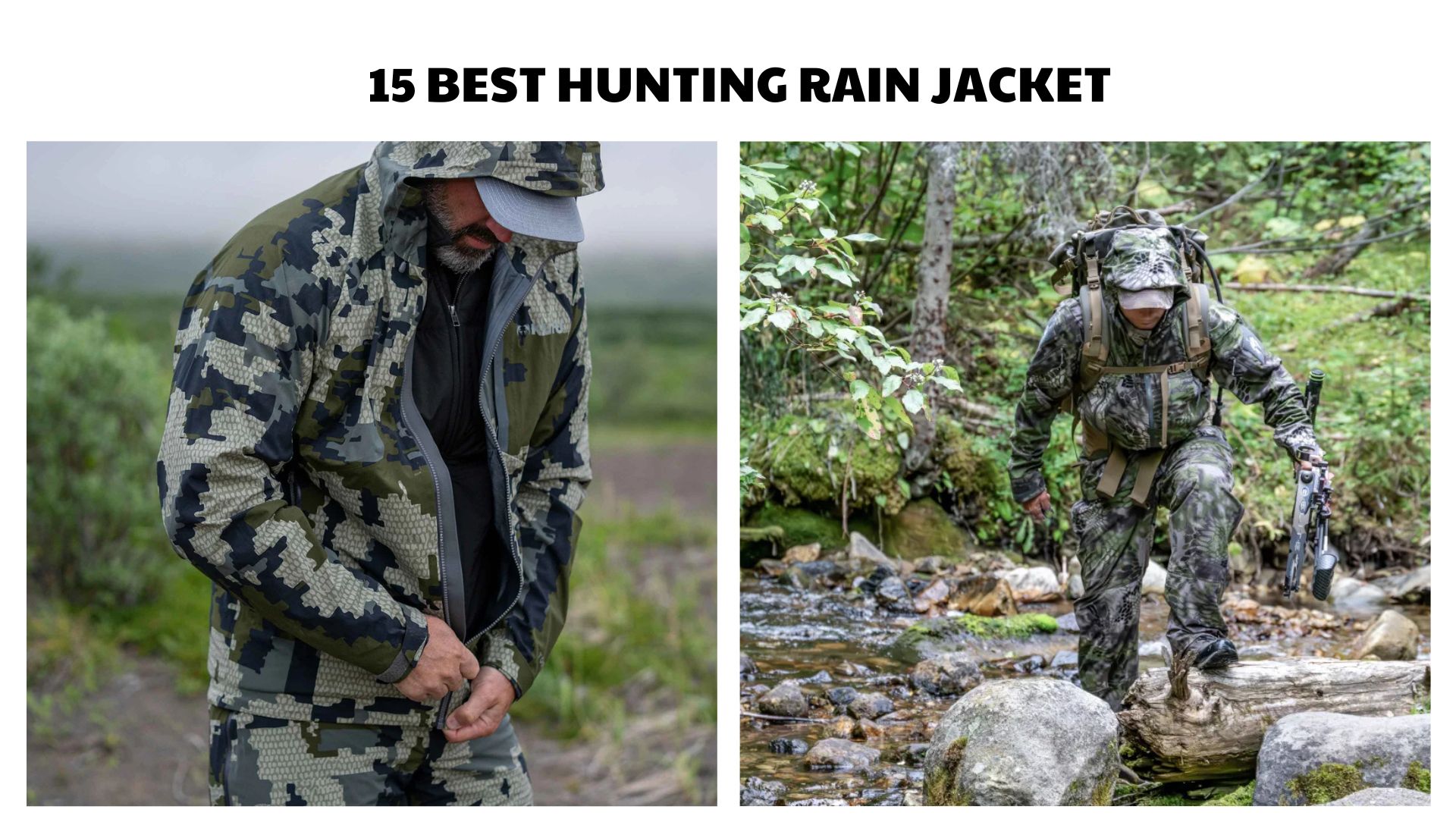
Choosing the best hunting rain jacket is not just about staying dry. A good hunting rain jacket can help you stay comfortable, move quietly, protect your layers, manage sweat, and remain focused when rain, wind, fog, or wet brush turns a normal hunt into a cold and uncomfortable day.
Hunters, anglers, campers, and outdoor workers often face the same problem: many rain jackets are either waterproof but noisy, breathable but not durable enough, or lightweight but not ideal for rough brush. The right jacket depends on your hunting style, local weather, terrain, layering system, and how much walking or sitting you expect to do.
This guide compares 15 Amazon options that match common wet-weather hunting needs, including lightweight packable shells, camo rain jackets, waterfowl jackets, cold-weather outer layers, and practical budget-friendly rainwear. The products were selected around buyer intent, outdoor usefulness, brand reputation, customer feedback signals, waterproof protection, build quality, comfort, packability, hood design, pocket layout, and field value.
As with any hunting gear, use your rain jacket responsibly. Always follow federal, state, and local hunting laws, carry the proper license or tag, hunt during legal seasons, respect land access rules, and avoid overconfidence in extreme weather. Rain gear improves comfort, but it does not replace weather awareness, navigation planning, cold-weather safety, or ethical decision-making in the field.
Key Takeaways
- Choose a waterproof hunting rain jacket if you hunt in wet brush, steady rain, marshes, creek bottoms, or damp mountain terrain.
- Quiet fabric matters for deer hunting, bowhunting, turkey hunting, and close-range setups where loud rain shells can give you away.
- Breathability and pit vents are useful if you hike, climb, scout, or pack gear while wearing the jacket.
- Packable rain jackets are best for unpredictable weather, while heavier waterfowl jackets are better for cold, wet, stationary hunts.
- The best option depends on your hunting style, terrain, layering system, legal season, and weather conditions.
Quick Picks:
- Best Overall: SITKA Dew Point Hooded Jacket on Amazon
- Best Budget Option: HOT SHOT Men’s Camo Rain Jacket on Amazon
- Best Premium Pick: Badlands Alpha Camo Jacket on Amazon
- Best for Packability: Kryptek Jupiter Waterproof Rain Jacket on Amazon
- Best for Waterfowl Hunting: Drake Waterfowl MST CommandXT Eqwader Full-Zip Jacket on Amazon
Best Hunting Rain Jacket Comparison Table
| Product | Best For | Material / Build | Weather Protection | Noise / Mobility | Packability | Check Price |
|---|---|---|---|---|---|---|
| SITKA Dew Point Hooded Jacket | Best Overall | Lightweight technical hunting shell | Waterproof and breathable design | Good for active mountain and backcountry use | Highly packable | Check Price on Amazon |
| Badlands Alpha Camo Jacket | Premium Hunting Shell | Camo hunting rain jacket | Waterproof protection for wet hunts | Designed for hunting mobility | Packable field shell | Check Price on Amazon |
| HOT SHOT Men’s Camo Rain Jacket | Best Budget Option | Lightweight camo rain jacket | Waterproof hooded design | Good for hunting, fishing, hiking, and camping | Easy to carry | Check Price on Amazon |
| FROGG TOGGS Pilot II Guide Jacket | Fishing and Hunting Crossover | Waterproof breathable rain jacket | Sealed wet-weather design | Good for boat, bank, blind, and field use | Moderate packability | Check Price on Amazon |
| FROGG TOGGS Pilot 3 Guide Rain Jacket | Anglers and Wet-Weather Hunters | Guide-style rain shell | Waterproof rain protection | Practical for mixed outdoor use | Not ultralight, but practical | Check Price on Amazon |
| AYIN Hunting Camo Rain Suit | Jacket and Pant Value Set | Camo rain suit | Windproof and waterproof-style protection | Good for light-to-medium wet conditions | Useful backup rainwear | Check Price on Amazon |
| SCENTBLOCKER Drencher Rain Jacket | Deer and Treestand Hunting | Camo hooded hunting jacket | Waterproof breathable rainwear design | Built for hunting movement and stand use | Moderate | Check Price on Amazon |
| King’s Camo Climatex II Rain Jacket | Camo Rain Shell | Hunter Series rain jacket | Water-shedding rain protection | Designed for field use | Lightweight | Check Price on Amazon |
| King’s Camo XKG Paramount Rain Jacket | Hard-Shell Rain Protection | Waterproof hard shell | Rain, wind, and extended wet-weather use | More technical than basic rainwear | Packs into its hood | Check Price on Amazon |
| Kryptek Jupiter Waterproof Rain Jacket | Lightweight Packable Pick | Packable hunting shell | Waterproof breathable rain jacket | Good for mobile hunters | Excellent | Check Price on Amazon |
| Drake Waterfowl MST CommandXT Eqwader Half-Zip | Duck and Marsh Hunting | Waterfowl hunting pullover | Waterproof, windproof, breathable-style build | Good for blinds and boats | Less packable than ultralight shells | Check Price on Amazon |
| Drake Waterfowl MST CommandXT Eqwader Full-Zip | Waterfowl Full-Zip Comfort | Full-zip waterfowl jacket | Wet, windy, and cool-weather use | Easy on/off in the blind | Moderate | Check Price on Amazon |
| Huntworth Winsted Tricot Waterproof Hunting Jacket | Quiet Budget Hunting | Tricot camo hunting jacket | Waterproof-style protection | Soft outer feel for quieter movement | Moderate | Check Price on Amazon |
| Rivers West Stalker Waterproof Windproof Jacket | Brush and Cold Rain | Camouflage hunting jacket | Waterproof and windproof-style protection | Good for slower-paced hunts | Not the lightest option | Check Price on Amazon |
| Killik Summit Axiom 2.0 Waterproof Hunting Jacket | Modern Camo Rain Layer | Lightweight waterproof hunting jacket | Rain and wind protection | Designed for outdoor hunting layers | Packable | Check Price on Amazon |
The most reliable hunting rain jacket for your needs depends on whether you prioritize low weight, quiet movement, waterproofing, breathability, durability, or cold-weather coverage. Lightweight shells such as the SITKA Dew Point and Kryptek Jupiter make sense for mobile hunters, while heavier waterfowl jackets from Drake or Rivers West are better for wet blinds, cold marshes, and slower hunts. Budget buyers can start with HOT SHOT, AYIN, or Huntworth, but should check sizing, return policies, and current customer feedback before ordering.
1. SITKA Dew Point Hooded Jacket on Amazon
Short Overview
The SITKA Dew Point Hooded Jacket is one of the strongest choices for hunters who want a lightweight, technical rain shell rather than a bulky outer layer. It is best suited for mobile hunters, western hunters, backpack hunters, and anyone who needs rain protection that can ride in a pack until bad weather arrives. The jacket stands out because it is designed around waterproof breathable protection, a practical hood, adjustable cuffs, and ventilation features for active movement. It is especially useful when you are hiking ridges, glassing in changing weather, or layering over a fleece or synthetic insulation piece. The main buyer problem it solves is the balance between rain protection and packability. Many cheap rain jackets feel clammy or noisy, while this style of technical hunting shell is built for serious wet-weather use. It is not a heavy insulated jacket, so cold-weather hunters should plan a proper layering system underneath. For hunters who want one premium shell for mountain storms, wet brush, and unpredictable forecasts, this is the best overall pick in this list.
Key Features
- Lightweight waterproof breathable hunting shell
- Hooded design for sudden rain and wind
- Pack-friendly pocket layout
- Adjustable cuffs and hem for sealing out weather
- Good choice for layering over base and mid layers
Pros
- Excellent option for serious mobile hunters
- Lightweight enough for backpack and mountain use
- Good balance of weather protection and breathability
- Premium hunting-specific design
Cons
- Premium models usually cost more than basic rain jackets
- Not an insulated cold-weather jacket by itself
- Technical shells may still require careful care and maintenance
Who It’s Best For
This jacket is best for mobile deer hunters, elk hunters, backcountry hunters, backpack hunters, and serious outdoor users who want a premium waterproof hunting rain jacket that can be layered for changing weather.
2. Badlands Alpha Camo Jacket on Amazon
Short Overview
The Badlands Alpha Camo Jacket is a premium hunting rain jacket for buyers who want camo, packability, and a brand known in the hunting gear space. It is a strong fit for hunters who move between glassing points, sit in wet timber, or need a dependable outer layer for changing weather. Compared with basic rain shells, this jacket is more hunting-focused in pattern, layout, and overall field use. It is useful for deer hunting, elk hunting, turkey hunting, and general backcountry scouting when rain is likely but temperatures are not extreme. It helps solve the common problem of carrying a rain jacket that is either too flimsy for brush or too bulky to pack. The Alpha is best used as part of a layering system rather than as your only cold-weather insulation. Hunters should check size availability and current color options before buying. It is a smart premium alternative if you want something more hunting-specific than a standard hiking rain jacket.
Key Features
- Camo hunting rain jacket design
- Lightweight field shell construction
- Packable enough for changing forecasts
- Useful for deer, elk, and turkey hunting setups
- Designed for wet-weather hunting rather than casual rain use only
Pros
- Good premium pick for hunters who want camo rainwear
- Practical for unpredictable mountain or timber weather
- More hunting-focused than many generic rain jackets
- Good choice for layering over midweight insulation
Cons
- May cost more than budget camo rain jackets
- May not be warm enough alone in freezing rain
- Availability can vary by size and color
Who It’s Best For
This jacket is best for hunters who want a premium camo rain shell for deer, elk, turkey, and general wet-weather hunting without carrying an overly heavy coat.
3. HOT SHOT Men’s Camo Rain Jacket on Amazon
Short Overview
The HOT SHOT Men’s Camo Rain Jacket is a practical budget-friendly choice for hunters who need a waterproof-style camo outer layer without jumping into premium pricing. It is designed for hunting, fishing, hiking, camping, and other wet-weather outdoor activities. The biggest advantage is simplicity: it gives beginners a rain jacket with camouflage, hood coverage, and easy field use. It is a good option for early-season deer hunters, youth mentors buying backup rainwear, or casual hunters who need something for occasional wet days. It may not be as refined as a premium technical shell, but it solves the basic problem of getting caught in rain without a proper outer layer. Buyers should check sizing, sleeve length, and return options carefully before ordering. It is also a useful jacket to keep in a truck, blind bag, or camp gear bin. For value-focused hunters, it is one of the easiest picks to recommend.
Key Features
- Lightweight camo rain jacket
- Waterproof hooded design
- Useful for hunting, fishing, hiking, and camping
- Beginner-friendly rainwear option
- Good backup jacket for wet forecasts
Pros
- Affordable choice for beginner hunters
- Good option for occasional rainy hunts
- Camo pattern supports hunting use
- Easy to keep as spare rain gear
Cons
- May not match premium shells for durability or breathability
- Not ideal as a primary jacket for harsh multi-day storms
- Fit and sizing should be checked carefully
Who It’s Best For
This jacket is best for budget buyers, beginner hunters, casual deer hunters, campers, and anglers who want a simple camo rain jacket for occasional wet-weather use.
4. FROGG TOGGS Pilot II Guide Jacket on Amazon
Short Overview
The FROGG TOGGS Pilot II Guide Jacket is a strong crossover option for hunters and anglers who spend time around boats, banks, blinds, and wet field edges. It is designed more like guide rainwear than a minimalist hunting shell, which makes it practical for people who want pockets, coverage, and utility. The jacket is especially useful for fishing trips, waterfowl scouting, rainy camp chores, and hunts where you may be exposed to steady rain. Compared with very light packable shells, it may feel more substantial, but that can be a benefit when you want more structure. It helps solve the problem of cheap rain jackets that wet out quickly or feel too basic for long outdoor days. Hunters should consider whether the color options match their field use, because not every outdoor rain jacket needs full camo. It pairs well with waterproof pants or bibs for full rain protection. For anglers who also hunt, this is a practical dual-purpose pick.
Key Features
- Waterproof breathable guide-style rain jacket
- Hooded coverage for boat, bank, and blind use
- Pocket layout suitable for outdoor accessories
- Useful for fishing, hunting, and camping
- More structured than ultralight emergency shells
Pros
- Good crossover jacket for fishing and hunting
- Practical coverage for steady rain
- Useful pocket layout for outdoor use
- Good choice for boat and blind conditions
Cons
- May not be as quiet as soft hunting-specific fabric
- Not the lightest option for backpack hunters
- Some hunters may prefer camo-specific patterns
Who It’s Best For
This jacket is best for anglers, duck hunters, campers, and outdoorsmen who need reliable rain coverage for boats, blinds, shorelines, and wet camp conditions.
5. FROGG TOGGS Pilot 3 Guide Rain Jacket on Amazon
Short Overview
The FROGG TOGGS Pilot 3 Guide Rain Jacket is another strong wet-weather option for outdoor users who want guide-style protection instead of a fashion raincoat. It is useful for fishing, hunting, camping, and general wet-weather travel. The jacket’s appeal is practical coverage, weather resistance, and usefulness around water. For hunters, it makes the most sense for waterfowl, fishing-hunting crossover use, scouting, and camp duty. It may not be the quietest jacket for close-range bowhunting, but it can be a strong choice when rain protection matters more than absolute silence. It is also a good backup jacket for truck-based hunters and anglers who need rainwear ready at all times. Buyers should compare sizes and color options carefully because fit matters when layering. If you want a practical rain jacket from a rainwear-focused brand, this is a useful option to compare.
Key Features
- Guide-style waterproof rain jacket
- Suitable for fishing, hunting, and outdoor work
- Hooded protection for wet weather
- Practical design for steady rain exposure
- Useful as a truck, boat, or camp rain jacket
Pros
- Good practical rain coverage
- Useful for anglers and hunters
- More protective than thin emergency ponchos
- Good for wet, windy outdoor days
Cons
- May be less silent than soft camo hunting shells
- Not designed primarily for stealthy bowhunting
- May be bulkier than ultralight backpacking shells
Who It’s Best For
This jacket is best for anglers, waterfowl hunters, campers, and outdoor users who want dependable guide-style rainwear for wet trips and mixed field use.
6. AYIN Hunting Camo Rain Suit on Amazon
Short Overview
The AYIN Hunting Camo Rain Suit is a value-focused option for buyers who want both jacket and pants instead of buying pieces separately. It is best for hunters who need backup rain protection for mild to moderate wet conditions. A rain suit can be useful for turkey hunting, early-season deer hunting, wet brush walks, fishing trips, and camp use. The biggest benefit is full-body coverage, because a good jacket alone still leaves your pants exposed to rain, soaked grass, and muddy vegetation. Compared with premium hunting rain gear, this suit may not offer the same refinement, but it gives beginners a simple way to build a wet-weather kit. It is also a practical choice for keeping in a vehicle, boat, or hunting pack. Buyers should not assume every budget rain suit is ideal for extreme storms or hard mountain use. For the money-conscious hunter, it is a useful entry-level option.
Key Features
- Includes camo rain jacket and pants
- Designed for wet hunting and outdoor use
- Useful for backup rain protection
- Good for fishing, camping, and light field use
- Practical full-body coverage
Pros
- Good value because jacket and pants are included
- Useful for occasional rainy hunts
- Camo pattern supports hunting use
- Easy to keep as emergency rain gear
Cons
- May not match premium rainwear for breathability
- Not ideal for extreme storms or heavy brush
- Fit may require careful sizing checks
Who It’s Best For
This rain suit is best for beginner hunters, backup gear buyers, turkey hunters, anglers, and campers who want simple full-body rain protection without buying separate premium pieces.
7. SCENTBLOCKER Blocker Outdoors Drencher Rain Jacket on Amazon
Short Overview
The SCENTBLOCKER Drencher Rain Jacket is a hunting-focused camo rain jacket for deer hunters, treestand hunters, and early-season hunters who expect wet weather. It is built around a hooded, camo design rather than a generic hiking jacket look. This makes it a better fit for hunters who care about concealment, quiet movement, and field-specific usability. It can help solve the problem of getting soaked while sitting in a stand or walking through dripping brush after rain. The jacket works best when paired with matching rain pants or quiet hunting pants. It is not a substitute for heavy insulation in freezing rain, so cold-weather hunters should layer carefully. Buyers should check the current size, camo pattern, and customer feedback before ordering. For deer hunters who want a recognizable hunting rain jacket, it belongs on the shortlist.
Key Features
- Camo hooded hunting rain jacket
- Designed for wet-weather deer hunting
- Useful for treestand, blind, and still-hunting setups
- Can pair with rain pants for full coverage
- Hunting-specific look and layout
Pros
- Good for deer and treestand hunters
- Camo design supports concealment
- Practical for wet brush and rainy sits
- Better hunting focus than generic rain jackets
Cons
- May require matching pants for full protection
- Not a heavy insulated winter parka
- Sizing and pattern availability may vary
Who It’s Best For
This jacket is best for deer hunters, treestand hunters, bowhunters, and early-season hunters who want a camo rain jacket designed specifically for wet hunting conditions.
8. King’s Camo Hunter Series Climatex II Rain Jacket on Amazon
Short Overview
The King’s Camo Hunter Series Climatex II Rain Jacket is a lightweight camo rain jacket for hunters who want a simple outer shell from a hunting-focused brand. It is a good option for spot-and-stalk hunters, deer hunters, turkey hunters, and anyone who wants rain protection without carrying a heavy coat. The jacket is most useful in mild to cool weather where the main concern is rain and wind rather than deep cold. It can be layered over fleece, merino, or synthetic insulation as needed. One advantage of this style is that it fits easily into a practical hunting kit without feeling overbuilt. It helps solve the problem of going into the field with no rain shell because the forecast looked uncertain. It is not the best option for extremely rough brush if you expect constant abrasion. For hunters wanting a camo rain shell at a reasonable level, it is a solid pick.
Key Features
- Hunter Series camo rain jacket
- Lightweight rain shell design
- Useful for mild to cool wet-weather hunts
- Works with a layering system
- Designed for hunting rather than casual streetwear
Pros
- Good lightweight camo rain option
- Practical for deer and turkey hunting
- Easy to pack for uncertain forecasts
- Good value for hunters who do not need a premium shell
Cons
- Not a heavy-duty winter parka
- May need careful layering in cold rain
- May not be ideal for constant thick-brush abuse
Who It’s Best For
This jacket is best for hunters who want a lightweight camo rain shell for deer, turkey, scouting, camping, and general wet-weather field use.
9. King’s Camo XKG Paramount Rain Jacket on Amazon
Short Overview
The King’s Camo XKG Paramount Rain Jacket is a more technical hard-shell style option for hunters who expect serious rain, wind, and longer exposure. It is best for hunters who want a durable rain shell that can support demanding trips. The jacket is a strong choice for western hunters, backpack hunters, and anyone who wants a more protective shell than a basic budget jacket. A notable advantage is packability, since it is designed to store compactly when not in use. It helps solve the problem of carrying a jacket that is either too casual for field use or too bulky for long hikes. The hard-shell style can be more protective in heavy weather, but hunters should consider noise level and layering comfort for close-range hunting. It is best used with a breathable base layer and a smart midlayer underneath. If you want a higher-end King’s Camo rain shell, this is the better pick over basic models.
Key Features
- Waterproof hard-shell rain jacket style
- Designed for wind and rain protection
- Packs into its hood for easier carry
- Works well for mountain and extended hunts
- Good outer layer for a technical hunting system
Pros
- More protective than simple emergency rainwear
- Good choice for serious wet-weather hunts
- Packable design supports mobile hunters
- Useful for rain, wind, and changing mountain weather
Cons
- Hard shells can be louder than soft brushed fabrics
- Premium design may cost more than basic rainwear
- Still requires insulation layers in cold conditions
Who It’s Best For
This jacket is best for mobile hunters, western hunters, mountain hunters, and buyers who want a technical hunting rain shell with better weather protection than entry-level options.
10. Kryptek Jupiter Waterproof Rain Jacket on Amazon
Short Overview
The Kryptek Jupiter Waterproof Rain Jacket is a lightweight, breathable, packable hunting shell for hunters who value mobility and concealment. It is a good match for backpack hunters, spot-and-stalk hunters, turkey hunters, and anyone who needs a rain jacket that can stay in a pack until needed. The jacket’s appeal is that it is not trying to be a heavy parka; it is a portable rain layer. This makes it especially useful for mild to cool seasons when rain is likely but insulation needs change throughout the day. It helps solve the common problem of leaving rain gear behind because it takes up too much pack space. The camo pattern adds hunting usefulness compared with plain outdoor shells. It may not be the best single jacket for freezing, stationary sits unless you layer underneath. For active hunters who want low-bulk rain protection, it is one of the better packable picks.
Key Features
- Lightweight waterproof rain jacket style
- Breathable packable hunting shell
- Camo pattern for field concealment
- Good for mobile hunters and changing weather
- Useful as an emergency rain layer in a pack
Pros
- Excellent packable option
- Good for hiking and active hunting
- Camo design fits hunting use
- Better than carrying no rain shell at all
Cons
- Not intended as a heavy insulated jacket
- May require quiet movement in close-range setups
- Thin packable shells may need careful handling around sharp brush
Who It’s Best For
This jacket is best for backpack hunters, mobile turkey hunters, deer hunters, scouting trips, and outdoor users who want a compact camo rain shell.
11. Drake Waterfowl MST CommandXT Eqwader Half-Zip Jacket on Amazon
Short Overview
The Drake Waterfowl MST CommandXT Eqwader Half-Zip Jacket is made for waterfowl hunters who need protection in wet, windy, muddy, and cool conditions. It is more specialized than a basic rain shell because waterfowl hunting often involves boat spray, blind moisture, marsh grass, and long periods of sitting. The half-zip design can be convenient for hunters who like pullover coverage and a secure front. It is useful for duck blinds, marsh setups, dog handling, and cold mornings around water. Compared with ultralight rain jackets, this style is less about minimal backpack weight and more about waterfowl practicality. It helps solve the problem of wearing a thin rain shell that does not feel substantial enough around wet blinds. Buyers should check whether they prefer half-zip or full-zip access before choosing. For duck and goose hunters, this is one of the most relevant category-specific picks.
Key Features
- Waterfowl-focused hunting jacket
- Half-zip pullover design
- Waterproof, windproof, breathable-style construction
- Useful for blinds, marshes, boats, and wet fields
- Designed for cool wet-weather hunting
Pros
- Excellent match for duck and goose hunting
- Good coverage for wet blind conditions
- More substantial than ultralight rain shells
- Useful for cold, damp mornings
Cons
- Less packable than minimalist rain shells
- Half-zip design may not suit everyone
- More specialized for waterfowl than general hiking
Who It’s Best For
This jacket is best for waterfowl hunters, marsh hunters, boat-blind hunters, dog handlers, and outdoorsmen who need a wet-weather layer for cool, damp conditions around water.
12. Drake Waterfowl MST CommandXT Eqwader Full-Zip Jacket on Amazon
Short Overview
The Drake Waterfowl MST CommandXT Eqwader Full-Zip Jacket is a strong alternative to the half-zip version for hunters who prefer easier on-and-off access. Full-zip jackets are helpful in blinds, trucks, boats, and layering situations because you can vent quickly or remove the jacket without pulling it over your head. It is a practical choice for waterfowl hunters who deal with wet brush, wind, fog, mud, and changing temperatures. The jacket is more field-specific than generic rainwear, making it useful for duck and goose hunters who need pockets, coverage, and weather resistance. It helps solve the problem of bulky layers that are hard to manage once you are seated in a blind. It is not the lightest backpacking rain shell, but that is not its main purpose. Hunters should compare the half-zip and full-zip versions based on comfort and layering style. If you want waterfowl rain protection with easier access, this is the better Drake option.
Key Features
- Full-zip waterfowl hunting jacket
- Designed for wet, windy, and cool outdoor conditions
- Useful for duck blinds and marsh hunts
- Easy to layer and ventilate
- Good alternative to pullover-style jackets
Pros
- Full zip is convenient for layering
- Good waterfowl-specific design
- Practical for blinds, boats, and wet fields
- Useful for cool damp conditions
Cons
- Not as compact as a backpacking shell
- More specialized than general hunting rain jackets
- May feel too warm or bulky for mild active hikes
Who It’s Best For
This jacket is best for duck hunters, goose hunters, marsh hunters, and anyone who wants a waterfowl rain jacket with convenient full-zip access.
13. Huntworth Winsted Men’s Tricot Waterproof Hunting Jacket on Amazon
Short Overview
The Huntworth Winsted Tricot Waterproof Hunting Jacket is a practical choice for hunters who want a softer camo rain layer without premium pricing. Tricot-style outer fabric can feel quieter than slick rain-shell fabric, which matters for deer hunting and close-range setups. This jacket is best for treestand hunters, still hunters, and beginners who hunt wet timber or brushy areas. It helps solve the problem of noisy rain jackets that make too much sound when rubbing against branches or a safety harness. It is not the most technical mountain shell in this list, but it has a useful place for budget-conscious hunters. The jacket should be layered appropriately in cold weather because waterproof outer layers alone do not create enough warmth for long stationary sits. Buyers should inspect sizing, construction, and return options. For quieter budget hunting, it is worth considering.
Key Features
- Tricot camo hunting jacket
- Waterproof-style field protection
- Softer outer feel than slick rain shells
- Useful for treestand and deer hunting
- Budget-friendly hunting rainwear option
Pros
- Good quieter option for deer hunting
- Camo pattern supports field concealment
- Useful for wet timber and brush
- Good value for occasional hunters
Cons
- Not as technical as premium rain shells
- May need layering for cold weather
- Durability should be matched to your terrain
Who It’s Best For
This jacket is best for deer hunters, treestand hunters, beginner hunters, and value-focused buyers who want a quieter camo rain jacket for wet woods.
14. Rivers West Stalker Waterproof Windproof Camouflage Hunting Jacket on Amazon
Short Overview
The Rivers West Stalker Waterproof Windproof Camouflage Hunting Jacket is built for hunters who care more about weather coverage and durability than ultralight packability. It is a good choice for cold rain, wet brush, and slower-paced hunting where you are not counting every ounce. The jacket is especially useful for deer hunting, predator hunting, stand hunting, and wet-weather scouting. Compared with lightweight shells, it may feel more substantial, which can be helpful when wind and rain are both factors. It helps solve the problem of wearing a thin shell that flaps, chills, or feels underbuilt in rough field conditions. It is not the first pick for high-mile backpacking hunts because weight and bulk matter there. Buyers should consider their activity level before choosing it. For rugged, slower hunts in wet conditions, it is a strong practical option.
Key Features
- Waterproof and windproof-style camouflage hunting jacket
- Good for cold rain and wet brush
- More substantial than minimalist shells
- Useful for stand hunting and field use
- Designed for hunters who value coverage and durability
Pros
- Good for wet and windy conditions
- Useful for slower-paced hunts
- Substantial feel for rough weather
- Camo design supports hunting use
Cons
- Not the lightest option for backpack hunts
- May feel warm during high-output hiking
- Less compact than packable shells
Who It’s Best For
This jacket is best for deer hunters, stand hunters, predator hunters, and outdoor users who want a more substantial waterproof windproof-style hunting jacket for cold rain and brush.
15. Killik Summit Axiom 2.0 Waterproof Hunting Jacket on Amazon
Short Overview
The Killik Summit Axiom 2.0 Waterproof Hunting Jacket is a modern camo rain layer for hunters who want waterproof protection, packability, and a field-focused look. It is best for hunters who need a jacket for rain, wind, and unpredictable weather without choosing a heavy insulated parka. This makes it useful for spot-and-stalk hunting, scouting, deer hunting, elk hunting, and general outdoor use. The jacket helps solve the problem of carrying casual rainwear that does not match hunting terrain or concealment needs. It should be used with proper base and mid layers when temperatures drop. Buyers should confirm current size availability and product details before purchase because online listings can vary by color and option. It is a good alternative if premium brands are outside your budget but you still want a hunting-specific waterproof jacket. For modern camo rainwear, it is a strong final option in this comparison.
Key Features
- Waterproof camo hunting jacket design
- Lightweight rain layer for field use
- Useful for spot-and-stalk, deer, and elk hunting
- Packable enough for changing weather
- Works with a cold-weather layering system
Pros
- Good modern camo rain jacket option
- Useful for mobile hunters
- More hunting-focused than generic rainwear
- Good alternative to higher-priced premium shells
Cons
- May not be as proven as older established models
- Requires layering in cold rain
- Availability may vary by size and pattern
Who It’s Best For
This jacket is best for hunters who want a modern waterproof camo rain jacket for deer, elk, scouting, and general wet-weather field use.

Buying Guide: How to Choose the Best Hunting Rain Jacket
The best hunting rain jacket should match your hunting style first. A treestand deer hunter sitting for hours in drizzle has different needs than a western elk hunter climbing steep ridges in scattered storms. Waterfowl hunters may need more wind protection, better pocket access, and a jacket that works around waders. Turkey hunters may need quiet fabric and packability. Before buying, think about where, when, and how you hunt.
Waterproof protection is the main reason to buy a rain jacket, but not all waterproof jackets feel the same in the field. Some jackets use technical waterproof breathable membranes, while others use coated fabrics or water-resistant treatments. Look for sealed or taped seams, a protective hood, adjustable cuffs, and a hem that helps prevent rain from entering. If you hunt in steady rain, wet brush, or marsh conditions, prioritize true rainwear over casual windbreakers.
Breathability matters when you walk, climb, drag gear, scout, or hike to a stand. A jacket that keeps rain out but traps sweat can make you wet from the inside. Pit zips, vents, breathable membranes, and smart layering can help manage moisture. Active hunters should avoid overdressing under rain gear. Wear a moisture-wicking base layer and add insulation only when needed.
Noise level is one of the biggest differences between hunting rain jackets and normal rain jackets. Slick hard shells often shed rain well, but they can make noise against brush, backpack straps, tree bark, or safety harnesses. Soft brushed fabrics are usually quieter, but they may be heavier or less packable. Bowhunters, deer hunters, and turkey hunters should place a higher priority on quiet fabric. Waterfowl hunters and anglers may care more about weather protection and durability than absolute silence.
Fit and layering are critical. A rain jacket should fit over your normal hunting layers without restricting your shoulders, elbows, or draw motion. If you bowhunt, test your range of motion. If you use binocular harnesses, packs, waders, or a safety harness, think about pocket placement and zipper access. A jacket that fits perfectly over a T-shirt may feel tight over fleece in November.
Hood design can make or break wet-weather comfort. A good hood should cover your head without blocking too much peripheral vision. Adjustable hoods are helpful in wind. Some hunters prefer a hood that fits over a cap or beanie. If you hunt with hearing protection, a brimmed hat, or face covering, consider how the hood works with your setup.
Durability depends on terrain. If you hunt thick briars, deadfall, pine plantations, or rocky country, a thin ultralight shell may wear faster. If you mostly sit in a blind or carry the jacket as backup, packability may matter more than abrasion resistance. There is always a tradeoff between light weight, quietness, durability, and price.
Packability matters for mobile hunting. A packable jacket is easier to carry, so you are more likely to bring it when the forecast is uncertain. The downside is that very light shells may offer less warmth and may require more careful handling. For backpack hunters, a compact shell such as the SITKA Dew Point, Kryptek Jupiter, or King’s Camo XKG Paramount style makes sense. For waterfowl hunters, a heavier Drake or Rivers West-style jacket may be more practical.
Pockets and zipper layout should match your gear. Chest pockets can be easier to access with a pack belt. Hand pockets are useful in camp or while glassing. Waterfowl hunters may prefer larger pockets for calls, gloves, or small accessories. Avoid overloading pockets with items that create noise or interfere with safe firearm handling.
Camo pattern should match your terrain, but do not overthink it. Movement, wind, scent discipline, shot ethics, and setup often matter more than the exact pattern. Forest hunters may prefer woodland camo, while marsh hunters may prefer grass or waterfowl patterns. Solid earth tones can also work for some outdoor use, especially when hunting regulations or safety requirements call for blaze orange over the top.
Cold-weather compatibility is important. A rain jacket is usually not enough insulation by itself. For cold rain, use a moisture-wicking base layer, a warm midlayer, and a waterproof outer shell. If your wet-weather hunts overlap with snow season, pair the jacket with proper footwear. Many hunters researching rain gear also compare best insulated hunting boots for snow, waterproof hunting boots for snow, warm hunting boots for winter, cold weather hunting boots, hunting boots for deep snow, winter hunting boots for men, snow hunting boots, insulated waterproof hunting boots, hunting boots for freezing temperatures, and boots for deer hunting in snow. Jackets and boots work together as part of a complete weather-protection system.
Safety and responsible use should always guide your buying decision. Rain gear can help you stay comfortable, but it cannot make dangerous weather safe. Check forecasts, avoid lightning exposure, carry navigation tools, let someone know your plan, and know when to leave the field. Follow all hunting laws, licensing requirements, bag limits, legal seasons, firearm safety rules, and land access rules. Ethical hunting means staying prepared, taking responsible shots only, and respecting wildlife and other people outdoors.

Common Mistakes to Avoid When Buying Hunting Rain Jackets
- Buying a casual rain jacket instead of hunting rainwear: Casual jackets may be too noisy, too bright, or poorly suited for field layering.
- Ignoring breathability: A waterproof jacket that traps sweat can leave you damp and cold during active hunts.
- Choosing the wrong size: Always allow room for base layers, fleece, or insulation without restricting movement.
- Assuming all waterproof jackets are quiet: Some hard shells are loud in brush, especially during bowhunting.
- Forgetting rain pants: A jacket protects your upper body, but wet pants can still make a hunt miserable.
- Buying too much insulation: A warm jacket can cause overheating on long hikes.
- Buying too little protection: Thin emergency rainwear may not survive brush, wind, and repeated field use.
- Not checking the hood: A poor hood can block vision or fail to protect your face in wind-driven rain.
- Ignoring return policies: Sizing varies across brands, so check Amazon return options before buying.
- Overlooking local laws: Some seasons require blaze orange or other visibility rules that may affect how you wear camo rain gear.
Expert Tips for Using Hunting Rain Jackets
- Test your jacket before hunting season so you know how it fits over your normal layers.
- Wear moisture-wicking base layers under rain gear to reduce sweat buildup.
- Avoid cotton layers in cold rain because cotton holds moisture and can chill you.
- Use pit zips or vents before you start sweating heavily during uphill hikes.
- Keep the hood adjusted so it protects you without blocking vision or hearing.
- Dry your jacket fully after each hunt to reduce odor, mildew, and fabric wear.
- Carry rain pants if you expect wet brush, marsh grass, or long sits in steady rain.
- Choose quiet fabric for bowhunting and close-range deer hunting.
- Reapply manufacturer-approved water-repellent treatments when the fabric stops beading water.
- Follow ethical hunting practices, local regulations, legal seasons, and safe firearm handling rules at all times.

Final Recommendation
The best hunting rain jacket overall for serious mobile hunters is the SITKA Dew Point Hooded Jacket on Amazon because it offers a strong balance of lightweight packability, waterproof protection, breathability, and hunting-focused design. It is especially useful for hunters who hike, glass, scout, and deal with fast-changing weather.
For a more budget-friendly option, the HOT SHOT Men’s Camo Rain Jacket on Amazon is a practical starter pick. For premium camo rainwear, consider the Badlands Alpha Camo Jacket on Amazon. For waterfowl hunting, the Drake Waterfowl Eqwader options make the most sense. For packable backup rain protection, the Kryptek Jupiter and King’s Camo XKG Paramount are worth comparing.
Before ordering, check current Amazon availability, sizing charts, color options, recent customer feedback, and return policies. Choose based on your climate, terrain, hunting method, layering system, comfort needs, waterproof protection, quietness, durability, and responsible field use. If this guide helped you compare wet-weather hunting gear, share it with a hunting partner, camping group, fishing buddy, or family member who needs better rain protection outdoors.
FAQs About Hunting Rain Jackets
1. What should I look for in the best hunting rain jacket?
Look for waterproof protection, sealed seams, a protective hood, quiet fabric, breathable construction, proper fit, and enough room for layering. Hunters should also consider pocket placement, packability, durability, camo pattern, and how the jacket performs in their local terrain. A treestand hunter may need quiet fabric more than low weight, while a mountain hunter may need a light breathable shell that packs small.
2. Is a waterproof hunting rain jacket better than a water-resistant jacket?
A waterproof hunting rain jacket is usually better for steady rain, wet brush, marshes, and long sits. A water-resistant jacket may handle mist or brief drizzle, but it can wet out during extended exposure. If you hunt in unpredictable weather, waterproof rainwear is the safer choice. Always check manufacturer wording because “water-resistant” and “waterproof” are not the same thing.
3. Are hunting rain jackets noisy?
Some rain jackets are noisy, especially slick hard shells. Hunting-specific jackets often try to reduce noise with softer fabrics, brushed faces, or designs built for field movement. Bowhunters and deer hunters should pay special attention to fabric noise because small sounds can matter at close range. If possible, move your arms, shoulder a pack, and test the jacket before hunting.
4. Do I need a camo rain jacket for hunting?
You do not always need camo, but camo can help break up your outline in timber, brush, grass, or marsh cover. Movement control, wind direction, setup, and legal visibility requirements are often more important than the exact camo pattern. In some seasons, you may need blaze orange over your rain jacket. Always follow local regulations.
5. What is the best rain jacket for deer hunting?
The best rain jacket for deer hunting should be quiet, waterproof, comfortable, and roomy enough for layering. Treestand hunters often prefer soft, quiet camo rainwear that does not scrape loudly against bark, harness straps, or ladder stands. Mobile deer hunters may prefer a lighter packable shell. The SCENTBLOCKER Drencher, Huntworth Winsted, Badlands Alpha, and SITKA Dew Point are all worth comparing.
6. What is the best rain jacket for waterfowl hunting?
Waterfowl hunters usually need more wind protection, stronger wet-weather coverage, and a design that works around blinds, boats, waders, and calls. Drake Waterfowl jackets are strong category-specific options because they are built around duck and goose hunting conditions. A fishing-style rain jacket from FROGG TOGGS can also work well around boats and wet blinds.
7. Should I choose a lightweight or heavy hunting rain jacket?
Choose lightweight if you hike far, backpack, scout, or only need rain protection when storms arrive. Choose heavier if you sit in cold rain, hunt waterfowl, move through brush, or need more structure and wind protection. The right choice depends on activity level. Active hunters often overheat in heavy jackets, while stationary hunters can get chilled in thin shells.
8. Are packable rain jackets durable enough for hunting?
Packable rain jackets can be durable enough for many hunts, but they are not always ideal for heavy briars, sharp deadfall, or constant brush abrasion. They are best for mobile hunters who need emergency or lightweight storm protection. If your terrain is rough, consider a more substantial jacket or accept that ultralight gear requires more careful use.
9. Can I wear a normal hiking rain jacket for hunting?
Yes, you can wear a normal hiking rain jacket for hunting, especially in solid earth tones. However, hiking jackets may be noisier, brighter, or less field-specific than hunting rain jackets. They may also have pocket layouts that conflict with bino harnesses or packs. For close-range hunting, quiet fabric and concealment may matter more.
10. What is the best rain jacket for bowhunting?
For bowhunting, choose a quiet, non-restrictive jacket with good shoulder mobility and minimal fabric noise. Avoid bulky sleeves that interfere with your bowstring. Test your draw cycle while wearing the jacket and your normal layers. A good bowhunting rain jacket should protect you without changing your shooting form or creating noise at the wrong moment.
11. Should a hunting rain jacket be insulated?
Not always. Many hunters prefer a non-insulated waterproof shell because it works across more seasons and can be layered over different insulation levels. Insulated rain jackets are useful for cold, stationary hunts, especially waterfowl or treestand hunting. For active hunting, too much insulation can cause sweat buildup, which can make you colder later.
12. How should a hunting rain jacket fit?
A hunting rain jacket should fit comfortably over your base and mid layers without restricting movement. You should be able to raise your arms, shoulder a pack, sit, climb, draw a bow, or mount a shotgun safely depending on your activity. The cuffs should close around gloves, and the hem should not ride up when you bend or sit.
13. Why does breathability matter in rain gear?
Breathability helps moisture vapor escape while you move. Without breathability, sweat can build up inside the jacket and make your layers damp. This is especially important for hiking, climbing, scouting, or packing gear. Breathability does not mean you will never sweat, but it can help reduce clamminess when used with smart layering.
14. Are pit zips useful on hunting rain jackets?
Pit zips are very useful for active hunters because they let heat escape without removing the jacket. They are helpful during uphill climbs, long walks, or warm rainy days. If you mostly sit still in a treestand, pit zips are less critical but still convenient. For mobile hunters, ventilation can make a big difference in comfort.
15. How important is the hood on a hunting rain jacket?
The hood is very important because rain running down your neck can quickly make you cold and uncomfortable. A good hood should adjust securely, move with your head, and avoid blocking too much vision. Hunters should test hood fit with a cap, beanie, face mask, or hearing protection if they use those items.
16. Should I buy matching rain pants?
Matching rain pants are helpful if you hunt wet brush, marshes, tall grass, or steady rain. A rain jacket protects your upper body, but soaked pants can still ruin a hunt. Full rain suits are especially useful for turkey hunters, waterfowl hunters, and anyone walking through wet vegetation. For short sits in light rain, pants may be optional.
17. What is the best budget hunting rain jacket?
The best budget hunting rain jacket is one that gives you reliable rain coverage, acceptable comfort, and a fit that works with your layers. HOT SHOT, AYIN, Huntworth, and some King’s Camo options are good places to compare. Budget buyers should read recent reviews carefully and avoid assuming a low-cost jacket will perform like a premium technical shell.
18. What is the best premium hunting rain jacket?
Premium hunters should compare the SITKA Dew Point, Badlands Alpha, King’s Camo XKG Paramount, and other technical hunting shells. A premium jacket usually makes the most sense if you hunt often, hike long distances, or face unpredictable weather. Casual hunters may not need to spend as much if they only hunt a few rainy days per season.
19. Can a rain jacket replace a winter hunting jacket?
No, a rain jacket usually cannot replace a winter hunting jacket unless it is insulated and designed for cold weather. Most rain shells block rain and wind but do not provide much warmth by themselves. In cold rain, wear a moisture-wicking base layer and a warm midlayer under your waterproof shell. Avoid relying on rain gear alone in freezing conditions.
20. What should I wear under a hunting rain jacket?
Wear a moisture-wicking base layer first, then add fleece, wool, or synthetic insulation depending on temperature. Avoid cotton in cold rain because it holds moisture. Your outer rain jacket should protect the layers underneath from rain and wind. Adjust layers before you sweat heavily, especially during long hikes.
21. How do I keep from sweating inside rain gear?
Start slightly cool, use breathable layers, open vents early, and avoid overdressing. Many hunters wait until they are already sweating before venting, which is too late. If you are hiking uphill, open pit zips or front zippers when safe. Once you stop moving, close vents and add insulation if needed.
22. Is Gore-Tex necessary for a hunting rain jacket?
Gore-Tex is not strictly necessary, but it is a well-known waterproof breathable technology used in many premium shells. Other waterproof breathable fabrics can also work well. The key is whether the jacket fits your use, stays dry enough for your conditions, breathes adequately, and holds up in your terrain. Do not buy based on fabric name alone.
23. How do I know if a rain jacket is good for brush?
Look for stronger face fabric, reinforced construction, practical seams, and customer feedback from hunters using it in real terrain. Thin ultralight jackets are great for packability but may not be best for briars or deadfall. If you hunt thick cover, durability and quietness may matter more than saving a few ounces.
24. Are fishing rain jackets good for hunting?
Fishing rain jackets can be excellent for hunting around water, boats, marshes, and camp. They often provide strong rain coverage and practical pockets. However, some fishing jackets may be noisy or lack camo. They are best for waterfowl, wet scouting, and general outdoor use rather than close-range bowhunting in thick timber.
25. What is the best hunting rain jacket for elk hunting?
Elk hunters usually need a lightweight, breathable, packable rain shell because western hunts often involve hiking, glassing, elevation changes, and unpredictable storms. The SITKA Dew Point, Badlands Alpha, Kryptek Jupiter, and King’s Camo XKG Paramount are good styles to compare. Make sure the jacket fits over insulation and works with your pack.
26. What is the best hunting rain jacket for turkey hunting?
Turkey hunters need quiet fabric, camo, and packability. Spring hunts often involve wet mornings, dripping leaves, and sudden showers. A lightweight camo rain jacket can be carried in a vest or pack until needed. Avoid loud shells that make noise when you shift position, raise a call, or adjust your setup.
27. What is the best rain jacket for treestand hunting?
Treestand hunters should prioritize quietness, hood coverage, and enough room for warm layers. Since movement is limited, breathability is less important than it is for mountain hunting, but comfort still matters. A camo rain jacket that does not scrape loudly against a safety harness or tree bark is ideal. Always use a proper fall-arrest safety harness when hunting from elevated stands.
28. How do I dry a hunting rain jacket after a hunt?
Shake off excess water, hang the jacket in a ventilated area, and let it dry fully before storage. Do not stuff a wet jacket into a pack or bin for days because mildew and odor can develop. Follow the manufacturer’s care instructions for drying and washing. Avoid high heat unless the care label specifically allows it.

29. Can I wash a hunting rain jacket?
Most hunting rain jackets can be washed, but you should always follow the care label. Use appropriate technical garment cleaner if recommended, avoid harsh detergents when possible, and do not use fabric softener unless the manufacturer allows it. Washing can help restore breathability by removing dirt, oils, and sweat. Reapply approved water-repellent treatment when needed.
30. Why did my rain jacket stop beading water?
Rain jackets often rely on a durable water-repellent finish on the outer fabric. Over time, dirt, abrasion, and repeated use can reduce water beading. The waterproof layer may still work, but the face fabric can feel wet and heavy. Clean the jacket and use a manufacturer-approved DWR treatment if recommended.
31. Is a poncho better than a hunting rain jacket?
A poncho is useful for emergency rain coverage, but a hunting rain jacket is usually better for mobility, brush, wind, and weapon handling. Ponchos can flap, snag, and make noise. A fitted rain jacket is safer and more practical for most hunting activities. Ponchos still have a place in camp, glassing, or emergency kits.
32. Should I size up in a hunting rain jacket?
Many hunters size up if they plan to wear thick layers underneath, but sizing up too much can create baggy fabric that catches wind or makes noise. Check the brand’s sizing chart and recent customer comments. Ideally, the jacket should allow layering without feeling sloppy. Bowhunters should test sleeve clearance carefully.
33. What jacket is best for warm rainy hunts?
For warm rainy hunts, choose a lightweight breathable rain jacket with ventilation. Heavy insulated jackets can cause overheating and sweat buildup. Packable shells from SITKA, Kryptek, King’s Camo, HOT SHOT, or similar brands are better for mild weather. Wear a light moisture-wicking base layer underneath.
34. What jacket is best for cold rainy hunts?
For cold rain, choose a waterproof outer shell with enough room for insulation or use a more substantial waterfowl or cold-weather hunting jacket. Drake Waterfowl and Rivers West-style jackets are good examples for wet and cool conditions. Keep your base layer dry, protect your hands, and watch for signs of cold stress during long sits.
35. Are hunting rain jackets good for camping?
Yes, many hunting rain jackets work well for camping, hiking, fishing, and general outdoor use. Camo may not matter at camp, but waterproof coverage, hood protection, and durability are still useful. A packable jacket is especially helpful for backpacking or emergency weather. Just avoid using strong campfire smoke or heat near technical fabrics.
36. Can I use a hunting rain jacket for fishing?
Yes, many hunters also use rain jackets for fishing. FROGG TOGGS guide jackets are especially useful for anglers because they are designed around rain and water exposure. If you fish from a boat, look for secure cuffs, hood coverage, and pockets that work with your life jacket. Always follow boating and fishing safety regulations.
37. What makes a rain jacket breathable?
Breathability comes from fabric technology, membrane design, vents, and garment construction. Breathable jackets allow some moisture vapor from sweat to escape while blocking rain from entering. No jacket can eliminate sweat completely during hard activity. Good layering and ventilation are still necessary.
38. How long should a hunting rain jacket last?
A hunting rain jacket can last several seasons or longer depending on fabric quality, terrain, frequency of use, care, and storage. Heavy brush, backpack straps, and rough weather can shorten lifespan. Clean and dry the jacket properly after each hunt. Avoid storing it compressed and wet.
39. What is the difference between a rain shell and a softshell?
A rain shell is designed primarily to block rain and wind. A softshell usually focuses more on stretch, comfort, and breathability, but may only be water-resistant unless specified otherwise. Some hunting softshells handle light rain well but are not ideal for steady downpours. If the forecast calls for real rain, choose a waterproof rain shell.
40. Is a hard-shell rain jacket too loud for hunting?
Some hard-shell jackets are louder than soft hunting fabrics, but they also offer strong weather protection and packability. Whether the noise matters depends on your hunting style. A mountain hunter in open terrain may accept more shell noise, while a bowhunter in close timber may want a quieter brushed outer fabric.
41. What is the best rain jacket for public land hunting?
Public land hunters often walk more, carry more gear, and need versatile clothing. A packable, breathable, waterproof rain jacket is usually best. Choose one that fits over layers, works with a backpack, and does not make too much noise. Also follow all public land rules, access boundaries, and blaze orange requirements.
42. What is the best rain jacket for hunting from a blind?
Blind hunters can use slightly heavier jackets because packability is less critical. Comfort, warmth, waterproofing, and pocket access are more important. Waterfowl jackets and full-zip camo rain jackets are practical choices. Make sure the jacket does not restrict safe firearm handling or create unnecessary movement inside the blind.
43. Should I buy a rain jacket with many pockets?
Pockets are useful, but too many pockets can add weight, noise, and bulk. Choose pockets that match your hunting style. Chest pockets are good with packs, hand pockets are useful for warmth, and larger pockets help waterfowl hunters organize calls or gloves. Do not overload pockets with noisy items.
44. How do I reduce odor in a hunting rain jacket?
Dry the jacket fully, store it clean, and avoid leaving it in smoky, damp, or food-scented areas. Follow the care label when washing. Some hunters use scent-control storage bags, but wind direction and clean clothing habits matter more than relying on one product. Never use harsh chemicals that could damage waterproof fabric.
45. Can rain gear affect firearm safety?
Yes, bulky sleeves, loose cuffs, or dangling cords can interfere with safe handling if you are careless. Keep cuffs adjusted, avoid loose fabric around the trigger area, and maintain muzzle awareness at all times. Rain gear should improve comfort without creating unsafe movement. Always follow firearm safety rules and local laws.
46. What should beginners avoid when buying hunting rain gear?
Beginners should avoid buying the cheapest jacket without checking fit, waterproofing, noise, and return policy. They should also avoid buying a heavy insulated jacket for active warm-weather hunts. Start with the conditions you actually hunt most often. A practical midrange rain jacket is usually better than a specialized jacket that does not match your terrain.
47. Can a rain jacket help in snow?
A rain jacket can help block wind and wet snow, but it does not replace insulation or proper winter gear. In snow, you need warm layers, gloves, head protection, and insulated waterproof boots. If you hunt snow often, build a complete system rather than relying only on a rain shell. Watch for cold stress and changing weather.
48. Are Amazon hunting rain jackets reliable?
Amazon has many reliable options, but quality varies by brand, seller, model, and size. Check current product details, recent reviews, return policy, and seller information before buying. Stick with exact product pages rather than search pages. Avoid listings with unclear materials, poor images, or confusing sizing information.
49. How do I choose between SITKA, Badlands, Drake, and budget brands?
Choose SITKA or Badlands if you hunt often, hike far, or want premium technical rainwear. Choose Drake if you mainly hunt waterfowl or wet blinds. Choose budget brands like HOT SHOT, AYIN, or Huntworth if you need occasional rain protection without a premium investment. Your real hunting frequency and weather exposure should guide the decision.
50. What is the final best hunting rain jacket recommendation?
For most serious hunters, the SITKA Dew Point Hooded Jacket is the best overall pick because it balances waterproof protection, packability, breathability, and hunting-specific design. For budget buyers, the HOT SHOT Men’s Camo Rain Jacket is a practical starter option. For waterfowl hunters, Drake Waterfowl jackets are more specialized. For packability, compare Kryptek Jupiter and King’s Camo XKG Paramount before choosing.