
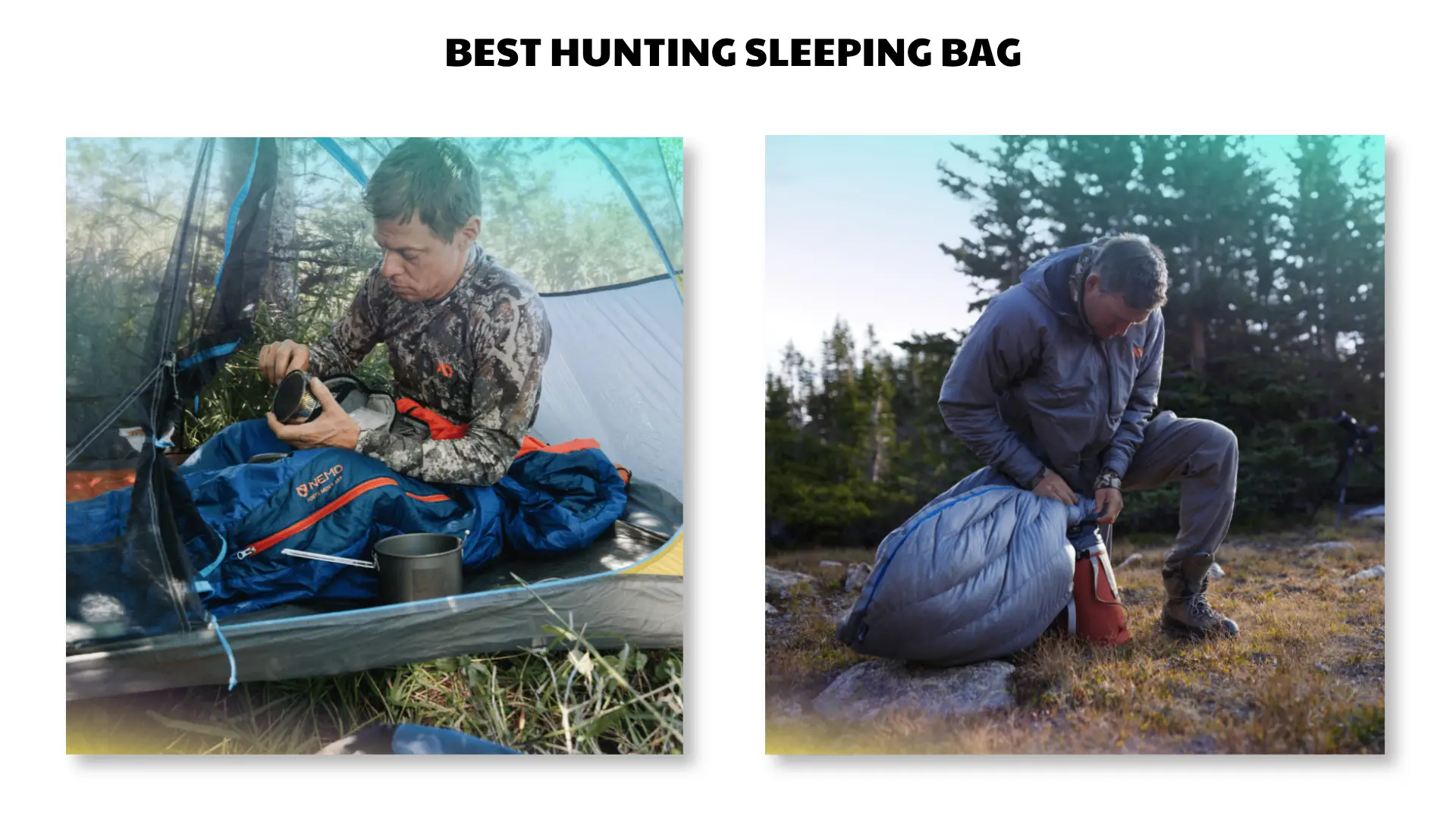
Always follow local hunting regulations, public-land and private-land access rules, fire restrictions, stove and shelter instructions, firearm or archery safety rules, and leave a trip plan with a reliable person. A sleeping bag cannot replace training, judgment, navigation, communication, first aid, or an emergency exit plan.
How We Chose These Hunting Sleeping Bags
We compared common hunter search needs with current manufacturer and retailer descriptions, then grouped products by carry weight, insulation type, shape, moisture tolerance, roominess, temperature options, packability, and value. We did not treat a marketing temperature as a guaranteed comfort result, and we favored products that solve a clear hunting-camp problem.
Quick Picks
- Best Overall: Kelty Cosmic 20 Down Mummy Sleeping Bag
- Best Cold Synthetic: TETON Sports LEEF 0°F Mummy Sleeping Bag
- Best Budget Cold Weather: Coleman North Rim 0°F Big & Tall Mummy Sleeping Bag
- Best Budget Backpacking: TETON Sports TrailHead 20°F Mummy Sleeping Bag
- Best Roomy Base Camp: TETON Sports Celsius Regular 0°F Sleeping Bag
- Best for Big and Tall: HiZYNICE 0°F XXL Flannel Sleeping Bag
Best Hunting Sleeping Bag Comparison Table
| Product | Best For | Key Features | Important Notes | Check Details |
|---|---|---|---|---|
| Kelty Cosmic 20 Down Mummy Sleeping Bag | Best Overall for Mobile Hunters | 550-fill-power down insulation in a mummy-shaped design; Recycled shell and liner fabrics with a PFAS-free water-repellent treatment listed for current versions | Costs more than entry-level synthetic bags. Verify exact variant and current rating. | Check Price |
| TETON Sports LEEF 0°F Mummy Sleeping Bag | Best Synthetic Bag for Cold Backcountry Camps | Cold-weather 0°F option in the LEEF line; Mummy profile with hood, draft-control features, and shaped footbox | Heavier and bulkier than down bags with similar marketing ratings. Verify exact variant and current rating. | Check Price |
| Coleman North Rim 0°F Big & Tall Mummy Sleeping Bag | Best Budget Cold-Weather Option | Mummy shape with adjustable hood; Insulated footbox and full-length draft tube | Too heavy and bulky for most serious backpack hunts. Verify exact variant and current rating. | Check Price |
| TETON Sports TrailHead 20°F Mummy Sleeping Bag | Best Budget Backpacking Pick | 20°F option with mummy hood and draft-control construction; Synthetic microfiber insulation | Less compressible than a quality down bag. Verify exact variant and current rating. | Check Price |
| TETON Sports Celsius Regular 0°F Sleeping Bag | Best Roomy Base-Camp Bag | Roomy rectangular profile with hooded head area; Synthetic insulation and draft-control construction | Large packed size. Verify exact variant and current rating. | Check Price |
| Coleman Big Bay 20°F Mummy Sleeping Bag | Best for Temperature Versatility | Big Bay line offered in multiple temperature versions; Foot ventilation for releasing heat | Bulkier than lightweight backpacking bags. Verify exact variant and current rating. | Check Price |
| Retrospec Dream 15°F Mummy Sleeping Bag | Best Value Feature Set | Dream line offered in several temperature ratings, including 15°F; Water-resistant shell and synthetic insulation | Newer product line with less long-term track record than legacy models. Verify exact variant and current rating. | Check Price |
| QEZER 20°F 600-Fill-Power Down Sleeping Bag | Best Lightweight Down Value | 600-fill-power down listed for the product family; Mummy shape with hood and compression sack | Variant-heavy listing requires careful selection. Verify exact variant and current rating. | Check Price |
| HiZYNICE 0°F XXL Flannel Sleeping Bag | Best for Big and Tall Hunters | XXL rectangular dimensions for added shoulder and leg room; Cotton-flannel lining with synthetic insulation | Heavy and bulky. Verify exact variant and current rating. | Check Price |
| Bessport 15–45°F Mummy Sleeping Bag | Best Entry-Level Mild-Weather Bag | Mummy form with adjustable hood; Synthetic insulation and washable construction | Broad 15–45°F marketing range can be confusing. Verify exact variant and current rating. | Check Price |
Product specifications, colors, sizes, temperature variants, and availability may change. Follow the product page and manufacturer instructions for the exact version selected.
Best Hunting Sleeping Bag Reviews
1. Kelty Cosmic 20 Down Mummy Sleeping Bag
Best Overall for Mobile Hunters
A practical three-season down bag for hunters who need a better warmth-to-pack-size balance than bulky base-camp bags.
Key Features
- 550-fill-power down insulation in a mummy-shaped design
- Recycled shell and liner fabrics with a PFAS-free water-repellent treatment listed for current versions
- Roomier footbox, draft protection, internal stash pocket, and included stuff sack
Pros
- More packable than most heavy synthetic camp bags
- Comfort-oriented footbox for hunters who dislike cramped toes
- Strong fit for early- and mid-season backpack hunts
Cons
- Costs more than entry-level synthetic bags
- Down insulation requires disciplined moisture protection
Field Notes
This is the most balanced choice in the guide for a hunter carrying camp on foot. Its down fill reduces bulk, while the mummy cut limits unused interior space. Broad-shouldered users and restless side sleepers should confirm the selected size before a trip.
Safety and Legal Notes
Keep the bag inside a waterproof pack liner or dry bag. A water-repellent shell is not a substitute for a dry shelter. Match the bag with an insulated sleeping pad and choose a comfort margin below the expected overnight low.
Best For
Backcountry deer or elk hunters, three-season backpack hunters, and buyers who value packability without moving into the highest premium price tier.
2. TETON Sports LEEF 0°F Mummy Sleeping Bag
Best Synthetic Bag for Cold Backcountry Camps
A cold-rated synthetic mummy bag for hunters who expect damp conditions and can accept more packed bulk than a comparable down bag.
Key Features
- Cold-weather 0°F option in the LEEF line
- Mummy profile with hood, draft-control features, and shaped footbox
- Compression sack included for transport
Pros
- Synthetic insulation is easier to manage in damp environments
- Warm-oriented design without premium down pricing
- Good choice for truck-to-trail or moderate-distance pack-ins
Cons
- Heavier and bulkier than down bags with similar marketing ratings
- A 0°F label should not be treated as a universal comfort rating
Field Notes
The LEEF is useful when moisture resilience matters more than ultralight weight. It suits late-season base camps and shorter backcountry approaches, but a small hunting pack may struggle with its compressed volume.
Safety and Legal Notes
Do not use the printed rating as a stand-alone safety plan. Check the forecast, pad R-value, shelter ventilation, clothing, personal cold tolerance, and manufacturer guidance. Carry an emergency communication plan in remote country.
Best For
Late-season hunters, synthetic-insulation buyers, and hunters who encounter condensation, wet snow, or repeated damp mornings.
3. Coleman North Rim 0°F Big & Tall Mummy Sleeping Bag
Best Budget Cold-Weather Option
A widely available cold-weather mummy bag with a roomy length and a value-oriented synthetic build for vehicle-supported hunting camps.
Key Features
- Mummy shape with adjustable hood
- Insulated footbox and full-length draft tube
- Designed to fit many users up to approximately 6 feet 2 inches
Pros
- Accessible price for a cold-weather design
- Roomier length than many budget mummy bags
- Machine-washable construction is convenient after dusty camps
Cons
- Too heavy and bulky for most serious backpack hunts
- Fit around shoulders can feel restrictive for some larger users
Field Notes
The North Rim works best when a truck, ATV-legal access point, or fixed camp carries most of the load. It offers useful cold-control details, but its weight is a poor trade for long climbs or multi-day pack-outs.
Safety and Legal Notes
Coleman describes this as a 0°F bag, but real comfort depends on the complete sleep system. Test it in controlled conditions before relying on it during a remote late-season hunt.
Best For
Budget-conscious hunters, big-and-tall users who fit the stated dimensions, family camp use, and cold base camps near a vehicle.
4. TETON Sports TrailHead 20°F Mummy Sleeping Bag
Best Budget Backpacking Pick
A lighter synthetic mummy bag for early-season and milder shoulder-season hunts where cost matters more than minimum packed size.
Key Features
- 20°F option with mummy hood and draft-control construction
- Synthetic microfiber insulation
- Compression sack and hanging loops for storage
Pros
- Lower carry weight than many oversized cold-weather camp bags
- Affordable entry point for a first overnight hunt
- Simple design that is easy to understand and maintain
Cons
- Less compressible than a quality down bag
- May not provide enough comfort margin for cold sleepers near freezing
Field Notes
This bag is most convincing for early archery seasons, mild fall hunts, and short backpacking trips. Hunters heading above treeline or into uncertain shoulder-season weather should choose a larger temperature buffer.
Safety and Legal Notes
Pair it with a suitable insulated pad, dry shelter, base layers, and a realistic forecast. Do not extend its range by placing unsafe fuel-burning heaters inside a tent.
Best For
Beginners, budget backpack hunters, youth or smaller adults who confirm fit, and mild-weather scouting camps.
5. TETON Sports Celsius Regular 0°F Sleeping Bag
Best Roomy Base-Camp Bag
A rectangular cold-weather bag for hunters who prioritize space, familiar blanket-like comfort, and simple base-camp use over low weight.
Key Features
- Roomy rectangular profile with hooded head area
- Synthetic insulation and draft-control construction
- Travel or compression sack included depending on selected version
Pros
- More freedom of movement than a narrow mummy bag
- Good fit for cots, truck beds, and wall-tent-style base camps
- Straightforward value for hunters who do not carry camp far
Cons
- Large packed size
- Extra interior space can be slower to warm than a correctly fitted mummy bag
Field Notes
The Celsius is comfortable for hunters who toss and turn or wear broad sleep layers. It is not the bag to choose for a steep backcountry approach, but its roominess is welcome during long stays in a fixed camp.
Safety and Legal Notes
Keep the bag well away from stoves, lanterns, heaters, and hot tent pipe surfaces. Follow shelter ventilation and carbon-monoxide precautions; a sleeping bag does not make unsafe heating practices acceptable.
Best For
Truck camps, hunting cabins, cots, larger sleepers, and buyers who value comfort over pack weight.
6. Coleman Big Bay 20°F Mummy Sleeping Bag
Best for Temperature Versatility
A comfort-focused mummy-style option with foot ventilation that helps hunters adapt when nighttime temperatures swing.
Key Features
- Big Bay line offered in multiple temperature versions
- Foot ventilation for releasing heat
- Headrest or hooded upper section and included storage sack
Pros
- Easy to vent on milder nights
- Comfort-oriented shape for campground and base-camp use
- Useful choice for hunters who alternate between warm and cool trips
Cons
- Bulkier than lightweight backpacking bags
- Buyers must verify the exact temperature variant before ordering
Field Notes
Foot ventilation is useful during active early seasons when a cold-rated bag can feel clammy. Confirm that the Amazon variation selected is the 20°F version described here, because product families may share one listing.
Safety and Legal Notes
Never assume two variants on the same listing have identical insulation or dimensions. Check the exact selected model, current manufacturer specifications, and care label before field use.
Best For
Vehicle-supported deer camps, mixed-season campers, warm sleepers, and hunters who value adjustable ventilation.
7. Retrospec Dream 15°F Mummy Sleeping Bag
Best Value Feature Set
A modern synthetic mummy bag with multiple temperature options and useful organization for hunters building an affordable sleep system.
Key Features
- Dream line offered in several temperature ratings, including 15°F
- Water-resistant shell and synthetic insulation
- Zippered pocket and stuff sack
Pros
- Useful features at an approachable price
- Synthetic fill is practical for damp camps
- Multiple rating options help match different seasons
Cons
- Newer product line with less long-term track record than legacy models
- Exact weight and dimensions vary by selected temperature version
Field Notes
The Dream 15 is a sensible middle ground for hunters who need more cold margin than a summer bag but do not want a heavy rectangular model. Check shoulder and hip dimensions if you wear bulky sleep layers.
Safety and Legal Notes
A water-resistant shell can handle light condensation, not prolonged rain or ground water. Protect the bag with a tent floor, groundsheet, dry storage, and proper shelter setup.
Best For
Value-focused hunters, weekend deer camps, damp shoulder seasons, and beginners comparing several temperature versions.
8. QEZER 20°F 600-Fill-Power Down Sleeping Bag
Best Lightweight Down Value
A lower-cost down mummy bag for hunters seeking smaller packed volume, with the important caveat that current size and temperature variants must be checked carefully.
Key Features
- 600-fill-power down listed for the product family
- Mummy shape with hood and compression sack
- Multiple temperature and size options on the listing
Pros
- Down fill improves packability compared with many budget synthetics
- Competitive choice for moderate-distance backpack hunts
- Several variants allow buyers to tune warmth and size
Cons
- Variant-heavy listing requires careful selection
- Down performance drops sharply if the insulation becomes saturated
Field Notes
This option makes the most sense for dry-climate hunts and buyers who pack the bag inside a waterproof liner. Inspect loft distribution after unpacking and give the bag time to expand before bedtime.
Safety and Legal Notes
Verify the exact 20°F version and current manufacturer guidance. Keep down dry, carry a shelter appropriate for the forecast, and do not confuse a lower-limit label with guaranteed comfort.
Best For
Dry-weather backpack hunters, budget-minded down buyers, and users who prioritize pack volume over maximum abrasion resistance.
9. HiZYNICE 0°F XXL Flannel Sleeping Bag
Best for Big and Tall Hunters
An oversized flannel-lined rectangular bag for larger hunters or anyone who strongly dislikes the confined feel of mummy bags.
Key Features
- XXL rectangular dimensions for added shoulder and leg room
- Cotton-flannel lining with synthetic insulation
- Compression or carry sack included with current versions
Pros
- Generous interior space
- Soft flannel feel for long base-camp stays
- Practical for cots and truck camping
Cons
- Heavy and bulky
- Cotton-rich lining dries slowly if it becomes wet
Field Notes
The soft lining and generous cut are comfortable in a dry base camp, but they are a poor match for wet backcountry travel. The extra room also requires more body heat to warm, so an insulated pad remains essential.
Safety and Legal Notes
Keep cotton-flannel bags dry and away from open flames or hot surfaces. Inspect the selected size, weight, and temperature statements before purchase because oversized models can be difficult to evacuate with in an emergency.
Best For
Big-and-tall hunters, cot sleepers, truck camps, cabins, and buyers who prioritize room over portability.
10. Bessport 15–45°F Mummy Sleeping Bag
Best Entry-Level Mild-Weather Bag
A budget synthetic mummy bag for scouting, warm early seasons, and controlled-condition camping rather than severe cold.
Key Features
- Mummy form with adjustable hood
- Synthetic insulation and washable construction
- Portable design for camping, hiking, and travel
Pros
- Low-cost way to start overnight hunting
- Simple to clean after dusty early-season trips
- Reasonable choice for warm or mild forecasts
Cons
- Broad 15–45°F marketing range can be confusing
- Not the right choice for remote freezing conditions without verified comfort data
Field Notes
Use this bag for warm-weather scouting, turkey season, or mild early archery trips. Cold sleepers should choose a more conservative comfort rating and avoid pushing an entry-level bag into late-season conditions.
Safety and Legal Notes
Treat the low end of a broad temperature range cautiously. Test the full sleep system close to home and carry an exit plan when conditions can change quickly.
Best For
Beginners, warm-weather hunters, campground use, and backup-bag duty.
How to Choose the Best Hunting Sleeping Bag
Choose the Right Type
Mummy bags minimize empty space, control drafts, and usually pack smaller. Semi-rectangular bags trade some efficiency for shoulder and knee room. Rectangular bags feel familiar and comfortable on a cot but are usually too bulky for serious backpack hunting. Quilts save weight in moderate conditions but depend strongly on a well-insulated pad and careful draft control.
Match the Bag to Your Hunting Style
Backcountry elk and mule deer hunters should emphasize warmth-to-weight ratio, compressed volume, and moisture protection. Whitetail hunters in a truck camp can favor comfort, room, and easy cleaning. Early bow hunters may need ventilation more than deep-winter insulation, while late-season hunters need a larger temperature buffer and a tested cold-weather system.
Understand Temperature Ratings
ISO or EN testing can produce comfort, limit, and extreme numbers. The comfort figure is generally the most useful starting point for a cold sleeper. A manufacturer’s single temperature label may use a different method, so read the technical details. Never plan routine sleep around an extreme or survival value.
Build a Complete Sleep System
A bag insulates mainly above and around the body. Your weight compresses the insulation beneath you, so the sleeping pad is responsible for limiting heat loss to the ground. Add a dry shelter, weather-appropriate base layers, a warm hat, food, hydration, and ventilation management.
Check Fit, Sizing, and Comfort
Check maximum height, shoulder girth, hip width, footbox size, zipper side, and whether you can move while wearing dry sleep layers. A tight bag compresses insulation; an oversized bag makes your body warm more air. Side sleepers should inspect knee and hip room.
Consider Weight and Packability
For a backpack hunt, compare packed dimensions and total weight rather than focusing on the sleeping bag alone. A compact bag may allow a smaller hunting pack or leave room for food, water, first aid, optics, and weather layers. For base camp, weight is less important than durability and comfort.
Compare Down and Synthetic Insulation
Down usually offers superior warmth-to-weight and compression. Higher fill power indicates that the down can loft more efficiently, but construction and fill amount also matter. Synthetic fill costs less, dries faster, and is more forgiving in damp conditions, though it is heavier and loses loft over years of compression.
Look at Materials and Durability
Low-denier shells reduce weight but need protection from thorns, dog claws, rough tent floors, and sparks. Heavier polyester shells are practical for base camp. Check zipper guards, stitching, baffle construction, hood adjustment, footbox reinforcement, and whether the lining feels comfortable against sleep clothing.
Think About Weather Protection
A durable water-repellent treatment helps with light condensation but does not make a bag waterproof. Use a waterproof pack liner, close the shelter before rain, ventilate to reduce internal moisture, and never place a sleeping bag directly on wet ground.
Check Compatibility
Confirm that the packed bag fits your hunting backpack and that the uncompressed bag fits the tent, cot, bivy, or sleeping pad. Check whether pad straps, pillow pockets, left/right zippers, or double-bag connections work with your existing gear.
Understand Safety and Legal Requirements
Sleeping bags are generally unregulated gear, but camps are not. Follow fire bans, stove rules, dispersed-camping limits, public-land closures, private property permission, wildlife food-storage requirements, and shelter manufacturer guidance. Store firearms and broadheads safely and separately from bedding according to law and best practice.
Understand the Product’s Limits
No bag guarantees warmth, and no purchase eliminates the need to monitor weather. The bag cannot correct a leaking shelter, under-insulated pad, wet clothing, dehydration, poor campsite selection, unsafe heater use, or a missing emergency plan.
Important Hunting, Outdoor, and Firearm Safety Tips Before You Buy
- Follow current hunting laws, season dates, licenses, tags, blaze-orange requirements, public-land rules, private-land permission requirements, and manufacturer instructions.
- Keep firearms unloaded when required, maintain safe muzzle direction, keep fingers outside the trigger guard until ready, identify the target and what lies beyond it, and store firearms securely away from unauthorized users.
- Carry navigation, first aid, water treatment, weather protection, communication, a light source, backup power, food, and a trip plan.
- Practice with the entire sleep system before relying on it remotely. Test the bag, pad, shelter, clothing, and dry-storage method together.
- Never use unapproved combustion heaters, stoves, grills, or lanterns inside a tent. Follow carbon-monoxide and ventilation guidance for any stove-compatible shelter.
- Keep sleeping bags away from open flames, sparks, hot stove pipes, heaters, hot cookware, fuel, and sharp broadheads or knives.
- Check the overnight forecast at the actual elevation and carry enough margin for an unexpected temperature drop.
- Contact a guide, land manager, wildlife agency, manufacturer, qualified firearms instructor, or local authority when legal or safety requirements are unclear.
Common Mistakes to Avoid
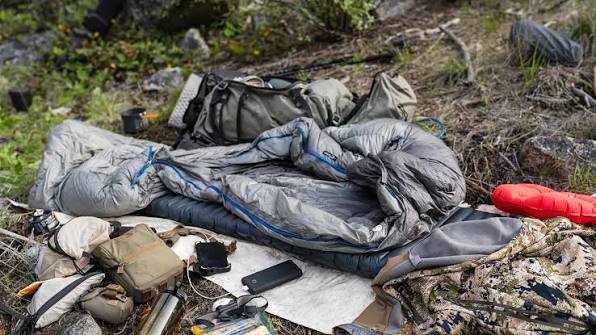
The most common mistake is buying by the printed temperature alone. The number may not represent comfort, and it assumes a complete sleep system that the buyer may not have.
- Ignoring sleeping-pad R-value and ground temperature.
- Buying a bag that is too tight for shoulders, hips, feet, or sleep layers.
- Choosing a bulky base-camp bag for a long backcountry approach.
- Choosing ultralight down without a reliable plan to keep it dry.
- Leaving the bag compressed for months between hunts.
- Waiting until opening morning to test zipper, hood, pad, and shelter compatibility.
- Using cotton sleepwear or cotton-lined bedding in conditions where it may become wet and difficult to dry.
- Assuming water-resistant means waterproof.
- Trying to compensate for an underspecified bag with an unsafe tent heater.
- Failing to confirm the exact Amazon size or temperature variant before checkout.
Troubleshooting Common Problems
| Problem | Possible Cause | What to Do |
|---|---|---|
| You feel cold from below | Pad R-value is too low, pad is underinflated, or ground is colder than expected | Use a season-appropriate insulated pad, check inflation, and move to a drier protected site if safe. |
| Cold shoulders or zipper side | Draft collar is open, zipper tube is displaced, or bag is too large | Reposition the draft tube, adjust hood and collar without blocking breathing, and check fit. |
| Bag feels damp inside | Sweating, wet clothing, exhaled moisture, or poor shelter ventilation | Change into dry layers, vent the bag and shelter gradually, and avoid breathing into the bag. |
| Down is clumped | Moisture or incomplete drying | Dry according to the care label, redistribute fill gently, and stop using the bag in severe cold until loft returns. |
| Bag will not fit the stuff sack | Rolling traps air or the wrong sack is being used | Stuff from the foot end if instructed, release trapped air, and never force the zipper or compression straps. |
| Zipper snags repeatedly | Loose liner fabric, dirt, or damaged slider | Stop pulling, free fabric gently, clean the zipper, and contact the manufacturer if teeth or slider are damaged. |
| Condensation wets the footbox | Bag touches tent wall or shelter has poor airflow | Move the bag away from the wall, improve ventilation, and dry the footbox during the day. |
| Bag is too hot | Rating is too warm for conditions or clothing is excessive | Vent the zipper or footbox, remove a dry layer, and avoid sweating into the insulation. |
| Persistent cold spots | Insulation migration, damage, aging, or incorrect baffle distribution | Redistribute fill as directed, inspect for damage, clean correctly, and request manufacturer service when needed. |
| Pack has no room for essential gear | Sleeping bag is too bulky for the hunt style | Use a larger appropriate pack, choose a more compressible bag, or change to a vehicle-supported camp. Do not leave safety gear behind. |
When to Get Professional Help
Contact the sleeping bag manufacturer when the rating method is unclear, a zipper fails, insulation leaks, loft does not return after correct care, or a model is subject to a safety notice. Ask an experienced outdoor guide or instructor for help when planning a first winter camp, a high-elevation hunt, or a remote trip where a sleep-system failure could become an emergency.
Contact the local wildlife agency or land manager for questions about seasons, camp locations, access, fire restrictions, food storage, and public-land rules. Seek qualified firearms or archery instruction for safe field handling. For symptoms of hypothermia, carbon-monoxide exposure, serious injury, or altered consciousness, use emergency services immediately according to your communication plan.
Maintenance and Care Tips
- Air the bag after every trip and dry it completely before storage.
- Store it loose in a breathable sack or hang it according to manufacturer instructions.
- Use a clean base layer or removable liner to reduce body oils and dirt.
- Spot-clean first; wash only when necessary and follow the care label exactly.
- Use a technical down or synthetic cleaner rather than ordinary detergent when specified.
- Dry on low heat only when allowed; make sure down clusters are fully separated and dry.
- Inspect shell fabric, baffles, seams, drawcords, zipper slider, zipper teeth, and footbox before every hunt.
- Repair small tears promptly with compatible gear-repair material and arrange professional repair for larger damage.
- Keep the bag in a waterproof pack liner during travel and separate it from wet or bloody hunting gear.
- Record the bag’s age and performance; replace or professionally restore it when loft and warmth no longer return.
Final Verdict
The Kelty Cosmic 20 is the best hunting sleeping bag for many mobile three-season hunters because it balances down packability, usable warmth, and a comfort-oriented shape. The TETON Sports LEEF 0°F is the stronger synthetic choice for colder, damper trips, while the Coleman North Rim 0°F offers practical cold-weather value for vehicle-supported camps.
Choose the TETON Celsius or HiZYNICE XXL when room and cot comfort matter more than carry weight. Choose the TETON TrailHead 20°F or Bessport only when the expected conditions and tested sleep system match their intended mild-to-moderate use.
Whichever model you select, confirm the exact variant, test it with the pad and shelter, protect it from moisture, maintain it correctly, and keep enough temperature margin for the real forecast. Responsible hunting requires safe camp practices, legal access, sound judgment, reliable communication, and a complete emergency plan.
Frequently Asked Questions
1. What is the best hunting sleeping bag for most hunters?
For many mobile hunters, a 15°F to 25°F mummy bag with a verified comfort rating, manageable packed size, and enough room for sleep layers is the most versatile. The Kelty Cosmic 20 is the balanced pick in this guide, but wet climates may favor a synthetic option.
2. How do I know whether a hunting sleeping bag is worth buying?
Look for a realistic temperature standard, suitable insulation, correct size, durable zippers, draft control, packed dimensions that fit your pack, and a return policy that lets you check fit before the hunt.
3. What temperature rating should I choose for deer hunting?
Choose from the expected nighttime low, not the daytime forecast. Many hunters add a 10°F to 15°F comfort margin, then adjust for personal cold tolerance, pad insulation, shelter, elevation, wind, humidity, and sleep clothing.
4. Is a 20-degree sleeping bag warm enough for hunting?
It can be for many early- and mid-season hunts when paired with an insulated pad and dry shelter. A cold sleeper or late-season hunter may need a warmer comfort rating and more safety margin.
5. Can I trust a 0-degree sleeping bag label?
Not by itself. Determine whether 0°F is a tested comfort, limit, or marketing rating. Comfort also depends on the pad R-value, clothing, shelter, food, hydration, fatigue, and individual metabolism.
6. What is the difference between comfort and lower-limit ratings?
A comfort rating is intended to reflect a colder sleeper resting comfortably, while a lower-limit rating is generally a threshold for a warmer sleeper. An extreme rating is not a normal buying target and should never be treated as routine comfort.
7. Should hunters choose down or synthetic insulation?
Down is lighter and more compressible for its warmth, making it strong for dry backcountry hunts. Synthetic fill is bulkier but easier to manage in damp environments and usually costs less.
8. Does treated down stay warm when wet?
Treated down may resist moisture better than untreated down, but saturated down still loses loft and insulation. Protect every down bag with a waterproof pack liner and a reliable shelter.
9. What sleeping bag shape is best for hunting?
A mummy bag is efficient and packable. A semi-rectangular bag adds movement room. A rectangular bag is comfortable for base camp but heavier and less thermally efficient.
10. Are rectangular sleeping bags good for cold weather?
They can work in vehicle-supported camps, but their extra interior air space is slower to warm. A properly fitted mummy bag is usually more efficient for cold backcountry conditions.
11. What sleeping bag is best for side sleepers?
Look for a wider mummy, spoon-shaped bag, semi-rectangular cut, or roomy footbox. Check shoulder, hip, and knee dimensions rather than relying only on regular or long labels.
12. How should a sleeping bag fit?
It should let you lie naturally and wear normal sleep layers without compressing insulation. Too much empty space reduces efficiency, while a tight fit compresses loft and can restrict movement.
13. Do women need a women-specific sleeping bag?
Not always, but women-specific models often use different lengths, hip widths, and insulation distribution. The best choice is the model that fits the individual sleeper and provides the needed comfort margin.
14. Can youth use an adult hunting sleeping bag?
An oversized adult bag may contain too much empty space for a smaller sleeper. Use a properly sized youth bag or safely reduce unused space only according to manufacturer guidance, and supervise children around all camp heating equipment.
15. What sleeping bag is best for big and tall hunters?
Choose a long or XXL model after checking maximum user height, shoulder girth, hip width, and zipper access. The Coleman North Rim and HiZYNICE XXL are roomy options in this guide, but both should be measured against the user.
16. How important is sleeping bag weight for hunting?
Weight is critical when you carry camp for miles and less important in a truck camp. Backcountry hunters should evaluate total sleep-system weight, including the bag, pad, pillow, dry bag, and shelter.
17. How small should a hunting sleeping bag pack?
It should fit inside the pack without displacing water, food, insulation layers, first aid, or emergency equipment. Compare actual compressed dimensions, not only a photograph of the stuff sack.
18. Can I strap my sleeping bag outside my hunting pack?
It is possible, but it exposes critical insulation to rain, brush, sparks, and loss. Carry it inside a waterproof pack liner whenever practical.
19. What is an R-value and why does it matter?
R-value measures a sleeping pad’s resistance to heat loss. A warm bag over an under-insulated pad can still feel cold because the insulation beneath your body is compressed.
20. What sleeping pad R-value do I need for hunting?
The answer depends on ground temperature and conditions. Use the pad manufacturer’s seasonal guidance, add margin for frozen ground, and consider stacked pads only when the manufacturer allows it.
21. Can clothing make a sleeping bag warmer?
Dry base layers, socks, and a hat can help, but bulky clothing may compress the bag or cause sweating. Do not rely on clothing to rescue an underspecified sleep system.
22. Should I sleep in my hunting clothes?
Change out of wet or sweaty layers when possible. Clean, dry sleep layers protect insulation loft and reduce heat loss. Keep damp outerwear away from down fill.
23. Is a sleeping bag waterproof?
Most are not. Many have water-resistant shells designed for light condensation or small spills. Use a waterproof shelter, groundsheet, pack liner, and site selection to keep the bag dry.
24. Do I need a bivy sack with a hunting sleeping bag?
A bivy can add wind and splash protection, but it may increase condensation. Choose a breathable model and understand how it works with your shelter and climate.
25. How can I reduce condensation on my sleeping bag?
Ventilate the shelter, avoid breathing into the bag, keep wet gear outside the sleeping area, select a well-drained site, and dry the bag whenever weather allows.
26. What is the best hunting sleeping bag for wet climates?
A synthetic mummy bag is often easier to manage because it dries faster and retains more insulation when damp. Shelter ventilation and waterproof storage remain necessary.
27. What is the best hunting sleeping bag for dry backcountry hunts?
A down mummy bag usually provides the best warmth-to-weight and packability. Protect it from rain, river crossings, snowmelt, and internal condensation.
28. What sleeping bag is best for elk hunting?
Backcountry elk hunters usually prioritize low weight, small packed size, reliable draft control, and a rating suited to high-elevation lows. Base-camp elk hunters can accept a heavier, roomier synthetic bag.
29. What sleeping bag is best for whitetail deer camp?
For a truck or cabin-based deer camp, comfort and room may matter more than minimum weight. A rectangular or roomy mummy bag can work well when matched to local nighttime temperatures.
30. What sleeping bag is best for bow hunting?
Early bow seasons often favor a lighter 30°F to 40°F bag, while high-country archery hunts may still see freezing nights. Select for elevation and forecast rather than calendar date alone.
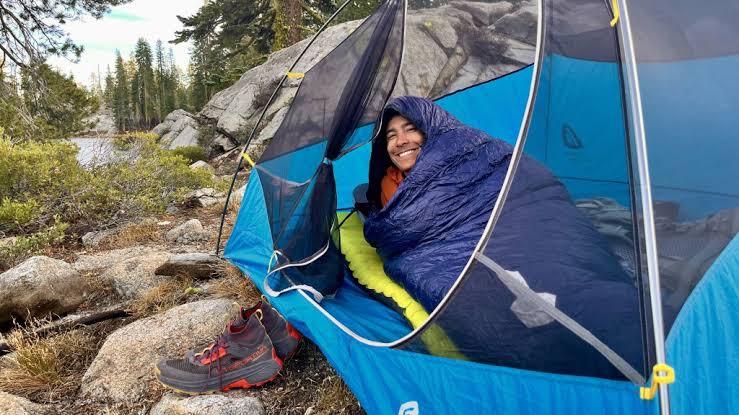
31. What sleeping bag is best for waterfowl hunting trips?
Choose moisture-tolerant synthetic insulation, a durable shell, and waterproof storage. Keep the bag separate from wet waders, decoys, muddy boots, and dogs.
32. Can I use a camping quilt for hunting?
Yes, especially for mild-weather backpack hunts and restless sleepers. Quilts save weight but depend heavily on pad insulation and draft control, and they are less forgiving in severe cold.
33. Are camouflage sleeping bags necessary?
No. Color has little effect inside a closed shelter. Temperature performance, fit, moisture control, packability, and durability matter more than camouflage.
34. How durable should a backcountry sleeping bag shell be?
Ultralight shells save weight but require care around thorns, zippers, rough tent floors, and sparks. A slightly heavier shell may be worthwhile for repeated hunting use.
35. Should I buy a cheap sleeping bag or a premium one?
Buy the least expensive bag that meets your verified temperature, fit, moisture, weight, and durability needs. Premium down is valuable when pack weight and volume materially affect the hunt.
36. When is a premium down sleeping bag worth it?
It is most worthwhile for frequent backpack hunters, long approaches, small packs, and cold dry climates where warmth-to-weight matters. Occasional truck campers may gain little from the extra cost.
37. What common mistake do first-time buyers make?
They shop by the largest temperature number or lowest price without checking whether the number is a comfort rating, whether the bag fits, and whether their pad is warm enough.
38. Why am I cold even though my bag is rated below the temperature?
Common causes include an under-insulated pad, damp insulation, wind, poor fit, insufficient food, dehydration, fatigue, a rating based on lower limit rather than comfort, or being a naturally cold sleeper.
39. Why does my sleeping bag feel clammy?
You may be overdressed, using too warm a bag, breathing into it, or sleeping in a poorly ventilated shelter. Vent gradually and change into dry layers.
40. Why is my down sleeping bag not lofting?
It may be compressed from storage, damp, or unevenly distributed. Shake it gently, lay it out in a dry place, and follow the manufacturer’s drying instructions.
41. Why is my sleeping bag zipper snagging?
Fabric may be entering the slider, the bag may be under tension, or the zipper may be dirty. Stop pulling, free the fabric gently, clean the zipper, and contact the manufacturer if damage persists.
42. Can I repair a small sleeping bag tear in the field?
Use a purpose-made gear-repair patch if the manufacturer allows it. Avoid duct tape on delicate fabrics when it may leave residue, and arrange a permanent repair after the trip.
43. How do I wash a hunting sleeping bag?
Follow the care label exactly. Many bags require a front-loading washer, mild technical cleaner, gentle cycle, and low-temperature drying. Never assume all bags are machine washable.
44. Can I dry a down sleeping bag in a dryer?
Often yes at low heat when the care label allows it. Clean dryer balls can help restore loft, but excessive heat can damage shell fabric and insulation treatments.
45. How should I store a sleeping bag between hunts?
Store it clean, fully dry, and uncompressed in a large breathable storage sack or hung according to manufacturer guidance. Keep it away from heat, moisture, pests, and direct sunlight.
46. Is it bad to leave a sleeping bag compressed?
Long-term compression can reduce loft, especially in down and some synthetic fills. Use the compression sack for transport, not permanent storage.
47. How often should I replace a sleeping bag?
Replace it when insulation no longer lofts after proper cleaning, cold spots persist, the shell or zipper cannot be repaired safely, odors remain, or the bag no longer fits the conditions you hunt.
48. What should I test before the hunt?
Check fit, zipper operation, hood adjustment, pad compatibility, packed size, dry-bag fit, sleep clothing, and the complete system during a safe overnight close to home.
49. What should I never do with a sleeping bag?
Do not place it near open flames, stove pipes, heaters, hot cookware, fuel, or sparks. Do not rely on it as emergency shelter, flotation, fire protection, or a substitute for planning.
50. Can I use a heater to make a lighter sleeping bag work?
Do not use unsafe combustion heaters in enclosed shelters. Carbon monoxide and fire risks can be fatal. Follow shelter and heater manufacturer instructions and choose a sleep system rated for expected conditions.
51. What emergency gear should accompany a sleeping bag?
Carry navigation, first aid, water treatment, weather protection, communication, lighting, fire-starting tools where legal and safe, extra insulation, food, and a trip plan appropriate to the hunt.
52. Do hunting laws affect sleeping bag choice?
Usually not directly, but camp locations, fires, stoves, vehicle access, public-land rules, and seasonal closures may affect the sleep system you can use. Check current local regulations.
53. When should I contact the manufacturer?
Contact the manufacturer for unclear temperature ratings, fit questions, defective zippers, leaking insulation, care instructions, warranty questions, replacement parts, or safety notices.
54. When should I ask an outdoor professional for help?
Seek help when planning winter camps, high-altitude hunts, hot-tent systems, unfamiliar remote terrain, or trips where a sleep-system failure would create serious risk.
55. Can a sleeping bag guarantee warmth or safety?
No. It is one part of a complete system. Skill, judgment, shelter, pad insulation, weather awareness, food, hydration, dry clothing, communication, and an exit plan remain essential.
Read more: 15 Best Hunting Clothing for Layering, Comfort, and Field Performance