
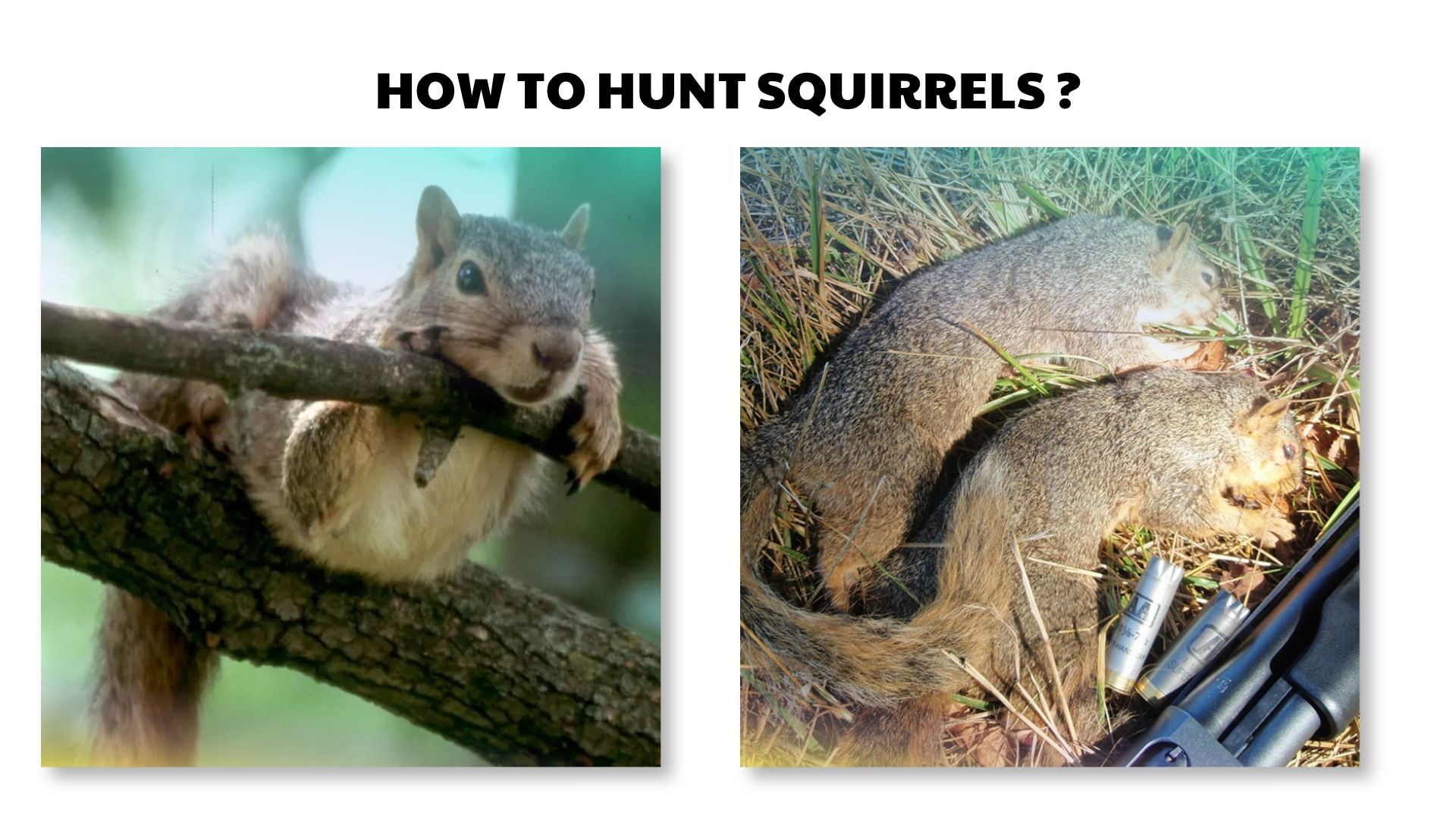

Learning how to hunt squirrels is one of the most practical ways for beginners to build real hunting skills. Squirrel hunting teaches scouting, quiet movement, patience, safe firearm or bow handling, target identification, field awareness, and responsible game care without requiring expensive gear or advanced tactics.
This guide is written for new hunters who want a clear, legal, ethical, and beginner-friendly path into small game hunting. You will learn where squirrels live, what signs to look for, how to choose a safe setup, what gear to bring, how to move quietly, when squirrels are most active, and what to do after a successful hunt at a responsible, non-graphic level.
Squirrel hunting can be rewarding, but it must be done with respect for wildlife, landowners, public land users, and local regulations. Hunting success depends on season, weather, mast crops, hunting pressure, legal access, safety habits, and your ability to observe carefully. This article does not promise guaranteed results. It helps you prepare properly so you can hunt legally, safely, patiently, and ethically.
Quick Answer
To learn how to hunt squirrels, first check your local hunting regulations for license requirements, season dates, bag limits, legal weapons, public land rules, private land permission, and harvest reporting. Then scout hardwood areas with active food sources such as oaks, hickories, walnuts, beeches, or other mast trees, and look for tracks, cut nut shells, nests, and movement in the treetops. Use a safe, legal hunting method, move slowly, watch and listen carefully, and only take a clear, legal, ethical shot with a safe background. With practice and patience, squirrel hunting can help beginners build strong field skills for many other types of hunting.
Important Legal and Safety Notice Before You Hunt
Hunting regulations vary by country, state, province, county, season, land type, species, and weapon type. Before hunting squirrels, check your official wildlife agency for current license, permit, tag, season, legal hours, bag limit, weapon, ammunition, land access, harvest reporting, possession, and transport rules.
- Hunting license and permits: Confirm whether you need a general hunting license, small game license, hunter education certificate, youth permit, or special land access permit.
- Tags or harvest reporting: Squirrels may not require tags in many areas, but some places may still require harvest records or reporting. Always verify current rules.
- Legal season and legal hours: Squirrel seasons and legal shooting hours vary. Do not assume squirrels are legal to hunt year-round.
- Legal weapons and ammunition: Check whether rifles, shotguns, air rifles, bows, crossbows, or other methods are allowed in your area.
- Public land or private land access: Verify boundaries and legal access. Never trespass or cross private property without permission.
- Required clothing or visibility rules: Blaze orange or other visibility clothing may be required during certain seasons or on certain lands.
- Safe firearm or bow handling: Always identify your target and what is beyond it. Never shoot at movement, sound, or an unclear shape.
- Weather, navigation, and emergency planning: Carry water, first aid, navigation tools, emergency communication, and a plan for returning safely.
Understanding the Game Species and Its Habitat
The game species inferred from the keyword is squirrels, usually tree squirrels such as gray squirrels and fox squirrels in many North American hunting areas. Local species may also include red squirrels or other small game species, depending on the region. Always confirm which squirrel species are legal to hunt where you live.
Squirrels are active, alert, tree-dwelling animals that rely on food, cover, den trees, nests, and travel routes. They are commonly found in hardwood forests, mixed woods, creek bottoms, field edges, woodlots, ridges, mature timber, and areas with nut-producing trees.
Food is one of the most important clues. Squirrels often feed on acorns, hickory nuts, walnuts, beechnuts, pecans, seeds, buds, fruit, fungi, and other seasonal foods. In many places, early-season squirrel hunting often focuses on hickory, walnut, or other active food trees. Later in the fall, oak stands and acorn-producing areas may become more important.
Beginners should learn to recognize squirrel sign. Look for cut nut shells, fresh feeding debris, leaf nests, den holes, tracks in mud or snow, claw marks on bark, and quick movement along branches. Listen for barking, chattering, falling nut pieces, claws on bark, and leaves shaking in treetops.
Squirrels may be most visible in the early morning and late afternoon, but activity changes with season, weather, hunting pressure, food availability, and local habitat. On windy days, movement in treetops can be harder to detect. On calm mornings, sound can help you locate feeding squirrels before you see them.
What You Need Before You Start
- Valid hunting license, permits, tags if required, and current regulation knowledge
- Legal hunting weapon or method allowed in your area
- Hunter orange or required visibility clothing if applicable
- Weather-appropriate hunting clothing and comfortable boots
- Navigation tools such as map, compass, GPS, or hunting app
- First aid kit, water, snacks, and emergency communication
- Binoculars or compact optics if useful for your terrain
- Small game vest, daypack, or pouch for carrying essentials
- Gloves, game bags, cooler, and basic meat care supplies if you plan to keep the harvest
- Knife or processing tool carried safely and used responsibly after the hunt
how to hunt squirrels: Step-by-Step Guide
Step 1: Check Local Hunting Laws First
Start by reading your official wildlife agency’s current squirrel hunting regulations. Confirm the legal species, open season, daily bag limit, possession limit, legal hunting hours, license requirements, public land rules, private land permission rules, weapon restrictions, blaze orange requirements, and harvest reporting rules.
Do not rely on old articles, social media comments, or advice from hunters in another state. Squirrel hunting rules can change by year, county, land type, and method. A responsible hunter verifies the current rules before entering the field.
Step 2: Learn the Animal’s Patterns
Squirrels spend much of their time moving between food trees, den trees, nests, and travel routes. They may feed actively in the morning, rest during warmer or busier parts of the day, and feed again later in the afternoon. In hot weather, they may be more active early. In colder weather, they may wait until the sun warms the woods.
Focus on food sources. Learn which trees produce nuts in your area and when those foods become available. Oaks, hickories, walnuts, beeches, pecans, and other mast trees can attract squirrels. Also watch creek bottoms, mature woods, field edges, and places where squirrels can travel from cover to food.
Step 3: Choose a Legal Hunting Area
Good squirrel hunting areas may include state forests, wildlife management areas, national forests, private woodlots, farm edges, and timbered creek bottoms, but access rules vary. On public land, use official maps and regulations to confirm that squirrel hunting is allowed and that your chosen method is legal.
For private land, ask permission before entering. Written permission is best when available. Ask about property boundaries, neighboring homes, livestock, pets, roads, gates, parking, and areas the landowner wants you to avoid. Respect the property and leave it cleaner than you found it.
Step 4: Scout Before the Hunt
Scouting for squirrels is often simple but important. Walk slowly through legal hunting areas and look for active mast trees, fresh cut nut shells, leaf nests, den holes, droppings, tracks, and recent feeding debris. A tree with fresh shell pieces on the ground may be more useful than a beautiful-looking tree with no activity.
Listen carefully. Squirrels can be located by the sound of claws on bark, nuts dropping, leaves shaking, or chattering. In leafy early-season woods, your ears may find squirrels before your eyes do. In late season, visibility improves after leaves fall, but squirrels may be more cautious due to hunting pressure.
Step 5: Prepare Your Gear Safely
Choose a legal hunting method and practice before the season. Many squirrel hunters use small-caliber rifles, shotguns, air rifles, bows, or other legal methods depending on local rules. This article does not recommend one universal weapon because regulations, terrain, safety background, and hunter skill vary.
Follow basic firearm and bow safety at all times. Treat every firearm as loaded, keep the muzzle pointed in a safe direction, keep your finger off the trigger until ready, and be sure of your target and what is beyond it. If using archery equipment, practice regularly, know your effective range, and handle broadheads carefully.
Step 6: Plan for Wind, Weather, and Entry Route
Wind matters in squirrel hunting, but not in the same way as some big game hunting. Squirrels can smell, hear, and see well, but sound and movement are often the biggest beginner problems. A quiet entry route helps you avoid alerting squirrels before you even sit down.
Check weather before leaving. Light rain, heavy wind, extreme heat, lightning, or icy conditions can make hunting less productive or less safe. Calm mornings often make it easier to hear squirrels cutting nuts or moving through leaves. Windy days make treetop movement harder to spot and can create unsafe shooting or falling-limb concerns.
Step 7: Set Up Carefully
There are two beginner-friendly approaches: sit-and-wait hunting and slow still-hunting. For sit-and-wait hunting, choose a safe place near active food trees, sit against a tree or natural cover, and watch quietly. This method is excellent for beginners because it reduces noise and teaches observation.
For still-hunting, move very slowly through the woods, stop often, and watch for movement in the trees. Take a few careful steps, pause, listen, and scan. Avoid rushing. Many squirrels will freeze or move to the far side of a tree when they hear you, so patience is more useful than speed.
Step 8: Stay Patient and Observe
Squirrel hunting rewards careful observation. Watch for a twitching tail, shaking leaves, small branch movement, feeding debris, or a squirrel stretched along a limb. Use your ears as much as your eyes. Often the first clue is a sound above you or ahead of you.
If a squirrel hides behind a tree, stay still. It may move again after a few minutes. Do not run around the tree or make unsafe, rushed decisions. Keep your muzzle or bow pointed safely and wait for a clear, legal, ethical opportunity.
Step 9: Take Only a Safe, Legal, and Ethical Shot Opportunity
Only act when you have clearly identified the animal as a legal squirrel, the season and method are legal, the background is safe, and the shot is within your practiced ability. Never shoot at leaves, sound, movement, or an unclear shape. Never shoot toward roads, homes, livestock, pets, people, vehicles, trails, buildings, or an uncertain background.
Small game hunting still requires serious safety discipline. Many squirrel opportunities happen above ground level, so you must think carefully about where a projectile could travel. If the angle, background, or identification is uncertain, pass the opportunity.
Step 10: Follow Legal Recovery and Reporting Rules
After a successful shot, keep safety first. Make the firearm or bow safe according to your training, mark the location, and recover the squirrel only when it is safe to do so. Stay aware of other hunters, terrain, property boundaries, and your muzzle direction.
Follow any legal tagging, reporting, possession, or transport requirements. Many small game rules are simple, but they are not universal. Know the requirements before the hunt begins.
Step 11: Handle the Game Responsibly
Handle harvested squirrels respectfully and keep them clean and cool. Wear gloves if preferred, use clean tools, avoid contamination, and place game in a breathable game bag or cooler as conditions require. Do not leave usable game to waste where local law requires proper use.
If you plan to eat squirrels, learn safe small game cleaning and meat care from a trusted hunter education source, wildlife agency, mentor, or reputable food safety resource. Keep the process clean, cool, and legal. This guide keeps after-harvest guidance high-level and non-graphic.
Best Time, Place, and Conditions for This Hunt
The best time to hunt squirrels is often early morning or late afternoon, especially when squirrels are actively feeding. In warm weather, early morning may be more productive. In cooler weather, squirrels may move after the woods warm up. Always follow legal hunting hours in your area.
Seasonality depends on local regulations and food availability. Early in the season, leafy trees can make squirrels harder to see, but active feeding trees can be productive. Later in the season, falling leaves improve visibility, and acorn-producing oaks or other mast trees can become important. In winter, squirrels may move less during harsh conditions but may still feed during calmer periods.
Good places include mature hardwoods, mixed forests, creek bottoms, oak ridges, hickory flats, walnut areas, field edges, and woodlots with den trees and active food sources. Public land may have more hunting pressure near easy access points, while private land may offer quieter conditions if permission is granted. In both cases, legal access and safe shot direction matter more than convenience.
Wind and weather affect visibility, sound, and safety. Calm conditions help you hear movement. Strong wind can hide squirrel noise and make branches move constantly, making identification harder. Rain can reduce activity and create slippery walking. Plan your hunt around safety, not just animal activity.
Helpful Tips for Better Results
- Start near active food trees instead of wandering randomly through the woods.
- Look down as well as up; fresh cut nut shells can show where squirrels are feeding.
- Move slowly and stop often. A quiet pause may reveal more squirrels than constant walking.
- Use your ears. Listen for nuts dropping, claws on bark, leaves shaking, and squirrel chatter.
- Choose setups with a safe background and avoid shooting toward roads, homes, trails, or livestock.
- Wear required visibility clothing, especially during overlapping deer or firearm seasons.
- Keep a hunting journal with weather, food trees, sightings, and mistakes so each hunt teaches you something.
Common Mistakes to Avoid
Beginner squirrel hunters often fail because they move too fast, ignore food sources, or do not plan for safety. Squirrel hunting looks simple, but it rewards careful, quiet, legal, and patient hunting.
- Not checking current regulations: Confirm season, license, bag limit, weapon rules, land access, and reporting requirements.
- Hunting without permission: Never enter private land without clear permission.
- Moving too quickly: Squirrels often detect fast movement before you see them.
- Ignoring food trees: A mature forest with no active mast may be less productive than a small area with fresh feeding sign.
- Making too much noise: Loud talking, slamming vehicle doors, and rattling gear can reduce opportunities.
- Choosing unsafe shot angles: Never take a shot unless the target and background are safe.
- Overpacking gear: Heavy packs can make beginners noisy and tired. Bring essentials first.
- Underpacking safety items: Always carry water, first aid, navigation, and communication.
- Not practicing enough: Small game hunting requires accuracy, restraint, and safe handling.
- Not planning meat care: Bring clean bags, gloves, and cooling supplies if you plan to keep game.
Troubleshooting Common Problems
| Problem | Possible Cause | What to Do |
|---|---|---|
| You are not seeing any squirrels | Poor location, wrong timing, heavy pressure, limited food, or not enough scouting | Scout more active mast trees, look for cut nut shells, and try early morning or late afternoon. |
| Squirrels disappear before you get close | Too much noise, fast movement, or exposed approach | Slow down, stop often, use terrain for cover, and avoid stepping on loud leaves or sticks. |
| You hear squirrels but cannot see them | Leaf cover, thick canopy, or squirrels hiding on the far side of trees | Sit still, scan slowly, watch for tail movement, and wait for them to move again. |
| Public land feels crowded | Easy access areas receive more pressure | Use official maps to find legal alternative access points and always respect other hunters. |
| You are unsure about property boundaries | Incomplete mapping or unclear permission | Stop and verify boundaries with official maps, signs, landowners, or agency staff before hunting. |
| Bad weather makes hunting difficult | High wind, rain, heat, cold, fog, or slippery ground | Put safety first. Adjust your plan, hunt a safer area, or return another day. |
| Your gear fails in the field | Poor preparation, dead batteries, loose optics, wet gear, or missing supplies | Check gear before leaving, carry simple backups, and avoid using unsafe or damaged equipment. |
| Poor visibility makes identification hard | Low light, thick leaves, distance, fog, or brush | Do not shoot unless the squirrel is clearly identified and the background is safe. |
| You are nervous before taking a shot | Limited practice or lack of field experience | Slow down and pass if needed. Practice more and hunt with an experienced mentor. |
| You are unsure what to do after harvest | Lack of experience with recovery, reporting, or meat care | Follow local regulations and learn from hunter education, a mentor, or your wildlife agency. |
Ethical Hunting and Conservation
Ethical squirrel hunting means obeying laws, respecting wildlife, avoiding waste, and making safe decisions. Small game animals deserve the same respect as larger game. A good hunter does not take careless shots, trespass, ignore limits, or leave trash behind.
Respect landowners, other hunters, hikers, and nearby residents. Close gates, avoid damaging roads or crops, park responsibly, and leave the woods cleaner than you found them. On public land, give other hunters space and avoid creating unsafe conflicts.
Practice before hunting and pass on uncertain shots. Use the harvest responsibly where legal and practical. License purchases and responsible hunting participation help support wildlife management, habitat work, hunter education, and conservation programs.
When to Get More Training or Professional Guidance
Beginners should seek more training if they have never handled a firearm or bow, have not completed hunter education, are unsure about local laws, do not understand land boundaries, or are not confident in safe shooting.
You should also ask for help if you are hunting unfamiliar terrain, using a new legal method, learning small game meat care, or unsure about recovery and transport rules. Good sources include official hunter education courses, state or provincial wildlife agencies, certified instructors, experienced ethical mentors, local conservation organizations, and reputable hunting clubs.
After the Hunt: Follow-Up, Gear Care, and Learning
After the hunt, unload and store firearms or bows safely according to law, training, and manufacturer instructions. Clean and dry your gear, check boots and clothing, restock first aid supplies, recharge electronics, and safely store knives or tools.
Review what worked and what did not. Keep notes about weather, wind, food trees, squirrel activity, public land pressure, shot opportunities passed, and mistakes. Over time, these notes help you understand local squirrel movement better than guessing.
Complete any required harvest reporting or records. If you kept squirrels for food, handle the meat cleanly, keep it cool, and follow food safety guidance. Use each hunt as a lesson in scouting, patience, legal awareness, and ethical decision-making.
Recommended Hunting Gear and Tools to Consider
You do not always need expensive gear to hunt responsibly. Choose gear based on your local laws, hunting method, species, terrain, weather, safety needs, skill level, and budget.
- Legal hunting weapon or method allowed in your area
- Quality boots for walking quietly and safely in your terrain
- Weather-appropriate clothing and required visibility gear
- Binoculars or compact optics for safe observation
- Navigation tools such as a map, compass, GPS, or hunting app
- First aid kit and emergency communication
- Small game vest, daypack, or pouch for carrying essentials
- Game bags, gloves, cooler, and meat care supplies if relevant
If affiliate links are included in a published version of this article, use clear disclosure language and proper link attributes. Do not claim that any product guarantees hunting success.
Final Thoughts
Learning how to hunt squirrels is an excellent way to build beginner hunting skills. Start with the law, choose legal access, scout active food trees, move slowly, observe carefully, and only take a safe, legal, ethical shot opportunity. Squirrel hunting teaches patience, target identification, field awareness, and responsible game care.
Success depends on preparation, weather, season, mast availability, hunting pressure, safety habits, and your willingness to learn. Hunt legally, practice often, respect wildlife, use the harvest responsibly, and choose methods and gear based on your local laws, terrain, skill level, and conservation responsibilities.
FAQs
1. How long does it take to learn how to hunt squirrels?
Most beginners can learn the basics in a few outings, but becoming skilled takes practice. You need time to learn food trees, squirrel sounds, safe shot angles, quiet movement, and local regulations.
2. Do I need a license to hunt squirrels?
In many places, yes. Squirrel hunting usually requires a hunting license or small game license, but rules vary. Check your official wildlife agency before hunting.
3. Are squirrels considered small game?
In many regions, tree squirrels are classified as small game. However, species classification varies, so confirm which squirrels are legal to hunt in your area.
4. When is squirrel hunting season?
Squirrel seasons vary by state, province, county, and land type. Some areas have long seasons, while others have specific dates. Always check current regulations.
5. What is the best time of day to hunt squirrels?
Early morning and late afternoon are often productive because squirrels may be actively feeding. Local weather, season, food supply, and hunting pressure can change activity.
6. What is the best place to hunt squirrels?
Look for mature hardwoods, oak ridges, hickory flats, walnut trees, creek bottoms, field edges, and woodlots with fresh feeding sign.
7. What do squirrels eat in the wild?
Squirrels may eat acorns, hickory nuts, walnuts, beechnuts, seeds, fruit, buds, fungi, and other seasonal foods. Active food sources are key scouting clues.
8. How do I find squirrel sign?
Look for cut nut shells, fresh feeding debris, leaf nests, den holes, tracks, droppings, claw marks, and movement in treetops.
9. Is squirrel hunting good for beginners?
Yes. Squirrel hunting helps beginners learn scouting, safe firearm handling, quiet movement, patience, target identification, and basic game care.
10. Can kids learn squirrel hunting?
Youth hunters can learn with proper licenses, hunter education, adult supervision, and local youth hunting rules. Safety and legal requirements must come first.
11. What gear do I need for squirrel hunting?
Basic gear includes a legal hunting method, license, visibility clothing if required, boots, water, first aid, navigation tools, game bags, and meat care supplies.
12. Do I need camouflage for squirrel hunting?
Camouflage can help, but stillness, quiet movement, and safe setup choice are more important. Wear legal visibility clothing when required.
13. Is blaze orange required for squirrel hunting?
Sometimes. Blaze orange may be required during firearm seasons or on certain lands. Check local regulations before hunting.
14. Can I hunt squirrels on public land?
Often yes, but public land rules vary. Confirm the property is open to squirrel hunting and that your method is legal there.
15. Can I hunt squirrels on private land?
Only with permission. Ask the landowner clearly, respect boundaries, close gates, avoid livestock, and follow all property rules.
16. What is still-hunting for squirrels?
Still-hunting means walking slowly, stopping often, listening, and scanning carefully. It is effective when done quietly and patiently.
17. What is sit-and-wait squirrel hunting?
Sit-and-wait hunting means choosing a good food source or travel area, sitting quietly, and waiting for squirrels to move naturally.
18. Which method is best for beginners?
Sit-and-wait is often easier for beginners because it reduces noise and teaches observation. Still-hunting is useful once you learn to move quietly.
19. How important is wind direction?
Wind matters, but movement and noise are often bigger issues in squirrel hunting. Still, plan safe approaches and avoid letting scent or sound alert nearby game.
20. What weather is best for squirrel hunting?
Calm, cool mornings can be excellent because sound carries and squirrels may feed actively. High wind, storms, or unsafe conditions can make hunting difficult.
21. Can I hunt squirrels in the rain?
Light rain may be possible where legal, but heavy rain can reduce visibility, make walking unsafe, and complicate meat care. Safety should guide your decision.
22. Do squirrels move on windy days?
They may still move, but wind makes treetop movement harder to detect and can create safety concerns from falling limbs. Calm days are often easier for beginners.
23. What firearm is best for squirrel hunting?
The best legal firearm depends on local laws, terrain, safety background, and your skill. Follow regulations, practice, and avoid shots beyond your ability.
24. Can I hunt squirrels with a shotgun?
Shotguns are legal for squirrels in many areas, but not everywhere. Check local rules for gauge, shot size, land type, and safety requirements.
25. Can I hunt squirrels with a rifle?
Small-caliber rifles may be legal in some places, but rifle use requires careful attention to background and projectile travel. Check laws and practice safe handling.
26. Can I hunt squirrels with an air rifle?
Some areas allow air rifles for squirrels, while others restrict them. Confirm legal equipment, power requirements, and public land rules before hunting.
27. Can I bowhunt squirrels?
Bowhunting squirrels may be legal in some areas. Practice carefully, know your effective range, handle broadheads safely, and pass on risky shots.
28. Do I need a tree stand for squirrel hunting?
No. Most squirrel hunting is done from the ground. If you ever use an elevated stand, wear a full-body harness and follow tree stand safety rules.
29. Are hunting blinds useful for squirrels?
A blind can help hide movement near active food trees, but it is not required. Natural cover and stillness often work well.
30. Should I use squirrel calls?
Squirrel calls may help in some situations, but beginners should first learn habitat, feeding sign, and quiet observation. Check whether any calling method is legal where you hunt.
31. How close do I need to get to squirrels?
Distance depends on your legal method, terrain, visibility, and practiced ability. Never take a shot unless you are confident, legal, and safe.
32. Why do squirrels hide on the far side of a tree?
Squirrels use trees as cover when they detect danger. Stay still and patient; they may move again when they feel safer.
33. How do I spot squirrels in leafy trees?
Look for shaking leaves, tail movement, falling nut pieces, and branch movement. Listen carefully because sound may reveal squirrels before sight does.
34. What should I do if I only hear squirrels?
Sit still, scan slowly, and wait for movement. Never shoot at sound alone. You must clearly identify the target and background.
35. Can I hunt squirrels near houses?
Only where legal and safe, with proper permission and safe distance rules. Never shoot toward homes, roads, pets, people, buildings, or livestock.
36. What is an ethical squirrel hunting shot?
An ethical shot is legal, clearly identified, backed by a safe background, and within your practiced ability. If uncertain, pass.
37. What should I do after harvesting a squirrel?
Follow legal recovery, possession, reporting, transport, and meat care rules. Keep the animal clean and cool if you plan to use it for food.
38. Do I need to report a squirrel harvest?
Some areas may require harvest records or reporting, while others may not. Check your official wildlife agency before hunting.
39. Can you eat squirrels?
Many hunters use squirrels as small game meat where legal. Follow safe handling, cooling, cleaning, and cooking guidance from reliable sources.
40. How do I keep squirrel meat safe?
Keep it clean, cool, and protected from contamination. Use gloves if preferred, carry game bags or a cooler, and follow food safety guidance.
41. Can squirrels carry diseases?
Like all wild animals, squirrels may carry parasites or disease. Wear gloves if desired, avoid handling sick-looking animals, wash hands, and clean tools after use.
42. What if I see a protected or non-legal species?
Do not shoot. Hunters must identify the species and confirm it is legal before taking any action.
43. What if another hunter is nearby?
Give them space, communicate safely if needed, and never shoot in their direction. Public land requires courtesy and careful awareness.
44. What if hikers enter the area?
Stop hunting until the area is safe. Never shoot toward trails, people, pets, or unclear movement.
45. What is the biggest beginner mistake?
The biggest mistake is moving too fast without scouting. Slow down, find active food sources, and observe carefully.
46. How much does squirrel hunting cost?
Costs vary based on license, gear, fuel, clothing, and equipment. Many beginners can start with basic legal gear and safety essentials.
47. Do I need expensive optics?
No. Compact binoculars can help, but you do not need expensive optics to begin. Safe identification matters more than brand names.
48. How do I practice before squirrel season?
Practice safe handling, marksmanship or archery within your legal method, target identification, and field positions. Follow manufacturer and hunter education guidance.
49. Can I hunt squirrels with a dog?
Squirrel dogs are used in some regions, but laws and land rules vary. Check regulations and make sure the dog is trained, safe, and under control.
50. What should I carry in a small game vest?
Carry your license, water, first aid, navigation, whistle, snacks, game bags, gloves, and any legal gear needed for your method.
51. Should I hunt squirrels before deer season?
Many hunters use squirrel hunting to practice woods skills before larger game seasons. Just make sure squirrel season is open and your activity does not violate other regulations.
52. Can squirrel hunting help me become a better deer hunter?
Yes. It teaches quiet walking, wind awareness, observation, patience, map use, and safe shot judgment, which are useful for many hunting styles.
53. When should I ask for help from a mentor?
Ask for help if you are new to firearms or bows, unsure about laws, confused about land access, or unfamiliar with recovery and meat care.
54. What official source should I check before hunting?
Check your state, provincial, or national wildlife agency. Their current regulations are more reliable than old articles or forum advice.
55. What is the safest mindset for learning how to hunt squirrels?
The safest mindset is patient, legal, ethical, and cautious. Identify the target, know what is beyond it, respect land access, and pass on uncertain opportunities.
Read more: