
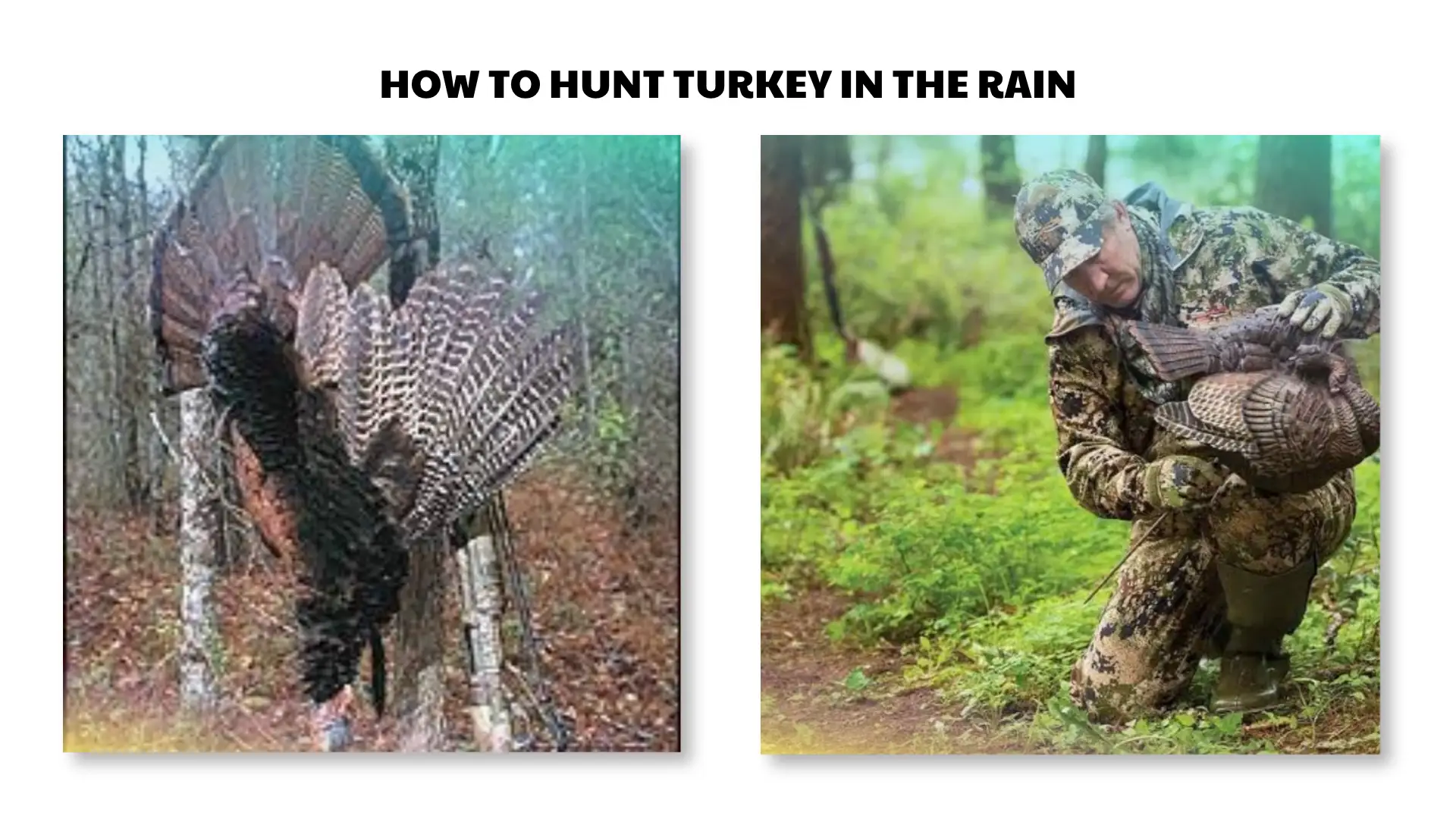

Learning how to hunt turkey in the rain can help you make better decisions when spring weather turns wet, birds go quiet, and field conditions become more difficult. Rain changes how turkeys move, how calls sound, how hunters enter an area, and how safe a setup feels.
Quick Answer
To hunt turkey in the rain, first confirm that your license, turkey tags, season dates, legal hours, weapon rules, and land access are current and valid. Focus on open areas, field edges, logging roads, and travel routes where turkeys can see and move more comfortably in wet weather. Use quiet waterproof clothing, keep calls and gear dry, call with restraint, and take only a safe, legal, ethical shot when the bird is clearly identified and the background is safe. With practice and patience, rainy conditions can create useful opportunities, especially when hunting pressure is lower or when rain begins to ease.
Important Legal and Safety Notice Before You Hunt
Hunting regulations vary by country, state, province, county, season, land type, species, and weapon type. Before hunting, check your official wildlife agency for current turkey regulations, license requirements, permits, tags, season dates, bag limits, legal hunting hours, weapon restrictions, public land rules, private land permission requirements, harvest reporting, and transport rules.
- Hunting license and permits: Carry the required license and any turkey permit, stamp, or authorization.
- Tags or harvest reporting: Know how and when to tag, check in, or report a turkey if required.
- Legal season and legal hours: Verify opening dates, closing dates, daily hours, and any special youth or weapon seasons.
- Legal weapons and ammunition: Confirm shotgun, bow, crossbow, ammunition, broadhead, or other method rules for your area.
- Public land or private land access: Verify boundaries, parking, walk-in routes, permission, and posted restrictions.
- Required clothing or visibility rules: Follow hunter orange or visibility requirements, especially while moving.
- Safe firearm or bow handling: Keep the muzzle or arrow pointed in a safe direction and identify your target and what is beyond it.
- Weather, navigation, and emergency planning: Avoid lightning, flooding, high winds, and unsafe crossings. Carry navigation, first aid, water, and communication.
Understanding the Game Species and Its Habitat
The game species for this hunt is the wild turkey. Turkeys are cautious birds with excellent eyesight and strong awareness of movement. They use roost trees at night, then travel to feeding areas, strut zones, nesting cover, field edges, hardwood ridges, creek bottoms, pastures, clear-cuts, logging roads, and agricultural openings depending on habitat and season.
Rain can change turkey behavior. In steady rain, birds may become less vocal because falling water and wind make sound harder to hear. They may avoid thick, dripping cover and spend more time in open places where they can see predators and move without brushing against wet vegetation. After rain lightens or stops, turkeys may feed, travel, and become more responsive.
Beginner hunters should learn to recognize tracks, droppings, feathers, scratching in leaf litter, dusting areas, roost sign, field-edge travel routes, and strut zones. These signs help you choose a setup instead of wandering randomly through wet habitat.
What You Need Before You Start
- Valid hunting license, turkey permits, tags, and current regulation knowledge
- Legal shotgun, bow, crossbow, or other hunting method allowed in your area
- Required visibility clothing if applicable, especially while walking in or out
- Quiet waterproof rain jacket, rain pants, moisture-wicking layers, and waterproof boots
- Turkey calls that can be protected from rain, such as mouth calls plus a dry backup call
- Legal turkey decoys if allowed and safe to use in your hunting area
- Navigation tools such as map, compass, GPS, or hunting app
- First aid kit, water, snacks, emergency communication, and weather plan
- Binoculars or optics for safe observation in open areas
- Game bags, gloves, cooler, and basic meat care supplies if you harvest a bird
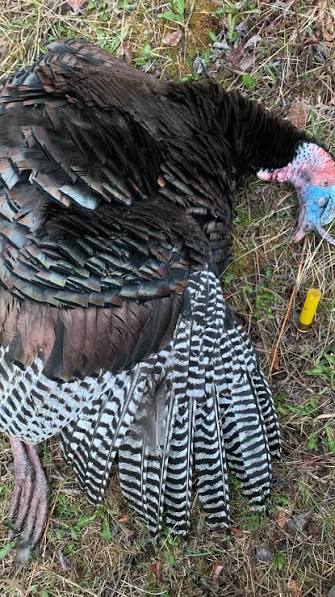
How To Hunt Turkey In The Rain: Step-by-Step Guide
Step 1: Check Local Hunting Laws First
Before planning the hunt, verify the current turkey season, legal hunting hours, tag requirements, bag limits, legal methods, public land rules, private land permission, and harvest reporting process. Do not assume last year’s rules still apply. Save the official regulation page or booklet on your phone and carry any required paper documents.
Step 2: Learn the Animal’s Patterns
Study how turkeys use roosts, feeding areas, open fields, wooded edges, creek bottoms, and travel corridors. In rain, focus on places where birds can see and move easily, such as field edges, logging roads, pastures, open hardwoods, and clearings. Pay attention to how birds behave before, during, and after rain breaks.
Step 3: Choose a Legal Hunting Area
Use official maps, property records, public land maps, or agency apps to confirm legal access. On public land, check parking, boundaries, trail use, closed areas, and other hunters. On private land, get clear permission before entering and respect gates, livestock, crops, roads, and landowner instructions.
Step 4: Scout Before the Hunt
Scout from a distance when possible. Look for turkey tracks in mud, droppings near roosts, scratching in leaf litter, feathers, dusting areas, strut zones, and travel routes between roosts and feeding sites. In wet weather, fresh tracks along field edges, two-track roads, and muddy crossings can be especially helpful.
Step 5: Prepare Your Gear Safely
Check that your legal hunting method is in good working condition. Keep firearms unloaded until legally and safely ready in the field, follow manufacturer instructions, and never allow mud or debris to block a barrel. If bowhunting, inspect strings, arrows, and broadheads, and keep sharp equipment covered during transport. Pack rain protection for calls, optics, tags, and electronics.
Step 6: Plan for Wind, Weather, and Entry Route
Wind and rain affect sound, comfort, and safety. Plan a quiet legal route that avoids steep mud, flooding, unsafe creek crossings, and areas where you might walk under roosted birds. Tell someone where you are going and when you expect to return. Leave the field if lightning, dangerous wind, or flooding develops.
Step 7: Set Up Carefully
Choose a setup with safe visibility, natural cover, and a clear understanding of what is beyond any possible shot. Field edges, openings, logging roads, and sheltered timber edges can be useful in rain. If using a blind, place it legally and safely. If using decoys, make sure they are visible to turkeys but not positioned in a way that creates risk from other hunters.
Step 8: Stay Patient and Observe
Rainy turkeys may be quiet, so do not rely only on gobbling. Watch carefully, listen during breaks in rain, and avoid unnecessary movement. Soft yelps, clucks, and pauses can sound more natural than constant calling. A silent bird can appear without warning, especially in open wet-weather travel areas.
Step 9: Take Only a Safe, Legal, and Ethical Shot Opportunity
Only take a shot when the turkey is clearly identified, legal to harvest, within your practiced ability, and positioned with a safe background. Never shoot at sound, movement, color, or an unclear shape. Do not shoot toward roads, homes, livestock, vehicles, trails, people, or other hunters. Passing on an uncertain opportunity is part of ethical hunting.
Step 10: Follow Legal Recovery and Reporting Rules
After a successful harvest, follow all tagging, check-in, reporting, and transport rules for your area. Move carefully, keep your firearm or bow safe, and remain aware of other hunters. If you are unsure about recovery rules or property boundaries, contact the appropriate authority or landowner before proceeding.
Step 11: Handle the Game Responsibly
Use clean tools, gloves if appropriate, and a plan for cooling the bird promptly. Keep meat clean, avoid mud and standing water, and transport the turkey according to local regulations. Responsible meat care honors the animal and prevents waste.
Best Time, Place, and Conditions for This Hunt
Rainy turkey hunting is often best during light rain, breaks in the rain, or shortly after a storm system begins to clear. Early morning can still work near roosts, but birds may delay movement or stay quiet. Midday can be productive when rain eases and birds begin feeding or traveling.
Good rainy-day places include field edges, pastures, logging roads, open hardwoods, clear-cuts, creek-bottom openings, and legal travel corridors between roosting and feeding areas. On public land, rain may reduce pressure, but you must still watch for other hunters and non-hunting users. On private land, permission and landowner communication are essential.
Wind direction matters less for scent than it does in deer hunting, but it still affects sound, comfort, and how you enter a setup. Wet conditions also increase risks from slippery ground, flooded crossings, cold exposure, and poor visibility, so safety should guide every decision.
Helpful Tips for Better Results
- Scout field edges, logging roads, and muddy crossings before the hunt so you are not guessing in bad weather.
- Carry at least one call that works well when wet, such as a mouth call, and protect friction calls in a dry pouch.
- Use soft, realistic calling and longer pauses because rainy birds may approach quietly.
- Choose quiet rain gear; loud waterproof fabric can reveal your location when you shift or raise your weapon.
- Set up where you can see open travel lanes without exposing yourself to roads, homes, trails, or other hunters.
- Watch for rain breaks. Turkeys may become more active when the weather lightens.
- End the hunt when weather becomes unsafe, especially during lightning, flooding, high wind, or poor visibility.
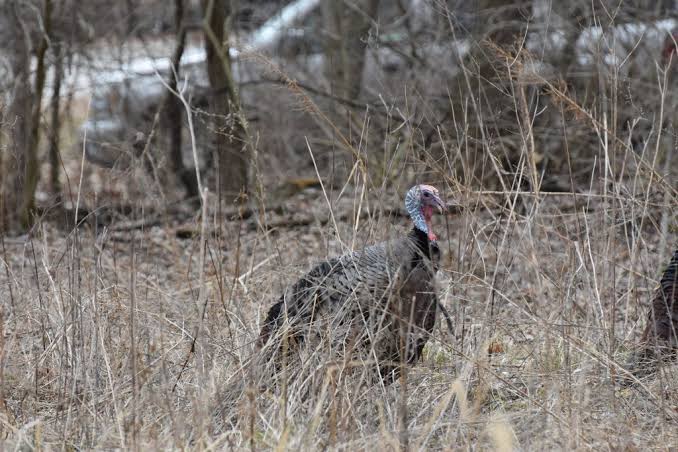
Common Mistakes to Avoid
Rainy hunts can make beginners hurry, overpack, underprepare, or take unnecessary risks. Avoid these common mistakes:
- Not checking current regulations, license requirements, tags, legal hours, or reporting rules.
- Entering private land without clear permission or crossing uncertain boundaries.
- Wearing noisy rain gear that makes movement obvious.
- Calling too often when birds are quiet and close.
- Assuming no gobbling means no turkeys are nearby.
- Setting up where the background is unsafe or where other hunters may be at risk.
- Walking through dangerous mud, high water, or slippery slopes.
- Letting calls, tags, electronics, or ammunition get soaked without protection.
- Taking rushed, unclear, illegal, or unethical shots.
- Failing to plan for harvest reporting, meat care, and safe transport.
Troubleshooting Common Problems
| Problem | Possible Cause | What to Do |
|---|---|---|
| You are not seeing turkeys | Poor location, heavy pressure, limited scouting, or birds using different wet-weather routes | Scout fresh tracks, adjust to field edges or openings, and try another legal access point. |
| Birds are not gobbling | Heavy rain, wind, pressure, or natural quiet behavior | Call less, listen during rain breaks, and watch travel routes carefully. |
| Your call sounds poor when wet | Friction call surface or striker is damp | Use a protected mouth call or dry backup call and store calls in waterproof pockets. |
| Turkeys detect you | Too much movement, shiny gear, poor cover, or noisy clothing | Set up earlier, stay still, use natural cover, and choose quieter rain gear. |
| Other hunters are too close | Public land pressure or overlapping access routes | Do not stalk calls or decoys. Communicate safely if needed and move to another legal area. |
| Property boundaries are unclear | Poor map preparation or confusing land ownership | Stop and verify with official maps, property data, landowners, or wildlife officers before continuing. |
| Weather becomes dangerous | Thunderstorms, flooding, high wind, or falling limbs | Unload and secure equipment safely, leave the area, and seek safe shelter. |
| Visibility is poor | Heavy rain, fog, low light, or thick cover | Do not shoot unless the target, legality, and background are completely clear. |
| You feel nervous at the moment of decision | Beginner pressure, poor practice, or uncertain shot setup | Slow down, breathe, and pass if anything is unclear, unsafe, illegal, or beyond your skill. |
| You are unsure about recovery rules | Boundary issues, reporting uncertainty, or unfamiliar regulations | Check the regulation guide, contact the landowner or agency, and follow legal recovery procedures. |
Ethical Hunting and Conservation
Ethical hunting means more than following the minimum legal rule. It means respecting wildlife, other hunters, landowners, and the habitat that supports game populations. Take only safe, legal, high-confidence opportunities within your practiced ability. Pass on uncertain shots, avoid waste, and use the harvest responsibly.
Obeying seasons and limits helps wildlife agencies manage turkey populations. License fees, habitat projects, harvest reporting, and conservation organizations all support long-term wildlife management. Leave gates as you found them, pack out trash, avoid damaging property, and leave the land cleaner than you found it.
When to Get More Training or Professional Guidance
Beginners should seek more training before hunting alone if they have never handled a firearm or bow, have not completed hunter education, are unsure about local laws, do not understand land boundaries, or are not confident in safe shooting. Wet weather adds challenges, so mentoring is especially useful.
Good learning sources include official hunter education courses, state or provincial wildlife agencies, certified instructors, experienced ethical mentors, local conservation organizations, and reputable hunting clubs. Ask for help if you are hunting unfamiliar terrain, need recovery guidance, or are unsure about meat care and transport rules.
After the Hunt: Follow-Up, Gear Care, and Learning
After a rainy hunt, dry and clean your gear. Wipe down firearms according to manufacturer instructions, dry bows and accessories, air out boots and clothing, and store calls where they can dry fully. Check optics, batteries, tags, maps, and emergency supplies before the next hunt.
Keep notes about weather, temperature, wind, rain intensity, turkey sign, gobbling activity, setup location, calling response, and hunting pressure. These notes help you improve. If you harvested a turkey, complete any required reporting, keep legal records, cool the meat responsibly, and review what worked and what you would change next time.
Recommended Hunting Gear and Tools to Consider
You do not always need expensive gear to hunt responsibly. Choose gear based on your local laws, hunting method, species, terrain, weather, safety needs, skill level, and budget.
- Legal hunting weapon or method allowed in your area
- Quiet waterproof rain gear suited to your climate
- Quality waterproof boots with traction for mud and wet leaves
- Required visibility clothing or hunter orange if applicable
- Turkey calls protected in waterproof storage
- Binoculars or optics for safe observation
- Navigation tools such as a map, compass, GPS, or hunting app
- First aid kit and emergency communication
- Game bags, gloves, cooler, and meat care supplies if relevant
Final Thoughts
Learning how to hunt turkey in the rain is about adapting to weather while staying legal, safe, patient, and ethical. Start with current regulations, choose legal access, scout wet-weather turkey sign, prepare quiet waterproof gear, and focus on safe setups near openings and travel routes.
Rain can create challenges, but it can also reduce pressure and reveal fresh sign. Let safety guide every decision, pass on unclear opportunities, respect the animal and the land, and choose your methods and gear based on local laws, terrain, skill level, and conservation responsibilities.
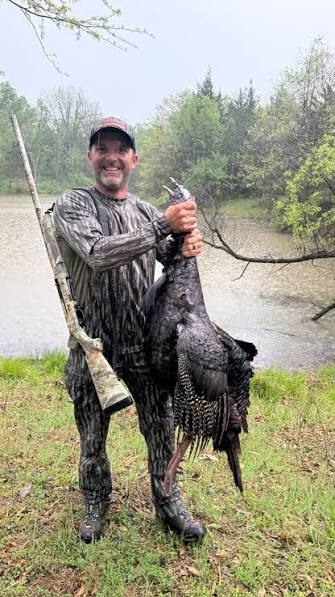
FAQs
1. How long does it take to learn how to hunt turkey in the rain?
Most beginners need more than one season to feel confident, especially in wet weather. You can learn the basics quickly, but safe gun or bow handling, reading turkey sign, calling, setup choice, and patient decision-making improve with practice, mentoring, and time in the field.
2. Do I need a hunting license to hunt turkey in the rain?
Yes, in most places you need a valid hunting license and may also need a turkey permit, tag, stamp, or harvest authorization. Always verify current rules with your official wildlife agency before hunting.
3. Are rainy days legal for turkey hunting?
Rain alone does not usually make hunting illegal, but legal hunting depends on season dates, legal hours, weapon rules, land access, and local regulations. Severe weather can create safety risks, so use judgment and leave the field when conditions become unsafe.
4. Is turkey hunting better in light rain or heavy rain?
Light rain can be workable because turkeys may still move and feed. Heavy rain often reduces calling, visibility, comfort, and hearing, so many hunters focus on field edges, openings, and safer sheltered routes during steady rain.
5. Where do turkeys go when it rains?
Turkeys often use open areas, field edges, logging roads, pastures, clearings, and less brushy travel routes in rain because dripping vegetation limits visibility and sound. Local habitat, pressure, season, and food availability can change this pattern.
6. Can you call turkeys in the rain?
Yes, but calling may carry differently in wet conditions. Use clear, realistic calls and avoid calling constantly. Soft yelps, clucks, and occasional locator-style listening can help, but patience often matters more than volume.
7. What turkey calls work best in wet weather?
Mouth calls handle rain well because they are protected inside your mouth. Slate and box calls can work if kept dry, but rain can affect their sound. Carry calls in waterproof pockets or pouches.
8. Should I use decoys in the rain?
Decoys can help in open areas where turkeys rely more on sight. Set them where they are visible, legal, and safe, but do not place them where another hunter could mistake the setup or shoot in your direction.
9. What clothing should I wear for rainy turkey hunting?
Wear quiet rain gear, moisture-wicking base layers, waterproof boots, and clothing appropriate for your local visibility rules. Avoid loud, shiny fabric that makes noise when you move.
10. Do I need waterproof boots?
Waterproof boots are strongly recommended because wet feet can lead to discomfort, poor focus, and safety problems. Choose boots with traction for mud, slopes, creek crossings, and wet leaves.
11. Can I hunt turkey with a shotgun in the rain?
You may hunt with a shotgun only where it is legal and during the proper season. Keep the firearm safe, dry when possible, pointed in a safe direction, and follow all manufacturer and hunter education guidance.
12. Can I bowhunt turkey in the rain?
Bowhunting may be legal in some seasons and areas, but rules vary. Practice with your legal equipment, protect broadheads, know your effective range, and avoid shots beyond your ability.
13. Does rain affect turkey tracks?
Rain can make fresh tracks easier to see in mud, but heavy rain can also wash sign away. Look for tracks along field edges, logging roads, creek crossings, sandy trails, and muddy openings.
14. How do I scout turkeys before a rainy hunt?
Scout from a distance when possible. Look for roost areas, scratching, droppings, tracks, feeding sites, strut zones, field edges, and travel routes. Avoid disturbing birds right before the hunt.
15. What time of day is best for turkey hunting in the rain?
Morning can still be productive, but rainy birds may stay quiet on the roost or move later. Midday can be useful when rain lightens and birds begin feeding or traveling.
16. Do turkeys gobble less in rain?
They often gobble less during heavy rain or wind because sound is harder to hear and conditions are uncomfortable. On light rain days or after rain breaks, gobbling may improve.
17. What should I do if turkeys stop responding to calls?
Reduce calling, stay patient, and watch openings and travel routes. Silent birds can still approach. Too much calling can make pressured birds suspicious.
18. Is public land turkey hunting in the rain a good idea?
It can be, because rain may reduce hunting pressure. Verify legal access, boundaries, parking rules, and safety around other users before hunting public land.
19. How do I get permission for private land turkey hunting?
Ask the landowner before the season, be respectful, explain your plan, follow gates and parking instructions, avoid livestock and crops, and consider getting written permission where required or recommended.
20. Should I hunt field edges during rain?
Field edges can be useful because turkeys may move to open areas during rain. Set up with a safe backstop, legal access, and enough cover to remain still.
21. Does wind direction matter for turkey hunting?
Turkeys rely heavily on eyesight and hearing, but wind still matters for hunter comfort, sound, and movement. Wind can hide noise, but it can also make hearing birds more difficult.
22. How important is camouflage in rainy turkey hunting?
Camouflage can help break up your outline, but staying still is more important. Match your clothing to habitat, follow visibility rules, and avoid unsafe full camouflage in areas where hunter orange is required.
23. Do I need a blind for rainy turkey hunting?
A blind can help keep you dry and hide movement, especially for beginners. Use it only where legal, place it safely, and avoid blocking trails or setting up too close to other hunters.
24. Can I still-hunt turkeys in the rain?
Moving slowly can work, but it carries safety risks because turkeys and hunters can be hard to see. Move carefully, identify legal targets fully, and never stalk turkey sounds or decoys.
25. Is it safe to hunt during thunderstorms?
No. Lightning, high winds, flooding, falling branches, and poor visibility can create serious danger. Leave the field and seek safe shelter when thunderstorms are possible or present.
26. What should I pack for a rainy turkey hunt?
Pack license and tags, legal weapon, waterproof clothing, calls, map, compass or GPS, first aid kit, water, snacks, emergency communication, gloves, game bags if needed, and a dry storage bag.
27. How do I keep turkey calls dry?
Use waterproof pockets, small dry bags, sealed call cases, or inside jacket pockets. Test your calls before the hunt and carry a backup call that works when wet.
28. How do I protect my firearm from rain?
Keep it pointed safely, avoid mud in the muzzle, wipe moisture away when safe, and clean and dry it after the hunt according to manufacturer instructions. Do not modify the firearm or bypass safety features.
29. How do I protect a bow from rain?
Keep broadheads covered, inspect strings and accessories, dry equipment after the hunt, and follow manufacturer care instructions. Practice in safe conditions so you understand how your setup handles wet weather.
30. What should I do if visibility is poor?
Do not take a shot if you cannot clearly identify the turkey, confirm it is legal, and know what is beyond it. Poor visibility is a valid reason to wait or end the hunt.
31. Can rain help reduce hunting pressure?
Yes, fewer hunters may go out in uncomfortable weather. That can create quieter access, but you still must be aware of other hunters, hikers, roads, homes, and property boundaries.
32. How close should I set up to a roost in the rain?
Set up only where legal, safe, and unlikely to spook birds. Avoid crowding the roost; choose a route that lets you enter quietly without walking under birds or exposing yourself in open areas.
33. Should I hunt after the rain stops?
Often, the period after rain eases can be productive because birds may feed, move, and become more vocal. Be in position before the break if you can do so safely and legally.
34. What are common turkey signs in wet weather?
Look for muddy tracks, fresh droppings, scratching under leaf litter, feathers, dusting areas that remain dry, and travel routes between roosts, feeding areas, and openings.
35. How do I avoid spooking turkeys in the rain?
Move slowly, use terrain for cover, avoid noisy clothing, minimize unnecessary calling, and set up before birds arrive. Wet leaves can be quiet, but puddles, brush, and gear noise still matter.
36. Is scent control important for turkey hunting?
Scent is less important than with deer because turkeys rely more on vision and hearing. Still, clean clothing and natural wind-aware movement can help you stay comfortable and reduce disturbance.
37. What is an ethical shot opportunity on a turkey?
An ethical opportunity is legal, clearly identified, within your practiced range, and taken only when the background is safe. Pass on uncertain, rushed, blocked, or unsafe shots.
38. What if another hunter is nearby?
Do not call aggressively toward another hunter, never stalk calling, and avoid moving toward turkey sounds. Make your presence known safely if needed and choose another area if conflict or danger is possible.
39. Should I wear hunter orange while turkey hunting?
Visibility rules vary by location and season. Some areas require orange during movement or on public land, while others do not. Follow local regulations and consider safe visibility when walking.
40. Can I shoot at movement in the brush?
No. Never shoot at sound, movement, color, or a partial shape. Identify the turkey clearly, confirm it is legal, and make sure the background is safe before any shot.
41. How do I plan an entry route in rainy conditions?
Use maps to choose legal access, avoid flooded crossings, stay off unsafe slopes, and approach quietly with wind, cover, and visibility in mind. Tell someone your plan before you go.
42. What if my gear fails in the rain?
Stop and fix the issue only when it is safe. Carry simple backups such as an extra call, dry gloves, spare batteries, waterproof bags, and a basic repair kit.
43. How do I handle mud and slippery terrain?
Wear boots with traction, use trekking poles if helpful, slow down, avoid steep wet slopes, and turn back from dangerous crossings. A hunt is not worth a serious fall.
44. What should I do after harvesting a turkey?
Follow tagging, reporting, transport, and meat-care rules. Keep the bird clean, cool it promptly, and use the meat responsibly according to local regulations and food safety guidance.
45. Do I need to report a turkey harvest?
Many areas require harvest reporting or check-in, but rules vary. Know the reporting system before you hunt and complete it within the required time if it applies.
46. How do I care for turkey meat in rainy weather?
Keep equipment clean, use gloves if appropriate, prevent contamination from mud and water, cool the meat promptly, and transport it according to local rules.
47. Can beginners hunt turkey in the rain?
Yes, but beginners should be conservative. Choose safe access, simple setups, legal methods, manageable weather, and consider hunting with an experienced mentor.
48. How much does rainy turkey hunting cost?
Costs vary by licenses, permits, gear, travel, ammunition or arrows, and clothing. Beginners can keep costs lower by buying only legal, safe essentials first.
49. Do I need expensive rain gear?
No, but you need rain gear that keeps you dry enough, allows quiet movement, and fits the weather. Comfort and safety matter more than brand names or high prices.
50. How do I know if a turkey is legal to harvest?
Study your local regulations before the hunt. Rules may depend on sex, beard length, season, tag type, daily limit, weapon type, and location.
51. What should I do if I am unsure about a rule?
Do not hunt until you confirm the rule through your official wildlife agency, regulation booklet, game warden, or hunter education resource. Guessing can lead to unsafe or illegal decisions.
52. How do I improve after an unsuccessful rainy hunt?
Take notes on weather, turkey sign, calling response, pressure, setup location, and access route. Use those notes to adjust your scouting and setup next time.
53. What is the biggest mistake beginners make in rainy turkey hunting?
A common mistake is rushing into a setup without checking laws, wind, access, visibility, and safety. Another is overcalling when birds are quiet.
54. When should I ask for professional guidance?
Ask for help if you are new to firearms or bows, unsure about regulations, unfamiliar with the area, uncomfortable with recovery or meat care, or hunting difficult terrain.
55. How does turkey hunting support conservation?
License fees, habitat work, harvest reporting, and ethical participation help wildlife agencies manage turkey populations and habitat. Responsible hunters also protect access by respecting land and other users.
Read more: