
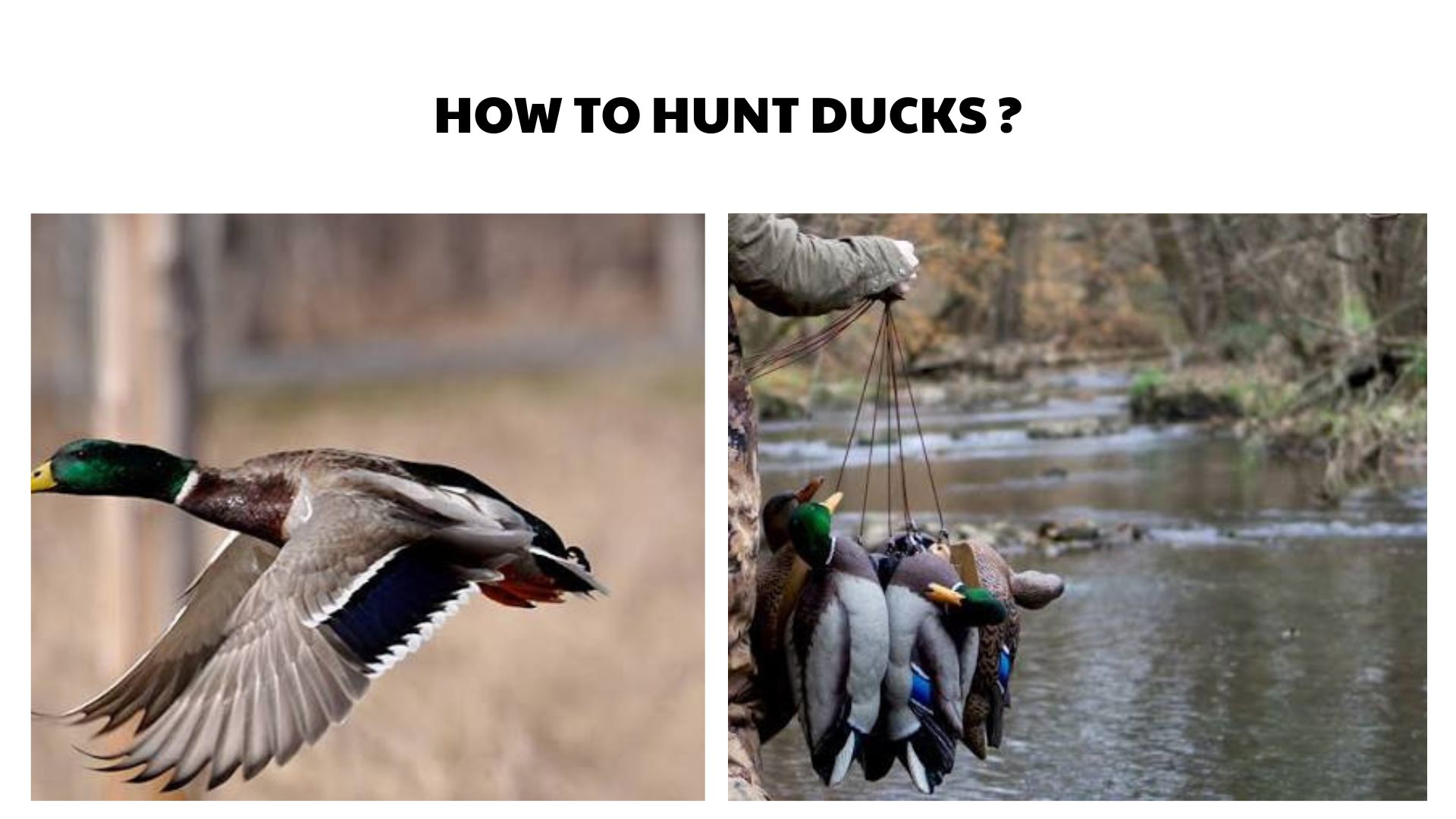

Quick Answer
To learn how to hunt ducks, first check your current hunting license, migratory bird permits, duck stamp requirements, season dates, bag limits, legal shooting hours, ammunition rules, and land access rules. Then scout wetlands, marshes, ponds, rivers, lakes, flooded timber, crop fields, and flight paths where ducks legally use water and food sources. Set up with good concealment, legal decoys if allowed, safe shooting lanes, and the wind in mind because ducks often land into the wind. Take only safe, legal, ethical shots within your practiced ability, then follow all recovery, reporting, transport, and meat care rules.
Important Legal and Safety Notice Before You Hunt
Duck hunting regulations vary by location and season. Before hunting, readers must check their official wildlife agency for current license, permit, tag, stamp, season, legal shooting hours, weapon, ammunition, bag limit, land access, reporting, possession, and transport rules.
In the United States, waterfowl hunters age 16 or older generally need a current signed Federal Duck Stamp along with required state licenses and permits; U.S. Fish and Wildlife Service also notes that most hunters must enroll in HIP unless exempt by state license rules. :contentReference[oaicite:0]{index=0} In Canada, migratory game bird hunters must have a valid Migratory Game Bird Hunting Permit with the Canadian Wildlife Habitat Conservation Stamp, and they must check current provincial or territorial summaries for seasons and limits. :contentReference[oaicite:1]{index=1}
- Hunting license and permits: Confirm your state, provincial, territorial, federal, and local requirements before hunting.
- Duck stamp or migratory bird permit: Waterfowl hunting often requires special migratory bird documentation in addition to a basic hunting license.
- Harvest reporting: Check HIP, local reporting systems, harvest surveys, tagging rules, and possession requirements.
- Legal season and legal hours: Duck seasons, zones, species limits, and shooting hours can vary widely.
- Legal weapons and ammunition: Verify shotgun capacity rules, approved ammunition, and any special method restrictions.
- Nontoxic shot: U.S. Fish and Wildlife Service states that nontoxic shot regulations apply to waterfowl, including ducks, geese, brant, swans, and coots. :contentReference[oaicite:2]{index=2}
- Public land or private land access: Confirm maps, refuge rules, boat access, parking, boundaries, permission, and closed areas.
- Required clothing or visibility rules: Check whether blaze orange, safety colors, or other visibility rules apply in your hunting area.
- Safe firearm or bow handling: Keep the muzzle pointed in a safe direction, keep your finger off the trigger until ready, and identify the target and background.
- Weather, navigation, and emergency planning: Duck hunting often involves water, mud, cold, fog, boats, waders, and low-light travel.
Understanding the Game Species and Its Habitat
The target game species for this guide is ducks, especially migratory waterfowl commonly hunted under regulated seasons. Ducks are not all the same. Beginners should learn the difference between puddle ducks, also called dabbling ducks, and diving ducks, because they often use different water depths, feeding areas, and flight patterns.
Dabbling ducks, such as mallards and teal, often feed in shallow water, marsh edges, flooded vegetation, ponds, creeks, and agricultural wetlands. Diving ducks often use larger, deeper water such as lakes, reservoirs, bays, rivers, and open-water areas. Ducks Unlimited identifies many types of ducks and waterfowl and emphasizes that different species have different behaviors and preferred habitats. :contentReference[oaicite:3]{index=3}
Duck movement is strongly affected by food, water level, weather, temperature, hunting pressure, migration timing, wind, and safe resting cover. Some ducks may feed early and late in the day, while others may shift patterns when pressure increases. A beginner should learn to recognize feeding areas, resting water, flight lines, loafing spots, feathers, tracks in mud, droppings on banks, wingbeats, calls, and repeated bird movement.
Scouting is one of the most important parts of duck hunting. Ducks Unlimited describes waterfowl scouting as learning patterns of duck and goose behavior across the landscape during the hunting season. :contentReference[oaicite:4]{index=4} Instead of guessing where ducks might be, watch where they actually land, feed, rest, and travel.
What You Need Before You Start
- Valid hunting license, migratory bird permits, duck stamp, HIP enrollment where required, tags if applicable, and current regulation knowledge
- Legal shotgun or legal hunting method allowed in your area
- Approved nontoxic waterfowl ammunition where required
- Shotgun plug or capacity compliance if required by local waterfowl regulations
- Hunter orange or required visibility clothing if applicable to your area or access route
- Weather-appropriate hunting clothing, waterproof outerwear, gloves, hat, and warm layers
- Waterproof boots or waders suitable for mud, shallow water, and cold conditions
- Navigation tools such as map, compass, GPS, or a hunting app with legal boundary information
- First aid kit, water, snacks, headlamp, and emergency communication
- Binoculars for identification, scouting, and safe observation
- Duck decoys, decoy line, anchors, and a decoy bag if decoys are legal and useful in your setup
- Duck call if you are willing to practice before the hunt
- Blind, boat blind, natural cover, layout blind, or portable panel blind when legal and practical
- Life jacket or personal flotation device when hunting from a boat or around deeper water
- Game bags, gloves, cooler, and clean meat care supplies for responsible handling
how to hunt ducks: Step-by-Step Guide
Step 1: Check Local Hunting Laws First
Start with the current official regulations for your exact hunting location. Confirm the duck season, legal species, daily bag limits, possession limits, shooting hours, license requirements, duck stamp or migratory permit rules, HIP registration, approved ammunition, shotgun capacity, public land rules, boat rules, and harvest reporting requirements.
Never assume that another hunter’s advice is current. Duck hunting laws can change by flyway, zone, water body, refuge, wildlife management area, species, and date. If a rule is unclear, contact the official wildlife agency before hunting.
Step 2: Learn the Animal’s Patterns
Ducks need food, water, cover, and safety. Dabbling ducks often use shallow marshes, flooded grasses, sloughs, potholes, small ponds, creeks, and flooded fields. Diving ducks often use larger and deeper water. Watch where ducks feed, where they rest, and how they travel between areas.
Beginners should learn common local duck species before hunting. Identification matters because legal limits can vary by species and sex in some places. Do not shoot at a bird unless you can identify it clearly and confirm it is legal.
Step 3: Choose a Legal Hunting Area
Duck hunting may be available on public wildlife areas, national wildlife refuges, state lands, provincial lands, rivers, lakes, marshes, reservoirs, private wetlands, agricultural fields, or managed impoundments. Each area may have different rules.
For public land hunting, study maps, boat ramps, parking areas, hunt units, boundaries, closed zones, refuge lines, access times, and blind rules. For private land hunting, get clear permission before entering. Written permission is helpful where appropriate. Respect gates, crops, livestock, drainage structures, roads, and landowner instructions.
Step 4: Scout Before the Hunt
Scout at the times ducks are likely to move. Early morning and late afternoon observation can reveal feeding flights, roosting water, preferred landing pockets, and pressure patterns. Watch from a legal distance and avoid disturbing birds before the hunt.
Look for live ducks, feathers, droppings, tracks in mud, repeated flight paths, open water pockets, feeding ripples, loafing banks, and areas with natural food. On public land, also watch where other hunters park, enter, and set up so you can avoid crowding and unsafe situations.
Step 5: Prepare Your Gear Safely
Before leaving home, confirm that your firearm is unloaded during transport, your ammunition is legal for waterfowl, your licenses and permits are with you, and your safety gear is packed. Follow firearm manufacturer instructions and official hunter education guidance.
Check waders for leaks, inspect decoy lines and anchors, charge communication devices, pack dry clothing, and prepare a simple plan for cold, rain, fog, mud, or boat trouble. If hunting with a dog, bring dog safety gear, fresh water, a vest if conditions require it, and a clear retrieval plan.
Step 6: Plan for Wind, Weather, and Entry Route
Wind direction matters because ducks often prefer to land into the wind. Set your blind and decoys so ducks can approach naturally without forcing unsafe shots toward roads, homes, boats, people, livestock, trails, or other hunters.
Weather can change duck movement and safety conditions quickly. Cold fronts, rain, snow, fog, wind, and freezing temperatures may change bird behavior, but they can also increase risk. Plan a quiet entry route that avoids disturbing roosted birds, damaging habitat, or crossing illegal boundaries.
Step 7: Set Up Carefully
Choose a setup that gives you concealment, legal access, safe shooting lanes, and a realistic landing area for ducks. In marshes, natural vegetation can help hide your outline. In open water, a boat blind or shoreline blind may be useful if legal. In flooded timber, trees and shadows can help, but always confirm safe angles and visibility.
Place decoys where ducks can see them, but leave an open landing pocket. Avoid placing decoys in a way that encourages shots toward other hunters or unsafe backgrounds. If hunting from a boat, wear a life jacket and follow all boating laws.
Step 8: Stay Patient and Observe
Duck hunting rewards stillness and observation. Keep hands, face, gear, and shiny objects hidden. Move slowly only when birds are not working your area. Listen for wingbeats, calls, splashes, and distant shooting pressure.
Do not call constantly just because you have a duck call. Watch how birds respond. If ducks are already coming, quiet confidence may work better than loud calling. If they circle but drift away, soft calling and better concealment may help.
Step 9: Take Only a Safe, Legal, and Ethical Shot Opportunity
Only shoot when the duck is clearly identified, legal to harvest, within your practiced ability, and in a safe direction. Know what is beyond the bird. Do not shoot toward roads, homes, boats, people, dogs, livestock, trails, or unclear movement.
Avoid high, far, rushed, or uncertain shots. Ethical duck hunting means practicing before the season and passing on opportunities that are unsafe or likely to cause poor recovery.
Step 10: Follow Legal Recovery and Reporting Rules
After a legal harvest, recover the bird safely and promptly while keeping firearms pointed in a safe direction. Be careful with deep water, current, ice, mud, and poor visibility. If using a retriever, keep the dog safe and controlled.
Follow all local rules for possession, species identification, tagging if required, harvest reporting, transport, and gifting. Keep any required evidence of species or sex attached if your regulations require it.
Step 11: Handle the Game Responsibly
Use clean gloves and tools, keep birds cool, and transport them legally. Responsible meat care is part of ethical hunting. Do not waste harvested game. If you are new to cleaning and cooking wild duck, learn from an experienced mentor, hunter education resource, or reputable wild game handling guide.
Best Time, Place, and Conditions for This Hunt
The best time to hunt ducks depends on legal season dates, migration timing, local water levels, weather, food availability, and hunting pressure. Many hunts focus on morning movement from resting water to feeding areas, while afternoon hunts may focus on birds returning to safe water or feeding areas. Always follow legal shooting hours.
Good duck habitat often includes marshes, ponds, lakes, reservoirs, rivers, creeks, sloughs, flooded timber, flooded fields, managed wetlands, potholes, and shallow feeding areas. Dabbling ducks often use shallow water and vegetation, while diving ducks may favor deeper water and larger open areas.
Wind direction influences landing behavior. Ducks often approach into the wind, so decoy placement and blind position should create a natural, safe approach. Weather can help or hurt. Wind may create movement and cover sound, while fog, storms, ice, and cold water can create serious safety concerns.
Public land can be productive but may have more pressure, early competition, access rules, and safety concerns. Private land may offer better control over access, but only with clear permission. Local behavior matters more than generic advice, so scout your own area before each hunt.
Helpful Tips for Better Results
- Scout before hunting instead of choosing a spot based only on old reports or guesswork.
- Learn local duck identification so you can follow species-specific limits and avoid illegal harvest.
- Use nontoxic ammunition approved for waterfowl where required.
- Set decoys with an open landing pocket and safe shooting direction.
- Blend your blind into the exact cover around you, not just general camouflage.
- Keep your face, hands, dog, and gear hidden when ducks are working.
- Call less when ducks are responding well and more carefully when they need guidance.
- Plan your entry route so you do not disturb roosted birds before legal shooting time.
- Wear a life jacket when hunting from a boat or around dangerous water.
- Bring backup gloves, dry socks, and emergency gear for cold wet conditions.
- Hunt with a mentor until you are confident in regulations, identification, firearm safety, and recovery.
- Keep a hunting journal with weather, wind, water level, duck movement, and setup notes.
Common Mistakes to Avoid
Many beginner duck hunting problems come from poor preparation rather than bad luck. Ducks are alert, regulations are detailed, and wetland conditions can change quickly. Avoiding common mistakes helps you stay safe, legal, and more effective.
- Not checking current regulations: Duck seasons, limits, species rules, and legal shooting hours can change.
- Missing required permits or stamps: Waterfowl hunting often requires more than a basic hunting license.
- Using the wrong ammunition: Lead shot is not legal for waterfowl hunting in many regulated systems; verify approved nontoxic shot rules.
- Poor duck identification: Beginners must learn local species before hunting.
- Ignoring wind direction: Bad wind planning can make birds land poorly or create unsafe shooting angles.
- Bad concealment: Exposed faces, shiny gear, square blind shapes, and movement cause ducks to flare.
- Overcalling: Loud constant calling can make cautious ducks leave.
- Setting up too close to others: Crowding creates conflict and safety risk on public land.
- Shooting too far: Long shots reduce clean recovery and are not ethical for beginners.
- Underestimating water danger: Cold water, mud, current, ice, and boat problems can become emergencies.
- Not planning recovery: Think about retrieval before you choose your setup.
- Failing to care for meat: Cooling, transporting, and using harvested birds responsibly is part of ethical hunting.
Troubleshooting Common Problems
| Problem | Possible Cause | What to Do |
|---|---|---|
| You are not seeing any ducks | Poor location, wrong timing, stale scouting, low water, high pressure, or weather change | Scout current movement, check water levels, watch flight lines, and try a different legal access point. |
| Ducks circle but will not land | Poor concealment, unnatural decoys, too much calling, or bad wind setup | Brush the blind better, reduce movement, adjust the landing pocket, and call less aggressively. |
| Ducks flare suddenly | Exposed face, shiny gun barrel, moving dog, unnatural blind shape, or unsafe decoy placement | Hide reflective gear, cover skin, keep the dog still, and match the blind to surrounding cover. |
| Other hunters are too close | Public land pressure or poor spacing | Stay calm, avoid conflict, do not shoot toward others, and move only if legal and safe. |
| You are unsure if a bird is legal | Poor identification or species-specific limits | Do not shoot. Study local duck identification and wait for a clearly legal bird. |
| Weather gets dangerous | Storms, fog, ice, strong wind, cold water, or poor visibility | End the hunt or move to safety. No duck is worth a weather emergency. |
| Gear fails in the field | Unchecked waders, broken decoy lines, wet calls, dead batteries, or poor packing | Inspect gear before the hunt and carry simple backups for critical safety items. |
| You cannot retrieve a bird safely | Deep water, current, ice, mud, distance, or lack of dog or boat support | Plan retrieval before shooting and avoid shots that create unsafe recovery conditions. |
| You feel nervous when ducks approach | Beginner pressure and lack of routine | Practice safe gun handling, define shooting lanes, breathe, and pass on rushed opportunities. |
| You are confused about legal rules | Multiple zones, species limits, permit rules, or public land restrictions | Stop and verify with the official wildlife agency before hunting. |
Ethical Hunting and Conservation
Ethical duck hunting protects the future of waterfowl, wetlands, and hunting access. It means obeying seasons and limits, practicing before hunting, identifying birds correctly, using legal ammunition, passing on unsafe shots, recovering birds responsibly, and avoiding waste.
Waterfowl hunters also support conservation through licenses, duck stamps, habitat programs, and responsible participation. The U.S. Fish and Wildlife Service describes the Duck Stamp as both a license requirement for many waterfowl hunters and a conservation tool. :contentReference[oaicite:5]{index=5} In Canada, the Canadian Wildlife Habitat Conservation Stamp supports wildlife and habitat conservation, particularly migratory birds. :contentReference[oaicite:6]{index=6}
- Respect wildlife by taking only legal and ethical opportunities.
- Respect landowners by asking permission and following instructions.
- Respect other hunters by avoiding crowding, skybusting, and unsafe shooting lanes.
- Obey season dates, legal hours, bag limits, possession limits, and species restrictions.
- Avoid waste by recovering birds and caring for meat properly.
- Practice before the season so your shots are realistic and controlled.
- Pass on unsafe, uncertain, distant, or poorly identified birds.
- Pick up shells, trash, decoy line, and anything else you bring into the field.
When to Get More Training or Professional Guidance
Beginners should seek additional help if they have never handled a firearm or bow, have not completed hunter education, are unsure about local laws, do not understand land boundaries, are not confident in safe shooting, are hunting unfamiliar wetlands, or need help with recovery and meat care.
Duck hunting can involve boats, waders, dogs, cold water, low light, fog, ice, mud, and group shooting. These conditions make training and mentorship especially valuable. Learn from official hunter education courses, state or provincial wildlife agencies, certified instructors, experienced ethical mentors, local conservation organizations, and reputable hunting clubs.
After the Hunt: Follow-Up, Gear Care, and Learning
After the hunt, unload and store firearms safely according to law and manufacturer instructions. Dry wet clothing, clean mud from boots and waders, check decoy lines, rinse decoy anchors if needed, dry your blind, and inspect calls for dirt or moisture. Store ammunition safely and separately where required.
Maintain legal records, harvest reports, or survey information required by your wildlife agency. Keep notes about weather, wind direction, water level, duck species, flight time, decoy setup, calling, pressure, and what worked or failed. These notes help you improve before the next hunt.
If you harvested ducks, cool the birds, keep them clean, follow transport and possession rules, and use the meat responsibly. If you are new to wild game cooking, ask an experienced hunter or reputable source for safe preparation guidance.
Recommended Hunting Gear and Tools to Consider
You do not always need expensive gear to hunt responsibly. Choose gear based on your local laws, hunting method, species, terrain, weather, safety needs, skill level, and budget.
- Legal hunting weapon or method allowed in your area
- Approved nontoxic waterfowl ammunition where required
- Quality waterproof boots or waders for marsh, mud, and shallow water
- Weather-appropriate clothing and required visibility gear
- Duck decoys, decoy bag, anchors, and lines for legal decoy setups
- Duck call for hunters willing to practice
- Blind, boat blind, layout blind, or natural concealment materials where legal
- Binoculars or optics for safe observation and identification
- Navigation tools such as a map, compass, GPS, or hunting app
- First aid kit and emergency communication
- Life jacket or personal flotation device for boat or deep-water hunting
- Game bags, gloves, cooler, and meat care supplies if relevant
Final Thoughts
Learning how to hunt ducks is a step-by-step process built on legal preparation, scouting, species identification, safe firearm handling, good concealment, wind awareness, ethical shot decisions, and responsible recovery. Beginners should focus on understanding local regulations, finding real duck movement, choosing safe setups, and hunting with patience.
Duck hunting can be rewarding, but it requires humility and responsibility. Check current rules, respect wetlands, avoid unsafe shots, recover birds carefully, use harvested game responsibly, and choose methods and gear based on your local laws, terrain, skill level, and conservation responsibilities.
FAQs
1. How long does it take to learn how to hunt ducks?
A beginner can learn the basic process in one season, but becoming consistent may take several seasons. Scouting, identification, calling, decoy placement, shooting ability, and safety judgment improve with practice and mentorship.
2. Is duck hunting good for beginners?
Duck hunting can be good for beginners if they take hunter education, learn regulations, hunt with a mentor, practice safe firearm handling, and start with simple legal setups.
3. Do I need a license to hunt ducks?
Yes. Most places require a hunting license and additional migratory bird permits, stamps, or registrations. Requirements vary by country, state, province, territory, and season.
4. Do I need a duck stamp?
In the United States, waterfowl hunters age 16 or older generally need a current signed Federal Duck Stamp along with required state licenses and permits. Always confirm current rules before hunting. :contentReference[oaicite:7]{index=7}
5. What is HIP registration?
HIP stands for Harvest Information Program. In the United States, many migratory bird hunters must enroll unless exempt by state rules. Check your state wildlife agency for details.
6. What permit do I need to hunt ducks in Canada?
Canada requires a Migratory Game Bird Hunting Permit with the Canadian Wildlife Habitat Conservation Stamp for migratory game bird hunting. Provincial and territorial regulations also apply. :contentReference[oaicite:8]{index=8}
7. When is duck hunting season?
Duck season depends on your location, flyway, zone, species, and year. Always check your official wildlife agency for current season dates and legal shooting hours.
8. What is the best time of day to hunt ducks?
Many duck hunts focus on early morning movement, but afternoon hunts can also be productive where legal. The best time depends on local feeding, resting, weather, and pressure patterns.
9. Where is the best place to hunt ducks?
Good duck areas often include marshes, ponds, lakes, rivers, sloughs, flooded timber, flooded fields, reservoirs, and managed wetlands. The best location is where current scouting shows legal duck activity.
10. Can I hunt ducks on public land?
Yes, if the public land is open to duck hunting and you follow all rules. Check access points, hunt units, blind rules, parking, boat ramps, closed areas, and legal boundaries.
11. Can I hunt ducks on private land?
Yes, with clear landowner permission and legal compliance. Respect gates, crops, livestock, roads, water-control structures, and property boundaries.
12. What gear does a beginner need for duck hunting?
Start with licenses and permits, legal firearm or method, approved nontoxic ammunition, waterproof clothing, boots or waders, safety gear, navigation tools, decoys if useful, and responsible meat care supplies.
13. Do I need decoys to hunt ducks?
Decoys are helpful in many duck hunting situations, but they are not always required. Scouting, location, concealment, and wind setup are often more important than having many decoys.
14. How many duck decoys should a beginner use?
There is no perfect number. A small realistic spread in the right location can work better than a large unnatural spread. Match the decoys to local species and habitat.
15. Do I need a duck call?
A duck call can help, but only if you practice. Poor calling can scare birds. Beginners should learn simple calls and watch how ducks respond.
16. What kind of ducks can I hunt?
Legal species depend on your location and season. Learn local duck identification and check current species limits before hunting.
17. Why is duck identification important?
Some duck species may have different limits, restrictions, or closed seasons. Do not shoot unless you can identify the bird and confirm it is legal.
18. What is a dabbling duck?
A dabbling duck is a duck that often feeds in shallow water by tipping forward, grazing, or feeding near the surface. Mallards and teal are common examples in many areas.
19. What is a diving duck?
A diving duck is a duck that often dives underwater for food and commonly uses deeper lakes, rivers, bays, or open water. Beginners should learn how diver behavior differs from dabblers.
20. How do I scout ducks?
Watch legal areas during morning and evening movement. Look for feeding areas, resting water, flight lines, feathers, droppings, tracks, and repeated duck activity.
21. What are duck flight lines?
Flight lines are routes ducks commonly use between feeding, resting, and roosting areas. Scouting flight lines helps you choose better legal setups.
22. How important is wind direction?
Wind is very important because ducks often land into the wind. Plan your blind, decoys, and shooting lanes around a safe wind-based approach.
23. What is a landing pocket?
A landing pocket is an open area in or near the decoys where ducks can naturally approach and land. It should be placed with wind and safe shooting angles in mind.
24. What is the best weather for duck hunting?
Good conditions vary, but wind, temperature changes, rain, and migration weather can influence duck movement. Safety comes first in storms, fog, ice, cold water, and high wind.
25. Is fog dangerous for duck hunting?
Fog can reduce visibility and increase risk. Never shoot at sound, shadows, or unclear movement. Always identify the bird and background before shooting.
26. Can I hunt ducks in the rain?
Rain may create duck movement in some areas, but it can also make conditions colder and more dangerous. Wear proper gear and stop hunting if conditions become unsafe.
27. Can I hunt ducks from a boat?
Yes, where legal, but boat hunting requires boating safety, life jackets, legal access, safe firearm handling, and awareness of water depth, current, wind, and weather.
28. Do I need waders for duck hunting?
Waders are useful in many marsh and shallow-water hunts, but they are not always required. Use them safely and avoid deep water, strong current, ice, and soft mud.
29. Are waders dangerous?
Waders can be dangerous in deep water, current, mud, or cold conditions. Use a wading belt, know the bottom, avoid risky water, and wear a life jacket when appropriate.
30. What ammunition should I use for duck hunting?
Use only legal, approved ammunition for your location. In the U.S., nontoxic shot regulations apply to waterfowl hunting. Check current federal and state rules before buying ammunition. :contentReference[oaicite:9]{index=9}
31. Can I use lead shot for duck hunting?
Lead shot is not legal for waterfowl hunting in many regulated systems, including U.S. waterfowl hunting. Verify approved nontoxic shot requirements before hunting.
32. What shotgun is best for duck hunting?
The best shotgun is one that is legal, reliable, properly fitted, safely handled, and patterned with legal ammunition. Beginners should focus on safety and practice rather than brand names.
33. Should I pattern my shotgun?
Yes. Patterning shows how your shotgun and ammunition perform at practical distances. It supports better ethical shot decisions.
34. How far should I shoot at ducks?
Only shoot within your practiced ability and effective pattern. Beginners should avoid long shots and pass on birds that are too far, too fast, or poorly identified.
35. What is skybusting?
Skybusting means shooting at birds that are too high or too far away. It is unethical, often ineffective, and can wound birds or create conflict with other hunters.
36. How do I stay hidden from ducks?
Blend into natural cover, cover your face and hands, reduce shine, keep the dog still, avoid sudden movement, and match your blind to the surrounding habitat.
37. Is scent control important for duck hunting?
Scent control is usually less important for ducks than for big game. Movement, concealment, wind setup, decoys, and location are usually more important.
38. Do I need a tree stand for duck hunting?
No. Tree stands are generally not part of duck hunting. Duck hunters usually use blinds, boats, natural cover, shoreline setups, or flooded timber positions.
39. Is bowhunting ducks legal?
Some areas may allow archery methods, while others may not. Check local regulations carefully and hunt only within your proven ethical range and ability.
40. Can I hunt ducks with a dog?
Yes, where legal, if the dog is trained, controlled, and safe. Cold water, ice, current, and deep mud can be dangerous for dogs, so plan carefully.
41. What should I do after harvesting a duck?
Recover it safely, keep it legally identifiable if required, follow reporting and possession rules, cool it promptly, and transport it according to local regulations.
42. Do I have to report harvested ducks?
Reporting requirements vary. Some areas require HIP registration, harvest surveys, check-ins, tags, or other reporting. Check your official wildlife agency.
43. How do I care for duck meat?
Keep the bird clean and cool, follow safe food handling practices, obey transport rules, and use the meat responsibly. Ask an experienced hunter if you are unsure.
44. What is the biggest beginner mistake in duck hunting?
The biggest mistake is hunting without current scouting and legal preparation. Location and compliance matter more than buying more gear.
45. Why do ducks flare from my decoys?
Ducks may flare because of poor concealment, movement, shiny gear, unnatural decoy placement, bad wind setup, overcalling, or hunting pressure.
46. How can I avoid bothering other hunters?
Give others space, avoid setting up too close, follow public land etiquette, keep shots safe, avoid skybusting, and communicate calmly if conflicts arise.
47. Can I hunt ducks near roads or houses?
Only if it is legal and safe, but many areas have distance restrictions. Never shoot toward roads, homes, vehicles, people, livestock, or unsafe backgrounds.
48. What should I do if I am unsure about property boundaries?
Do not enter or hunt until you confirm the boundary. Use official maps, property apps, signs, landowner permission, and agency guidance.
49. How much does it cost to start duck hunting?
Costs vary depending on licenses, permits, firearm access, ammunition, clothing, waders, decoys, blinds, and travel. Start with legal requirements and safety essentials first.
50. Can I hunt ducks without expensive gear?
Yes. Scouting, legal access, concealment, safety, and patience matter more than expensive equipment. Add gear gradually as you learn your local hunting style.
51. What should I pack for a duck hunt?
Pack licenses, permits, legal ammunition, water, snacks, first aid, headlamp, navigation, dry layers, gloves, decoys if needed, calls, and meat care supplies.
52. Is duck hunting dangerous?
Duck hunting can be safe when done responsibly, but risks include firearms, boats, cold water, waders, fog, ice, mud, weather, and group shooting. Training and planning reduce risk.
53. Should beginners hunt with a guide?
A guide or experienced mentor can help beginners learn regulations, identification, setup, calling, safety, and recovery. It is especially helpful in unfamiliar wetlands.
54. How do hunters help duck conservation?
Hunters support conservation through licenses, stamps, habitat funding, harvest data, and responsible participation. Ethical behavior also helps protect hunting access.
55. What is the best way to improve at duck hunting?
Scout more, study duck identification, practice safe shooting, learn from mentors, keep field notes, improve concealment, understand wind, and review every hunt honestly.
Read more: