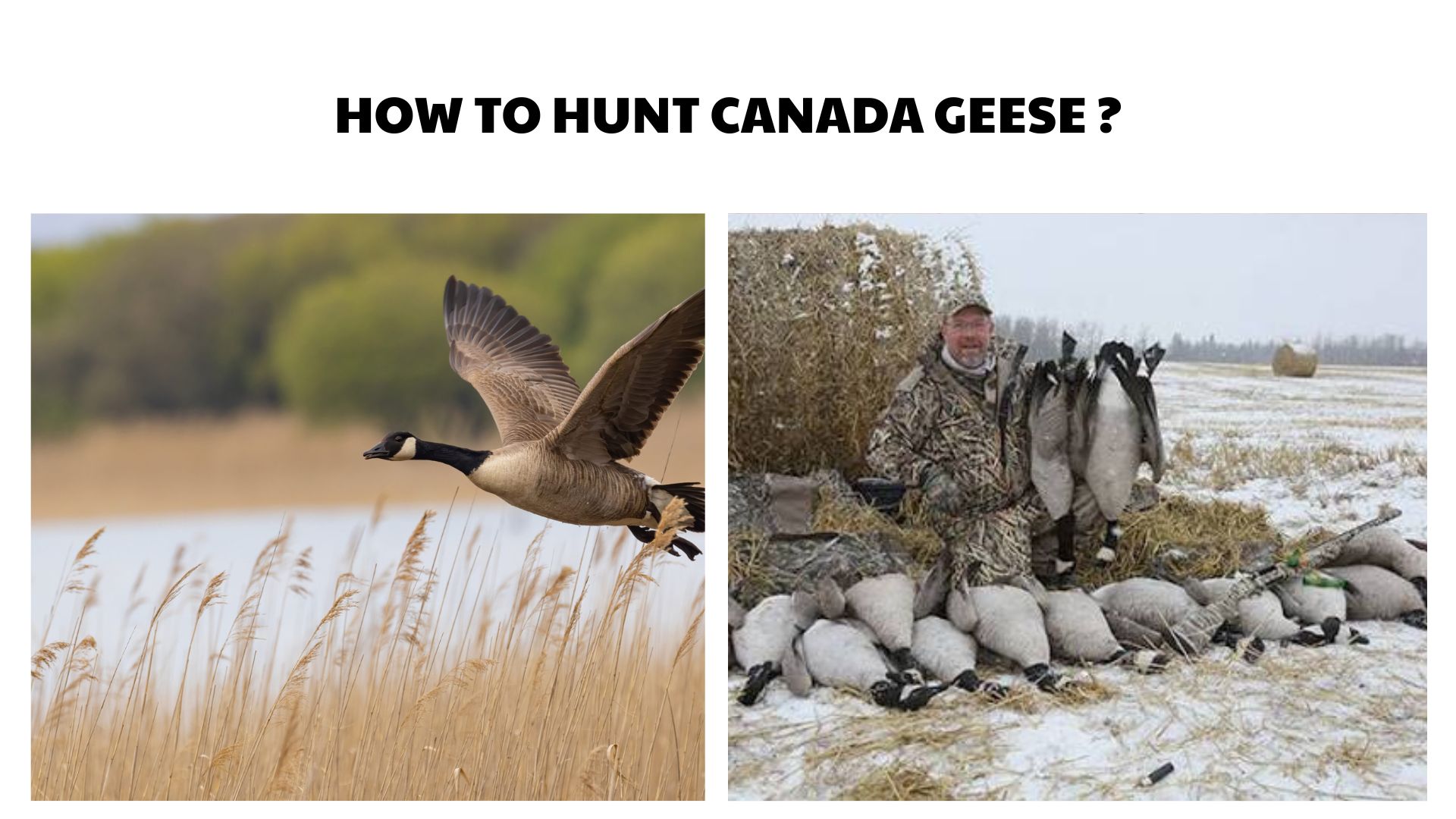

Quick Answer
To hunt Canada geese, first confirm the current hunting license, migratory bird permit, stamp, season dates, bag limits, legal shooting hours, ammunition rules, and land access requirements for your area. Then scout where geese feed, roost, and travel, usually focusing on agricultural fields, wetlands, ponds, river edges, and open grassy areas. Set up legally with good concealment, a safe shooting zone, proper decoys if allowed, and the wind in mind because geese often approach and land into the wind. Take only safe, legal, close-range, ethical shot opportunities within your practiced ability, and follow all tagging, reporting, transport, and meat care rules after the hunt.
What Beginners Really Want to Know About Canada Goose Hunting
Most people who search for “how to hunt Canada geese” are trying to understand the entire process, not just one trick. They want to know where geese go, how to scout them, whether decoys are necessary, what licenses are required, what gear to buy, how to stay safe with firearms around other hunters, and how to avoid breaking migratory bird laws.
This guide focuses on practical beginner questions: how to identify legal hunting opportunities, how to read goose movement, how to plan a setup, how to use concealment, how to avoid common mistakes, and how to hunt in a way that respects wildlife, landowners, other hunters, and conservation rules.
Legal, Safety, and Permission Rules to Check First
Canada geese are protected migratory birds in the United States, which means taking, possessing, transporting, or selling them is prohibited unless authorized under current regulations. In the U.S., waterfowl hunters generally need a state hunting license and a Federal Duck Stamp, and some states also require a state waterfowl stamp or migratory bird permit.
Federal nontoxic shot rules apply to waterfowl, including ducks, geese, brant, swans, and coots, so hunters must verify approved nontoxic ammunition requirements before hunting. In Canada, migratory game bird hunters must have a valid Migratory Game Bird Hunting Permit and a Canadian Wildlife Habitat Conservation Stamp, and hunters must check the provincial or territorial summaries for season dates and bag limits.
- License and permits: Confirm your hunting license, migratory bird permit, Federal Duck Stamp or Canadian permit requirements, and any state, provincial, or territorial stamps.
- Season dates and legal hours: Goose seasons may differ by zone, species group, date range, and special management period.
- Bag and possession limits: Daily limits and possession limits are not universal. Check your exact location and season.
- Legal ammunition: Use only approved nontoxic shot where required for waterfowl.
- Weapon rules: Confirm shotgun capacity, gauge restrictions, archery rules if applicable, and any special local restrictions.
- Land access: Public land rules, private land permission, refuge closures, municipal limits, and no-hunting zones must be checked before setup.
- Reporting and transport: Follow harvest reporting, tagging, species identification, possession, gifting, and transport rules.
- Safety planning: Carry first aid, communication, navigation tools, proper clothing, eye and ear protection, and weather protection.
Understanding Canada Goose Behavior, Habitat, and Daily Movement
Canada geese are large, social waterfowl that often move in flocks. They feed heavily on plant material, including grasses, agricultural grain, aquatic vegetation, and field waste grain. Cornell’s All About Birds notes that Canada geese eat grain in fields, graze on grass, and dabble in shallow water. Audubon also describes their diet as mostly plant material, including grasses, sedges, aquatic plants, seeds, berries, and cultivated grains.
For hunters, that feeding behavior matters because many goose hunts are built around travel routes between roosting water and feeding fields. Geese may spend the night on ponds, lakes, rivers, marshes, reservoirs, or protected water, then fly to crop fields, pastures, grassy openings, or other feeding areas. They may loaf during the middle of the day in safe open areas where they can see danger.
Canada geese can be very adaptable. Some populations migrate long distances, while others may remain in the same region if food, open water, and safety are available. Changes in farm practices, weather, and hunting pressure can affect migration and wintering patterns. This is why local scouting is more useful than relying only on old advice.
Beginner Scouting: Find the Pattern Before You Hunt
The best goose hunters spend time watching birds before the hunt. Scouting helps you learn where geese sleep, where they feed, what flight lines they use, what time they move, and how they respond to pressure. For beginners, scouting is often more important than calling skill or expensive gear.
| What to Scout | What It Tells You | Beginner Action |
|---|---|---|
| Morning flight direction | Where geese travel from roost to feed | Watch from a road or legal observation spot without disturbing the birds. |
| Feeding field location | Where geese want to land | Get permission or choose a legal public area nearby. |
| Roosting water | Where birds rest and feel safe | Avoid disturbing roosts unless hunting there is legal and ethical. |
| Wind direction | How geese may approach a landing area | Plan a setup that keeps birds approaching into the wind and away from unsafe directions. |
| Hunting pressure | How wary the birds may be | Use better concealment, quieter movement, and more patience. |
| Property boundaries | Where you may legally enter and hunt | Confirm maps, signs, written permission, and access routes. |
Gear, Licenses, and Safety Items to Prepare
You do not need every product on the market to start Canada goose hunting, but you do need legal documents, safe equipment, appropriate clothing, and a responsible plan. Choose gear based on local laws, terrain, weather, hunting method, access, and budget.
- Valid hunting license and all required migratory bird permits, stamps, tags, and regulation knowledge
- Legal shotgun or legal hunting method allowed in your area
- Approved nontoxic waterfowl ammunition where required
- Shotgun plug if required by local waterfowl regulations
- Weather-resistant camouflage or neutral clothing suitable for fields, marshes, or water edges
- Required visibility clothing if your jurisdiction or land type requires it
- Layout blind, natural blind, panel blind, or safe shoreline cover when legal and appropriate
- Canada goose decoys, floaters, full-body decoys, shells, silhouettes, or windsocks if legal and practical
- Goose call if you are willing to practice before hunting
- Binoculars for observation and identification
- Map, compass, GPS, or hunting app for legal boundaries and navigation
- First aid kit, water, snacks, headlamp, spare gloves, and emergency communication
- Waders or waterproof boots if hunting wet ground or shallow water
- Dog safety gear if using a trained retriever where legal
- Cooler, game strap, gloves, and clean bags for responsible game handling
How to Hunt Canada Geese Safely: A Beginner Field Plan
1. Start With the Current Regulations
Before you scout or buy gear, read the current regulations from your official wildlife agency. Confirm the legal Canada goose season, zone, bag limit, shooting hours, ammunition rules, firearm capacity rules, permit requirements, public land restrictions, and reporting requirements. Do not rely on a friend’s memory or last year’s dates.
2. Take Hunter Education and Learn Waterfowl Safety
If you are new to hunting, complete a recognized hunter education course before going into the field. Waterfowl hunting often involves groups, dogs, water, low light, cold weather, boats, blinds, and swinging shotguns, so safety discipline matters. Keep the muzzle pointed in a safe direction, keep your finger off the trigger until ready to shoot, know your target and what is beyond it, and never shoot toward roads, houses, livestock, boats, trails, or other hunters.
3. Choose a Legal Hunting Area
Canada geese may use private fields, public marshes, reservoirs, lakes, rivers, wildlife areas, and agricultural land. Do not assume that geese on a field mean you can hunt there. For private land, ask permission well before the hunt and respect gates, crops, livestock, parking rules, and landowner instructions. For public land, check maps, boundaries, closed areas, refuge lines, parking rules, water access rules, and any special draw or reservation systems.
4. Scout the Birds Without Disturbing Them
Watch from a legal distance and record where geese feed, when they arrive, where they leave, and what route they use. Notice whether they prefer a field corner, low spot, pond edge, sandbar, pasture, or cut crop field. If geese are using a field in the evening, a morning hunt may work if you can access the location legally and set up before birds return.
5. Plan Your Hide Before You Plan Your Decoy Spread
Geese have strong eyesight and often avoid unnatural shapes, movement, and shiny gear. Good concealment can matter more than a large decoy spread. Match your blind to the terrain. In fields, layout blinds, low-profile hides, or natural cover may work. On water, shoreline vegetation, boat blinds, or legal permanent blinds may be options. Always keep safety and legal access ahead of convenience.
6. Set Up With Wind and Safe Shooting Lanes in Mind
Geese often approach and land into the wind. A beginner should set up so birds can approach the decoys without crossing unsafe zones. Discuss shooting lanes with everyone in the group before legal shooting time. No bird is worth a dangerous swing, a low shot toward another person, or a shot toward unclear movement.
7. Use Decoys to Match the Situation
Decoys can help geese feel that a field or water area is safe, but they must look natural. In a field, small family groups, feeding postures, and a clear landing area can be more believable than a crowded pile of decoys. On water, floaters can suggest resting or loafing geese. Use only legal decoy types and check local rules for electronic devices, motion decoys, baiting definitions, and distance from baited areas.
8. Call Less Than You Think Until You Practice More
A goose call can help finish birds, but poor calling can also warn them. Beginners should learn a few basic sounds and practice before hunting. Watch how geese respond. If birds are coming steadily, calling less may be better. If they turn away, soft comeback calling may help only if done naturally. Avoid loud, constant calling just because you are excited.
9. Stay Still, Patient, and Organized
Movement ruins many goose hunts. Keep faces, hands, and shiny objects hidden. Have shells, gloves, calls, dog handling gear, and safety equipment organized before birds approach. If hunting with others, agree on who will call the shot, when everyone may sit up, and which safe direction each hunter may shoot.
10. Take Only Safe, Legal, Ethical Shot Opportunities
Do not shoot at birds that are too far away, too low over another hunter, too close to buildings, or beyond your skill. Avoid “skybusting,” which means shooting at high birds outside reasonable range. It often wounds birds, educates flocks, and creates conflict with other hunters. Ethical goose hunting means practicing before the season and passing on uncertain shots.
11. Recover Birds Responsibly
After a legal harvest, make recovery a priority while keeping firearms safe. Use a trained retriever only if the dog is properly handled and safe for the conditions. If retrieving on water, consider cold water, current, ice, depth, and boat safety. Follow possession, species identification, tagging, transport, and reporting rules in your area.
12. Care for the Meat and Review the Hunt
Handle harvested game cleanly, cool it promptly, and follow all local rules for transport, gifting, processing, and disposal. After the hunt, record what worked: wind direction, flight time, decoy layout, concealment, pressure, and bird response. Those notes help you improve more than guessing from memory.
Fields, Water, Weather, and Wind: Where Beginners Should Focus
Canada goose hunting often happens in two main environments: fields and water. Field hunts usually target birds feeding on waste grain, grass, or crop fields. Water hunts usually target birds moving to roost, loaf, or rest on ponds, lakes, rivers, marshes, or reservoirs. The best choice depends on legal access, scouting results, wind, pressure, and where birds want to be that day.
Field Hunting
Field hunting can be beginner-friendly if you have legal permission and can hide well. The key is to set up where geese already want to land, not where you simply hope they will go. Watch where the flock landed the previous evening or morning, then place your hide and decoys in a way that creates a safe approach and shooting direction.
Water Hunting
Water hunting may require floaters, waterproof gear, waders, a safe boat plan, or shoreline concealment. It can also involve extra safety risks such as cold water, current, mud, deep channels, ice, and limited visibility. Beginners should avoid risky water conditions and hunt with an experienced mentor when possible.
Wind and Weather
Wind affects how geese approach a setup, while weather can change feeding and flight behavior. Moderate wind can help create predictable approaches. Clear calm days may make geese more cautious and give them more time to inspect your hide. Cold fronts, changing pressure, snow, rain, or frozen water can shift feeding and roosting patterns, but safety should always come before opportunity.
Practical Tips for a Safer and Smarter Goose Hunt
- Scout at the same time of day you plan to hunt so you understand real movement patterns.
- Get landowner permission early and leave the property cleaner than you found it.
- Use natural cover to break up the outline of blinds, faces, hands, and gear.
- Keep decoys clean, natural-looking, and positioned with a safe landing area.
- Do not overcall when birds are already committed.
- Practice mounting and swinging your shotgun safely before the season.
- Know each hunter’s shooting lane before birds arrive.
- Use approved nontoxic ammunition and pattern your shotgun with your chosen load.
- Check the weather, road conditions, water level, ice, and wind before leaving home.
- Carry a headlamp, first aid kit, charged phone, and backup navigation.
- Respect other hunters by avoiding crowding, skybusting, and unsafe passing shots.
- Stop hunting immediately if the setup becomes unsafe.
Common Mistakes New Goose Hunters Should Avoid
- Hunting without checking current federal, state, provincial, territorial, or local rules.
- Assuming last year’s season dates and bag limits are still valid.
- Using the wrong ammunition for waterfowl regulations.
- Forgetting required stamps, permits, or harvest reporting rules.
- Setting up where geese used to be instead of where they are currently feeding or flying.
- Ignoring wind direction and creating an unsafe approach path.
- Using poor concealment that looks unnatural from above.
- Calling too loudly or too often without reading the birds.
- Shooting at geese outside ethical range.
- Failing to plan safe retrieval from water, mud, ice, or thick cover.
- Entering private land without permission or crossing unclear boundaries.
- Not caring for harvested birds promptly and responsibly.
Troubleshooting Common Canada Goose Hunting Problems
| Problem | Possible Cause | What to Do |
|---|---|---|
| Geese are flying over but not landing | Poor concealment, unnatural decoys, wrong wind setup, or too much calling | Improve your hide, reduce movement, adjust the landing pocket, and call less. |
| You are not seeing geese | You hunted without current scouting or birds changed feeding areas | Scout again at morning and evening flight times before choosing the next setup. |
| Birds flare at the last second | Shiny gear, exposed faces, blind shadows, or movement | Brush blinds better, cover hands and face, and keep everyone still until the shot is called. |
| Other hunters are too close | Heavy public land pressure or poor spacing | Move only if legal and safe, avoid conflict, and never shoot toward other hunters. |
| You are unsure about a regulation | Rules vary by zone, date, land type, and species | Do not hunt until you confirm the rule with the official wildlife agency. |
| Wind changes during the hunt | Weather shift or front moving through | Adjust the landing pocket and shooting plan only if it can be done safely. |
| Water retrieval looks risky | Cold water, current, ice, deep mud, or poor visibility | Do not risk a dangerous retrieve. Plan safer recovery tools and hunt with experienced help. |
| You feel rushed when birds approach | Beginner nerves and poor pre-hunt communication | Assign one shot caller, define shooting lanes, and pass on uncertain opportunities. |
Ethical Hunting and Conservation Responsibilities
Ethical Canada goose hunting means following the law, respecting the bird, respecting the land, and making decisions that reduce waste and unnecessary suffering. Hunters support conservation through licenses, stamps, habitat funding, harvest reporting, and responsible participation. But conservation also depends on personal conduct in the field.
- Hunt only during legal seasons and legal hours.
- Obey bag limits, possession limits, ammunition rules, and reporting rules.
- Practice before hunting so you know your real ability.
- Pass on unsafe, far, rushed, or uncertain shots.
- Recover harvested birds responsibly and avoid waste.
- Respect landowners, other hunters, birdwatchers, hikers, farmers, and local communities.
- Keep dogs safe, controlled, and trained.
- Leave fields, wetlands, boat launches, and parking areas cleaner than you found them.
When to Get More Training or Hunt With a Mentor
A beginner should seek more training or experienced help if they have never handled a firearm, have not completed hunter education, are unsure about regulations, do not understand land boundaries, are hunting from a boat, are hunting in cold water conditions, or are not confident in safe shooting. A patient mentor can help with scouting, blind placement, decoy setup, calling judgment, retrieval planning, and responsible game handling.
Good learning sources include official hunter education courses, state or provincial wildlife agencies, certified instructors, conservation organizations, local waterfowl clubs, and experienced ethical hunters.
After the Hunt: Gear Care, Records, and Learning
After a Canada goose hunt, unload and store firearms safely, dry wet gear, clean mud from blinds and decoys, check waders for leaks, and store calls where they will not freeze or collect dirt. If you used a dog, inspect paws, ears, and coat for cuts, ice, burrs, or fatigue.
Keep notes about weather, wind, goose numbers, flight direction, decoy layout, calling, hunting pressure, and land access. If you harvested birds, complete any required reporting and follow all possession, transport, and meat care rules. A simple hunting journal helps you become safer, more organized, and more effective over time.
Recommended Canada Goose Hunting Gear and Tools to Consider
You do not always need expensive equipment to hunt responsibly. Start with legal compliance, safety, scouting, and reliable basics. Add specialized gear only when it fits your area, hunting method, and budget.
- Legal shotgun or hunting method allowed in your area
- Approved nontoxic waterfowl ammunition
- License, migratory bird permits, stamps, and regulation booklet or saved digital copy
- Field or water decoys suitable for your hunting location
- Goose call for hunters willing to practice
- Layout blind, natural cover, panel blind, or legal shoreline blind
- Waterproof boots, insulated boots, or waders depending on terrain
- Weather-appropriate clothing, gloves, hat, and face covering
- Binoculars for scouting and identification
- Map, compass, GPS, or hunting app for access and boundaries
- First aid kit, headlamp, emergency communication, food, and water
- Cooler, gloves, clean bags, and game strap for responsible handling
Final Thoughts
Learning how to hunt Canada geese is really learning how to combine legal preparation, bird behavior, scouting, safe field setup, patient observation, and ethical judgment. The best beginner starts by understanding the rules, watching geese before hunting them, choosing legal access, hiding carefully, respecting wind direction, and passing on unsafe shots.
Canada goose hunting can be rewarding, but it should never be careless. Check current regulations, practice safe firearm handling, hunt with a mentor when possible, respect private and public land, recover birds responsibly, and use every hunt as a chance to improve.
FAQs About How to Hunt Canada Geese
1. How long does it take to learn how to hunt Canada geese?
Most beginners can learn the basic process in one season, but becoming consistent takes longer. Scouting, concealment, calling, reading wind, and safe shot judgment improve with practice and mentorship.
2. Do I need a license to hunt Canada geese?
Yes. In most regulated hunting areas, you need a hunting license plus migratory bird permits or stamps. Exact requirements depend on your country, state, province, territory, and hunting season.
3. Do I need a Federal Duck Stamp to hunt Canada geese in the United States?
U.S. waterfowl hunters generally need a Federal Duck Stamp in addition to a state hunting license, and some states require additional waterfowl permits or stamps. Always check your current state regulations.
4. What permit is needed to hunt Canada geese in Canada?
Canada generally requires a Migratory Game Bird Hunting Permit with a Canadian Wildlife Habitat Conservation Stamp. Hunters must also check provincial and territorial rules for dates and limits.
5. Are Canada geese protected?
Yes. Canada geese are migratory birds and are protected under migratory bird laws. Hunting is allowed only under current legal seasons, permits, limits, and regulations.
6. What is the best time of day to hunt Canada geese?
Many goose hunts focus on morning flights from roosting water to feeding areas or afternoon flights back to feeding and resting areas. Legal shooting hours vary, so check your local regulations.
7. Where is the best place to hunt Canada geese?
Good locations often include legal agricultural fields, pastures, pond edges, marshes, river corridors, reservoirs, and loafing areas where scouting confirms current goose activity.
8. Can beginners hunt Canada geese on public land?
Yes, if the land is legally open to waterfowl hunting and you follow all access rules. Public land may have more pressure, special permits, blinds, drawings, or closed zones.
9. Is private land better for goose hunting?
Private land can be productive when geese are feeding there and you have clear permission. Always ask before entering, respect property rules, and avoid damaging crops, fences, gates, or roads.
10. Do I need decoys to hunt Canada geese?
Decoys are very helpful in many field and water setups, but they are not a substitute for scouting and concealment. A smaller realistic spread in the right place can beat a large spread in the wrong place.
11. How many goose decoys should a beginner use?
There is no universal number. Beginners can start with a modest spread that matches local flock behavior, available space, and budget. Natural placement and concealment matter more than simply using more decoys.
12. Are full-body decoys better than silhouettes?
Full-body decoys look realistic but cost more and take up space. Silhouettes and windsocks are lighter and easier to carry. The best choice depends on terrain, access, budget, and how geese respond locally.
13. Can I hunt Canada geese over water?
Yes, where legal. Water hunts may require floaters, waders, boat safety planning, and careful retrieval strategy. Cold water, mud, current, and ice can create serious hazards.
14. Can I hunt Canada geese in fields?
Yes, field hunting is common where geese legally feed in crop fields, pastures, or grassy areas. The key is permission, scouting, concealment, and a safe setup.
15. What do Canada geese eat?
Canada geese eat grasses, grains, aquatic vegetation, seeds, berries, and other plant material. This feeding behavior helps hunters understand why geese often use fields and grassy areas.
16. How do I scout Canada geese?
Watch morning and evening flights from legal observation points. Record where birds roost, feed, fly, and land. Do not disturb the flock while scouting.
17. What signs show geese are using a field?
Look for live birds, tracks, droppings, feathers, feeding areas, and repeated flight lines. The most reliable sign is seeing birds use the location recently.
18. How important is wind direction for goose hunting?
Wind is very important because geese often land into the wind. Your blind, decoy landing pocket, and safe shooting lanes should be planned around wind direction.
19. What is a landing pocket?
A landing pocket is an open space in or near the decoy spread where geese can approach and land. It should be placed with wind and safe shooting direction in mind.
20. What is skybusting?
Skybusting is shooting at birds that are too high or too far away. It is unethical, often ineffective, and can lead to wounded birds and conflict with other hunters.
21. What shotgun is used for Canada goose hunting?
Many hunters use legal shotguns suitable for waterfowl hunting, but rules may vary by jurisdiction. Beginners should focus on safe handling, legal capacity, proper ammunition, and patterning their shotgun.
22. Can I use lead shot for Canada geese?
In the U.S., nontoxic shot regulations apply to waterfowl, including geese. Verify approved nontoxic shot requirements before hunting.
23. Should I pattern my shotgun before goose season?
Yes. Patterning helps you understand how your shotgun and legal ammunition perform at practical hunting distances. It also supports more ethical shot decisions.
24. Do I need a goose call?
A goose call can help, but it requires practice. Poor calling can hurt more than help. Beginners should learn basic sounds and avoid overcalling.
25. What should I wear for Canada goose hunting?
Wear weather-appropriate clothing that matches your terrain, keeps you warm and dry, and allows safe movement. Use required visibility clothing if local law or land rules require it.
26. Do Canada geese have good eyesight?
Yes. Geese are alert birds that often notice movement, unnatural shapes, and shiny gear. Concealment and stillness are major parts of successful goose hunting.
27. Is camouflage required for goose hunting?
Camouflage may not be legally required everywhere, but good concealment is very helpful. Match your blind and clothing to the field, marsh, or shoreline environment.
28. Can I hunt geese without a blind?
Sometimes, if you have legal natural cover and can stay hidden safely. However, open fields often require better concealment such as a layout blind, panel blind, or brushed natural hide.
29. Is baiting legal for Canada goose hunting?
Baiting laws are strict and vary by jurisdiction. Never hunt near bait, manipulated feed, or agricultural situations unless you fully understand the current legal rules.
30. Can I hunt Canada geese near a pond in a park?
Usually not unless the area is specifically open to legal hunting. Many parks, city areas, golf courses, and public recreation spaces prohibit hunting or require special permits.
31. How do I get private land permission?
Ask politely before the season, explain your plan, offer references if possible, respect the owner’s answer, and follow all instructions about parking, gates, livestock, crops, and cleanup.
32. What should I do if geese stop using my field?
Scout again. Geese may shift because of pressure, food changes, weather, disturbance, or roost changes. Do not keep hunting an empty pattern.
33. Do geese fly in bad weather?
Geese may move during changing weather, but conditions vary. Hunters must prioritize safety in wind, lightning, snow, ice, fog, cold water, and poor roads.
34. Is fog good for goose hunting?
Fog can change flight behavior, but it can also create visibility and safety problems. Never shoot at sound or unclear movement. You must positively identify the target and background.
35. Can I hunt Canada geese alone?
Experienced hunters sometimes hunt alone, but beginners are safer with a mentor. Group hunting still requires clear shooting lanes, communication, and muzzle control.
36. How do I stay safe when hunting with a group?
Agree on shooting lanes, muzzle direction, who calls the shot, dog handling, retrieval procedures, and emergency plans before birds arrive.
37. Can I use a dog for goose hunting?
Yes, where legal, if the dog is trained, controlled, and safe for the conditions. Cold water, ice, current, and wounded-bird recovery can be dangerous for dogs.
38. What should I do after harvesting a Canada goose?
Recover it safely, follow possession and tagging rules, complete required reporting, keep evidence of species or sex if required, cool the meat, and transport it legally.
39. Do I have to report harvested Canada geese?
Reporting rules vary. Some areas require harvest reporting, surveys, permits, tags, or special documentation. Check your official wildlife agency before hunting.
40. How do I care for goose meat after the hunt?
Keep the bird clean, cool it promptly, and process it according to local rules and safe food handling practices. Avoid waste and use the meat responsibly.
41. What is the biggest beginner mistake in Canada goose hunting?
The biggest mistake is hunting without current scouting and legal preparation. Geese move often, and waterfowl rules are too important to guess.
42. Why do geese flare away from my decoys?
Common causes include poor concealment, unnatural decoy placement, movement, shiny gear, bad wind setup, overcalling, or hunting pressure.
43. Should I hunt the roost?
Only if legal, safe, and ethical in your area. Many hunters avoid disturbing roosts because pressured birds may leave the area and ruin future hunting opportunities.
44. What is a flight line?
A flight line is the route geese commonly use between roosting, feeding, and loafing areas. Scouting flight lines helps you understand where birds naturally travel.
45. Can I hunt Canada geese with a bow?
Some areas may allow archery waterfowl hunting, while others may not. Check local laws carefully and hunt only within your proven ethical range and skill level.
46. Are electronic calls legal for Canada geese?
Electronic call rules vary and may be restricted for migratory birds. Always verify current regulations before using any electronic calling device.
47. Are motion decoys legal for Canada goose hunting?
Motion decoy rules vary by location and season. Check official regulations before using electronic, spinning, flapping, or mechanically powered decoys.
48. How close should geese be before shooting?
The ethical distance depends on your shotgun pattern, ammunition, skill, and conditions. Beginners should pass on long shots and shoot only within a range they have practiced responsibly.
49. Can I hunt Canada geese from a boat?
Boat hunting may be legal in some areas, but it adds safety and legal considerations. Check motor rules, loaded firearm rules, water access laws, life jacket requirements, and local restrictions.
50. How much does it cost to start goose hunting?
Costs vary widely. Licenses, permits, ammunition, basic clothing, and safety gear come first. Decoys, blinds, calls, boats, and dog equipment can be added gradually.
51. How do I avoid trespassing while goose hunting?
Use official maps, property apps, posted signs, landowner permission, and clear boundary knowledge. Never cross private land unless you have permission.
52. What should I do if I cannot identify the bird?
Do not shoot. Waterfowl identification is part of responsible hunting, and some species, seasons, or limits may differ. Positive identification is required.
53. Can hunting pressure change goose behavior?
Yes. Geese may avoid fields, change flight times, fly higher, use different roosts, or become more cautious when heavily pressured.
54. What is the best way to improve as a goose hunter?
Scout more, practice safe shooting, hunt with ethical mentors, keep detailed notes, learn bird behavior, improve concealment, and review every hunt honestly.
55. Is Canada goose hunting good for beginners?
It can be, especially with a mentor, legal preparation, safe firearm habits, and realistic expectations. Beginners should start with scouting, safety, and simple setups instead of chasing complicated tactics.
Read more: