
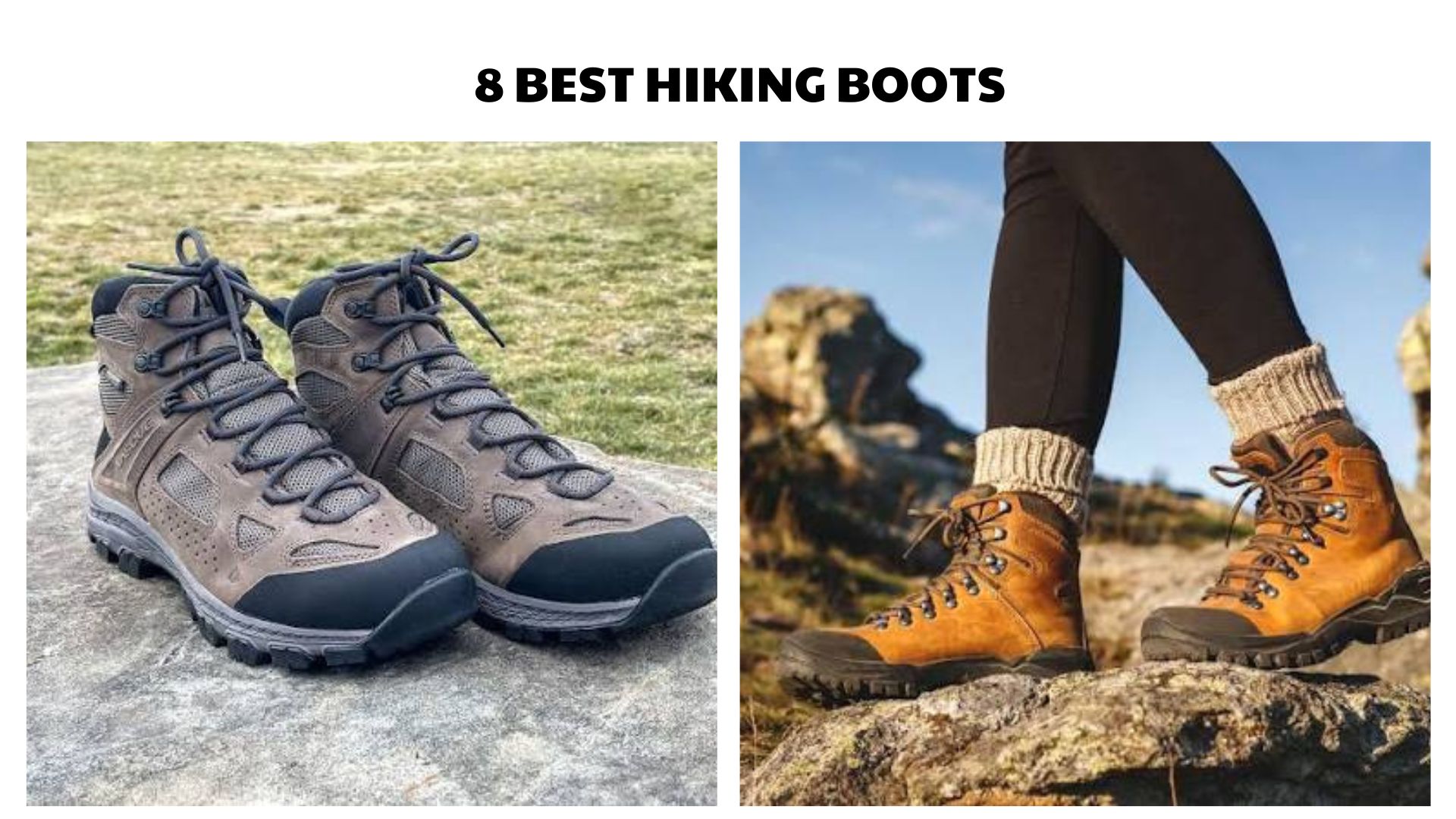

The best hiking boots should help your feet stay comfortable, supported, and stable when the trail gets rocky, muddy, steep, or wet. Whether you are hiking local trails, scouting hunting land, camping with family, or carrying a daypack into rough terrain, the right boots can make a long outdoor day feel much easier.
This guide compares practical hiking boots for different needs: waterproof protection, wide feet, budget-friendly day hiking, lightweight mid-cut support, technical terrain, and beginner comfort. The goal is not to claim that one boot works for every foot or every trail. Instead, this article helps you understand fit, traction, materials, break-in time, waterproofing, breathability, weight, and responsible outdoor use.
Hiking boots are outdoor gear, not a substitute for preparation, judgment, navigation, proper socks, first aid, weather awareness, or safe hiking practices. Always check trail conditions, public land rules, local hunting regulations if you are scouting or hunting, weather forecasts, and manufacturer instructions before heading outdoors.
Quick Picks
- Best Overall: KEEN Targhee IV Mid Waterproof Hiking Boot
- Best for Beginners: Merrell Moab 3 Mid Waterproof Hiking Boot
- Best Budget Option: Columbia Newton Ridge Plus II Waterproof Hiking Boot
- Best for Wide Feet: KEEN Targhee Apex Mid Waterproof Hiking Boot
- Best Waterproof-Focused Option: Columbia Tellurix Titanium OutDry Hiking Boot
Product Comparison Table
| Product | Best For | Key Features | Important Notes | Check Details |
|---|---|---|---|---|
| KEEN Targhee IV Mid Waterproof Hiking Boot | Best overall trail boot | Waterproof build, roomy toe area, supportive mid-height design | Good choice for hikers who want comfort and toe room; verify sizing and current listing details | Check Price |
| Merrell Moab 3 Mid Waterproof Hiking Boot | Beginners and general hiking | Waterproof membrane, protective toe area, cushioned feel, trail traction | Popular all-around option; allow time to test fit before a long hike | Check Price |
| Columbia Newton Ridge Plus II Waterproof Hiking Boot | Budget-friendly day hiking | Waterproof-style hiking boot, rubber outsole, supportive midsole feel | Good value pick; may not offer the same technical support as premium backpacking boots | Check Price |
| Columbia Newton Ridge Waterproof Hiking Boot – Women | Women’s budget hiking boot | Waterproof-style design, mid-cut ankle coverage, trail-ready outsole | Check width, arch feel, and break-in comfort before longer hikes | Check Price |
| KEEN Targhee Apex Mid Waterproof Hiking Boot | Wide feet and flexible support | Mid-height support, waterproof design, roomier fit profile | May feel too spacious for narrow feet; verify fit before buying | Check Price |
| Columbia Tellurix Titanium OutDry Hiking Boot | Wet trail conditions | Waterproof-focused OutDry-style construction, grippy outsole, cushioned ride | Waterproof boots can feel warmer and less breathable in hot weather | Check Price |
| Columbia Konos TRS OutDry Mid Hiking Boot | Lightweight mid-cut hiking | Mid-height design, waterproof-style protection, lighter trail feel | Better for fast day hikes than heavy-load backpacking; verify listing specs | Check Price |
| Salomon Cross Hike Mid Gore-Tex Hiking Boot | Technical mixed terrain | Gore-Tex-style waterproofing, aggressive outsole feel, technical fit | May feel narrow or snug for some feet; check sizing carefully | Check Price |
8 Best Hiking Boots Reviews
1. KEEN Targhee IV Mid Waterproof Hiking Boot
The KEEN Targhee IV Mid Waterproof Hiking Boot is a strong all-around choice for hikers who want a comfortable mid-height boot with room in the toe area, dependable trail support, and weather protection for wet grass, mud, and light rain. It is a practical option for day hikes, scouting trips, camping weekends, and general outdoor use.
Key Features
- Mid-height hiking boot design for ankle coverage and trail support
- Waterproof-style construction for wet trail conditions
- Roomier toe area compared with many narrow hiking boots
- Designed for comfort, traction, and general trail use
Pros
- Good balance of comfort, support, and waterproof protection
- Helpful choice for hikers who dislike cramped toe boxes
- Suitable for mixed day hiking, camping, and light outdoor work
Cons
- May feel too roomy for narrow feet
- Not a substitute for a stiff mountaineering or heavy backpacking boot
- Leather and synthetic uppers still need cleaning and care
Field Notes
This is the boot to consider if you want one pair for most moderate hikes. The toe room can help on downhill sections where cramped boots often cause pressure, but you still need to test the fit with the socks you plan to wear. Waterproof boots can trap more heat than non-waterproof hiking shoes, so consider climate and activity level.
Safety and Legal Notes
Break in and test the boots before relying on them for long hikes or hunting-related scouting trips. If hiking on public land, follow trail rules, access restrictions, wildlife regulations, and local blaze orange requirements when hunting seasons are active.
Best For
Hikers who want a dependable, comfortable, mid-height waterproof hiking boot for general trail use.
2. Merrell Moab 3 Mid Waterproof Hiking Boot
The Merrell Moab 3 Mid Waterproof is one of the easiest hiking boots to recommend for beginners because it focuses on the basics: comfort, trail grip, foot protection, and a practical waterproof design. It is a good fit for hikers who want a proven, familiar boot without jumping straight into a heavy premium backpacking model.
Key Features
- Mid-height boot design for ankle coverage
- Waterproof membrane-style construction
- Protective toe and heel areas
- Trail-focused outsole for dirt, gravel, roots, and rocky paths
Pros
- Beginner-friendly and easy to understand
- Comfortable for many day hikers and weekend users
- Good mix of cushioning, protection, and traction
Cons
- Still needs fit testing before longer trips
- May feel warmer than non-waterproof hiking shoes in summer
- Not as supportive as a dedicated heavy-load backpacking boot
Field Notes
The Moab 3 Mid Waterproof is a sensible pick for new hikers, outdoor families, and hunters who need a comfortable boot for scouting, trail-camera checks, or walking uneven ground. Pair it with moisture-wicking hiking socks and test it on short walks before a full-day outing.
Safety and Legal Notes
Do not wait until the morning of a long hike to wear new boots for the first time. Check for heel slip, toe pressure, ankle rubbing, and hot spots. If you are using these boots for hunting access, follow private land permission rules, public land rules, and all hunting regulations.
Best For
Beginner hikers and everyday outdoorsmen who want a comfortable waterproof hiking boot for moderate terrain.
3. Columbia Newton Ridge Plus II Waterproof Hiking Boot
The Columbia Newton Ridge Plus II Waterproof Hiking Boot is a budget-friendly option for day hikers who want a traditional mid-cut boot look without paying premium backpacking-boot prices. It is especially appealing for occasional hikers, casual campers, and outdoor users who need decent traction and weather protection for maintained trails.
Key Features
- Waterproof-style hiking boot design
- Mid-cut ankle coverage
- Rubber outsole for trail grip
- Leather and mesh-style upper construction depending on listing variation
Pros
- Good value for occasional hiking
- Classic hiking boot style
- Useful for wet grass, muddy paths, and light trail use
Cons
- May not offer premium backpacking support
- Fit and comfort can vary by foot shape
- Less ideal for technical alpine terrain or heavy loads
Field Notes
This is a practical boot for light to moderate hiking, campground use, short scouting walks, and travel where you want more protection than a sneaker. For steep, rocky, or multi-day backpacking routes, consider a more supportive boot with a stiffer platform.
Safety and Legal Notes
Budget boots can still work well when matched to the right terrain, but do not overestimate them. Avoid using lightweight day-hiking boots as a replacement for mountaineering boots, winter traction gear, or specialized footwear in severe conditions.
Best For
Budget-conscious hikers who need a simple waterproof-style hiking boot for day hikes and outdoor chores.
4. Columbia Newton Ridge Waterproof Hiking Boot – Women
The women’s Columbia Newton Ridge Waterproof Hiking Boot is a practical pick for hikers who want a reasonably priced boot for trails, weekend walks, camping, travel, and outdoor errands. It offers a familiar hiking boot profile with mid-cut support and wet-weather usefulness.
Key Features
- Women’s hiking boot fit profile
- Waterproof-style construction for damp conditions
- Mid-height ankle coverage
- Trail-ready outsole pattern
Pros
- Approachable price for newer hikers
- Useful for casual hiking and outdoor travel
- Good option for maintained trails and moderate terrain
Cons
- Not the most technical boot for heavy packs
- May require trying different sizes for the best fit
- Waterproof boots may feel warm in humid climates
Field Notes
This boot is best treated as a day-hiking and general outdoor boot, not a high-alpine or expedition boot. Try it with the hiking socks you plan to use, walk up and down stairs, and check whether your toes hit the front on downhill movement.
Safety and Legal Notes
If you feel numbness, sharp rubbing, or repeated pressure points during break-in, stop and reassess the fit. Foot pain early in a hike can become a serious problem when you are miles from the trailhead.
Best For
Women who want a budget-friendly waterproof-style boot for day hikes, camping, travel, and moderate outdoor use.
5. KEEN Targhee Apex Mid Waterproof Hiking Boot
The KEEN Targhee Apex Mid Waterproof Hiking Boot is worth considering if you often feel squeezed in standard hiking boots. Its roomier, more flexible feel makes it useful for hikers who want support without a cramped forefoot. It can work well for long walks, mixed trails, and day hikes where comfort matters as much as ruggedness.
Key Features
- Mid-cut design for ankle coverage
- Waterproof-style KEEN hiking boot construction
- Roomier fit profile for wider feet
- Flexible support for trail walking and day hiking
Pros
- Good option for hikers who need more toe room
- Flexible enough for comfortable walking
- Useful for wet trails and mixed terrain
Cons
- May feel loose for narrow feet
- Not ideal if you prefer a tight, technical alpine fit
- Roomy fit still needs careful lace adjustment
Field Notes
If most boots pinch your toes, the Targhee Apex Mid may be more comfortable. However, a wide-feeling boot should still hold your heel securely. Too much heel lift can lead to blisters, especially on climbs.
Safety and Legal Notes
Wide boots are not automatically safer or more comfortable. The boot should feel secure, not sloppy. Test the heel, arch, toe box, and lace pressure before using it on uneven terrain.
Best For
Hikers with wider feet or anyone who wants a flexible mid-height waterproof hiking boot with more forefoot space.
6. Columbia Tellurix Titanium OutDry Hiking Boot
The Columbia Tellurix Titanium OutDry Hiking Boot is a good fit for hikers who prioritize wet-weather protection. It is designed for damp trails, rain, mud, wet rocks, and unpredictable weather where a more waterproof-focused boot makes sense.
Key Features
- OutDry-style waterproof construction
- Mid-height hiking boot support
- Grippy outsole design for mixed trail surfaces
- Cushioned feel for longer walks
Pros
- Strong option for wet trail conditions
- Comfortable choice for hikers who want cushioning
- Useful for muddy routes and rainy-weather hikes
Cons
- Waterproof boots can run warmer than breathable non-waterproof shoes
- May not be the best choice for very hot, dry climates
- Fit may feel snug depending on foot shape
Field Notes
Choose this boot when wet feet are a bigger concern than maximum breathability. It can be a strong choice for spring, fall, muddy trails, and cool-weather hikes. In hot weather, pair it with moisture-wicking socks and take breaks to manage sweat.
Safety and Legal Notes
No waterproof boot keeps feet dry in every situation. Water can still enter over the collar, through poor fit, or during deep crossings. Do not rely on waterproof boots as a reason to ignore weather, stream depth, or safe route planning.
Best For
Hikers who often deal with rain, mud, wet leaves, and damp trail conditions.
7. Columbia Konos TRS OutDry Mid Hiking Boot
The Columbia Konos TRS OutDry Mid Hiking Boot is a lighter-feeling mid-cut option for hikers who want more ankle coverage than a low hiking shoe but do not want a heavy traditional backpacking boot. It is a useful choice for fast day hikes, travel, maintained trails, and moderate outdoor use.
Key Features
- Mid-cut hiking boot design
- OutDry-style waterproof protection
- Lightweight trail-oriented feel
- Designed for comfort and movement on day hikes
Pros
- Good middle ground between hiking shoe and heavier boot
- Useful for hikers who move quickly on moderate trails
- Waterproof-style protection for changing weather
Cons
- Not built for the same load support as heavy backpacking boots
- May offer less underfoot stiffness on sharp rocky terrain
- Waterproof design can reduce breathability
Field Notes
This boot makes sense if you usually carry a light pack and want comfort over maximum stiffness. For off-trail hiking, heavy loads, or steep loose terrain, compare it with more supportive backpacking boots before deciding.
Safety and Legal Notes
Lightweight boots can encourage faster movement, but speed should not replace careful foot placement. Slow down on wet rock, loose gravel, roots, and steep descents.
Best For
Fast day hikers who want a lighter mid-cut waterproof hiking boot for moderate terrain.
8. Salomon Cross Hike Mid Gore-Tex Hiking Boot
The Salomon Cross Hike Mid Gore-Tex Hiking Boot is a technical-feeling option for hikers who want aggressive grip, a more athletic fit, and waterproof protection for mixed terrain. It is better suited to hikers who prefer a snug, performance-oriented boot rather than a roomy traditional leather hiker.
Key Features
- Gore-Tex-style waterproof construction
- Mid-height support
- Aggressive outsole pattern for variable terrain
- Technical fit for active hiking
Pros
- Good for muddy, rocky, and mixed trail conditions
- More athletic feel than many traditional hiking boots
- Useful for hikers who like a secure, locked-in fit
Cons
- May feel narrow for wide feet
- Technical fit is not ideal for everyone
- Not the best option if you want a soft, roomy beginner boot
Field Notes
This boot is best for hikers who prioritize traction and a secure fit. If your feet are wide, sensitive, or prone to pressure points, try it carefully indoors before committing to a long trail day.
Safety and Legal Notes
Aggressive lugs can help with grip, but they cannot remove the risk of slipping. Use trekking poles when appropriate, watch your footing, and avoid pushing into terrain beyond your experience level.
Best For
Hikers who want a technical waterproof hiking boot for mixed terrain, faster movement, and a secure fit.
How to Choose the Best Hiking Boots
Choose the Right Type
Hiking footwear usually falls into three broad groups: low hiking shoes, mid-height hiking boots, and heavier backpacking or mountaineering boots. Low hiking shoes are lighter and more breathable, but they offer less ankle coverage. Mid-height hiking boots are the best choice for most people because they balance support, comfort, and protection. Heavy backpacking boots are stiffer and better for rough terrain or heavier loads, but they can feel overbuilt for casual day hikes.
Match the Boots to Your Outdoor Style
A casual hiker on maintained trails does not need the same boot as someone carrying a heavy pack through steep backcountry. If you mostly hike short trails, campgrounds, and local parks, comfort and fit matter most. If you scout hunting land, walk wet fields, or cross uneven timber, traction and waterproofing may matter more. If you backpack, carry meat, or travel in rocky terrain, look for stronger support, a more stable midsole, and a better load-bearing feel.
Check Fit, Sizing, and Comfort
Fit is the most important part of choosing hiking boots. Your heel should stay secure, your toes should have room to move, and the boot should not pinch your forefoot or press hard on the top of your foot. Try boots with the socks you plan to wear outdoors. Walk on stairs or a ramp to test uphill and downhill movement.
Consider Weight and Packability
Lighter boots are easier to walk in over long distances, especially for day hikes and fast trail use. Heavier boots can provide more structure and protection, but they may feel tiring if you do not need that much support. Hunters and backcountry hikers should also consider the weight of their pack, terrain, and how far they need to travel.
Look at Materials and Durability
Leather, suede, mesh, synthetic fabrics, rubber toe caps, waterproof membranes, and lugged outsoles all affect performance. Leather may be durable and protective, while mesh and synthetics can improve breathability and reduce weight. Rubber toe protection can help in rocky terrain. Always verify exact materials on the current product listing because colors and versions can vary.
Think About Weather Protection
Waterproof hiking boots are helpful in rain, mud, wet grass, and shoulder-season weather. However, waterproof membranes often feel warmer and less breathable than non-waterproof options. For hot, dry summer hikes, a breathable hiking shoe may sometimes feel better. For cool, wet, muddy, or unpredictable conditions, waterproof boots are usually more practical.
Check Traction and Outsole Design
Look for rubber outsoles with lugs that match your terrain. Deep, widely spaced lugs can help in mud and loose soil. Lower-profile lugs may feel smoother on packed trails. No outsole is slip-proof, so use caution on wet rock, algae, loose gravel, steep clay, and icy surfaces.
Check Compatibility with Socks and Insoles
A hiking boot should work with your sock thickness and any insoles you plan to use. Thick socks can make a boot feel tighter. Thin socks can create extra movement. If you use aftermarket insoles or orthotics, test them inside the boot before hiking.
Understand Safety and Legal Requirements
If hiking during hunting season or scouting public land, check local wildlife regulations, public land access rules, blaze orange requirements, private land permission rules, and seasonal closures. Boots help with comfort and traction, but they do not replace safe route planning, legal compliance, first aid, navigation, water, weather protection, or communication tools.
Understand the Product’s Limits
No hiking boot can guarantee dry feet, prevent injury, stop all slips, eliminate blisters, or make unsafe terrain safe. The best hiking boots reduce common trail problems when they fit well and are used in the right conditions. Your preparation and judgment still matter more than the brand name on the boot.
Important Hunting, Outdoor, and Firearm Safety Tips Before You Buy
- Follow local trail rules, public land rules, private land access rules, hunting laws, and manufacturer instructions.
- Check weather, trail closures, season dates, licenses, tags, legal equipment rules, blaze orange requirements, and public land restrictions when relevant.
- Carry basic safety gear such as navigation, first aid, water, weather protection, communication tools, a light source, and a trip plan.
- Practice hiking in your boots before relying on them in remote terrain.
- Do not use outdoor gear as a substitute for training, judgment, fitness, preparation, and safe outdoor habits.
- If hiking while hunting or carrying firearm-related gear lawfully, follow all firearm safety rules, transport rules, storage rules, range rules, and hunting regulations.
- Store knives, firearms, and sharp tools securely and away from children or unauthorized users.
- Contact a local wildlife agency, land manager, guide, boot fitter, medical professional, or local authority if you are unsure about legal access, safety, fit, or terrain conditions.
Common Mistakes to Avoid
- Buying only by price: Cheap boots are not a bargain if they cause blisters, slip on your terrain, or fail quickly.
- Ignoring fit: A highly rated boot can still be wrong for your feet.
- Skipping break-in walks: Test boots before long hikes, scouting trips, or travel.
- Choosing waterproof boots for every climate: Waterproof boots are useful, but they can feel hot in humid summer conditions.
- Using day-hiking boots for heavy backpacking: Heavier loads may require stiffer, more supportive boots.
- Forgetting socks: Poor socks can cause blisters even in good boots.
- Ignoring terrain: Smooth trails, muddy hills, desert rock, snow, and steep backcountry may require different footwear.
- Not checking return policies: Try boots indoors first so you can return them if the fit is wrong.
- Assuming waterproof means invincible: Water can enter over the boot collar, through damage, or during deep crossings.
- Waiting too long to replace worn boots: Worn lugs, compressed midsoles, and damaged uppers reduce support and traction.
Troubleshooting Common Problems
| Problem | Possible Cause | What to Do |
|---|---|---|
| Heel slip | Boot too large, wrong lacing, narrow heel, or stiff new boot | Try heel-lock lacing, thicker socks, or a different fit profile. |
| Blisters | Friction, moisture, poor socks, wrong size, or no break-in time | Stop early, treat hot spots, use moisture-wicking socks, and reassess fit. |
| Wet feet | Water over collar, damaged membrane, poor waterproofing, or sweat buildup | Check boot condition, gaiters, sock choice, and trail conditions. |
| Cold feet | Thin socks, tight fit, wet insulation, poor circulation, or wrong boot type | Use proper socks, avoid overtightening, and choose insulated boots for true cold weather. |
| Hot feet | Waterproof membrane, heavy socks, hot climate, or poor breathability | Use lighter socks, take breaks, and consider breathable non-waterproof footwear for dry summer hikes. |
| Poor traction | Wrong outsole for terrain, worn lugs, mud buildup, or slippery surface | Clean the outsole, slow down, use trekking poles, or choose boots with deeper lugs. |
| Toe pain downhill | Boot too small, laces too loose, or toe box too narrow | Try a larger size, adjust lacing, or choose a boot with more toe room. |
| Arch pain | Poor insole support, wrong boot shape, or sudden mileage increase | Try supportive insoles, reduce mileage, or consult a boot fitter or medical professional. |
When to Get Professional Help
Contact a boot fitter, podiatrist, or medical professional if you repeatedly get blisters, numbness, arch pain, toe pain, or ankle pain after trying different boots and socks. Contact the boot manufacturer or retailer if you see defects, sole separation, damaged stitching, waterproofing failure, or unusual wear.
If you are hiking, scouting, or hunting on public land, contact the local wildlife agency, land manager, or local authority if you are unsure about access rules, hunting seasons, blaze orange requirements, firearm transport laws, legal equipment, or private land boundaries. If you are lost, injured, or facing a medical emergency, contact emergency services immediately.
Maintenance and Care Tips
- Clean mud and grit from boots after every hike.
- Remove insoles and let boots dry naturally away from direct high heat.
- Brush suede or nubuck gently and use care products recommended by the manufacturer.
- Inspect laces, hooks, stitching, outsoles, and toe caps before long trips.
- Reapply water-repellent treatment only when recommended for the boot material.
- Do not machine wash hiking boots unless the manufacturer clearly says it is safe.
- Store boots in a cool, dry place with airflow.
- Replace boots when traction, support, waterproofing, or structural integrity is no longer dependable.
Final Verdict
The best hiking boots depend on your feet, terrain, pack weight, weather, and outdoor goals. For most hikers, the KEEN Targhee IV Mid Waterproof Hiking Boot is a strong overall pick because it balances comfort, toe room, waterproof protection, and trail support. The Merrell Moab 3 Mid Waterproof is a practical beginner-friendly choice, while the Columbia Newton Ridge Plus II Waterproof is a sensible budget option for moderate day hikes.
If you have wide feet, look closely at the KEEN Targhee Apex Mid Waterproof. If wet-weather protection matters most, compare the Columbia Tellurix Titanium OutDry and Columbia Konos TRS OutDry Mid. For a more technical, athletic feel, the Salomon Cross Hike Mid Gore-Tex is worth checking.
Whatever you buy, test the boots before long hikes, pair them with good hiking socks, maintain them properly, and match the boot to the terrain. The right hiking boots can improve comfort and confidence, but safe hiking still depends on planning, fitness, weather awareness, legal access, and good judgment.
Frequently Asked Questions
1. What are the best hiking boots for most people?
The best hiking boots for most people are comfortable, supportive, waterproof enough for common trail conditions, and not too heavy. A mid-height waterproof boot such as the KEEN Targhee IV Mid or Merrell Moab 3 Mid Waterproof is a practical starting point for many hikers.
2. How do I know if hiking boots are worth buying?
Hiking boots are worth buying if you hike on uneven terrain, wet trails, rocky paths, muddy ground, or carry a pack. They provide more protection and support than regular sneakers.
3. Are hiking boots better than hiking shoes?
Hiking boots usually offer more ankle coverage and protection. Hiking shoes are lighter and often more breathable. Boots are better for rougher terrain, wet conditions, heavier loads, and hikers who want more support.
4. Are waterproof hiking boots necessary?
Waterproof hiking boots are useful in rain, mud, wet grass, and cool weather. They are not always necessary for hot, dry trails where breathability may matter more.
5. Do waterproof hiking boots make feet sweat?
They can. Waterproof membranes usually reduce breathability compared with non-waterproof footwear. Good socks and proper fit help manage moisture.
6. What is the best hiking boot for beginners?
The Merrell Moab 3 Mid Waterproof is a strong beginner option because it is comfortable, easy to understand, and suitable for many moderate hikes.
7. What is the best budget hiking boot?
The Columbia Newton Ridge Plus II Waterproof is a popular budget-friendly option for casual hikers, day hikers, and outdoor users who want a traditional hiking boot feel.
8. What is the best hiking boot for wide feet?
The KEEN Targhee Apex Mid Waterproof and KEEN Targhee IV Mid are worth considering if you need more toe room. Always check width options and fit before buying.
9. Should hiking boots feel tight?
No. Hiking boots should feel secure but not tight. Your heel should not slide excessively, and your toes should not hit the front of the boot.
10. Should I size up in hiking boots?
Many hikers go up a half size to allow for socks and foot swelling. However, sizing depends on the brand, foot shape, sock thickness, and insole setup.
11. How much toe room should hiking boots have?
Your toes should have enough room to move slightly, especially on descents. If your toes hit the front of the boot downhill, the boot may be too small or poorly fitted.
12. How do I prevent blisters in hiking boots?
Choose the right size, break in the boots gradually, wear moisture-wicking socks, adjust lacing, and stop early when you feel hot spots.
13. What socks should I wear with hiking boots?
Wear hiking socks made from moisture-wicking materials such as merino wool or synthetic blends. Avoid cotton socks for longer hikes because they hold moisture.
14. Are thick socks better for hiking boots?
Thick socks can add cushioning and warmth, but they can also make boots feel too tight. Match sock thickness to the boot fit and weather.
15. Can I use hiking boots for hunting?
Yes, hiking boots can work for scouting, light hunting access, and general outdoor walking. For cold weather, steep terrain, heavy packs, or wet fields, you may need more specialized hunting boots.
16. Are hiking boots good for backpacking?
Some hiking boots are good for light backpacking. Heavy backpacking, rough terrain, or meat hauling may require stiffer boots with stronger support.
17. What is the difference between hiking boots and backpacking boots?
Backpacking boots are usually stiffer, more supportive, and built for heavier loads. Hiking boots are often lighter and more comfortable for day hiking.
18. Are lightweight hiking boots durable?
Some lightweight boots are durable enough for day hiking, but they may not last as long as heavier leather or backpacking boots under rough use.
19. Are leather hiking boots better?
Leather hiking boots can be durable and protective, but they may be heavier and warmer. Synthetic boots are often lighter and may dry faster.
20. Are Gore-Tex hiking boots worth it?
Gore-Tex-style waterproof boots can be worth it for wet trails and cool weather. In hot climates, they may feel less breathable than non-waterproof options.
21. Can waterproof hiking boots be used in snow?
Some waterproof hiking boots can handle light snow, but they are not always warm enough for winter. For cold conditions, check insulation, traction, socks, and weather limits.
22. Do I need insulated hiking boots?
You need insulated hiking boots only for cold-weather hiking, snow, or long periods of low activity in cold conditions. For warm-weather hiking, insulation can cause overheating.
23. What hiking boots are best for hot weather?
For hot weather, breathable hiking shoes or lightweight non-insulated boots often feel better than fully waterproof boots. If you need ankle support, choose the lightest breathable boot that fits your terrain.
24. What hiking boots are best for wet weather?
Waterproof mid-height boots with good lugs are best for wet weather. The Columbia Tellurix Titanium OutDry and Merrell Moab 3 Mid Waterproof are examples to compare.
25. What hiking boots are best for rocky trails?
For rocky trails, look for a protective toe cap, stable midsole, good outsole grip, and enough underfoot support. A more technical boot may be better than a soft casual hiker.
26. What hiking boots are best for muddy trails?
For mud, choose boots with deeper lugs, water protection, and secure heel fit. Clean the outsoles often because packed mud reduces traction.
27. Are hiking boots slip-proof?
No hiking boot is truly slip-proof. Good outsoles help, but wet rock, algae, ice, loose gravel, and steep mud can still be dangerous.
28. Can I wear hiking boots every day?
You can wear hiking boots every day, but they may feel heavier, warmer, and stiffer than casual shoes. Daily use can also wear down the outsole faster.
29. How long do hiking boots last?
Hiking boot lifespan depends on mileage, terrain, body weight, pack weight, materials, care, and storage. Replace boots when support, traction, or structure breaks down.
30. How do I clean hiking boots?
Remove loose dirt, brush gently, wipe with water, remove insoles, and air-dry naturally. Follow the manufacturer’s care instructions for leather, suede, or waterproof materials.
31. Can I machine wash hiking boots?
Usually no. Machine washing can damage adhesives, waterproof membranes, leather, and boot structure. Follow the care instructions from the manufacturer.
32. How do I dry wet hiking boots?
Remove insoles and laces, stuff the boots with dry paper, and let them air-dry away from direct heat. High heat can damage materials and adhesives.
33. How do I waterproof hiking boots?
Use a waterproofing treatment recommended for the boot’s material. Do not apply random oils, waxes, or sprays without checking manufacturer guidance.
34. Why do my hiking boots hurt my ankles?
Ankle pain may come from stiff collars, poor lacing, wrong size, inadequate break-in, or the wrong boot shape. Try different lacing methods or consult a boot fitter if pain continues.
35. Why do my toes hit the front of my hiking boots?
Your boots may be too small, too narrow, or loosely laced. Toe impact is common on descents and can lead to bruised toenails.
36. Why do my heels lift in hiking boots?
Heel lift can happen when boots are too large, too wide in the heel, or not laced securely. Heel-lock lacing or a different boot shape may help.
37. Are expensive hiking boots always better?
No. Expensive boots may use better materials or support, but fit matters more than price. A mid-priced boot that fits well is better than a premium boot that hurts.
38. Should I buy hiking boots online?
You can buy hiking boots online, but check the return policy. Try them indoors with hiking socks before wearing them outside.
39. What should I check when boots arrive?
Check size, width, stitching, laces, outsole, waterproof labels, seller details, and comfort. Walk indoors before deciding to keep them.
40. Are hiking boots good for flat feet?
Some hiking boots work well for flat feet, especially with supportive insoles. If you have pain or special fit needs, consult a boot fitter or medical professional.
41. Are hiking boots good for high arches?
They can be, but you may need supportive insoles. Check arch pressure and avoid boots that create painful gaps or pressure points.
42. Do women need women-specific hiking boots?
Not always, but women-specific boots may fit narrower heels or different foot shapes better. Choose the boot that fits your foot, not only the gender label.
43. Can kids wear adult hiking boots?
Kids should wear boots that fit properly and allow safe movement. Oversized adult boots can cause tripping, blisters, and poor support.
44. Are hiking boots good for travel?
Hiking boots can be good for outdoor travel, national parks, and wet weather, but they are bulky. For city travel, hiking shoes may be easier to pack.
45. Can hiking boots be used for work?
Some hiking boots can be used for light outdoor work, but they are not a replacement for certified work boots when safety-toe, electrical, or workplace standards are required.
46. Are hiking boots snake-proof?
Do not assume hiking boots are snake-proof unless the manufacturer clearly states that. For snake country, consider specialized snake boots or gaiters and learn local safety practices.
47. Are hiking boots waterproof forever?
No. Waterproofing can degrade with wear, dirt, flexing, and damage. Clean and maintain boots, and replace them when waterproof performance fails.
48. What is the best hiking boot for public land scouting?
For public land scouting, choose boots that match the terrain: waterproof boots for wet grass and mud, breathable boots for hot weather, and supportive boots for steep or rocky areas.
49. Should hunters choose hiking boots or hunting boots?
Hiking boots work for many scouting and early-season walks. Hunting boots may be better for insulation, scent control preferences, rubber waterproofing, or specific terrain.
50. What should I carry with hiking boots on a trail?
Carry water, first aid, navigation, a light source, weather protection, communication tools, snacks, and a trip plan. Boots alone do not make a hike safe.
51. How do I choose boots for steep terrain?
Look for strong traction, secure heel fit, stable midsoles, good toe protection, and enough ankle support. Test the boots on shorter hikes first.
52. How do I choose boots for heavy packs?
Choose stiffer, more supportive boots with stable midsoles and strong traction. Lightweight day-hiking boots may not provide enough support for heavy loads.
53. What should I avoid when buying hiking boots?
Avoid buying only by looks, ignoring fit, skipping break-in, choosing the wrong waterproof level, and using boots beyond their intended terrain.
54. When should I replace hiking boots?
Replace hiking boots when the outsole is worn smooth, the midsole feels compressed, waterproofing fails, seams split, or the boots no longer support your feet.
55. What is the safest way to test new hiking boots?
Wear them indoors first, then on short neighborhood walks, then on easy trails. Gradually increase distance before using them for remote hikes, hunting trips, or backpacking routes.
Read more: