
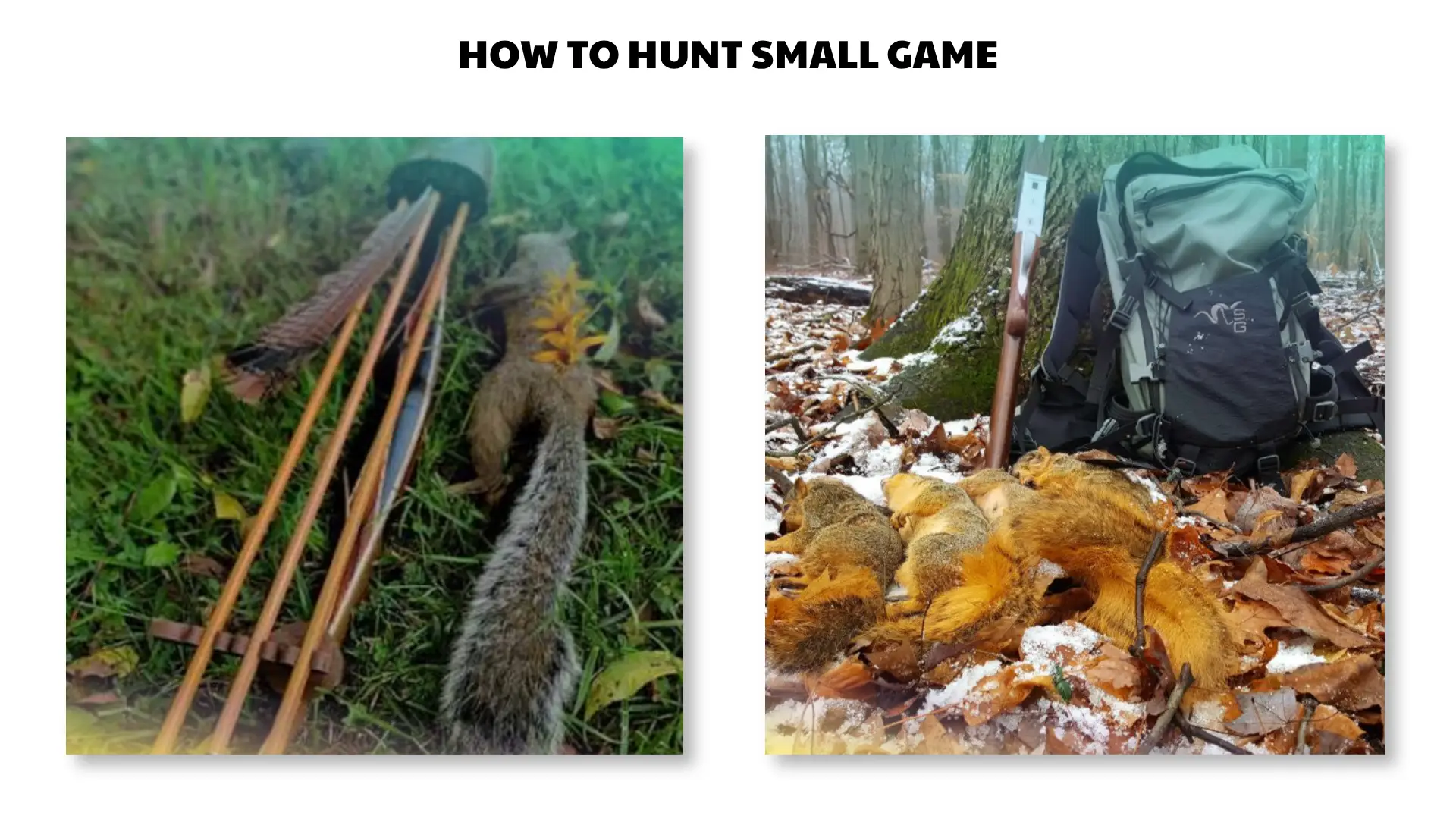

Learning how to hunt small game can introduce a beginner to wildlife identification, habitat reading, navigation, patience, field safety, and conservation-minded decision-making. Depending on local law, “small game” may include rabbits, hares, squirrels, certain upland birds, and other species formally classified by a wildlife agency.
Quick Answer
To hunt small game responsibly, first choose a legal local species, complete required hunter education, obtain the correct license or permits, and verify season, hunting hours, bag limits, land access, and equipment rules. Scout suitable habitat for fresh sign, enter quietly with weather and wind in mind, and observe carefully before acting. Only take a legal and ethical opportunity when the species is positively identified and the entire foreground and background are safe. With practice and patience, beginners can build valuable field skills even on days when no game is harvested.
Important Legal and Safety Notice Before You Hunt
Hunting laws vary by country, state, province, county, management unit, land manager, species, season, and hunting method. Always check the current official wildlife regulations immediately before every hunt. In the United States, the U.S. Fish and Wildlife Service explains that hunters generally need a license from the state where they hunt and must follow the associated state fish and game requirements.
- Confirm licenses, permits, stamps, tags, harvest records, and reporting duties.
- Verify legal species, season dates, hunting hours, daily limits, and possession limits.
- Confirm legal firearms, bows, air guns, ammunition, shot type, capacity, and transport rules.
- Use official maps and obtain valid private-land permission where required.
- Follow hunter-orange, blaze-pink, or other visibility requirements.
- Complete approved hunter education and seek an experienced ethical mentor when possible.
- Identify the target and what is in front of and beyond it.
- Never shoot toward roads, homes, vehicles, people, trails, livestock, or unclear movement.
- Plan for weather, navigation, communication, hydration, first aid, and a safe return time.
Official starting point: U.S. Fish and Wildlife Service — Purchase a Hunting License. Readers outside the United States should use their national, provincial, state, or regional wildlife authority.
Understanding Small Game and Its Habitat
“Small game” is a legal management category, not one universal list. One jurisdiction may classify rabbits, squirrels, and upland birds as small game, while another may regulate certain species separately. Similar-looking animals may be protected, have different seasons, or require special permits, which makes accurate identification essential.
Rabbits and Hares
Rabbits and hares often use cover that provides food and quick concealment. Brushy edges, young forest, grass, hedgerows, field margins, and regenerating cuts may be productive where hunting is legal. Fresh tracks, rounded droppings, clipped vegetation, and well-used paths can indicate activity, but sign alone does not prove legal access or confirm the species.
Squirrels
Squirrels commonly use wooded habitat with food-producing trees, den sites, and connected canopy. Feeding debris, movement in branches, alarm calls, and fresh cuttings may reveal activity. Because many opportunities occur above ground, the hunter must be especially careful about where a projectile could travel if it misses or passes through vegetation.
Upland Birds
Upland birds may use grasslands, shrub cover, agricultural edges, open woodland, or early successional habitat. Their preferred cover changes with species, food availability, season, and weather. Learn field marks, calls, flight style, and similar protected species before entering the field.
Daily and Seasonal Patterns
Food, temperature, cover, snow, rain, wind, breeding behavior, and hunting pressure influence movement. Cooler morning or late-day periods may be useful for some species, while others remain active during broader portions of legal daylight. Local scouting is more reliable than assuming one nationwide pattern.
What You Need Before You Start
- Valid hunting license, permits, stamps, tags, and current regulation knowledge
- Proof of hunter education when required
- A legal hunting method approved for the exact species and area
- Manufacturer-approved ammunition or projectiles that comply with local rules
- Required visibility clothing and weather-appropriate layers
- Supportive boots suitable for local terrain
- Paper map plus compass, GPS, or downloaded offline map
- Charged phone or approved emergency communication device
- First aid kit, water, food, emergency insulation, and personal medication
- Binoculars for observation and identification
- Eye and hearing protection where appropriate
- Disposable gloves, clean game bags or containers, and a cooler when edible game care is planned
- A trip plan shared with a responsible person
How to Hunt Small Game: Step-by-Step Guide
Step 1: Check Local Hunting Laws First
Choose the exact species and area before selecting equipment. Read the current wildlife regulations for license type, permits, season, hours, bag and possession limits, lawful methods, ammunition restrictions, reporting, transport, and land-specific rules. Check for recent closures, wildfire restrictions, disease notices, or emergency changes that may not appear in an older printed guide.
Step 2: Complete Hunter Education and Practice
Complete an approved hunter education course if required and treat it as essential even where optional. Practice safe loading, unloading, carrying, storage, target identification, and accuracy in a controlled environment. Know your genuine effective range; a live field opportunity should never be used as target practice.
Step 3: Learn the Animal’s Patterns
Study legal species, similar protected animals, preferred habitat, feeding behavior, movement, tracks, droppings, calls, and seasonal appearance. Use official wildlife identification resources when available. The goal is immediate and confident identification before any decision involving a firearm, bow, or other hunting method.
Step 4: Choose a Legal Hunting Area
Use official maps to identify wildlife management areas, forests, refuges, or other public lands that allow the planned species and method. On private property, secure permission and discuss boundaries, parking, gates, livestock, homes, workers, other hunters, and landowner conditions. Do not cross an uncertain property line.
Step 5: Scout Before the Hunt
Walk the area during lawful scouting periods and look for fresh sign, food, cover, travel routes, safe observation points, parking, terrain hazards, and places where other people may enter. Mark homes, roads, trails, livestock areas, and no-shoot zones. Good scouting improves safety as much as it improves the chance of seeing game.
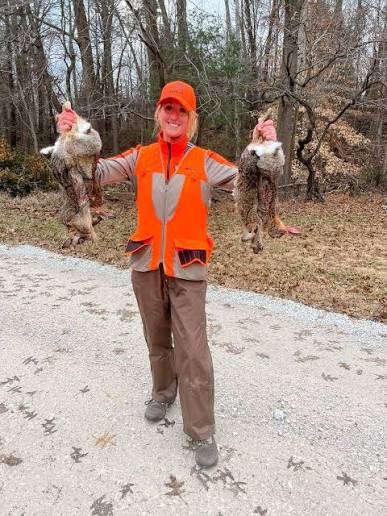
Step 6: Prepare Your Gear Safely
Inspect equipment according to the manufacturer’s instructions. Confirm that sights, slings, safeties, quivers, footwear, visibility clothing, maps, and communication devices are functional. Keep firearms unloaded during transport as required and secure ammunition separately where law or safe-storage practice requires it.
Step 7: Plan for Wind, Weather, and Entry Route
Select a route that avoids unstable ground, private property, livestock, homes, crowded trails, and unsafe crossing points. Wind can carry scent and sound, while rain, snow, heat, and cold affect footing and visibility. Set a turnaround time and cancel the hunt when conditions exceed your preparation.
Step 8: Set Up or Move Carefully
Depending on the species, use slow still-hunting, a patient wait near active habitat, or another legal method taught by a qualified instructor. Keep movement controlled and equipment pointed safely. Choose positions with clear observation, a known background, and enough separation from roads, trails, buildings, vehicles, and other hunters.
Step 9: Stay Patient and Observe
Pause frequently, scan with your eyes and binoculars, and listen for feeding, movement, or calls. Avoid using a firearm scope as a general viewing device. Patience improves identification and reduces rushed decisions.
Step 10: Take Only a Safe, Legal, and Ethical Opportunity
Act only when the animal is positively identified as a legal species, the season and limits allow it, the equipment is lawful, and the complete foreground and background are safe. The opportunity must be within your practiced ability. Pass when vegetation, distance, movement, angle, weather, people, pets, livestock, structures, or uncertainty creates doubt.
Step 11: Follow Legal Recovery and Reporting Rules
After a lawful harvest, secure equipment and begin prompt, careful recovery without crossing prohibited land. Follow tagging, recording, reporting, check-station, and possession rules. Ask the landowner or proper authority for permission before entering property you do not have the right to access.
Step 12: Handle the Game Responsibly
Use clean gloves, tools, and containers. Follow official wildlife-agency and food-safety guidance for field care, cooling, transport, disease precautions, and processing. Do not consume an animal that appeared abnormal or was mishandled; contact the appropriate wildlife or public-health authority when uncertain.
Best Time, Place, and Conditions for Small Game Hunting
| Factor | What to Consider | Beginner Approach |
|---|---|---|
| Time of day | Species activity, temperature, legal hours, and other land users | Start with a legal morning or late-day outing after local scouting. |
| Season | Current dates, habitat changes, food, snow, vegetation, and hunting pressure | Use the current regulation guide and make a fresh plan each season. |
| Weather | Wind, rain, snow, heat, cold, lightning, wildfire, and visibility | Choose stable conditions within your clothing, navigation, and emergency capability. |
| Habitat | Food, cover, travel routes, den or roost areas, and legal access | Focus on fresh sign and habitat edges without disturbing protected areas. |
| Hunting pressure | Parking, popular trails, recent activity, and safe separation | Use less crowded legal access while remaining visible and boundary-aware. |
| Wind | Scent, noise, moving branches, equipment control, and comfort | Plan the approach with wind in mind and leave if it makes conditions unsafe. |
| Public land | Multiple users, unit rules, boundaries, closures, and check-in requirements | Carry official maps and expect hikers, hunters, workers, and vehicles. |
| Private land | Permission, boundaries, livestock, buildings, gates, and landowner requests | Obtain clear permission and leave the property cleaner than you found it. |
Helpful Tips for Better Results
- Scout more than you hunt. Fresh sign and legal access matter more than expensive gear.
- Learn one species and one property well before adding more methods or locations.
- Stop frequently. Beginners often move too fast and miss animals that remain still.
- Use binoculars to confirm details without pointing a weapon at unidentified movement.
- Keep visibility clothing clean and unobstructed by a backpack or outer layer.
- Carry fewer but dependable items, and test every critical item before leaving home.
- Mark the vehicle, boundaries, hazards, and turnaround time before hunting.
- Keep a safe background as the first requirement, not the last check.
- Pass on doubtful opportunities without regret. Good judgment is a hunting skill.
- Record weather, wind, sign, habitat, pressure, and observations after each outing.
Common Mistakes to Avoid
Beginners often focus on finding an animal and overlook the preparation that makes a hunt legal, safe, and useful. Avoid these common errors:
- Using last year’s regulation guide or relying on another hunter’s memory
- Assuming every rabbit, squirrel, or bird is a legal small game species
- Entering private property or crossing an unclear boundary
- Failing to check land-specific closures and weapon restrictions
- Hunting without enough practice to control equipment safely
- Pointing a firearm scope at movement for identification
- Moving too quickly and making avoidable noise
- Ignoring wind, weather, daylight, hydration, and navigation
- Shooting toward brush, treetops, roads, trails, homes, livestock, or an unknown background
- Separating from a partner without communication or agreed zones of fire
- Failing to plan legal recovery, reporting, cooling, and transport
- Measuring success only by harvest rather than safety and learning
Troubleshooting Common Problems
| Problem | Possible Cause | What to Do |
|---|---|---|
| You are not seeing any game | Old sign, poor habitat, wrong timing, heavy pressure, or excessive movement | Scout for fresher sign, slow down, change legal habitat types, and keep notes across several outings. |
| Animals detect you first | Noise, visible movement, wind, silhouette, or rushed entry | Secure loose gear, approach more slowly, pause frequently, and reconsider wind and cover. |
| The area is crowded | Popular access, opening-day pressure, or limited public land | Maintain safe separation, try another legal unit or time, and never compete for an opportunity. |
| The boundary is unclear | Inaccurate app data, poor signage, or an unmarked parcel line | Stop, stay on confirmed legal land, and contact the landowner or land manager. |
| Weather becomes unsafe | A fast-moving storm, heat, cold, smoke, high wind, or poor visibility | Unload or secure equipment as appropriate and leave by the safest known route. |
| Equipment fails | Poor maintenance, moisture, damage, low batteries, or an improper setup | Stop hunting with the affected item. Use a safe backup or end the outing and arrange qualified service. |
| You cannot identify the animal | Low light, distance, obstruction, or unfamiliar field marks | Do not shoot. Observe with binoculars or let the animal leave. |
| You are unsure of a rule | Complex regulations, multiple land managers, or a recent change | Do not hunt until the official wildlife agency or land manager clarifies it. |
| A beginner becomes nervous | Unfamiliar equipment, terrain, noise, or decision pressure | Pause, unload safely when appropriate, review the plan, or end the hunt and seek more training. |
| Recovery could cross private land | The animal moved beyond your authorized property | Do not trespass. Contact the landowner, wildlife officer, or appropriate authority for lawful guidance. |
Ethical Hunting and Conservation
Ethical hunting goes beyond minimum legal compliance. It requires preparation, respect, restraint, and responsibility for every decision made in the field.
- Respect wildlife by learning identification and passing on uncertain opportunities.
- Respect seasons, limits, protected species, closures, and reporting programs.
- Practice enough to stay within your demonstrated ability.
- Avoid waste and make responsible use of legally harvested edible game.
- Respect landowners, other hunters, hikers, residents, workers, and livestock.
- Do not damage gates, crops, habitat, signs, roads, or facilities.
- Pack out litter and other waste.
- Support habitat, wildlife research, access, and science-based management.
When to Get More Training or Professional Guidance
Seek additional instruction before hunting independently when you have never handled your chosen equipment, have not completed hunter education, cannot identify legal species reliably, do not understand boundaries, or are uncertain about recovery and game care.
- Official state, provincial, or national hunter education programs
- Wildlife agency seminars and mentored-hunt programs
- Certified firearm or bow instructors
- Properly licensed guides where applicable
- Experienced, ethical mentors who follow current laws
- Local conservation organizations and reputable hunting clubs
A wildlife officer, land manager, or agency help desk is the right source for unclear regulations. A qualified gunsmith, archery technician, or manufacturer should inspect damaged or malfunctioning equipment.
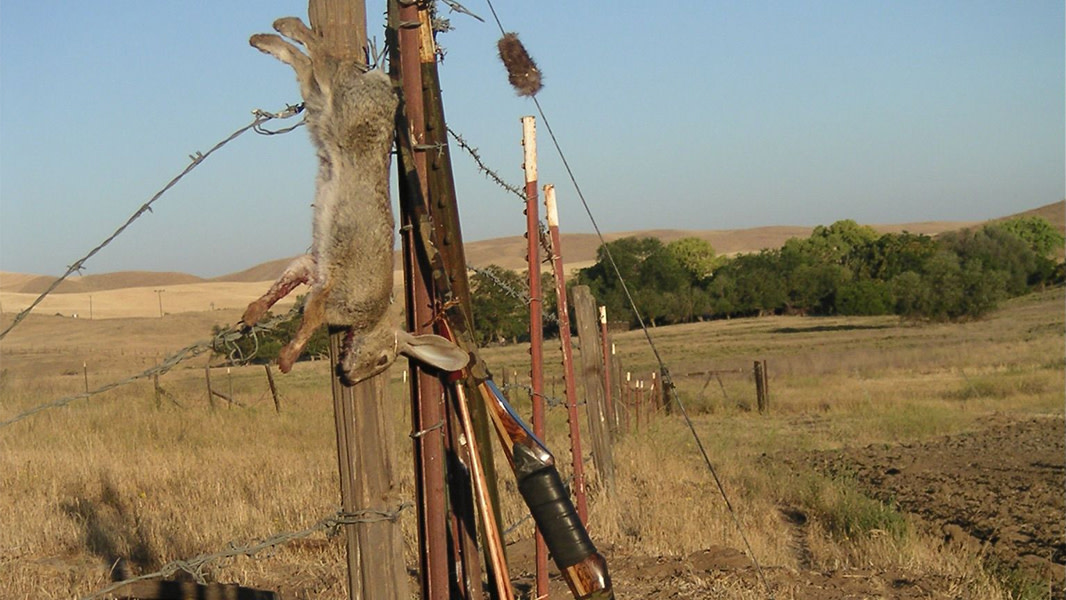
After the Hunt: Follow-Up, Gear Care, and Learning
- Complete all required tags, records, reports, or check-in procedures promptly.
- Cool and store edible game according to official food-safety and wildlife guidance.
- Clean tools, gloves, containers, clothing, and boots to reduce contamination.
- Unload, inspect, clean, secure, and store equipment according to law and manufacturer instructions.
- Check for damaged slings, sights, safeties, straps, quivers, optics, and visibility garments.
- Record weather, wind, habitat, fresh sign, activity, pressure, and lessons learned.
- Review any unsafe moment and correct the plan before the next outing.
- Thank landowners and report damaged signs, gates, habitat, or unsafe conditions.
Recommended Hunting Gear and Tools to Consider
You do not always need expensive gear to hunt responsibly. Choose equipment based on the exact species, local law, terrain, weather, safety needs, skill level, maintenance requirements, and budget.
- A lawful, properly maintained hunting method that you have been trained to use
- Required visibility clothing
- Comfortable, terrain-appropriate boots
- Quiet weather layers and rain protection
- Binoculars for observation and positive identification
- Paper map, compass, GPS, or offline mapping application
- First aid kit and emergency communication
- Water, food, and emergency insulation
- Eye and hearing protection where appropriate
- Disposable gloves, clean containers, game bags, and a cooler for responsible meat care
Never use damaged, recalled, illegally modified, or unfamiliar equipment. Follow the product manual and obtain qualified service when anything does not function correctly.
Final Thoughts
The responsible way to learn how to hunt small game is to begin with current law, hunter education, species identification, access permission, safe equipment handling, and careful scouting. In the field, move patiently, observe more than you act, and treat a safe background as mandatory.
Success is not guaranteed and should not be measured only by a harvest. Returning safely, respecting wildlife and land, improving field judgment, and making ethical decisions are meaningful results. Adapt every method and gear choice to official local rules, terrain, weather, skill level, and conservation responsibilities.
Frequently Asked Questions
1. How long does it take to learn how to hunt small game?
A beginner can learn the basic legal, safety, scouting, and field principles through a hunter education course and several supervised outings. Becoming consistently skilled usually takes more time because each species, property, weather pattern, and hunting method presents different challenges. Focus first on safe handling, identification, legal compliance, and sound judgment rather than speed or harvest numbers.
2. Is small game hunting suitable for beginners?
Small game hunting can be a practical introduction to hunting because it teaches observation, navigation, patience, species identification, and safe field movement. It is not automatically easy or risk-free. Beginners should complete required hunter education, practice with their legal equipment, and hunt with an experienced and responsible mentor when possible.
3. What animals are usually considered small game?
The term may include rabbits, hares, squirrels, and certain upland birds or other locally classified species. The legal definition varies by jurisdiction, and some animals may be protected, regulated separately, or not considered game at all. Always use the classification and species list published by the wildlife agency where you plan to hunt.
4. Do I need a hunting license for small game?
A license is commonly required, but exemptions and license types vary by location, age, land ownership, species, and season. Some areas also require stamps, permits, habitat validations, or hunter education documentation. Confirm every requirement with the official wildlife agency before entering the field.
5. Do I need tags for small game?
Some small game species do not use individual tags, while others may have permits, stamps, harvest records, or reporting requirements. Migratory birds and special management areas may have additional rules. Never assume that a general hunting license covers every species or location.
6. When is small game season?
Season dates differ by species, hunting unit, state or province, land type, and year. Opening and closing dates may also change in response to management needs. Check the current regulation guide and any emergency closures immediately before each hunt.
7. What are legal hunting hours for small game?
Legal hours are set by the local wildlife authority and may be based on sunrise, sunset, fixed clock times, species, or land rules. Do not rely on memory or a previous season’s schedule. Carry the current regulations and use a reliable local sunrise-and-sunset source when the rules depend on daylight.
8. What is the best small game species for a beginner?
The best choice is a legal, locally abundant species that you can identify confidently and hunt on accessible land with a mentor. Rabbits or squirrels are common beginner options in some regions, while upland birds may be more suitable elsewhere. Local regulations, habitat, equipment rules, and training opportunities should guide the decision.
9. Where can I hunt small game legally?
Possible locations include wildlife management areas, national or state forests where hunting is allowed, other public lands, and private property with permission. Each parcel can have different boundaries, closures, weapon restrictions, and access rules. Verify ownership and hunting authorization using official maps and agency information.
10. Do I need written permission to hunt private land?
Written permission is required or strongly recommended in many places, and verbal permission may not be enough under local law. Clarify boundaries, parking, livestock areas, gates, allowed species, dates, and any landowner conditions. Never enter or cross private property without valid permission.
11. How do I find public land for small game hunting?
Start with the official wildlife agency, public-land manager, or government mapping portal. Look for wildlife management areas, forests, refuges, or other units that specifically permit the species and method you plan to use. Download maps for offline use and confirm seasonal closures, check-in rules, and parcel boundaries.
12. Is hunting allowed on every national forest or wildlife refuge?
No. Opportunities and restrictions differ by unit, species, season, and local order. Some areas are open under state rules, while others have refuge-specific permits, non-toxic ammunition requirements, closed zones, or method restrictions. Read both the land manager’s rules and the applicable wildlife regulations.
13. What equipment do I need for small game hunting?
Basic equipment includes the required license and permits, a legal hunting method, visible clothing when required or advisable, weather-appropriate boots and layers, navigation tools, water, communication, and a first aid kit. Add species-specific items only after checking the regulations and learning how to use them safely.
14. Do I need expensive gear to hunt small game?
No. Reliable, legal, well-maintained equipment and good safety habits matter more than premium branding. Beginners should prioritize training, footwear, visibility, navigation, weather protection, and safe equipment handling. Buy additional gear only when it solves a specific field problem.
15. What clothing should I wear?
Choose quiet, durable layers suited to the temperature, precipitation, vegetation, and walking conditions. Wear hunter orange, blaze pink, or other visibility clothing when required and consider it even when merely recommended. Avoid colors or patterns that could be mistaken for the species being hunted.
16. Should small game hunters wear blaze orange?
Visibility requirements vary by jurisdiction, season, and firearm type. Even where not mandatory, highly visible outer clothing can help other hunters identify you as a person. Confirm the exact color, garment area, and timing requirements with the local wildlife agency.
17. What boots are best for small game hunting?
Use boots that fit well and match the terrain, weather, and distance you expect to cover. Traction, ankle support, moisture management, and comfort are generally more important than brand. Break them in before hunting and carry dry socks when conditions are wet.
18. What firearm is commonly used for small game?
Legal options vary by species and location and may include certain shotguns, rimfire firearms, or other regulated methods. This article does not select a universal firearm because ammunition, caliber, shot type, capacity, and land rules differ. Follow the regulation guide, manufacturer instructions, and certified training.
19. Can I use a bow for small game?
Bowhunting may be legal for some species and seasons, but equipment rules and minimum specifications vary. Practice until you can make accurate, controlled decisions within your demonstrated ability. Handle broadheads carefully and use a secure quiver during transport and field movement.
20. Can I use an air gun for small game?
Some jurisdictions permit specified air guns for certain small game, while others restrict or prohibit them. Rules may address caliber, energy, projectile type, season, and location. Verify that the exact equipment and species combination is legal before hunting.
21. Can I hunt small game with a dog?
Dogs are permitted for some species and seasons in certain areas, but training, leash, licensing, land access, and wildlife harassment rules can apply. Keep the dog under control, protect it with visible gear where appropriate, and avoid roads, traps, livestock, and unsafe shooting lanes.
22. What is the safest way to carry a firearm in the field?
Use a carry method taught by an approved hunter education program that keeps the muzzle in a safe direction, the safety engaged, and your finger outside the trigger guard. Unload before crossing obstacles, entering vehicles, or whenever required. Adjust your carry when companions change position so no person is covered by the muzzle.
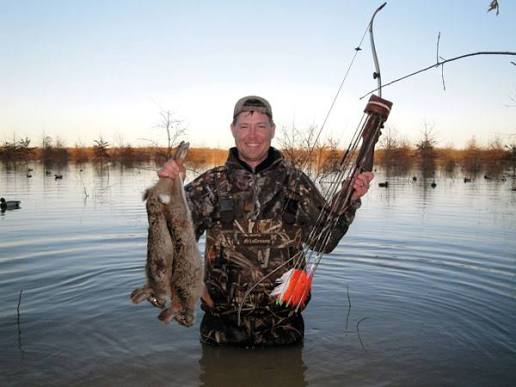
23. What are the four basic firearm safety rules?
Treat every firearm as loaded, keep the muzzle pointed in a safe direction, keep your finger outside the trigger guard until ready for a legal shot, and identify the target plus what is in front of and beyond it. Follow all manufacturer instructions and hunter education guidance.
24. How do I practice before the season?
Practice only at an authorized range or other lawful location with a safe backstop and supervision when needed. Work on safe loading, unloading, carrying, target identification, and accuracy from realistic but controlled positions. Stop when fatigued because poor habits develop quickly.
25. How do I identify small game correctly?
Learn field marks, size, movement, habitat, calls, seasonal plumage or coat, and similar protected species before hunting. Use binoculars for observation and never use a firearm scope as a general viewing tool. Do not act unless the species and legal status are certain.
26. What signs should I look for while scouting?
Useful signs may include tracks, droppings, clipped vegetation, feeding debris, dusting areas, feathers, nests, travel routes, burrows, and fresh scratching. Interpret signs in context and avoid disturbing active nests or protected habitat. Confirm that the sign belongs to a legal target species.
27. What habitat holds rabbits and hares?
Depending on the species and region, rabbits and hares may use brushy edges, early successional cover, hedgerows, grassy openings, young forest, or agricultural margins. Productive habitat must also be legally accessible. Observe from a distance and note fresh tracks, droppings, and feeding sign.
28. What habitat holds squirrels?
Many squirrels use woodlands that provide suitable mast, seeds, buds, den trees, and travel routes. Species differ in habitat and activity, so local knowledge matters. Watch for feeding debris, movement in the canopy, and legal opportunities with a safe background.
29. What habitat holds upland birds?
Upland birds may use grasslands, shrub cover, crop edges, young forest, or mixed habitats depending on species and season. Some occupy specialized or protected areas. Use official habitat information and be certain of species identification before taking any action.
30. What time of day is best for small game hunting?
Many species show useful activity during cooler morning or late-day periods, but patterns vary with weather, pressure, food, season, and species. Legal shooting hours control when hunting may occur. Scout locally rather than assuming one schedule works everywhere.
31. Does weather affect small game movement?
Yes. Temperature, precipitation, snow, wind, and recent storms can change feeding, cover use, visibility, and hunter access. Mild, stable conditions may be comfortable, while fresh snow can make tracks easier to see in some regions. Avoid dangerous weather and respect closures or fire restrictions.
32. How important is wind direction?
Wind can carry scent, cover or amplify sound, move vegetation, and affect safe equipment use. Approach likely habitat with the wind considered, but never let scent strategy override a safe route or clear background. Strong or shifting winds may justify changing plans.
33. Do I need scent control for small game?
Basic cleanliness, appropriate wind use, and quiet movement are usually more useful than elaborate scent products. Some species depend heavily on smell, while others are more likely to notice movement or sound. Avoid strong odors and focus on field awareness.
34. Should I still-hunt or wait in one place?
Both can work. Still-hunting means moving slowly, stopping often, and observing carefully; waiting near active habitat reduces movement and noise. Choose the method that fits the species, land rules, visibility, other users, and your ability to maintain a safe shooting background.
35. How slowly should I move while still-hunting?
Move slowly enough to scan ahead, place each step safely, and recognize animals before they detect you. Pause more often than you walk, especially near fresh sign or habitat transitions. There is no fixed pace because vegetation, visibility, and footing vary.
36. How can I avoid making too much noise?
Secure loose gear, silence zippers or hard objects, choose careful foot placement, and avoid rushing through brush. Use natural background sound when appropriate but remain alert to other hunters. Never compromise muzzle control or balance merely to stay quiet.
37. How do I choose a safe shooting direction?
A safe direction has a clearly identified legal target, an adequate natural backstop when applicable, and no people, roads, homes, vehicles, trails, livestock, buildings, or uncertain movement in or beyond the path. If any part of the background is unclear, do not shoot.
38. What is an ethical shot opportunity?
It is a legal opportunity within your practiced ability where the species is identified, the background is safe, the equipment is appropriate, and recovery is reasonably likely. Ethical hunters pass on rushed, obstructed, distant, moving, or uncertain opportunities.
39. Should I shoot at movement in brush?
No. Movement, sound, color, or a partial shape is not adequate identification. Hunters, pets, livestock, and protected wildlife may be hidden by vegetation. Wait for complete identification and a safe background or let the opportunity pass.
40. Can I shoot toward a tree or into the air?
Do not assume either direction is safe. Projectiles can travel, deflect, pass through branches, or leave the property. Only take a shot when the target and full background meet hunter education principles and local rules.
41. How do I hunt safely with a partner?
Agree on zones of fire, walking positions, communication, stopping procedures, and what happens if someone loses sight of the group. Keep muzzles away from companions and dogs. Never swing through another person’s position while following an animal.
42. How do I cross a fence or obstacle safely?
Follow the unloading and obstacle-crossing procedure taught by your hunter education program. Do not climb, jump, or crawl with a loaded firearm or exposed broadhead. Maintain control of equipment and ensure companions understand the sequence.
43. What should I do if I see another hunter?
Make your presence known calmly, keep equipment pointed safely, and avoid interfering with the person’s hunt. Change routes if necessary to preserve safe separation. On public land, assume other hunters, hikers, workers, and vehicles may be nearby.
44. How can I avoid getting lost?
Carry a map and compass or reliable GPS, download offline maps, mark the vehicle and legal boundaries, and tell someone your route and return time. Track daylight and weather. Electronics can fail, so know basic navigation and carry backup power.
45. What should be in a small game first aid kit?
Carry supplies appropriate to the distance and risks, such as wound dressings, blister care, gloves, antiseptic, emergency warmth, and personal medications. A kit is useful only when you know how to use it. Consider first aid and wilderness safety training.
46. What should I do during bad weather?
Monitor forecasts and changing conditions. Leave before lightning, flooding, wildfire smoke, extreme heat or cold, heavy snow, falling limbs, or poor visibility creates unacceptable risk. Hunting success is never more important than a safe return.
47. How do I hunt small game on pressured public land?
Scout legal areas away from the most obvious access points while respecting boundaries and closures. Hunt at less crowded legal times, move carefully, and remain visible to other users. Never crowd another hunter or take a shot toward parking areas, trails, or voices.
48. Is private land always better than public land?
Not necessarily. Private land may have lower pressure but requires permission and clear rules. Public land can offer good habitat but may require more planning around boundaries, access, and other users. Quality depends on habitat, management, season, and local conditions.
49. What if the property boundary is unclear?
Stop and remain on the side you can confirm is legal. Use official maps, posted signs, survey information, and the land manager or landowner—not guesswork. GPS maps can be inaccurate, so they should not be the only evidence.
50. What should I do after legally harvesting small game?
Unload or secure equipment as appropriate, follow tagging and reporting rules, recover the animal promptly and respectfully, and use clean gloves and tools. Protect edible meat from dirt and heat, and follow transport, possession, and processing requirements.
51. Do I have to report a small game harvest?
Reporting rules differ by species and jurisdiction. Some areas require daily records, online reports, check stations, or surveys, while others do not. Confirm the rule before hunting and keep any required documentation with you.
52. How should small game meat be cooled?
Follow official wildlife-agency and food-safety guidance for the species and local climate. Use clean equipment, avoid contamination, cool edible portions promptly, and keep them at a safe temperature. When disease, spoilage, or handling is uncertain, consult a qualified authority.
53. Should I wear gloves when handling game?
Disposable gloves are a sensible hygiene measure, especially when handling wild animals. Avoid contact with abnormal tissue, external parasites, or animals that appear sick, and wash hands and tools thoroughly. Follow local wildlife health advisories.
54. Can small game carry diseases?
Wild animals can carry parasites or diseases, and risks vary by species and region. Do not handle animals that appear sick or were found dead. Consult wildlife agency advisories and public health guidance for handling, testing, cooking, and disposal.
55. How should I clean and store hunting gear?
Unload and secure legal hunting equipment according to manufacturer instructions, clean mud and moisture from clothing and boots, inspect safety gear, and dry equipment before storage. Store firearms, ammunition, bows, broadheads, and knives securely and separately as required by law.