
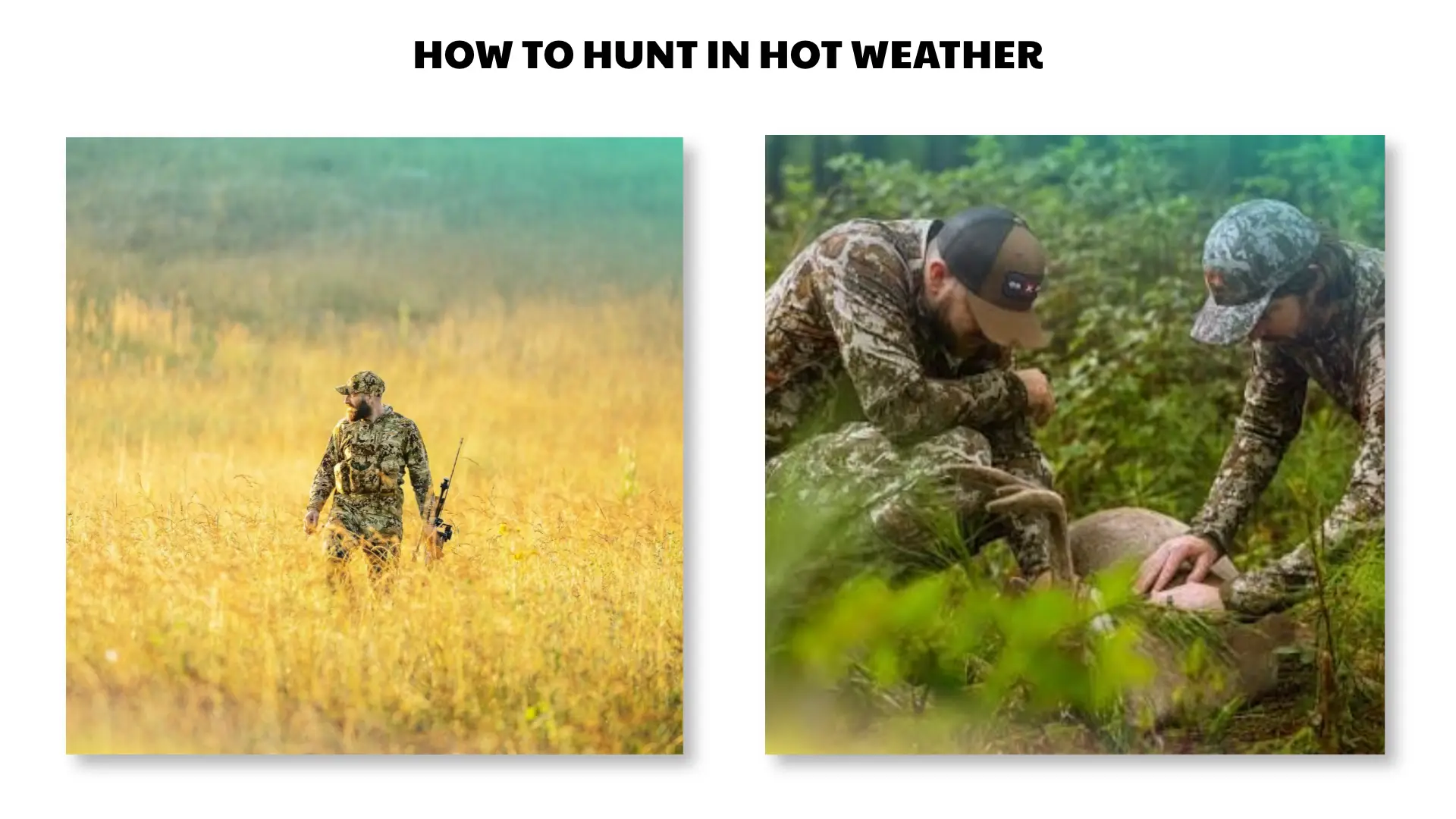

No article can replace your local hunting regulations, hunter education course, weather forecast, or judgment in the field. Use this guide as a planning framework, then verify the current rules for your species, weapon, hunting area, season dates, legal hours, tag requirements, and harvest reporting before you go.
Quick Answer
To hunt in hot weather, plan around the coolest parts of the day, check current hunting regulations, scout water sources and shaded travel routes, use the wind carefully, and keep your physical effort conservative. Carry enough water, sun protection, navigation tools, first aid, and a clear meat-care plan before you enter the field. If the heat index is dangerous, storms are likely, or you cannot recover and cool game responsibly, it is safer and more ethical to postpone the hunt.
Important Legal and Safety Notice Before You Hunt
Hunting laws vary by country, state, province, county, land type, species, season, and weapon method. Before hunting in hot weather, check your official wildlife agency for the latest rules. Do not rely on old forum posts, past seasons, social media comments, or advice from another region.
- Hunting license and permits: Confirm that your license, species permit, hunter education requirement, and any special access permit are valid.
- Tags and harvest reporting: Know whether your species requires a tag, check-in, harvest report, electronic validation, physical tag, or transport documentation.
- Legal season and legal hours: Verify season dates, daily hunting hours, method-specific seasons, and any restrictions during special hunts.
- Legal weapons and ammunition: Confirm what firearm, bow, crossbow, broadhead, shot size, caliber, ammunition type, or magazine rules apply where you hunt.
- Public land or private land access: Confirm boundaries, access points, parking rules, road closures, private land permission, and whether written permission is required.
- Required visibility clothing: Wear blaze orange, blaze pink, or other visibility gear when required and when it improves safety around other hunters.
- Safe firearm or bow handling: Treat every firearm as loaded, control the muzzle, keep your finger off the trigger until ready, identify your target, and know what is beyond it.
- Weather and heat planning: Check temperature, humidity, heat index, thunderstorms, wildfire smoke, fire danger, water availability, and your route back to the vehicle.
For heat safety planning, review official guidance from the CDC Heat Health page and the National Weather Service Heat Safety page before strenuous outdoor activity in high temperatures.
Why Hot Weather Changes a Hunt
Hot weather affects both the hunter and the animals being hunted. Many game animals reduce daytime movement during uncomfortable heat and may spend more time in shade, near bedding cover, in cooler draws, along creek bottoms, or close to reliable water. They may still feed, travel, and use familiar game trails, but activity often shifts toward early morning, late evening, and cooler weather changes.
Hunters also become easier to detect in hot weather. Sweat increases odor, dry leaves and brush can make movement noisy, and fatigue can lead to poor decisions. A long hike that feels easy in cool weather can become risky when the heat index is high and water is limited.
The biggest difference after a successful shot is time. Warm temperatures can make meat care more urgent. A responsible hunter plans recovery, cooling, transport, and processing before the hunt begins instead of figuring it out after dark or after a long pack-out.
Understanding Game Behavior in Hot Weather
The exact patterns depend on species, habitat, hunting pressure, and local climate, but several warm-weather principles are useful for beginners.
Animals Often Favor Shade and Thermal Cover
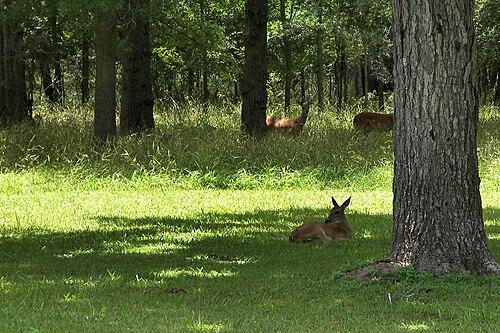
In hot conditions, many animals conserve energy by bedding in shaded areas, thick cover, north-facing slopes, creek bottoms, low draws, or areas with better airflow. In open country, shade may come from timber edges, brush pockets, cut banks, taller vegetation, or terrain breaks.
Water Becomes More Important
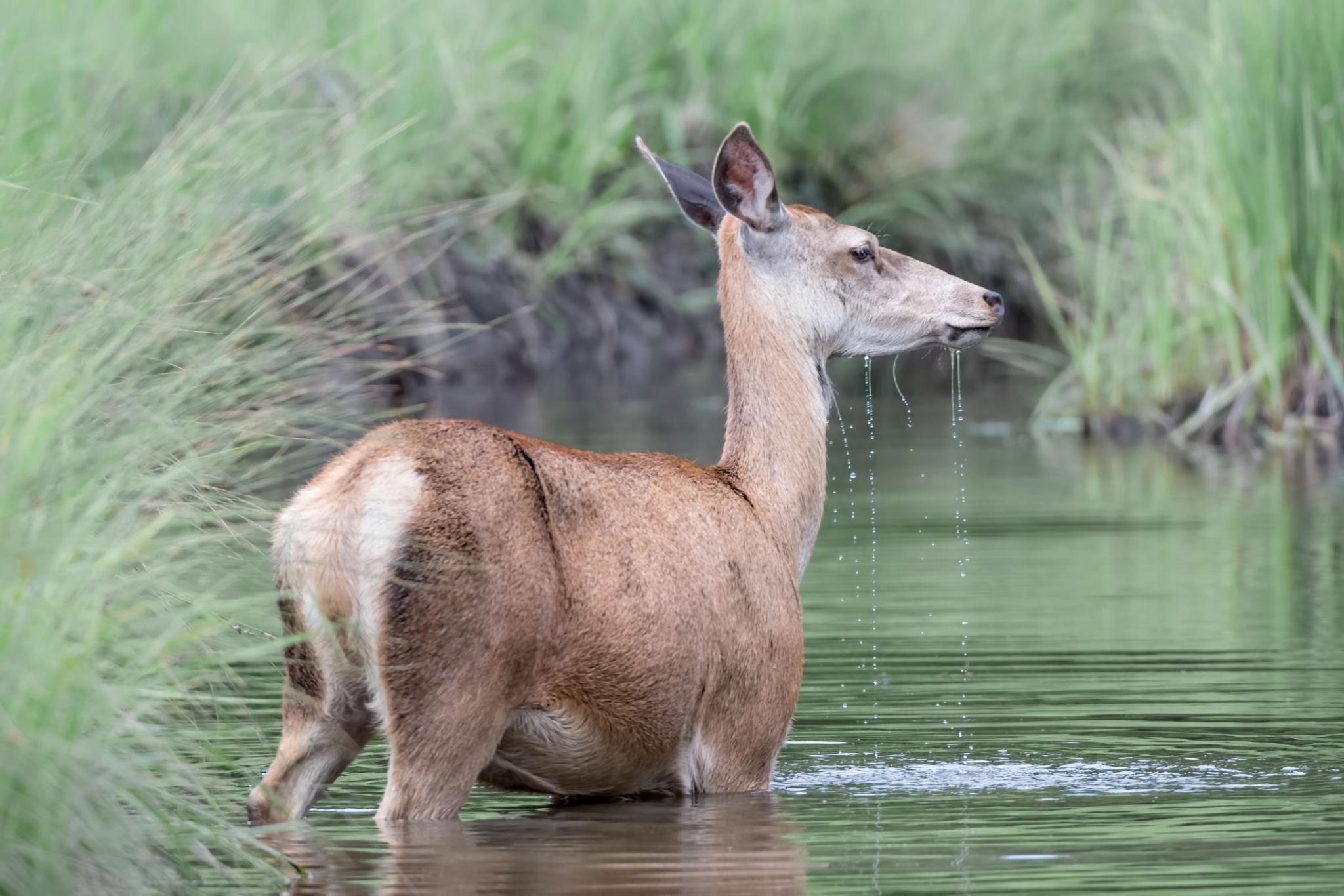
Reliable water can influence movement during dry or hot periods. Creeks, ponds, seeps, stock tanks, springs, marsh edges, and shaded drainage systems may all become important. Always verify that you can legally access and hunt near water in your area, and avoid contaminating or damaging water sources.
Movement May Be Shorter and More Time-Sensitive
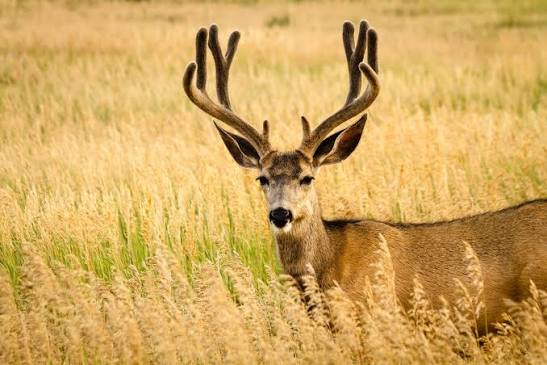
Instead of traveling long distances in full daylight, animals may move briefly at dawn, dusk, during cloud cover, after a light rain, or when wind and temperature become more comfortable. A patient setup near a legal travel corridor may be more productive and safer than walking aggressively through hot terrain.
Hunting Pressure Still Matters
Hot weather does not erase hunting pressure. Animals may avoid easy access routes, busy trails, parking areas, loud hunters, and obvious stand locations. On public land, a short walk away from the most convenient access point can help, but do not push yourself beyond your heat tolerance or navigation ability.
What You Need Before You Start
You do not need the most expensive gear to hunt responsibly in warm weather. You do need legal equipment, heat-aware clothing, hydration, navigation, and a realistic plan for recovery and meat care.
- Valid hunting license, permits, tags, and current regulation knowledge
- Legal hunting weapon or method allowed for your species and area
- Hunter orange, blaze pink, or other required visibility clothing when applicable
- Breathable, quiet, weather-appropriate clothing that protects from sun and brush
- Broken-in boots or footwear suited to heat, terrain, and snake or thorn hazards where relevant
- Water bottle or hydration bladder with enough capacity for the conditions
- Electrolyte option if you will sweat heavily, hike far, or hunt for several hours
- Map, compass, GPS, or hunting app with offline maps and a backup plan
- First aid kit, emergency communication, headlamp, and extra batteries
- Binoculars or optics for safe observation and target identification
- Lightweight gloves, clean game bags, cooler, ice, and meat-care supplies when big game may be harvested
- Sun hat, sunscreen, insect protection, and any personal medication you may need
Heat Safety Comes First
A successful hunt is never worth heat illness. Hot weather can make people dizzy, confused, weak, nauseated, or unable to think clearly. Those symptoms are especially dangerous around firearms, bows, knives, tree stands, steep terrain, water crossings, or remote public land.
Know the Warning Signs
Stop hunting and cool down if you or your partner develop heavy sweating, weakness, headache, dizziness, nausea, muscle cramps, unusual fatigue, shortness of breath, confusion, faintness, or poor coordination. Move to shade, drink water if you can do so safely, loosen tight clothing, and seek medical help if symptoms are severe, worsening, or do not improve.
Use the Buddy System When Possible
Heat can affect judgment before a hunter realizes how serious the situation is. Hunting with a responsible partner or telling someone your exact plan, parking location, route, and return time adds an important safety layer.
Do Not Ignore the Heat Index
The heat index combines air temperature and humidity to estimate how hot conditions feel to the body. High humidity makes sweat evaporate less efficiently, which makes cooling harder. If the forecast is extreme, choose a shorter hunt, hunt from a shaded setup near easy access, or postpone the trip.
How to Hunt in Hot Weather: Step-by-Step Guide
Step 1: Check Local Hunting Laws First
Start with the official regulation source for the place you will hunt. Confirm the legal species, season dates, license, tags, legal hunting hours, weapon rules, ammunition restrictions, harvest limits, reporting requirements, and land access rules.
Hot weather sometimes overlaps with early archery seasons, special private-land opportunities, feral hog control rules, upland seasons, predator seasons, or youth hunts. Do not assume the method or species is legal because someone else hunted it last year.
Step 2: Study the Forecast and Decide Whether the Hunt Is Worth It
Look at temperature, humidity, heat index, wind direction, storms, lightning risk, wildfire smoke, fire danger, sunrise, sunset, and expected overnight lows. If recovery would require a long pack-out in dangerous heat, or if you cannot cool meat quickly, choose a different plan.
A conservative plan might be a short morning hunt close to a shaded access route, with a cooler and ice ready in the vehicle. A risky plan might be an all-day solo hike deep into dry country during a heat advisory with limited water and no reliable communication.
Step 3: Choose a Legal Hunting Area With Heat in Mind
Use maps to identify legal access, boundaries, shaded drainages, water sources, bedding cover, game trails, food areas, and exit routes. On public land, confirm that roads, gates, trailheads, and hunting zones are open. On private land, get clear permission before entering and respect livestock, crops, gates, fences, and property boundaries.
Hot-weather hunting is often more effective when the route is simple and the setup is intentional. A shorter legal route that avoids exposed climbs may be safer than a long approach to a spot that looks better on a map.
Step 4: Scout Water, Shade, Food, and Travel Corridors
Look for animal tracks, droppings, bedding areas, rubbed vegetation, trails, feeding sign, wallows, rooting, dusting areas, feathers, or other species-specific signs. Focus on how animals move between cover, water, and food without exposing themselves to heat for long periods.
Use trail cameras only where legal and only in ways allowed by your wildlife agency and land manager. Some areas restrict cameras, electronic communication, bait, mineral sites, or use of natural water sources during certain seasons.
Step 5: Plan Your Entry Route Around Wind and Sweat
Wind direction still matters in hot weather. Sweating can increase human odor, and warm swirling air can carry scent unpredictably in draws, creek bottoms, and timber edges. Try to approach with the wind blowing from the animals toward you or across your route rather than from you directly into likely bedding or feeding areas.
Move slowly enough that you do not arrive soaked in sweat and overheated. It is better to leave earlier and walk calmly than to rush in, make noise, and need a long recovery break at the setup.
Step 6: Hunt the Coolest Windows of the Day
Early morning is often the most comfortable and practical period for hot-weather hunting. Late evening can also be productive, but it leaves less daylight for recovery, legal tagging, packing out, and cooling meat. If you hunt evenings in hot weather, have a clear plan for what you will do if the hunt is successful near the end of legal light.
Midday can still be useful for scouting from a distance, checking access, glassing shaded areas, or resting, but it is usually the highest-risk period for heat stress.
Step 7: Set Up in Shade With a Safe Field of View
Choose a setup that keeps you cool, concealed, and safe. Natural shade, ground blinds, tree stands, brush cover, or terrain breaks can work if they are legal and safe for the area. Avoid setting up where you must shoot toward roads, homes, livestock, vehicles, trails, other hunters, or unclear movement.
If using a tree stand, wear a full-body safety harness, use a haul line for equipment, maintain three points of contact while climbing, and inspect straps, steps, and platforms before use. Heat fatigue can make climbing more dangerous.
Step 8: Reduce Movement and Noise
Dry leaves, brittle grass, and crunchy brush can make hot-weather movement loud. If still-hunting, take fewer steps, pause often, and glass ahead before moving. If sitting, keep movements slow and deliberate, especially when wiping sweat, adjusting clothing, or reaching for water.
Do not let the desire to see more country push you into unsafe exertion. Hot weather rewards patience, observation, and careful setups more than constant walking.
Step 9: Take Only a Safe, Legal, and Ethical Shot Opportunity
Before any shot, confirm the animal is legal to harvest, clearly identify the species and sex or age class if required, know what is beyond the target, and stay within your practiced ability. Heat, sweat, fatigue, glare, fogged optics, and insects can all affect concentration.
Bowhunters should know their personal effective range through practice and avoid risky angles or distances. Firearm hunters should follow manufacturer instructions, hunter education guidance, and safe handling rules at all times. If you are unsure, pass the shot.
Step 10: Begin Legal Recovery Carefully
Follow your local rules for tagging, recovery, property boundaries, reporting, and use of dogs or tracking assistance if those rules apply. Mark the location, stay calm, and make decisions based on safety, ethics, and the law.
In hot weather, recovery planning matters. Bring help when needed, especially for big game or difficult terrain. Do not trespass, cross unsafe terrain, or enter private land without permission during recovery.
Step 11: Cool Game Meat Responsibly
Warm temperatures make meat care urgent. Use clean tools and gloves, keep dirt and debris away from meat, allow heat to escape as soon as legal and practical, use breathable game bags when appropriate, and get meat to shade, airflow, a cooler, ice, or a processor quickly.
Do not overload yourself during a pack-out. Several safe trips with help are better than one dangerous carry in extreme heat. Follow all transport, evidence-of-sex, tagging, and reporting rules for your jurisdiction.
Best Time, Place, and Conditions for Hot-Weather Hunting
The best conditions are legal, safe, and cool enough for both the hunter and responsible meat care. The most promising times are usually early morning, the last part of legal evening light, cloudy periods, cooler days after a front, or mild windows after rain when movement may improve.
| Condition | Why It Matters | Beginner-Friendly Strategy |
|---|---|---|
| Early morning | Cooler temperatures and more daylight for recovery | Enter quietly before shooting light and set up near legal travel routes between food, water, and cover. |
| Late evening | Animals may move as temperatures drop | Hunt only if you have a safe recovery and meat-cooling plan after legal light. |
| Water nearby | Dry heat can make water sources more important | Scout tracks and trails near legal water access without damaging banks, wetlands, or livestock resources. |
| Shade and cover | Animals and hunters both avoid direct heat | Use shaded setups with safe shooting lanes and good wind direction. |
| High humidity | Sweat cools the body less effectively | Shorten the hunt, carry more water, slow your pace, and watch for heat illness symptoms. |
| Storm risk | Lightning, flash flooding, and wind shifts can create danger | Leave before storms arrive. Do not wait in exposed stands, ridges, open fields, or creek bottoms. |
Public Land and Private Land Considerations
Public Land
Public land hunting in hot weather requires extra attention to access, pressure, and other users. Hikers, anglers, bird watchers, livestock operations, and other hunters may all use the same area. Park respectfully, avoid blocking gates, follow road and trail rules, and carry a map that clearly shows boundaries.
Do not assume every water source, trail, or two-track road is open to hunting access. Some public areas have seasonal closures, weapon restrictions, special permits, no-shooting zones, refuge rules, or camping limits.
Private Land
Private land hunting requires permission. Written permission is best where available and may be legally required in some places. Ask about livestock, gates, crop fields, buildings, property lines, other hunters, safe shooting zones, parking, and recovery expectations before the hunt.
Hot weather can increase fire risk. Be careful with vehicles in dry grass, camp stoves, cigarettes, and any activity that could start a wildfire. Follow all local fire restrictions.
Hot-Weather Hunting Gear Checklist
Use this checklist as a starting point and adjust it for your legal method, species, terrain, forecast, and skill level.
Safety and Navigation
- Map, compass, GPS, or offline hunting app
- Headlamp and spare batteries
- First aid kit with blister care
- Emergency whistle or signaling device
- Fully charged phone or satellite communicator where appropriate
- Trip plan shared with a trusted person
Heat and Sun Protection
- Enough water for the route and temperature
- Electrolytes for longer or sweat-heavy hunts
- Lightweight sun hat or brimmed cap
- Sunscreen and lip protection
- Breathable long sleeves or sun-protective clothing
- Insect protection suited to your area
Hunting and Observation
- Legal firearm, bow, crossbow, or other permitted method
- Required ammunition, arrows, bolts, broadheads, or accessories allowed by law
- Binoculars for identifying animals safely
- Rangefinder if useful and legal
- Quiet seat pad, blind chair, or stand equipment if using a setup
- Required visibility clothing
Game Recovery and Meat Care
- Sharp legal knife and safe sheath
- Cut-resistant or disposable gloves
- Breathable game bags when appropriate
- Cooler with ice or frozen jugs ready at the vehicle
- Clean tarp or surface for keeping meat away from dirt
- Flagging tape or digital markers where legal and appropriate
Helpful Tips for Better Results
- Start earlier than normal so you can walk slowly and avoid arriving overheated.
- Hunt closer to reliable shade, water, bedding cover, or travel corridors instead of roaming all day.
- Choose setups that allow a safe, quick exit route if heat, storms, or fatigue become a problem.
- Carry more water than you think you need, and drink before you feel seriously thirsty.
- Use the wind carefully because sweat and warm thermals can make scent control harder.
- Keep evening hunts conservative unless you have help and a clear meat-care plan.
- Glassing from shade can be safer and more effective than walking through exposed country.
- Keep a cooler, ice, game bags, and clean tools ready before you leave home.
- Pass on any shot that is rushed, unclear, beyond your skill, or likely to create a difficult recovery in dangerous heat.
Common Mistakes to Avoid
Hot-weather mistakes often come from treating a warm hunt like a cool-weather hunt. The stakes are different when heat, dehydration, insects, meat care, and fatigue are all working against you.
- Ignoring current regulations: Always verify licenses, tags, legal hours, weapon rules, and reporting requirements before the hunt.
- Underestimating hydration: A small bottle of water may not be enough for a long walk in hot terrain.
- Hunting too deep without a meat plan: Big game can be difficult to recover and cool quickly in warm weather.
- Moving too much during midday heat: Excessive walking increases sweat, noise, fatigue, and heat illness risk.
- Setting up with poor wind: Hot-weather scent can drift into bedding or feeding cover and alert animals.
- Overpacking heavy gear: Extra weight can become a safety problem when temperatures rise.
- Underpacking safety essentials: Navigation, water, first aid, light, and communication matter more than extra gadgets.
- Taking a risky evening shot: Low light and heat can make recovery and meat care more difficult.
- Not knowing property boundaries: Recovery does not give you permission to trespass.
- Ignoring heat symptoms: Dizziness, confusion, nausea, and weakness are warning signs, not inconveniences.
Troubleshooting Common Problems
| Problem | Possible Cause | What to Do |
|---|---|---|
| You are not seeing any game | Animals may be moving during cooler windows or using shaded cover | Scout water, shade, and travel routes; hunt dawn or cooler weather changes; reduce midday movement. |
| Animals detect you before you see them | Poor wind, sweating, noise, or rushed entry | Approach earlier, slow down, watch wind direction, and set up with more cover and less movement. |
| You feel dizzy, weak, or nauseated | Heat stress, dehydration, or overexertion | Stop hunting, move to shade, cool down, drink water if safe, and seek help if symptoms are serious or persistent. |
| Your gear feels too heavy | Overpacking or poor load planning | Carry essentials first, reduce noncritical items, and choose shorter routes in hot weather. |
| You are unsure about a boundary | Map confusion, poor cell service, or unclear property lines | Back out and confirm access. Do not cross fences, gates, or private land without permission. |
| Wind changes after sunrise | Thermals, terrain, and warming air movement | Shift your setup only if you can do so safely and legally without excessive heat exposure. |
| You are worried about meat spoilage | Warm temperatures, long recovery, or long pack-out | Bring help, use game bags, move meat to shade and airflow, and get it to ice or processing quickly. |
| Insects are distracting you | Heat, moisture, sweat, and standing water | Use legal insect protection, cover exposed skin, and avoid excessive movement or swatting when animals are near. |
Ethical Hunting and Conservation
Ethical hunting is not measured only by whether you harvest an animal. It is measured by preparation, restraint, respect for wildlife, respect for other people, and responsible use of the animal if a harvest occurs.
- Obey seasons, bag limits, tag rules, land access laws, and harvest reporting requirements.
- Practice with your legal hunting method before the season and know your limits.
- Pass unsafe, uncertain, rushed, or low-probability shot opportunities.
- Plan recovery and meat care before hunting in warm temperatures.
- Respect landowners, other hunters, non-hunters, livestock, gates, trails, and public land users.
- Use as much of the harvested animal as legally and practically possible.
- Leave the land cleaner than you found it and support conservation through lawful participation.
When to Get More Training or Professional Guidance
Beginners should seek more help before hunting in hot weather if they are unsure about safety, legal rules, shooting ability, animal recovery, or meat care. Heat adds pressure to every decision, so training is especially valuable.
- You have never handled a firearm, bow, or crossbow under qualified supervision.
- You have not completed hunter education or do not understand local regulations.
- You are unsure how to identify legal animals or safe backstops.
- You do not understand property boundaries or public land access rules.
- You are hunting remote, steep, snake-prone, desert, swamp, or unfamiliar terrain.
- You need help with tracking, recovery, field care, meat cooling, or transport rules.
- You have health conditions, medications, or heat sensitivity that may increase risk.
Good learning sources include official hunter education courses, state or provincial wildlife agencies, certified instructors, experienced ethical mentors, conservation organizations, and reputable local hunting clubs.
After the Hunt: Follow-Up, Gear Care, and Learning
After a hot-weather hunt, cool down, rehydrate, inspect your gear, and write down what happened. Note the temperature, wind direction, animal sign, water conditions, access pressure, insects, and how much water you used. These details help you plan safer and more effective hunts later.
If you harvested game, complete tagging and reporting as required, care for meat responsibly, clean tools, wash game bags, and store equipment safely. If you did not harvest, the hunt can still teach you where animals moved, what wind did in the terrain, and how your body handled the heat.
Recommended Hunting Gear and Tools to Consider
You do not always need expensive gear to hunt responsibly. Choose gear based on local laws, hunting method, species, terrain, temperature, humidity, safety needs, skill level, and budget.
- Legal hunting weapon or method allowed in your area
- Quality breathable boots for your terrain and weather
- Lightweight clothing that balances sun protection, quiet movement, and required visibility
- Hydration system with enough water capacity for heat and distance
- Binoculars or optics for safe observation and animal identification
- Navigation tools such as map, compass, GPS, or offline hunting app
- First aid kit, emergency communication, and headlamp
- Game bags, gloves, cooler, ice, and meat care supplies when harvesting edible game
Final Thoughts
Learning how to hunt in hot weather requires a different mindset than hunting on a cool fall morning. The best approach is to verify the law, study the forecast, hunt the coolest windows, focus on water and shade patterns, control your pace, use the wind, and keep safety ahead of ambition.
Hot conditions can still offer legal and meaningful hunting opportunities, but they also demand better preparation. Hunt patiently, respect wildlife, pass unsafe shots, avoid heat illness, and make sure you can recover and cool game responsibly before you ever step into the field.
FAQ
1. Is it worth hunting in hot weather?
It can be worth hunting in hot weather if the season is legal, the conditions are safe, and you have a solid plan for hydration, recovery, and meat care. If the heat index is dangerous or you cannot cool harvested game quickly, it is better to wait for safer conditions.
2. What is the best time of day to hunt in hot weather?
Early morning is usually the safest and most practical time because temperatures are cooler and you have more daylight for recovery. Evening can be productive, but it leaves less time to find, tag, transport, and cool game before dark.
3. Do animals move during hot weather?
Yes, animals still move, but many reduce daytime activity and favor cooler periods, shade, cover, and water. Movement can be brief, so scouting and careful setup matter.
4. Should I hunt near water in hot weather?
Water can be important during hot and dry periods, but you must confirm legal access and follow all land rules. Avoid damaging banks, springs, wetlands, livestock water, or sensitive habitat.
5. How much water should I carry while hunting in the heat?
The right amount depends on temperature, humidity, distance, body size, exertion, and trip length. Carry more than you expect to need, and choose shorter routes if water capacity is limited.
6. What are the signs of heat illness while hunting?
Warning signs include heavy sweating, muscle cramps, dizziness, headache, weakness, nausea, confusion, faintness, and unusual fatigue. Stop hunting, cool down, and seek medical help if symptoms are serious or do not improve.
7. Is hunting in high humidity more dangerous?
High humidity can make heat more dangerous because sweat evaporates less effectively. Slow your pace, drink water, take breaks, and avoid long exposed hikes during the hottest part of the day.
8. Does wind direction matter in hot weather?
Yes. Wind direction matters because animals can detect human scent, and sweat can increase odor. Plan your entry and setup so your scent does not blow into likely animal movement areas.
9. Is scent control harder in hot weather?
It often is. Sweat, warm thermals, and changing wind can make scent control more difficult. Clean clothing, smart wind use, and slow movement are more important than relying on any single scent-control product.
10. Should I still-hunt or sit in hot weather?
Sitting near a well-scouted travel route, water source, or shaded edge is often safer and more efficient than walking all day. Still-hunting can work, but move slowly and avoid overheating.
11. Is midday hunting effective during hot weather?
Midday can be difficult because heat is usually highest and animal movement may be limited. It is often better used for resting, glassing from shade, checking maps, or leaving the field safely.
12. What clothing is best for hot-weather hunting?
Choose breathable, quiet clothing that protects you from sun, insects, and brush while meeting visibility requirements. Avoid cotton-heavy layers if sweat and cooling become a problem, and bring a hat for sun protection.
13. Should I wear hunter orange in hot weather?
Wear hunter orange, blaze pink, or other visibility clothing when required by law and whenever it improves safety. Choose lightweight versions suited for warm conditions.
14. Can I hunt from a tree stand in hot weather?
Yes, if it is legal and safe, but heat fatigue can make climbing more dangerous. Use a full-body safety harness, inspect equipment, use a haul line, and avoid climbing when dizzy, weak, or overheated.
15. Are ground blinds good for hot weather?
Ground blinds can help with shade and concealment, but they can also trap heat. Ventilate the blind, avoid direct sun when possible, and make sure you have safe shooting lanes and legal visibility.
16. What should I do if I start feeling overheated?
Stop hunting, unload or secure your weapon safely, move to shade, cool your body, drink water if you can do so safely, and contact help if symptoms are severe. Do not continue pushing through serious heat symptoms.
17. How do I keep game meat from spoiling in hot weather?
Plan ahead with clean tools, breathable game bags, help for packing, a cooler, ice, and a fast route to cooling or processing. Follow your local tagging, evidence, transport, and reporting rules.
18. Should I avoid evening hunts because of meat care?
Not always, but evening hunts require extra planning. If a successful shot near the end of legal light would create a long recovery in warm darkness, consider a morning hunt instead.
19. Can I hunt public land in hot weather?
Yes, if the area is open and the season is legal. Check maps, access points, closures, parking rules, pressure, other users, and your ability to get out safely in the heat.
20. Can I cross private land to recover game?
Do not enter private land without permission unless your local law clearly allows a specific process. When in doubt, contact the landowner or the appropriate wildlife officer for guidance.
21. What should beginners scout before a hot-weather hunt?
Beginners should scout legal access, water, shade, food sources, bedding cover, game trails, tracks, droppings, wind patterns, and easy exit routes. The goal is to reduce guesswork and avoid unnecessary walking in the heat.
22. Does hot weather affect bowhunting?
Yes. Sweat, fatigue, insects, and warm evening recovery can affect bowhunting. Practice within your personal effective range, protect broadheads safely, and pass shots that are uncertain or beyond your ability.
23. Does hot weather affect firearm hunting?
Hot weather can increase fatigue, glare, sweaty hands, and rushed decisions. Keep the muzzle pointed in a safe direction, keep your finger off the trigger until ready, identify the target, and know what is beyond it.
24. Should I hunt alone in hot weather?
Solo hunting in hot weather increases risk. If you hunt alone, choose conservative routes, share your plan, carry communication, bring enough water, and avoid remote or physically demanding setups.
25. What is the safest setup for a beginner in hot weather?
A shaded, legal setup near easy access and known animal movement is usually safer than a long hike into remote terrain. Beginners should prioritize safety, visibility, wind, and exit routes.
26. How can I reduce noise when the ground is dry?
Take slower steps, pause often, avoid dry brush when possible, and use natural pauses in wind or background noise. Sitting more and walking less can help in crunchy conditions.
27. Should I use a cooler for every hot-weather hunt?
If there is a chance of harvesting edible game, a cooler and ice are wise. Warm weather gives you less time to protect meat quality, especially after a long recovery or pack-out.
28. Is rain helpful during hot weather hunts?
Light rain or cloud cover can cool conditions and soften noisy ground, but storms can bring lightning, flooding, wind, and poor visibility. Leave the field before dangerous weather arrives.
29. How do I choose between public land and private land in hot weather?
Choose the place where you have legal access, safe routes, realistic recovery, and good information about animal movement. Private land still requires permission, and public land still requires boundary awareness.
30. What if I do not know the local hunting rules?
Do not hunt until you confirm them with the official wildlife agency or a qualified local authority. Regulations can change by species, season, weapon, land type, and location.
31. How much should I walk when hunting in hot weather?
Walk only as much as you can do safely while staying hydrated and clear-headed. Short, intentional movement between shaded glassing points or setups is often better than constant hiking.
32. Can hot weather make animals harder to recover?
Yes. Heat can shorten your meat-care window and make long recoveries more demanding. Take only ethical shots within your ability and plan recovery before the hunt starts.
33. What should I do with my gear after a hot hunt?
Dry sweaty clothing, clean boots and equipment, wash game bags if used, sanitize tools, recharge electronics, and record what you learned about temperature, wind, sign, and animal movement.
34. When should I cancel a hot-weather hunt?
Cancel or shorten the hunt when heat warnings, storms, wildfire smoke, illness, poor water access, or lack of a meat-care plan make the trip unsafe or unethical.
35. What is the most important beginner tip for hunting in hot weather?
Plan conservatively. Legal preparation, hydration, heat awareness, wind discipline, safe shot selection, and responsible meat care matter more than staying out longer or pushing deeper into the field.
Read more: How to Hunt in High Winds: Safe, Practical Field Strategies for Beginners