
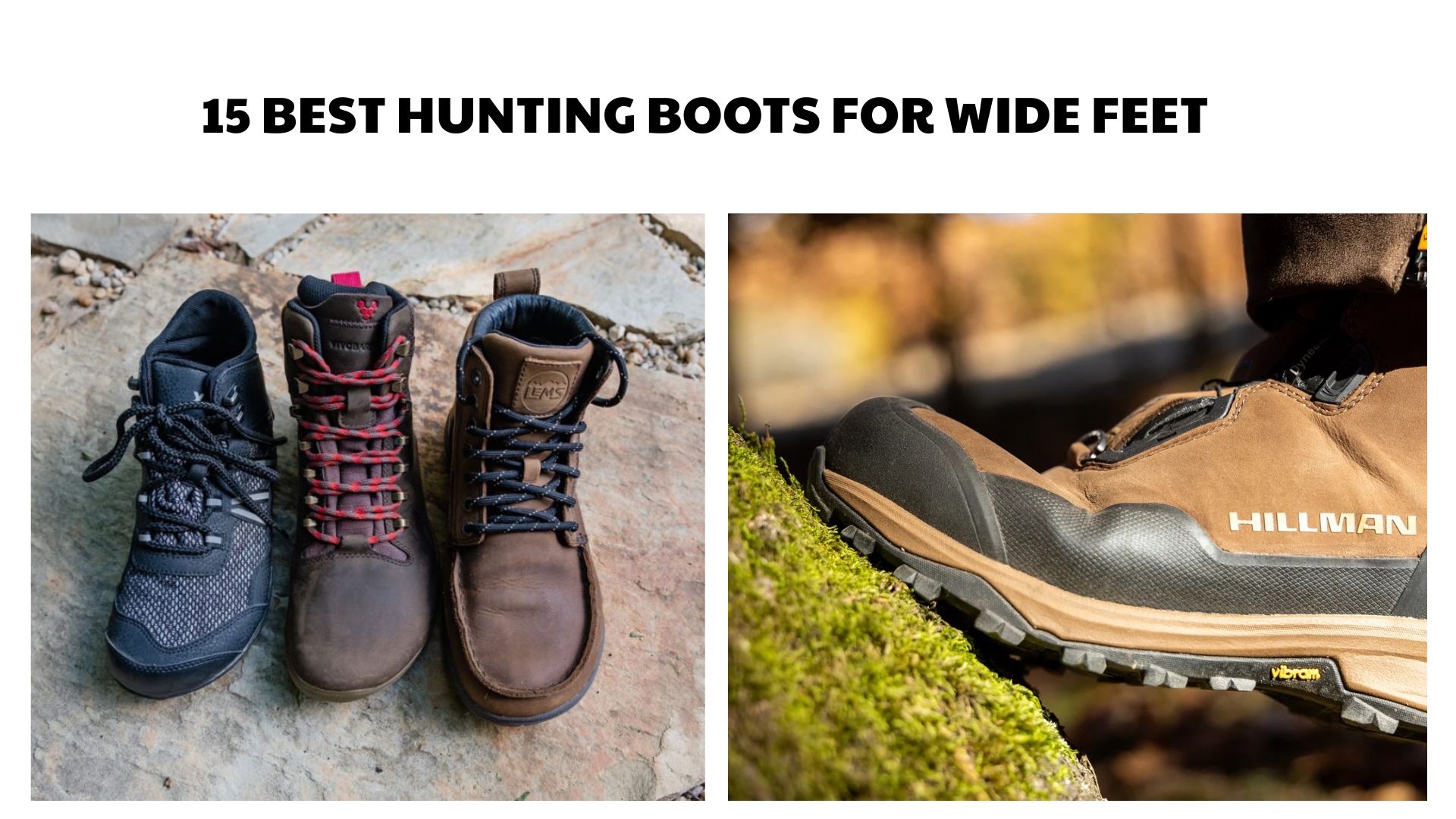
Finding the best hunting boots for wide feet can be frustrating because many hunting boots feel tight in the toe box, pinch the sides of the forefoot, or become uncomfortable once you add thick winter socks. A boot that feels acceptable in the house can turn into a serious problem after a long walk to a deer stand, a cold morning in deep snow, or a muddy hike through wet brush.
This guide focuses on hunting boots that make sense for wider feet, cold weather, snow, wet ground, and real outdoor use. Some picks are true hunting boots with wide-width options. Others use roomy toe boxes, flexible neoprene, adjustable uppers, or wider-fitting lasts that can work well for hunters who need extra space.
To compare these boots, I looked at practical field-use factors: fit, toe room, waterproof protection, insulation, traction, boot height, material quality, support, ease of walking, warmth, durability, customer feedback, brand reputation, and overall value. Whether you need warm hunting boots for winter, waterproof hunting boots for snow, cold weather hunting boots for treestand sits, or boots for deer hunting in snow, the goal is to help you choose a pair that fits your feet and your hunting style.
Always match your boots to your local conditions, legal hunting seasons, proper licensing requirements, and ethical hunting practices. Good boots help you stay comfortable and safer, but they do not replace smart planning, weather awareness, or responsible field decisions.
Key Takeaways
- Choose insulated hunting boots if you hunt in freezing temperatures or sit for long periods.
- Waterproof protection is important for snow, slush, creek crossings, mud, and wet brush.
- Traction matters because icy ground, steep terrain, and muddy snow can increase slip risk.
- Wide feet need more than extra length; look for wide sizing, a roomy toe box, stretch neoprene, or adjustable fit features.
- The best boot depends on your hunting style, terrain, weather, and how much walking you do.
Quick Picks:
- Best Overall: Meindl Comfort-Fit Hunter 400-gram on Amazon
- Best Premium Pick: Kenetrek Mountain Extreme 400 on Amazon
- Best for Deer Hunting: LaCrosse Alphaburly Pro 18-inch 1600G on Amazon
- Best for Deep Snow: Irish Setter Elk Tracker 1000G on Amazon
- Best Budget Option: TIDEWE 800G Rubber Hunting Boots on Amazon
- Best Lightweight Pick: LITE BOOTS 16-inch Classic on Amazon
- Best for Long Walks: Danner Pronghorn 8-inch on Amazon
- Best for Treestand Hunting: MUCK Woody Max on Amazon
- Best Waterproof Pick: HISEA Insulated Neoprene Hunting Boots on Amazon
- Best Early-Season Wide-Fit Hiker: KEEN Targhee III Mid Waterproof on Amazon
Comparison Table: Best Hunting Boots for Wide Feet
| Product | Best For | Material / Build | Insulation / Warmth | Waterproof Protection | Traction | Check Price |
|---|---|---|---|---|---|---|
| Meindl Comfort-Fit Hunter 400-gram | Best Overall | Leather hunting boot with wide toe box design | Insulated for cold-weather hunting | Gore-Tex waterproof protection | Outdoor outsole for rough terrain | Check Price on Amazon |
| Danner Pronghorn 8-inch | Best for Long Walks | Full-grain leather hunting boot | Available in insulated versions | Gore-Tex waterproof liner | Vibram traction outsole | Check Price on Amazon |
| Irish Setter Elk Tracker 1000G | Best for Deep Snow | Tall leather hunting boot | Heavy insulation for cold hunts | Waterproof hunting design | Aggressive outsole for field use | Check Price on Amazon |
| LaCrosse Alphaburly Pro 18-inch 1600G | Best for Deer Hunting | Rubber over neoprene pull-on boot | High insulation for cold sits | Waterproof rubber construction | Burly outdoor outsole | Check Price on Amazon |
| Kenetrek Mountain Extreme 400 | Best Premium Pick | Full-grain leather mountain hunting boot | Moderate insulation for active cold hunts | Waterproof membrane | High-traction mountain outsole | Check Price on Amazon |
| Irish Setter Terrain 1200G | Best Cold Weather Value | Leather and camo hunting build | Heavy insulation for winter hunts | Waterproof hunting boot design | Outdoor tread for wet ground | Check Price on Amazon |
| TIDEWE 800G Rubber Hunting Boots | Best Budget Option | Rubber and neoprene pull-on boot | Insulated for cold-weather hunting | Waterproof rubber protection | Outdoor rubber outsole | Check Price on Amazon |
| HISEA Insulated Neoprene Hunting Boots | Best Waterproof Pick | Rubber and neoprene outdoor boot | Insulated for winter field use | Waterproof mud and hunting design | Anti-slip outdoor outsole | Check Price on Amazon |
| MUCK Woody Max | Best for Treestand Hunting | Neoprene and rubber pull-on boot | Fleece-lined cold-weather design | Waterproof bootie construction | Self-cleaning outdoor outsole | Check Price on Amazon |
| Dryshod NoSho Ultra Hunt | Best Extreme-Condition Rubber Boot | Insulated rubber and foam bootie construction | Built for cold conditions | Waterproof top-to-bottom design | Outdoor hunting outsole | Check Price on Amazon |
| Rocky BearClaw GORE-TEX 1000G | Best Aggressive Traction | Leather and outdoor hunting build | Heavy insulation for cold weather | GORE-TEX waterproof protection | Aggressive BearClaw outsole | Check Price on Amazon |
| Rocky Sport Utility 1000G | Best Traditional Insulated Boot | Leather and synthetic hunting boot | Heavy insulation for winter hunting | Waterproof outdoor construction | Rugged hunting outsole | Check Price on Amazon |
| Irish Setter VaprTrek 8-inch | Best Athletic Hunting Boot | Leather and abrasion-resistant fabric | Insulated version for cool weather | Waterproof hunting design | Outdoor traction outsole | Check Price on Amazon |
| Irish Setter Wingshooter 7-inch | Best Upland Option | Leather upland hunting boot | Better for mild to cool weather | Waterproof boot design | Field outsole for walking hunts | Check Price on Amazon |
| KEEN Targhee III Mid Waterproof | Best Early-Season Wide-Fit Hiker | Leather and performance mesh hiking boot | Not a heavy insulated winter boot | Waterproof breathable membrane | Multi-directional hiking outsole | Check Price on Amazon |
The strongest choices for wide-foot hunters are the Meindl Comfort-Fit Hunter, Danner Pronghorn, Irish Setter Elk Tracker, and Kenetrek Mountain Extreme because they combine serious hunting construction with better fit support for larger feet or high-volume feet. Rubber hunting boots like the LaCrosse Alphaburly Pro, MUCK Woody Max, TIDEWE, HISEA, and Dryshod NoSho are better when waterproof protection, scent control, snow, mud, and treestand use matter more than lace-up precision. Lightweight hikers such as the KEEN Targhee III are best for early season, scouting, turkey hunting, and long walks where a heavy insulated hunting boot would feel excessive.
1. Meindl Comfort-Fit Hunter 400-gram on Amazon
Short Overview
The Meindl Comfort-Fit Hunter 400-gram is one of the strongest overall choices for hunters with wide feet because it is built around a roomier comfort-fit design rather than a narrow athletic last. It is a serious hunting boot for people who want waterproof protection, moderate insulation, and better toe room for long days in cold terrain. The wide toe box is especially useful if your toes feel squeezed in standard hunting boots or if you need room for thicker socks. This boot fits best for active cold-weather hunters who walk, climb, glass, scout, and cover uneven ground. The 400-gram insulation level makes it more versatile than extremely heavy boots because it can work for cool to cold conditions without becoming too bulky for movement. The lace-up design allows a more secure fit than most pull-on rubber boots. It is also a good choice for hunters who want premium construction without jumping straight into an extreme mountain boot. For wide feet, the main benefit is simple: more forefoot space with enough heel control to reduce sliding.
Key Features
- Wide toe box design for better forefoot comfort
- Insulated construction for cold-weather hunting
- Gore-Tex waterproof protection
- Leather hunting boot build
- Outdoor outsole designed for field traction
Pros
- Excellent option for hunters who need more toe room
- Good balance of warmth, support, and walking comfort
- Waterproof protection for snow, wet grass, and muddy ground
- Premium feel for serious hunting use
Cons
- Premium models may cost more than budget hunting boots
- May be warmer than needed for early-season hunts
- Still requires careful sizing with thick socks
Who It’s Best For
This boot is best for hunters with wide feet who want a dependable, premium, insulated waterproof boot for deer hunting, elk hunting, scouting, mountain terrain, and cold-weather field use. It is especially good for buyers who want wide-foot comfort without switching to a loose rubber pull-on boot.
2. Danner Pronghorn 8-inch Hunting Boots on Amazon
Short Overview
The Danner Pronghorn is a long-running hunting boot line that appeals to hunters who need waterproof protection, field traction, and a more traditional lace-up fit. For wide feet, the biggest advantage is that the Pronghorn line is commonly associated with multiple width options, which makes it easier to find a better fit than boots sold only in standard width. This boot is a practical choice for long walks, rolling terrain, public land scouting, upland hunting, and deer hunting where you need support but do not want a bulky rubber boot. The full-grain leather build gives it a more durable feel than many lightweight outdoor boots. The waterproof liner helps in wet grass, mud, snow patches, and creekside terrain. The 8-inch height gives ankle coverage without feeling as tall as a knee-high rubber boot. It is a smart pick for hunters who walk more than they sit. If you have wide feet and prefer laces for adjustment, the Pronghorn deserves a close look.
Key Features
- Full-grain leather hunting boot construction
- Gore-Tex waterproof liner
- Vibram traction outsole
- 8-inch lace-up support
- Available in hunting-focused versions for different weather needs
Pros
- Good choice for long walking hunts
- Lace-up fit helps secure wide or high-volume feet
- Waterproof protection for wet hunting conditions
- More versatile than heavy rubber boots
Cons
- May need break-in time
- Not as tall as rubber boots for deep water or swamp use
- Insulation level depends on the exact version selected
Who It’s Best For
The Danner Pronghorn is best for deer hunters, elk hunters, upland hunters, and public land hunters who need waterproof hunting boots for wide feet and plan to walk more than they sit.
3. Irish Setter Elk Tracker 1000G on Amazon
Short Overview
The Irish Setter Elk Tracker 1000G is a tall, insulated hunting boot built for cold-weather hunters who need warmth, support, and protection in rough terrain. It is especially useful for hunters who deal with deep snow, long sits, frozen ground, and cold mornings during late-season deer or elk hunts. Wide-foot buyers often look at Irish Setter because many of the brand’s hunting and work boots are available in wide sizes depending on the model and seller. The Elk Tracker is not a lightweight boot, but that is part of its purpose: it is designed for warmth and field durability. The tall shaft gives more coverage than shorter hiking-style boots. The waterproof construction helps when snow melts, brush is wet, or trails are muddy. The lace-up design also lets you adjust the fit around your instep and ankle better than most pull-on boots. If your main problem is cold feet during winter hunts, this is one of the stronger options in the list.
Key Features
- 12-inch hunting boot height
- Heavy insulation for cold-weather hunting
- Waterproof hunting boot design
- Leather upper construction
- Rugged outsole for snow, mud, and field terrain
Pros
- Warm option for cold weather hunting boots
- Good for deer hunting in snow and late-season sits
- Tall height adds protection in brush and snow
- Lace-up design helps with fit adjustment
Cons
- May be too warm for mild-weather hunting
- Heavier than lightweight hiking-style boots
- Wide-foot buyers should carefully check size and width availability
Who It’s Best For
This boot is best for hunters who need warm hunting boots for winter, especially deer hunters, elk hunters, and treestand hunters who face freezing temperatures, deep snow, and long periods of limited movement.
4. LaCrosse Alphaburly Pro 18-inch 1600G on Amazon
Short Overview
The LaCrosse Alphaburly Pro 18-inch 1600G is one of the most popular rubber hunting boot styles for deer hunters, especially those who hunt wet ground, snow, swamps, creek bottoms, and treestands. For wide feet, the Alphaburly Pro can work well because rubber and neoprene boots often provide more forefoot space than narrow leather boots, although sizing still needs careful attention. The 18-inch height gives excellent coverage in snow, mud, and wet brush. The heavy insulation makes it a strong option for cold weather hunting and long sits. Its pull-on design is easy to use when you want quick entry and exit, but it will not offer the same precision as lace-up boots. The waterproof rubber construction is useful for scent-conscious deer hunters who cross wet ground before daylight. The outsole is designed for muddy and uneven field conditions. This is a practical pick for hunters who prioritize warmth, waterproofing, and treestand use over long mountain hikes.
Key Features
- 18-inch rubber and neoprene hunting boot
- Heavy 1600G insulation for cold conditions
- Waterproof rubber construction
- Adjustable upper strap for calf fit
- Outdoor traction outsole for mud and snow
Pros
- Excellent waterproof protection for snow, slush, and wet brush
- Strong choice for deer hunting and treestand sits
- Warm option for freezing temperatures
- Rubber build can help reduce ground scent transfer
Cons
- May feel too warm for active walking hunts
- Pull-on fit is less precise than laces
- Tall rubber boots can be harder to remove
Who It’s Best For
This boot is best for deer hunters, treestand hunters, waterfowl hunters, and cold-weather hunters who need insulated waterproof hunting boots for snow, mud, slush, and wet access routes.
5. Kenetrek Mountain Extreme 400 on Amazon
Short Overview
The Kenetrek Mountain Extreme 400 is a premium hunting and hiking boot made for serious terrain, steep country, rocky slopes, and hunters who demand support. It is not the cheapest option, but it is one of the strongest choices for buyers who want a rugged boot with insulated warmth and mountain-ready traction. For wide feet, this boot is most appealing to hunters who want structure and support rather than the soft looseness of a rubber boot. The tall leather upper helps protect the ankle and lower leg in brush and rocky conditions. The 400-gram insulation makes it useful for cold active hunts without automatically feeling like an extreme pac boot. The waterproof membrane helps keep feet dry when weather turns bad or snow begins to melt. The aggressive outsole is suited to uneven ground, steep trails, and rough backcountry use. This is a better fit for elk, mule deer, mountain hunting, and demanding hikes than for casual backyard chores.
Key Features
- 10-inch full-grain leather upper
- 400-gram insulation for active cold-weather hunts
- Waterproof membrane protection
- High-traction K-Talon style outsole
- Reinforced lower boot protection for rough terrain
Pros
- Excellent support for steep and uneven terrain
- Premium build for serious hunting use
- Good choice for active cold-weather hunters
- Strong traction for rugged ground
Cons
- Higher cost than budget hunting boots
- May feel stiff for casual use
- Not the best choice for hunters who only sit in flat treestands
Who It’s Best For
The Kenetrek Mountain Extreme 400 is best for experienced hunters, elk hunters, mountain hunters, and wide-foot buyers who need serious support, waterproof protection, and dependable traction in cold terrain.
6. Irish Setter Terrain 1200G on Amazon
Short Overview
The Irish Setter Terrain 1200G is a cold-weather hunting boot built for hunters who need more warmth than a light hiking boot can provide. It is a practical choice for snow hunting, late-season deer hunting, and cold mornings where insulation matters. The 10-inch height offers more coverage than short boots while still keeping the fit more controlled than knee-high rubber boots. Wide-foot buyers should pay close attention to available width options because some Irish Setter models are offered in EE sizes depending on the listing. The waterproof design makes it useful in wet leaves, snow, slush, and muddy trail conditions. The removable footbed and supportive midsole design help with comfort during longer outdoor use. It is not as premium as some mountain boots, but it offers a strong mix of warmth, durability, and value. If you need insulated waterproof hunting boots without jumping to a very expensive model, this is a solid option.
Key Features
- 10-inch hunting boot height
- Heavy insulation for cold-weather hunting
- Waterproof protection for wet and snowy conditions
- Supportive footbed and midsole design
- Camo hunting style for field use
Pros
- Warm option for winter hunting boots for men
- Good height for snow and brush
- Useful for deer hunting, stand hunting, and cold field use
- Often a better value than premium mountain boots
Cons
- May be too insulated for high-activity mild-weather hunts
- Wide sizes may vary by seller and availability
- May feel bulkier than uninsulated walking boots
Who It’s Best For
This boot is best for hunters who need warm hunting boots for winter, especially those who want cold-weather comfort, waterproof protection, and a traditional lace-up hunting fit.
7. TIDEWE 800G Rubber Hunting Boots on Amazon
Short Overview
The TIDEWE 800G Rubber Hunting Boots are a budget-friendly option for hunters who want waterproof rubber protection, insulation, and pull-on convenience. They are especially useful for deer hunters, food plot work, muddy access trails, wet brush, and cold mornings where leather boots may soak through if not maintained properly. For wide feet, the appeal comes from the rubber and neoprene style, which can feel less restrictive in the forefoot than narrow lace-up boots. The 800G insulation level makes these boots suitable for cold-weather hunting without being as extreme as some 1600G options. The 7mm neoprene-style build adds flexibility and comfort around the foot and leg. The tall boot height helps with wet grass, snow, slush, and shallow mud. They are not the same as premium leather mountain boots for long technical hikes, but they solve a common buyer problem: affordable waterproof warmth. If your hunting is mostly treestand, blind, farm, or swamp-edge use, these boots make sense.
Key Features
- Rubber and neoprene hunting boot construction
- 800G insulation for cold-weather comfort
- Waterproof pull-on design
- Tall camo boot profile
- Outdoor outsole for mud, snow, and wet ground
Pros
- Good budget option for insulated waterproof hunting boots
- Useful for snow, slush, wet grass, and muddy trails
- Pull-on design is simple and beginner-friendly
- Flexible rubber style can be comfortable for wider feet
Cons
- Less precise fit than lace-up boots
- May feel warm during active mild-weather hunts
- Not ideal for steep mountain terrain or very long hikes
Who It’s Best For
This boot is best for budget-minded deer hunters, beginner hunters, land managers, and outdoor users who need warm waterproof hunting boots for snow, mud, and wet field conditions.
8. HISEA Insulated Neoprene Hunting Boots on Amazon
Short Overview
The HISEA Insulated Neoprene Hunting Boots are another affordable rubber-style option for hunters who need waterproof protection and cold-weather comfort. They are designed for wet outdoor work, hunting, gardening, muddy ground, and winter field use. Wide-foot buyers may appreciate the neoprene and rubber construction because it can feel more forgiving than stiff narrow leather boots. The tall design provides coverage when walking through wet brush, snow, and shallow muddy areas. These boots are practical for hunters who want a simple pull-on boot that can handle messy conditions without complicated maintenance. They are not the best choice for technical mountain hunting, but they are useful for whitetail stands, blinds, chores, scouting, and wet-weather outdoor tasks. The anti-slip style outsole adds traction for slick ground, though you should still be cautious on ice. If you need waterproof hunting boots for snow without spending premium money, HISEA is worth comparing with TIDEWE and Dryshod.
Key Features
- Rubber and neoprene waterproof construction
- Insulated design for cold outdoor use
- Tall pull-on boot profile
- Anti-slip outdoor outsole
- Suitable for hunting, mud, wet grass, and farm use
Pros
- Good waterproof protection for wet and muddy conditions
- Budget-friendly alternative to premium rubber hunting boots
- Practical for deer stands, blinds, and outdoor chores
- Flexible upper can help reduce pressure points
Cons
- Not as supportive as premium lace-up hunting boots
- May not fit every calf or foot shape perfectly
- Pull-on rubber boots can feel warm during active walking
Who It’s Best For
These boots are best for hunters who want affordable insulated waterproof hunting boots for snow, mud, food plots, treestand access, wet brush, and general outdoor use.
9. MUCK Woody Max on Amazon
Short Overview
The MUCK Woody Max is a cold-weather pull-on hunting boot known for its waterproof neoprene-style construction and insulated comfort. It is a strong choice for treestand hunters, blind hunters, and anyone who spends time in snow, mud, wet fields, or cold woods. For wide feet, MUCK-style boots can be appealing because the neoprene bootie can adapt more than a stiff narrow leather upper. The stretch-fit topline helps seal out cold air and debris around the calf. The fleece lining and underfoot warmth features make it better suited to cold sits than mild early-season walks. This is not the boot I would choose for steep mountain miles, but it makes sense for whitetail country, farm access, wetlands, and cold-weather scouting. The rubber exterior helps keep water out and makes cleaning easier after muddy hunts. If you need snow hunting boots with pull-on convenience and warmth, the Woody Max is a proven style to compare.
Key Features
- Waterproof neoprene bootie construction
- Fleece lining for cold-weather comfort
- Stretch-fit topline to seal warmth in
- Rubber exterior for wet and muddy terrain
- Outdoor outsole for snow, mud, and field use
Pros
- Warm and practical for cold treestand hunting
- Waterproof design for wet ground and snow
- Comfortable pull-on style for many hunters
- Easy to clean after muddy field use
Cons
- Less adjustable than lace-up boots
- May feel too warm for mild-weather hiking
- Not ideal for steep, technical mountain terrain
Who It’s Best For
The MUCK Woody Max is best for deer hunters, treestand hunters, blind hunters, waterfowl hunters, and cold-weather outdoor users who need waterproof warmth and a forgiving pull-on fit.
10. Dryshod NoSho Ultra Hunt on Amazon
Short Overview
The Dryshod NoSho Ultra Hunt is built for hunters who want a tough insulated waterproof boot for cold, wet, and muddy conditions. It is a rubber-style hunting boot aimed at extreme field use rather than casual fashion. Wide-foot users may like the more forgiving bootie-style construction, especially if lace-up leather boots often pinch the forefoot. The waterproof top-to-bottom design is helpful for snow, slush, creek edges, wet grass, and late-season access routes. The insulation and fleece-style comfort features make it a strong candidate for cold-weather hunting. It is especially useful for whitetail hunters who sit in stands, hunters who cross wet ground, and anyone who needs a boot that can handle mud without complicated cleaning. Like most tall rubber boots, it is less precise than a lace-up mountain boot. However, when the priority is dry, warm, protected feet in ugly weather, it is a serious option.
Key Features
- Waterproof hunting boot construction
- Insulated bootie-style build for cold conditions
- Rubber exterior for mud and wet brush
- Outdoor hunting outsole
- Pull-on design for simple use
Pros
- Strong waterproof protection for nasty weather
- Warm choice for cold-weather hunts
- Good for mud, snow, wet grass, and blinds
- Forgiving fit style compared with narrow leather boots
Cons
- Less ankle precision than lace-up boots
- Can feel bulky for long active walking
- May be more boot than needed for mild conditions
Who It’s Best For
This boot is best for cold-weather deer hunters, wetland hunters, blind hunters, and anyone who needs insulated waterproof hunting boots for freezing temperatures, snow, slush, and mud.
11. Rocky BearClaw GORE-TEX 1000G on Amazon
Short Overview
The Rocky BearClaw GORE-TEX 1000G is a rugged insulated hunting boot for cold weather, wet ground, and uneven terrain. It is designed for hunters who need warmth, waterproofing, and aggressive traction in one boot. The heavy insulation level makes it suitable for cold-weather hunts, but active hunters should consider whether it may be too warm for fast hiking in mild conditions. Wide-foot buyers should check available width options carefully because Rocky models may vary by size and seller. The GORE-TEX waterproof construction helps protect against snow, rain, wet grass, and muddy ground. The BearClaw outsole is made for grip, which matters when walking on slick leaves, snowy slopes, or rough access trails. The boot has a more traditional hunting feel than budget rubber pull-ons. If you want cold-weather support and a rugged outsole, this is a strong candidate.
Key Features
- 1000G insulated hunting boot design
- GORE-TEX waterproof protection
- Rugged leather and outdoor construction
- Aggressive BearClaw-style outsole
- Built for cold, wet, and uneven field use
Pros
- Warm option for cold weather hunting boots
- Good traction for mud, snow, and rough ground
- Waterproof protection for wet conditions
- More supportive than basic rubber boots
Cons
- May be too warm for early-season hunts
- Can feel heavier than lightweight hikers
- Wide sizing should be checked before ordering
Who It’s Best For
This boot is best for hunters who need insulated waterproof hunting boots with aggressive traction for snow, mud, rocky trails, and cold-weather field use.
12. Rocky Sport Utility 1000G on Amazon
Short Overview
The Rocky Sport Utility 1000G is a traditional insulated hunting boot for buyers who want warmth, waterproof protection, and a rugged outdoor design. It is a practical boot for hunters who face cold mornings, wet ground, snow patches, and rough field access. The 1000G insulation level is useful for colder sits and slower hunting styles. For wide feet, the main point is to check the width options and seller sizing carefully because the wrong width can make even a warm boot uncomfortable. This boot is better for hunters who need warmth and durability than for people looking for ultralight footwear. The lace-up design allows more adjustment than rubber pull-on boots, which helps if your foot is wide in the forefoot but narrower in the heel. The waterproof construction is valuable when snow begins melting or when trails are wet from rain. Overall, it is a solid traditional winter hunting boot for practical field use.
Key Features
- 1000G insulated hunting boot design
- Waterproof outdoor construction
- Lace-up fit for better adjustment
- Rugged hunting outsole
- Cold-weather field-use design
Pros
- Warm enough for many cold-weather hunting conditions
- Laces help improve fit control
- Useful for deer hunting, scouting, and winter field use
- Good alternative to rubber boots for hunters who want support
Cons
- Not ideal for warm weather
- May feel heavy during long active hunts
- Buyers should verify current sizing and width availability
Who It’s Best For
This boot is best for hunters who want a warm, traditional, insulated lace-up hunting boot for deer hunting, cold scouting, and general winter field conditions.
13. Irish Setter VaprTrek 8-inch on Amazon
Short Overview
The Irish Setter VaprTrek 8-inch is a good choice for hunters who want a more athletic hunting boot instead of a heavy winter boot. It is designed for movement, making it useful for scouting, bowhunting, turkey hunting, early-season deer hunting, and hunters who cover ground. For wide feet, it is important to check available widths and sizing because athletic boots can feel snug if ordered too narrow. The waterproof design helps with wet grass, light mud, and unpredictable field conditions. Insulated versions can support cool-weather use without becoming as bulky as heavy pac-style boots. The 8-inch height gives ankle coverage while remaining easier to walk in than knee-high rubber boots. This boot also suits hunters who need quieter, lighter movement through woods and field edges. It is not the warmest pick on this list, but it is one of the better options for active hunters who do not want heavy footwear.
Key Features
- 8-inch athletic hunting boot profile
- Waterproof hunting design
- Insulated version for cool weather
- Leather and abrasion-resistant upper materials
- Outdoor outsole for field movement
Pros
- Good for active hunters who walk frequently
- Lighter feel than heavy winter boots
- Waterproof protection for wet grass and light mud
- Useful for bowhunting, scouting, and turkey hunting
Cons
- Not the best option for extreme cold sits
- Athletic fit may not suit every wide foot
- Less snow protection than tall rubber boots
Who It’s Best For
The Irish Setter VaprTrek is best for active hunters, bowhunters, turkey hunters, and deer hunters who want waterproof hunting boots that feel more agile than bulky winter footwear.
14. Irish Setter Wingshooter 7-inch on Amazon
Short Overview
The Irish Setter Wingshooter 7-inch is a classic upland-style hunting boot that works well for hunters who spend more time walking than sitting. It is not the warmest boot in this guide, but it offers a comfortable leather build, waterproof protection, and a field-friendly design. For wide feet, the Wingshooter is worth checking because many Irish Setter footwear models are available in wide sizing depending on the exact listing. The 7-inch height gives enough ankle support for fields, grass, and rolling terrain while staying more flexible than tall winter boots. It is a better choice for upland birds, small game, mild deer hunting, scouting, and general outdoor use than for deep snow or extreme cold. The leather upper gives it a durable, traditional feel. The waterproof design is useful in wet cover, dew, and light mud. If you want a hunting boot that can double as a general outdoor boot, this is a practical pick.
Key Features
- 7-inch leather upland hunting boot
- Waterproof protection for wet field use
- Lace-up fit for adjustment
- Comfortable walking-oriented design
- Traditional hunting boot styling
Pros
- Good for upland hunting and long walking days
- More flexible than heavy insulated winter boots
- Waterproof protection for wet grass and light mud
- Practical for mild-weather hunting and scouting
Cons
- Not ideal for deep snow or freezing treestand sits
- Less insulation than cold-weather boots
- Wide sizing should be checked before buying
Who It’s Best For
This boot is best for upland hunters, small-game hunters, mild-weather deer hunters, and wide-foot buyers who want a comfortable leather boot for walking hunts.
15. KEEN Targhee III Mid Waterproof on Amazon
Short Overview
The KEEN Targhee III Mid Waterproof is technically a hiking boot, but it earns a place here because many hunters with wide feet use hiking-style boots for scouting, early season, turkey hunting, light deer hunting, and long walks on moderate terrain. KEEN is known for a roomier forefoot shape, which can help people who feel squeezed in narrow hunting boots. This boot is not a heavy insulated snow hunting boot, so it is not the best option for freezing treestand sits or deep snow. Its strength is comfort, waterproof protection, and easy walking. The mid-height profile gives some ankle coverage while staying lighter and more flexible than tall winter hunting boots. The leather and mesh build helps with mobility during active hunts. The waterproof membrane is useful for wet grass, muddy trails, and spring or fall scouting. If your hunting style involves movement more than long cold sits, this can be a smart wide-foot-friendly alternative.
Key Features
- Roomier KEEN-style forefoot design
- Waterproof breathable membrane
- Leather and performance mesh upper
- Mid-height ankle support
- Multi-directional hiking outsole
Pros
- Good option for wide feet and roomy toe comfort
- Lightweight compared with insulated hunting boots
- Useful for scouting, turkey hunting, and early-season hunts
- Comfortable for long walks on moderate terrain
Cons
- Not a dedicated insulated winter hunting boot
- Too short for deep snow, swamps, or tall wet brush
- Less scent-control benefit than rubber hunting boots
Who It’s Best For
The KEEN Targhee III Mid Waterproof is best for wide-foot hunters who need a comfortable hiking-style boot for scouting, turkey hunting, early-season deer hunting, camping, and moderate outdoor use.
Buying Guide: How to Choose the Best Hunting Boots for Wide Feet
Choosing hunting boots for wide feet is different from choosing regular outdoor footwear. A hunting boot has to fit well, stay comfortable for long hours, protect your feet from weather, and match your hunting style. When you add snow, thick socks, heavy packs, muddy trails, and freezing temperatures, fit becomes even more important.
Start With Your Hunting Style
Before choosing a boot, think about how you actually hunt. A treestand hunter sitting for five hours in freezing weather needs a very different boot than an elk hunter climbing steep ridges. If you sit most of the day, insulation and waterproof protection may matter more than lightweight flexibility. If you walk several miles, support, break-in comfort, traction, and weight become more important.
Understand Your Foot Shape
Wide feet are not all the same. Some hunters are wide across the toes. Others have high-volume feet, high arches, flat feet, thick ankles, or wide calves. If your pain is in the toe box, look for a wide toe box or EE width. If your heel slips, a lace-up boot may be better than a pull-on rubber boot. If your instep feels crushed, look for adjustable lacing and avoid low-volume boots.
Leave Room for Winter Socks
For snow hunting, toe room is critical. Tight boots reduce circulation, and reduced circulation can make your feet feel colder. A boot that fits perfectly with thin socks may become too tight with thick wool socks. When trying boots, test them with the socks you actually plan to wear while hunting.
Choose the Right Insulation Level
Insulation is not always better. Heavy insulation can be great for freezing temperatures, deep snow, and treestand hunting, but it can make your feet sweat if you walk hard. Moisture inside the boot can become a cold-weather problem. Active hunters may prefer moderate insulation, while stationary hunters may need heavier insulation.
Waterproofing Matters in Snow
Snow hunting almost always includes moisture. Snow melts against the boot, slush gets into seams, and wet brush can soak footwear quickly. Waterproof hunting boots for snow should use rubber construction, a waterproof membrane, sealed bootie construction, or a proven waterproof liner. Remember that waterproof boots still need proper care, drying, and maintenance.
Boot Height Should Match Snow Depth
Short boots are easier to walk in, but they are not ideal for deep snow or wet brush. An 8-inch boot can work for light snow and active hunts. A 10- to 12-inch boot gives more coverage. An 18-inch rubber boot is better for swamps, snow, creek crossings, and wet treestand access. If you walk through deep snow, consider gaiters even with taller boots.
Rubber vs Leather Hunting Boots
Rubber boots are excellent for waterproofing, scent control, mud, wet grass, and treestand hunting. They are easy to clean and practical for deer hunters. Leather boots are usually better for support, lacing control, steep terrain, and long walking hunts. Wide-foot hunters often like rubber boots because they can feel roomier, but lace-up leather boots usually provide a more secure fit.
Traction and Outsole Design
Snow, mud, wet leaves, and icy slopes can be dangerous. Look for an outsole with enough lug depth for your terrain. Aggressive lugs help in mud and snow, while moderate lugs may walk better on mixed ground. No boot makes ice safe, so move carefully and consider traction aids when conditions are dangerous.
Weight and Walking Comfort
Heavy insulated boots are warm, but they can tire your legs on long walks. Lightweight boots are easier to hike in, but they may not be warm enough for freezing sits. Choose based on your activity level. If you walk miles, a lighter lace-up boot may be better. If you sit in a blind, a warmer pull-on boot may be more comfortable.
Break-In Time
Do not wear brand-new boots on opening morning without testing them. Leather boots often need break-in time. Rubber boots may not need traditional break-in, but you still need to check heel slip, sock thickness, calf fit, and pressure points. Wear your boots around the house, on short walks, and during scouting before relying on them during a serious hunt.
Moisture Control and Socks
Cold feet often come from moisture, not just temperature. Avoid cotton socks in winter because cotton holds moisture. Wool or synthetic moisture-wicking socks are better for hunting in snow. If you sweat during a long walk, change into dry socks before sitting for a long time.
Scent Control
For deer hunting, rubber boots can help reduce ground scent transfer, but they are not magic. Keep boots clean, avoid fueling vehicles or walking through strong odors in your hunting boots, and store them away from household smells. Always focus on wind direction and ethical hunting practices rather than relying only on gear.
Maintenance Requirements
Leather boots need cleaning and conditioning. Rubber boots should be washed, dried, and stored away from direct sunlight and heat. Never dry boots too close to a fire or heater because excessive heat can damage adhesives, leather, rubber, and waterproof membranes. Remove insoles when drying and allow airflow inside the boot.
Brand Reputation and Warranty
Brands like Danner, Irish Setter, LaCrosse, Kenetrek, Meindl, MUCK, Rocky, KEEN, and Dryshod have strong recognition in outdoor footwear. That does not mean every model fits every foot, but brand reputation can help when comparing materials, sizing consistency, customer support, and long-term reliability. Always check the current Amazon listing, seller, return policy, and size chart before ordering.
Budget and Value
The best value is not always the cheapest boot. A low-cost boot that causes blisters, leaks, or fails in snow is not a good deal. At the same time, not every beginner needs a premium mountain boot. Match your budget to your hunting style. Treestand hunters may get great value from insulated rubber boots. Mountain hunters should invest more in support, traction, and durability.
Safety, Licensing, and Ethical Hunting
Boots are only one part of safe hunting. Always follow federal, state, and local hunting laws. Hunt only during legal seasons, carry proper licenses and tags, respect property boundaries, and follow ethical shot selection. In cold weather, avoid overconfidence. Check forecasts, tell someone where you are going, carry emergency gear, and turn back when conditions become unsafe.
Common Mistakes to Avoid When Buying Hunting Boots for Snow
- Buying boots without checking insulation level for your actual hunting temperature.
- Ignoring waterproof protection when hunting in snow, slush, wet brush, or creek bottoms.
- Choosing boots that are too tight once winter socks are added.
- Buying boots that are too heavy for long walks or mountain terrain.
- Ignoring outsole traction for icy, muddy, or steep ground.
- Using mild-weather hiking boots in deep snow or freezing treestand conditions.
- Not breaking boots in before hunting season.
- Forgetting to check return policies, seller details, and sizing charts on Amazon.
- Assuming every waterproof boot is suitable for extreme cold.
- Ignoring local hunting conditions, terrain, legal seasons, and safety planning.
Expert Tips for Using Hunting Boots in Snow
- Break in boots before the season, especially leather lace-up models.
- Wear moisture-wicking wool or synthetic socks.
- Avoid cotton socks in cold weather because they hold moisture.
- Keep boots dry between hunts by removing insoles and airing them out.
- Use gaiters if you walk through deep snow with shorter boots.
- Check traction before hunting steep, icy, or muddy terrain.
- Choose insulation based on activity level, not just temperature.
- Leave enough toe room for circulation and thick socks.
- Clean and dry boots after each trip to extend their life.
- Follow ethical hunting practices, legal seasons, licensing rules, and local regulations.
Final Recommendation: Best Hunting Boots for Wide Feet
The best overall choice for most hunters with wide feet is the Meindl Comfort-Fit Hunter 400-gram on Amazon because it combines a wide toe box, waterproof protection, insulation, support, and serious field-ready construction. It is a strong all-around boot for hunters who want comfort without giving up performance.
For premium mountain hunting, the Kenetrek Mountain Extreme 400 on Amazon is the best high-end pick. For deer hunting in snow, wet ground, and treestand conditions, the LaCrosse Alphaburly Pro 1600G on Amazon is one of the most practical choices. For deep snow and cold sits, the Irish Setter Elk Tracker 1000G on Amazon is a strong cold-weather option.
Budget buyers should compare the TIDEWE 800G Rubber Hunting Boots on Amazon and the HISEA Insulated Neoprene Hunting Boots on Amazon. Active hunters who walk a lot should consider the Danner Pronghorn on Amazon or the KEEN Targhee III Mid Waterproof on Amazon for early-season use.
Before ordering, check the current Amazon size chart, width options, return policy, and buyer feedback. Choose based on safety, fit, warmth, waterproofing, traction, durability, and your real hunting conditions. A comfortable boot can make your hunt more enjoyable, but responsible planning, proper licensing, legal seasons, and ethical hunting always come first.
FAQs About the Best Hunting Boots for Wide Feet
1. What should I look for when buying hunting boots for wide feet?
When buying hunting boots for wide feet, focus on toe box width, available wide sizes, heel control, waterproof protection, insulation, and traction. A boot should give your toes room to spread without letting your heel slide excessively. If you hunt in snow, leave enough space for thick socks without cutting off circulation. Also consider whether you need a lace-up boot for support or a rubber pull-on boot for waterproof coverage.
2. Are wide hunting boots better than sizing up?
Wide hunting boots are usually better than simply sizing up because sizing up adds length, not just width. A longer boot may cause heel slip, blisters, and poor control on uneven ground. If your feet are wide, look for EE, wide, extra-wide, or roomy toe box designs first. Sizing up can help with thick socks, but it should not be your only fit strategy.
3. What are the best hunting boots for wide feet overall?
The best overall hunting boots for wide feet are usually boots with a wide toe box, true wide-width options, waterproof protection, and enough insulation for your hunting climate. In this guide, the Meindl Comfort-Fit Hunter 400-gram is the top overall pick because it is designed with extra toe room while still offering serious hunting performance.
4. Are rubber hunting boots good for wide feet?
Rubber hunting boots can be good for wide feet because many have a more forgiving forefoot and flexible neoprene upper. However, they do not adjust like lace-up boots. If your feet are wide but your heel is narrow, rubber boots may feel loose in the heel. Try them with your hunting socks and check for rubbing before relying on them in the field.
5. Are leather hunting boots better for wide feet?
Leather hunting boots can be better for wide feet if they come in wide sizing or use a roomy toe box. Their main advantage is adjustability. Laces let you secure the ankle and instep while leaving room in the forefoot. Leather boots usually offer better support for steep terrain and long walks than rubber pull-on boots.
6. What insulation level is best for snow hunting?
The best insulation level depends on your activity level. Active hunters may prefer moderate insulation because heavy insulation can cause sweating. Treestand hunters or blind hunters sitting in freezing weather may prefer heavier insulation. For deep snow and long sits, insulated waterproof hunting boots are usually better than uninsulated hiking boots.
7. Are 400G insulated boots warm enough for winter hunting?
400G insulated boots can be warm enough for active winter hunting, especially if you walk, climb, or stay moving. They may not be warm enough for long stationary sits in very cold temperatures. If you often sit in a treestand below freezing, consider heavier insulation or use boot blankets with proper socks.
8. Are 800G hunting boots good for wide feet?
800G hunting boots can be good for wide feet if they are available in wide sizing or have a roomy fit. This insulation level is a strong middle ground for cold weather hunting. It can work for deer hunting, snow hunting, and winter field use, but it may feel too warm for mild conditions or high-output hiking.
9. Are 1000G hunting boots too warm?
1000G hunting boots can be too warm if you are walking hard in mild weather. They are better for cold weather, snow, slow hunting, and sitting. If your feet sweat during the walk in, change socks before sitting if possible. Moisture inside the boot can make your feet feel colder later.
10. Are 1600G hunting boots only for extreme cold?
1600G hunting boots are best for very cold conditions, long treestand sits, blinds, and low-movement hunting. They are not ideal for warm weather or long active hikes. If you buy 1600G boots, make sure your hunting conditions justify the insulation and that you still have enough toe room for circulation.
11. What boot height is best for snow hunting?
For light snow, an 8- to 10-inch boot may work well, especially with gaiters. For deep snow, wet brush, or swampy access trails, a 12- to 18-inch boot gives better coverage. Tall rubber boots are excellent for wet ground, but lace-up boots often provide better ankle support for steep terrain.
12. Are hiking boots okay for hunting?
Hiking boots can work for hunting when conditions are mild, terrain is moderate, and you walk a lot. They are useful for scouting, turkey hunting, early-season deer hunting, and light upland use. However, they may lack insulation, scent-control benefits, and height for deep snow, swamps, or freezing treestand conditions.
13. Are KEEN boots good for wide feet?
KEEN boots are often popular with wide-foot hikers because many models use a roomier forefoot shape. The KEEN Targhee III Mid Waterproof can be a good early-season option for hunters who need comfort and toe room. It is not a heavy insulated winter hunting boot, so use it for the right conditions.
14. Are Danner hunting boots good for wide feet?
Danner hunting boots can be good for wide feet when you choose models and listings that offer wide sizes. The Danner Pronghorn is a strong option because it combines waterproof protection, hunting-focused construction, and width options depending on availability. Always check the current Amazon size selector before buying.
15. Are Irish Setter boots good for wide feet?
Irish Setter is a popular brand for hunting and work boots, and many models are offered in wide sizes depending on the exact boot and seller. Models like the Elk Tracker, Terrain, VaprTrek, and Wingshooter are worth comparing if you need wide-foot hunting footwear. Always confirm whether the listing offers EE or wide sizing.
16. Are LaCrosse Alphaburly Pro boots good for wide feet?
The LaCrosse Alphaburly Pro can work well for many wide-foot hunters because the rubber and neoprene build has a roomier feel than some narrow lace-up boots. It is especially useful for deer hunting, mud, snow, and treestand use. However, it is still a pull-on boot, so it may not fit every foot shape perfectly.
17. Do wide feet need more toe room in cold weather?
Yes. Toe room is very important in cold weather because tight boots can restrict circulation. Poor circulation can make your feet feel colder even if the boot is heavily insulated. Leave enough space for your toes to wiggle slightly with winter socks on.
18. Should hunting boots fit tight or loose?
Hunting boots should feel secure but not tight. Your heel should not slide excessively, but your toes should not be squeezed. With winter boots, you need enough space for thicker socks and circulation. A boot that feels painfully snug indoors will usually feel worse after a few hours in the field.
19. How do I know if hunting boots are too narrow?
Boots are too narrow if you feel side pressure across the forefoot, numbness, toe squeezing, hot spots, or pain near the ball of your foot. Try them with your hunting socks and walk on an incline if possible. If your foot spills over the footbed or your toes feel compressed, choose a wider size or different model.
20. Should I order a half size up for hunting boots?
Some hunters order a half size up to allow room for thick socks, but this is not always the right solution. If the boot is too narrow, sizing up may add unwanted length while still feeling tight across the forefoot. Look for wide widths first, then consider half-size adjustments based on the brand’s size chart and buyer feedback.
21. What socks should I wear with hunting boots in snow?
Wear wool or synthetic moisture-wicking socks for snow hunting. Avoid cotton because it holds moisture and can make your feet cold. In very cold conditions, some hunters use a thin liner sock under a heavier wool sock, but make sure the boot still has enough toe room.
22. Why do my feet get cold in insulated boots?
Your feet may get cold in insulated boots because the boots are too tight, your socks are damp, your feet sweat during the walk in, or the insulation level is not enough for your activity. Cold feet can also happen if you sit too long without movement. Proper fit, dry socks, and circulation are just as important as insulation.
23. Are waterproof hunting boots necessary?
Waterproof hunting boots are highly recommended for snow, wet grass, rain, mud, creek crossings, and cold-weather hunting. Wet feet can lead to discomfort and cold-weather safety problems. Even if you hunt dry terrain, waterproof boots offer extra protection when weather changes unexpectedly.
24. Can waterproof boots still get wet inside?
Yes. Waterproof boots can get wet inside from sweat, water entering over the top, damaged membranes, poor maintenance, or condensation. Always dry your boots after use, wear moisture-wicking socks, and avoid stepping into water deeper than the boot height.
25. Are tall rubber boots better for deer hunting?
Tall rubber boots are often excellent for deer hunting because they provide waterproof protection, cover wet ground well, and are easy to clean. They can also help reduce scent transfer compared with leather boots. However, lace-up boots may be better if you walk long distances or hunt steep terrain.
26. What are the best hunting boots for deer hunting in snow?
The best boots for deer hunting in snow are insulated, waterproof, tall enough for your snow depth, and comfortable with winter socks. Rubber boots like the LaCrosse Alphaburly Pro or MUCK Woody Max are strong for treestand use. Lace-up insulated boots like the Irish Setter Elk Tracker or Meindl Comfort-Fit Hunter are better when support and walking comfort matter.
27. What are the best hunting boots for deep snow?
For deep snow, choose tall waterproof boots with enough insulation and good traction. An 18-inch rubber boot can be excellent for wet snow and slush, while a tall insulated leather boot can provide better support on uneven terrain. Gaiters can help keep snow from entering shorter boots.
28. Are pac boots better than hunting boots for snow?
Pac boots can be very warm for extreme cold and low activity, but they may feel bulky for walking or climbing. Hunting boots usually provide better field traction, support, and hunting-specific features. Choose pac-style warmth for stationary cold conditions and hunting boots for movement and terrain control.
29. How much traction do I need for snow hunting?
You need enough traction to handle snow, mud, wet leaves, and uneven ground. Look for deep lugs, outdoor rubber outsoles, and stable heel support. On ice, even aggressive hunting boots can slip, so move carefully and consider traction devices when conditions are dangerous.
30. Can I use work boots for hunting?
Work boots can be used for some hunting situations, but they may lack insulation, scent control, quiet materials, or proper field traction. Some work boots are too stiff or heavy for long hunts. If you hunt regularly, a dedicated hunting boot usually performs better in snow, mud, and woods.
31. How should I break in hunting boots?
Break in hunting boots by wearing them around the house, walking short distances, and using them during scouting before the season. Do not start with a full-day hunt in brand-new boots. Pay attention to heel slip, toe pressure, arch discomfort, and hot spots.
32. Do rubber hunting boots need break-in time?
Rubber hunting boots do not break in the same way leather boots do, but you still need to test them before hunting. Check for heel slip, calf tightness, ankle rubbing, and sock comfort. A rubber boot that rubs during a short walk can cause problems during a long hunt.
33. How do I dry hunting boots after snow?
Remove the insoles, loosen the laces, open the boot as much as possible, and let air circulate inside. Use a boot dryer on a safe low-heat setting if available. Avoid placing boots directly next to a fire, heater, or stove because excessive heat can damage leather, rubber, glue, and waterproof membranes.
34. How do I maintain leather hunting boots?
Clean mud and debris after each hunt, let the boots dry naturally, and condition the leather as recommended by the manufacturer. Use compatible waterproofing treatments when needed. Do not overheat leather boots while drying because it can crack the leather and shorten boot life.
35. How do I maintain rubber hunting boots?
Rinse mud and debris from rubber boots, dry them away from direct heat, and store them in a cool dry place. Avoid long-term sun exposure because UV light can damage rubber. Check for cracks, punctures, and worn tread before each season.
36. How long should hunting boots last?
Hunting boot lifespan depends on materials, terrain, frequency of use, care, and storage. Premium leather boots can last for many seasons with proper care, while budget rubber boots may wear faster under heavy use. Clean, dry, and store boots properly to extend their life.
37. Are expensive hunting boots worth it?
Expensive hunting boots can be worth it if you hunt often, cover rough terrain, or need long-term support and waterproof reliability. Premium boots usually offer better materials, traction, and construction. Beginners who hunt a few mild-weather days per year may not need the most expensive option.
38. What is the best budget hunting boot for wide feet?
Budget hunters with wide feet should look for rubber and neoprene boots with forgiving fit or lace-up boots that offer wide sizes. In this guide, TIDEWE and HISEA are strong budget-friendly waterproof picks. Check current sizing, return policies, and buyer feedback before ordering.
39. What is the best premium hunting boot for wide feet?
The best premium hunting boot for wide feet depends on terrain. The Meindl Comfort-Fit Hunter is excellent for toe room and all-around hunting comfort. The Kenetrek Mountain Extreme 400 is better for serious mountain terrain and rugged field support.
40. Are insulated boots good for long walks?
Insulated boots can be good for long walks in cold weather, but too much insulation can cause sweating. For active hunts, moderate insulation is often better than heavy insulation. Choose based on how much you walk, how cold it is, and whether you tend to run hot or cold.
41. Should treestand hunters choose different boots?
Treestand hunters often need warmer boots because they sit still for long periods. Insulated rubber boots are popular because they are waterproof, warm, and easy to clean. Wide-foot treestand hunters should focus on toe room, insulation, and enough space for thick socks.
42. What boots are best for elk hunting with wide feet?
Elk hunters with wide feet should prioritize support, traction, waterproofing, and a secure lace-up fit. Boots like the Meindl Comfort-Fit Hunter, Danner Pronghorn, Kenetrek Mountain Extreme, and Irish Setter Elk Tracker are better suited to elk terrain than loose pull-on rubber boots.
43. What boots are best for upland hunting with wide feet?
Upland hunters with wide feet should look for comfortable leather boots that can handle long walking days. The Irish Setter Wingshooter is a practical upland-style option, while the Danner Pronghorn and KEEN Targhee III can also work depending on terrain and weather.
44. What boots are best for turkey hunting with wide feet?
Turkey hunters often need lightweight waterproof boots for walking, sitting, and moving quietly. A lighter hunting boot like the Irish Setter VaprTrek or a wide-friendly hiker like the KEEN Targhee III can work well in mild weather. In wet spring conditions, rubber boots may be better.
45. Can hunting boots help with foot pain?
Proper hunting boots can reduce foot pain caused by poor fit, lack of support, or toe compression. However, boots cannot fix every foot problem. If you have ongoing pain, bunions, plantar fasciitis, numbness, or medical concerns, consult a qualified foot-care professional before relying on new boots.
46. Are wide toe box boots the same as wide-width boots?
No. A wide toe box gives more space in the front of the boot, while a wide-width boot is wider through more of the foot. Some people only need toe room, while others need true wide sizing. If possible, choose boots that match your exact foot shape.
47. Why do my toes go numb in hunting boots?
Toe numbness can happen when boots are too tight, socks are too thick, laces are over-tightened, or circulation is restricted. Cold weather can make the problem worse. Try a wider boot, thinner sock system, or different lacing pattern. If numbness continues, seek professional advice.
48. Are Amazon hunting boot listings reliable?
Amazon can be convenient for comparing hunting boots, but you should always check the seller, size chart, width options, return policy, and current buyer feedback. Product pages can include multiple versions under one listing, so verify insulation level, color, size, and width before placing an order.
49. Should I buy hunting boots online or in store?
Buying in store lets you try boots on immediately, which is helpful for wide feet. Buying online gives you more options, sizes, and comparison ability. If buying online, choose a seller with a clear return policy and test the boots indoors before wearing them outside.
50. What should I do if my hunting boots are too tight?
If your hunting boots are too tight, do not force them into the field. Try thinner socks, adjust the lacing, or remove bulky insoles only if it does not reduce support. If they still pinch, return them and choose a wide size or roomier model. Painful boots can ruin a hunt quickly.
51. Can I wear two pairs of socks in hunting boots?
You can wear two pairs of socks if the boot has enough room. Many hunters use a thin liner sock and a wool outer sock. However, if two socks make the boot tight, your feet may get colder because circulation is restricted. Fit matters more than simply adding layers.
52. Do I need gaiters with snow hunting boots?
Gaiters are helpful when wearing shorter boots in deep snow or wet brush. They keep snow, debris, and moisture from entering the top of the boot. Tall rubber boots may not need gaiters in many conditions, but mountain hunters often use gaiters with leather boots.
53. Are hunting boots safe on ice?
Hunting boots can improve traction on snow and mud, but no boot is completely safe on ice. Icy slopes, frozen creek banks, and packed snow can be dangerous. Move slowly, use trekking poles when appropriate, and consider traction aids if ice is likely.
54. How should hunters stay safe in freezing temperatures?
Dress in layers, keep feet dry, carry emergency gear, watch the forecast, and avoid pushing into dangerous weather. Tell someone your plan before leaving. Warm boots help, but they do not replace cold-weather awareness, navigation skills, proper clothing, food, water, and good judgment.
55. Do hunting boots replace proper licensing and ethical hunting practices?
No. Hunting boots are only gear. Responsible hunters must follow federal, state, and local laws, buy the proper licenses and tags, hunt only during legal seasons, respect private property, identify targets clearly, and practice ethical hunting. Good boots help you move safely and comfortably, but responsible decisions matter most.
Read more: