

Quick Answer
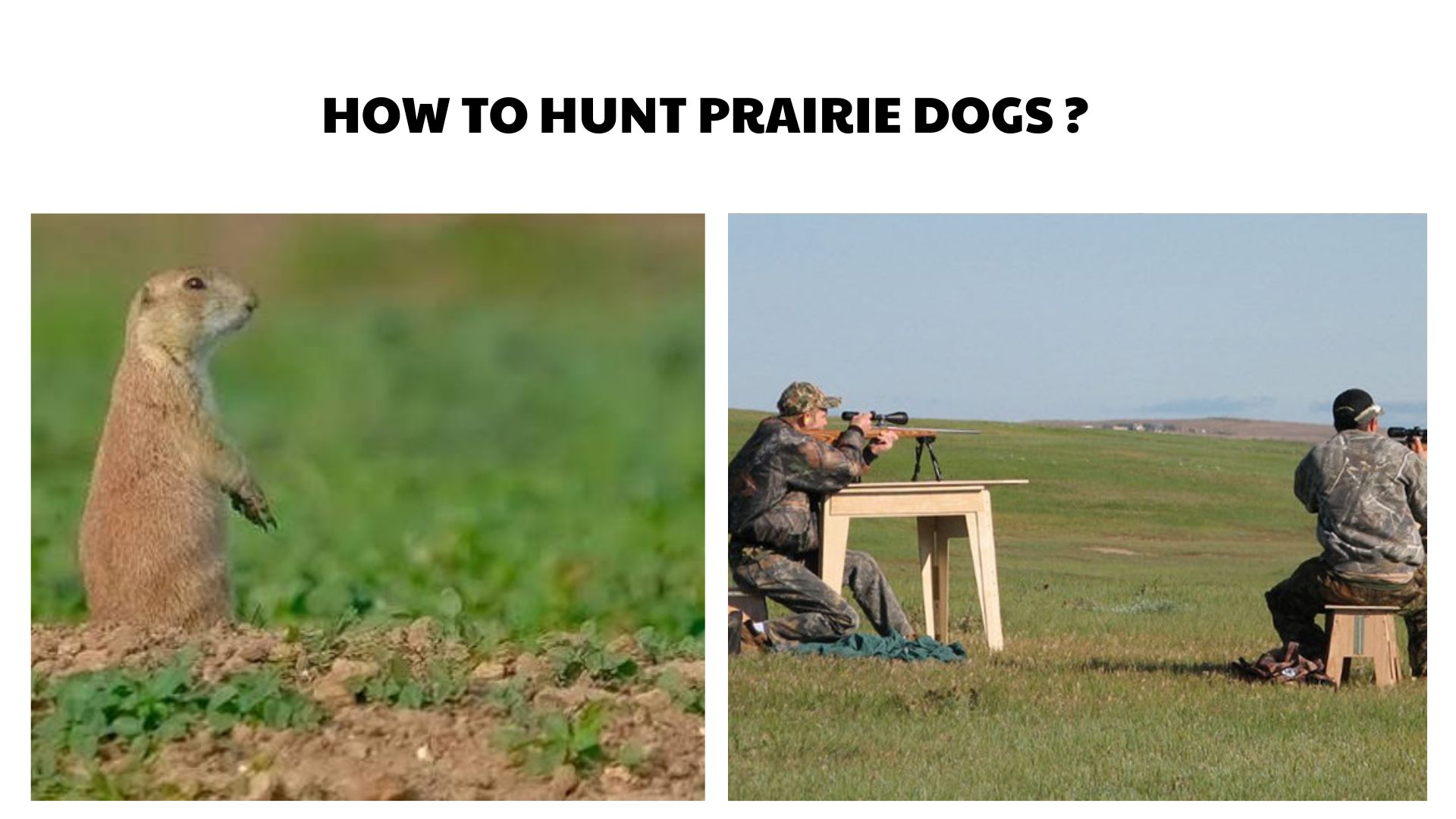
To learn how to hunt prairie dogs, first check your official wildlife agency for current license, species, season, land access, weapon, ammunition, shooting-hour, public land, private land, and protected-species rules. Then identify legal prairie dog colonies by scouting open grasslands, burrow mounds, clipped vegetation, lookout posts, tracks, droppings, and current activity. Set up only where you have legal permission, a safe backstop, clear visibility, and no risk to roads, homes, livestock, people, vehicles, pets, or protected wildlife. With patience, safe firearm handling, disease awareness, and ethical judgment, beginners can learn responsible prairie dog hunting without reckless or illegal behavior.
Important Legal and Safety Notice Before You Hunt
Hunting regulations vary by country, state, province, county, species, public land unit, private land status, season, and weapon type. Before hunting prairie dogs, always check your official wildlife agency for current license, permit, tag, season, weapon, bag limit, legal shooting hours, land access, reporting, possession, transport, and protected-species rules.
Prairie dog laws are especially variable. Some states allow prairie dog hunting with few seasonal restrictions. Some require small-game licenses. Some public lands have seasonal closures, area restrictions, ammunition rules, or colony-specific restrictions. Some prairie dog species or colonies may be protected because of endangered species rules, black-footed ferret recovery areas, plague management, tribal land rules, national park rules, refuge rules, or local ordinances.
- Hunting license and permits: Confirm whether you need a hunting license, small-game license, public land permit, habitat stamp, hunter education proof, or land access permit.
- Tags or harvest reporting: Prairie dogs often do not require traditional tags, but some areas may require reporting, check-in, or special management approval.
- Legal season and legal hours: Verify whether the species has no closed season, a defined season, public-land closure dates, daylight-only rules, or special restrictions.
- Legal weapons and ammunition: Check rules for rifles, shotguns, handguns, air guns, archery equipment, suppressors, magazine limits, lead restrictions, and ammunition restrictions.
- Public land or private land access: Use official maps, confirm land ownership, obey road rules, and get landowner permission before hunting private ranches or farms.
- Required clothing or visibility rules: Wear hunter orange or other visibility clothing where required and consider high-visibility gear on shared public land.
- Safe firearm or bow handling: Keep the muzzle pointed in a safe direction, keep your finger off the trigger until ready, identify the target, and know what is beyond it.
- Weather, navigation, and emergency planning: Prairie dog country can be hot, exposed, windy, remote, and difficult to navigate without maps and water.
- Disease awareness: Avoid handling sick or dead prairie dogs, watch for fleas, and follow public health guidance in plague-prone areas.
- Protected wildlife awareness: Do not hunt protected prairie dog species, black-footed ferret areas, closed colonies, national parks, refuges, or any area where shooting is prohibited.
Understanding the Game Species and Its Habitat
The target animals for this guide are prairie dogs, a group of burrowing rodents in the genus Cynomys. Common species include black-tailed prairie dogs, white-tailed prairie dogs, Gunnison’s prairie dogs, Utah prairie dogs, and Mexican prairie dogs. A beginner must learn which species are present in the hunting area because legal status can vary widely.
Prairie dogs are social animals that live in colonies. These colonies are often visible from a distance because of raised burrow mounds, short clipped vegetation, open ground, and animals standing alert near burrow entrances. Prairie dogs use warning calls and quickly retreat underground when they detect danger.
Prairie dogs primarily feed on grasses, forbs, and other vegetation. They often clip plants around their colonies, which helps maintain visibility for detecting predators. Their burrows provide shelter, escape cover, nesting space, and temperature protection. Burrows and colonies may also provide habitat for other grassland species.
Good prairie dog habitat often includes shortgrass prairie, mixed-grass prairie, open rangeland, sagebrush steppe, desert grassland, grazed pastures, ranchland, and open flats with suitable soil for burrowing. Beginners should look for active burrows, fresh digging, clipped grass, droppings, tracks, lookout animals, and repeated colony activity.
Prairie dogs are also tied to conservation concerns. They are important prey for black-footed ferrets and can be affected by sylvatic plague. Some colonies may be part of recovery or conservation programs. Never assume that every colony is open to hunting.
What You Need Before You Start
- Valid hunting license, permits, tags if required, and current regulation knowledge
- Legal hunting weapon or method allowed in your area
- Hunter orange or required visibility clothing if applicable
- Weather-appropriate hunting clothing, sun protection, and boots for open prairie, cactus, rocky ground, mud, and uneven terrain
- Navigation tools such as map, compass, GPS, or hunting app with public and private land boundaries
- First aid kit, water, snacks, and emergency communication
- Binoculars or optics for safe observation, species confirmation, and checking the background
- Range practice and safe firearm handling training before hunting
- Stable legal shooting rest only if allowed and used safely
- Eye and hearing protection where appropriate
- Gloves and disease-awareness supplies if any handling is legally required
- Trash bag for spent cases, packaging, and field cleanup
- Landowner contact information and written permission when hunting private land
how to hunt prairie dogs: Step-by-Step Guide
Step 1: Check Local Hunting Laws First
Begin by checking the official regulations for your exact location. Confirm whether prairie dogs are legal to hunt, which species are legal, what license is required, whether there is a season, whether public land has closure dates, and whether any colony is protected.
Pay close attention to species identification. Utah prairie dogs, for example, are federally protected, and other species or colonies may be restricted by state, tribal, federal, refuge, park, or conservation rules. If you are not sure the colony is legal to hunt, do not hunt there.
Step 2: Learn the Animal’s Patterns
Prairie dogs are most visible during daylight when weather is mild and they are active above ground. They often spend time near burrow entrances, feeding, grooming, watching for predators, and communicating with other colony members. Heat, cold, wind, pressure, disease events, and disturbance can reduce visible activity.
Prairie dogs usually stay close to burrows. They rely on quick retreat rather than long-distance running. This means scouting active towns, understanding the layout of burrows, and choosing safe observation points are more important than walking randomly across prairie.
Step 3: Choose a Legal Hunting Area
Prairie dog hunting may occur on private ranches, farms, open rangeland, state lands, Bureau of Land Management areas, national grasslands, or other public lands where legal. However, every land type may have different rules. National parks, many refuges, some conservation colonies, black-footed ferret recovery areas, and some public recreation areas may be closed to shooting.
For private land, ask permission before entering. Many ranchers have strong opinions about prairie dogs because colonies may affect grazing areas, but permission is still required. Discuss where you may park, which roads you may use, where livestock are located, what areas are off-limits, and what backstops are safe.
Step 4: Scout Before the Hunt
Scout from a distance with binoculars. Look for active burrow mounds, fresh dirt, clipped grass, droppings, tracks, lookout animals, and visible movement across the colony. Active colonies usually show current use, not just old holes.
Also scout for safety. Identify roads, houses, barns, windmills, water tanks, livestock, vehicles, power equipment, fences, people, and neighboring property. Prairie dog hunting often happens in open country where bullets can travel far if there is no safe backstop. Never hunt a colony if you cannot identify a safe shooting direction.
Step 5: Prepare Your Gear Safely
Prepare your legal hunting method according to manufacturer instructions and official hunter education guidance. Do not modify firearms, bypass safety features, make ammunition, use illegal ammunition, or use prohibited devices. Practice at a legal range before hunting and know your personal effective range.
Pack for exposure and safety. Bring more water than you think you need, sun protection, a hat, eye protection, hearing protection, a first aid kit, maps, communication, and weather-appropriate clothing. Prairie dog country can be hot, windy, dusty, and remote.
Step 6: Plan for Wind, Weather, and Entry Route
Wind affects bullet path, sound, dust, comfort, and visibility. Beginners should avoid shots they have not practiced for and should never let wind become an excuse for unsafe or careless shooting. Weather also affects prairie dog activity. Extreme heat, heavy wind, storms, or cold may reduce activity and increase risk to the hunter.
Plan a legal entry route that avoids driving where prohibited, crossing private land without permission, disturbing livestock, or damaging fragile grassland. Park where the landowner or land agency allows. Do not block gates, ranch roads, water access, or emergency routes.
Step 7: Set Up Carefully
Choose a position with a safe backstop, clear visibility, legal access, and a responsible field of fire. Natural rises, downward angles into safe earth, and clear awareness of what lies beyond the colony are important. Avoid shooting toward skylines, roads, trails, buildings, livestock, vehicles, or other hunters.
Prairie dog hunting is often stationary. A hunter may sit, kneel, or use a legal shooting rest. Keep the muzzle controlled at all times. If hunting with partners, establish clear shooting lanes, spacing, communication rules, and cease-fire signals before anyone loads a firearm.
Step 8: Stay Patient and Observe
Prairie dogs may disappear into burrows when disturbed and reappear later. Stay patient and observe the colony. Use binoculars to confirm activity, legal species, and safe background. Do not shoot at movement without positive identification.
Stay aware of changing conditions. Livestock may move into the area. A vehicle may enter a ranch road. Another hunter may arrive. Wind may shift dust or visibility. A safe setup must remain safe throughout the hunt, not just at the start.
Step 9: Take Only a Safe, Legal, and Ethical Shot Opportunity
Only shoot when the prairie dog is clearly identified, legal to take, within your practiced ability, and positioned with a safe backstop. Do not shoot toward roads, homes, livestock, vehicles, people, pets, trails, farm equipment, water tanks, or unclear movement.
Avoid rushed shots, unsafe angles, shots over ridgelines, and shots that risk ricochet. Prairie dog hunting can involve many opportunities, but responsible hunters pass on any shot that is not clearly safe and legal.
Step 10: Follow Legal Recovery and Reporting Rules
Prairie dog recovery and reporting rules vary by location. In many areas, carcass recovery may not be required or may be discouraged because of disease concerns, but you must follow local rules. Do not handle sick or dead prairie dogs unless regulations or agency guidance require it.
If reporting is required, complete it. If a landowner or agency requests information about colony activity, locations, or disease concerns, provide accurate information. If you notice sudden colony die-offs, fleas, or sick-looking animals, leave the area and report concerns to the appropriate wildlife or public health agency.
Step 11: Handle the Game Responsibly
Prairie dogs are not commonly handled for meat in many hunting contexts, and disease risk may be a concern. If local law allows use and you intend to handle any animal, wear gloves, avoid fleas, avoid sick animals, keep tools clean, and follow public health guidance.
When handling is not required or not appropriate, follow local carcass disposal rules and avoid unnecessary contact. Ethical hunting also includes cleaning up spent cases, ammunition boxes, targets, food wrappers, and any other trash.
Best Time, Place, and Conditions for This Hunt
The best time to hunt prairie dogs depends on legal season, legal hours, local weather, colony activity, and land access. Prairie dogs are diurnal, meaning they are generally active during the day. Mild mornings and moderate temperatures may show more activity than extreme heat, storms, high wind, or severe cold.
Good places to scout include legal prairie dog towns in open grassland, rangeland, shortgrass prairie, mixed-grass prairie, sagebrush steppe, grazed pastures, and open flats where active burrows are visible. A good hunting location also needs safe backstops, legal access, landowner permission if private, and no conflict with protected wildlife or closed areas.
Wind matters because prairie dog hunting often occurs in exposed country. Strong wind can affect shooting accuracy, dust, hearing, and safety. Beginners should reduce distance, avoid difficult conditions, and only take shots they have practiced safely.
Public land may provide access but can include closures, other recreation users, protected colonies, road restrictions, and black-footed ferret conservation areas. Private land may offer clearer landowner guidance, but permission is required. Always prioritize local regulations and local colony status over general advice.
Helpful Tips for Better Results
- Verify the exact prairie dog species before hunting because some species or colonies may be protected.
- Check public land rules separately from private land rules because seasons and access may differ.
- Ask landowners about active colonies, livestock locations, safe shooting directions, and off-limits areas.
- Use binoculars to scout colony activity before setting up.
- Choose only setups with a safe earth backstop and clear visibility beyond the target.
- Avoid shooting over ridgelines, toward roads, or toward any unclear background.
- Bring plenty of water, sun protection, and weather gear for exposed prairie conditions.
- Keep a clean field area by collecting spent cases, boxes, and trash.
- Do not handle prairie dogs that appear sick or are found dead before the hunt.
- Watch for fleas and follow plague-awareness guidance in western grasslands.
- Hunt with an experienced mentor until you understand land access, backstop safety, and local rules.
- Stop hunting immediately if livestock, vehicles, people, pets, or other hunters enter your shooting area.
Common Mistakes to Avoid
Prairie dog hunting may look simple because animals can be visible in open country, but beginner mistakes can create serious legal, safety, and ethical problems. The most important skills are regulation research, safe backstop selection, landowner respect, disease awareness, and disciplined shooting.
- Not checking current regulations: Prairie dog rules vary by state, species, public land, private land, and conservation status.
- Confusing protected and huntable species: Never hunt a colony if you are not sure the species and location are legal.
- Hunting without permission: Private ranches, farms, and leased lands require permission before entry.
- Ignoring public land restrictions: National grasslands, state lands, refuges, parks, and conservation areas may have special rules.
- Shooting without a safe backstop: Open prairie can make unsafe projectile travel a major risk.
- Shooting toward roads or livestock: Never shoot toward roads, vehicles, barns, cattle, horses, people, or equipment.
- Making too much noise near a colony: Prairie dogs quickly retreat underground when disturbed.
- Moving too quickly through fragile land: Avoid damaging grassland, burrows, ranch roads, fences, and gates.
- Overpacking unnecessary gear: Heavy, disorganized gear can make the hunt uncomfortable and unsafe.
- Underpacking safety essentials: Water, navigation, first aid, sun protection, and communication are critical in open country.
- Not practicing enough before the hunt: Beginners should practice safe shooting under legal range conditions before hunting.
- Ignoring disease precautions: Avoid fleas, sick animals, and unexplained colony die-offs.
Troubleshooting Common Problems
| Problem | Possible Cause | What to Do |
|---|---|---|
| You are not seeing any prairie dogs | Inactive colony, wrong weather, heavy disturbance, disease die-off, or poor scouting | Scout from a distance, look for fresh burrow activity, and ask landowners or agencies about current colony status. |
| Prairie dogs disappear quickly | Too much noise, visible movement, vehicle disturbance, or repeated pressure | Set up quietly at a legal distance, stay still, and allow time for activity to resume. |
| You are unsure if the species is legal | Several prairie dog species occur in different regions and legal status varies | Do not hunt until you confirm species and location with the official wildlife agency. |
| The only shot has no backstop | Flat terrain, skyline angle, hard ground, or unsafe direction | Pass the shot and move only if you can find a legal, safe position with an earth backstop. |
| Wind makes shooting difficult | Open prairie exposure and gusting conditions | Reduce distance, wait for safer conditions, or end the hunt if accuracy and safety are compromised. |
| Livestock enter the area | Ranch animals moving across pasture or near water | Unload or stop shooting immediately and wait until the area is completely safe. |
| Property boundaries are unclear | Mixed public and private land, poor maps, or unfenced ranchland | Stop and verify boundaries with official maps, GPS, signs, landowner guidance, or agency information. |
| You see sick or dead prairie dogs | Possible disease event such as plague or another wildlife health issue | Leave the area, avoid fleas and carcasses, and report concerns to wildlife or public health authorities. |
| Heat becomes a problem | Exposed prairie, limited shade, dehydration, or long walking | Drink water, rest in shade if available, shorten the hunt, and leave before heat becomes dangerous. |
| Other hunters arrive nearby | Shared public land or popular prairie dog town | Communicate politely, establish safe directions, increase distance, or leave if safety is uncertain. |
Ethical Hunting and Conservation
Ethical prairie dog hunting requires more than following minimum legal rules. Prairie dogs are part of grassland ecosystems. Their burrows, grazing, and colonies can affect many other species. They may also conflict with ranching, crops, and land management goals. Responsible hunters should understand both the ecological value and the landowner concerns.
Some prairie dog colonies are important to black-footed ferret recovery or other conservation programs. Some species may be protected or restricted. Ethical hunters never shoot in closed colonies, protected areas, recovery areas, national parks, refuges, or places where species identification is uncertain.
- Respect wildlife by taking only legal, safe, and justified opportunities.
- Respect landowners by getting permission and following ranch instructions.
- Respect other hunters and public land users by avoiding unsafe shooting directions.
- Obey species restrictions, seasons, public land closures, legal hours, and weapon rules.
- Avoid waste where meat use or carcass handling is legal and appropriate, and follow local disposal rules where it is not.
- Practice before hunting and know your personal safe and ethical limits.
- Pass on unsafe, uncertain, distant, skyline, or poorly identified shots.
- Support conservation by learning prairie dog ecology and respecting protected colonies.
- Leave gates, roads, grassland, parking areas, and hunting sites cleaner than you found them.
When to Get More Training or Professional Guidance
Beginners should seek more training or professional guidance when they have never handled a firearm or bow, have not completed hunter education, are unsure about local laws, do not understand land boundaries, are not confident in safe shooting, are hunting unfamiliar prairie terrain, or need help understanding protected species and public land restrictions.
Prairie dog hunting can involve long visibility, open-country backstops, wind, private ranch access, plague awareness, black-footed ferret conservation areas, and species-specific rules. Good learning sources include official hunter education courses, state wildlife agencies, federal land agencies, certified instructors, experienced ethical mentors, local conservation organizations, reputable hunting clubs, and land managers.
After the Hunt: Follow-Up, Gear Care, and Learning
After the hunt, unload and store firearms safely according to law and manufacturer instructions. Clean dust from gear, optics, and cases. Store ammunition securely. Check boots, clothing, and equipment for cactus spines, ticks, burrs, mud, or damage.
Clean up all spent cases, ammunition boxes, food wrappers, targets, and trash. Leave gates as you found them unless the landowner instructed otherwise. Thank landowners when they allow access and report any damaged fences, injured livestock, suspicious disease events, or road problems you noticed.
Keep notes about colony activity, weather, wind, legal access, backstop safety, landowner instructions, other hunters, and any disease concerns. If any harvest reporting or public land check-out is required, complete it. These records help you improve and show respect for wildlife management.
Recommended Hunting Gear and Tools to Consider
You do not always need expensive gear to hunt responsibly. Choose gear based on your local laws, hunting method, species, terrain, weather, safety needs, skill level, and budget.
- Legal hunting weapon or method allowed in your area
- Quality boots for open prairie, cactus, rocks, mud, and uneven ground
- Weather-appropriate clothing and required visibility gear
- Binoculars or optics for safe observation and species confirmation
- Navigation tools such as a map, compass, GPS, or hunting app with land boundaries
- First aid kit and emergency communication
- Water, sun hat, sunscreen, sunglasses, and shade plan for exposed country
- Eye and hearing protection when appropriate
- Trash bag for spent cases, packaging, and field cleanup
- Gloves and disease-awareness supplies if handling is legally required
Final Thoughts
Learning how to hunt prairie dogs begins with legal research and species identification. Before you hunt, confirm that the species is legal, the colony is open, your license is valid, the land access is lawful, and the shooting direction is safe. Never assume that all prairie dog towns are open to hunting.
A responsible prairie dog hunter scouts carefully, respects landowners, avoids protected wildlife, watches for plague concerns, practices safe firearm handling, and passes any shot without a clear backstop. Hunt legally, safely, patiently, and ethically, and choose your methods and gear based on local laws, terrain, skill level, and conservation responsibilities.
FAQs
1. How long does it take to learn how to hunt prairie dogs?
A beginner can learn the basic process quickly, but responsible prairie dog hunting requires understanding regulations, species identification, land access, safe backstops, firearm safety, and disease awareness.
2. Is prairie dog hunting legal?
It depends on the state, species, land type, and colony status. Some areas allow prairie dog hunting, while others protect certain species or close specific colonies.
3. Do I need a license to hunt prairie dogs?
Many areas require a hunting or small-game license, while some states may have different rules for residents, nonresidents, or private land. Always check your official wildlife agency.
4. Are prairie dogs considered game animals?
Prairie dogs may be classified as small game, nongame, varmint, nuisance wildlife, protected wildlife, or another category depending on the jurisdiction.
5. Is there a prairie dog hunting season?
Some areas have no closed season, while others have public land seasons, closure dates, or protected colonies. Always check current regulations.
6. Is there a bag limit for prairie dogs?
Some areas have no bag limit, while others may restrict take by species, land type, season, or conservation area. Verify local rules before hunting.
7. Which prairie dog species can be hunted?
Legal species vary by location. Black-tailed, white-tailed, and Gunnison’s prairie dogs may be huntable in some areas, while Utah prairie dogs are federally protected.
8. Why is species identification important?
Prairie dog species can have different legal protections. If you cannot identify the species and confirm the colony is open, do not hunt.
9. Can I hunt Utah prairie dogs?
No ordinary hunting should be assumed for Utah prairie dogs because they are federally protected. Follow U.S. Fish and Wildlife Service and Utah wildlife agency rules.
10. Can I hunt prairie dogs on public land?
Only where public land rules allow it. Some public lands have seasons, closures, shooting restrictions, protected colonies, road rules, or conservation areas.
11. Can I hunt prairie dogs on private land?
Yes, where legal and with landowner permission. Discuss safe shooting directions, livestock, roads, buildings, gates, and off-limits areas before hunting.
12. Do I need written permission from a rancher?
Written permission is strongly recommended and may be required in some places. It helps prevent trespassing problems and clarifies landowner expectations.
13. Where do prairie dogs live?
Prairie dogs live in open grasslands, rangelands, shortgrass prairie, mixed-grass prairie, sagebrush steppe, desert grassland, and other open areas with suitable soil for burrows.
14. What is a prairie dog town?
A prairie dog town is a colony of burrows used by prairie dogs. Active towns often show burrow mounds, clipped vegetation, fresh digging, and visible animals.
15. What do prairie dogs eat?
Prairie dogs mainly eat grasses, forbs, and other vegetation. They also clip plants around colonies, which helps improve visibility for predator detection.
16. How do I scout prairie dogs?
Use binoculars from a distance and look for active burrows, fresh dirt, clipped grass, droppings, tracks, lookout animals, and current colony movement.
17. What does prairie dog sign look like?
Prairie dog sign includes burrow mounds, clipped vegetation, tracks, droppings, fresh digging, and visible animals standing near burrow entrances.
18. What is the best time of day to hunt prairie dogs?
Prairie dogs are generally active during daylight. Mild mornings and moderate conditions may show more activity than extreme heat, high wind, storms, or severe cold.
19. What is the best weather for prairie dog hunting?
Mild, calm weather can improve visibility and comfort. Strong wind, extreme heat, lightning, or poor visibility can make hunting less safe and less productive.
20. Is wind direction important for prairie dog hunting?
Yes. Wind affects shooting accuracy, dust, comfort, and communication. Beginners should avoid difficult wind conditions and never take unsafe shots.
21. Does scent control matter for prairie dogs?
Scent control is usually less important than visibility, noise, colony disturbance, legal access, and safe backstops.
22. What firearm is used for prairie dog hunting?
Use only a legal firearm and ammunition allowed in your area. The right choice is one you can handle safely and use accurately within ethical limits.
23. Can I bowhunt prairie dogs?
Some areas may allow archery methods, while others may not. Check local rules and hunt only within your proven effective range.
24. Can I use an air gun for prairie dogs?
Air gun rules vary by state and land type. Do not use one unless your wildlife agency clearly allows it for prairie dogs in that location.
25. Can I use a suppressor for prairie dog hunting?
Suppressor laws vary by federal, state, and local rules, and hunting use may be restricted. Check all applicable laws before using one.
26. Can I hunt prairie dogs from a vehicle?
Road shooting or shooting from vehicles is often illegal or restricted. Follow all road, vehicle, landowner, and wildlife agency rules.
27. Why is backstop safety so important?
Prairie dog hunting often occurs in open country where a missed shot or ricochet can travel far. Only shoot with a clear, safe earth backstop.
28. What is an unsafe background?
An unsafe background includes roads, homes, barns, vehicles, livestock, people, pets, trails, farm equipment, skylines, or any area where you cannot control projectile travel.
29. Do I need hunter orange for prairie dog hunting?
Hunter orange may be required in some areas and is useful on shared public land. Check regulations and consider visibility for safety.
30. Do I need a blind for prairie dog hunting?
A blind is not always needed. Many hunters use a safe stationary setup with good visibility and a legal shooting direction.
31. Do I need a tree stand for prairie dog hunting?
No. Tree stands are not used for typical prairie dog hunting because prairie dogs live in open burrow colonies on the ground.
32. Can I use bait for prairie dogs?
Baiting rules vary and may be illegal or inappropriate. Do not use bait unless your official wildlife agency clearly allows it.
33. Can I trap prairie dogs?
Trapping and relocation are separate from hunting and are often regulated. Do not trap or move prairie dogs without agency approval.
34. Can I relocate prairie dogs?
Relocation is usually regulated because of disease, survival, landowner, and conservation concerns. Contact wildlife officials before considering relocation.
35. Are prairie dogs dangerous to humans?
Prairie dogs usually avoid people, but they can carry fleas and diseases. Avoid handling live, sick, or dead prairie dogs.
36. Can prairie dogs carry plague?
Yes. Prairie dogs and other rodents in western grasslands can be involved in plague cycles. Avoid fleas, sick animals, and unexplained colony die-offs.
37. What should I do if I see dead prairie dogs in a colony?
Leave the area, avoid fleas and carcasses, and report the concern to wildlife or public health authorities. Do not handle the animals.
38. Should I wear gloves when handling prairie dogs?
If handling is legally required, wear gloves and avoid fleas and body fluids. In many situations, handling may not be recommended because of disease concerns.
39. Are prairie dogs eaten as game meat?
Prairie dogs are not commonly used as game meat in many hunting contexts. Follow local laws and public health guidance before handling or consuming any wild animal.
40. Do I have to recover prairie dogs after shooting?
Recovery rules vary by location. Some areas may not require or may discourage handling because of disease risk. Follow local wildlife agency guidance.
41. Do prairie dog hunters need to report harvests?
Reporting requirements vary. Some areas may not require reporting, while others may request data, check-in, or landowner documentation.
42. How do I avoid trespassing while prairie dog hunting?
Use official maps, GPS boundaries, posted signs, landowner permission, and public land regulations. Do not cross uncertain property lines.
43. What should I ask a landowner before hunting prairie dogs?
Ask where colonies are active, where you may park, where livestock are located, what areas are off-limits, and what shooting directions are safe.
44. Can I hunt prairie dogs near livestock?
Only if legal, safe, and approved by the landowner. Never shoot toward livestock, water tanks, fences, barns, equipment, or ranch roads.
45. What should I pack for a prairie dog hunt?
Pack licenses, permits, water, sun protection, first aid, navigation, communication, legal ammunition, optics, hearing protection, eye protection, and trash bags.
46. How much water should I bring?
Bring more water than you expect to need. Prairie dog country can be hot, dry, windy, and exposed with little shade.
47. Is prairie dog hunting expensive?
Costs vary by license, travel, legal equipment, ammunition, optics, access fees, lodging, and safety gear. Start with legal requirements and safety essentials.
48. Do I need a guide for prairie dog hunting?
A guide is not always required, but beginners may benefit from experienced help when learning land access, local rules, species identification, and safe backstop selection.
49. Can beginners hunt prairie dogs alone?
Beginners are safer with a mentor. Solo hunting increases risks related to navigation, heat, legal uncertainty, and safe shooting judgment.
50. Why are prairie dogs hunted?
Prairie dogs may be hunted where legal because of landowner concerns, varmint management, recreational hunting, or local wildlife policy. Ethical hunters still follow conservation and safety rules.
51. Are prairie dogs important to the ecosystem?
Yes. Prairie dogs influence grassland habitats and provide prey and burrow habitat for other species. Some colonies are important for black-footed ferret recovery.
52. What is the connection between prairie dogs and black-footed ferrets?
Black-footed ferrets depend heavily on prairie dogs as prey and use prairie dog colonies. Some colonies may be protected or managed for ferret conservation.
53. What is the biggest beginner mistake in prairie dog hunting?
The biggest mistake is assuming any visible colony is legal and safe to hunt. Always verify species, access, regulations, conservation status, and backstop safety.
54. When should I ask for professional guidance?
Ask for help when rules are unclear, a protected species may be present, plague concerns exist, landowner damage is serious, or relocation/control options are being considered.
55. What is the best way to improve at prairie dog hunting?
Study regulations, learn species identification, scout active colonies, practice safe shooting, respect landowners, watch wind, clean up your site, and review every hunt honestly.
Read more: