
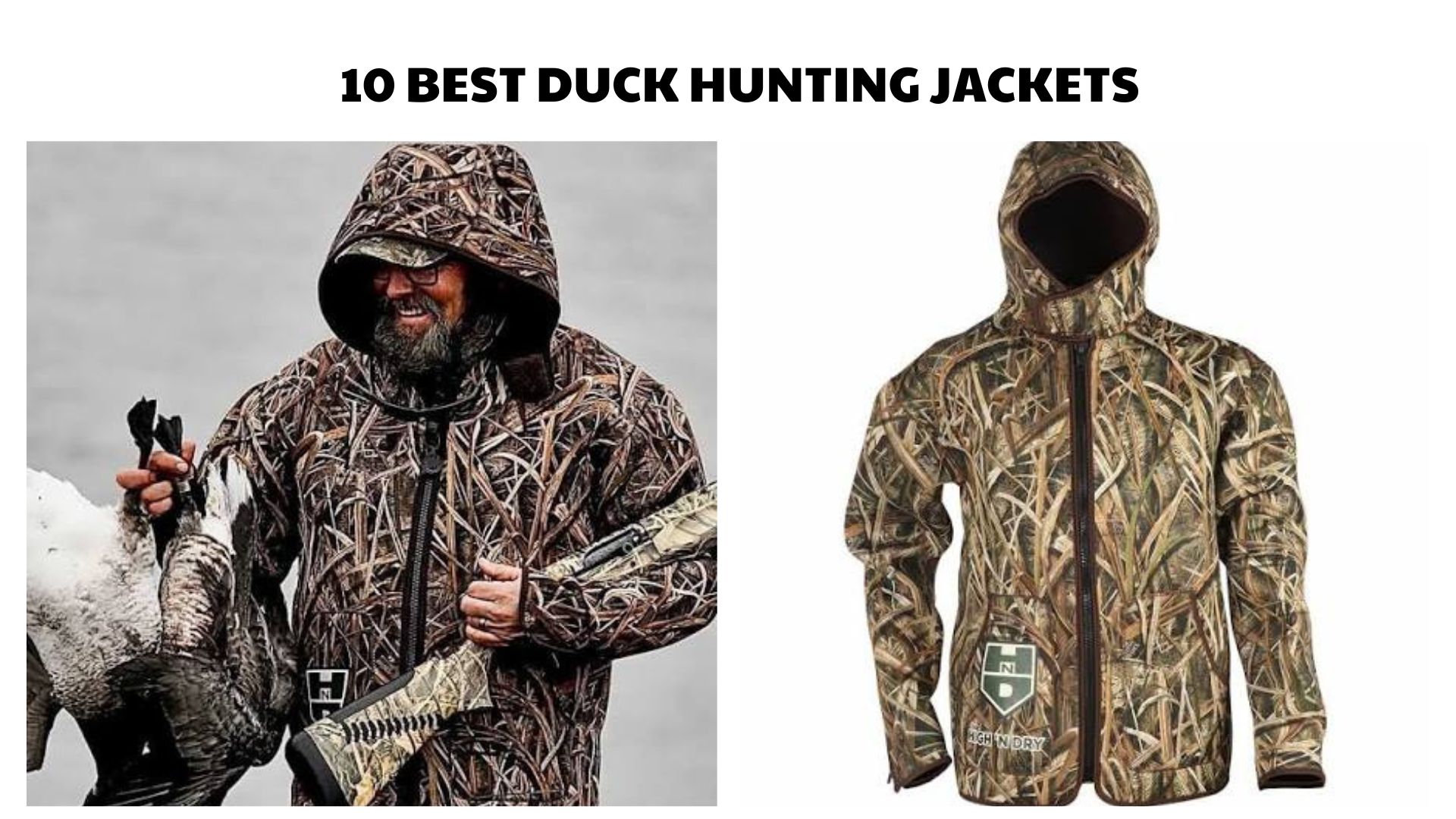

Choosing the best duck hunting jackets is about more than buying a camo coat. Duck hunters often deal with cold boat rides, wet marsh grass, wind, rain, mud, and long sits in a blind. A good waterfowl jacket should help you stay dry, layer properly, move comfortably, and manage changing weather without becoming too loud or bulky.
This guide is for beginner and experienced waterfowl hunters who need a practical jacket for marshes, flooded timber, boat blinds, layout blinds, and cold-weather duck seasons. The right jacket can improve comfort and help you stay focused, but it does not replace safe hunting practices, proper planning, legal compliance, or good judgment.
Waterproof and breathable fabrics are commonly used in rainwear because they resist liquid water while allowing some moisture vapor to escape. Durable water repellent finishes can also wear down over time, so jacket care matters if you want long-term performance.
Quick Picks
- Best Overall: SITKA Gear Delta Wading Jacket
- Best Budget Option: TIDEWE Hunting Jacket for Men
- Best for Wader Use: Drake Waterfowl MST Eqwader Jacket
- Best Rain Shell: Frogg Toggs Pilot II Guide Packable Jacket
- Best Premium Option: Banded White River Wader Jacket
Product Comparison Table
| Product | Best For | Key Features | Important Notes | Check Details |
|---|---|---|---|---|
| SITKA Gear Delta Wading Jacket | Premium waterfowl hunts | Waterproof shell style, marsh camo options, technical fit | Premium price; check sizing carefully if layering | Check Price |
| Drake Waterfowl MST Eqwader Jacket | Wader-based duck hunting | Waterfowl-focused layout, upper-body protection, practical pockets | Best matched with waders and proper base layers | Check Price |
| Banded White River Wader Jacket | Cold, wet blinds | Waterfowl cut, hooded design, weather-focused build | May feel bulky for active walking hunts | Check Price |
| Frogg Toggs Pilot II Guide Packable Jacket | Rain protection | Packable rain-shell style, lightweight, simple outer layer | Layer underneath for warmth | Check Price |
| TIDEWE Hunting Jacket for Men | Budget-minded hunters | Camo design, cold-weather style, practical field use | Verify current waterproofing and insulation details before buying | Check Price |
| Gamehide Slough Creek Jacket | Traditional waterfowl use | Waterfowl-style camo, field pockets, cold-weather design | Check availability, size, and exact model | Check Price |
| King’s Camo XKG Transition Jacket | Lightweight layering | Softshell feel, quiet movement, flexible use | Not a dedicated heavy rain jacket | Check Price |
| NOMAD Harvester Jacket | Cool-weather hunting | Camo outerwear style, practical field comfort, layering use | Confirm water resistance and insulation before purchase | Check Price |
| Natural Gear Rain Jacket | Simple waterproof shell | Rainwear style, camo pattern, easy layering | Best used as part of a layering system | Check Price |
| Habit Waterproof Hunting Jacket | Affordable all-around use | Camo shell style, practical pockets, beginner-friendly price range | Check noise level and fit before relying on it for close-range hunts | Check Price |
Best Duck Hunting Jacket Reviews
1. SITKA Gear Delta Wading Jacket
The SITKA Gear Delta Wading Jacket is a strong choice for hunters who want a premium waterfowl shell for serious wet-weather use. It is designed for duck hunters who spend time around marshes, flooded timber, boats, and waders.
Key Features
- Waterfowl-focused outer-shell design
- Marsh-style camouflage options
- Designed to layer over base and mid layers
Pros
- Good choice for hunters who prioritize weather protection
- Premium build quality compared with many budget jackets
- Useful for wet blinds, boat rides, and windy conditions
Cons
- Expensive compared with basic hunting jackets
- May be more jacket than casual or occasional hunters need
Field Notes
This is the type of jacket to consider if you regularly hunt in rough weather and want a serious waterfowl shell. Pay close attention to sleeve length, chest fit, hood fit, and how it layers over fleece or insulation.
Safety and Legal Notes
A premium jacket does not replace safe boating, firearm safety, trip planning, or local waterfowl regulations. Check season dates, licenses, duck stamp rules, public land access, and blaze orange requirements where applicable.
Best For
Best for dedicated duck hunters who want a premium rain-ready waterfowl jacket.
2. Drake Waterfowl MST Eqwader Jacket
The Drake Waterfowl MST Eqwader Jacket is built around the needs of waterfowl hunters who wear waders and need practical upper-body protection. It is a good fit for hunters who want a jacket that feels more specialized than a general hunting coat.
Key Features
- Waterfowl-oriented jacket layout
- Designed for use with waders
- Practical pocket placement for blind use
Pros
- Good match for marsh and flooded timber hunting
- Useful for hunters who sit, call, and work decoys
- More purpose-built than a generic camo jacket
Cons
- May not be ideal as a general hiking jacket
- Layering and sizing should be checked carefully
Field Notes
For many duck hunters, a wader-compatible jacket is easier to use than a long parka. Make sure the jacket does not bunch up when seated, climbing into a boat, or shouldering your shotgun safely.
Safety and Legal Notes
Keep calls, shells, and tools organized so they do not interfere with safe firearm handling. Follow all firearm safety rules and keep the muzzle pointed in a safe direction at all times.
Best For
Best for duck hunters who regularly wear chest waders.
3. Banded White River Wader Jacket
The Banded White River Wader Jacket is worth considering if you want a waterfowl-focused jacket for cold, damp, and windy conditions. It is designed more for blind comfort and weather coverage than lightweight hiking.
Key Features
- Waterfowl jacket style
- Hooded design for wind and rain coverage
- Made for layering in cold-weather hunts
Pros
- Good option for long sits in wet blinds
- Waterfowl-specific cut and function
- Useful for hunters who need more coverage than a light shell
Cons
- May be too warm or bulky for active hunts
- Exact features vary by model year and listing
Field Notes
Cold-weather waterfowl jackets work best when paired with moisture-managing base layers. Avoid overdressing during the walk in, because sweat can make you colder once you stop moving.
Safety and Legal Notes
Do not let a bulky jacket interfere with safe firearm handling, boat movement, or climbing in and out of blinds. Test the jacket with your full kit before opening morning.
Best For
Best for hunters who spend long hours in cold, wet blinds.
4. Frogg Toggs Pilot II Guide Packable Jacket
The Frogg Toggs Pilot II Guide Packable Jacket is a practical rain-shell option for hunters who want something lighter and easier to carry. It is not a dedicated insulated duck-hunting parka, but it can be useful when rain protection matters more than warmth.
Key Features
- Packable rain-jacket style
- Lightweight outer layer
- Useful over base layers or fleece
Pros
- Easy to keep in a blind bag or boat bag
- Good for mild weather and sudden rain
- More versatile outside duck season
Cons
- Not enough warmth by itself for freezing weather
- May not be as quiet as soft waterfowl outerwear
Field Notes
A packable shell is useful for early season or mixed-weather hunts. For colder mornings, wear it over fleece, wool, or synthetic insulation rather than expecting the shell to provide warmth on its own.
Safety and Legal Notes
Make sure the hood does not block side vision when boating, walking, or communicating with hunting partners. Keep emergency gear dry in a separate waterproof bag.
Best For
Best for hunters who want a lightweight rain layer for duck season and general outdoor use.
5. TIDEWE Hunting Jacket for Men
The TIDEWE Hunting Jacket for Men is a budget-friendly option for hunters who want a camo jacket for cold and damp conditions without spending premium-brand money. It can be a sensible starting point for newer hunters.
Key Features
- Camo hunting jacket design
- Cold-weather style construction
- Budget-conscious price range
Pros
- Accessible option for beginners
- Good for casual waterfowl, deer, and general hunting use
- Can work as part of a basic layering system
Cons
- May not match premium jackets in long-term durability
- Verify waterproofing, sizing, and insulation details before buying
Field Notes
Budget jackets can work well if your expectations are realistic. Check zipper quality, seam construction, pocket layout, and how noisy the fabric feels when you move.
Safety and Legal Notes
Do not buy based only on camo pattern. Make sure the jacket fits safely, allows controlled movement, and does not interfere with safe firearm handling.
Best For
Best for newer duck hunters or budget-minded buyers building their first waterfowl clothing system.
6. Gamehide Slough Creek Jacket
The Gamehide Slough Creek Jacket is a traditional-style hunting jacket option for waterfowl hunters who want a practical camo outer layer with field-friendly function. It is worth checking if you prefer a straightforward design over highly technical outerwear.
Key Features
- Waterfowl-oriented hunting style
- Camo outer fabric
- Useful field-pocket layout
Pros
- Practical for hunters who want simple gear
- Good option for blinds and short walks
- Often more affordable than premium technical brands
Cons
- Availability may vary
- Check exact listing details before buying
Field Notes
This type of jacket makes sense for hunters who want something simple and familiar. If you hunt heavy rain, confirm whether the current listing is truly waterproof or only water-resistant.
Safety and Legal Notes
Check local hunting clothing rules. Camo can help concealment, but legal visibility requirements may still apply during certain hunts or travel situations.
Best For
Best for hunters who want a simple, traditional waterfowl jacket.
7. King’s Camo XKG Transition Jacket
The King’s Camo XKG Transition Jacket is a softshell-style option for hunters who value quiet movement, moderate weather protection, and layering flexibility. It is not the heaviest duck hunting jacket, but it can work well in milder conditions.
Key Features
- Softshell-style hunting jacket
- Quiet fabric feel compared with many hard shells
- Good midweight layering option
Pros
- Comfortable for active hunters
- Less bulky than insulated parkas
- Useful across multiple hunting seasons
Cons
- Not ideal as the only jacket for heavy rain
- May require an additional rain shell in bad weather
Field Notes
Softshell jackets are helpful when you move more, scout more, or hunt mixed conditions. For duck hunting, pair it with a waterproof shell if you expect steady rain or boat spray.
Safety and Legal Notes
Layering should not restrict your shoulders or arms. Practice mounting and moving safely with the jacket before using it in the field.
Best For
Best for hunters who want a quiet, flexible jacket for mild duck hunts and multi-season use.
8. NOMAD Harvester Jacket
The NOMAD Harvester Jacket is a good option to compare if you want a hunting jacket that can cross over between waterfowl, deer, and general cold-weather hunting. It is best for hunters who do not want a jacket limited to one season.
Key Features
- General hunting outerwear style
- Useful for cool-weather layering
- Camo design for field use
Pros
- Versatile for several hunting styles
- Good for hunters building a small gear closet
- Can be layered based on temperature
Cons
- Not as waterfowl-specific as Drake, Banded, or SITKA options
- Verify water resistance and insulation details before purchase
Field Notes
A versatile jacket is useful if you hunt ducks some days and deer or small game on others. For serious marsh use, check whether the fabric, hood, cuffs, and pockets match wet conditions.
Safety and Legal Notes
Always match your clothing to the hunt type, terrain, weather, and legal visibility rules. Do not assume one camo jacket is ideal for every situation.
Best For
Best for hunters who want one jacket for several types of hunting.
9. Natural Gear Rain Jacket
A Natural Gear Rain Jacket can be a smart pick for hunters who want a simple rain shell in a natural camo pattern. This style is best for hunters who already have warm base and mid layers and mainly need rain protection.
Key Features
- Rain-shell style construction
- Camo pattern for field use
- Works over insulation or fleece
Pros
- Good for wet early-season hunts
- Useful as a backup shell
- Simple design is easy to pack and layer
Cons
- Not a complete cold-weather system by itself
- Noise level may vary by model
Field Notes
Rain shells are most effective when you avoid overheating underneath them. Use breathable layers and open vents or zippers when walking to the blind.
Safety and Legal Notes
Dry clothing helps comfort, but it does not remove the risk of cold exposure, boating accidents, or poor weather decisions. Watch conditions carefully.
Best For
Best for hunters who need a simple waterproof outer layer.
10. Habit Waterproof Hunting Jacket
A Habit Waterproof Hunting Jacket is worth considering for hunters who want an affordable waterproof-style jacket for occasional duck hunts, deer hunts, and general outdoor use. It is a practical option for buyers who need value more than premium technical features.
Key Features
- Affordable hunting jacket style
- Camo outer layer
- Useful for basic rain and wind protection
Pros
- Budget-friendly
- Good for occasional hunters
- Can work as a starter jacket
Cons
- May not be the quietest or most durable option
- Not ideal for extreme weather without proper layering
Field Notes
This is the type of jacket to buy if you hunt a few times per season and need basic coverage. Before relying on it, wear it in rain, test movement, and check whether the fabric is too loud for your hunting style.
Safety and Legal Notes
Budget gear still needs proper inspection. Check seams, zippers, cuffs, and hood function before the hunt.
Best For
Best for occasional duck hunters who need an affordable hunting jacket.
How to Choose the Best Duck Hunting Jackets
Choose the Right Type
The main types of duck hunting jackets are waterproof shells, insulated parkas, wader jackets, softshell jackets, and packable rain jackets. A waterproof shell is best for rain and boat spray. An insulated parka is better for long cold sits. A wader jacket is shorter and works well over chest waders. A softshell is quieter and more breathable, but usually less protective in heavy rain.
Match the Jacket to Your Hunting Style
If you hunt flooded timber or marshes, prioritize water protection, cuffs, hood fit, and pocket access. If you hunt from a boat blind, wind protection and warmth matter more. If you walk long distances on public land, choose a lighter jacket that breathes better. If you hunt late season, plan a complete layering system instead of relying on one coat.
Check Fit, Sizing, and Comfort
A duck hunting jacket should fit over your base layer and mid layer without restricting your shoulders. It should allow safe firearm handling, easy sitting, calling, paddling, decoy work, and climbing in and out of a boat or blind.
Consider Weight and Packability
Weight matters if you carry decoys, a blind bag, a shotgun, shells, water, and safety gear. A heavy insulated parka may be comfortable in the blind but tiring during long walks. A packable shell is easier to carry but needs warm layers underneath.
Look at Materials and Durability
Duck hunting is hard on clothing. Mud, reeds, boat seats, dog claws, brush, and blind edges can wear down fabric. Look for strong seams, reliable zippers, durable cuffs, and fabric that does not become loud or stiff in cold weather.
Think About Weather Protection
For waterfowl hunting, weather protection usually means rain resistance, wind resistance, hood coverage, cuff sealing, and breathability. Waterproof jackets can still feel damp inside if sweat cannot escape. DWR finishes can also wear down and may need care or retreatment over time.
Check Compatibility
Make sure your jacket works with your waders, gloves, blind bag, life jacket, dog vest, calls, and firearm safety habits. A jacket that is too long may bunch up with waders. A jacket that is too tight may make it hard to shoulder a shotgun safely.
Understand Safety and Legal Requirements
Duck hunters should check state and federal migratory bird rules, licenses, stamps, HIP registration, public land rules, boating regulations, firearm transport laws, and local access restrictions. Hunting seasons and bag limits are legal requirements, not suggestions.
Understand the Product’s Limits
No duck hunting jacket can guarantee warmth, dryness, concealment, safety, or hunting success. Weather, activity level, fit, layering, maintenance, and judgment all matter. Treat the jacket as one part of a complete hunting system.
Important Hunting, Outdoor, and Firearm Safety Tips Before You Buy
- Follow local hunting laws, public land rules, private land access rules, firearm safety rules, boating rules, and manufacturer instructions.
- Check season dates, licenses, tags, legal equipment rules, duck stamp requirements, transport rules, and storage laws before hunting.
- Carry navigation, first aid, water, weather protection, communication tools, a light source, and a trip plan.
- Wear a properly fitted PFD when boating or hunting from small watercraft.
- Practice with your jacket, waders, gloves, and firearm setup before relying on them in the field.
- Do not use outdoor gear as a substitute for training, judgment, preparation, and safe hunting practices.
- Store firearms securely and away from children or unauthorized users.
- Contact a qualified instructor, local wildlife agency, land manager, or local authority if you are unsure about legal requirements or safe setup.
Common Mistakes to Avoid
- Buying only for camo pattern: Weather protection, fit, and safety matter more than pattern alone.
- Ignoring layering: A jacket works best with the right base and mid layers.
- Choosing a jacket that is too tight: Tight jackets restrict movement and make layering difficult.
- Choosing a jacket that is too bulky: Bulk can interfere with safe firearm handling and boat movement.
- Assuming water-resistant means waterproof: Always read the current product listing carefully.
- Ignoring noise: Loud fabric can be a problem in close-range hunting situations.
- Waiting until opening day to test it: Wear the jacket before the hunt and check comfort, mobility, and pocket access.
- Skipping care: Dirt, sweat, and worn DWR can reduce performance over time.
Troubleshooting Common Problems
| Problem | Possible Cause | What to Do |
|---|---|---|
| Jacket feels wet inside | Sweat buildup, poor breathability, or worn DWR | Use better base layers, vent when walking, and clean or retreat the shell if appropriate |
| Cold while sitting | Not enough insulation or poor layering | Add a warmer mid layer, dry base layer, and wind-blocking outer layer |
| Too hot walking in | Overdressed for activity level | Pack the jacket and put it on after reaching the blind |
| Sleeves ride up | Wrong size or poor cut for shooting movement | Try a different size or model with better shoulder mobility |
| Fabric is too loud | Stiff shell material or cold-weather stiffness | Consider a quieter softshell or use the jacket for rain-only conditions |
| Water runs into cuffs | Poor cuff adjustment or gloves worn incorrectly | Adjust cuffs, overlap gloves properly, and test before hunting |
| Hood blocks vision | Poor hood fit or no adjustment | Adjust the hood or choose a jacket with better hood control |
When to Get Professional Help
Contact a local wildlife agency if you are unsure about waterfowl seasons, public land rules, duck stamp requirements, bag limits, or legal hunting methods. Contact a qualified firearms instructor if your clothing setup interferes with safe handling, safe mounting, or range practice. Contact the manufacturer if a jacket leaks, has defective seams, or has care instructions you do not understand. In cold-water or boating situations, take safety seriously and seek local boating guidance when needed.
Maintenance and Care Tips
- Follow the jacket manufacturer’s washing and drying instructions.
- Dry the jacket fully before storing it.
- Check zippers, seams, cuffs, and hood adjustments before each season.
- Clean mud, salt, and plant debris after wet hunts.
- Retreat water-repellent finishes only when the manufacturer allows it.
- Store the jacket in a cool, dry place away from direct heat.
- Repair small tears early before they become larger problems.
- Test the jacket in rain before relying on it during a serious hunt.
Final Verdict
The best duck hunting jackets depend on how and where you hunt. For premium wet-weather waterfowl use, the SITKA Gear Delta Wading Jacket is a strong top pick. For wader-based hunting, the Drake Waterfowl MST Eqwader Jacket is practical and purpose-built. For budget buyers, the TIDEWE Hunting Jacket for Men is worth comparing. For hunters who mainly need rain protection, the Frogg Toggs Pilot II Guide Packable Jacket is a useful shell-style option.
Before buying, think about your weather, waders, layering system, walking distance, blind setup, and safety needs. A good jacket can make duck hunting more comfortable, but responsible hunting still depends on preparation, legal compliance, firearm safety, boating safety, and sound judgment.
Frequently Asked Questions
1. What is the best duck hunting jacket for most hunters?
For most hunters, the best duck hunting jacket is a waterproof or highly water-resistant waterfowl jacket that fits over layers, works with waders, and does not restrict safe movement.
2. Do I need an insulated duck hunting jacket?
You need insulation if you hunt cold late-season mornings or sit for long periods. Early-season hunters may prefer a lighter shell with separate layers.
3. Is a wader jacket better than a regular hunting jacket?
A wader jacket is often better for marsh hunting because it is shorter and works well over chest waders.
4. Should a duck hunting jacket be waterproof?
For most waterfowl hunters, strong rain protection is important. Marshes, boats, wet dogs, and rain can soak basic jackets quickly.
5. What is the difference between waterproof and water-resistant?
Waterproof jackets are designed to resist heavier water exposure. Water-resistant jackets may handle light moisture but can wet through in steady rain.
6. Are softshell jackets good for duck hunting?
Softshell jackets can be good for mild weather and quiet movement, but they are usually not the best choice for heavy rain.
7. What camo pattern is best for duck hunting?
Choose a pattern that matches marsh grass, reeds, flooded timber, or your local blind environment. Fit and weather protection are still more important than camo alone.
8. Can I use a deer hunting jacket for duck hunting?
You can, but deer jackets may not be as waterproof, wader-friendly, or pocket-friendly for waterfowl hunting.
9. Can I use a rain jacket for duck hunting?
Yes, a rain jacket can work, especially over warm layers. Make sure it is quiet enough and does not restrict safe movement.
10. What should I wear under a duck hunting jacket?
Use moisture-wicking base layers, an insulating mid layer, and a weather-protective outer jacket.
11. Should I size up for layering?
Often yes, but do not size up so much that the jacket becomes bulky or unsafe.
12. How should a duck hunting jacket fit?
It should allow shoulder movement, safe firearm handling, sitting, reaching, calling, and layering without feeling tight.
13. Are expensive duck hunting jackets worth it?
They can be worth it for frequent hunters in harsh weather. Occasional hunters may be fine with a lower-cost jacket and good layering.
14. What is the best budget duck hunting jacket?
A budget jacket from TIDEWE, Habit, or similar brands can work if it fits well and meets your weather needs.
15. What is the best premium duck hunting jacket?
Premium options from SITKA, Drake, and Banded are popular with serious waterfowl hunters.
16. Do I need a hood?
A hood is useful in rain and wind. Make sure it adjusts well and does not block your side vision.
17. Are handwarmer pockets important?
Yes, especially for cold blind sits. They help keep your hands warm between calling, handling decoys, and shooting safely.
18. Are shell loops necessary?
They are convenient but not required. Shell storage should never interfere with safe firearm handling.
19. How quiet should a duck hunting jacket be?
It should be quiet enough for your hunting style. Close-range timber hunts usually benefit from quieter fabric.
20. Is breathability important?
Yes. If a jacket traps sweat, you may feel damp and cold after walking to the blind.
21. What jacket is best for flooded timber?
A shorter wader-compatible jacket with good rain protection, quiet fabric, and useful pockets is ideal.
22. What jacket is best for boat hunting?
Choose a wind-resistant, water-resistant or waterproof jacket that works safely with a PFD and does not restrict movement.
23. What jacket is best for layout blinds?
Choose a jacket that is warm, low bulk, quiet, and easy to move in while lying down or sitting up.
24. What jacket is best for early-season duck hunting?
A lightweight rain shell or softshell is usually better than a heavy insulated parka.
25. What jacket is best for late-season duck hunting?
A warmer insulated jacket or waterproof shell over strong insulation is best for cold late-season hunts.
26. Can one jacket work for the whole season?
Sometimes, but most hunters are better served by a layering system that adapts to changing temperatures.
27. Should I choose fleece or synthetic insulation?
Fleece breathes well and is comfortable. Synthetic insulation can provide more warmth for its weight and often handles damp conditions better than untreated down.
28. Is down insulation good for duck hunting?
Down is warm, but wet conditions can reduce performance unless the jacket is designed and protected for moisture.
29. Do duck hunting jackets need pit zips?
Pit zips are helpful for ventilation, especially when walking in with gear.
30. How do I keep from sweating on the walk in?
Start cooler, open vents, carry your outer jacket, and add layers once you reach the blind.
31. Can I wear a duck hunting jacket over a life jacket?
It depends on fit and safety. In boats, prioritize a properly fitted PFD and make sure clothing does not interfere with it.
32. Should my jacket match my waders?
It does not have to match perfectly, but similar camo and proper jacket length can help concealment and comfort.
33. Are waterproof zippers important?
They can help in heavy rain, but zipper flaps, seam design, and overall construction also matter.
34. How do I know if a jacket is too noisy?
Move your arms, twist, sit, and shoulder your firearm safely while wearing it. Listen for stiff, crinkly fabric.
35. How long should a duck hunting jacket last?
That depends on use, fabric quality, care, and storage. Heavy marsh use can wear jackets faster than casual hunting.
36. How do I wash a duck hunting jacket?
Follow the care label. Avoid harsh detergents unless the manufacturer allows them, and do not use heat unless instructed.
37. Can I put a hunting jacket in the dryer?
Only if the manufacturer allows it. Some technical fabrics use specific drying instructions to maintain performance.
38. How do I restore water repellency?
Clean the jacket first, then use a manufacturer-approved DWR treatment if the jacket material allows it.
39. Why is my waterproof jacket leaking?
It may be worn DWR, damaged seams, zipper leakage, condensation, or sweat buildup. Inspect and clean it before assuming failure.
40. What pockets should a duck hunting jacket have?
Useful pockets include handwarmer pockets, secure chest pockets, and storage that does not interfere with safe movement.
41. Is a removable hood useful?
Yes, if you want flexibility. However, a fixed adjustable hood may seal better in harsh weather.
42. Are cuffs important?
Yes. Adjustable cuffs help keep rain and wind from running up the sleeves.
43. What is the safest jacket for duck hunting?
The safest jacket is one that fits properly, does not restrict movement, works with your PFD when boating, and does not interfere with firearm safety.
44. Do I need blaze orange for duck hunting?
Rules vary by location and hunt type. Check local regulations before hunting.
45. Can women use men’s duck hunting jackets?
They can if the fit works, but women-specific jackets may fit better in the shoulders, chest, hips, and sleeve length.
46. Can youth hunters wear adult duck hunting jackets?
Only if the jacket fits safely. Oversized jackets can restrict movement and create safety issues.
47. What is the best jacket for beginners?
Beginners should choose a reasonably priced waterproof or water-resistant jacket that fits well and works with layers.
48. Should I buy a jacket or waders first?
If you hunt water, waders are often the first priority. Then choose a jacket that works with those waders.
49. Can I use a ski jacket for duck hunting?
You can in some cases, but ski jackets may be too bright, noisy, bulky, or poorly pocketed for waterfowl hunting.
50. What should I check before opening day?
Check fit, zippers, seams, hood, cuffs, pockets, waterproofing, license requirements, firearm safety, and emergency gear.
51. Should I carry a backup jacket?
For long or remote hunts, a backup rain shell or dry insulating layer can be useful.
52. What jacket is best for windy duck hunts?
Choose a wind-resistant shell with adjustable cuffs, hood, and hem. Layer insulation underneath based on temperature.
53. What jacket is best for warm rainy hunts?
A lightweight breathable rain shell is usually better than an insulated jacket.
54. When should I replace my duck hunting jacket?
Replace it when it no longer protects you from weather, restricts safe movement, has failed seams, or cannot be repaired effectively.
55. What is the most important thing to remember before buying?
Buy for your actual weather, hunting style, fit, safety needs, and local regulations—not just brand name or camo pattern.
Read more: