

Quick Answer
To hunt field edges effectively, first verify current licenses, tags, season dates, weapon rules, legal hours, and land access. Scout for active entry trails, inside corners, staging areas, brushy funnels, and safe backgrounds. Choose a wind that carries your scent away from the expected travel route, then enter without crossing the main trail or disturbing bedding cover. Take only a legal, safe, ethical opportunity within your practiced ability.
Important Legal and Safety Notice Before You Hunt
Hunting laws vary by country, state, province, county, wildlife management unit, land type, season, species, and weapon. Always verify current rules with the official wildlife agency responsible for the area.
- Valid hunting license, permits, and species tags
- Season dates, legal shooting hours, bag limits, and harvest reporting
- Legal firearms, bows, ammunition, broadheads, and other equipment
- Public-land access, private-land permission, and property boundaries
- Required blaze orange or other visibility clothing
- Tree-stand, baiting, blind, trail-camera, and electronic-device rules
- Safe firearm or bow transport, handling, and storage
- Weather, navigation, hydration, first aid, and emergency planning
Complete an approved hunter education course and hunt with an experienced, ethical mentor when possible. Always identify the target and what is beyond it. Never shoot toward roads, homes, livestock, people, vehicles, trails, or unclear movement.
Why Deer Use Field Edges
Field edges create a transition between open food sources and protective cover. Deer may use the edge to feed, travel, stage before entering the open, or return toward bedding areas. Brush, fence rows, ditches, creek crossings, and timber fingers can make some portions of the edge more attractive than others.
Use changes with crop growth, harvest timing, mast availability, weather, breeding activity, pressure, and nearby human activity. A productive edge early in the season may lose activity after the food source changes.
Field-Edge Features Worth Scouting
- Inside corners
- Brushy fence rows
- Timber fingers extending into the field
- Ditches or creek crossings
- Gaps in thick cover
- Trails that connect bedding cover to food
- Staging cover just inside the woods
- Low spots, saddles, and terrain pinches
Practical rule: Do not choose a setup only because the field is large or the view is good. Prioritize current deer sign, legal access, safe background, favorable wind, and a quiet exit.
What You Need Before You Start
- Valid license, permits, tags, and current regulation knowledge
- A legal hunting method for the season
- Required visibility clothing
- Weather-appropriate clothing and dependable boots
- Map, compass, GPS, or hunting app with verified boundaries
- First aid kit, water, food, headlamp, and communication device
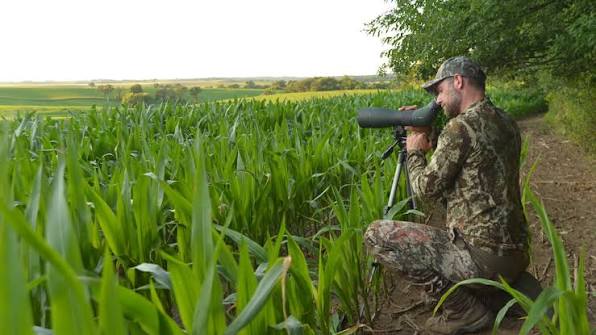
- Binoculars for safe observation and identification
- Full-body harness for elevated hunting
- Clean game-care supplies and a legal transport plan
How to Hunt Field Edges: Step-by-Step Guide
Step 1: Confirm Laws and Land Access
Verify that the land is open, the route is legal, and you have any required permission. Check the current season, legal hours, bag limits, weapon rules, tagging, reporting, and transport requirements.
Step 2: Study the Field on a Map
Use aerial imagery and topographic maps to identify inside corners, timber fingers, brushy edges, ditches, creek crossings, nearby bedding cover, and possible access routes. Mark several setup options for different wind directions.
Step 3: Identify the Current Food Source
Determine whether deer are using crops, grasses, browse, mast near the edge, or another seasonal food. Fresh sign and observation matter more than assumptions about a field’s appearance.
Step 4: Scout Entry and Exit Trails
Look for tracks, droppings, rubs, scrapes, beds, clipped vegetation, fence crossings, and worn trails. Compare several sections of the edge to find the most active entry points.
Step 5: Find Staging Cover
Deer may pause inside brush or timber before entering the open. A setup near this staging cover can produce daylight movement without placing the hunter directly on the field.
Step 6: Locate Funnels and Inside Corners
Field bends, brush strips, creek crossings, fence gaps, and narrow timber connections can concentrate movement. These places are often more useful than long, straight sections of edge.
Step 7: Plan Around Wind and Thermals
Choose a wind that carries your scent away from the field-entry trail and nearby bedding cover. A crosswind often provides more margin. In hilly terrain, warming and cooling air can shift scent uphill or downhill.
Step 8: Design a Low-Impact Entry Route
Use roads, ditches, creeks, terrain folds, field borders, or screening cover where legal and safe. Avoid walking across the field, crossing the primary trail, or entering bedding cover before the hunt.
Step 9: Choose Edge or Inside-Cover Placement
An edge setup offers visibility, while a position just inside cover may intercept deer before they reach the open. Select the option that gives safe shooting lanes, favorable wind, and quiet access.
Step 10: Set Up Safely
For a tree stand, choose a suitable tree and use a full-body harness from the ground up. For a ground blind or natural setup, wear required visibility clothing and confirm that no shot would cross a road, trail, house, vehicle, livestock area, or property boundary.
Step 11: Match Timing to Deer Movement
Evening hunts are often easier because deer may still be in cover when you enter. Morning hunts can work when deer return from feeding areas, but the approach must avoid animals already near the field.
Step 12: Stay Patient and Watch Secondary Routes
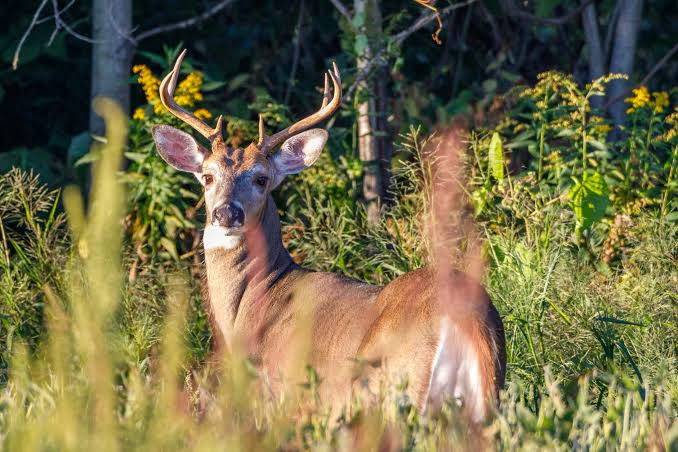
Deer may enter the field from an unexpected trail or remain several yards inside cover. Minimize movement and watch both the opening and the thicker edge.
Step 13: Take Only a Safe and Ethical Opportunity
Act only when the animal is clearly identified, legal to harvest, within your practiced ability, and positioned with a safe background. Pass on rushed, obstructed, distant, or uncertain opportunities.
Step 14: Plan a Safe Exit
Leaving can be as important as entering. Avoid walking through feeding deer or crossing the field unnecessarily. Follow local lighting and equipment-handling rules after dark.
Step 15: Follow Recovery and Reporting Rules
After a legal harvest, complete tagging, reporting, transport, recovery, and meat-care requirements. Seek help from an experienced hunter, conservation officer, or approved recovery service when needed.
Field-Edge Setups Compared
| Setup | Best Use | Main Advantage | Main Caution |
|---|---|---|---|
| Inside corner | Where two edges meet and deer can enter with less exposure | May concentrate travel | Can attract other hunters on public land |
| Just inside cover | Intercepting deer before they enter the field | Better daylight movement | Higher risk of disturbing staging cover |
| Brushy fence row | Connecting two cover blocks | Natural travel corridor | Verify ownership and avoid damaging fences |
| Ditch or creek crossing | Where terrain narrows movement | Creates a funnel | Watch for flooding, unstable banks, and poor footing |
| Timber finger | Cover extending into open ground | Provides concealment and direction | Wind may swirl around irregular cover |
| Open edge | Observation and longer visibility | Easy to monitor | Deer may enter after legal light |
Best Time, Place, and Conditions
- Early season: Focus on active green food, water, and undisturbed bedding-to-field routes.
- Pre-rut and rut: Watch field corners, scrapes, funnels, and edges connecting bedding areas.
- Late season: Prioritize dependable food close to secure cover while minimizing pressure.
- Morning: Consider routes leading from feeding areas toward bedding cover.
- Evening: Consider routes leading from bedding cover toward food or staging areas.
- Wind: Favor a steady crosswind that keeps scent away from the main trail.
- Weather: Use safe visibility and avoid dangerous storms, unstable trees, or flooded crossings.
Helpful Tips for Better Results
- Scout more than one side of the field.
- Favor irregular edges over long straight boundaries.
- Prepare several setups for different winds.
- Use observation sits before moving closer.
- Save high-quality setups for favorable conditions.
- Keep access and exit away from the main trail.
- Record wind, sign, crop condition, and sightings after each hunt.
Common Mistakes to Avoid
- Sitting on the most obvious field edge without checking sign
- Walking across the field before the hunt
- Ignoring staging cover inside the timber
- Letting wind blow down the entire edge
- Crossing the primary entry trail
- Hunting the same corner repeatedly
- Choosing visibility over background safety
- Trusting unverified boundaries
- Ignoring other hunters, hikers, roads, homes, or livestock
- Failing to plan the exit and after-harvest responsibilities
Troubleshooting Common Problems
| Problem | Possible Cause | What to Do |
|---|---|---|
| No deer enter the field | Food source changed, pressure increased, or movement occurs after legal light | Scout current sign and consider a safe setup nearer staging cover. |
| Deer use the opposite corner | Wind, cover, pressure, or easier access favors that side | Observe first, then move only with a legal low-impact route. |
| Deer detect you before entering | Scent reaches the trail or field | Use a crosswind or relocate to a more stable setup. |
| You bump deer on entry | Access overlaps the bedding-to-field route | Change the route, timing, or hunt another side. |
| Deer appear after legal light | Setup is too exposed or too far from staging cover | Move carefully inside cover only if safe, legal, and low impact. |
| Other hunters use the same edge | The location is obvious and easy to access | Maintain safe separation and scout a less visible legal setup. |
| Boundary is unclear | Map error or missing markers | Stop and verify with the landowner or managing agency. |
Ethical Hunting and Conservation
Responsible hunting means obeying seasons and limits, respecting wildlife, avoiding waste, and passing on unsafe or uncertain opportunities. Respect landowners, crops, livestock, gates, other hunters, hikers, and property boundaries. Remove litter and avoid unnecessary damage to field margins, fences, and habitat.
Regulated hunting can support wildlife management and conservation through license revenue and responsible participation. Public trust depends on hunters acting safely, legally, and respectfully.
When to Get More Training or Professional Guidance
Seek additional instruction if you have not completed hunter education, are unfamiliar with firearms or bows, do not understand land boundaries, lack tree-stand training, are hunting unfamiliar terrain, or are unsure about legal recovery and meat care. Good resources include official wildlife agencies, certified instructors, conservation officers, reputable hunting clubs, and experienced ethical mentors.
After the Hunt: Follow-Up, Gear Care, and Learning
- Unload and store firearms or bows safely and legally.
- Inspect stands, harnesses, ropes, straps, and climbing equipment.
- Clean boots, optics, clothing, and tools appropriately.
- Complete all required harvest reports.
- Record wind, weather, food use, tracks, and sightings.
- Update maps with active entry points and access routes.
- Review what worked and what should change next time.
Recommended Hunting Gear and Tools to Consider
You do not always need expensive gear. Choose equipment based on local laws, terrain, weather, hunting method, safety needs, and skill level.
- Legal hunting weapon or method
- Required visibility clothing
- Quality boots and weather layers
- Binoculars
- Map, compass, GPS, or hunting app
- Wind indicator
- Full-body tree-stand harness
- First aid kit and emergency communication
- Headlamp and spare power
- Game-care supplies
Final Thoughts
The most important lesson in how to hunt field edges is that the best location is rarely just the easiest place to see the field. Productive setups combine current deer sign, a meaningful connection between food and cover, favorable wind, quiet legal access, safe shooting conditions, and a well-planned exit. Scout carefully, stay patient, protect the area from excessive pressure, and make every decision with legality, safety, and respect for wildlife in mind.
Frequently Asked Questions
What is a field edge in deer hunting?
A field edge is the boundary where an open field meets timber, brush, a fence row, wetland cover, or another habitat type. Deer often use these edges to move between food and security cover.
Why do deer use field edges?
Field edges can provide food, concealment, travel routes, and access to nearby bedding cover. Irregular edges may also create natural funnels and inside corners.
What is the best time to hunt a field edge?
Evening is often practical because deer may move from bedding cover toward food. Morning can also work, but access is more difficult because deer may already be near the field.
Should I sit directly on the field edge?
Sometimes, but not always. A setup just inside cover, near a staging area, trail crossing, or inside corner may offer better daylight movement and concealment.
What wind is best for a field-edge setup?
Use a wind that carries your scent away from expected deer movement and nearby bedding cover. A steady crosswind often gives more margin than a wind blowing straight down the edge.
What is an inside corner?
An inside corner is where the field bends inward toward cover. Deer may use it because the crossing is shorter and several edge routes can meet there.
How do I scout a field edge?
Look for tracks, droppings, rubs, scrapes, clipped vegetation, beds, fence crossings, and trails leading between the field and secure cover.
Can I hunt field edges on public land?
Yes where legal. Verify parking, access, boundaries, season rules, weapon restrictions, and other-user safety with the managing agency.
Do I need permission to hunt a private field edge?
Yes. Obtain clear permission from the landowner and follow any instructions about gates, crops, livestock, parking, and access.
Why do deer reach the field after legal shooting light?
They may stage inside cover before entering the open, especially under pressure. A legal setup near staging cover may improve daylight opportunities.
What crops attract deer?
Food use changes by region, season, harvest timing, and local availability. Do not assume a crop is active without fresh sign and observation.
Are brushy field edges better than clean edges?
Brushy edges often provide more security cover, but visibility can be limited. Clean edges may be easier to watch but can expose both deer and hunters.
Can I hunt from the ground along a field edge?
Yes. Use natural cover or a legal blind, maintain a safe background, and wear required visibility clothing.
Are tree stands effective on field edges?
Yes, when the tree is suitable and access is safe. Use a full-body harness and stay connected during ascent, hunting, and descent.
How far inside the woods should I set up?
There is no universal distance. Move only far enough to intercept legal daylight movement without crossing the main trail or disturbing bedding cover.
What is a staging area?
A staging area is cover between bedding habitat and an open field where deer may pause before entering the field.
How does hunting pressure affect field edges?
Pressure can delay movement, shift entry points, or keep deer inside thicker cover. Reduce unnecessary visits and consider less obvious corners or secondary trails.
Can scent-control products replace wind planning?
No. Odor reduction may help, but wind direction and access planning remain more important.
How should I enter an evening field-edge setup?
Approach from a direction that avoids bedding cover and expected travel routes. Use ditches, roads, terrain, or screening cover where legal and safe.
How should I leave after dark?
Plan the exit before the hunt. Avoid crossing the field where deer may be feeding, and use safe lighting and equipment handling according to local rules.
What should I do if deer spot me in the stand?
Reduce movement, improve background cover, and reconsider stand height or location. Do not rely on height alone to remain hidden.
What if deer always use the opposite side of the field?
Scout the active entry points, check wind, food, and pressure, and move only when you can do so legally without damaging the area.
Are field edges good during the rut?
They can be, especially where they connect bedding areas and travel routes. Bucks may also scent-check the downwind side of cover.
Are field edges useful in late season?
Yes, particularly near dependable food and secure cover. Cold weather and pressure may change timing and entry points.
How do thermals affect field-edge hunting?
Near slopes and valleys, warming and cooling air can move scent uphill or downhill. Observe local air movement at the setup.
Should I trim shooting lanes?
Only with landowner or agency permission. Avoid excessive cutting and make sure any lane has a safe background.
What signs show a field edge is active?
Fresh tracks, droppings, trails, browse, rubs, scrapes, and repeated entry points are stronger evidence than old sign alone.
How many field-edge setups should I prepare?
Several setups for different wind directions and access routes can help reduce pressure and avoid forcing a poor hunt.
What should I do after a successful harvest?
Follow tagging, reporting, recovery, transport, and meat-care rules. Use clean tools and cool the meat promptly.
When should a beginner get more training?
Get instruction if you are unfamiliar with firearms, bows, tree stands, land boundaries, navigation, recovery, or local hunting laws.