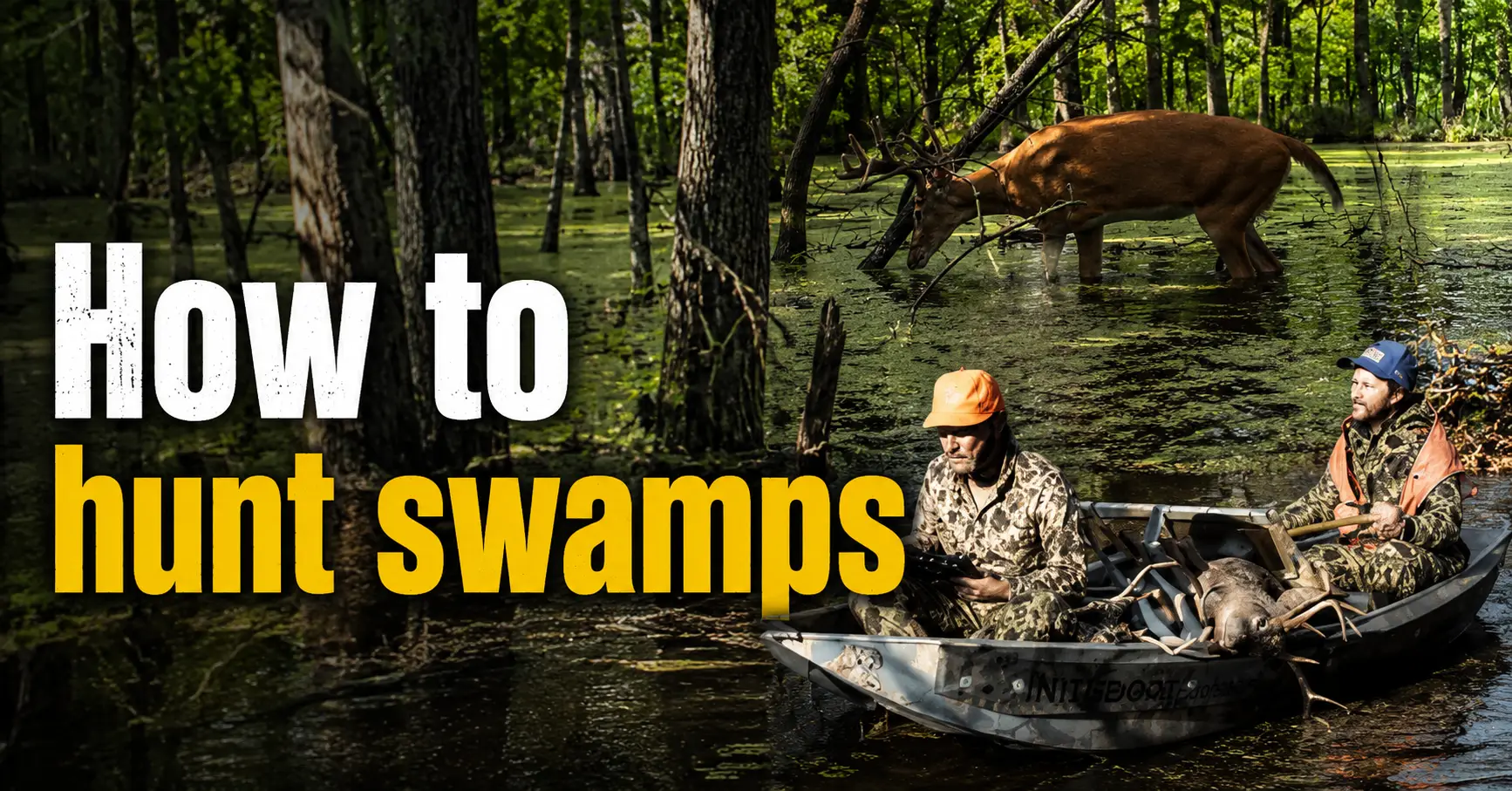

Learning how to hunt swamps requires more than finding thick cover. Wetland hunters must manage unstable footing, changing water levels, limited visibility, insects, weather, navigation, safe weapon handling, legal access, and a realistic recovery plan.
This guide explains how to read swamp habitat, locate higher ground and travel funnels, scout fresh sign, choose a safe entry route, manage wind, prepare wet-weather gear, and make ethical decisions. No swamp is worth entering when conditions exceed your training, equipment, or ability to return safely.
Quick Answer
To hunt swamps safely, first confirm legal access and current hunting rules, then scout in daylight for firm entry routes, dry islands, ridges, levees, creek crossings, and habitat transitions with fresh animal sign. Plan around water level, weather, wind, and a dependable exit route. Set up on stable ground, identify the target and background clearly, and take only a legal, unobstructed shot within your practiced ability and recovery plan.
Important Legal and Safety Notice Before You Hunt
Hunting laws vary by country, state, province, county, species, season, weapon, land type, and waterway. Verify current requirements with the official wildlife agency and land manager before entering the area.
- Carry the required hunting license, permits, tags, and identification.
- Confirm season dates, legal hours, bag limits, harvest reporting, and transport rules.
- Verify legal weapons, ammunition, broadheads, boats, blinds, and access methods.
- Check public boundaries or obtain private-land permission.
- Wear required blaze orange or other visibility clothing.
- Treat every firearm as loaded and keep the muzzle pointed safely.
- Identify the target and everything beyond it before considering a shot.
- Never shoot toward roads, homes, people, livestock, watercraft, vehicles, trails, or unclear movement.
- Use a full-body harness and approved fall-arrest system in a tree stand.
- Tell a responsible person where you are going and when you expect to return.
Wetland rule: Do not enter rising, fast-moving, very cold, deep, or unverified water. A familiar route can become unsafe after rain, flooding, a storm surge, a beaver-dam change, or water-control operations.
Understanding Swamp Habitat and Animal Movement
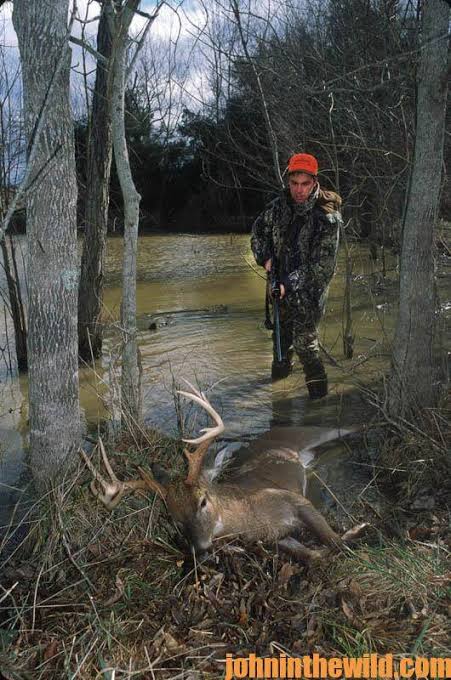
A swamp is a network of wet and dry features rather than one uniform block of cover. Animals often travel along the easiest firm route that still provides security. The key is to identify where water, dense vegetation, elevation, and food narrow movement.
High-Ground Features
- Dry islands: small elevated areas that may support bedding, feeding, or resting.
- Natural ridges and levees: firm travel routes through wetter cover.
- Old roadbeds: raised corridors that may be used by animals and people.
- Tree-root mounds: small dry locations that can reveal tracks and movement.
Funnels and Crossings
- Narrow strips of dry ground between deep water or mud
- Creek crossings and drainage pinch points
- Edges between flooded timber and upland hardwoods
- Beaver-dam approaches that are legal and safe to observe
- Brush gaps, cattail points, and timber fingers
- Trails linking swamp cover to crop fields, mast, browse, or other food
Fresh Sign to Prioritize
Look for new tracks in mud, moist droppings, current browse, freshly disturbed vegetation, active rubs or scrapes, beds on high ground, hair at crossings, feathers, rooting, or other species-specific evidence. Old sign shows historical use, while fresh sign helps confirm current patterns.
Swamp Hazards to Evaluate Before the Hunt
| Hazard | Why It Matters | Safer Response |
|---|---|---|
| Hidden holes and soft mud | Can trap a leg, cause a fall, or compromise weapon control. | Scout in daylight, test footing with a pole, and avoid unverified shortcuts. |
| Rising or moving water | Can cut off the exit route and increase drowning or hypothermia risk. | Check weather and water conditions; leave early when levels change. |
| Cold water | Rapid heat loss can impair judgment and movement. | Avoid deep exposure, carry dry layers, and use equipment suited to conditions. |
| Heat and humidity | Can cause dehydration and heat illness. | Carry water, manage pace, use ventilation, and stop at early symptoms. |
| Fog and repeated-looking terrain | Can make navigation difficult even near an access point. | Carry redundant navigation and marked exit routes. |
| Insects, ticks, and wildlife | May create health risks or distract from safe movement. | Use protective clothing and approved repellents; follow regional guidance. |
| Unstable trees | Wet soil, rot, storms, and flooding can weaken trunks and limbs. | Inspect overhead hazards and do not attach a stand to a questionable tree. |
Swamp Hunting Gear and Preparation Checklist
You do not need the most expensive gear, but every item should match verified water depth, weather, terrain, legal requirements, and your experience.
- Valid licenses, permits, tags, and regulations
- Legal hunting weapon and secure transport method
- Required visibility clothing
- Waterproof boots, hip boots, or waders suited to verified conditions
- Wader belt or other manufacturer-recommended safety equipment
- Trekking or probing pole for testing footing
- Paper map and compass
- GPS or offline mapping application
- Dry bags for electronics, documents, and spare clothing
- First aid kit and emergency signaling equipment
- Headlamp with spare batteries
- Water, food, and weather-appropriate layers
- Binoculars for identification
- Insect and tick protection
- Full-body harness for tree-stand use
- Clean gloves, game bags, cooler, and legal transport supplies
How to Hunt Swamps: Step-by-Step Guide
Step 1: Verify Laws, Land Status, and Wetland Access
Confirm licenses, permits, tags, season, legal hours, bag limits, weapons, reporting, boating rules, blind rules, access points, and closures. Some wetlands have special restrictions that do not apply to nearby uplands.
Step 2: Study Aerial and Topographic Maps
Look for islands, ridges, levees, old roads, creek channels, flooded timber, cattail edges, upland transitions, parking, and emergency exits. Mark private boundaries, homes, public trails, and waterways that affect safe shooting directions.
Step 3: Check Weather and Water Conditions
Review recent rainfall, flood potential, temperature, wind, lightning risk, fog, tide where relevant, and any available water-control information. Conditions at the parking area may not reflect conditions deep in the swamp.
Step 4: Scout the Entry Route in Daylight
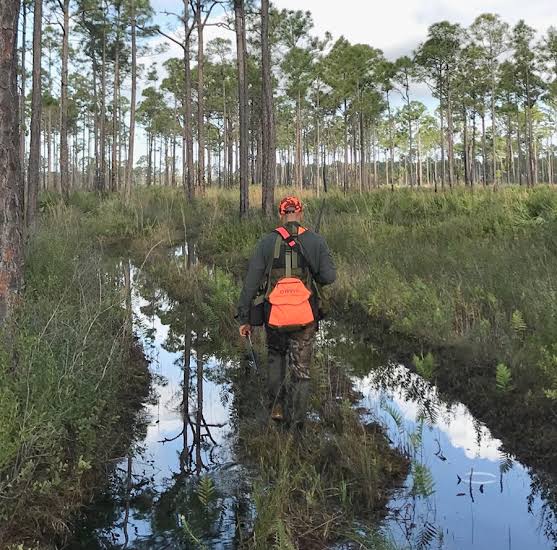
Confirm firm footing, depth, crossings, landmarks, and turnaround points. Record the route on more than one navigation system. Prepare a backup route that does not require a risky crossing.
Step 5: Locate Fresh Sign on Firm Travel Features
Focus on trails crossing mud, dry islands, raised edges, levees, timber points, and narrow transitions. Compare multiple sites and prioritize the newest evidence.
Step 6: Plan Wind and Scent Before Entering
Choose a route that keeps scent away from likely bedding and travel areas. Swamps can produce variable air movement around open water, dense vegetation, and temperature changes, so carry a wind indicator and monitor conditions.
Step 7: Choose a Stable, Legal Setup
Use dry ground, a safe tree stand, a legal blind, or a firm observation point. Avoid flood paths, unstable banks, dead trees, and positions that require handling a weapon while off balance.
Step 8: Enter Slowly and Protect Essential Gear
Secure licenses, navigation, communication, and spare clothing in waterproof storage. Move deliberately, test uncertain footing, and keep the muzzle or bow pointed safely.
Step 9: Observe Before Handling the Weapon
Use binoculars to identify movement, other hunters, boats, livestock, and animals. Never use a riflescope as a general observation tool.
Step 10: Take Only a Safe, Legal, and Ethical Opportunity
Confirm the animal is legal, the lane is unobstructed, the background is safe, the shot is within your practiced ability, and recovery is realistic. Do not shoot across water at a low angle, through thick vegetation, or toward unclear movement.
Step 11: Follow Legal Recovery and Reporting Rules
Mark the last known location, follow required waiting and recovery procedures, respect property lines, validate or attach tags as directed, and complete reporting. Get legal assistance rather than entering unsafe water or private land.
Step 12: Handle the Harvest Responsibly
Use clean gloves and tools, protect meat from dirty water, cool it promptly, follow transport rules, and avoid waste. Keep any required evidence of species or sex attached according to local law.
Best Places and Conditions for Hunting Swamps
| Factor | What to Look For | Why It Matters |
|---|---|---|
| Elevation | Dry islands, ridges, levees, and raised roadbeds | Firm ground may concentrate bedding and travel. |
| Transitions | Wet-to-dry edges, flooded timber beside uplands, cattails beside brush | Habitat changes can create predictable routes. |
| Water level | Stable or safely falling levels with verified crossings | Access and animal movement may change rapidly with flooding. |
| Wind | Crosswind or slightly favorable wind relative to expected travel | Helps prevent scent from reaching cover before animals appear. |
| Pressure | Secondary legal access away from obvious parking | Animals may use less-disturbed islands and crossings. |
| Weather | Safe, stable conditions without severe heat, storms, fog, or flood risk | Improves travel, observation, and emergency options. |
Helpful Tips for Better Results
- Scout access and exit routes before scouting the deepest cover.
- Mark safe turnaround points rather than pushing forward indefinitely.
- Prepare backup setups for different wind and water conditions.
- Keep essential navigation and emergency items on your body, not only in a pack.
- Use small elevation changes to predict movement.
- Protect spare clothing and fire-starting equipment in dry storage.
- Leave earlier than necessary when weather or water begins to change.
Common Mistakes to Avoid
- Entering without checking current regulations and land ownership
- Assuming water depth and footing are consistent
- Relying on one phone, GPS, or battery
- Ignoring recent rain, flood forecasts, tides, or water-control changes
- Wearing footwear that does not match verified conditions
- Going deeper without a clear exit route
- Setting up beneath unstable trees or in a flood channel
- Letting water, mud, or insects distract from muzzle control
- Taking an obstructed shot or a low-angle shot across water
- Having no practical recovery and meat-cooling plan
Troubleshooting Common Problems
| Problem | Possible Cause | What to Do |
|---|---|---|
| You are not seeing game | Old sign, wrong water level, pressure, poor wind, or weak scouting | Recheck fresh crossings and high ground, then move to a legal backup setup. |
| The route is deeper than expected | Rain, flooding, tides, or an inaccurate map | Turn back and use a verified backup route; do not test the crossing while carrying hunting equipment. |
| Animals detect you before entering view | Scent entered bedding cover or movement was noisy | Change wind, entry route, or distance from the core cover. |
| Visibility is too limited | Setup is inside dense vegetation | Move to an edge, crossing, point, levee, or small opening with a safe background. |
| Navigation becomes confusing | Fog, darkness, repeated-looking channels, or device failure | Stop, confirm your location with backup navigation, and use the nearest verified exit. |
| Gear becomes wet | Leak, fall, rain, or poor storage | Protect communication and navigation first; leave if wet gear creates cold or safety risk. |
| Weather turns dangerous | Storm, lightning, heat, wind, or rising water | End the hunt and follow the safest planned exit route. |
Ethical Hunting and Wetland Conservation
Wetlands are sensitive habitats. Ethical hunters obey seasons and limits, avoid damaging vegetation and water-control structures, respect nesting and protected wildlife, prevent litter, and use established access where required.
Do not alter beaver dams, cut unauthorized shooting lanes, drive vehicles into closed areas, or leave blinds and equipment where prohibited. Practice before hunting, pass uncertain shots, recover game responsibly, report harvests when required, and use the meat without waste.
When to Get More Training or Professional Guidance
Get additional help if you are unfamiliar with firearms, bows, waders, boats, navigation, wetland hazards, tree stands, boundaries, recovery, or meat care. Useful sources include official hunter education courses, wildlife agencies, certified instructors, land managers, boating-safety programs, and experienced ethical mentors.
After the Hunt: Gear Care and Learning
- Unload, clean, transport, and store weapons according to law and manufacturer guidance.
- Dry boots, waders, clothing, packs, and safety equipment completely.
- Inspect waders, straps, seals, and dry bags for damage.
- Clean mud from tools and prevent transfer of invasive plants or organisms.
- Complete harvest reports and retain required records.
- Record water level, weather, access, sign, sightings, and pressure.
Frequently Asked Questions: How to Hunt Swamps
1. What does hunting swamps mean?
Hunting swamps means pursuing legal game in wooded wetlands, marsh edges, flooded timber, boggy cover, river backwaters, or other seasonally wet habitat. The safest approach is to study access, water depth, dry ground, animal sign, wind, and changing weather before choosing a setup.
2. What game species may use swamp habitat?
Depending on location and regulations, swamps may hold deer, wild hogs, black bear, waterfowl, turkey, small game, and other wildlife. Confirm the open species, season, identification rules, legal methods, and required permits before hunting.
3. Are swamps good places to hunt deer?
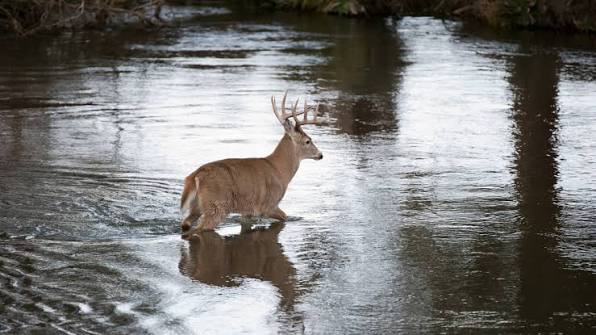
They can be because wet ground, thick cover, islands, ridges, and transition edges may provide security and predictable travel. Results depend on season, food, water levels, pressure, weather, and local deer behavior.
4. Is swamp hunting suitable for beginners?
It can be challenging for beginners because footing, water depth, visibility, navigation, insects, heat, and recovery can be difficult. Complete hunter education, scout in daylight, carry navigation and emergency gear, and go with an experienced mentor when possible.
5. What are the best swamp features to scout?
Look for dry islands, narrow ridges, levees, beaver dams, creek crossings, transition lines, timber points, old roads, elevated roots, brushy funnels, and trails connecting wet cover to feeding areas.
6. Why are dry islands important in swamps?
Small areas of higher ground may provide bedding, resting, feeding, or travel locations. Their importance changes with water level, vegetation, pressure, and season, so confirm use with fresh sign.
7. How do I find safe access through a swamp?
Scout in daylight, use current maps and aerial imagery, mark firm routes, test each step with a trekking pole, and avoid water or mud you have not assessed. Never assume a route will remain safe after rain, flooding, or a water-control change.
8. How deep is too deep to wade while hunting?
There is no universal safe depth because current, temperature, footing, gear, physical ability, and hidden hazards all matter. Avoid water that is moving, cold, rising, unclear, or deep enough to compromise balance, equipment control, or a safe return.
9. Should I wear hip boots, waders, or waterproof boots?
Choose footwear based on verified depth, temperature, terrain, and manufacturer guidance. Waders can create additional hazards if they leak, snag, fill, or reduce mobility, so use a belt when appropriate and never enter conditions beyond your training.
10. Can I hunt from a canoe or small boat in a swamp?
Only where legal and safe. Follow boating and hunting regulations, carry required flotation equipment, secure weapons safely, avoid overloaded craft, and never shoot from a vessel unless local law expressly allows the method and all safety conditions are met.
11. How important is wind direction in a swamp?
Wind remains critical because animals may use dense cover close to your route. Set up so scent avoids likely bedding cover and travel corridors, and watch for variable air movement caused by water, vegetation, and temperature changes.
12. Do thermals affect swamp hunting?
Yes, although flat wetlands may behave differently from steep terrain. Cooling air can settle into low areas, while warming surfaces may create unstable currents. Water temperature and canopy openings can also cause local scent shifts.
13. What time of day is best for hunting swamps?
Early morning and late afternoon are common movement periods, but local species, season, pressure, weather, and food sources matter more than a fixed rule. Scout current patterns and stay within legal hunting hours.
14. What weather is best for swamp hunting?
Cool, stable conditions can make travel and insect control easier. Heavy rain, lightning, flooding, extreme heat, dense fog, high wind, or sudden cold can create serious hazards and should change or end the hunt.
15. How do changing water levels affect animal movement?
Rising water can close trails and push animals toward higher ground, while falling water may expose crossings and food. Never assume yesterday’s route is safe today; confirm access and exit conditions before committing.
16. How do I scout a swamp without disturbing it too much?
Use aerial maps first, observe edges from dry ground, and make limited daylight trips. Check trails, crossings, islands, rubs, tracks, droppings, feeding sign, and bedding cover without repeatedly walking through the core area.
17. What signs show animals are actively using a swamp?
Fresh tracks in mud, moist droppings, recently disturbed vegetation, current rubs or scrapes, beds on high ground, hair on crossings, rooting, feathers, and clearly used trails are stronger indicators than old sign.
18. Should I hunt the swamp edge or the interior?
Beginners often benefit from hunting edges, funnels, and firm transition routes. Interior locations may hold less-pressured animals but demand better navigation, access planning, physical preparation, and recovery logistics.
19. What is a swamp transition line?
It is the boundary between wet and dry habitat, such as marsh and hardwoods, flooded timber and an upland ridge, or cattails and brush. These edges can guide travel and concentrate tracks.
20. Are beaver dams good hunting locations?
They may create crossings or elevated routes, but they can also be unstable and legally protected from disturbance. Do not walk on or alter a dam unless access is permitted and you have confirmed it is safe.
21. Can I use a tree stand in a swamp?
Yes, where legal and where a suitable, healthy tree and firm access exist. Use a full-body harness and approved fall-arrest system, inspect the tree and stand, and never climb while carrying a loaded firearm or exposed broadhead.
22. Is a ground blind practical in swamp habitat?
A ground blind can work on stable, dry ground where legal. Keep it out of flood paths, waterways, roads, and public trails, and secure it according to land rules and weather conditions.
23. How can I keep equipment dry?
Use sealed bags or dry bags for electronics, licenses, maps, spare clothing, first aid items, and ignition sources. Keep essential gear accessible, and test waterproof storage before the hunt.
24. How do I protect against insects and ticks?
Use region-appropriate repellents and protective clothing according to product instructions, check for ticks, and avoid exposing skin unnecessarily. Follow local health guidance for mosquito- and tick-borne disease prevention.
25. How do I avoid getting lost in a swamp?
Carry a paper map and compass as well as a GPS or phone, mark the vehicle and safe exit routes, and tell someone your plan. Dense vegetation and repeated-looking channels make single-device navigation risky.
26. What should I do if my planned route floods?
Do not force the crossing. Turn back or use a previously scouted legal backup route. Rising water, current, hidden holes, and unstable footing can quickly make a familiar route unsafe.
27. How can I move quietly through shallow water or mud?
Move slowly, place each foot deliberately, and avoid pulling hard against suction. Use a trekking pole to test footing and maintain balance, while keeping your firearm or bow controlled and pointed safely.
28. What is the safest shooting setup in a swamp?
Choose stable, dry footing or a secure stand, a clearly identified legal target, an unobstructed lane, and a dependable background. Never shoot toward watercraft, roads, homes, people, livestock, trails, or unclear movement.
29. Can bullets ricochet off water?
Projectiles can behave unpredictably around water and hard surfaces. Do not take low-angle shots across water, and only shoot when the target, line of fire, and background are clearly safe and legal.
30. What is an ethical shot opportunity in thick swamp cover?
It is a legal shot at a positively identified animal, within your practiced ability, through a clear path, with a safe background and a realistic recovery plan. Pass on rushed, obstructed, distant, or uncertain opportunities.
31. How does hunting pressure affect swamp animals?
Animals may shift toward thicker cover, remote islands, secondary crossings, or different movement times. Seek less-obvious legal access without entering conditions that exceed your navigation or safety abilities.
32. Can I hunt public swamps?
Often yes, but access, weapon, boating, parking, blind, and seasonal rules vary. Verify the exact parcel, boundaries, closures, and any wetland-specific regulations with the official land manager.
33. Can I cross private land to reach a public swamp?
Not without a legal access right or the landowner’s permission. Public ownership beyond a private boundary does not automatically create permission to cross private property.
34. How should I plan game recovery in a swamp?
Before hunting, identify safe routes, required tags, legal tracking options, property boundaries, transport tools, and meat-cooling plans. Do not enter deep water, unstable mud, or private property during recovery without legal permission and suitable help.
35. What should I do after a successful harvest?
Follow tagging, reporting, recovery, transport, and proof-of-species rules. Use clean gloves and tools, cool the meat promptly, protect it from contaminated water, and avoid waste.
36. What are the most common swamp hunting mistakes?
Common mistakes include underestimating water depth, relying on one navigation device, ignoring weather, wearing unsuitable footwear, entering without a return route, setting up in a flood path, and taking obstructed or unsafe shots.
37. When should I stop a swamp hunt?
Leave when water is rising, lightning approaches, fog prevents navigation, heat illness becomes possible, equipment is soaked or damaged, your route is uncertain, or you cannot maintain safe weapon control.
38. When should a beginner seek professional guidance?
Seek training if you are unfamiliar with firearms, bows, boats, waders, navigation, wetland hazards, property boundaries, recovery, or meat care. Official hunter education, certified instructors, land managers, and experienced ethical mentors are good resources.
39. How can I improve after each swamp hunt?
Record water level, weather, wind, access conditions, fresh sign, sightings, and pressure. Review whether your entry, setup, and exit were safe and whether they disturbed the area, then update your backup plans.