

Quick Answer
To learn how to hunt elk, first check your official wildlife agency for current license, tag, permit, season, weapon, harvest reporting, land access, and transport rules. Then study elk habitat, scout feeding areas, bedding cover, water sources, wallows, rubs, tracks, droppings, and travel corridors before the season. Plan your hunt around wind direction, terrain, quiet access, safe shooting lanes, and your physical ability because elk often live in large, rugged country. Take only a safe, legal, ethical shot within your practiced range, then follow all recovery, tagging, reporting, CWD testing if required, and meat care rules.
Important Legal and Safety Notice Before You Hunt
Elk hunting regulations vary by country, state, province, county, unit, season, weapon type, land ownership, and tag type. Before hunting, readers must check their official wildlife agency for current license, permit, tag, draw, season, weapon, bag limit, legal hunting hours, land access, reporting, CWD testing, and transport rules.
Elk tags are not handled the same way everywhere. Colorado Parks and Wildlife directs elk hunters to its Big Game Brochure for specific hunt dates and notes that the online brochure is the most up-to-date version. Montana Fish, Wildlife & Parks provides regulations, hunt planner maps, districts, harvest opportunities, drawing statistics, and license resources. Arizona Game and Fish publishes separate pronghorn and elk hunt draw information, and Nevada Department of Wildlife notes that elk require tags and are commonly awarded through a draw process. :contentReference[oaicite:0]{index=0}
- Hunting license and permits: Confirm your license, elk tag, habitat stamp if required, draw status, hunter education requirements, and unit-specific permissions.
- Tags or harvest reporting: Know how to validate your tag, attach it if required, report the harvest, and meet any check station or biological sample requirements.
- Legal season and legal hours: Verify your exact elk season, unit, legal hunting dates, legal hours, and weapon type.
- Legal weapons and ammunition: Confirm rifle, muzzleloader, bow, crossbow, broadhead, draw weight, caliber, magazine, or ammunition rules in your area.
- Public land or private land access: Check land ownership, access points, easements, road closures, trail rules, wilderness boundaries, and private land permission.
- Required clothing or visibility rules: Wear hunter orange or other visibility clothing where required, especially during firearm seasons.
- Safe firearm or bow handling: Keep the muzzle pointed in a safe direction, keep your finger off the trigger until ready, and identify the target and what is beyond it.
- Weather, navigation, and emergency planning: Carry maps, compass, GPS, water, first aid, emergency communication, layers, food, and a realistic exit plan.
Understanding the Game Species and Its Habitat
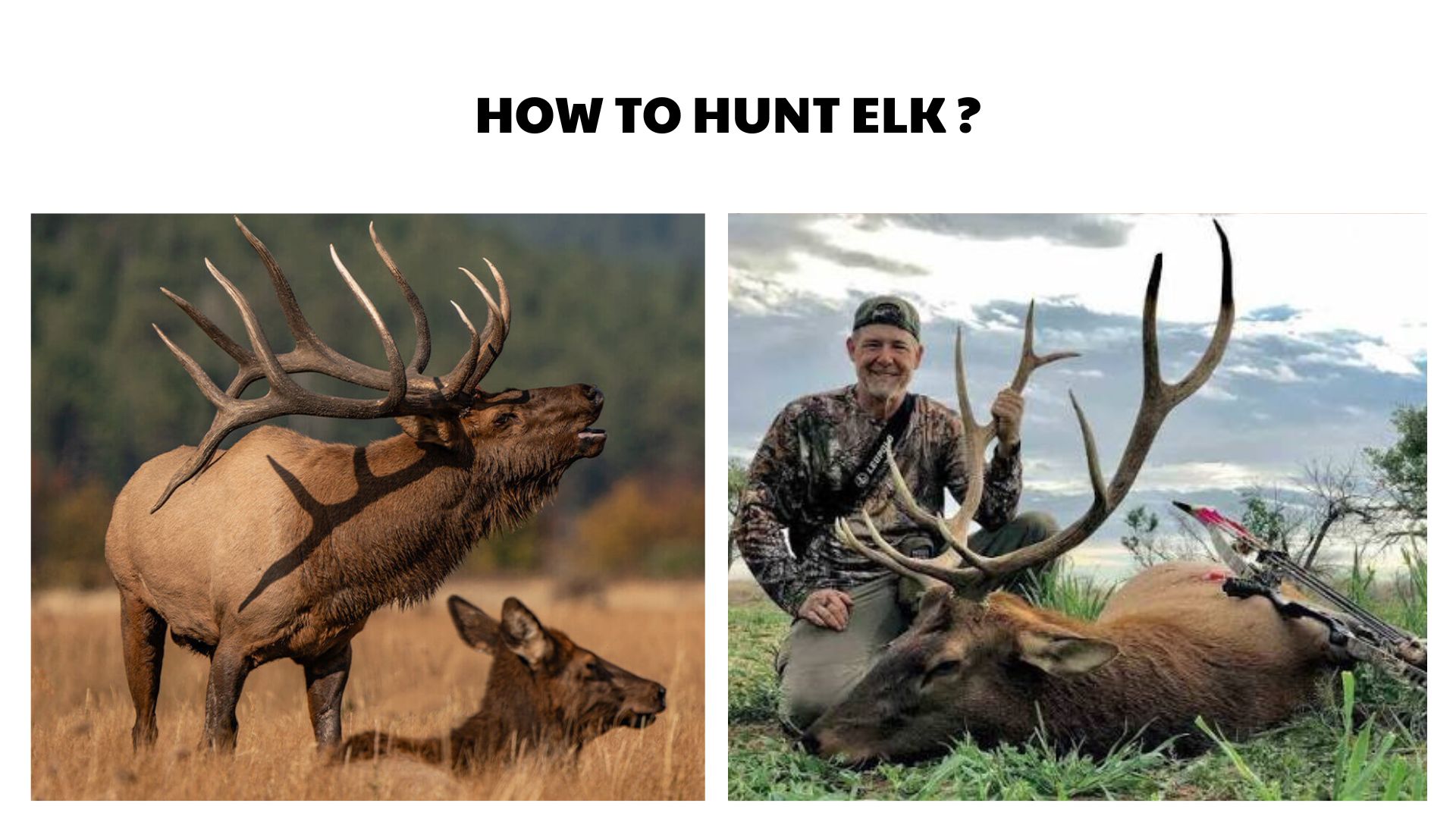
The game species for this guide is elk, also called wapiti in some contexts. Elk are large herd animals that use a mix of open feeding areas, timber, water, bedding cover, escape routes, and seasonal ranges. They may move between elevations depending on weather, food, snow depth, pressure, and breeding activity.
Elk diets change with the season. The Rocky Mountain Elk Foundation describes elk diets as grasses and forbs in summer, grasses in spring and fall, and grasses, shrubs, tree bark, and twigs in winter. :contentReference[oaicite:1]{index=1} The National Park Service notes that Roosevelt elk in the Pacific Northwest prefer edge environments such as grassy fields near forested areas, which offer feeding opportunities close to protective cover, and that they may move from higher elevations in summer to valleys in winter. :contentReference[oaicite:2]{index=2}
For hunters, this means elk are often found where food, cover, water, and low disturbance meet. In warm weather, they may feed in meadows, parks, burns, alpine openings, or grassy benches, then bed in cooler timber or shaded slopes. During pressured seasons, they may move farther from roads, shift to thicker cover, use steeper terrain, or become more active in lower-light periods.
Beginners should learn to recognize elk tracks, droppings, rubs, wallows, game trails, bedding areas, feeding sign, hair on fence crossings, and vocal activity such as bugles or cow calls where relevant. Sign alone does not guarantee elk are currently there, so fresh tracks, fresh droppings, recent rubs, and repeated sightings matter more than old sign.
What You Need Before You Start
- Valid hunting license, elk tag, permits, habitat stamp if required, hunter education proof if required, and current regulation knowledge
- Legal hunting weapon or method allowed in your elk unit and season
- Hunter orange or required visibility clothing if applicable
- Weather-appropriate layered clothing for mountains, timber, rain, snow, wind, and temperature swings
- Durable boots suited for steep terrain, mud, rock, snow, deadfall, and long hikes
- Navigation tools such as map, compass, GPS, satellite messenger, or hunting app with offline maps
- First aid kit, water filter or water supply, snacks, emergency blanket, fire-starting supplies, and emergency communication
- Binoculars or spotting scope if useful for your terrain and hunting style
- Headlamp with spare batteries for early starts, late exits, and recovery work
- Wind checker, simple repair kit, knife, gloves, flagging tape where legal, and safety whistle
- Game bags, clean gloves, cooler plan, pack frame, and meat care supplies
- Physical conditioning plan for hiking, climbing, carrying gear, and packing meat legally and safely
- Written hunt plan shared with someone at home, including route, parking area, return time, and emergency contact plan
How to Hunt Elk: Step-by-Step Guide
Step 1: Check Local Hunting Laws First
Start by reading the current elk regulations from your official wildlife agency. Confirm whether your tag is valid for bull, cow, antlerless, either-sex, spike, branch-antlered, or another specific category. Verify the exact unit, season dates, legal weapon, legal hunting hours, hunter orange rules, access restrictions, tag validation process, harvest reporting, carcass transport rules, and CWD testing rules if applicable.
Do not assume elk hunting rules are the same from one state or unit to another. Some tags are limited-entry draw tags, some are over-the-counter in certain places, some are private-land-only, and some are valid only during a specific weapon season. If anything is unclear, contact the official agency before hunting.
Step 2: Learn the Animal’s Patterns
Elk need food, water, bedding cover, escape cover, and secure travel routes. They may feed in meadows, burns, clearings, parks, agricultural edges, south-facing slopes, north-facing timber, alpine basins, or foothill grasslands depending on the region and season.
During early seasons, elk may use higher elevations, shaded bedding areas, and water sources. During the rut, bull elk may be more vocal and focused on cows. Later in the season, snow, pressure, and food availability can move elk toward lower elevations or thicker security cover. Local behavior matters more than general advice, so scouting your unit is essential.
Step 3: Choose a Legal Hunting Area
Elk country can include national forests, Bureau of Land Management lands, state lands, wildlife management areas, private ranches, timber lands, wilderness areas, tribal lands, and mixed ownership. Study maps before you go. Know where you can park, hike, camp, glass, and legally hunt.
For public land hunting, check access roads, seasonal closures, trailheads, motor vehicle restrictions, private inholdings, wilderness boundaries, and other hunters. For private land, get clear permission before entering. Respect gates, livestock, crops, fences, water tanks, roads, and landowner instructions. Never cross private land without permission, even if public land lies beyond it.
Step 4: Scout Before the Hunt
Scouting elk means finding current use, not just beautiful terrain. Look for fresh tracks, droppings, rubs, wallows, feeding areas, bedding benches, water sources, game trails, saddles, ridge crossings, north-facing cover, open parks, and escape routes. Use binoculars from a distance to avoid disturbing elk before the hunt.
Digital maps can help identify elevation, access, water, burns, timber edges, meadows, benches, ridgelines, and roadless pockets. In-person scouting helps confirm what maps cannot show: pressure, noise, wind behavior, trail condition, water availability, and whether elk are actually using the area.
Step 5: Prepare Your Gear Safely
Elk hunts often require more physical and safety preparation than many beginner hunters expect. Test your boots, pack, optics, rain gear, layers, navigation tools, headlamp, and emergency communication before the hunt. Do not wait until opening morning to discover that your pack does not fit or your map app is not saved offline.
If using a firearm, practice safe handling, safe transport, and accurate shooting from realistic field positions. Follow manufacturer instructions and hunter education guidance. If bowhunting, practice with your legal hunting setup, handle broadheads carefully, know your personal effective range, and avoid shots beyond your ability.
Step 6: Plan for Wind, Weather, and Entry Route
Elk rely heavily on smell. Wind direction can make or break a setup. Use wind and thermals to your advantage. In many mountain areas, air may move uphill as the day warms and downhill as the evening cools, but local terrain can create swirls, drafts, and unpredictable shifts.
Plan a quiet entry route that does not blow your scent into bedding cover or feeding areas. Avoid walking directly through the area you expect elk to use. Check the weather forecast, but prepare for sudden changes. Rain, snow, wind, heat, lightning, fog, and early darkness can all affect both elk movement and hunter safety.
Step 7: Set Up Carefully
Elk hunting setups vary by terrain and method. You may glass from a ridge, still-hunt through timber, call from cover during legal seasons, wait near a travel corridor, watch a meadow edge, or move slowly between likely basins. Choose a position with safe visibility, a good wind, quiet footing, and a realistic exit route.
Tree stands are not the most common elk hunting method in many western areas, but if you use an elevated stand where legal, use a full-body safety harness, inspect the stand, follow manufacturer instructions, and maintain three points of contact while climbing. Do not use unsafe homemade platforms or climb in dangerous weather.
Step 8: Stay Patient and Observe
Elk hunting often requires long periods of glassing, listening, and waiting. Move slowly. Stop often. Use binoculars to search shadows, timber edges, openings, and distant slopes. Listen for bugles, cow calls, branches breaking, hoof movement, and rocks rolling, but never shoot at sound or movement alone.
Patience matters because elk may appear briefly and disappear quickly. Avoid rushing into bedding cover unless you have a safe, legal, well-planned reason. Many beginners push elk out of the area by moving too fast, talking too much, or ignoring wind.
Step 9: Take Only a Safe, Legal, and Ethical Shot Opportunity
Only act when the elk is clearly identified, legal under your tag, in a safe position, and within your practiced ability. Confirm what is beyond the animal. Do not shoot toward roads, homes, livestock, people, vehicles, trails, skylines, or unclear backgrounds.
Ethical shot discipline means passing on uncertain angles, excessive distance, moving animals beyond your skill, poor visibility, or any situation that risks unsafe recovery. Elk are large animals, and responsible hunters practice before the season so they can make calm, controlled decisions.
Step 10: Follow Legal Recovery and Reporting Rules
After a legal harvest, mark the location carefully, keep your firearm or bow safe, and follow the recovery process required by law and ethical practice. Validate or attach your tag exactly as your regulations require. Follow harvest reporting rules, check station rules, CWD testing rules, evidence-of-sex requirements, and transport regulations.
CWD rules can change by state, year, species, and unit. For example, Colorado Parks and Wildlife states that in 2026 it will require mandatory CWD test sample submission from all elk harvested during rifle seasons from specific hunt codes, while not all hunt codes are selected. This illustrates why hunters must check the current rules for their exact hunt. :contentReference[oaicite:3]{index=3}
Step 11: Handle the Game Responsibly
Elk are large animals, so meat care and transport planning are essential. Use clean tools and gloves, cool meat promptly, use breathable game bags, keep meat clean, and plan realistic pack-out help. Warm weather, steep terrain, long distance, and poor planning can create waste and safety problems.
Do not wait until after a harvest to figure out how you will move the meat. Know your physical limits, route, legal evidence requirements, and cooler plan before the hunt. Responsible use of harvested meat is a core part of ethical elk hunting.
Best Time, Place, and Conditions for This Hunt
The best time to hunt elk depends on your legal season, tag type, local migration patterns, rut timing, weather, elevation, pressure, and food availability. Archery seasons often overlap with early fall elk behavior in many areas, while rifle seasons may occur later when weather and pressure can shift elk into different terrain. Always follow your exact legal dates and weapon restrictions.
Early morning and late evening are often important because elk may move between feeding and bedding areas during lower-light periods. Midday can still be useful for glassing shaded bedding areas, checking tracks, studying wind, and planning a careful afternoon setup. In heavily pressured areas, elk may move less during daylight or use thicker security cover.
Good elk areas often combine food, water, bedding cover, and escape terrain. Look for meadows near timber, burns with new growth, benches below ridges, saddles between drainages, north-facing timber in warm weather, south-facing slopes in cold weather, wallows during rut periods, and travel corridors away from heavy road pressure.
Wind direction and thermals matter throughout the hunt. A beautiful setup is poor if your scent drifts into elk before they arrive. Weather can also shift elk behavior. Snow may reveal tracks and influence movement, heat may push elk toward shade and water, and storms may create both opportunity and danger. Local scouting is more reliable than any fixed rule.
Helpful Tips for Better Results
- Scout before the season and again close to your hunt because elk can change patterns quickly.
- Learn your tag rules carefully, including legal sex, antler restrictions, unit boundaries, and reporting rules.
- Use wind direction as a primary decision-maker, not an afterthought.
- Spend more time glassing than walking when hunting open country.
- Move slowly in timber and stop often to look, listen, and check wind.
- Mark water sources, wallows, fresh sign, game trails, bedding benches, and escape routes on your map.
- Condition your legs, lungs, and back before the hunt, especially for mountain terrain.
- Practice shooting from realistic field positions, not only from a bench or perfect stance.
- Plan your pack-out before hunting deep country.
- Carry enough layers, water, food, and emergency gear for unexpected delays.
- Hunt with an experienced mentor if you are new to elk country.
- Keep a field journal with wind, weather, elevation, sign, sightings, and hunter pressure.
Common Mistakes to Avoid
Elk hunting is physically and mentally demanding. Many beginner mistakes happen before the hunt begins: poor regulation research, weak map study, unrealistic fitness expectations, and no pack-out plan. Avoiding these mistakes can make your hunt safer and more productive.
- Not checking current regulations: Elk tags, units, seasons, weapon rules, and reporting requirements can be very specific.
- Hunting without the correct tag or permission: Always verify public land access and private land permission.
- Ignoring wind direction: Elk can detect human scent quickly, especially in swirling mountain air.
- Moving too fast: Fast hiking through elk habitat often pushes animals before you see them.
- Overcalling: Calling can help in some situations, but careless calling can educate elk or attract other hunters.
- Choosing terrain that is too difficult: A hunt is not responsible if you cannot safely return or pack out meat.
- Underpacking safety essentials: Mountain weather, darkness, injury, and navigation errors can turn serious quickly.
- Overpacking unnecessary gear: A pack that is too heavy can slow you down and increase fatigue.
- Not practicing enough: Elk hunting requires confidence from field positions and ethical range limits.
- Taking unsafe or uncertain shots: Pass on skylines, poor visibility, excessive distance, and unclear legal status.
- Not planning recovery and meat care: Elk are large, and warm weather can make meat care urgent.
- Crossing unclear property lines: Always verify ownership and legal access before entering.
Troubleshooting Common Problems
| Problem | Possible Cause | What to Do |
|---|---|---|
| You are not seeing any elk | Poor location, old sign, heavy pressure, wrong elevation, or limited scouting | Scout fresh sign, glass from better vantage points, check water and food sources, and adjust to current elk movement. |
| Elk keep detecting you | Bad wind, swirling thermals, noise, or poor entry route | Back out, recheck wind, choose a different approach, and avoid moving through bedding cover. |
| You hear elk but cannot see them | Thick timber, poor angle, distance, or elk staying in cover | Stay patient, use wind carefully, move only when safe, and avoid rushing into the herd. |
| Other hunters are pressuring the area | Easy road access, opening day pressure, or popular trailheads | Look for overlooked pockets, legal roadless areas, harder access, or different timing. |
| You are unsure about a boundary | Mixed public and private land, poor map detail, or unclear signage | Do not continue until you confirm ownership with official maps, agency tools, or landowner permission. |
| Weather turns dangerous | Storms, snow, lightning, heat, fog, high wind, or sudden temperature drop | Prioritize safety, return to a known route, use navigation tools, and end the hunt if conditions are unsafe. |
| Your gear fails | Untested boots, weak pack straps, dead batteries, wet clothing, or damaged optics | Test gear before the season, carry critical backups, and avoid depending on one electronic device. |
| You feel nervous before a shot | Beginner pressure, fatigue, rushed decision-making, or lack of practice | Breathe, confirm legality and safety, and pass if the opportunity is not clearly ethical. |
| You harvest an elk far from the road | Poor pack-out planning or underestimating elk size | Follow tagging rules, cool meat quickly, call planned help, and pack out safely in legal loads. |
| You are confused about reporting or CWD rules | Unit-specific requirements or updated regulations | Check your wildlife agency instructions immediately and follow the required process before transport or processing. |
Ethical Hunting and Conservation
Ethical elk hunting means respecting wildlife, following the law, preparing carefully, and avoiding waste. Elk are valuable big game animals, and responsible hunters help support conservation through license fees, habitat funding, harvest data, public access programs, and ethical participation.
Conservation organizations also help protect elk habitat and public access. The Rocky Mountain Elk Foundation describes its conservation work as conserving land, improving habitat, restoring elk to native ranges, and expanding public access opportunities. :contentReference[oaicite:4]{index=4}
- Respect elk by taking only legal, safe, and ethical opportunities.
- Respect landowners by asking permission and following property rules.
- Respect other hunters by communicating politely and avoiding unsafe shooting directions.
- Obey season dates, unit boundaries, tag restrictions, and harvest limits.
- Practice before hunting and know your real effective range.
- Pass on unsafe, uncertain, rushed, or poorly identified opportunities.
- Recover harvested game responsibly and avoid wasting meat.
- Leave campsites, trailheads, roads, and glassing points cleaner than you found them.
When to Get More Training or Professional Guidance
Beginners should seek additional help when they have never handled a firearm or bow, have not completed hunter education, are unsure about local laws, do not understand land boundaries, are not confident in safe shooting, are hunting unfamiliar terrain, or need help with recovery and meat care.
Elk hunting often involves rugged terrain, remote travel, changing weather, large animals, long pack-outs, and complicated tags. Good instruction can prevent mistakes. Learn from official hunter education courses, state or provincial wildlife agencies, certified instructors, experienced ethical mentors, local conservation organizations, reputable hunting clubs, and qualified guides where legal and appropriate.
After the Hunt: Follow-Up, Gear Care, and Learning
After the hunt, unload and store firearms safely according to law and manufacturer instructions. If bowhunting, secure broadheads and inspect arrows safely. Dry wet clothing, clean mud from boots, check pack straps, recharge electronics, inspect optics, and replace used first aid or emergency supplies.
Review what worked and what did not. Record the date, unit, elevation, weather, wind, sign, sightings, hunter pressure, calling response, bedding areas, feeding areas, and water sources. These notes are extremely useful for future hunts.
If you harvested an elk, complete all legal records, tag validation, reporting, check station, CWD testing, or transport requirements. Cool and store meat responsibly. Clean knives and gear safely. Use the harvest respectfully and continue learning before your next season.
Recommended Hunting Gear and Tools to Consider
You do not always need expensive gear to hunt responsibly. Choose gear based on your local laws, hunting method, species, terrain, weather, safety needs, skill level, and budget.
- Legal hunting weapon or method allowed in your area
- Quality boots for steep terrain, long hikes, mud, rock, snow, and deadfall
- Weather-appropriate clothing and required visibility gear
- Binoculars or optics for safe observation and glassing
- Navigation tools such as a map, compass, GPS, or hunting app with offline maps
- First aid kit and emergency communication, such as a satellite messenger in remote country
- Water filter, food, headlamp, spare batteries, fire-starting supplies, and emergency shelter
- Wind checker, gloves, safe knife, flagging tape where legal, and repair kit
- Game bags, gloves, cooler, pack frame, and meat care supplies if relevant
- Elk calls only if legal and practiced, especially during seasons when calling makes sense
Final Thoughts
Learning how to hunt elk begins with legal preparation and continues through scouting, physical conditioning, map study, wind awareness, safe setup, patient observation, ethical shot decisions, and responsible recovery. Elk hunting can be difficult, but that challenge is part of why careful planning matters so much.
Before every hunt, check current regulations, confirm your tag and unit, practice with your legal method, respect land boundaries, prepare for weather and navigation, and plan how you will care for the meat if successful. Hunt legally, safely, patiently, and ethically, and choose methods and gear based on your local laws, terrain, skill level, and conservation responsibilities.
FAQs
1. How long does it take to learn how to hunt elk?
A beginner can learn the basics in one season, but becoming consistently effective may take several years. Elk hunting requires knowledge of regulations, terrain, wind, scouting, shooting, physical fitness, and meat care.
2. Is elk hunting good for beginners?
Elk hunting can be good for beginners who prepare seriously, hunt with a mentor, study regulations, and choose realistic terrain. It is physically demanding, so beginners should not underestimate it.
3. Do I need a license to hunt elk?
Yes. Elk hunters generally need a hunting license and a valid elk tag or permit for the correct unit, season, and animal type. Exact requirements vary by wildlife agency.
4. Do elk tags vary by state?
Yes. Some states use draw tags, some offer limited over-the-counter opportunities, and some have special landowner or unit-specific systems. Always check the official state or provincial wildlife agency.
5. What is the best state to hunt elk?
The best state depends on your tag access, budget, travel ability, physical condition, public land access, and preference for rifle, archery, or muzzleloader seasons. Colorado, Montana, Wyoming, Idaho, Arizona, New Mexico, Utah, Oregon, Washington, and other areas may offer elk opportunities under different systems.
6. When is elk hunting season?
Elk season depends on the state, unit, weapon type, and tag. Archery, muzzleloader, rifle, late-season, cow, bull, and special hunts may have different dates.
7. What is the best time of day to hunt elk?
Early morning and late evening are often productive because elk may move between feeding and bedding areas. Midday can still be useful for glassing, tracking, and planning quiet approaches.
8. Where do elk usually live?
Elk use a variety of habitats, including meadows, timber, burns, foothills, alpine basins, valleys, grasslands, and forest edges. Food, water, cover, weather, and pressure influence where they are found.
9. What do elk eat?
Elk commonly eat grasses, forbs, shrubs, twigs, bark, and seasonal vegetation. Diet changes by habitat and season.
10. How do I scout for elk?
Look for fresh tracks, droppings, rubs, wallows, bedding areas, feeding areas, water sources, game trails, saddles, and repeated movement. Confirm sign with current sightings when possible.
11. What do elk tracks look like?
Elk tracks are large hoof prints, generally bigger than deer tracks and often found on muddy trails, water edges, meadows, and travel corridors. Fresh tracks have sharp edges and may show recent soil disturbance.
12. What are elk rubs?
Elk rubs are trees or saplings where bulls have rubbed antlers. Fresh rubs may show bright exposed wood, broken bark, and nearby tracks.
13. What is an elk wallow?
A wallow is a muddy depression or wet area that elk, especially bulls during rut periods, may use. Fresh wallows may have strong odor, tracks, mud, and disturbed vegetation.
14. What is the elk rut?
The rut is the breeding season when bulls may bugle, gather cows, challenge other bulls, and become more vocal. Rut timing varies by region and season.
15. Should beginners use elk calls?
Beginners can use elk calls if legal and practiced, but calling poorly can hurt a hunt. It is often better to call less and focus more on wind, location, and patience.
16. What is a bugle?
A bugle is a vocal sound made by bull elk, often associated with rut behavior. Hunters may use bugles to locate elk where calling is legal and appropriate.
17. What is a cow call?
A cow call imitates sounds made by cow elk. It can be useful in certain situations but should be used carefully and legally.
18. Is wind direction important for elk hunting?
Yes. Wind direction is one of the most important factors in elk hunting because elk have a strong sense of smell. A poor wind can alert elk before you see them.
19. What are thermals in elk hunting?
Thermals are air currents caused by temperature changes in terrain. In many mountain areas, air may rise as slopes warm and fall as they cool, but local conditions can vary.
20. How far should I hike for elk?
Distance depends on your fitness, terrain, access, tag, and pack-out plan. Do not hike farther than you can safely return from, especially if you may need to pack out meat.
21. Can I hunt elk on public land?
Yes, where public land is open to elk hunting and your tag is valid there. Study maps, access points, road closures, unit boundaries, and private inholdings carefully.
22. Can I hunt elk on private land?
Yes, with clear permission and legal compliance. Written permission is helpful where appropriate. Respect gates, livestock, crops, roads, and landowner rules.
23. How do I avoid trespassing while elk hunting?
Use official maps, GPS boundaries, signage, agency resources, and landowner permission. Do not cross private land without permission, even to reach public land.
24. What gear does a beginner elk hunter need?
Beginners need legal documents, a legal weapon, quality boots, layered clothing, optics, navigation tools, water, food, first aid, emergency communication, headlamp, and meat care supplies.
25. Do I need expensive gear to hunt elk?
No. Reliable safety gear, boots, navigation, legal equipment, and meat care supplies matter more than expensive extras. Upgrade gradually as you learn your hunting style.
26. What boots are best for elk hunting?
Choose boots that fit well, support your ankles, handle your terrain, and are broken in before the hunt. Blisters and foot pain can end an elk hunt quickly.
27. Do I need binoculars for elk hunting?
Binoculars are very useful for glassing open slopes, timber edges, meadows, and distant animals. They also help identify elk safely before making decisions.
28. Is a spotting scope necessary?
A spotting scope can help in open country, but it is not always necessary for beginners. Good binoculars and smart glassing habits are often more important at first.
29. What firearm is used for elk hunting?
Use only a legal firearm and ammunition allowed by your wildlife agency. The best choice is one you can handle safely, shoot accurately, and use within ethical limits.
30. Can I bowhunt elk?
Yes, where legal. Bowhunters must check season rules, legal equipment requirements, broadhead rules, draw weight rules if applicable, and personal effective range.
31. What is the most important bowhunting safety tip for elk?
Handle broadheads carefully, transport equipment safely, practice with your hunting setup, and never take shots beyond your proven ability.
32. Should I practice from field positions?
Yes. Elk hunters should practice from kneeling, sitting, standing, uphill, downhill, and supported field positions where safe and legal. Real hunts rarely feel like perfect range conditions.
33. How close do I need to get to elk?
The distance depends on your legal method, skill, terrain, visibility, and ethical range. Only take shots within your practiced ability and safe conditions.
34. What is an ethical shot opportunity?
An ethical shot opportunity is one where the elk is legal, clearly identified, within your practiced range, in a safe position, and likely to allow responsible recovery.
35. Should I shoot at a moving elk?
Beginners should be very cautious. Moving animals increase difficulty and recovery risk. Pass unless the opportunity is clearly safe, legal, and within your proven ability.
36. What should I do if I cannot identify whether an elk is legal?
Do not shoot. Tag rules may depend on sex, antlers, age class, or unit restrictions. Wait until you can clearly confirm legality.
37. Is scent control important for elk?
Yes, but wind is more important than sprays or clothing claims. Keep a favorable wind, avoid sweating into bedding areas, and plan approaches carefully.
38. Can I use a tree stand for elk hunting?
Tree stands are not common in many elk areas, but they may be used legally in some situations. Use a full-body harness, inspect equipment, and follow all safety rules.
39. Is elk hunting physically difficult?
Yes. Elk hunting can involve steep climbs, long hikes, heavy packs, high elevation, rough weather, and difficult pack-outs. Physical preparation is important.
40. How do I prepare physically for elk hunting?
Train by hiking, walking with a loaded pack, climbing hills or stairs, building leg strength, improving cardio, and practicing with the gear you will actually carry.
41. What should I do after harvesting an elk?
Follow tag validation, reporting, CWD testing if required, evidence-of-sex, and transport rules. Cool meat quickly, keep it clean, and plan a safe pack-out.
42. Do elk hunters have to report harvests?
Reporting rules vary by state, tag, and hunt. Some areas require harvest reports, check stations, surveys, or CWD sample submission. Check current regulations.
43. What is CWD testing?
CWD testing checks for chronic wasting disease in deer, elk, and related species. Requirements vary by location and year, so follow your wildlife agency’s current rules.
44. How do I care for elk meat in warm weather?
Cool the meat promptly, keep it clean, use breathable game bags, create airflow, and transport it according to law. Warm weather makes planning especially important.
45. How many trips does it take to pack out an elk?
It depends on terrain, distance, animal size, legal requirements, group size, and physical ability. Plan for multiple trips and do not exceed your safe carrying limit.
46. Can I hunt elk alone?
Experienced hunters sometimes hunt alone, but beginners are safer with a mentor or partner. Solo elk hunting increases navigation, recovery, injury, and pack-out risks.
47. What should be in an elk hunting day pack?
A day pack should include water, food, first aid, navigation, headlamp, layers, rain gear, fire-starting supplies, emergency communication, tag, knife, gloves, and meat care basics.
48. How do I find elk in pressured areas?
Look for secure cover, overlooked pockets, harder access, roadless terrain, escape routes, bedding areas, and fresh sign away from heavy hunter traffic.
49. Why do elk disappear after opening day?
Hunting pressure can push elk into thicker cover, steeper terrain, private land, or less accessible areas. They may also reduce daylight movement.
50. Is calling always useful for elk?
No. Calling can help in some seasons and situations, especially during rut behavior, but it can also alert elk or other hunters. Use it carefully and legally.
51. How much does elk hunting cost?
Costs vary by license, tag, travel, gear, lodging, guide services, meat processing, and state residency. Start with legal requirements and safety essentials before buying extras.
52. Should beginners hire an elk guide?
A guide can help with access, safety, local terrain, calling, recovery, and meat care, but it is not required everywhere. Beginners should consider a guide or mentor for unfamiliar remote country.
53. What is the biggest beginner mistake in elk hunting?
The biggest mistake is underestimating preparation. Elk hunting requires legal research, scouting, fitness, navigation, wind planning, shooting practice, and meat care planning.
54. How do elk hunters support conservation?
Hunters support conservation through license fees, tag revenue, habitat funding, harvest data, public access programs, and responsible participation.
55. What is the best way to improve at elk hunting?
Scout more, study maps, learn elk behavior, practice safe shooting, improve fitness, hunt with mentors, track wind carefully, keep notes, and review each hunt honestly.
Read more: