
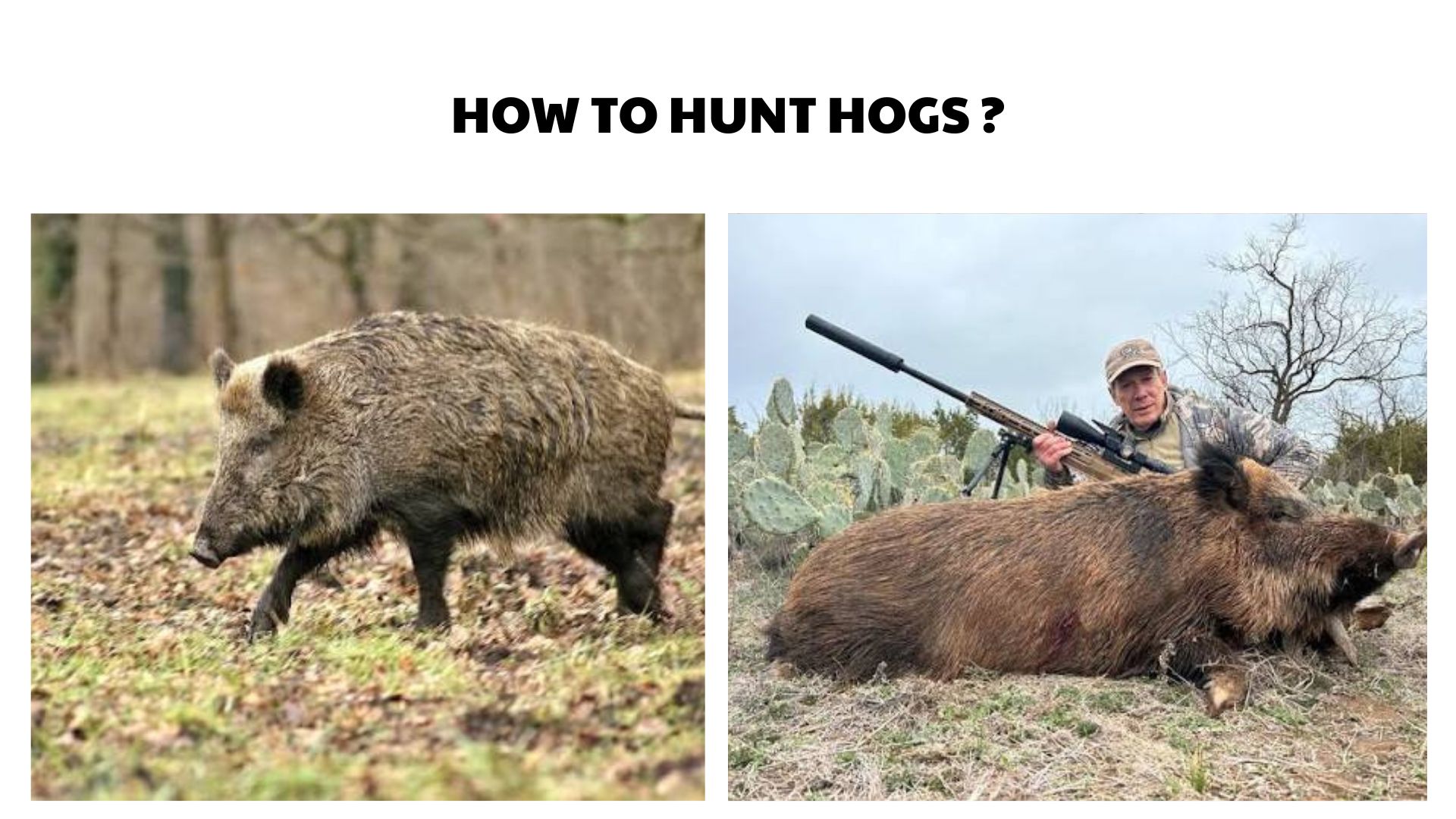

Quick Answer
To learn how to hunt hogs, first verify current hunting license, permit, season, weapon, night hunting, land access, dog-use, baiting, reporting, transport, and meat-handling rules with your official wildlife agency. Then scout for fresh rooting, tracks, wallows, rubs, droppings, water sources, crop damage, travel routes, and feeding areas. Set up with the wind in your favor, a safe backstop, clear shooting lanes, and legal permission from the landowner or public land authority. Take only safe, legal, ethical shots within your practiced ability, avoid close contact with wounded or cornered hogs, and follow disease precautions when handling meat.
Important Legal and Safety Notice Before You Hunt
Hunting regulations vary by country, state, province, county, public land unit, private land status, season, weapon type, time of day, and method. Before hunting hogs, always check your official wildlife agency, public land office, and local ordinances for current license, permit, tag, season, weapon, bag limit, land access, reporting, transport, dog-use, night hunting, baiting, and carcass handling rules.
Do not assume hog rules are universal. Some states allow year-round private-land hog hunting with landowner permission. Some public lands restrict hog hunting to open seasons for other game. Some places require permits for night hunting, special public land access, or transport of live animals. Local rules can also restrict shooting near roads, homes, livestock, public trails, or developed areas.
- Hunting license and permits: Confirm whether you need a hunting license, public land permit, night hunting permit, hunter education proof, or land access permit.
- Tags or harvest reporting: Hogs often do not use traditional tags, but some areas may require reporting, check-in, disease testing, or public land documentation.
- Legal season and legal hours: Private land and public land may have different rules for daylight, night hunting, and seasonal access.
- Legal weapons and ammunition: Verify rules for rifles, shotguns, handguns, muzzleloaders, bows, crossbows, air guns, suppressors, lights, thermal devices, and ammunition.
- Public land or private land access: Get landowner permission for private land and confirm public land rules before entering.
- Required clothing or visibility rules: Wear hunter orange or other visibility clothing where required, especially during firearm seasons.
- Safe firearm or bow handling: Keep the muzzle pointed in a safe direction, keep your finger off the trigger until ready, and identify your target and what is beyond it.
- Weather, navigation, and emergency planning: Carry water, first aid, maps, communication, lights where legal, and a clear plan for returning safely.
- Disease precautions: Wear gloves when handling hogs, avoid contact with blood or body fluids, keep meat clean and cool, and cook wild pork thoroughly.
Understanding the Game Species and Its Habitat
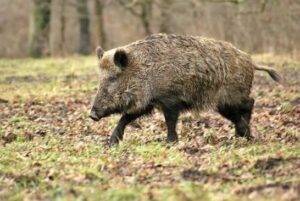
The likely game species for this keyword is feral hog, also called wild hog, wild pig, or feral swine. Feral hogs are adaptable, intelligent, social animals that can live in forests, swamps, river bottoms, agricultural land, brush country, pine plantations, oak flats, marsh edges, pastures, and suburban fringe areas where legal hunting may or may not be allowed.
Hogs are opportunistic feeders. They may eat acorns, roots, tubers, grasses, crops, insects, eggs, carrion, fruits, nuts, and other available foods. Their feeding behavior often leaves visible sign. Rooting is one of the most obvious signs: the ground may look tilled, flipped, torn, or plowed where hogs searched for food.
Water and cover matter. Hogs often stay near creeks, ponds, marshes, wet draws, wallows, muddy edges, shaded cover, and thick escape areas, especially in hot weather. They may bed in thick brush, cane, palmetto, briars, timber, cattails, or heavy grass where they feel secure.
Hogs can move during daylight, but hunting pressure, heat, moonlight, food availability, and human activity may shift them toward low-light or nighttime movement where legal. Beginners should scout fresh sign and current movement instead of relying on old tracks or old damage.
What You Need Before You Start
- Valid hunting license, permits, tags if required, public land access permit if required, and current regulation knowledge
- Legal hunting weapon or method allowed in your area
- Hunter orange or required visibility clothing if applicable
- Weather-appropriate hunting clothing and boots suitable for mud, briars, water edges, heat, cold, and uneven terrain
- Navigation tools such as map, compass, GPS, or hunting app with property boundaries
- First aid kit, water, snacks, and emergency communication
- Binoculars or optics for safe observation and target identification
- Flashlight or headlamp where legal and useful for safe entry, exit, and recovery
- Wind checker or simple wind awareness plan
- Gloves, clean bags, cooler, ice, and basic meat care supplies
- Knife and field tools used safely and kept clean
- Written landowner permission when hunting private land, especially posted property
- Pack, game cart, sled, or recovery help if the terrain or hog size requires it
how to hunt hogs: Step-by-Step Guide
Step 1: Check Local Hunting Laws First
Begin by reading the official regulations for your exact hunting location. Confirm whether hogs are classified as game animals, nongame animals, nuisance animals, invasive species, or livestock-related animals in that jurisdiction. That classification can affect license rules, seasons, methods, transport, and reporting.
Verify private land rules, public land rules, night hunting rules, legal weapons, legal ammunition, baiting rules, dog-use rules, electronic device rules, artificial light rules, suppressor rules, hunter orange rules, and local discharge ordinances. If you are unsure, call the wildlife agency or local game warden before hunting.
Step 2: Learn the Animal’s Patterns
Hogs usually move between bedding cover, food, water, wallows, and travel routes. They may feed in crop fields, oak flats, pastures, creek bottoms, food plots where legal, orchards, pine plantations, or disturbed soil areas. They often use thick cover during the day and may move more in cooler hours.
Learn the difference between old sign and fresh sign. Fresh rooting may have moist soil, sharp edges, strong odor, and recent tracks. Fresh wallows may show wet mud, tracks, and rubbed trees nearby. Fresh droppings, hair on fences, and active trails can also help identify current movement.
Step 3: Choose a Legal Hunting Area
Hogs are often hunted on private land because they damage crops, pastures, fences, roads, water sources, and native habitat. Private land hunting requires clear permission. Ask before entering, explain your plan, respect the landowner’s instructions, and know where homes, livestock, equipment, roads, and neighboring properties are located.
Public land hog hunting can be very different. Some wildlife management areas allow hogs only during certain open seasons or with certain legal weapons. Some prohibit night hunting, baiting, dogs, or off-road access. Study maps, boundaries, public land regulations, parking rules, and seasonal restrictions before planning a hunt.
Step 4: Scout Before the Hunt
Scouting is one of the most important parts of hog hunting. Look for rooted ground, tracks, droppings, wallows, rubbed trees, muddy hair on fence crossings, damaged crops, overturned soil, worn trails, and movement between food, water, and cover.
Focus on fresh sign near water and thick cover. Creek bottoms, pond edges, swamp margins, oak flats, agricultural edges, and shaded travel corridors are good places to inspect where legal. Trail cameras may be legal in some areas and restricted in others, so verify camera rules before using them.
Step 5: Prepare Your Gear Safely
Prepare your firearm, bow, or other legal method according to manufacturer instructions and official hunter education guidance. Do not modify weapons, bypass safety features, or use illegal ammunition. Practice before hunting and know your real effective range.
Pack for safety, not just success. Bring water, first aid, gloves, navigation, communication, a light where legal, weather protection, and meat care supplies. If using a tree stand where legal and appropriate, inspect it before use and wear a full-body safety harness from the ground up.
Step 6: Plan for Wind, Weather, and Entry Route
Hogs have a strong sense of smell, so wind direction matters. Plan your approach so your scent does not blow into bedding cover, feeding areas, or travel routes. Avoid crossing active trails or walking directly through the sign you intend to hunt.
Weather affects hog movement and hunter safety. In hot weather, hogs may stay near water and shade. In cooler weather, they may move more during daylight. Rain can soften soil and reveal tracks, while extreme heat, lightning, flooding, or cold can make hunting unsafe. Always plan a safe entry and exit route.
Step 7: Set Up Carefully
Choose a safe and legal setup based on fresh sign, wind, visibility, and backstop. You may use a ground blind, natural cover, elevated stand, spot-and-stalk approach, still-hunting route, or field-edge setup where legal. Keep shots directed into safe ground, not toward roads, homes, livestock, vehicles, people, trails, or neighboring property.
Do not set up so close to thick cover that you cannot identify the target or background. Hogs may move in groups, so make sure you know exactly what you are aiming at and what is beyond it before making any decision.
Step 8: Stay Patient and Observe
Hog hunting often requires patience. Listen for grunts, squeals, brush movement, rooting sounds, water splashing, or groups moving through cover. Use binoculars to identify animals and confirm a safe background.
Do not rush toward hogs in thick cover. Close contact with wounded, cornered, or surprised hogs can be dangerous. If you lose sight of a hog, slow down, stay aware, and avoid unsafe pursuit. Hunt with an experienced mentor when you are new to hog behavior.
Step 9: Take Only a Safe, Legal, and Ethical Shot Opportunity
Only act when the hog is clearly identified, legal to take, within your practiced ability, and positioned with a safe background. Do not shoot toward roads, homes, people, livestock, vehicles, dogs, equipment, waterlines, public trails, or unclear movement.
Ethical shot discipline matters even when hogs are considered invasive or nuisance animals. A responsible hunter avoids reckless shots, long shots beyond skill, unsafe angles, and any situation that may prevent responsible recovery.
Step 10: Follow Legal Recovery and Reporting Rules
After a legal harvest, mark the location and maintain safe firearm or bow control. Wait and recover according to safe, ethical practice and local rules. Avoid rushing into thick cover if the situation is unsafe.
Some areas may not require harvest reporting for hogs, while others may have public land check-in, disease surveillance, transport, carcass disposal, or landowner documentation requirements. Follow the rules for your exact location.
Step 11: Handle the Game Responsibly
Wear gloves when handling hogs. Avoid contact with blood, body fluids, and internal tissues. Keep tools clean, keep meat cool, and prevent cross-contamination with other food or gear. If the hog appears sick, behaves strangely, or the meat looks abnormal, contact the appropriate wildlife or agriculture authority and do not consume questionable meat.
Cook wild pork thoroughly according to safe food guidance. Keep meat clean, cool, and legal to transport. Responsible use of harvested meat is part of ethical hunting when the animal is suitable for consumption.
Best Time, Place, and Conditions for This Hunt
The best time to hunt hogs depends on legal hours, local pressure, weather, food sources, and current sign. In many areas, early morning and late evening can be productive because hogs may move between bedding cover, food, and water during cooler hours. Where night hunting is legal, rules may require special permission, permits, or equipment restrictions, so always verify before planning a night hunt.
Good places to scout include creek bottoms, river corridors, pond edges, wallows, oak flats, crop edges, pastures, swamp margins, pine plantations, brushy draws, food plots where legal, and thick bedding cover near feeding areas. Hogs often stay close to water during hot weather.
Wind direction is important because hogs can detect human scent. A good location becomes poor if the wind carries your scent directly into the area where hogs are expected to travel. Set up with a safe backstop, clear visibility, and a route that does not disturb the sign you are hunting.
Public land may have more pressure and more restrictions. Private land may offer better information from the landowner about crop damage, trail camera activity, or recent sightings, but permission is always required. Local animal behavior and legal rules matter more than generic advice.
Helpful Tips for Better Results
- Check current regulations before every hog hunt because public land, private land, and night rules may differ.
- Ask landowners where they are seeing fresh rooting, crop damage, fence crossings, or wallows.
- Scout water sources and thick cover first during hot weather.
- Use the wind carefully because hogs often smell hunters before seeing them.
- Focus on fresh sign rather than old rooting that may no longer be active.
- Move slowly when still-hunting and stop often to listen for feeding or movement.
- Use binoculars to identify hogs and confirm a safe background before making decisions.
- Do not approach wounded, cornered, or trapped hogs carelessly.
- Wear gloves and follow disease precautions when handling carcasses or meat.
- Carry enough water, especially in hot climates where hog hunting is common.
- Plan meat care before the hunt, especially in warm weather.
- Hunt with an experienced mentor until you understand local rules, hog behavior, and safe recovery.
Common Mistakes to Avoid
Many beginner hog hunting mistakes happen because hunters assume hogs are easy to hunt or that rules are loose everywhere. That assumption can lead to legal problems, unsafe shots, poor recovery, disease exposure, and conflicts with landowners.
- Not checking current regulations: Hog rules can change by state, county, land type, and method.
- Hunting without proper permission: Private land always requires permission, and posted property may require written permission.
- Assuming public land rules match private land rules: Public lands often have stricter seasons, weapons, hours, and access rules.
- Ignoring wind direction: Hogs have a strong sense of smell and may avoid an area before you see them.
- Hunting old sign: Fresh rooting, tracks, and wallows are more useful than old damage.
- Moving too quickly through thick cover: Fast movement can create unsafe encounters and poor shot decisions.
- Taking unsafe shots: Never shoot toward homes, roads, livestock, vehicles, people, dogs, trails, or unclear movement.
- Underpacking safety essentials: Water, first aid, lights where legal, navigation, and communication are important.
- Not practicing before the hunt: Know your real effective range with your legal weapon.
- Approaching wounded hogs recklessly: Stay alert and get experienced help if needed.
- Skipping disease precautions: Gloves, clean tools, cooling, and thorough cooking are important.
- Failing to plan meat care: Warm weather can spoil meat quickly if you are not prepared.
Troubleshooting Common Problems
| Problem | Possible Cause | What to Do |
|---|---|---|
| You are not seeing any hogs | Poor location, old sign, wrong timing, heavy pressure, or limited scouting | Scout fresh rooting, water sources, wallows, tracks, crop damage, and travel routes. Ask landowners about recent activity. |
| Hogs are detecting you | Bad wind, noisy entry, strong human scent, or walking through active trails | Change your entry route, hunt with the wind in your favor, move quietly, and avoid disturbing feeding or bedding areas. |
| You only find old rooting | Hogs moved to a different food source or water area | Look for fresh tracks, wet wallows, new crop damage, and current feeding sign. |
| Public land rules are confusing | Different seasons, permits, weapon rules, and access restrictions | Check the specific public land regulation sheet and contact the wildlife agency before hunting. |
| Private land boundaries are unclear | Poor maps, no fence, shared roads, or neighboring properties | Use official maps, property apps, landowner guidance, and written permission. Do not cross uncertain boundaries. |
| Weather is too hot | High temperatures increase hunter risk and meat spoilage risk | Carry extra water, hunt cooler hours where legal, and prepare ice and coolers before the hunt. |
| Gear fails in the field | Untested optics, dead batteries, poor footwear, or forgotten supplies | Test gear before leaving and carry backups for critical safety items such as navigation, lights, and communication. |
| You feel nervous near thick cover | Limited experience with hog behavior or poor visibility | Slow down, stay with a mentor, avoid unsafe close contact, and do not push into cover without a safe plan. |
| Recovery looks unsafe | Thick brush, wounded animal risk, low light, water, or uncertain location | Prioritize safety, mark the area, keep weapons safe, and get experienced help if needed. |
| You are unsure if the meat is safe | Abnormal appearance, poor cooling, disease concern, or handling mistake | Do not consume questionable meat. Contact a wildlife, agriculture, or food safety authority for guidance. |
Ethical Hunting and Conservation
Ethical hog hunting means following the law, respecting landowners, using safe methods, avoiding waste, and making responsible decisions. Even when hogs are invasive or destructive, hunters should not treat the hunt carelessly. Safety, legality, and respect still matter.
- Respect wildlife by making controlled, ethical shot decisions.
- Respect landowners by getting permission and following property rules.
- Respect livestock, crops, fences, roads, and equipment.
- Obey all legal seasons, methods, permits, weapon rules, and access restrictions.
- Avoid waste by caring for usable meat properly when the animal is safe and legal to consume.
- Practice before hunting and know your personal effective range.
- Pass on unsafe, uncertain, long, rushed, or poorly identified shots.
- Support conservation by helping reduce damage where legal and by following agency guidance.
- Leave gates, roads, camps, fields, and hunting areas cleaner than you found them.
When to Get More Training or Professional Guidance
Beginners should seek more training or professional guidance when they have never handled a firearm or bow, have not completed hunter education, are unsure about local laws, do not understand land boundaries, are not confident in safe shooting, are hunting unfamiliar terrain, or need help tracking, recovering, handling, processing, or transporting hogs legally and safely.
Hog hunting can involve thick cover, low-light movement, large animals, disease precautions, private land agreements, public land restrictions, and complex local rules. Learn from official hunter education courses, state wildlife agencies, agriculture agencies, certified instructors, experienced ethical mentors, local conservation organizations, reputable hunting clubs, and land managers dealing with feral hog damage.
After the Hunt: Follow-Up, Gear Care, and Learning
After the hunt, unload and store firearms safely according to law and manufacturer instructions. If bowhunting, secure broadheads and inspect arrows safely. Clean mud, blood, and debris from boots, packs, tools, and clothing. Wash or sanitize tools used for meat handling, and keep hunting gear separate from household food areas until cleaned.
Review what worked and what did not. Keep notes about weather, wind, time, fresh sign, food sources, water, bedding cover, landowner reports, entry routes, and hog movement. These records help you understand patterns and avoid repeating mistakes.
If you harvested a hog, follow all legal reporting, transport, disposal, and meat handling rules. Keep meat cool, cook it thoroughly, and do not consume meat from an animal that appeared sick or was handled improperly. If public land rules require check-in or documentation, complete those steps before leaving or processing.
Recommended Hunting Gear and Tools to Consider
You do not always need expensive gear to hunt responsibly. Choose gear based on your local laws, hunting method, species, terrain, weather, safety needs, skill level, and budget.
- Legal hunting weapon or method allowed in your area
- Quality boots for mud, brush, creek crossings, thorns, heat, and uneven terrain
- Weather-appropriate clothing and required visibility gear
- Binoculars or optics for safe observation and identification
- Navigation tools such as a map, compass, GPS, or hunting app with property boundaries
- First aid kit and emergency communication
- Headlamp or flashlight where legal and useful for safe entry, exit, and recovery
- Wind checker or simple method for monitoring wind direction
- Game bags, gloves, cooler, ice, clean tools, and meat care supplies if relevant
- Full-body safety harness if using a tree stand where legal and appropriate
Final Thoughts
Learning how to hunt hogs requires more than finding fresh rooting and carrying a legal weapon. A responsible beginner checks regulations, gets permission, scouts current sign, plans for wind, chooses safe setups, avoids reckless close contact, practices before hunting, and follows disease precautions when handling harvested animals.
Hog hunting can help reduce land damage where legal, but it must be done safely and ethically. Hunt legally, respect landowners, protect livestock and other hunters, pass on unsafe shots, care for meat responsibly, and choose methods and gear based on your local laws, terrain, skill level, and conservation responsibilities.
FAQs
1. How long does it take to learn how to hunt hogs?
A beginner can learn the basic process in a few hunts, but becoming consistent may take a full season or more. Scouting, wind awareness, land access, safe shooting, and meat care improve with practice.
2. Are hogs and feral swine the same thing?
In hunting contexts, hogs, wild hogs, wild pigs, and feral swine often refer to free-ranging pigs. Exact legal definitions may vary by state or agency.
3. Do I need a license to hunt hogs?
It depends on your location and land type. Some private land situations may not require a license, while public land often does. Always check your official wildlife agency.
4. Do hogs have a hunting season?
Some areas allow hog hunting year-round on private land, while public land may have specific seasons or restrictions. Check current local regulations before hunting.
5. Is there a bag limit for hogs?
Many areas have no bag limit for feral hogs, but that is not universal. Public land, special permits, or local rules may create restrictions.
6. Can I hunt hogs on public land?
Yes, where public land rules allow it. Public land hog hunting may require permits, legal weapons, specific seasons, daylight-only rules, or other restrictions.
7. Can I hunt hogs on private land?
Yes, with landowner permission and legal compliance. Always get permission before entering and follow the landowner’s instructions about parking, roads, gates, livestock, and recovery.
8. Do I need written permission to hunt hogs?
Written permission is strongly recommended and may be required for posted property or night hunting in some areas. Check local law and keep permission with you if required.
9. What is the best time of day to hunt hogs?
Early morning and late evening can be productive because hogs often move during cooler periods. Where night hunting is legal, additional rules may apply.
10. Where is the best place to find hogs?
Look near water, thick cover, crop edges, oak flats, creek bottoms, wallows, rooting areas, pastures, and travel routes between food and bedding cover.
11. What does hog rooting look like?
Rooting looks like soil that has been plowed, flipped, torn, or disturbed as hogs search for food. Fresh rooting may show moist soil and sharp edges.
12. What are hog wallows?
Wallows are muddy wet areas where hogs roll to cool off and coat themselves in mud. Fresh wallows may show tracks, wet mud, and nearby rubbed trees.
13. What do hog tracks look like?
Hog tracks are hoof prints that can look rounded and blunt compared with some deer tracks. Track size, shape, and location should be considered with other sign.
14. What do hogs eat?
Hogs are opportunistic feeders. They may eat acorns, roots, crops, fruits, nuts, insects, grasses, carrion, and many other available foods.
15. Do hogs need water?
Yes. Water is very important, especially in hot weather. Creeks, ponds, marshes, stock tanks, and muddy drainages can attract hogs.
16. Are hogs mostly nocturnal?
Hogs may move during daylight, but heat and hunting pressure can make them more active at night or in low light. Legal hunting hours vary by area.
17. Is wind direction important for hog hunting?
Yes. Hogs have a strong sense of smell. Plan your approach and setup so your scent does not blow into the area you expect hogs to use.
18. Does scent control matter for hog hunting?
Scent control can help, but wind direction and entry route matter more than sprays or special clothing. Avoid walking through active trails or bedding cover.
19. Can I use a blind for hog hunting?
Yes, where legal and practical. Ground blinds, natural cover, and elevated stands may work if they provide safe visibility and a safe shooting direction.
20. Can I use a tree stand for hog hunting?
Yes, where legal and appropriate, but use a full-body safety harness, inspect the stand, and follow all climbing safety rules.
21. Can I spot-and-stalk hogs?
Spot-and-stalk may be legal and effective in some terrain, but beginners should move slowly, watch the wind, avoid close contact, and never rush into thick cover.
22. Can I hunt hogs with dogs?
Dog-use rules vary by state, county, and public land unit. If legal, dogs require training, control, tracking equipment, water, and safety planning.
23. Is hog hunting dangerous?
Hog hunting can be safe when done responsibly, but risks include firearms, thick cover, wounded animals, heat, night conditions, disease exposure, and rough terrain.
24. Will hogs attack hunters?
Most hogs try to escape, but wounded, cornered, or surprised hogs can be dangerous. Avoid reckless close contact and get experienced help when needed.
25. What firearm is used for hog hunting?
Use only a legal firearm and ammunition allowed in your area. Choose a setup you can handle safely and shoot accurately within ethical range.
26. Can I bowhunt hogs?
Yes, where legal. Bowhunters should check local equipment rules, practice with broadheads safely, and know their personal effective range.
27. What is the most important bowhunting safety tip for hogs?
Handle broadheads carefully, transport equipment safely, avoid shots beyond your ability, and do not track into thick cover recklessly.
28. Can I hunt hogs at night?
Night hunting rules vary widely. Some areas allow it with permission or permits, while others restrict it. Always verify current laws before planning a night hunt.
29. Can I use lights or thermal optics for hog hunting?
Rules for lights, night vision, and thermal optics vary by location and land type. Check official regulations before using any electronic device.
30. Is baiting legal for hogs?
Baiting rules vary by state, county, and public or private land. Never use bait unless you have confirmed it is legal for your exact hunt.
31. Can I trap hogs?
Trapping laws are different from hunting laws and may require permits, landowner permission, or agriculture agency rules. Do not trap hogs without checking current regulations.
32. Can I transport live hogs?
Transporting live feral hogs is restricted or regulated in many areas because of disease and spread concerns. Always check wildlife and agriculture agency rules.
33. What should I do after harvesting a hog?
Follow legal recovery, reporting, transport, and carcass rules. Wear gloves, keep meat clean and cool, and handle tools safely.
34. Do I have to report harvested hogs?
Reporting requirements vary. Private land may have different rules than public land. Some areas may require check-in, permits, or disease surveillance.
35. Are hogs safe to eat?
Wild hog meat can be used if handled safely, kept clean and cool, and cooked thoroughly. Do not eat meat from an animal that appears sick or was mishandled.
36. What diseases can feral hogs carry?
Feral hogs can carry pathogens and parasites that may affect humans, livestock, pets, and wildlife. Gloves, clean handling, and thorough cooking are important precautions.
37. Should I wear gloves when handling hogs?
Yes. Wear gloves when handling hogs, avoid contact with blood and body fluids, clean tools carefully, and wash hands after handling.
38. What temperature should wild pork be cooked to?
Wild pork should be cooked thoroughly according to safe food guidance. Many official sources recommend cooking wild pork to 160°F to reduce disease risk.
39. What if a hog looks sick?
Do not consume meat from a sick-looking animal. Contact a wildlife or agriculture authority for guidance and follow local disposal rules.
40. Can I hunt hogs near livestock?
Only if it is legal, safe, and permitted by the landowner. Never shoot toward livestock, barns, equipment, fences, roads, or homes.
41. How do I avoid trespassing while hog hunting?
Use maps, property apps, posted signs, landowner instructions, and written permission. Do not cross uncertain property lines.
42. What should I ask a landowner before hunting hogs?
Ask where hogs are active, where you may park, which gates to use, where livestock are located, what areas are off-limits, and how recovery should be handled.
43. What should I pack for a hog hunt?
Pack legal documents, water, first aid, navigation, communication, appropriate clothing, legal ammunition, gloves, meat care supplies, a light if legal, and emergency gear.
44. How much does hog hunting cost?
Costs vary by license, permits, land access, travel, gear, weapon setup, meat care supplies, guide fees if used, and public land permits.
45. Do I need a guide for hog hunting?
A guide is not always required, but beginners may benefit from one when learning local laws, hog behavior, night rules, public land access, or safe recovery.
46. Can beginners hunt hogs alone?
Beginners are safer with an experienced mentor. Solo hog hunting increases risks related to recovery, navigation, injury, heat, and close contact.
47. What is the biggest beginner mistake in hog hunting?
The biggest mistake is assuming hog hunting is simple and rule-free. Legal research, permission, wind, safety, and disease precautions are all important.
48. Why am I seeing sign but no hogs?
The sign may be old, hogs may be moving at night, food sources may have shifted, or hunting pressure may have changed their pattern. Look for fresher sign.
49. How do I find fresh hog sign?
Look for moist rooting, fresh tracks, active wallows, muddy rubs, recent crop damage, fresh droppings, and trail camera activity where cameras are legal.
50. Do hogs travel in groups?
Many hogs, especially sows and younger animals, may travel in groups called sounders. Mature boars may be more solitary.
51. What is a sounder?
A sounder is a group of feral hogs, often made up of sows and young pigs. Seeing one hog may mean more are nearby.
52. Can hunting eliminate hogs from a property?
Recreational hunting alone may reduce some damage but may not eliminate hogs. Landowners often need coordinated management plans with wildlife or agriculture professionals.
53. How do hunters support conservation when hunting hogs?
Hunters can help reduce damage where legal, report sightings when requested, follow agency guidance, respect habitat, and avoid spreading hogs to new areas.
54. When should I ask for professional help?
Ask for help if hog damage is severe, if trapping is being considered, if you are unsure about disease risks, or if land management requires coordinated control.
55. What is the best way to improve at hog hunting?
Learn local laws, scout fresh sign, study wind, talk with landowners, practice safe shooting, hunt with mentors, keep notes, and review every hunt honestly.
Read more: