
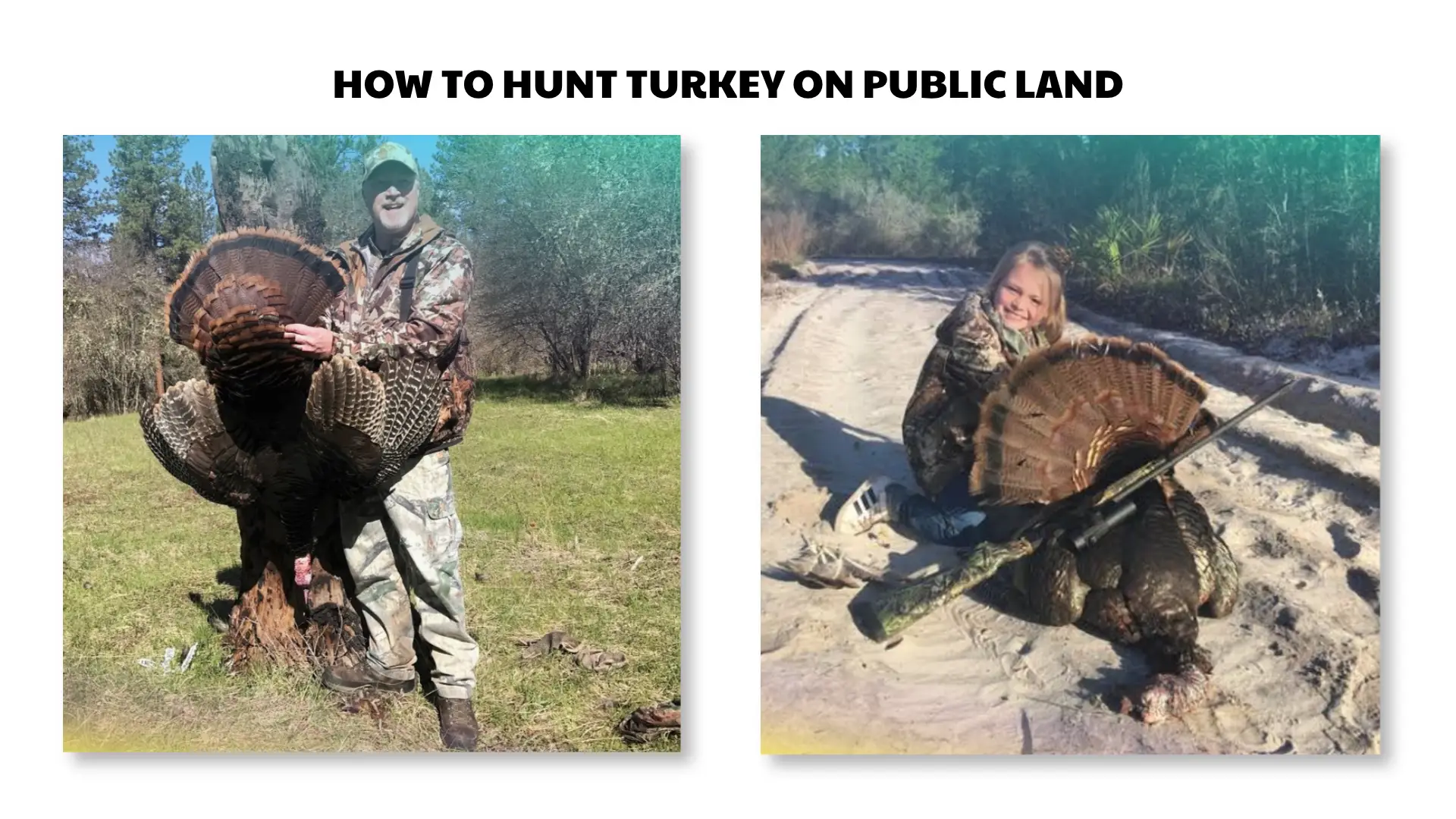

Learning how to hunt turkey on public land is one of the most rewarding challenges in spring hunting. Public land turkeys are often pressured, cautious, and quick to react to noise, movement, and poor setups. That does not mean beginners cannot succeed. It means preparation, scouting, patience, safety, and ethical decision-making matter more than shortcuts.
This guide explains the public land turkey hunting process from the ground up. You will learn how to check regulations, find legal access, scout for turkey sign, understand basic turkey behavior, choose practical gear, use safe setups, avoid common mistakes, and handle the after-hunt responsibilities in a respectful way. The goal is not to promise success. The goal is to help you become safer, more informed, and more effective every time you enter the field.
This article is written for beginners and developing hunters who want a clear, responsible approach to wild turkey hunting on shared public ground. Always verify current rules with your official wildlife agency before hunting because season dates, permit requirements, bag limits, legal methods, access rules, and reporting requirements vary by location.
Quick Answer
To learn how to hunt turkey on public land, start by checking current hunting regulations, securing the proper license and turkey permit, studying public land maps, scouting for roosts and feeding areas, and setting up safely before legal shooting hours. Use calling sparingly, stay still, keep your back protected by a wide tree or safe cover, and only take a legal and ethical shot when the bird is clearly identified and the background is safe. Public land turkey hunting takes patience because pressure can change bird behavior, but careful scouting and responsible fieldcraft can improve your chances over time.
Important Legal and Safety Notice Before You Hunt
Hunting regulations vary by country, state, province, county, wildlife management unit, season, land type, and weapon type. Before hunting, check your official wildlife agency for current license, permit, tag, season, legal hours, weapon, bag limit, public land access, harvest reporting, and transport rules. Do not rely on old articles, social media posts, or advice from another region as your only source of legal information.
- Valid hunting license and any turkey-specific permits required in your area
- Tags, check-in systems, harvest reporting, or physical validation rules
- Legal season dates, legal hunting hours, and daily or seasonal bag limits
- Legal weapons, ammunition, archery equipment, and shot size rules if applicable
- Public land boundaries, access points, parking rules, and restricted areas
- Required visibility clothing, blaze orange rules, or special public land safety requirements
- Safe firearm or bow handling, safe transport, and safe storage before and after the hunt
- Weather awareness, navigation planning, first aid, emergency contacts, and communication plan
Understanding the Game Species and Its Habitat
The game species in this guide is the wild turkey. Wild turkeys are social birds with strong eyesight, sharp hearing, and seasonal movement patterns. In many regions, spring hunting focuses on gobblers during the breeding season, while fall hunting may involve different behavior and different legal rules. Always confirm what sex and age class is legal where you hunt.
Turkeys commonly use roost trees overnight, then move to feeding, strutting, loafing, and travel areas after fly-down. They may feed in openings, oak flats, field edges, logging roads, creek bottoms, ridges, agricultural edges, and other habitat depending on local food sources and pressure. Public land birds may avoid obvious trails and heavily used access points, especially after opening weekend.
Beginner hunters should learn to recognize turkey sign such as tracks, droppings, feathers, scratching in leaf litter, dusting areas, wing drag marks, gobbling activity, and travel routes between roosting and feeding areas. Sign does not guarantee a bird will appear, but it helps you build a plan that is based on evidence rather than guessing.
What You Need Before You Start
- Valid hunting license, turkey permit, required tags, and current regulation knowledge
- Legal shotgun, muzzleloader, bow, crossbow, or other method allowed in your area
- Turkey calls such as box call, slate call, mouth call, or simple beginner-friendly friction call
- Turkey decoys if legal and useful, carried and positioned with safety in mind
- Camouflage or earth-tone clothing suited to the local rules and environment
- Required visibility clothing if your agency requires it while moving or during certain seasons
- Weather-appropriate clothing, waterproof boots, gloves, face covering, and rain protection
- Comfortable seat, cushion, small pack, headlamp, and basic repair items
- Navigation tools such as paper map, compass, GPS, or hunting app with offline maps
- First aid kit, water, snacks, emergency communication, and a plan shared with someone you trust
- Binoculars for safe observation without pointing a firearm or bow at anything
- Game bags, gloves, cooler, and basic meat care supplies if you legally harvest a turkey
How To Hunt Turkey On Public Land: Step-by-Step Guide
Step 1: Check Local Hunting Laws First
Start with your official wildlife agency website or printed regulation booklet. Verify license requirements, turkey permits, season dates, legal hunting hours, bag limits, legal weapons, ammunition or archery rules, decoy rules, calling restrictions if any, public land unit rules, and harvest reporting requirements. Regulations can change from year to year, so confirm them before each season.
Step 2: Learn the Turkey’s Patterns
Study how turkeys use roost trees, feeding areas, strutting zones, ridges, creek bottoms, field edges, and travel corridors. In spring, gobblers may respond to hens, calling, weather, pressure, and breeding activity. In pressured public areas, birds may go quiet or take less obvious routes, so learn to hunt sign as well as sound.
Step 3: Choose a Legal Hunting Area
Use official public land maps, wildlife management area maps, national forest maps, county GIS tools, or reputable hunting apps to confirm legal boundaries. Identify parking areas, closed zones, private inholdings, roads, trails, water crossings, and safe exit routes. Do not cross private land unless you have clear permission.
Step 4: Scout Before the Hunt
Scout before the season when legal and practical. Listen for gobbles from a distance at dawn or evening, look for tracks in mud or sand, check field edges for droppings and feathers, and mark scratching in leaves. Avoid bumping birds repeatedly; the goal is to learn their pattern without educating them.
Step 5: Prepare Your Gear Safely
Pattern your shotgun or practice your bow before the season according to legal and manufacturer guidance. Check your calls, pack, seat, light, batteries, map, first aid kit, water, and weather layers. Keep firearms unloaded until legal and safe to load, and transport all equipment according to your local laws.
Step 6: Plan for Wind, Weather, and Entry Route
Turkeys rely heavily on sight and hearing, but wind and weather still matter. Wind can make calling harder to hear, rain can move birds toward openings in some areas, and cold or stormy weather may reduce activity. Plan a quiet entry route that avoids walking through the exact area where birds are likely to be roosted or feeding.
Step 7: Set Up Carefully
Choose a setup with a wide tree or safe back cover behind you, clear visibility in front, and no unsafe shooting direction toward roads, trails, buildings, livestock, vehicles, or other hunters. If using decoys, place them where they do not create unsafe confusion for other hunters. On public land, assume other people may be nearby even if you cannot see them.
Step 8: Stay Patient and Observe
After setting up, stay still and listen. Turkeys may approach silently, circle the setup, or pause out of sight for long periods. Avoid unnecessary movement, keep calls realistic, and use binoculars to identify movement safely. Patience often matters more than constant calling.
Step 9: Take Only a Safe, Legal, and Ethical Shot Opportunity
Only act when the turkey is clearly identified as legal, the background is safe, the distance is within your practiced ability, and no person, road, trail, building, livestock, or vehicle is in danger. Never shoot at sound, movement, or color alone. If the shot is uncertain or unsafe, pass and learn from the encounter.
Step 10: Follow Legal Recovery and Reporting Rules
After a legal harvest, follow your agency’s tagging, validation, check-in, and reporting rules exactly. Keep your firearm or bow safe, stay aware of other users, and move deliberately. If recovery is uncertain, follow legal and ethical guidance from hunter education resources or contact local authorities when appropriate.
Step 11: Handle the Game Responsibly
Use clean tools, gloves, and a cooler plan to care for meat responsibly. Keep the bird clean, cool, and legally tagged during transport. Respect the animal by using as much of the harvest as practical and following all transport and possession rules in your area.
Best Time, Place, and Conditions for This Hunt
The best time to hunt turkey on public land depends on your local season, legal hunting hours, weather, and bird behavior. Many hunters focus on early morning because turkeys often leave roosts after daylight, but mid-morning can also be productive when pressured birds separate from hens or move between feeding and loafing areas. Always follow the legal hunting hours for your state or province.
Good public land places include overlooked ridges, benches, creek crossings, field corners, oak flats, old logging roads, and areas that require a longer or quieter walk than the obvious spots. Pressure matters. Birds near easy parking areas may hear too much calling and see too much movement, while birds farther from access may behave more naturally.
Weather can change the plan. Wind can make gobbling and calling harder to hear. Rain may push birds toward openings where they can see better. Warm, calm mornings often make listening easier, but no condition guarantees success. Scout locally and adjust based on what the birds actually do.
Helpful Tips for Better Results
- Start with current regulations before choosing a location or method.
- Use maps to find legal access points that other hunters may overlook.
- Scout more than one area so you have a backup when pressure is heavy.
- Call less than you think you need to when birds are close or pressured.
- Set up with a safe backstop and a wide tree behind you when possible.
- Be patient after a gobbler goes quiet because he may still be approaching.
- Use binoculars for identification instead of pointing a firearm at movement.
- Respect other hunters and avoid crowding someone already working a bird.
- Leave the area cleaner than you found it and report illegal activity to proper authorities.
Common Mistakes to Avoid
Many public land turkey mistakes come from rushing. Beginners may hear one gobble, hurry straight toward it, bump the bird, and accidentally crowd another hunter. Slow down, think about access, and choose a safe setup before calling.
- Not checking current regulations before the hunt
- Hunting without the proper license, permit, tag, or access permission
- Assuming all public land is open to every hunting method
- Crossing private property without written or clearly understood permission
- Calling too loudly or too often when birds are close
- Moving after a turkey has already seen or heard something suspicious
- Setting up without considering trails, roads, houses, or other hunters
- Taking an unsafe or uncertain shot opportunity
- Leaving too early when a silent bird may still be approaching
- Forgetting water, navigation, weather layers, or emergency communication
- Failing to follow tagging, reporting, and transport rules after a harvest
Troubleshooting Common Problems
| Problem | Possible Cause | What to Do |
|---|---|---|
| You are not hearing gobbles | Weather, pressure, timing, or birds using a different area | Listen from multiple legal points, scout sign, and avoid relying only on sound. |
| You are not seeing turkeys | Poor setup, wrong travel route, heavy pressure, or limited scouting | Move your plan closer to fresh sign, feeding areas, or quieter access points. |
| Birds answer but will not come closer | Hens, terrain barriers, pressure, or too much calling | Call less, reposition legally and safely, and avoid pushing too close. |
| Other hunters are nearby | Popular access point or obvious gobbling bird | Stay calm, avoid unsafe directions, communicate respectfully, and choose a backup area. |
| You are unsure about boundaries | Map confusion, poor signage, or private inholdings | Do not guess. Check official maps, GPS, signage, and agency resources before entering. |
| Bad weather changes activity | Wind, rain, storms, heat, or cold front | Prioritize safety, adjust calling volume, watch openings, and leave during unsafe weather. |
| Gear fails in the field | Unchecked calls, batteries, optics, pack, or weapon preparation | Inspect gear before the hunt and carry simple backups for essential items. |
| Visibility is poor | Fog, low light, thick cover, or unsafe background | Do not take uncertain shots. Wait for clear identification and a safe background. |
| You feel nervous before the shot | Inexperience, lack of practice, or excitement | Breathe, slow down, confirm legality and safety, and pass if you are not confident. |
| Recovery is uncertain | Poor observation, difficult terrain, or limited experience | Follow legal guidance, mark the location, seek ethical help, and avoid careless searching that creates safety risks. |
Ethical Hunting and Conservation
Ethical hunting means following the law, respecting wildlife, respecting other people, and making decisions that reduce waste and unnecessary risk. Public land belongs to many users, including hunters, hikers, birders, anglers, land managers, and nearby communities. Your conduct in the field affects how hunting is viewed by others.
Practice before the season, pass on unsafe or uncertain opportunities, recover and report game according to the law, and use the harvest responsibly. License fees and conservation funding support wildlife management, habitat work, access programs, and education. Responsible hunters help protect that system for the future.
When to Get More Training or Professional Guidance
Beginners should seek more training when they are unsure about safe firearm or bow handling, local laws, land boundaries, turkey identification, ethical shot decisions, or meat care. Hunter education courses, official wildlife agencies, certified instructors, ethical mentors, local conservation organizations, and reputable hunting clubs can help you learn safely.
- You have never handled a firearm or bow in a hunting context.
- You have not completed a hunter education course.
- You are unsure about legal seasons, permits, or land access.
- You do not understand public land boundaries or nearby private property.
- You are not confident in safe shooting or target identification.
- You are hunting unfamiliar terrain or remote public land.
- You need help with legal recovery, reporting, meat care, or transport rules.
After the Hunt: Follow-Up, Gear Care, and Learning
After the hunt, unload and store firearms or bows safely according to the law and manufacturer guidance. Clean and dry calls, boots, clothing, optics, and packs. Check for ticks, burrs, moisture damage, and missing gear. If you harvested a turkey, complete all legal reporting and keep the meat cool and clean.
Keep a simple hunting journal. Record weather, wind, gobbling activity, sign, pressure, access route, setup location, what worked, and what failed. Over time, these notes become more valuable than random tips because they reflect your local public land conditions.
Recommended Hunting Gear and Tools to Consider
You do not always need expensive gear to hunt responsibly. Choose gear based on your local laws, hunting method, terrain, weather, safety needs, skill level, and budget. No product guarantees success, and safe judgment matters more than gear.
- Legal hunting weapon or method allowed in your area
- Turkey calls that you can use confidently and realistically
- Public land map, compass, GPS, or offline hunting app
- Quality boots for walking quietly and safely through your terrain
- Weather-appropriate clothing and required visibility gear
- Binoculars for observation and safer identification
- Comfortable seat or cushion for patient setups
- First aid kit and emergency communication
- Headlamp or flashlight for legal low-light travel
- Game bags, gloves, cooler, and meat care supplies if relevant
Final Thoughts
Learning how to hunt turkey on public land is a process of preparation, observation, patience, and restraint. Start with the law, choose legal access, scout carefully, set up safely, call realistically, and only take opportunities that are legal, safe, and ethical. Public land can be challenging because birds and hunters both move, but careful planning helps you avoid many beginner mistakes.
The best turkey hunters are not the ones who rush every gobble. They are the ones who respect wildlife, respect other users, know when to move, know when to sit still, and know when to pass. Use this guide as a starting point, then keep learning from official education, ethical mentors, and your own field notes.
FAQs
1. How long does it take to learn how to hunt turkey on public land?
Most beginners need more than one hunt to feel confident. You can learn the basics in a few evenings of regulation study, map review, calling practice, and scouting, but public land turkey hunting improves with repeated experience. Focus first on safety, legal access, reading sign, and understanding bird behavior rather than measuring success only by harvest.
2. Do I need a hunting license to hunt turkey on public land?
In most places, yes. You usually need a valid hunting license and may also need a turkey permit, tag, stamp, or harvest authorization. Requirements vary widely, so check your official wildlife agency before buying gear or planning a hunt.
3. Do turkey seasons vary by location?
Yes. Turkey season dates, legal hunting hours, bag limits, and legal methods vary by state, province, unit, and sometimes by public land area. Always verify the current season before hunting.
4. What is the best time of day to hunt public land turkeys?
Many hunters start before daylight and listen near likely roost areas, but mid-morning can also be useful when birds move after initial breeding activity. Follow legal hunting hours and adjust based on local pressure and bird behavior.
5. Where should a beginner start scouting for turkeys?
Start with legal public land maps and look for habitat variety: ridges, field edges, creek bottoms, oak flats, openings, old roads, and roosting trees. Then confirm the area with tracks, droppings, feathers, scratching, and gobbling activity.
6. How do I find public land that is legal to hunt?
Use official wildlife agency maps, public land websites, national forest or wildlife management area maps, and local regulation booklets. Confirm boundaries, access points, parking, closures, and special rules before entering.
7. Can I cross private land to reach public land?
Only if you have permission from the landowner or a legal public access route. Public land behind private land does not automatically allow trespass. When in doubt, choose another access point or contact the proper agency.
8. What basic gear do I need for public land turkey hunting?
You need the proper license and permits, legal hunting method, navigation tools, safety gear, weather-appropriate clothing, water, first aid kit, turkey call, and a way to care for meat if you harvest a bird. Keep your kit practical and manageable.
9. Do I need camouflage for turkey hunting?
Camouflage can help because turkeys see movement very well, but local safety rules come first. Some areas require visibility clothing while moving or during certain seasons. Check regulations and prioritize safe identification by other hunters.
10. Should beginners use turkey decoys?
Decoys can help in some situations, but they can also create safety concerns on public land if other hunters mistake them for real birds. Use decoys only where legal, place them carefully, and avoid carrying exposed realistic decoys where other hunters may see them.
11. What type of turkey call is easiest for beginners?
Many beginners start with a box call or pot call because they are easier to learn than a mouth call. Practice simple yelps, clucks, and purrs before the season, and avoid calling constantly in the field.
12. Can calling too much hurt my chances?
Yes. Pressured public land birds often hear a lot of calling. Calling too loudly or too often may make a turkey suspicious. Use calling to create interest, then be patient and listen.
13. What turkey signs should I look for?
Look for tracks, droppings, feathers, scratching in leaves, dusting areas, strut marks, and repeated movement between roosting and feeding areas. Fresh sign near safe access can be more valuable than old sign near crowded parking.
14. How important is roosting information?
Roosting information can help you plan a morning setup, but do not get too close and bump birds out of the area. Listen from a distance and plan a safe route that avoids disturbing them before legal hunting time.
15. What should I do if another hunter is already in my spot?
Respect their space and move to your backup area. Do not crowd them, walk into their setup, or try to call the same bird from close range. Public land works best when hunters communicate respectfully and prioritize safety.
16. How far should I walk from the parking area?
There is no universal distance. Some birds use areas close to access, while others avoid pressure. The better question is whether you can find fresh sign, legal access, and a safe setup away from unnecessary disturbance.
17. Is public land turkey hunting harder than private land hunting?
It can be harder because of hunting pressure, shared access, and unpredictable human movement. However, public land also offers opportunity for hunters who scout carefully, plan backups, and stay patient.
18. How do I avoid other hunters on public land?
Use maps to find secondary access points, scout less obvious habitat, avoid crowding gobbles near parking lots, and maintain safe awareness. If you see a vehicle at a small access point, consider using another plan.
19. What firearm safety rules matter most for turkey hunting?
Treat every firearm as loaded, keep the muzzle pointed in a safe direction, keep your finger off the trigger until ready, identify the target and what is beyond it, and never shoot at sound or movement. Follow hunter education guidance and local laws.
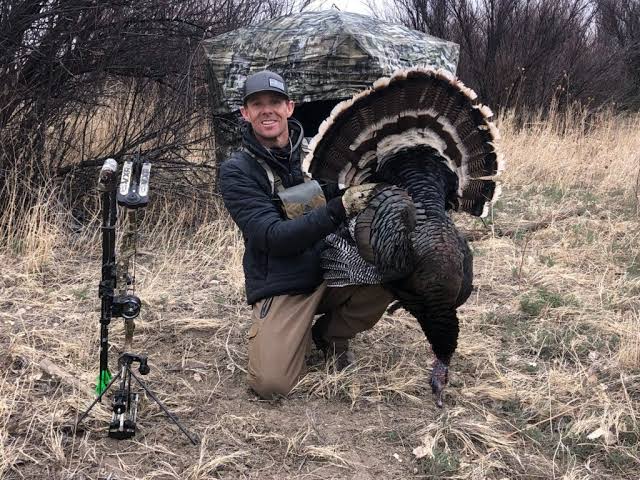
20. Is bowhunting turkey on public land safe for beginners?
It can be done safely by trained and practiced hunters, but beginners need strong bow handling skills, legal equipment, broadhead safety, range discipline, and patience. Know your effective range and pass on uncertain opportunities.
21. Should I use a blind for turkey hunting?
A blind can help hide movement, especially for bowhunters, but it adds weight and setup time. On public land, place blinds legally, mark them if required, and do not block trails or create conflicts with other users.
22. What is a safe turkey hunting setup?
A safe setup gives you back cover, clear visibility, a safe shooting direction, and awareness of roads, trails, buildings, livestock, vehicles, and other hunters. Many hunters sit against a wide tree to protect their outline and back.
23. Why is target identification so important?
Turkeys share woods with people, pets, livestock, and other wildlife. You must clearly identify a legal turkey and confirm a safe background before taking any shot. Never shoot at a gobble, rustle, silhouette, or unclear movement.
24. What should I do if a turkey approaches silently?
Stay still, keep your equipment controlled, and confirm the bird is legal and safe before making any decision. Turkeys often approach quietly, especially on pressured land.
25. How does weather affect turkey hunting?
Wind can reduce hearing and make calling harder. Rain can change where birds feed or travel. Storms create safety risks. Adjust your plan, but never stay in unsafe weather just to keep hunting.
26. Does wind direction matter for turkey hunting?
Turkeys do not rely on scent like deer, but wind still affects calling, hearing, comfort, and movement noise. Wind can also make it harder to detect other hunters or birds, so stay extra aware.
27. Do I need scent control for turkey hunting?
Scent control is usually less important for turkeys than for deer, but clean clothing and low-impact movement still help. Focus more on staying still, quiet, and visually hidden.
28. How much should I practice before turkey season?
Practice enough to use your legal hunting method safely and confidently within your ability. Shotgun hunters should understand patterning and safe handling. Bowhunters should know their effective range and broadhead safety.
29. What is an ethical shot opportunity?
An ethical opportunity is legal, safe, within your practiced ability, and taken only after clear target identification and a safe background check. If you are unsure, do not shoot.
30. What should I do after harvesting a turkey?
Follow tagging, validation, reporting, and transport rules immediately. Keep the bird clean and cool, handle meat responsibly, and record lessons from the hunt for future improvement.
31. Do I have to report a turkey harvest?
Many areas require harvest reporting, check-in, tagging, or electronic validation. Rules vary, so check your official wildlife agency and follow the required process.
32. How do I care for turkey meat after the hunt?
Keep meat clean, cool, and protected from contamination. Use clean tools and gloves, follow transport rules, and process or refrigerate the meat as soon as practical.
33. What if I miss or make a poor shot?
Stay safe, follow legal and ethical recovery guidance, and learn from the experience. Do not rush into unsafe terrain or ignore reporting rules. More practice and restraint can help prevent future problems.
34. Can I hunt turkey near hiking trails?
You must follow local rules and safety principles. Avoid unsafe shooting directions toward trails, roads, homes, or people. On shared public land, choose setups that reduce conflict and risk.
35. Are electronic calls legal for turkey hunting?
Electronic call rules vary by location and season. Many areas restrict certain electronic devices for turkeys. Check current regulations before using any call beyond traditional manual calls.
36. Are baiting or feeding turkeys legal?
Baiting rules vary widely and are often restricted or illegal for turkey hunting. Never assume baiting is allowed. Check official regulations and avoid any method that violates fair chase or local law.
37. Can I hunt from a vehicle or road?
Road hunting and shooting from vehicles are generally restricted or illegal in many areas, with limited exceptions that vary by law. Follow official regulations and never shoot toward roads or vehicles.
38. How do I know if a turkey is legal to harvest?
Learn your local identification rules before hunting. Some seasons specify bearded birds, gobblers, hens, or other categories. If you cannot clearly identify a legal bird, pass.
39. What should I do if I am unsure about a regulation?
Do not hunt on a guess. Contact your wildlife agency, read the current regulation booklet, speak with a conservation officer, or choose a safer legal alternative.
40. How can a beginner build confidence?
Take hunter education, practice with gear, scout before the season, hunt with an ethical mentor, and start with simple setups. Confidence grows from preparation, not shortcuts.
41. Is it okay to move toward a gobbling turkey?
It can be legal and effective in some situations, but it must be done safely. Avoid stalking sounds or movement on public land because another hunter may be involved. Move only when you can do so legally, safely, and without crowding others.
42. What if a gobbler hangs up out of range?
Stay patient and avoid forcing an unsafe shot. Terrain, hens, pressure, or suspicion may stop the bird. Calling less, waiting longer, or making a future setup adjustment may be better than rushing.
43. How do I choose a backup spot?
Pick several legal areas before the hunt. Look for fresh sign, alternative access, safe parking, and routes away from heavy pressure. Backup plans are essential on public land.
44. Should I hunt opening weekend?
Opening weekend can be exciting but crowded. If you hunt then, plan for pressure, arrive early within legal access rules, and have backup areas. Later days may offer fewer hunters but different bird behavior.
45. What clothing works best for public land turkey hunting?
Use clothing that matches weather, terrain, and legal visibility rules. Quiet fabric, layers, gloves, and face covering can help hide movement, but safety and compliance matter most.
46. How do I stay safe while walking in before daylight?
Use a light when appropriate and legal, know your route, carry navigation tools, avoid unsafe terrain, and tell someone where you will be. Be aware that other hunters may also be moving.
47. Can I use a tree stand for turkey hunting?
Most turkey hunting is done from the ground, but local methods vary. If you ever use an elevated stand for any hunt, use a full-body harness and follow manufacturer safety instructions.
48. What should I pack for emergencies?
Carry first aid, water, snacks, navigation, emergency communication, weather layer, light, and any medicine you need. Public land can feel close to roads but still create real emergency risks.
49. How do I avoid getting lost?
Study maps before leaving, download offline maps, carry a compass, mark parking and access points, and pay attention to terrain features. Do not rely only on cell service.
50. Is turkey hunting expensive to start?
It does not have to be. License, permits, legal equipment, safety gear, navigation, and basic clothing matter more than luxury gear. Buy gradually and prioritize safety and legal compliance.
51. What is the biggest beginner mistake?
The biggest mistake is often skipping preparation. Hunters who fail to check regulations, scout, practice, and plan safe setups are more likely to have poor results or unsafe situations.
52. How do I respect other public land users?
Park responsibly, do not block gates, keep safe distance from others, avoid crowding, pack out trash, and communicate calmly when needed. Public land ethics protect access for everyone.
53. What role does conservation play in turkey hunting?
Responsible hunting supports conservation through license funding, habitat programs, population monitoring, and public support for wildlife management. Ethical hunters follow limits and respect the resource.
54. Can I learn turkey hunting without a mentor?
Yes, but a mentor can shorten the learning curve and improve safety. Official hunter education, agency resources, conservation groups, and reputable instructional materials are helpful when a mentor is not available.
55. How should I use this guide before my first hunt?
Use it as a checklist. Verify laws, choose legal public land, scout, practice, prepare gear, plan safety, and decide in advance that you will only take safe and ethical opportunities.
Read more: How to Hunt Fall Turkey: A Safe Beginner-Friendly Guide