
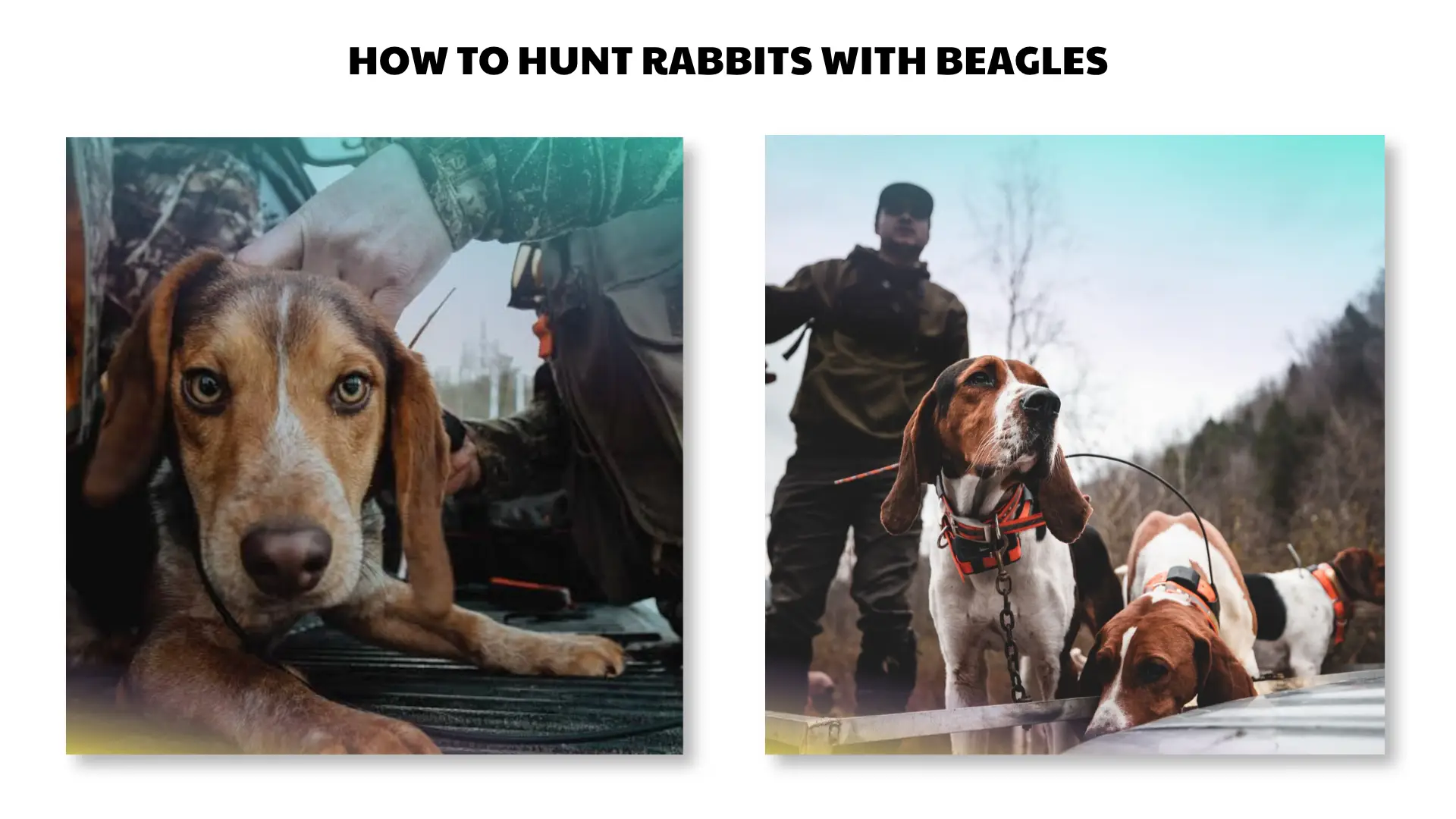

Learn how to hunt rabbits with beagles safely, legally, and ethically, from scouting and dog handling to recovery and field care.
Quick Answer
To hunt rabbits with beagles responsibly, first confirm that rabbit hunting and the use of dogs are legal for the specific land, date, species, and hunting method. Scout brushy edge cover, release only trained and identifiable dogs, and agree on strict zones of fire before the chase begins. Let the beagles work the scent without crowding them, and consider a shot only when the rabbit is positively identified, fully separated from the dogs, legal to take, and backed by a safe area. Patience and controlled dog handling matter more than the size of the pack.
Important Legal and Safety Notice Before You Hunt
Hunting rules vary by country, state, province, county, wildlife-management area, species, season, land ownership, and hunting method. Before every outing, consult the official wildlife agency and the rules for the exact property. Do not assume that last season’s rules still apply.
- Confirm licenses, permits, hunter-education requirements, and any dog-training permits.
- Check rabbit species, open dates, legal hours, bag limits, and harvest-reporting rules.
- Verify whether dogs, electronic collars, firearms, archery equipment, or particular ammunition are legal.
- Obtain clear private-land permission or verify public-land boundaries and access routes.
- Follow blaze-orange or other visibility requirements for hunters and youth participants.
- Keep every firearm pointed in a safe direction and unloaded until the legal hunt begins.
- Identify the target and everything in front of and beyond it; never shoot at sound or movement.
- Carry navigation, water, first aid, communication, weather protection, and an emergency plan.
Beginners should complete a recognized hunter-education course and learn with an experienced ethical mentor. The International Hunter Education Association provides hunter-education resources, but your local wildlife agency remains the authority for current regulations.
How Rabbit Hunting With Beagles Works
A beagle is a scent hound. Instead of relying mainly on sight, it searches for odor left where a rabbit traveled. When the dog finds a workable line, its behavior and voice help the handler understand that a chase has started. The rabbit often uses cover, openings, edges, and familiar escape routes rather than running in one straight line.
The hunter’s job is not to force the chase. It is to choose legal cover, protect the dogs, maintain boundaries, communicate with partners, and remain ready to pass on any opportunity that is unclear. Beagles were bred to work in company, but recall and group control still require serious training.
Understand Rabbit Behavior and Productive Cover
Different rabbit and hare species use different habitat, so identify the legal species in your area before scouting. For many cottontail hunts, productive places are not the largest fields or deepest forests. They are the edges where food and protective cover meet.
Cover Features Worth Scouting
- Brushy fence lines connecting larger patches of cover
- Briar tangles, blackberry patches, and dense young growth
- Overgrown field borders and abandoned farm lanes
- Creek edges, drainage ditches, and brush piles
- Young clearcuts, shelterbelts, and regenerating timber
- Transitions between grass, crop residue, shrubs, and woods
Signs a Beginner Can Learn
Look for fresh tracks in mud or snow, small round droppings, neatly clipped stems, hair on low branches, narrow tunnels through grass, and repeated movement between feeding cover and thicker refuge. One sign alone does not prove that a hunt will be productive. Freshness, abundance, nearby escape cover, and legal access matter together.
Make Sure the Beagles Are Ready
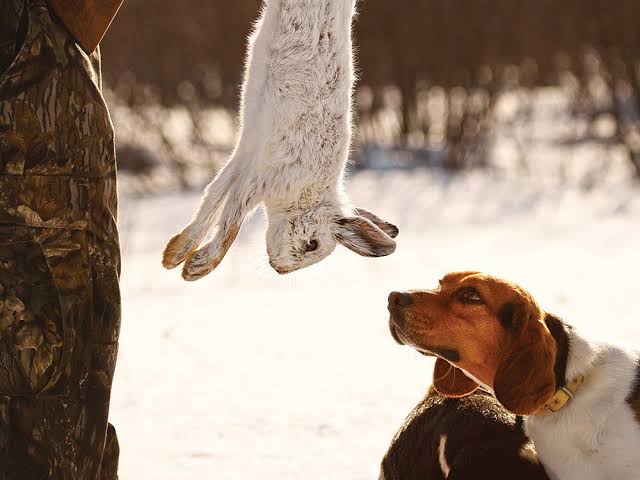
A strong nose does not replace obedience. Before a dog is released around firearms, roads, livestock, property boundaries, or other dogs, it should have reliable basic control and enough conditioning for the weather and terrain.
Minimum Field Skills
- A dependable recall around normal distractions
- Calm loading, unloading, leashing, and kennel behavior
- Comfort with high-visibility identification and tracking equipment
- Experience working scent in controlled, legal training areas
- The ability to disengage from livestock, deer, pets, and other off-game
- Steady behavior around partners without fighting or resource guarding
Do not use live hunting as the first test of a pet beagle’s instincts. Start with obedience, walking control, simple scent games, and supervised sessions with an experienced handler. Positive reinforcement and consistency generally create more reliable control than chaotic correction.
What You Need Before You Start
| Category | Practical Items | Why It Matters |
|---|---|---|
| Legal documents | License, permits, written permission, maps, current regulations | Prevents accidental trespass and helps confirm legal dates, methods, and limits. |
| Hunter safety | Required visibility clothing, eye and hearing protection when appropriate, first aid, communication | Improves recognition, emergency readiness, and group coordination. |
| Dog control | Leashes, ID collars, high-visibility material, tracker where legal, spare battery | Helps recover and control dogs without treating electronics as a substitute for training. |
| Dog care | Water, collapsible bowl, canine first-aid supplies, tick tool, towel, paw supplies | Supports hydration and early care for minor field problems. |
| Navigation | Paper map, compass, GPS or hunting app, charged phone, power bank | Helps confirm boundaries and return routes when visibility or signal is poor. |
| Game care | Clean gloves, legal tagging materials if required, clean bags, cooler and ice plan | Supports lawful reporting, clean handling, and prompt cooling. |
How to Hunt Rabbits With Beagles: Step-by-Step Guide
1 Check the Current Regulations
Confirm the legal rabbit species, season, hours, licenses, dog-use rules, bag limit, firearm or archery restrictions, public-land rules, and reporting requirements. Check whether dog training outside the open season is restricted. Save the regulation page on your phone and carry a backup copy when service is unreliable.
2 Choose a Legal Property With Manageable Risk
For a first hunt, favor a compact property with clear boundaries, limited road exposure, and no nearby livestock or occupied buildings. Avoid a cover simply because it holds rabbits if the dogs could quickly cross a highway, enter posted land, or disappear into unsafe terrain.
3 Scout Before Releasing the Dogs
Walk the perimeter, mark roads, fences, water, cliffs, homes, trails, livestock, and property corners. Look for current rabbit sign and note likely escape routes. Decide where dogs can be leashed safely if they approach a boundary.
4 Inspect Dogs and Equipment
Check each dog’s paws, nails, ears, body condition, collar fit, identification, and tracker charge. Carry a leash for every dog. Do not release a dog that is lame, overheated, sick, poorly conditioned, or unable to respond to basic handling.
5 Conduct a Safety Briefing
Name the hunt leader, review boundaries, set the communication method, and assign limited zones of fire. Agree that any person can call a stop. No one should load or ready hunting equipment until the group is in position and local rules allow it.
6 Start at a Safe, Accessible Edge
Weather and wind influence scent, but dog safety and access are more important than a perfect scenting theory. Begin where handlers can watch the dogs enter cover and where a recall or leash-up is practical. Avoid trampling every likely runway before the dogs work it.
7 Let the Beagles Search Without Micromanaging
Move slowly and give the dogs room to investigate. Constant shouting, rushing through brush, or repeatedly relocating the pack can make it harder for young dogs to settle on useful scent. Watch body language and listen for a change from casual searching to committed trailing.
8 Move to a Safe Observation Position
When a chase develops, choose a place with visibility and a known background rather than following directly behind the dogs. Stay inside your assigned area. Do not climb fences with a loaded firearm, block a partner’s zone, or stand on a road or public trail.
9 Track the Dogs, Not Just the Sound
A beagle’s voice helps indicate the direction of travel, but sound can echo and wind can distort it. Use visual contact, tracking information where legal, and communication with partners. Stop all shooting if the location of any dog or person is uncertain.
10 Take Only a Clear, Legal, Ethical Opportunity
Act only after positively identifying a legal rabbit and confirming a safe path and background. The rabbit must be fully separated from every dog and person. Never shoot into brush, toward sound, over a rise, across a road or trail, toward a building, livestock, vehicle, or uncertain movement. Passing is the correct decision whenever anything is unclear.
11 Regain Control After the Chase
Call or leash the dogs, verify every firearm is handled safely, and account for every person. If the rabbit was not taken, allow the dogs to settle before beginning another cover. If an animal was legally harvested, keep the dogs from damaging or consuming it.
12 Follow Reporting and Meat-Care Rules
Complete any required tagging or reporting. Use clean gloves and tools, avoid animals that appear sick, and cool the meat promptly according to local wildlife and food-safety guidance. Keep dogs away from internal tissues and carcass material, and consult a veterinarian after a concerning exposure.
Best Time, Place, and Conditions
The legally open season controls when you can hunt. Within that season, cooler conditions can reduce heat stress and may make long periods in cover more comfortable for dogs and handlers. Light moisture may help scenting, while hard wind, very dry ground, ice crust, deep snow, or abrupt weather changes can make work difficult.
Early and late legal hours may show more rabbit movement, but dense cover can hold rabbits throughout the day. In pressured areas, success often depends more on finding overlooked edge cover and handling dogs patiently than on following a universal clock.
Private land can offer controlled access and known boundaries, but permission must be explicit. Public land requires careful mapping, respectful parking, awareness of other users, and extra caution around trails and access roads.
Protect the Dogs Throughout the Hunt
Do
- Check collar fit, ID, tracker charge, and recall before release.
- Offer water and rest before the dog appears exhausted.
- Inspect paws, ears, eyes, and skin between covers.
- Carry leashes and know the nearest emergency veterinarian.
- End the hunt for heat stress, lameness, confusion, or poor coordination.
Do Not
- Release dogs beside heavy traffic or unclear property lines.
- Assume a GPS collar makes an unsafe property acceptable.
- Shoot when a dog is near, behind, or hidden with the rabbit.
- Force an unconditioned dog through heat, ice, deep snow, or sharp cover.
- Allow dogs to consume wild-game remains.
Helpful Tips for Better Results
- Start with one experienced dog and one steady younger dog rather than an unmanageable pack.
- Keep a written property map with road crossings, houses, livestock, and no-shoot areas marked.
- Use the same recall and load-up commands at home, in training, and during hunts.
- Pause near the last reliable scent when dogs lose the line; do not trample the check area.
- Rotate short covers instead of exhausting dogs in one unproductive patch.
- Keep partners spread safely but close enough for dependable communication.
- Write down weather, ground conditions, rabbit sign, and dog performance after each outing.
- Judge the day by safe control and learning, not only by the harvest.
Common Beginner Mistakes to Avoid
- Releasing dogs before checking the property: scout roads, boundaries, livestock, hazards, and legal access first.
- Hunting too large a pack: use only the number of dogs you can identify, track, recall, and transport.
- Crowding a check: give dogs quiet time to recover the last line instead of pushing them randomly.
- Ignoring safe zones: every hunter needs a defined direction and clear no-shoot areas.
- Shooting at brush movement: identify the animal completely and verify separation from dogs.
- Assuming electronics solve control problems: trackers help locate dogs but do not create recall or judgment.
- Overworking dogs: enthusiasm can continue after a dog becomes dangerously hot or fatigued.
- Forgetting the return plan: know how to leash dogs at boundaries and how to reach a veterinarian.
- Skipping game care: bring clean handling supplies and a cooling plan before the hunt starts.
Troubleshooting Common Problems
| Problem | Likely Causes | Responsible Response |
|---|---|---|
| The dogs do not find a rabbit | Old sign, poor cover, heavy pressure, difficult scenting conditions, or limited dog experience | Recheck sign, move to another legal edge, shorten the session, and avoid forcing random pursuit. |
| The pack loses the line | Rabbit doubled back, crossed bare ground or water, mixed with other scent, or reached a disturbed area | Stand quietly near the last honest work, avoid trampling the area, and call off if the line cannot be recovered safely. |
| A dog approaches a road or boundary | Poor cover selection, wide chase, weak recall, or unmarked hazard | Stop all shooting, move to intercept without entering traffic, call and leash the dog, then abandon that cover. |
| A dog runs off-game | Inexperience, poor training, strong distraction, or pack influence | Use recall, end the chase safely, and return to controlled training with an experienced handler. |
| Hunters lose track of one another | Thick cover, weak communication plan, excessive spacing, or terrain | Unload or secure equipment as appropriate, stop the hunt, regroup at the prearranged point, and revise spacing. |
| A hunter cannot see a safe background | Dense cover, low light, rolling terrain, dogs in the line, or another user nearby | Do not shoot. Reposition only when safe, or let the opportunity pass. |
| A dog is overheating or limping | Heat, poor conditioning, dehydration, paw injury, thorn, ice, or strain | End the hunt, cool gradually, inspect safely, provide water, and contact a veterinarian for concerning signs. |
| Property boundaries are uncertain | Outdated map, poor signal, missing signs, or unclear permission | Call the dogs in and leave the uncertain area. Confirm ownership and legal access before returning. |
Ethical Hunting and Conservation
Responsible rabbit hunting is built on restraint. Follow seasons and limits, protect habitat, respect landowners and other users, and never allow excitement to override a safe decision. A rabbit that cannot be identified clearly or separated from the dogs is not an opportunity.
Use the harvest responsibly and avoid waste. Report unusual disease signs to the appropriate wildlife agency. Leave gates as directed, avoid damaging crops or fences, pack out litter, and do not allow dogs to harass livestock, pets, protected wildlife, or game outside legal rules.
License revenue and participation in habitat projects can support wildlife management, but conservation also happens at the property level. Brush piles, native field edges, shelterbelts, and thoughtful mowing can support small-game habitat when created under a suitable land-management plan.
When to Get More Training or Professional Guidance
Seek help before hunting if you have not completed hunter education, have never handled the legal hunting equipment you intend to use, cannot reliably recall your dog, do not understand property boundaries, or are unsure how to care for game meat.
- Use an official hunter-education course for laws, ethics, identification, and safe handling.
- Work with a qualified firearm or archery instructor for equipment fit and practical safety.
- Join a reputable beagle or houndsman club that emphasizes control, legal access, and dog welfare.
- Ask a veterinarian about conditioning, vaccines, parasites, first aid, and local field hazards.
- Contact the wildlife agency or conservation officer for regulation or access questions.
- Use professional emergency services for human emergencies and an emergency veterinarian for serious dog injuries.
After the Hunt: Dog Care, Gear Care, and Learning
- Account for every person, dog, firearm, and piece of tracking equipment.
- Unload, transport, and store firearms according to law and manufacturer instructions.
- Offer water and allow dogs to cool gradually before transport.
- Inspect paws, nails, ears, eyes, mouth, skin folds, and collar areas.
- Remove burrs and ticks safely; seek veterinary care for punctures, eye injuries, breathing trouble, or lasting lameness.
- Clean and dry leashes, collars, trackers, boots, and field clothing.
- Complete any harvest reporting and maintain required records.
- Review what worked, what created risk, and what should change before the next outing.
Frequently Asked Questions
1. Is rabbit hunting with beagles legal everywhere?
No. Laws differ by country, state, province, season, land type, and rabbit species. Verify current rules with the wildlife agency that manages the area, including dog use, licenses, season dates, bag limits, legal methods, hours, and reporting.
2. Do I need a hunting license to hunt rabbits with beagles?
In many places, yes, but requirements vary. Some jurisdictions also require hunter education, a small-game license, landowner permission, or additional permits.
3. Can beginners hunt rabbits with beagles?
Yes, but a beginner should first complete hunter education and go with an experienced, ethical handler. Dog control, safe zones of fire, identification, boundaries, and local rules come first.
4. Why are beagles used for rabbit hunting?
Beagles are scent hounds bred to work in packs and follow ground scent. Their size, endurance, voice, and methodical trailing style can help hunters follow on foot.
5. How many beagles do I need?
One well-trained beagle can work, while a brace or small pack may cover scent more effectively. Beginners are usually better served by one or two controllable dogs than by a large pack.
6. Can I hunt with an untrained pet beagle?
It is not a good idea. A pet without reliable recall, conditioning, and field experience may run toward roads, livestock, posted property, or other hunters.
7. What commands should a rabbit beagle know?
Reliable recall, stop or stay, kennel or load-up, and a command for leaving unwanted scent are especially useful. Consistency and response around distractions matter more than the command words.
8. What habitat is best for cottontail rabbits?
Cottontails often use edge cover where food meets protection, including brushy fence lines, briars, young timber, overgrown margins, creek edges, shelterbelts, and brush piles.
9. What is a rabbit circle?
When pressured, a rabbit may use familiar cover and eventually return toward part of its original area. Hunters often call this a circle, but the route is never guaranteed.
10. Where should hunters stand during a chase?
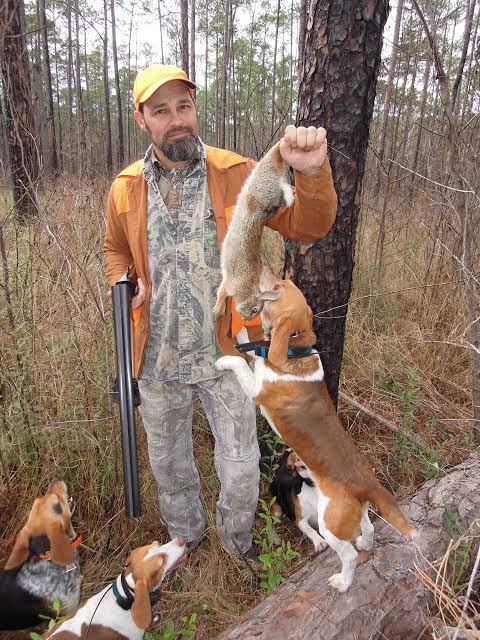
Choose a position with a clear view, safe backstop, and assigned zone of fire that excludes dogs, partners, roads, buildings, livestock, trails, and uncertain movement.
11. How do I create safe zones of fire?
Before starting, assign each hunter a limited direction and identify no-shoot areas. Stop the hunt whenever a dog, person, vehicle, building, livestock animal, or unknown target enters a zone.
12. Should I shoot at movement in thick brush?
No. Never shoot at sound, color, rustling vegetation, or an unidentified shape. The rabbit must be positively identified, legal, fully visible, and separated from the dogs.
13. How do I protect beagles near roads?
Avoid roadside covers, identify crossings before release, use high-visibility identification, maintain recall and tracking capability, and leash dogs before moving between covers.
14. Are GPS dog collars useful?
They can help locate dogs, but they do not replace training, judgment, legal boundary awareness, or identification tags. Confirm local rules and carry charged backup power.
15. Should a beagle wear a high-visibility collar?
Bright, reflective identification can make a dog easier to see. Use field-appropriate equipment that fits correctly and does not create an avoidable snagging hazard.
16. What should I carry for the dogs?
Carry water, a bowl, leashes, identification, a canine first-aid kit, paw supplies, a towel, a tick tool, tracking equipment where legal, and veterinarian-approved medication when needed.
17. How much water do beagles need during a hunt?
Needs vary with temperature, humidity, terrain, pace, conditioning, and the individual dog. Offer small, regular opportunities and stop for signs of heat illness.
18. Can beagles hunt in hot weather?
Hot, humid conditions increase heat-stress risk. Shorten outings, hunt during cooler legal periods, provide shade and water, and stop early when the dog struggles.
19. Can beagles hunt in snow?
Yes, but deep snow, crust, ice, cold water, and road salt can injure paws or exhaust a dog. Match the outing to conditioning and inspect feet often.
20. How does wind affect the hunt?
Wind can move or dry scent and make dogs harder to hear. Treat it as a planning factor for scenting, communication, and comfort rather than a guarantee.
21. What weather supports scenting?
Moderate temperatures and some ground moisture often help, while heat, very dry ground, hard wind, frozen crust, or sudden shifts may make trailing harder.
22. Why do beagles lose a track?
The rabbit may cross bare ground, double back, enter heavy cover, pass through water, or mix scent with other rabbits. Weather, frost, roads, and inexperience also matter.
23. What should I do when dogs lose the line?
Stay quiet, give them room around the last reliable scent, and avoid trampling the check area. If the line cannot be recovered safely, call the dogs in.
24. What if my beagle runs deer or other off-game?
Use trained recall and end the chase safely. Do not shoot toward the dog or off-game. Return to controlled training with an experienced handler.
25. How can I recognize rabbit tracks?
Rabbit tracks often show two larger hind prints landing ahead of two smaller front prints. Compare several prints and look for droppings, clipped stems, and nearby cover.
26. Do I need blaze orange?
Many jurisdictions require or strongly recommend visibility clothing during some seasons. Check the exact rule for garment type, coverage, dates, and land type.
27. Can children join the hunt?
Only when local age, education, supervision, and equipment rules allow it. A youth must remain under direct adult control and receive clear safety instruction.
28. What hunting equipment should a beginner use?
Use only a legal sporting method matched to training, fit, recoil comfort, terrain, and local law. Get hands-on help from a qualified instructor or licensed dealer.
29. How close can a rabbit be to a dog before a shot is safe?
There is no universal safe distance. Do not shoot whenever a dog is near, behind, crossing the line, hidden in cover, or likely to enter the path.
30. What should I do after a legal harvest?
Control the dogs, make the area safe, follow tagging or reporting rules, use clean gloves and tools, and cool the meat promptly under local guidance.
31. Should wild rabbits be checked for disease?
Wear gloves, avoid animals that look sick or behave abnormally, keep dogs from carcass material, and follow wildlife-agency and public-health guidance.
32. How do I care for a beagle after the hunt?
Offer water, cool the dog gradually, and inspect paws, ears, eyes, skin, collar areas, and toes. Contact a veterinarian for serious or persistent problems.
33. How should I train before rabbit season?
Build recall, loading, leash manners, conditioning, and calm handling first. Introduce scent work gradually in legal training areas with short, positive sessions.
34. Can I run beagles outside rabbit season?
Training seasons and dog-running rules vary. Some places restrict pursuit, locations, dates, or whether hunting equipment may be present.
35. Is private land better than public land?
Neither is automatically better. Private land may provide controlled access, while public land can offer opportunity but requires careful mapping and awareness of other users.
36. How do I improve after an unsuccessful hunt?
Record weather, cover, tracks, dog behavior, access issues, and safety concerns. Improve one variable at a time and value controlled dogs and safe decisions.