
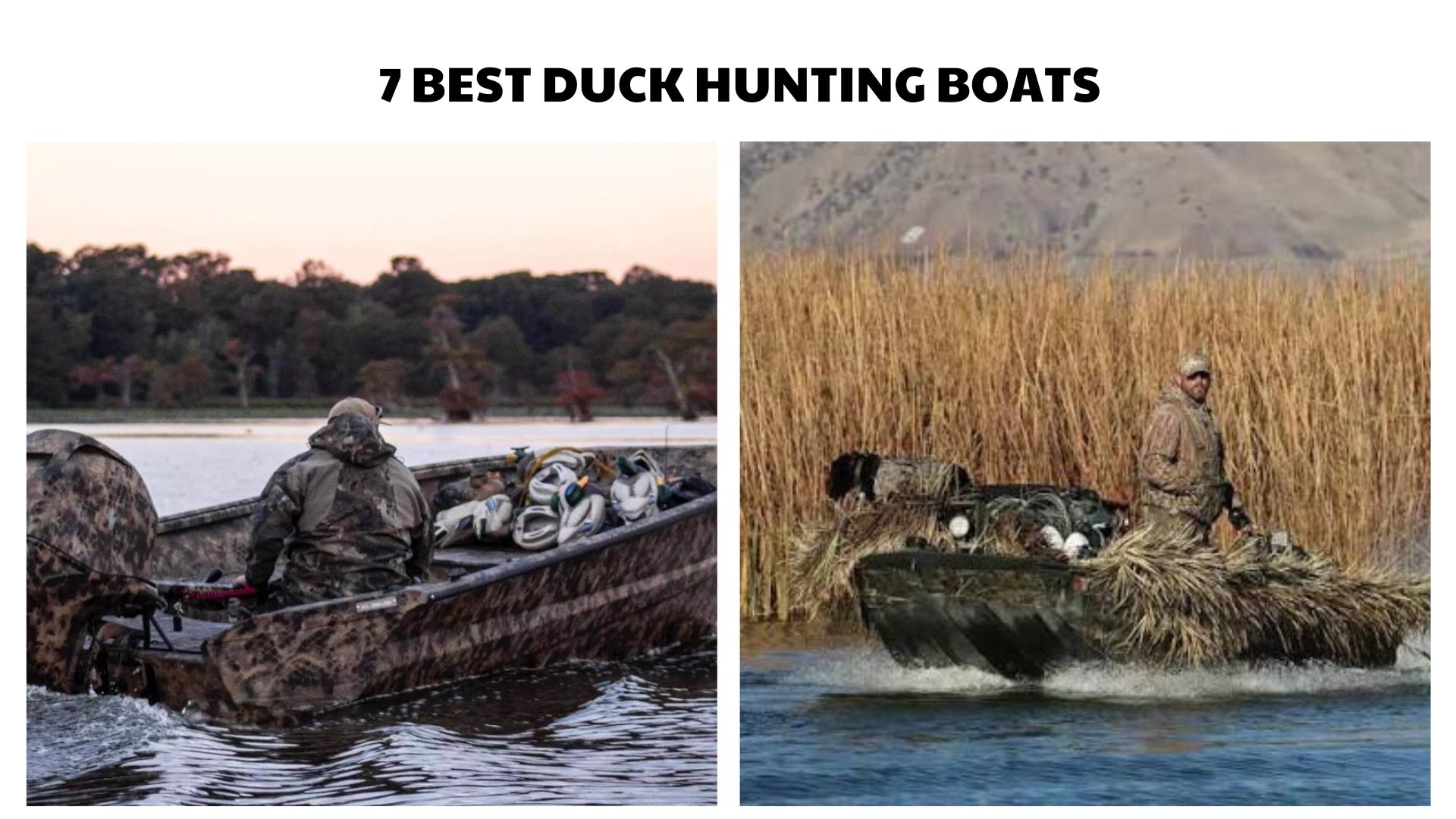

Choosing the best duck hunting boats is not just about finding something that floats. A good waterfowl boat should match your hunting area, water depth, weather, decoy load, transport setup, and personal safety needs.
This guide is written for duck hunters, waterfowl beginners, public-land hunters, and outdoor gear buyers who need a practical boat for calm marshes, ponds, small lakes, shallow backwaters, and protected water. It focuses on portable boats and inflatable kayaks commonly available on Amazon, because many full-size jon boats, custom layout boats, mud boats, and sneak boats are usually purchased through local dealers or specialty manufacturers instead of Amazon.
Important safety note: Inflatable kayaks and portable boats can be useful for scouting, carrying light decoy loads, retrieving gear, and reaching calm-water spots, but they are not a replacement for boating skill, cold-water preparation, a properly fitted PFD, local waterfowl regulations, and good judgment. Always check your state hunting laws, boating rules, public land access rules, motor restrictions, firearm transport rules, and manufacturer instructions before using any boat for duck hunting.
Quick Picks
- Best Overall Portable Option: INTEX Excursion Pro K2 Inflatable Kayak Set
- Best Budget Tandem Kayak: Intex Explorer K2 Inflatable Kayak Set
- Best Solo Lightweight Option: INTEX Challenger K1 Inflatable Kayak Set
- Best Small Inflatable Boat: INTEX Seahawk 2 Inflatable Boat Set
- Best Roomy Inflatable Boat: INTEX Excursion 4 Inflatable Boat Set
- Best Large Inflatable Boat: Intex Excursion 5 Inflatable Boat Set
- Best Heavier-Duty Inflatable Option: Intex Mariner Inflatable Boat Series
Product Comparison Table
| Product | Best For | Key Features | Important Notes | Check Details |
|---|---|---|---|---|
| INTEX Excursion Pro K2 Inflatable Kayak Set | Portable two-person calm-water setup | Two-person inflatable kayak, 400 lb stated capacity, paddles, pump, rod holders | Best for protected water, scouting, light gear, and calm marsh access; not for rough open water | Check Price |
| Intex Explorer K2 Inflatable Kayak Set | Budget tandem paddling | Two-person kayak, 400 lb stated capacity, inflatable seats, pump, paddles | Bright color is visible; concealment may require legal, safe, non-permanent cover | Check Price |
| INTEX Challenger K1 Inflatable Kayak Set | Solo lightweight access | One-person kayak, 220 lb stated capacity, removable skeg, compact carry style | Limited capacity for decoys, blind bag, dog, or heavy cold-weather clothing | Check Price |
| INTEX Seahawk 2 Inflatable Boat Set | Small raft-style boat for calm ponds | Two-person inflatable boat, 520 lb stated capacity, oars, pump, rod holders | Better for short calm-water movement than long paddles or rough windy conditions | Check Price |
| INTEX Excursion 4 Inflatable Boat Set | Extra room for gear and decoys | Four-person inflatable boat, adjustable seats, rod holders, oars, pump | Large inflatables catch wind; use only within safe conditions and rated capacity | Check Price |
| Intex Excursion 5 Inflatable Boat Set | Large calm-water gear hauling | Five-person inflatable boat, large stated capacity, oars, portable raft design | Size helps with room, but wind control, transport, inflation time, and storage matter | Check Price |
| Intex Mariner Inflatable Boat Series | Heavier-duty inflatable use | SuperTough PVC listing language, oars, pump, wear-resistant keel, rod holders | Still an inflatable; avoid sharp stumps, ice, oyster beds, heavy current, and rough water | Check Price |
Best Duck Hunting Boat Reviews
1. INTEX Excursion Pro K2 Inflatable Kayak Set
The INTEX Excursion Pro K2 is one of the strongest portable choices on this list for duck hunters who need a packable kayak-style boat for calm water. It is not a dedicated waterfowl layout boat, but it gives solo or tandem hunters a practical way to move through protected marshes, small ponds, and quiet backwaters when conditions are mild.
Key Features
- Two-person inflatable kayak design with a stated 400 lb capacity
- 3-ply laminate construction with SuperStrong PVC listed by the brand
- Includes paddles, high-output pump, removable skegs, fishing rod holders, and carry bag
- Bow and stern storage areas for light gear
- D-rings for tying down dry bags or small accessories
Pros
- Good balance of portability and usable space
- More gear-friendly than very small one-person inflatables
- Useful for hunters who do not have a trailer or truck bed boat setup
Cons
- Not made for rough open water, high wind, ice, or heavy current
- Inflatables require careful inspection before every trip
- Still limited once you add waders, blind bag, decoys, dog, and cold-weather clothing
Field Notes
This is a practical choice for a hunter who needs a portable duck hunting boat for calm-water access rather than a permanent blind boat. The inflatable design makes transport easier, but it also means you need to avoid sharp brush, hidden metal, stumps, ice edges, and abrasive banks. Use a dry bag, keep weight centered, and never overload the kayak just because the water looks calm at launch.
Safety and Legal Notes
Wear a properly fitted PFD, check local boating laws, and confirm whether hunting from a floating craft is legal in your area. Do not use this kayak in open bays, strong current, big lakes during wind, or cold-water conditions without proper training and safety gear. Always carry communication, a whistle, light, spare paddle, repair kit, and a float plan.
Best For
Best for hunters who need a portable, two-person inflatable kayak for calm marshes, protected ponds, and short-distance waterfowl access.
2. Intex Explorer K2 Inflatable Kayak Set
The Intex Explorer K2 is a budget-friendly tandem inflatable kayak. For duck hunting, it is best viewed as a calm-water access tool, not a rugged hunting boat. It can work for scouting, moving light gear, or reaching a quiet shoreline when the water is protected and the load is modest.
Key Features
- Two-person inflatable kayak with a stated 400 lb maximum weight capacity
- Inflatable seats with backrests
- Includes paddles, high-output pump, grab handles, and repair patch
- Removable skeg for directional tracking
- Compact storage and transport compared with hard-sided boats
Pros
- Affordable entry point for calm-water paddling
- Easy to store for hunters without trailer space
- Good for light scouting and short protected-water access
Cons
- Bright color is not naturally concealed for waterfowl hunting
- Not built for heavy brush, frozen edges, sharp cover, or rough boat wakes
- Limited gear space once two adults are aboard
Field Notes
The Explorer K2 is better for quiet, simple access than for carrying heavy decoy spreads. If you use it around hunting areas, keep concealment safe and legal. Do not paint, modify, or cover it in a way that blocks visibility, creates entanglement, or prevents quick exit in an emergency.
Safety and Legal Notes
Because this kayak is bright and lightweight, it may be highly visible and wind-sensitive. That can be good for safety but less ideal for concealment. Use it only where boating laws, hunting rules, and public land regulations allow. Carry PFDs, a whistle, light, and a backup plan.
Best For
Best for beginners who want an affordable, easy-to-store tandem kayak for calm ponds, small lakes, and mild-water scouting.
3. INTEX Challenger K1 Inflatable Kayak Set
The INTEX Challenger K1 is a lightweight one-person inflatable kayak. It is not the best choice for hunters carrying a large spread, a retriever, or bulky cold-weather gear, but it can be useful for light-duty solo access in very calm water.
Key Features
- One-person inflatable kayak design
- Stated 220 lb weight capacity
- Removable skeg for tracking
- Adjustable seat with backrest
- Includes paddle, pump, cargo net, and carry bag
Pros
- Light and compact for storage
- Budget-friendly option for solo paddlers
- Easy to transport without a trailer
Cons
- Very limited load capacity for duck hunting equipment
- Not a good choice for large decoy bags or a dog
- Best limited to mild, protected water
Field Notes
The Challenger K1 makes the most sense for a hunter who needs to scout a pond, cross a narrow calm channel, or access a shoreline with minimal gear. It is not the right tool for big water, late-season cold-water hunts, heavy loads, or unstable weather.
Safety and Legal Notes
With any one-person inflatable, load discipline matters. Your body weight, waders, coat, blind bag, paddle, emergency gear, and any decoys all count toward usable capacity. If you are near the limit, choose a larger boat instead.
Best For
Best for solo hunters who need a compact, low-cost kayak for very calm water and light gear only.
4. INTEX Seahawk 2 Inflatable Boat Set
The INTEX Seahawk 2 is a small raft-style inflatable boat. Compared with a narrow kayak, it offers a different feel on calm water and may provide more open interior space for a light decoy bag or small gear load. It is still best for protected water only.
Key Features
- Two-person inflatable boat design
- Stated 520 lb weight capacity
- Three air chambers listed by the brand
- Includes oars, high-output pump, fishing rod holders, grab handles, and grab line
- Motor mount fitting listed, though motor use must follow local laws and manufacturer limits
Pros
- Open raft-style layout is simple to load
- More stated capacity than many small one-person kayaks
- Good for short, calm-water movement when properly loaded
Cons
- Can be slow and wind-sensitive
- Not suitable for rough water, heavy current, or sharp marsh cover
- Oar control may be less efficient than a kayak paddle in some conditions
Field Notes
The Seahawk 2 is a calm-water utility option. It may be useful for moving a small amount of gear to a protected shoreline, but it should not be treated like a rugged jon boat. Keep the load balanced, avoid standing, and test the boat before relying on it during a cold morning hunt.
Safety and Legal Notes
If you add a motor mount or motor, check boating registration rules, horsepower limits, waterway restrictions, and manufacturer instructions. Motorizing a small inflatable can change handling, legal requirements, and safety equipment needs.
Best For
Best for hunters who want a simple two-person raft-style inflatable for short, calm-water use and light gear movement.
5. INTEX Excursion 4 Inflatable Boat Set
The INTEX Excursion 4 is a roomier inflatable boat option for hunters who need more open space than a small kayak provides. It is still an inflatable recreational boat, so it is best used on calm, protected water and within the manufacturer’s limits.
Key Features
- Four-person inflatable boat design
- Listing indicates adjustable seats with backrests
- Includes oars and high-output pump
- Fishing rod holders listed
- Roomier interior than compact kayaks
Pros
- More space for light decoy bags and gear
- Can be easier to load than a narrow kayak
- Good for calm ponds and protected backwaters when properly handled
Cons
- Larger inflatables catch more wind
- Inflation, drying, and storage take more time
- Not a substitute for a hard-sided duck boat in rough conditions
Field Notes
This type of inflatable boat is best for hunters who value space and portability over speed. It may carry light hunting gear more comfortably than a small kayak, but it also needs more room to launch, more time to set up, and more attention in windy conditions.
Safety and Legal Notes
Do not assume a large stated capacity means you can overload the boat with people, decoys, wet clothing, firearms, shells, dog, and blind materials. Keep total load conservative, secure sharp items, and make sure every person has a properly fitted PFD.
Best For
Best for calm-water hunters who want extra space for light gear and do not need the speed or durability of a hard-sided boat.
6. Intex Excursion 5 Inflatable Boat Set
The Intex Excursion 5 is the largest inflatable boat option in this list. It can make sense for hunters who need more room for people and gear on calm water, but it also requires more careful planning because larger inflatables can be harder to paddle, harder to control in wind, and slower to set up.
Key Features
- Five-person inflatable boat design
- Large stated capacity in the Amazon listing
- Portable blow-up raft style
- Oars included according to the listing
- Roomy layout for calm-water gear hauling
Pros
- More interior room than small kayaks and two-person rafts
- Useful for light decoy transport on protected water
- Portable compared with a trailer boat
Cons
- Can be difficult to manage in wind
- Not ideal for long paddles or fast water
- Requires more time to inflate, dry, inspect, and store
Field Notes
The Excursion 5 is best treated as a calm-water gear platform, not a stealthy or rugged duck boat. It can help move gear to a shoreline or blind location, but hunters should avoid crowded, windy, icy, or rough-water launches.
Safety and Legal Notes
Large inflatable boats can create a false sense of security. Cold water, wind, hidden debris, and sudden weather changes are still serious risks. Carry a repair kit, emergency communication, lights, whistle, spare paddle, and a plan for getting back if the boat loses air or weather changes.
Best For
Best for hunters who need a larger portable boat for calm-water gear movement and have enough space to inflate, dry, and store it correctly.
7. Intex Mariner Inflatable Boat Series
The Intex Mariner series is a heavier-duty inflatable option compared with many entry-level recreational inflatables. It may be a better fit for hunters who want a more substantial inflatable boat for calm-water gear hauling, but it still requires the same careful safety checks as any inflatable.
Key Features
- Inflatable boat design with SuperTough PVC listing language
- Wear-resistant keel mentioned in the Amazon listing
- Removable fishing rod holders listed
- Heavy-duty grab handle listed
- Includes oars and high-output pump according to the listing
Pros
- More substantial inflatable choice than basic pool-style boats
- Good option for hunters who need portability but want a sturdier design
- Can work for calm, protected marsh access when properly loaded
Cons
- More expensive and heavier than simpler inflatables
- Still vulnerable to punctures, abrasion, ice, and sharp cover
- Not a true replacement for a jon boat, mud boat, or layout boat
Field Notes
The Mariner series is the type of inflatable to consider if you want more structure and room than a simple budget raft. It is most useful where a trailer boat is not practical, but the water is protected enough that an inflatable remains a responsible choice.
Safety and Legal Notes
Inspect seams, valves, floor, keel area, oar locks, and inflation pressure before every outing. Avoid dragging the boat across gravel, stumps, frozen banks, broken reeds, metal, or shell beds. Follow all manufacturer instructions for inflation pressure, motor compatibility, passenger limits, and storage.
Best For
Best for hunters who want a more substantial inflatable boat for calm-water access and light gear hauling.
How to Choose the Best Duck Hunting Boats
Choose the Right Type
The best duck hunting boat depends on where you hunt. A portable inflatable kayak may work for calm ponds and short marsh access. A raft-style inflatable may carry more gear in protected water. A hard-sided jon boat is usually better for shallow-water stability, motors, dogs, and larger decoy loads. A layout boat is a specialized choice for experienced open-water diver hunters with proper support boats and safety planning.
Amazon is better for portable inflatable boats and kayaks. For full-size jon boats, mud boats, sneak boats, and layout boats, you will usually get better advice from local marine dealers, waterfowl boat builders, and experienced hunters who understand your local water conditions.
Match the Boat to Your Hunting Style
For puddle ducks in small marshes, a lightweight kayak or small inflatable may be enough if you carry a modest decoy spread and avoid wind. For bigger lakes, tidal water, rivers, and late-season diver hunting, you should look beyond basic inflatables and consider a more stable, purpose-built boat with the right hull, motor setup, flotation, lights, and safety equipment.
Public-land hunters should also think about carry distance. A boat that looks good online may be frustrating if it is too heavy to drag, too large to inflate before legal shooting hours, or too awkward to hide legally.
Check Capacity Carefully
Capacity is one of the most important buying factors. Your total load includes your body weight, waders, coat, blind bag, firearm or bow when legally transported, shells, decoys, dog, anchor, paddle, motor battery, emergency gear, water, and anything wet at the end of the hunt.
Do not load a boat to its maximum rating just because the listing shows a high number. Duck hunting often happens in cold, low-light, windy, muddy conditions. Leave a safety margin.
Think About Stability
Duck hunters often wear bulky layers and waders, which can make re-entry difficult if a boat capsizes. Wider boats usually feel more stable, but they may be slower and harder to paddle. Narrow kayaks paddle better but can feel less forgiving when loaded with gear.
Never assume a boat is safe to stand in unless the manufacturer clearly says it is designed for that use and you have tested it in safe conditions. For most inflatables and small kayaks, staying seated is the safer choice.
Consider Weight and Packability
A portable boat should be realistic to move in the dark, in mud, and in cold weather. Check the packed size, boat weight, inflation time, drying time, and whether you need a cart. A boat that is easy to carry in summer may feel much harder when you are wearing waders and winter layers.
Look at Materials and Durability
Inflatable duck hunting boats should be treated carefully around sharp reeds, ice, rocks, barbed wire, stumps, metal debris, hooks, dog claws, and rough banks. Thicker materials and reinforced floors may help, but no inflatable is puncture-proof. Hard-sided polyethylene kayaks and aluminum jon boats are usually better for abrasive hunting environments.
Think About Weather Protection
Wind is one of the biggest problems for light boats. Inflatable rafts and tall-sided boats can drift quickly. Cold water is another serious concern. A calm-looking pond can become dangerous if the wind shifts, fog drops visibility, or water temperature is low enough to make self-rescue difficult.
Check Compatibility
Before buying, check compatibility with paddles, oars, motor mounts, trolling motors, batteries, dry bags, decoy bags, anchors, carts, life jackets, lights, and storage space. If you plan to use a motor, confirm the manufacturer’s motor limits and your state’s registration requirements.
Understand Safety and Legal Requirements
Duck hunting from a boat may involve hunting regulations, boating laws, firearm transport rules, public land rules, motor restrictions, shooting-hour limits, access permits, and local waterway rules. Regulations vary by state, refuge, wildlife management area, and water body. Check with your state wildlife agency and local authorities before hunting.
Understand the Product’s Limits
No boat guarantees safety, legal compliance, concealment, or hunting success. A boat is only one part of the system. You still need judgment, practice, cold-water planning, navigation, safe firearm handling, legal access, and a realistic understanding of weather.
Important Hunting, Outdoor, and Boating Safety Tips Before You Buy
- Wear a properly fitted U.S. Coast Guard-approved PFD whenever you are on the water.
- Check state hunting laws, boating laws, public land rules, refuge rules, firearm transport rules, and season regulations before each hunt.
- Do not overload the boat. Count people, dog, decoys, waders, clothing, blind bag, emergency gear, and wet gear weight.
- Practice paddling, turning, stopping, loading, unloading, and re-entry in safe warm conditions before using the boat during a hunt.
- Carry a whistle, waterproof light, communication device, spare paddle, repair kit, first aid kit, dry clothes, and navigation.
- File a float plan with someone who knows where you will launch, hunt, and return.
- Avoid cold-water hunting from small craft unless you have the proper training, clothing, and emergency plan.
- Do not use inflatable boats around sharp ice, broken timber, oyster beds, metal debris, or heavy current.
- Keep firearms unloaded and safely secured during transport, and follow all firearm safety rules and local laws.
- Never mix alcohol or drugs with boating or hunting.
- Use legal navigation lights when required and carry visibility gear for low-light conditions.
- Contact a local wildlife agency, boating authority, or qualified instructor if you are unsure about laws, safety equipment, or boat setup.
Common Mistakes to Avoid
The most common mistake is buying a boat that matches the price but not the water. A cheap inflatable may be fine for a summer pond, but duck hunting often adds cold water, mud, wind, low light, gear weight, and sharp cover.
- Buying only by capacity rating: Maximum capacity is not the same as comfortable hunting capacity.
- Ignoring wind: Light inflatable boats drift quickly and can be hard to control.
- Using recreational inflatables in rough water: Protected water only means protected water.
- Forgetting PFD fit: A life jacket that is too loose may not work correctly.
- Carrying too many decoys: Large decoy bags can overload small kayaks fast.
- Not checking laws: Some areas restrict motors, hunting from boats, access points, or firearm transport.
- Not practicing before the hunt: First use should not be in the dark before legal shooting time.
- Skipping inspection: Valves, seams, floors, oar locks, skegs, and repair kits should be checked before every trip.
- Assuming concealment is more important than safety: Never block your exit, visibility, PFD, or ability to paddle.
Troubleshooting Common Problems
| Problem | Possible Cause | What to Do |
|---|---|---|
| The boat feels unstable | Overloaded, poor weight balance, too much gear, or water conditions too rough | Reduce load, center weight, stay seated, and move to calmer water |
| The boat drifts too fast | Wind, high-sided inflatable design, weak paddling control, or no anchor plan | Hunt calmer conditions, use legal anchoring methods, and avoid exposed water |
| Water gets inside the boat | Splashing, low freeboard, rain, overloaded hull, or poor launch technique | Reduce weight, use dry bags, carry a bailer if appropriate, and avoid waves |
| The inflatable loses pressure | Temperature change, valve issue, puncture, or underinflation | Inspect valves and seams, use the repair kit, and never launch with a suspected leak |
| Paddling is slow | Heavy load, wide raft design, wind, or short oars | Reduce gear, choose shorter routes, and consider a hard-sided kayak or jon boat for longer travel |
| Gear gets wet | No dry bags, poor storage, splashing, rain, or condensation | Use waterproof bags, elevate sensitive gear, and pack spare dry clothing |
| The boat is hard to hide | Bright color, tall profile, or unsafe concealment setup | Use legal natural cover from shore when possible and never cover exits or safety gear |
| Setup takes too long | Large inflatable, cold hands, weak pump, or poor packing system | Practice at home, use a checklist, and choose a smaller boat if setup time matters |
When to Get Professional Help
Contact a local boating authority, state wildlife agency, marine dealer, hunting guide, or qualified boating instructor if you are unsure about boat capacity, legal access, registration, motor rules, PFD requirements, cold-water safety, or whether your boat is suitable for a specific waterway.
Get professional help immediately if your boat has repeated leaks, damaged seams, weak valves, motor-mount problems, structural cracks, or stability concerns. For open water, tidal marshes, large lakes, rivers, ice conditions, or late-season waterfowl hunting, get local expert advice before using a small craft.
Maintenance and Care Tips
- Rinse mud, sand, vegetation, and grit off the boat after each hunt.
- Dry inflatable boats completely before long-term storage.
- Inspect seams, valves, oar locks, skegs, floor, and grab lines before each outing.
- Keep a repair kit, pump, spare valve parts, and patch material with your boat.
- Store inflatables away from direct sunlight, sharp tools, rodents, fuel, and extreme heat.
- Do not drag inflatable boats over gravel, ice, stumps, metal, or shells.
- Check manufacturer instructions for inflation pressure and storage.
- Clean and dry PFDs, paddles, anchors, dry bags, and decoy bags after use.
- Replace damaged safety gear instead of trying to make unsafe repairs.
- Review local boating and hunting rules before each season.
Final Verdict
The best duck hunting boats for most Amazon shoppers are portable, calm-water options rather than true specialty duck boats. The INTEX Excursion Pro K2 is the best overall portable pick because it offers a useful balance of space, portability, and listed features. The Intex Explorer K2 is a budget-friendly tandem choice, while the INTEX Seahawk 2 and larger Excursion models provide raft-style space for protected water and light gear movement.
If you hunt rough water, big lakes, tidal marshes, heavy current, late-season cold water, or large decoy spreads, consider a hard-sided jon boat, purpose-built duck boat, or specialty layout boat from a qualified dealer instead. Whatever you choose, prioritize PFD use, capacity discipline, legal compliance, safe firearm transport, cold-water preparation, and honest judgment over convenience or price.
Frequently Asked Questions
1. What is the best duck hunting boat for most hunters?
For most casual hunters shopping on Amazon, the best option is usually a stable portable kayak or inflatable boat for calm-water access. For serious waterfowl hunting, a hard-sided jon boat or purpose-built duck boat is often better.
2. Are inflatable boats good for duck hunting?
Inflatable boats can be useful for calm ponds, scouting, and light gear transport. They are not ideal for sharp cover, ice, rough water, heavy current, or large decoy loads.
3. Can I hunt ducks from an inflatable kayak?
Only if local laws allow it and conditions are safe. You must also follow firearm safety rules, boating laws, PFD requirements, and manufacturer instructions.
4. What is the safest duck hunting boat?
The safest boat is one that matches the water, load, weather, and operator skill. For many hunters, a stable hard-sided boat is safer than a small inflatable in cold or rough conditions.
5. What size boat do I need for duck hunting?
It depends on people, gear, dog, decoys, and water conditions. A solo hunter with light gear may use a kayak, while two hunters with decoys and a dog often need a larger, more stable boat.
6. Is a kayak or jon boat better for duck hunting?
A kayak is easier to store and paddle into tight spots. A jon boat usually offers better load capacity, stability, motor options, and space for decoys.
7. Are jon boats good for duck hunting?
Yes, jon boats are popular because their flat-bottom design works well in shallow, protected water. They are usually better than inflatables for heavy gear and repeated hunting use.
8. What is a layout boat?
A layout boat is a low-profile boat used mainly by experienced diver duck hunters in open water. It requires serious safety planning and often a support boat.
9. What is a sneak boat?
A sneak boat is a low-profile waterfowl boat designed for concealment and shallow-water movement. Check local laws and safety requirements before using one.
10. Can I use a fishing kayak for duck hunting?
Yes, many hunters use fishing kayaks for calm-water duck hunting access. Make sure the kayak has enough capacity, stability, storage, and legal safety equipment.
11. How much weight capacity do I need?
Add your body weight, clothing, waders, decoys, blind bag, firearm, shells, dog, safety gear, and wet gear. Choose a boat with a comfortable safety margin.
12. Should I stand in a duck hunting kayak?
Only stand if the kayak is designed for standing and you have tested it safely. In most small inflatables, staying seated is safer.
13. Are inflatable kayaks safe in cold water?
Cold water adds serious risk. Use proper cold-water clothing, a PFD, communication gear, and avoid conditions beyond your skill level.
14. What boat is best for shallow marshes?
For shallow marshes, many hunters prefer jon boats, canoes, kayaks, or shallow-draft duck boats. Inflatables can work only where sharp cover and wind are not major issues.
15. What boat is best for public land duck hunting?
The best public-land boat is easy to transport, legal for the area, quiet, stable, and large enough for your gear. Always check access and motor rules.
16. Can I put a trolling motor on an inflatable boat?
Some inflatable boats support motor mounts, but you must follow manufacturer limits, registration laws, and local waterway rules.
17. Do I need to register an inflatable boat?
Registration rules vary by state and often depend on whether the boat is motorized. Check your state boating agency before using a motor.
18. Do I need a life jacket in a duck hunting boat?
Yes. Every person should wear a properly fitted PFD. Some laws require specific PFD types, sizes, or wear rules depending on age, season, and vessel type.
19. Can I carry a dog in an inflatable boat?
You can only do this if the boat has enough capacity and the dog is trained and calm. Dog claws can damage inflatables, so use caution.
20. What boat is best for hunting with a dog?
A stable jon boat or wider hunting kayak is usually better than a small inflatable. Make sure the dog has a safe place to sit and a canine flotation vest if needed.
21. How many decoys can I carry in a kayak?
It depends on the kayak’s usable capacity and storage. Start with a small spread and avoid stacking gear in a way that affects balance.
22. Are inflatable boats quiet?
They can be quiet on calm water, but oars, gear, and rubbing materials can still make noise. Secure loose items before launching.
23. What color boat is best for duck hunting?
Earth-tone, marsh, olive, brown, gray, or camo colors are easier to conceal. Bright boats may be safer for visibility but less natural around waterfowl.
24. Can I camouflage an inflatable boat?
You can use safe, legal, removable concealment, but do not block exits, air valves, visibility, paddling movement, or safety gear.
25. Are bright kayaks bad for duck hunting?
Bright kayaks are more visible. They can still be useful for scouting or access, but they are not ideal if concealment is the main goal.
26. What is the best duck hunting boat for beginners?
Beginners should choose a stable, simple boat for calm water and practice before hunting. Avoid rough water, cold water, and heavy loads while learning.
27. What is the best budget duck hunting boat?
A budget inflatable kayak may work for calm-water access, but a used jon boat may be a better long-term hunting platform if you have storage and transport.
28. Are inflatable boats durable enough for marshes?
They can handle mild conditions, but marshes often have stumps, reeds, metal, ice, and sharp debris. Inspect carefully and avoid dragging.
29. Can I use a canoe for duck hunting?
Yes, canoes can work in calm water, but they can feel less stable with heavy loads. Practice loading, paddling, and entering before hunting.
30. Is a sit-on-top kayak good for duck hunting?
A sit-on-top kayak can be useful because it is easier to enter and exit, but it may expose you to more water and cold. Check capacity and stability.
31. Is a sit-inside kayak good for duck hunting?
Sit-inside kayaks can offer some wind protection, but they may be harder to exit or re-enter. Avoid overloading and practice safety skills.
32. What should I carry in a duck hunting boat?
Carry a PFD, whistle, light, navigation, communication, first aid kit, dry bag, repair kit, paddle or oars, anchor where appropriate, and emergency clothing.
33. Should I use an anchor?
An anchor can help in some calm-water situations, but improper anchoring can be dangerous in current or wind. Learn safe anchoring before relying on it.
34. Can I use a duck boat in rivers?
Only if the boat is suitable for current and you have the skill to handle it. Many inflatable boats are not good choices for moving water.
35. Can I use an inflatable boat in tidal marshes?
Be very cautious. Tides, mud, current, wind, oyster beds, and long distances can make tidal marshes risky for small inflatables.
36. What boat is best for big water duck hunting?
Big water usually requires a larger, more stable, purpose-built boat with proper safety equipment. Basic inflatables are not recommended for big water.
37. Are layout boats safe?
Layout boats require experience, proper support, good weather judgment, and safety planning. They are not beginner boats.
38. Can I shoot from a kayak?
Only where legal and only if it can be done safely. Follow firearm safety rules, keep the muzzle controlled, and never compromise boat stability.
39. How do I transport a duck hunting boat?
Inflatables can go in a vehicle when deflated. Kayaks may need roof racks. Jon boats usually need a trailer or truck-bed setup.
40. How do I store an inflatable duck hunting boat?
Clean it, dry it fully, deflate it according to instructions, and store it away from heat, sunlight, rodents, fuel, and sharp tools.
41. How do I prevent punctures?
Avoid dragging, sharp banks, stumps, ice, hooks, dog claws, and metal debris. Use protective flooring if compatible and inspect before each trip.
42. Do I need lights on a duck hunting boat?
You may need legal navigation lights in low light or darkness. Check local boating rules and carry a waterproof light even when not legally required.
43. Can I use a boat blind on an inflatable?
Only if it is safe, legal, lightweight, and does not block paddling, balance, exits, or visibility. Many inflatables are not ideal for heavy blind frames.
44. What is the best duck boat for small ponds?
A small kayak, canoe, or inflatable may work if the pond is calm and free of hazards. A small jon boat is often more durable for repeated use.
45. What is the best duck boat for two hunters?
Two hunters usually need a larger kayak, raft-style inflatable, canoe, or jon boat with enough capacity for people and gear.
46. What is the best duck boat for one hunter?
A solo hunting kayak, small canoe, or compact inflatable can work for calm water. Choose enough capacity for your clothing, gear, and decoys.
47. How important is boat weight?
Boat weight matters for loading, carrying, dragging, and launching. Choose a boat you can manage safely in mud, cold, and low light.
48. Should I buy a used duck boat?
A used hard-sided boat can be a good value, but inspect hull, seams, transom, registration, trailer, motor, and flotation carefully.
49. Are Amazon duck hunting boats enough for serious hunters?
Amazon options are mostly portable recreational boats. Serious hunters may need a dedicated waterfowl boat from a marine dealer or specialty manufacturer.
50. What is the most common duck boat mistake?
The most common mistake is underestimating gear weight and weather. A boat that feels stable empty may feel very different with decoys, waders, and cold-weather gear.
51. How do I know if my boat is overloaded?
If the boat rides low, handles poorly, takes on water, feels unstable, or exceeds rated capacity, it is overloaded. Reduce weight immediately.
52. Can waders make boating more dangerous?
Waders can make movement awkward and re-entry difficult. Wear a PFD, use a wading belt when appropriate, and practice safe movement.
53. What should I do before the first hunt with a new boat?
Inflate or assemble it at home, check all parts, test it in safe warm conditions, practice paddling, and create a packing checklist.
54. When should I avoid using a small duck hunting boat?
Avoid using small boats in high wind, rough water, strong current, fog, lightning, ice, cold-water conditions beyond your skill, or when overloaded.
55. What is the final rule for choosing a duck hunting boat?
Choose the boat that safely matches your water, weather, load, skill level, and local laws. Safety and legal compliance matter more than price, concealment, or convenience.
Read more: