
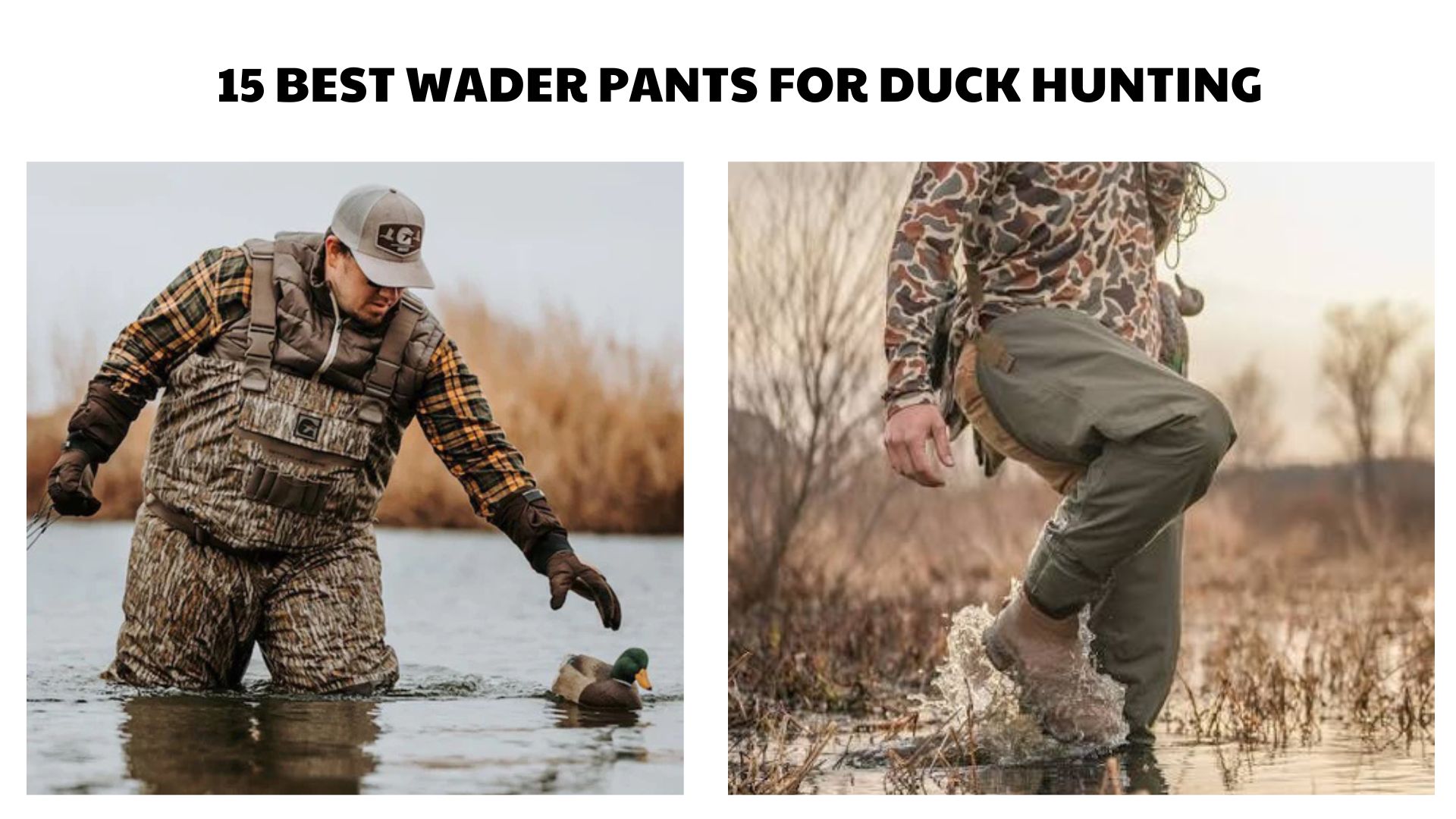
Choosing the best wader pants for duck hunting is one of the most important gear decisions a waterfowl hunter can make. Duck hunting often means standing in marsh water, walking through flooded timber, crossing muddy edges, setting decoys, retrieving birds, breaking thin ice, sitting in cold blinds, and dealing with rain, wind, and changing water levels. A poor pair of waders can leak, restrict movement, make your feet cold, feel too bulky, or fail when you need them most.
The right duck hunting waders should keep water out, fit comfortably over layers, provide enough boot traction, protect against cold water, and handle brush, mud, stubble, and repeated use. Some hunters need breathable bootfoot waders for early season and long walks. Others need 4.5mm neoprene waders with 600G, 800G, 1000G, 1200G, or 1600G insulated boots for cold water. Some prefer chest waders for deeper marshes, while shallow-water hunters may prefer waist waders.
This guide compares 15 Amazon product options for duck hunters and waterfowlers. The comparison focuses on waterproof protection, boot insulation, material thickness, seam construction, puncture resistance, traction, storage pockets, handwarmer pockets, suspenders, wading belt, fit, warmth, durability, brand reputation, customer feedback, and overall value.
Always hunt legally and responsibly. Follow federal, state, and local waterfowl regulations, seasons, limits, licenses, stamps, non-toxic shot rules, firearm transport laws, land access rules, boating safety rules, and ethical retrieval practices. Waders can help you stay dry, but they do not make deep water, current, ice, or cold-water exposure safe. Wear a wading belt, avoid dangerous water, use a personal flotation device when appropriate, and never wade beyond your ability.
Key Takeaways
- Choose insulated bootfoot waders if you hunt cold marshes, flooded timber, icy water, or late-season duck blinds.
- Choose breathable waders if you walk long distances, hunt early season, or need less sweat buildup during active waterfowl hunts.
- Choose reinforced neoprene waders if you want warmth, simple durability, and budget-friendly waterproof protection.
- The best wader pants for duck hunting depend on water depth, temperature, walking distance, boot fit, insulation level, terrain, and how often you hunt.
Quick Picks
Quick Picks:
- Best Overall: TIDEWE Breathable Chest Wader 1600G on Amazon
- Best Budget Neoprene Pick: HISEA 600G Neoprene Hunting Waders on Amazon
- Best Premium Value Pick: Gator Waders Shield Insulated Waders on Amazon
- Best Classic Neoprene Wader: Frogg Toggs Amphib Neoprene Bootfoot Wader on Amazon
- Best Shallow-Water Option: Frogg Toggs Grand Refuge 2.0 Bootfoot Waist Wader on Amazon
Comparison Table: Best Wader Pants for Duck Hunting
| Product | Best For | Material / Build | Insulation / Warmth | Waterproof Protection | Traction / Boot Style | Check Price |
|---|---|---|---|---|---|---|
| TIDEWE Breathable Chest Wader 1600G | Best Overall | Breathable waterproof hunting wader | 1600G insulated boots with insulated liner | Waterproof bootfoot construction | Steel shank boot support | Check Price on Amazon |
| TIDEWE Breathable Chest Wader 1200G | Best Breathable Midweight Pick | Lightweight breathable nylon shell | 1200G insulated boots | Waterproof hunting wader design | Bootfoot with field traction | Check Price on Amazon |
| TIDEWE 600G Neoprene Hunting Waders | Best Value Neoprene Pick | Neoprene bootfoot wader | 600G insulated boots | Waterproof cleated neoprene construction | Cleated bootfoot outsole | Check Price on Amazon |
| TIDEWE 800G Realtree Neoprene Waders | Best Cold-Water Budget Pick | Neoprene camo chest wader | 800G insulated boots | Waterproof neoprene bootfoot design | Camo bootfoot with outdoor tread | Check Price on Amazon |
| HISEA 600G Neoprene Hunting Waders | Best Budget Overall | 4.5mm neoprene laminated to nylon jersey | 600G insulated boots | Double-stitched, bonded, and taped seams | Cleated bootfoot design | Check Price on Amazon |
| HISEA Neoprene Bootfoot Duck Hunting Waders | Best Extra HISEA Option | Neoprene waterproof chest wader | 600G insulated boot option | Bootfoot waterproof construction | Outdoor cleated boot traction | Check Price on Amazon |
| Frogg Toggs Amphib Neoprene Bootfoot Wader | Best Classic Neoprene Wader | 3.5mm neoprene upper | Insulated bootfoot design | Waterproof camo chest wader | Bootfoot wader for waterfowl and fishing | Check Price on Amazon |
| Frogg Toggs Grand Refuge 2.0 Chest Wader | Best Versatile All-Weather Pick | 4-ply polyester upper with reinforced areas | Removable insulated liner and 1200G boots | Taped and sealed seams | Cleated bootfoot outsole | Check Price on Amazon |
| Frogg Toggs Grand Refuge 2.0 Bootfoot Waist Wader | Best Shallow-Water Wader Pant | Bootfoot waist wader with reinforced areas | 5mm neoprene-lined boot | Waterproof waist-height protection | Cleated outsole with wool felt midsole | Check Price on Amazon |
| Drake Waterfowl 3-Layer Breathable Waders | Best Front-Zip Style Pick | 3-layer waterproof breathable fabric | Insulated bootfoot design | Waterproof breathable waterfowl wader | Bootfoot waterfowl design | Check Price on Amazon |
| Gator Waders Shield Insulated Waders | Best Premium Value Pick | Four-layer breathable hunting wader | Insulated for duck holes and blinds | Waterproof breathable construction | Insulated bootfoot waterfowl design | Check Price on Amazon |
| OXYVAN 600G Duck Hunting Waders | Best Big-and-Tall Value Pick | 4.5mm neoprene wader | 600G insulated rubber boots | Stitched, glued, and taped seams | Realtree camo bootfoot design | Check Price on Amazon |
| BASSDASH Men’s Neoprene Waders | Best Camo Fishing/Hunting Crossover | Neoprene camo chest wader | Bootfoot cold-water protection | Waterproof chest wader construction | Rubber bootfoot design | Check Price on Amazon |
| Gonex Neoprene Insulated Bootfoot Waders | Best Affordable Neoprene Alternative | Neoprene bootfoot chest wader | 600G or 800G insulated boot options | Waterproof hunting and fishing design | Breathable bootfoot construction | Check Price on Amazon |
| 8 Fans 1000G Hunting Waders | Best 1000G Insulated Budget Pick | Neoprene bootfoot chest wader | 1000G insulated rubber boots | Waterproof bootfoot wader design | Rubber boot traction for marsh use | Check Price on Amazon |
The strongest choices depend on how you hunt. TIDEWE 1600G and TIDEWE 1200G are good breathable insulated options for hunters who want warmth without the full bulk of old-school neoprene. HISEA, OXYVAN, Gonex, 8 Fans, and Frogg Toggs Amphib are practical neoprene choices for budget-minded hunters who want simple warmth and waterproof protection. Frogg Toggs Grand Refuge 2.0 is a strong all-weather option because of its removable liner and reinforced areas. Gator Waders Shield and Drake Waterfowl are stronger picks for hunters who want a more premium waterfowl-focused setup.
1. TIDEWE Breathable Chest Wader 1600G on Amazon
Short Overview
The TIDEWE Breathable Chest Wader 1600G is the best overall pick for duck hunters who want a warmer breathable bootfoot wader for cold water. It is built for hunters who need waterproof protection, insulated boots, and better comfort than basic PVC waders. The 1600G boot insulation makes it especially useful for late-season marshes, flooded fields, and cold blinds where your feet are the first thing to get uncomfortable. The breathable shell helps reduce the trapped-sweat feeling that can happen with heavy neoprene during longer walks. Steel shank boots add support when walking through mud, uneven bottoms, and flooded cover. This wader is a strong choice for hunters who want warmth and mobility in one setup. It may be more wader than early-season hunters need. For serious waterfowlers who hunt cold water, it is one of the most complete Amazon options.
Key Features
- Breathable waterproof hunting wader construction
- 1600G insulated boots
- Insulated liner for added warmth
- Steel shank boot support
- Designed for duck hunting and cold-water use
Pros
- Excellent warmth for cold duck hunting conditions
- Breathable shell helps during longer walks
- Good support for muddy and uneven water bottoms
- Strong all-around waterfowl value
Cons
- May be too warm for early-season hunts
- Bootfoot sizing must be checked carefully
- Not as premium as top-tier custom waterfowl waders
Who It’s Best For
This wader is best for duck hunters who hunt cold marshes, flooded timber, icy edges, late-season blinds, and wet fields where warmth and waterproof protection matter most.
2. TIDEWE Breathable Chest Wader 1200G on Amazon
Short Overview
The TIDEWE Breathable Chest Wader 1200G is a strong midweight option for hunters who want breathable comfort with serious boot insulation. It is slightly less extreme than the 1600G version, which may make it more versatile for hunters who deal with cool-to-cold water but not constant ice. The lightweight nylon-style shell is more comfortable for walking than many thick neoprene options. This matters when you set decoys, cross shallow water, move through flooded fields, or hike into public-land spots. The insulated boots add warmth for standing in water during morning flights. It is best for hunters who want a balance of warmth, mobility, and waterproof protection. It may still feel warm during early season. For many waterfowl hunters, it is a practical middle ground.
Key Features
- Breathable waterproof chest wader
- 1200G insulated boots
- Lightweight nylon shell
- Designed for cold water and active hunting
- Bootfoot construction for marsh and field use
Pros
- Good balance of warmth and mobility
- More breathable than basic neoprene waders
- Useful for long walks to blinds or public-land spots
- Strong option for mid-to-late duck season
Cons
- Still may be warm for early season
- Less insulation than the 1600G version
- Boot fit should be checked with heavy socks
Who It’s Best For
This wader is best for duck hunters who want breathable insulated bootfoot waders for cold mornings, wet fields, marshes, and moderate late-season waterfowl conditions.
3. TIDEWE 600G Neoprene Hunting Waders on Amazon
Short Overview
The TIDEWE 600G Neoprene Hunting Waders are a strong value pick for hunters who prefer traditional neoprene warmth and simple waterproof construction. The 600G insulated boots make them useful for duck hunting, fishing, and wet cold-weather outdoor work. Neoprene is not as breathable as lightweight shell fabric, but it provides warmth and a familiar flexible feel. These waders are practical for marshes, shallow flooded fields, creek edges, and small-water duck hunting. The cleated bootfoot design helps with mud and uneven footing. They are a good option for hunters who want more insulation than basic PVC waders without moving into expensive premium breathable waders. They may feel warm if you walk long distances in mild weather. For budget-minded duck hunters, this is one of the easiest options to recommend.
Key Features
- Neoprene waterproof chest wader
- 600G insulated boots
- Cleated bootfoot outsole
- Boot hanger included on some versions
- Designed for hunting and fishing use
Pros
- Good budget insulation for duck hunting
- Neoprene provides warmth in cold water
- Cleated boots help in muddy conditions
- Practical for waterfowl and fishing crossover use
Cons
- Less breathable than breathable-shell waders
- Can feel warm during early season
- May not be as light as premium options
Who It’s Best For
This wader is best for budget duck hunters, weekend waterfowlers, small-water hunters, and anyone who wants warm neoprene bootfoot waders without overspending.
4. TIDEWE 800G Realtree Neoprene Waders on Amazon
Short Overview
The TIDEWE 800G Realtree Neoprene Waders are a good cold-water budget choice for hunters who want more boot insulation than many entry-level waders provide. The neoprene construction is warm and flexible, while the Realtree camo pattern fits duck blinds, marshes, reeds, and flooded field edges. The 800G boots are useful for colder water than basic uninsulated bootfoot waders. This wader makes sense for hunters who sit in blinds, set decoys in chilly water, or hunt late fall and early winter. It is still less breathable than a high-end breathable wader, so active hunters should manage sweat carefully. The bootfoot setup is convenient because you do not need separate wading boots. It may not be ideal for very long hikes. For cold-water value, it is a practical TIDEWE option.
Key Features
- Neoprene chest wader construction
- 800G insulated boots
- Realtree camo pattern
- Waterproof bootfoot design
- Built for hunting and fishing conditions
Pros
- More boot insulation than many budget waders
- Good camo for duck hunting cover
- Warm neoprene body construction
- Good value for cold-water hunters
Cons
- Less breathable than shell-style waders
- Can feel warm during long walks
- Not as advanced as premium front-zip waders
Who It’s Best For
This wader is best for duck hunters who want budget-friendly neoprene waders with extra boot insulation for colder marshes and flooded fields.
5. HISEA 600G Neoprene Hunting Waders on Amazon
Short Overview
The HISEA 600G Neoprene Hunting Waders are one of the best budget overall picks because they combine 4.5mm neoprene, insulated boots, and a large customer base. The 4.5mm neoprene body is designed to trap warmth, which helps when standing in cold water during duck season. The seams are positioned around waterproof durability with double stitching, bonding, and taping. The 600G insulated boots provide warmth without making the wader as extreme as heavier 1200G or 1600G models. These waders are useful for duck hunting, fishing, marsh work, and general cold-water use. They are not the most breathable option, so they are better for cool or cold conditions than hot early-season walks. The cleated bootfoot design helps in mud and shallow water. For beginners and budget hunters, HISEA is one of the most popular Amazon choices.
Key Features
- 4.5mm neoprene body
- 600G insulated boots
- Double-stitched, bonded, and taped seams
- Cleated bootfoot construction
- Camo design for hunting and fishing
Pros
- Strong budget value with many customer reviews
- Warm enough for many duck hunting conditions
- Good waterproof seam construction
- Useful for hunting and fishing crossover use
Cons
- Neoprene is less breathable than shell fabric
- May be too warm for early season
- Boot sizing may not fit every foot shape
Who It’s Best For
This wader is best for new duck hunters, budget-minded waterfowlers, weekend hunters, and anyone who wants affordable insulated neoprene bootfoot waders.
6. HISEA Neoprene Bootfoot Duck Hunting Waders on Amazon
Short Overview
The HISEA Neoprene Bootfoot Duck Hunting Waders are a good alternative for hunters comparing HISEA sizing, camo options, and availability. Like the main HISEA 600G model, this option focuses on neoprene warmth, waterproof construction, and bootfoot convenience. It is suitable for duck hunting, fishing, and wet outdoor work where you need chest-height protection. The insulated boot design is useful for cold mud, marsh water, and chilly mornings. The neoprene body provides warmth but can also hold heat during long walks. This wader makes sense for hunters who want a backup pair, a second sizing option, or a different HISEA product page depending on stock. It is not a premium breathable front-zip wader. For basic cold-water hunting use, it is still practical.
Key Features
- Neoprene waterproof chest wader
- Insulated bootfoot construction
- Camo hunting and fishing design
- Chest-height water protection
- Budget-friendly HISEA option
Pros
- Good backup choice for budget hunters
- Warm neoprene body
- Bootfoot design is simple and convenient
- Useful for duck hunting and fishing
Cons
- Less breathable than breathable-shell waders
- Not a high-end front-zip model
- May overlap with other HISEA wader listings
Who It’s Best For
This wader is best for budget hunters who like HISEA waders and want a practical neoprene bootfoot option for cold-water duck hunting.
7. Frogg Toggs Amphib Neoprene Bootfoot Camo Chest Wader on Amazon
Short Overview
The Frogg Toggs Amphib Neoprene Bootfoot Wader is the best classic neoprene wader in this list for hunters who want a recognizable brand and a straightforward waterfowl-ready design. The 3.5mm neoprene upper helps keep water out and adds warmth in cool conditions. The camo pattern works well for duck hunting, fishing, and marsh use. Frogg Toggs has a long rainwear and wader background, which gives buyers more confidence than many unknown brands. This wader is especially useful for hunters who want a simple bootfoot chest wader without paying premium front-zip prices. It may not be as warm as heavier 4.5mm neoprene or heavily insulated boot options. It is also less breathable than shell-style waders. For traditional neoprene performance, it is a strong choice.
Key Features
- 3.5mm neoprene upper
- Bootfoot camo chest wader design
- Waterproof hunting and fishing use
- Classic Frogg Toggs wader construction
- Useful for duck hunting and cool-water wading
Pros
- Recognizable wader brand
- Good classic neoprene warmth
- Practical for duck hunting and fishing
- Less complicated than premium zipper systems
Cons
- Less breathable than breathable waders
- May not be as warm as heavier insulated models
- Bootfoot fit should be checked carefully
Who It’s Best For
This wader is best for hunters who want a classic neoprene bootfoot chest wader from a well-known outdoor rainwear and wader brand.
8. Frogg Toggs Grand Refuge 2.0 Breathable Insulated Bootfoot Chest Wader on Amazon
Short Overview
The Frogg Toggs Grand Refuge 2.0 Chest Wader is the best versatile all-weather pick because it combines breathable construction, reinforced areas, insulated boots, and a removable liner. The removable 120-gram insulated liner makes the wader more adaptable across changing seasons. The 4-ply polyester upper balances durability and breathability, while reinforced shin, knee, and seat areas help in rough marsh use. The 1200G Thinsulate boots are valuable for cold water and late-season duck hunting. Storage features such as chest pockets and a shell-holder-style layout add field convenience. This wader is more feature-rich than many basic neoprene options. It may feel heavier and bulkier than minimalist breathable waders. For hunters who want one wader system across multiple conditions, it is one of the strongest choices.
Key Features
- 4-ply breathable polyester upper
- Removable 120-gram insulated liner
- 1200G Thinsulate boot insulation
- Reinforced shin, knee, and seat areas
- Taped and sealed seams
Pros
- Very versatile across changing weather
- Strong boot insulation for cold water
- Reinforced high-wear areas
- Good storage and field features
Cons
- Bulkier than simple rain pants or light waders
- May be more expensive than entry-level neoprene
- Removable liner adds setup complexity
Who It’s Best For
This wader is best for duck hunters who want a more complete all-season bootfoot wader with removable insulation, reinforced panels, and strong cold-water boots.
9. Frogg Toggs Grand Refuge 2.0 Bootfoot Waist Wader on Amazon
Short Overview
The Frogg Toggs Grand Refuge 2.0 Bootfoot Waist Wader is the best shallow-water wader pant option for duck hunters who do not always need full chest waders. Waist waders are useful for shallow sloughs, flooded field edges, boat launches, decoy setup in shallow water, dog training, fishing, and warm-weather hunts where chest waders feel excessive. This model includes bootfoot convenience, removable suspenders, an adjustable belt, reinforced shin/knee/seat areas, and 5mm neoprene-lined boots. The cleated outsole helps in muddy bottoms and wet ground. It is not the right choice for deep marshes, flooded timber holes, or water that may rise above the waist. However, for shallow water and mobility, it can be more comfortable than chest waders. It also works well for hunters who want wader pants rather than full bib-style chest coverage. For shallow-water duck hunting, it is a smart option.
Key Features
- Bootfoot waist wader design
- Removable suspenders
- Adjustable wading belt
- Reinforced shin, knee, and seat areas
- 5mm neoprene-lined boots with cleated outsole
Pros
- More comfortable than chest waders in shallow water
- Good for decoy setup and fishing crossover use
- Reinforced areas improve durability
- Bootfoot design is convenient
Cons
- Not safe or suitable for deeper water
- Less protection than chest waders
- Cold-water hunters may prefer full chest coverage
Who It’s Best For
This wader is best for shallow-water duck hunters, marsh-edge hunters, dog trainers, anglers, and anyone who wants waist-height wader pants instead of full chest waders.
10. Drake Waterfowl 3-Layer Breathable Waders on Amazon
Short Overview
The Drake Waterfowl 3-Layer Breathable Waders are the best front-zip-style pick for hunters who want a more waterfowl-specific breathable wader system. Drake is a known waterfowl brand, and its wader designs focus on hunters who spend real time in blinds, boats, marshes, and flooded cover. A breathable 3-layer fabric can be more comfortable during long walks than thick neoprene. The front-zip style improves convenience when layering, venting, or getting in and out of waders. These waders are especially useful for hunters who want more field features than a basic budget neoprene pair. They may cost more than entry-level waders and should be sized carefully. As with any front-zip wader, zipper care matters for long-term performance. For serious duck hunters who want a branded waterfowl design, Drake is a strong option.
Key Features
- 3-layer waterproof breathable fabric
- Waterfowl-focused wader design
- Front-zip style convenience
- Bootfoot construction
- Designed for duck blinds, marshes, and wet field use
Pros
- More breathable than neoprene waders
- Waterfowl-focused brand and design
- Front-zip convenience
- Good for serious duck hunters
Cons
- Costs more than budget neoprene options
- Zipper care is important
- Availability and sizing may vary by listing
Who It’s Best For
This wader is best for committed waterfowl hunters who want breathable construction, front-zip convenience, and a wader designed around duck hunting conditions.
11. Gator Waders Shield Insulated Waders on Amazon
Short Overview
The Gator Waders Shield Insulated Waders are the best premium value pick for hunters who want a more advanced breathable insulated wader without going to the very top of the market. The four-layer breathable construction is designed for waterfowl hunters who need durability, comfort, and waterproof protection. The insulated setup is useful in duck holes, blinds, flooded timber, and cold marshes. Gator Waders also appeals to hunters who want a modern fit and waterfowl-focused styling. This wader is better suited for hunters who spend many days per season in the marsh than for someone who hunts only once or twice. It is not the cheapest option, but it offers stronger features than entry-level waders. Fit and boot size should still be checked carefully because bootfoot waders are less adjustable than stockingfoot systems. For regular duck hunters, it is a strong upgraded choice.
Key Features
- Four-layer breathable wader construction
- Insulated waterfowl design
- Waterproof protection for blinds and duck holes
- Modern hunting wader fit
- Mossy Oak Bottomland-style option depending on listing
Pros
- Good premium value for regular waterfowlers
- Breathable construction helps during active hunts
- Insulated for duck-season water
- Stronger feature set than basic waders
Cons
- More expensive than budget neoprene
- Bootfoot fit must be selected carefully
- May be more than occasional hunters need
Who It’s Best For
This wader is best for regular duck hunters, waterfowlers upgrading from budget neoprene, and hunters who want breathable insulated waders with a modern field design.
12. OXYVAN 600G Duck Hunting Waders on Amazon
Short Overview
The OXYVAN 600G Duck Hunting Waders are the best big-and-tall value pick because they are marketed with broader sizing options and a duck-hunting focus. The 4.5mm neoprene body helps trap warmth, while the 600G insulated rubber boots help reduce cold feet in marsh water. The stitched, glued, and taped seam construction is important for waterproof durability. Realtree MAX-style camo helps the wader blend into many waterfowl environments. These waders also include practical hunting details such as handwarmer pockets and storage. They are not as breathable as shell waders, so they are better for cool and cold conditions. They may not match premium brands for long-term refinement. For hunters who want warm neoprene waders with many customer reviews and practical sizing, OXYVAN is worth comparing.
Key Features
- 4.5mm neoprene body
- 600G insulated rubber boots
- Stitched, glued, and taped seams
- Realtree camo pattern options
- Handwarmer and storage features
Pros
- Good value for neoprene duck waders
- Warm enough for many cold-water hunts
- Useful sizing options for larger hunters
- Good storage and handwarmer features
Cons
- Less breathable than shell waders
- Can feel bulky for long walks
- Not a premium front-zip breathable wader
Who It’s Best For
This wader is best for budget-minded duck hunters, big-and-tall buyers, cold-water hunters, and anyone who wants insulated neoprene camo waders.
13. BASSDASH Men’s Neoprene Waders on Amazon
Short Overview
The BASSDASH Men’s Neoprene Waders are the best camo fishing and hunting crossover option for buyers who want one bootfoot wader for duck hunting, fishing, and wet outdoor use. The neoprene body provides warmth and flexibility, while the waterproof bootfoot construction keeps the setup simple. BASSDASH is also known for fishing and hunting apparel, which makes this product relevant for anglers who also chase ducks. The Black Reeds camo look is useful in marshy cover, reeds, and wet fields. This wader is practical for hunters who want an affordable, modern camo option. It may not be as warm as heavy 1200G or 1600G boot models, depending on exact version and size selected. It is also not as breathable as technical shell waders. For crossover outdoor use, it is a solid pick.
Key Features
- Neoprene waterproof chest wader
- Black Reeds camo pattern
- Rubber bootfoot construction
- Fishing and hunting crossover design
- Warm flexible neoprene body
Pros
- Good for hunters who also fish
- Modern camo look for marsh cover
- Bootfoot design is simple and convenient
- Useful for cool-weather duck hunting
Cons
- Less breathable than shell waders
- Not the warmest option for extreme cold
- Exact insulation may vary by selected listing or version
Who It’s Best For
This wader is best for duck hunters who also fish and want a versatile camo neoprene bootfoot wader for marshes, ponds, and wet field use.
14. Gonex Neoprene Insulated Bootfoot Waders on Amazon
Short Overview
The Gonex Neoprene Insulated Bootfoot Waders are the best affordable neoprene alternative for hunters comparing budget wader brands. They are designed for hunting, fishing, farming, and wet outdoor work, which makes them useful for more than duck season. The neoprene construction helps with warmth and flexibility, while insulated boot options support colder water use. These waders are practical for small-water duck hunts, farm ponds, muddy field edges, and casual waterfowl setups. They are not the most premium waders in this list, but they provide an accessible option for new hunters. Buyers should check boot insulation, sizing, and current reviews before ordering because versions may vary. They are less breathable than shell waders. For budget hunters who want another neoprene choice beyond TIDEWE or HISEA, Gonex is worth considering.
Key Features
- Neoprene bootfoot chest wader
- Insulated boot options depending on version
- Waterproof hunting and fishing design
- Flexible cold-water construction
- Budget-friendly outdoor use
Pros
- Affordable alternative to larger wader brands
- Useful for hunting and fishing
- Neoprene provides warmth in cool water
- Good for beginners and occasional hunters
Cons
- Less proven than premium waterfowl brands
- Version details should be checked carefully
- Not as breathable as lightweight shell waders
Who It’s Best For
This wader is best for beginner duck hunters, casual waterfowlers, anglers, and budget buyers who want an affordable neoprene bootfoot wader.
15. 8 Fans 1000G Hunting Waders on Amazon
Short Overview
The 8 Fans 1000G Hunting Waders are the best 1000G insulated budget pick for hunters who want a middle step between 600G boots and very heavy 1200G or 1600G options. The neoprene body provides warmth and waterproof protection, while the insulated rubber boots help during colder duck hunts. This wader is useful for marshes, ponds, flooded fields, and cool-to-cold waterfowl conditions. It is not as breathable as shell waders, but that is common with neoprene. The 1000G boot insulation may be appealing if your feet get cold but you do not want the warmest possible boot. The budget price category makes it attractive to beginners. Buyers should check sizing, boot fit, and current reviews before purchase. For cold-water value, it is a practical final option.
Key Features
- Neoprene chest wader construction
- 1000G insulated rubber boots
- Waterproof bootfoot design
- Designed for hunting and fishing
- Budget-friendly cold-water setup
Pros
- Good insulation level for cold duck hunting
- Practical budget alternative
- Useful for waterfowl and fishing crossover use
- Warmer boot option than basic 600G models
Cons
- Less breathable than breathable-shell waders
- Not as established as major waterfowl brands
- Can feel warm during long walks in mild weather
Who It’s Best For
This wader is best for budget duck hunters who want 1000G insulated boots, neoprene warmth, and simple waterproof bootfoot protection for cold water.
Buying Guide: How to Choose the Best Wader Pants for Duck Hunting
The best wader pants for duck hunting should match your water depth, temperature, terrain, walking distance, and hunting style. Duck hunting waders are different from ordinary rain pants because they must keep water out while you stand or walk in water. They also need boot traction, seam durability, warmth, and safe fit. Before buying, decide whether you need chest waders, waist waders, breathable waders, neoprene waders, or insulated bootfoot waders.
Start with water depth. Chest waders are the safest and most versatile choice for most duck hunters because water levels can change quickly in marshes, flooded timber, rivers, and fields. Waist waders are more comfortable in shallow water, but they are not suitable for deeper water. If you ever hunt water that may rise above your waist, choose chest waders.
Choose bootfoot or stockingfoot. Bootfoot waders have boots attached, which is convenient for duck hunting because there are fewer separate pieces to manage before daylight. Stockingfoot waders require separate wading boots and can offer better fit customization, but they are less common for cold duck blinds. Most duck hunters prefer bootfoot waders because they are fast, warm, and simple.
Understand neoprene vs breathable fabric. Neoprene is warm, flexible, and budget-friendly. It is a classic choice for cold water, but it can trap sweat during long walks. Breathable waders are usually more comfortable for active hunters because they let moisture vapor escape better. They still need warm layers underneath in cold weather.
Match insulation to your season. Early-season duck hunters may not need heavy insulated boots. Late-season hunters may want 600G, 800G, 1000G, 1200G, or 1600G boot insulation depending on water temperature, air temperature, and how long they stand still. More insulation is not always better if you walk far or hunt mild weather.
Check seam construction. Wader leaks often happen at seams. Look for stitched, glued, taped, sealed, bonded, or welded seams. Reinforced knee and seat areas also matter because those areas take stress when kneeling, sitting, climbing into boats, or brushing against stubble.
Prioritize boot fit. Bootfoot waders must fit both your body and your feet. Boots that are too tight reduce circulation and make your feet colder. Boots that are too loose can rub, cause blisters, or make walking through mud harder. Consider thick socks when choosing size, but do not choose boots so large that they feel sloppy.
Look at traction. Duck hunters often walk through mud, wet grass, boat ramps, flooded timber, slick clay, sandbars, cattails, and icy edges. Cleated outsoles help in mud and soft ground. Felt-style midsoles can help in some slippery conditions but may not be legal or appropriate everywhere. Always check local rules and terrain needs.
Think about warmth and layering. Waders are only part of the warmth system. Base layers, fleece pants, wool socks, moisture control, gloves, and a good jacket all matter. Avoid cotton under waders because it holds sweat and moisture. Synthetic and merino layers are better for cold waterfowl hunts.
Storage features matter. Handwarmer pockets, chest pockets, interior waterproof pockets, D-rings, shell holders, and flip-out pockets can make hunting easier. Do not overload pockets because extra weight can pull on suspenders and affect comfort.
Use a wading belt. A wading belt helps reduce water entry if you trip or fall. It does not make wading risk-free, but it is an important safety feature. Wear it snugly and avoid wading in strong current, deep water, or unsafe ice conditions.
Consider durability. If you hunt flooded corn, cattails, timber, beaver ponds, or brushy marshes, reinforced knees and abrasion-resistant areas matter. Budget waders can work well, but serious waterfowlers who hunt many days per season may benefit from stronger construction and better warranty support.
Respect waterfowl safety and laws. Duck hunting often combines firearms, boats, dogs, cold water, low light, and changing weather. Follow non-toxic shot rules, licensing laws, bag limits, safe firearm handling, boating requirements, and ethical retrieval practices. Waders should support safe hunting, not encourage risky wading.
Common Mistakes to Avoid When Buying Wader Pants for Duck Hunting
- Buying shallow waist waders when you really need chest waders for changing water depth.
- Choosing heavy neoprene waders for long early-season walks in warm weather.
- Buying breathable waders without planning warm base layers for cold water.
- Ignoring boot fit and ending up with cold feet, blisters, or poor mud control.
- Choosing too much boot insulation for mild weather or too little insulation for late season.
- Ignoring seam construction, knee reinforcement, and seat durability.
- Forgetting to wear and adjust a wading belt.
- Assuming waders make deep water, current, or ice safe.
- Not drying waders fully after each hunt.
- Ignoring waterfowl licenses, non-toxic shot rules, bag limits, and safe firearm practices.
Expert Tips for Using Waders While Duck Hunting
- Wear a snug wading belt every time you enter water.
- Use moisture-wicking base layers under waders and avoid cotton.
- Choose sock thickness based on boot fit and temperature.
- Dry waders inside and outside after every hunt.
- Check seams, boots, and knees before opening day.
- Do not wade into strong current, unknown holes, thin ice, or water deeper than your ability.
- Use a personal flotation device when hunting from boats or risky water.
- Store waders hanging or loosely folded to reduce cracking and odor.
- Carry a repair kit on trips where a leak could end the hunt.
- Follow ethical waterfowl hunting practices, licensing rules, non-toxic shot laws, and safe firearm handling.
Final Recommendation: Best Wader Pants for Duck Hunting
The best wader pants for duck hunting overall are the TIDEWE Breathable Chest Wader 1600G. They offer a strong mix of waterproof protection, breathable construction, serious boot insulation, and waterfowl-ready value.
For budget hunters, the HISEA 600G Neoprene Hunting Waders, TIDEWE 600G Neoprene Waders, and OXYVAN 600G Duck Hunting Waders are practical options. For hunters who want a more advanced all-weather setup, the Frogg Toggs Grand Refuge 2.0 Chest Wader, Gator Waders Shield Insulated Waders, and Drake Waterfowl 3-Layer Breathable Waders are worth comparing.
Choose based on water depth, boot fit, insulation, breathability, terrain, walking distance, and how often you hunt. The right duck hunting waders should keep you dry, help manage warmth, provide traction, and support safe, legal, responsible waterfowl hunting.
FAQs About the Best Wader Pants for Duck Hunting
1. What are wader pants for duck hunting?
Wader pants for duck hunting are waterproof lower-body garments designed to let hunters stand or walk in water while staying dry. Most duck hunters use chest waders, but waist waders can work for shallow water. They usually include waterproof fabric, sealed seams, suspenders or belts, and attached boots or stockingfoot bottoms.
2. Are chest waders better than waist waders for duck hunting?
Chest waders are better for most duck hunting because water depth can change quickly. They offer more protection when crossing ditches, setting decoys, walking flooded timber, or stepping into unexpected holes. Waist waders are only best for shallow water where you are sure the water will stay below waist level.
3. What is the best wader type for duck hunting?
Bootfoot chest waders are the most common choice for duck hunting because they are warm, simple, and easy to put on before daylight. Breathable bootfoot waders are better for active hunters, while neoprene bootfoot waders are popular for budget warmth.
4. Are neoprene waders good for duck hunting?
Yes, neoprene waders are good for duck hunting because they are warm, flexible, and usually affordable. They are especially useful in cold water. The downside is that they are less breathable and can feel hot during long walks or early-season hunts.
5. Are breathable waders good for duck hunting?
Breathable waders are excellent for duck hunting if you walk far, hunt early season, or want less sweat buildup. They still need warm base layers in cold water because breathable shells do not provide as much natural insulation as neoprene.
6. What boot insulation is best for duck hunting waders?
The best boot insulation depends on temperature and activity level. 600G boots work for many cool-to-cold hunts. 800G to 1200G boots are useful for colder water. 1600G boots are better for very cold stationary hunts but may be too warm for mild weather.
7. Are 600G insulated boots enough for duck hunting?
600G insulated boots are enough for many duck hunters in moderate cold, especially if they wear good socks and do not stand motionless for extremely long periods. In icy water or late-season conditions, heavier insulation may be more comfortable.
8. Are 1600G insulated waders too warm?
They can be too warm for early-season hunting or long walks. However, 1600G insulated boots are useful for late-season duck hunting, cold marsh water, and long stationary sits where foot warmth matters most.
9. Should duck hunting waders be loose or tight?
Waders should have enough room for base layers and movement, but they should not be so loose that they sag, rub, or collect water pressure. Boots should allow warm socks without restricting circulation.
10. Should I size up in duck hunting waders?
You may need to size up if you wear thick layers or heavy socks, but do not automatically size up too much. Check the size chart for chest, waist, inseam, and boot size. Poor fit can cause leaks, fatigue, or cold feet.
11. What are the best budget duck hunting waders?
HISEA 600G, TIDEWE 600G, OXYVAN 600G, Gonex neoprene waders, and 8 Fans 1000G waders are practical budget choices. They are best for beginners and weekend hunters who want waterproof protection without premium pricing.
12. What are the best premium duck hunting waders?
Premium choices include higher-end breathable or waterfowl-specific waders such as Gator Waders Shield, Drake Waterfowl breathable waders, and advanced wader systems from brands commonly recommended in waterfowl gear guides. Premium waders usually improve fit, features, durability, and warranty support.
13. What are the best waders for flooded timber?
Flooded timber hunters should choose durable chest waders with good boot traction, reinforced knees, and enough insulation for cold standing water. Breathable bootfoot waders are useful if you walk a lot before reaching the timber.
14. What are the best waders for marsh hunting?
Marsh hunters need waterproof chest waders with good traction, reinforced lower legs, and enough insulation for the season. Neoprene waders work well in cold marshes, while breathable waders are better when walking long distances.
15. What are the best waders for early-season duck hunting?
Early-season duck hunters should consider breathable waders or lighter neoprene waders because heavy insulation can cause overheating. If the water is warm and walking distance is long, breathability matters more than maximum boot insulation.
16. What are the best waders for late-season duck hunting?
Late-season hunters should prioritize insulation, boot warmth, waterproof seams, and safe traction. TIDEWE 1600G, TIDEWE 1200G, Frogg Toggs Grand Refuge, Gator Waders Shield, and insulated neoprene options are good categories to compare.
17. Are bootfoot waders better than stockingfoot waders for duck hunting?
Bootfoot waders are usually better for duck hunting because they are warmer and easier to put on quickly. Stockingfoot waders offer more boot customization but require separate boots and are more common in fishing than waterfowl hunting.
18. What outsole is best for duck hunting waders?
Cleated rubber outsoles are common for muddy marshes, wet fields, and uneven ground. Choose traction based on your terrain. Slick boat ramps, mud, sand, and flooded timber all require careful footing.
19. Do I need a wading belt for duck hunting?
Yes, a wading belt is strongly recommended. It helps reduce how quickly water enters if you fall. It does not make wading risk-free, but it is an important safety feature that every duck hunter should use.
20. Can waders fill with water?
Yes. If you fall, step into deep water, or wade unsafely, waders can take on water. A belt helps slow water entry, but deep water and current are still dangerous. Avoid unsafe water and use a PFD when appropriate.
21. Are duck hunting waders dangerous?
Waders are not dangerous when used responsibly, but wading can be dangerous in deep water, strong current, cold water, ice, or unknown bottoms. Never assume waders make water safe. Use caution, hunt with a partner when possible, and wear a PFD around boats or risky water.
22. Can I use fishing waders for duck hunting?
You can use fishing waders for duck hunting if they are durable, waterproof, warm enough, and suitable in color or camo. However, many fishing waders are stockingfoot designs and may not be as warm or rugged as waterfowl bootfoot waders.
23. Can I use duck hunting waders for fishing?
Yes, many duck hunting waders can be used for fishing. They may be warmer and bulkier than fishing waders, but they work well in cold water, ponds, creeks, and shallow shoreline fishing.
24. What should I wear under duck hunting waders?
Wear moisture-wicking base layers, fleece pants, or insulated layers depending on temperature. Avoid cotton because it holds moisture. Wool or synthetic socks are better than cotton socks for cold water.
25. How do I keep my feet warm in duck hunting waders?
Choose proper boot insulation, wear moisture-wicking socks, avoid boots that are too tight, and keep your feet dry before putting waders on. Restricted circulation can make even insulated boots feel cold.
26. How do I prevent sweating in waders?
Use breathable waders if you walk long distances, wear moisture-wicking layers, avoid overdressing, and open layers when possible before you start sweating. Sweat can make you cold later when you stop moving.
27. Are expensive duck hunting waders worth it?
Expensive waders can be worth it if you hunt often, walk far, or need better durability, fit, storage, and warranty support. Occasional hunters may be satisfied with budget neoprene waders.
28. How long should duck hunting waders last?
Wader life depends on quality, terrain, frequency of use, storage, drying, and care. Budget waders may last a few seasons with careful use, while premium waders can last longer if maintained properly.
29. Why do duck hunting waders leak?
Leaks often come from seam stress, punctures, boot cracks, knee abrasion, or zipper problems. Sharp stubble, sticks, barbed wire, ice, and poor storage can all shorten wader life.
30. How do I find a leak in waders?
Many hunters inspect seams, boots, and worn areas first. You can carefully look for damp spots after use or follow the manufacturer’s recommended leak-checking method. Do not use methods that could damage the waders.
31. Can I repair leaking waders?
Small punctures can often be repaired with compatible wader repair products, but seam, boot, or zipper failures may be harder to fix. Follow the manufacturer’s instructions and check warranty options.
32. How do I dry duck hunting waders?
Rinse mud off, dry the outside, then allow the inside to dry fully. Hang them in a well-ventilated area away from high heat, direct flame, or sharp objects. Proper drying reduces odor and mildew.
33. Should I hang waders or fold them?
Hanging waders or storing them loosely is usually better than tight folding. Hard creases can stress fabric and seams over time. Keep them away from rodents, fuel, chemicals, and heat.
34. Can wader boots crack?
Yes, rubber boots can crack from age, hard use, UV exposure, improper storage, or drying out. Store waders properly and avoid leaving them in hot vehicles or direct sunlight for long periods.
35. Are neoprene waders waterproof?
Neoprene waders are waterproof when properly constructed with sealed seams and intact material. However, punctures, worn seams, or boot issues can still cause leaks.
36. Are breathable waders waterproof?
Breathable waders are waterproof when they use waterproof membranes, sealed seams, and proper construction. They allow some moisture vapor to escape but still block liquid water when functioning correctly.
37. Are waist waders good for duck hunting?
Waist waders are good only for shallow water and mild conditions. They are not suitable for deep marshes, flooded timber, or places where water depth can change quickly. Chest waders are more versatile and safer for most duck hunting.
38. Are hip waders good for duck hunting?
Hip waders can work for very shallow water, retrieving decoys near shore, or quick chores, but they are not ideal for most duck hunting. Chest waders provide much more protection and versatility.
39. What camo is best for duck hunting waders?
The best camo depends on your cover. Marsh, reed, timber, and bottomland patterns all work in different environments. Fit, waterproofing, and safety are more important than camo pattern alone.
40. Do duck hunting waders need handwarmer pockets?
Handwarmer pockets are very useful during cold mornings. They give you a place to warm your hands and store small items. However, they should not replace gloves in very cold weather.
41. Are shell holders on waders useful?
Shell holders can be convenient, but always handle ammunition and firearms responsibly. Keep shells dry, follow non-toxic shot laws, and maintain safe firearm handling at all times.
42. Are front-zip waders worth it?
Front-zip waders are convenient because they are easier to put on, vent, and manage during long hunts. They usually cost more and require zipper care, but many serious waterfowl hunters like them.
43. Are cheap Amazon waders good for duck hunting?
Some cheap Amazon waders are good for beginners and occasional hunters, especially if reviews are strong and sizing is accurate. Serious hunters who hunt many days may want better materials, reinforced areas, and stronger warranty support.
44. What waders are best for beginners?
Beginners should look for affordable bootfoot chest waders with good reviews, proper boot fit, a wading belt, and enough insulation for local conditions. HISEA, TIDEWE, OXYVAN, and Frogg Toggs are practical brands to compare.
45. What waders are best for walking long distances?
Breathable waders are usually better for long walks because they reduce sweat buildup compared with heavy neoprene. Make sure the boots fit well and do not rub during long hikes to public-land spots.
46. What waders are best for cold water?
Cold-water hunters should consider neoprene waders or breathable waders with insulated boots and warm layers underneath. Boot insulation from 600G to 1600G can help depending on how cold and stationary the hunt is.
47. What waders are best for mud?
Bootfoot waders with cleated rubber outsoles are practical for mud. Good boot fit is also important because loose boots can pull and twist in sticky mud.
48. Should I buy waders with reinforced knees?
Yes, reinforced knees are useful for duck hunting because hunters kneel, climb into boats, set decoys, and contact stubble, brush, and muddy banks. Reinforcement can improve durability.
49. What is the biggest mistake when buying duck hunting waders?
The biggest mistake is choosing waders based only on price or camo pattern. Fit, boot insulation, water depth, seam quality, breathability, traction, and safety features matter much more.
50. What are the best wader pants for duck hunting for most people?
For most duck hunters, the best choice is a bootfoot chest wader with reliable waterproof construction, proper boot insulation, good traction, and enough room for layers. TIDEWE 1600G is a strong overall pick, HISEA 600G is a strong budget pick, and Frogg Toggs Grand Refuge is a strong all-weather option.
Read more: