
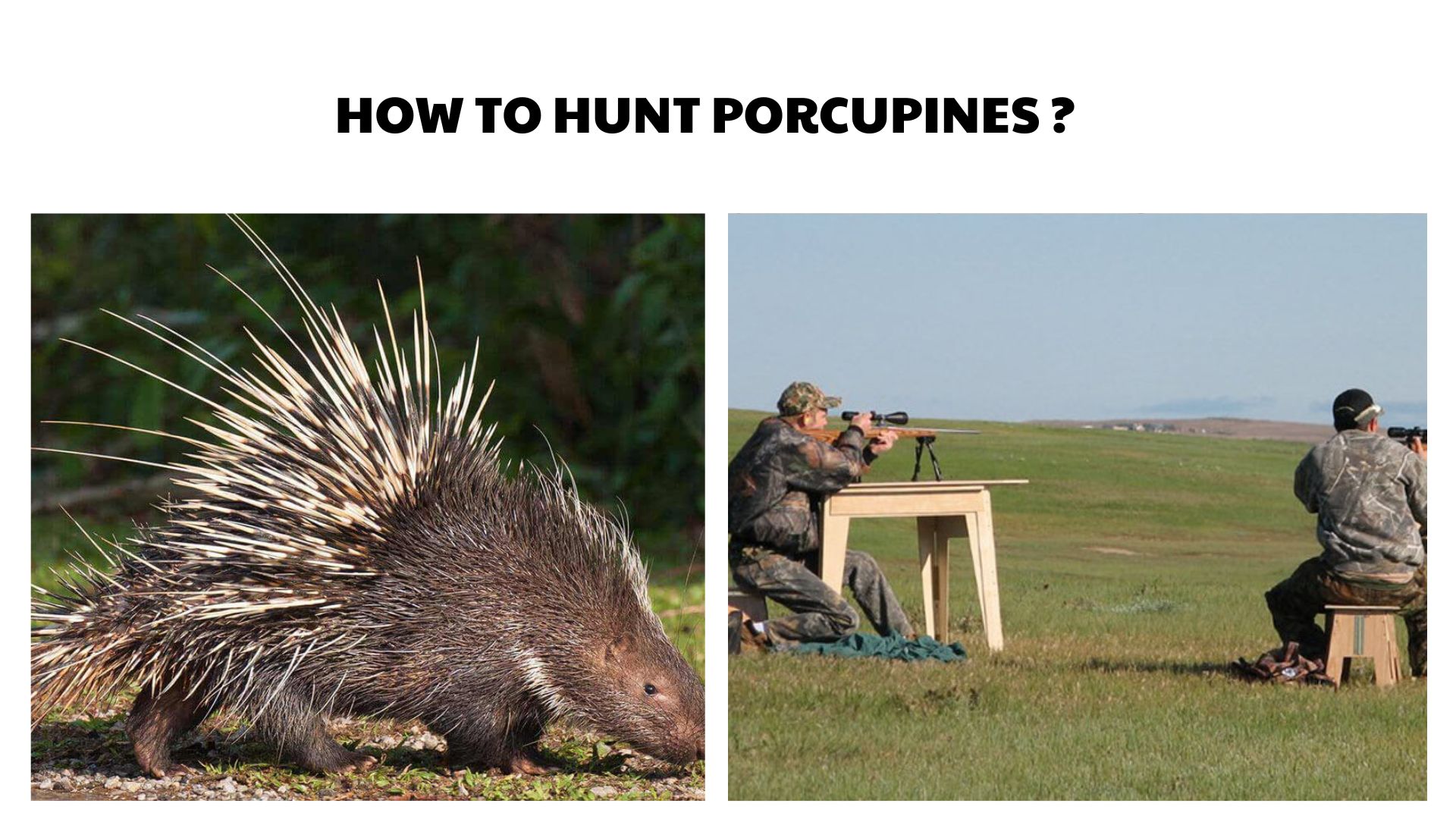

Quick Answer
To learn how to hunt porcupines, first verify current wildlife regulations for your exact location, including license requirements, open season, bag limits, legal methods, public land rules, private land permission, night hunting rules, transport rules, and reporting requirements. Then scout mixed forests, conifer stands, rocky dens, hollow logs, tree cavities, bark feeding sites, tracks, droppings, gnaw marks, and areas with fresh tree damage. Hunt only where legal, keep a safe distance from quills, protect dogs from close contact, and take only a safe, legal, ethical shot with a clear background. With patience and restraint, beginners can learn responsible porcupine hunting while respecting wildlife, property, and conservation rules.
Important Legal and Safety Notice Before You Hunt
Hunting regulations vary by country, state, province, county, land type, season, species classification, and weapon type. Before hunting porcupines, readers must check their official wildlife agency for current license, permit, tag, season, weapon, bag limit, land access, reporting, possession, and transport rules.
Porcupine laws are especially variable. One state may classify porcupines as nongame animals with few seasonal restrictions, while another may regulate them under small game, furbearer, nuisance wildlife, protected wildlife, or local damage-control rules. Public land may have different restrictions than private land. Night hunting, artificial lights, dogs, traps, bait, firearms, archery equipment, and road access may all be regulated differently.
- Hunting license and permits: Confirm whether you need a hunting license, small-game license, nuisance wildlife permit, public land permit, or hunter education proof.
- Tags or harvest reporting: Some areas may require reporting, possession documentation, or special rules for nuisance wildlife removal.
- Legal season and legal hours: Verify whether porcupines have an open season, closed season, daylight-only rules, night hunting restrictions, or no legal hunting opportunity.
- Legal weapons and ammunition: Check rules for firearms, shotguns, rimfire rifles, centerfire rifles, bows, crossbows, air guns, and ammunition restrictions.
- Public land or private land access: Confirm legal access, public land unit rules, park restrictions, refuge rules, and written private land permission when needed.
- Required clothing or visibility rules: Wear hunter orange or required visibility clothing where required, especially during firearm seasons or on shared public land.
- Safe firearm or bow handling: Identify the target and what is beyond it. Never shoot toward roads, homes, cabins, vehicles, livestock, trails, pets, people, or unclear movement.
- Weather, navigation, and emergency planning: Carry a map, compass, GPS, headlamp, first aid kit, water, warm layers, and emergency communication.
- Quill safety: Keep dogs and people away from live porcupines. Porcupines cannot shoot quills, but contact with quills can cause painful injuries.
Understanding the Game Species and Its Habitat
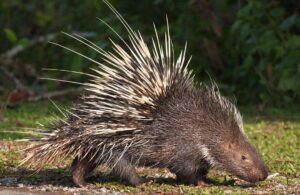
The likely game species for this keyword is the North American porcupine. Porcupines are large rodents with quills covering much of the body, especially the back and tail. They are mostly slow-moving, strong climbers, and often spend time in trees or near den sites. Their main defense is not speed but quills, warning behavior, and turning the quilled side toward a threat.
Porcupines are herbivores. Their diet changes by season. In spring and summer, they may eat leaves, grasses, wetland plants, forbs, shrubs, roots, tubers, berries, fruit, and agricultural vegetation. In winter, they often feed on twigs, bark, evergreen needles, and the cambium layer beneath tree bark. Tree feeding can leave visible gnaw marks, peeled bark, clipped branches, or pale exposed wood.
Porcupines may use mixed forests, conifer stands, hardwood forests, rocky ledges, caves, hollow trees, logs, root wads, brushy areas, riparian cover, and timbered slopes. They may den in hollow logs, rock crevices, tree cavities, old buildings, or protected natural openings. In cold weather, den areas may show tracks, droppings, and repeated travel paths.
Beginners should learn to recognize porcupine sign such as gnawed bark, clipped twigs, tracks, droppings near dens, quills, tree-climbing marks, trails to den sites, and feeding damage on conifers or hardwoods. Fresh sign matters more than old damage. A tree scar from last winter does not always mean a porcupine is currently using the area.
What You Need Before You Start
- Valid hunting license, permits, tags if required, and current regulation knowledge
- Legal hunting weapon or method allowed in your area
- Hunter orange or required visibility clothing if applicable
- Weather-appropriate hunting clothing and boots for forest, snow, rocks, brush, mud, and uneven ground
- Navigation tools such as map, compass, GPS, or hunting app with public and private land boundaries
- First aid kit, water, snacks, and emergency communication
- Binoculars or optics if useful for scanning trees, den areas, slopes, and safe backgrounds
- Headlamp or flashlight for safe travel where legal, especially if returning near dusk
- Gloves, game bags, cooler, and basic meat care supplies if legal harvest and use are intended
- Dog leash, dog first aid kit, and emergency veterinarian contact if dogs are present
- Written private land permission when hunting near cabins, woodlots, timber stands, farms, or posted property
how to hunt porcupines: Step-by-Step Guide
Step 1: Check Local Hunting Laws First
Begin by checking the official hunting regulations for your exact location. Confirm whether porcupines are legal to hunt, what license is required, whether there is a season, whether there is a bag limit, and what methods are legal. Do not rely on general online comments because porcupine laws vary widely.
Also check local rules for public land, wildlife refuges, parks, timber company land, private land, night hunting, artificial lights, dogs, traps, bait, road access, firearm discharge, and nuisance wildlife control. If the situation involves property damage, contact your wildlife agency or a licensed wildlife control professional before assuming hunting is the correct solution.
Step 2: Learn the Animal’s Patterns
Porcupines are often slow-moving and may use the same feeding and den areas repeatedly. They may travel between den sites, feeding trees, mineral or salt sources, and sheltered cover. In winter, their feeding sign on trees may become more obvious because bark stripping and clipped branches are easier to see.
Porcupines are commonly active at night or in low-light periods, but legal hunting hours vary by location. Do not assume night hunting is legal. If you encounter a porcupine during daylight, observe carefully and verify that the animal is legal to take, that the background is safe, and that the situation is ethical.
Step 3: Choose a Legal Hunting Area
Legal porcupine hunting areas may include private woodlots, farms, timberland, mixed forests, rural properties, or public lands where regulations allow it. Never enter private property without permission. Porcupines are often found near cabins, sheds, salt-treated wood, tools, vehicles, or tree plantations, but property damage does not automatically make hunting legal.
For public land hunting, study official maps, access rules, parking areas, closed zones, firearm restrictions, trail use, and other recreation activity. Avoid hunting near busy trails, campgrounds, houses, roads, livestock areas, or places where the safe background is uncertain.
Step 4: Scout Before the Hunt
Scout for fresh porcupine sign before planning a hunt. Look for bark stripping, gnawed branches, clipped twigs, droppings near dens, tracks in snow or mud, quills, claw marks on trees, and repeated trails to den sites. In winter, look for feeding trees with fresh pale cuts in bark or fresh debris at the base.
Focus on areas with mixed forest, conifers, hardwoods, rocky ledges, hollow logs, old den openings, and known feeding damage. If the goal is property protection, identify exactly what is being damaged and whether exclusion, fencing, salt-source removal, or professional wildlife guidance may solve the problem more appropriately.
Step 5: Prepare Your Gear Safely
Prepare your legal hunting method according to manufacturer instructions and official hunter education guidance. Do not modify firearms, bypass safety features, build weapons, use illegal ammunition, or hunt with unlawful devices. Practice before hunting and know your personal effective range.
Pack safety gear for the terrain. Forested porcupine habitat can include rocks, deadfall, snow, ice, steep slopes, and dense brush. Bring navigation, first aid, warm layers, water, and a communication plan. If hunting with or near dogs, keep them under control to prevent quill injuries.
Step 6: Plan for Wind, Weather, and Entry Route
Wind direction is not usually as critical for porcupines as it is for deer or elk, but wind still affects sound, scent, comfort, and safety. In thick forest, wind can make it harder to hear other people, pets, livestock, or vehicles nearby. Bad weather can also reduce visibility and make footing dangerous.
Plan an entry route that avoids trespassing, avoids unsafe shooting directions, and allows a safe exit before darkness or severe weather. If you are scouting near cabins, farms, roads, or timber stands, identify safe backstops before carrying a firearm into the area.
Step 7: Set Up Carefully
Porcupine hunting usually does not require a blind or tree stand. A careful still-hunting or spot-and-stalk approach is more common where legal. Move slowly, scan trees and den areas, and watch for feeding sign. Use binoculars to confirm what you are seeing before moving closer.
If you use an elevated stand for another legal hunting purpose in the same area, follow tree stand safety rules, including a full-body safety harness. However, climbing stands are not usually needed for porcupine hunting. Keep every setup focused on legal access, a safe shot angle, and a clear background.
Step 8: Stay Patient and Observe
Porcupines may remain still in trees, near dens, or on the ground. Take time to observe the animal, identify it correctly, and decide whether hunting is legal, necessary, and ethical. Do not rush toward the animal or allow dogs to approach.
Because porcupines are slow-moving, beginners may be tempted to treat the situation casually. That is a mistake. Safe firearm handling, target identification, and ethical restraint still apply. If the animal is in a tree, consider the background and where a projectile could travel. Never shoot toward a skyline, building, road, trail, or uncertain backstop.
Step 9: Take Only a Safe, Legal, and Ethical Shot Opportunity
Only act when the porcupine is clearly identified, legal to take, within your practiced ability, and positioned with a safe background. Do not shoot toward roads, homes, vehicles, people, pets, livestock, hiking trails, cabins, utility equipment, or unclear movement.
Ethical porcupine hunting also means considering whether harvest is justified. If the situation involves property damage, non-lethal exclusion, removing salt attractants, protecting trees, or professional wildlife control may be more appropriate. If the shot is unsafe or the animal is not legal, pass immediately.
Step 10: Follow Legal Recovery and Reporting Rules
After a legal harvest, follow your local rules for possession, tagging if required, reporting if required, and transport. Keep firearms or bows safe during recovery. Avoid careless handling because quills can still injure hands, dogs, and gear.
If a dog is quilled during the hunt, do not attempt rough field removal unless you are trained and the situation is minor. Quills can break, migrate, or become embedded. Contact a veterinarian, especially for quills in the mouth, face, eyes, throat, chest, or deep tissue.
Step 11: Handle the Game Responsibly
If legal harvest and meat use are intended, handle the animal cleanly and respectfully. Wear gloves, keep the carcass clean and cool, and follow safe food handling practices. Use clean tools and avoid waste.
If you do not intend to use the animal where use is legal and appropriate, consider whether hunting is ethical in that situation. Responsible hunters should avoid unnecessary waste and should follow disposal rules if nuisance wildlife removal is legally authorized.
Best Time, Place, and Conditions for This Hunt
The best time to hunt porcupines depends on legal hunting hours, season rules, local habitat, and the reason for the hunt. In some areas, porcupines may be active mostly at night, but night hunting may be restricted or illegal. Always follow legal hours and approved methods.
Good places to scout include mixed forests, conifer stands, hardwood slopes, rocky ledges, den openings, hollow trees, brushy areas, and feeding trees with fresh bark damage. In winter, tracks and feeding sign may be easier to see. In warmer seasons, porcupines may use leafy vegetation, wetland plants, berries, and ground-level foods more often.
Weather can influence both porcupine movement and hunter safety. Snow can make tracks and feeding sign more visible. Rain can make rocks, logs, and slopes slippery. Wind can reduce hearing and make tree shots or unstable footing more dangerous. Cold weather requires extra clothing, navigation planning, and attention to daylight.
Private land situations often involve property damage, tree damage, cabin damage, or dogs being quilled. Public land hunting requires careful rule checking and extra awareness of hikers, birdwatchers, campers, trappers, and other hunters. Local regulations and local animal behavior matter more than generic advice.
Helpful Tips for Better Results
- Check current porcupine regulations before every hunt because laws vary widely by state, province, and land type.
- Confirm whether porcupines are legal game, nongame, nuisance wildlife, protected wildlife, or unregulated wildlife in your area.
- Scout for fresh bark feeding, tracks, droppings, quills, den sites, and repeated travel routes.
- Use binoculars to identify animals in trees before moving closer.
- Keep dogs leashed or under strict control around porcupines to prevent quill injuries.
- Never shoot into trees unless the background and projectile path are completely safe and legal.
- Avoid hunting near roads, cabins, homes, livestock, hiking trails, parks, or campgrounds.
- Consider non-lethal options for property damage when they are practical and legal.
- Carry first aid supplies and know the nearest veterinarian if dogs are present.
- Wear gloves when handling harvested animals and quills.
- Keep notes about habitat, sign, weather, and legal access for future scouting.
- Hunt with an experienced mentor if you are new to small-game or nuisance-wildlife situations.
Common Mistakes to Avoid
Porcupine hunting mistakes usually come from assuming the animal is easy to approach, assuming the law is simple, or ignoring quill and background safety. A slow-moving animal still requires careful, ethical hunting decisions.
- Not checking current regulations: Porcupine rules can vary greatly by location, land type, and classification.
- Assuming no license is needed: Some areas require a hunting license even when there is no closed season.
- Hunting on private land without permission: Property damage does not give a hunter permission to enter land.
- Ignoring public land restrictions: Parks, refuges, wildlife areas, timber lands, and recreation areas may have special rules.
- Letting dogs approach: Quill injuries can be painful and may require veterinary treatment.
- Shooting into unsafe backgrounds: Tree shots, rocks, roads, trails, cabins, and skylines can create dangerous projectile paths.
- Making too much noise: Careless movement can disturb wildlife, landowners, and other users.
- Moving too quickly: Forest terrain can hide hazards such as deadfall, holes, ice, loose rock, and steep slopes.
- Overpacking unnecessary gear: Heavy gear makes careful movement harder.
- Underpacking safety essentials: Navigation, first aid, water, light, and communication are still important.
- Taking unsafe or unethical shots: Pass if the animal is not legal, the background is unsafe, or the reason for harvest is questionable.
- Not planning recovery and handling: Quills can injure hands and dogs even after a legal harvest.
Troubleshooting Common Problems
| Problem | Possible Cause | What to Do |
|---|---|---|
| You are not seeing any porcupines | Old sign, wrong habitat, wrong time, or porcupines using den areas or trees out of sight | Scout fresh bark damage, tracks, droppings, quills, den sites, and feeding trees in legal areas. |
| You see tree damage but no animal | The damage may be old, seasonal, or caused when porcupines were using the area earlier | Look for fresh cuts, tracks, droppings, and repeated current sign before planning a hunt. |
| A porcupine is near a cabin or home | It may be attracted to salt, wood, plywood glue, tools, or shelter | Check local nuisance wildlife rules and consider exclusion or professional guidance before hunting. |
| Your dog approaches a porcupine | Curiosity, poor control, or lack of training | Leash or call the dog away immediately. Seek veterinary care if quilled. |
| You are unsure if hunting is legal | Rules vary by species classification, land type, season, and method | Do not hunt until you confirm the rule with the official wildlife agency. |
| Property boundaries are unclear | Mixed public and private land, poor maps, or missing signs | Use official maps, property apps, posted signs, and landowner permission before entering. |
| The only possible shot is into a tree | Porcupines climb trees and may remain above ground | Only consider it if legal and the background is completely safe. If not, pass. |
| Weather turns bad | Snow, ice, rain, wind, fog, cold, or early darkness | Shorten the hunt, use navigation, stay warm, and return before conditions become unsafe. |
| Gear fails in the field | Dead batteries, wet clothing, poor boots, or forgotten safety items | Test gear before leaving and carry backups for navigation, lighting, warmth, and communication. |
| You are unsure how to handle the animal | Quills, meat care questions, disposal rules, or legal uncertainty | Wear gloves, follow regulations, seek mentor guidance, and contact wildlife officials if needed. |
Ethical Hunting and Conservation
Ethical porcupine hunting begins with asking whether hunting is legal, necessary, safe, and respectful. Porcupines are part of forest ecosystems. They feed on vegetation, create sign used by other wildlife observers, and serve as prey for some predators. They may also damage trees, cabins, tools, or property in certain situations. A responsible hunter recognizes both sides.
- Respect wildlife by taking only legal, safe, and justified opportunities.
- Respect landowners by asking permission and following property rules.
- Respect other hunters and outdoor users by avoiding unsafe areas and using visibility clothing when appropriate.
- Obey seasons, limits, legal hours, method restrictions, and land access rules.
- Avoid waste by using harvested game responsibly where legal and appropriate.
- Practice before hunting and know your personal effective range.
- Pass on unsafe, uncertain, unnecessary, or poorly identified shots.
- Consider non-lethal property-protection methods when they are practical and lawful.
- Leave the land cleaner than you found it.
When to Get More Training or Professional Guidance
Beginners should seek more training or professional guidance when they have never handled a firearm or bow, have not completed hunter education, are unsure about local laws, do not understand land boundaries, are not confident in safe shooting, are hunting unfamiliar terrain, or need help with recovery, handling, meat care, or transport rules.
Professional help may also be appropriate when porcupines are damaging trees, cabins, tools, vehicles, or property; when pets repeatedly get quilled; when the animal is near homes or public areas; or when local nuisance wildlife rules are unclear. Good learning sources include official hunter education courses, state or provincial wildlife agencies, certified instructors, experienced ethical mentors, licensed wildlife control professionals, local conservation organizations, and reputable hunting clubs.
After the Hunt: Follow-Up, Gear Care, and Learning
After the hunt, unload and store firearms safely according to law and manufacturer instructions. If bowhunting, secure broadheads and inspect arrows safely. Clean mud, snow, blood, hair, and debris from boots, gloves, packs, and tools. Handle quills carefully and dispose of waste according to local rules.
Review what worked and what did not. Keep notes about habitat, tree species, fresh feeding sign, tracks, droppings, den sites, weather, legal access, and property-damage context. These notes help you understand porcupine behavior and make better decisions next time.
If a dog was present, inspect the dog carefully for quills, cuts, or stress. Quill injuries should be taken seriously, especially around the face, mouth, eyes, throat, chest, or paws. Contact a veterinarian when needed.
If you legally harvested a porcupine for meat use, keep the meat clean and cool, follow possession and transport rules, and use safe food handling practices. If the harvest was part of lawful nuisance control and meat use is not practical or legal, follow disposal rules from your wildlife agency or local authority.
Recommended Hunting Gear and Tools to Consider
You do not always need expensive gear to hunt responsibly. Choose gear based on your local laws, hunting method, species, terrain, weather, safety needs, skill level, and budget.
- Legal hunting weapon or method allowed in your area
- Quality boots for forest, rocks, snow, brush, mud, and uneven terrain
- Weather-appropriate clothing and required visibility gear
- Binoculars or optics for safe observation in trees and den areas
- Navigation tools such as a map, compass, GPS, or hunting app
- First aid kit and emergency communication
- Headlamp or flashlight for safe travel where legal and appropriate
- Dog leash, dog first aid kit, and veterinarian contact information if dogs are present
- Heavy gloves for careful handling around quills
- Game bags, cooler, and meat care supplies if legal harvest and meat use are intended
Final Thoughts
Learning how to hunt porcupines starts with legal research, not field tactics. Because porcupine rules vary widely, a beginner must first confirm whether hunting is legal, what license or permit is required, what methods are allowed, and whether the situation involves ordinary hunting or nuisance wildlife control.
If hunting is legal and appropriate, focus on fresh sign, safe access, careful observation, quill safety, firearm or bow discipline, and ethical restraint. Respect wildlife, protect dogs, avoid unsafe backgrounds, consider non-lethal options when reasonable, and choose methods and gear based on your local laws, terrain, skill level, and conservation responsibilities.
FAQs
1. How long does it take to learn how to hunt porcupines?
A beginner can learn the basic scouting and safety process quickly, but responsible porcupine hunting requires understanding local laws, safe backgrounds, animal behavior, quill safety, and ethical decision-making.
2. Is porcupine hunting legal?
It depends on your location. Some places allow porcupine hunting under nongame or small-game rules, while others restrict or prohibit it. Always check your official wildlife agency.
3. Do I need a license to hunt porcupines?
Many areas require a hunting license, even if porcupines have no closed season. Other areas may have different rules. Verify current regulations before hunting.
4. Are porcupines considered game animals?
That varies. Porcupines may be classified as nongame, small game, unprotected wildlife, nuisance wildlife, or protected wildlife depending on the jurisdiction.
5. Is there a porcupine hunting season?
Some areas have no closed season, while others may have specific seasons or restrictions. Public land may also have separate rules.
6. Is there a bag limit for porcupines?
Bag limits vary. Some areas may have no limit, while others may regulate take. Always check current local rules.
7. Can I hunt porcupines on public land?
Only where public land rules allow it. Wildlife areas, parks, refuges, forests, and timber lands may have special restrictions or closures.
8. Can I hunt porcupines on private land?
Only with landowner permission and legal compliance. Property damage does not give a hunter the right to enter private land without permission.
9. Do I need written permission to hunt porcupines?
Written permission is recommended and may be required in some places. It helps prevent trespassing issues and clarifies landowner expectations.
10. Where do porcupines live?
Porcupines often live in mixed forests, conifer stands, hardwood forests, rocky ledges, hollow trees, logs, caves, brushy areas, and timbered slopes.
11. What do porcupines eat?
Porcupines eat plant material. Their diet may include leaves, grasses, berries, roots, shrubs, wetland plants, twigs, bark, evergreen needles, and tree cambium depending on season.
12. What is the best habitat to scout for porcupines?
Look for mixed forest, conifers, hardwoods, rocky den sites, tree cavities, hollow logs, and areas with fresh bark feeding or clipped branches.
13. What does porcupine sign look like?
Porcupine sign may include gnawed bark, clipped twigs, droppings near dens, tracks in mud or snow, quills, tree-climbing marks, and repeated trails.
14. How do I know if tree damage is from a porcupine?
Porcupine feeding often leaves bark stripped or gnawed, exposed pale wood, clipped branches, and debris near the base of trees. Fresh tracks or droppings can help confirm activity.
15. Are porcupines nocturnal?
Porcupines are often active at night or low-light periods, but they may also be seen during the day. Legal hunting hours vary, so check regulations.
16. Can I hunt porcupines at night?
Night hunting rules vary widely. Do not hunt porcupines at night unless your wildlife agency clearly allows it and you follow all method and lighting rules.
17. Can I use a flashlight or spotlight?
Artificial light rules vary by state, province, and species. Spotlighting may be illegal or restricted. Verify regulations before using any light for hunting.
18. What weapon is used for porcupine hunting?
Use only a legal hunting method allowed in your area. The safest choice is one you can handle responsibly and use only with a clear, safe background.
19. Can I bowhunt porcupines?
Some areas may allow archery methods, while others may not. Check local rules, practice carefully, and avoid shots beyond your proven ability.
20. Is firearm safety different for porcupine hunting?
The same safety rules apply: control the muzzle, keep your finger off the trigger until ready, identify the target, and know what is beyond it.
21. Is it safe to shoot a porcupine in a tree?
Only if it is legal and the background is completely safe. Tree shots can be dangerous if the projectile path is unclear, so passing is often the safer choice.
22. Can porcupines shoot their quills?
No. Porcupines cannot shoot quills. Quills detach when another animal or person makes contact with them.
23. Are porcupine quills dangerous?
Yes. Quills can be painful, barbed, and difficult to remove. They can injure dogs, people, and other animals, especially around the face, mouth, eyes, and throat.
24. What should I do if my dog gets quilled?
Keep the dog calm and contact a veterinarian, especially if quills are in the mouth, eyes, face, throat, chest, or deep tissue. Do not let the dog continue attacking the porcupine.
25. Should I hunt porcupines with dogs?
Using dogs around porcupines can be risky because of quill injuries. Check dog-use rules and keep dogs controlled. Many beginners should avoid involving dogs.
26. Are porcupines aggressive?
Porcupines are usually defensive rather than aggressive. They may turn their quilled back or tail toward a threat. Keep distance and avoid cornering them.
27. Can porcupines damage trees?
Yes. Porcupines can feed on bark and cambium, which may damage or girdle trees. Landowners should check legal and non-lethal management options.
28. Why do porcupines chew wood or tools?
Porcupines are attracted to salt and may chew items with salt, glue, sweat, or mineral residue. Removing attractants may reduce problems.
29. What is the best time of year to scout porcupines?
Winter can make tracks, droppings, den sites, and bark feeding easier to see. Spring and summer may reveal ground feeding and fresh plant use.
30. What is the best time of day to look for porcupines?
Low-light periods may show activity, but legal hunting hours matter. During daylight, look for feeding sign, den sites, and animals resting in trees.
31. Is wind direction important for porcupine hunting?
Wind is less critical than for deer, but it affects sound, scent, comfort, and safety. Strong wind can make forest hunting more hazardous.
32. Does scent control matter for porcupines?
Scent control is usually not a major focus. Legal access, safe background, careful observation, and quill safety are more important.
33. Do I need a blind to hunt porcupines?
No. Porcupine hunting usually involves scouting and careful still-hunting rather than sitting in a blind.
34. Do I need a tree stand for porcupine hunting?
No. Tree stands are not usually needed. If you use one for another legal hunt, follow full tree stand safety rules and wear a full-body harness.
35. Can I trap porcupines?
Trapping rules are separate from hunting rules and may require permits or professional licensing. Do not trap porcupines unless you have confirmed it is legal.
36. Can I relocate a porcupine?
Wildlife relocation is often regulated or prohibited. Contact your wildlife agency or a licensed wildlife control professional before attempting relocation.
37. What should I do if a porcupine is damaging my cabin?
Check local nuisance wildlife rules, remove attractants such as salt sources, protect vulnerable wood, and contact wildlife officials or a licensed professional if needed.
38. What should I do if a porcupine is near a hiking trail?
Leave it alone, keep pets away, and do not hunt near public trails unless the area is legally open and completely safe. Many public areas prohibit discharge of weapons.
39. Can I eat porcupine?
In some regions, porcupine meat may be used where legal. Follow local rules and safe food handling practices. Do not waste legally harvested game.
40. How do I handle a harvested porcupine safely?
Wear gloves, avoid quills, keep tools clean, keep the animal cool if using the meat, and follow possession, transport, and disposal rules.
41. Do porcupines carry diseases?
Like all wild animals, porcupines can carry parasites or pathogens. Wear gloves, avoid handling sick animals, and follow safe food handling practices.
42. What if a porcupine looks sick?
Do not consume the animal. Contact your wildlife agency or local animal health authority for guidance, especially if the behavior seems abnormal.
43. How do I avoid trespassing while hunting porcupines?
Use official maps, property apps, posted signs, landowner permission, and GPS boundaries. Do not cross uncertain property lines.
44. Can I hunt porcupines near roads?
Usually this is unsafe and may be illegal. Never shoot from, across, or toward roads, vehicles, trails, homes, or public areas.
45. Can beginners hunt porcupines alone?
Beginners are safer with an experienced mentor. Solo hunting increases risks related to navigation, legal uncertainty, recovery, and field safety.
46. What should I carry in a porcupine hunting pack?
Carry licenses, permits, water, snacks, first aid, navigation, communication, gloves, headlamp, weather layers, and meat care supplies if harvest use is intended.
47. Is porcupine hunting expensive?
It can be inexpensive compared with many hunts, but costs vary by license, permits, travel, gear, legal equipment, and safety supplies.
48. Why are porcupines sometimes hunted?
Porcupines may be hunted where legal for meat, traditional use, small-game opportunity, or property damage concerns. Ethical hunters should always consider necessity and legality.
49. Are porcupines important to the ecosystem?
Yes. Porcupines are part of forest ecosystems and provide ecological value. Hunting should be legal, ethical, and based on responsible judgment.
50. What is the biggest beginner mistake in porcupine hunting?
The biggest mistake is assuming porcupines are unregulated and easy to take safely. Regulations, safe backgrounds, quill safety, and ethical decisions all matter.
51. How do I improve at identifying porcupine sign?
Study tracks, droppings, quills, bark feeding, den sites, and tree damage. Compare fresh and old sign during different seasons.
52. Should I use trail cameras for porcupines?
Trail cameras may help where legal, especially near property damage or den areas. Check camera rules on public land before using them.
53. When should I ask for professional help?
Ask for help when porcupines damage property, pets are repeatedly quilled, local laws are unclear, or trapping, relocation, or nuisance control is being considered.
54. How do hunters support conservation when hunting porcupines?
Hunters support conservation by following laws, buying licenses, respecting habitats, reporting as required, avoiding waste, and making ethical decisions.
55. What is the best way to improve at porcupine hunting?
Learn local laws, study porcupine habitat, scout fresh sign, hunt with mentors, protect dogs, practice safe shooting, and review each trip honestly.
Read more: