

Quick Answer
To learn how to hunt pheasant, first check your current hunting license, upland bird permit, season dates, bag limits, legal shooting hours, public land rules, private land permission requirements, and legal weapon rules. Then scout grasslands, crop edges, weedy fencerows, ditches, cattails, shelterbelts, food plots, field corners, and thick winter cover where pheasants feed, hide, and escape. Walk slowly with safe muzzle control, use hunter orange where required or recommended, and shoot only when the bird is clearly identified, legal, and in a safe direction. With practice, patience, and ethical restraint, beginners can build strong upland hunting skills over time.
Important Legal and Safety Notice Before You Hunt
Pheasant hunting regulations vary by country, state, province, county, wildlife area, season, land type, and weapon type. Before hunting, readers must check their official wildlife agency for current license, permit, tag, season, weapon, bag limit, land access, reporting, possession, and transport rules.
Do not assume pheasant rules are the same everywhere. Some areas allow only male pheasants, often called roosters or cock pheasants. Some stocked areas, youth hunts, preserves, public lands, wildlife management areas, and put-and-take programs may have special rules. Some places require hunter orange, special upland permits, nontoxic shot on certain lands, or evidence of sex attached during transport.
- Hunting license and permits: Confirm your small-game, upland bird, game bird, preserve, or public land permit requirements.
- Tags or harvest reporting: Some areas may require harvest records, special preserve tags, check-in, or survey participation.
- Legal season and legal hours: Verify current pheasant season dates, legal shooting hours, daily bag limits, possession limits, and open areas.
- Legal weapons and ammunition: Check rules for shotguns, shot size, shell limits, nontoxic shot, bows, air guns, and preserve-specific rules.
- Public land or private land access: Use official maps and get private land permission before entering fields, ditches, shelterbelts, or farm edges.
- Required clothing or visibility rules: Wear blaze orange or other required visibility clothing where required, and strongly consider it even when optional.
- Safe firearm or bow handling: Keep the muzzle pointed in a safe direction, keep your finger off the trigger until ready, and identify the bird and background before shooting.
- Weather, navigation, and emergency planning: Carry water, first aid, navigation, communication, weather layers, and a clear plan for returning safely.
Understanding the Game Species and Its Habitat
The target game species for this guide is pheasant, most commonly the ring-necked pheasant in North American hunting contexts. Pheasants are upland game birds that spend much of their time on the ground. They often run before they fly, hide in thick cover, and flush suddenly when pressured by hunters or dogs.
Pheasants prefer habitat that combines food, nesting cover, escape cover, and winter protection. Productive areas often include grasslands, Conservation Reserve Program-style cover where available, crop fields, weedy fencerows, ditches, cattail sloughs, shelterbelts, brushy draws, field corners, food plots, and edges between grass and grain fields.
Pheasants feed on waste grain, weed seeds, insects, greens, berries, and other seasonal food. Early in the season, birds may use lighter grass, field edges, and weedy cover. Later in the season, hunting pressure, snow, wind, and cold can push birds into thicker cattails, shelterbelts, brush, and heavy winter cover.
Beginners should learn to recognize pheasant signs such as tracks in mud or snow, droppings, dusting areas, feathers, feeding areas, roosting cover, and flush locations. However, pheasant hunting is often more about reading habitat than reading tracks. If cover offers food, security, and escape routes, it is worth checking when legal.
What You Need Before You Start
- Valid hunting license, permits, tags if required, and current regulation knowledge
- Legal hunting weapon or method allowed in your area
- Hunter orange or required visibility clothing if applicable
- Weather-appropriate hunting clothing and durable boots for grass, mud, snow, crop stubble, and uneven ground
- Navigation tools such as map, compass, GPS, or hunting app with public/private land boundaries
- First aid kit, water, snacks, and emergency communication
- Binoculars or optics if useful for checking distant fields, safe routes, and land boundaries
- Upland vest or game vest for carrying shells, water, first aid, and harvested birds
- Legal shotgun and legal ammunition suited to your local regulations and hunting area
- Eye protection and hearing protection when appropriate
- Dog collar, leash, bell, GPS collar, water, and dog first aid supplies if hunting with a trained bird dog
- Game bags, gloves, cooler, and basic meat care supplies if relevant
how to hunt pheasant: Step-by-Step Guide
Step 1: Check Local Hunting Laws First
Start by reading the current pheasant regulations from your official wildlife agency. Confirm the legal season, open areas, hunting hours, daily bag limit, possession limit, license requirements, upland bird permits, public land access rules, preserve rules, hunter orange requirements, and ammunition restrictions.
Pay close attention to sex restrictions. In many areas, hunters may only harvest male pheasants, but this is not universal. Stocked hunts, preserves, youth hunts, and special areas may have different rules. If you cannot identify a legal bird clearly, do not shoot.
Step 2: Learn the Animal’s Patterns
Pheasants spend much of the day on the ground and often run through cover before flushing. They use grass for nesting and roosting, crop fields for food, weedy edges for travel, and thick cattails or shelterbelts for winter protection. Roosters may hold tight in heavy cover or run ahead of hunters toward escape routes.
Early in the season, pheasants may be spread through lighter grass, weedy draws, crop edges, and field corners. Later, they may concentrate in heavier cover, especially after snow, cold, or repeated hunting pressure. Learn how food, cover, weather, and pressure change bird movement.
Step 3: Choose a Legal Hunting Area
Good pheasant hunting areas may include public wildlife areas, walk-in hunting access lands, state game lands, grasslands, crop edges, CRP-style cover, shelterbelts, preserve lands, and private farms with permission. Use official maps to confirm boundaries before you hunt.
For public land hunting, check parking areas, access rules, open dates, stocked area rules, dog rules, ammunition restrictions, and other hunters. For private land, ask permission well before the hunt. Respect fields, fences, gates, livestock, drainage ditches, equipment, posted signs, and landowner instructions.
Step 4: Scout Before the Hunt
Scouting pheasants means finding habitat that birds are actually using. Look for tracks, droppings, feathers, dusting areas, roosting cover, feeding activity, and fresh flushes. In snow or mud, tracks along field edges, ditches, shelterbelts, and cattails can reveal movement.
Watch where birds enter or leave cover at dawn or late afternoon. Note food sources, thick escape cover, and likely running routes. Pheasants often use edges, so pay attention to places where grass meets grain, cattails meet open ground, or shelterbelts meet crop fields.
Step 5: Prepare Your Gear Safely
Before leaving home, confirm that your firearm is unloaded during transport and that your ammunition is legal for the area. Follow manufacturer instructions and official hunter education guidance. Pack your license, permits, map, first aid kit, water, snacks, weather layers, and upland vest.
If hunting with a dog, check the dog’s collar, identification, bell, GPS collar if used, water, leash, and first aid supplies. Pheasant country can include barbed wire, ice, thorns, burrs, cattails, heat, cold, and long walking. Dog safety is part of hunter responsibility.
Step 6: Plan for Wind, Weather, and Entry Route
Wind affects dog scenting ability, bird behavior, walking comfort, and safe shot planning. Many hunters prefer to work into the wind or quartering into the wind when using dogs because scent carries toward the dog. Strong wind may push birds into heavier cover or make them flush wild.
Plan your entry route so you do not block other hunters, cross private land illegally, or push birds into unsafe directions. In cold weather, pheasants may use thick cattails, shelterbelts, and heavy grass. In warm weather, bring extra water for yourself and your dog.
Step 7: Set Up Carefully
Pheasant hunting usually does not involve sitting in a blind or tree stand. Your setup is your walking route, hunter spacing, dog position, and safe zone of fire. Walk cover in a way that gives birds a reason to flush toward safe open space rather than toward roads, homes, livestock, or other hunters.
If hunting with partners, agree on spacing and safe shooting lanes before entering cover. If hunting with blockers at the end of a field where legal and safe, make sure everyone knows positions and directions. Never shoot toward another hunter, a dog, a road, a house, livestock, or unclear movement.
Step 8: Stay Patient and Observe
Walk slowly, pause often, and watch the edges. Pheasants may run ahead, circle back, or hold tight until the last moment. A dog may get birdy, meaning it shows excitement or intense scent interest. When that happens, slow down and prepare safely without rushing.
Do not shoot at noise, grass movement, or a bird you cannot identify. Wait until the bird is clearly visible, legal, and in a safe shooting direction. In many areas, hens are not legal to harvest, so identification matters.
Step 9: Take Only a Safe, Legal, and Ethical Shot Opportunity
Only shoot when the pheasant is clearly identified, legal to harvest, within your practiced ability, and flying or positioned in a safe direction with a safe background. Avoid low shots over dogs, low shots toward other hunters, and shots toward roads, buildings, vehicles, livestock, trails, or hidden people.
Ethical pheasant hunting means passing on rushed, unsafe, unclear, or overly long shots. A rooster flushing close can create excitement, but safety and identification come first.
Step 10: Follow Legal Recovery and Reporting Rules
After a legal harvest, mark where the bird falls and recover it safely. Keep the firearm pointed in a safe direction and communicate with partners before anyone moves. If using a dog, let the dog retrieve only when the situation is safe.
Follow all possession, transport, evidence-of-sex, tagging, check-in, or reporting rules in your area. If regulations require keeping the head, wing, or plumage attached during transport, follow that rule exactly.
Step 11: Handle the Game Responsibly
Handle harvested pheasants cleanly and respectfully. Keep birds cool, avoid waste, and follow safe food handling practices. Use clean gloves or clean hands, transport birds legally, and process them according to local rules.
If you are new to cleaning and cooking pheasant, ask an experienced hunter, hunter education instructor, or reputable wild game cooking source for guidance. Responsible meat use is part of ethical upland hunting.
Best Time, Place, and Conditions for This Hunt
The best time to hunt pheasant depends on legal season dates, weather, cover, crops, pressure, and local bird behavior. Early season birds may use grasslands, field edges, and weedy cover. Late season birds often move toward cattails, thick grass, shelterbelts, brush, and winter cover, especially after snow or heavy hunting pressure.
Morning hunts may find birds leaving roosting cover to feed. Midday can be productive in thicker cover, especially when hunters move slowly and dogs work scent well. Late afternoon can be useful near feeding areas, field edges, and travel routes back toward roosting cover. Always follow legal shooting hours.
Good pheasant habitat usually combines food and cover. Look for grass near grain, weedy fencerows near crop fields, cattails near food sources, shelterbelts near open ground, and field corners that offer escape cover. Pheasants rarely use bare open ground for long if good cover is nearby.
Public land can provide access but may have more pressure and more educated birds. Private land may offer less pressure, but only with permission. Weather changes bird behavior. Wind can make birds nervous, snow can reveal tracks, and extreme cold or heat can create safety concerns for hunters and dogs.
Helpful Tips for Better Results
- Study current regulations before every hunt, especially sex restrictions, bag limits, and public land rules.
- Wear hunter orange where required and consider it strongly even when optional.
- Focus on habitat edges where food, grass, cattails, shelterbelts, and crop fields meet.
- Walk slowly and pause often because pheasants may flush after pressure stops.
- Work into the wind when hunting with dogs so scent carries better.
- Do not shoot until you clearly identify a legal rooster where sex restrictions apply.
- Keep safe spacing with hunting partners before entering cover.
- Never shoot low over a dog, toward a partner, or into unclear cover.
- Mark flushes and fall locations immediately to improve recovery.
- Bring water for yourself and your dog, especially in warm weather or long walks.
- Check dogs for cuts, burrs, ice, heat stress, and fatigue after each field.
- Keep notes about cover type, bird behavior, wind, weather, and pressure.
Common Mistakes to Avoid
Pheasant hunting looks easy from a distance, but beginners often struggle because birds run, flush quickly, hide in thick cover, and use escape routes well. Most mistakes come from poor legal preparation, bad spacing, rushing, and unsafe shot decisions.
- Not checking current regulations: Pheasant seasons, legal shooting hours, bag limits, sex restrictions, and permit rules can change.
- Hunting without proper license or permission: Public land and private land rules must be verified before hunting.
- Failing to identify roosters: In many areas, hens are not legal to harvest, so identification is essential.
- Ignoring hunter orange: Visibility helps prevent accidents in tall grass, cattails, and public hunting areas.
- Walking too fast: Fast walking can miss birds, tire dogs, and create unsafe shooting situations.
- Choosing poor habitat: Bare fields without nearby cover usually hold fewer pheasants than food-cover edges.
- Overpacking unnecessary gear: Heavy packs make long walking harder.
- Underpacking safety essentials: Water, first aid, navigation, dog supplies, and weather layers matter.
- Not practicing enough before the season: Upland shots are quick, and practice builds control.
- Taking unsafe or unethical shots: Never shoot low toward dogs, partners, roads, homes, livestock, or unclear movement.
- Not planning recovery: Mark the fall, communicate, and recover birds safely.
- Ignoring weather and dog safety: Heat, ice, snow, burrs, and barbed wire can create real problems.
Troubleshooting Common Problems
| Problem | Possible Cause | What to Do |
|---|---|---|
| You are not seeing any pheasants | Poor habitat, heavy pressure, wrong time of day, or lack of food-cover combination | Scout grass near crop fields, cattails, shelterbelts, weedy edges, and fresh tracks or flushes. |
| Birds flush too far away | Too much noise, fast walking, strong wind, pressured birds, or open cover | Slow down, use quieter routes, hunt thicker cover, and work with the wind when using dogs. |
| You only see hens | Roosters may be running, hiding deeper in cover, or using different habitat | Do not shoot hens where illegal. Keep hunting safely and focus on thicker escape cover and field edges. |
| Your dog is ranging too far | Excitement, poor control, strong scent, or limited training | Use training, commands, a bell or GPS collar, and hunt with an experienced handler if needed. |
| Other hunters are too close | Public land pressure or crowded access points | Communicate politely, give space, wear visibility clothing, and never shoot toward people or dogs. |
| Property boundaries are unclear | Mixed public and private land, poor signage, or confusing maps | Stop and verify with official maps, property apps, signs, or landowner permission before continuing. |
| Weather gets bad | High wind, snow, rain, extreme cold, heat, or poor visibility | Shorten the hunt, protect dogs, carry water and layers, and leave before conditions become unsafe. |
| Your gear is uncomfortable | Unbroken boots, heavy vest, poor layers, or too much gear | Test gear before the hunt and prioritize boots, water, safety items, and practical clothing. |
| You feel rushed when a bird flushes | Beginner nerves and quick pheasant movement | Practice safe gun mounting, keep your finger off the trigger until ready, and pass unsafe or unclear shots. |
| You cannot recover a bird quickly | Thick cover, poor marking, no dog, or confusion after the shot | Mark the fall immediately, communicate with partners, search carefully, and avoid shots into unrecoverable cover. |
Ethical Hunting and Conservation
Ethical pheasant hunting means respecting wildlife, landowners, other hunters, bird dogs, and habitat. Pheasants depend on grassland, nesting cover, brood cover, food, and winter shelter. Hunters who support habitat conservation help protect the future of upland bird hunting.
- Respect wildlife by taking only legal and ethical opportunities.
- Respect landowners by asking permission and following property rules.
- Respect other hunters by wearing visibility clothing and using safe zones of fire.
- Obey seasons, limits, sex restrictions, legal hours, and land access rules.
- Avoid waste by recovering birds and using the meat responsibly.
- Practice before hunting so shots are controlled and safe.
- Pass on unsafe, uncertain, low, distant, or poorly identified shots.
- Support conservation through licenses, habitat programs, and responsible participation.
- Leave shells, trash, gates, field edges, parking areas, and hunting cover cleaner than you found them.
When to Get More Training or Professional Guidance
Beginners should seek more training or professional guidance when they have never handled a firearm or bow, have not completed hunter education, are unsure about local laws, do not understand land boundaries, are not confident in safe shooting, are hunting unfamiliar terrain, or need help recovering game legally and ethically.
Pheasant hunting can involve quick flushes, dogs, multiple hunters, tall grass, cattails, barbed wire, snow, and crowded public land. A mentor can help you learn safe walking, dog handling, bird identification, safe shooting lanes, landowner etiquette, and recovery. Good learning sources include official hunter education courses, state or provincial wildlife agencies, certified instructors, experienced ethical mentors, local conservation organizations, reputable hunting clubs, and upland bird groups.
After the Hunt: Follow-Up, Gear Care, and Learning
After the hunt, unload and store firearms safely according to law and manufacturer instructions. Clean and dry your boots, upland vest, clothing, and gear. Check your shotgun according to safe maintenance guidance, and store ammunition securely.
If you hunted with a dog, inspect paws, ears, eyes, legs, and coat for cuts, burrs, ice, thorns, ticks, or fatigue. Provide water and rest. Dog care is part of responsible upland hunting.
Maintain any legal harvest records, preserve tags, or reports required by your wildlife agency. If you harvested pheasants, keep birds cool, follow transport and evidence-of-sex rules, and use the meat respectfully. Record what you learned about cover, weather, wind, dog work, flushes, public pressure, and safe routes so you can improve on the next hunt.
Recommended Hunting Gear and Tools to Consider
You do not always need expensive gear to hunt responsibly. Choose gear based on your local laws, hunting method, species, terrain, weather, safety needs, skill level, and budget.
- Legal hunting weapon or method allowed in your area
- Quality boots for grass, mud, crop stubble, snow, cattails, and long walking
- Weather-appropriate clothing and required visibility gear
- Upland vest or game vest with room for shells, water, first aid, and harvested birds
- Binoculars or optics for safe observation if useful in your terrain
- Navigation tools such as a map, compass, GPS, or hunting app
- First aid kit and emergency communication
- Dog gear such as water, leash, bell, GPS collar, and dog first aid supplies if relevant
- Game bags, gloves, cooler, and meat care supplies if relevant
Final Thoughts
Learning how to hunt pheasant begins with legal preparation, habitat knowledge, safe firearm handling, and patience. Focus on food-cover edges, grasslands, crop borders, cattails, shelterbelts, and thick escape cover. Walk slowly, communicate with partners, protect dogs, identify legal birds clearly, and pass on any shot that is unsafe or uncertain.
Pheasant hunting is rewarding because it combines walking, observation, bird dogs, habitat reading, and quick decision-making. Hunt legally, safely, patiently, and ethically, and choose methods and gear based on your local laws, terrain, skill level, and conservation responsibilities.
FAQs
1. How long does it take to learn how to hunt pheasant?
A beginner can learn the basics in a few hunts, but becoming skilled may take several seasons. Habitat reading, safe shooting, dog handling, and bird recovery improve with practice.
2. Is pheasant hunting good for beginners?
Yes, pheasant hunting can be good for beginners because it teaches upland walking, safe firearm handling, bird identification, and habitat awareness. New hunters should complete hunter education and hunt with a mentor when possible.
3. Do I need a license to hunt pheasant?
Yes. Most areas require a hunting license, small-game license, upland bird license, or game bird permit. Requirements vary by location and land type.
4. Do I need a special pheasant permit?
Some areas require a pheasant permit, upland bird stamp, preserve permit, or public land access permit. Check your official wildlife agency before hunting.
5. When is pheasant hunting season?
Pheasant season varies by state, province, preserve, and year. Always check current season dates, legal shooting hours, and open areas.
6. What is the best time of day to hunt pheasant?
Morning can be good near roosting and feeding cover, while late afternoon can be useful near food sources and travel routes. Midday can work in thick cover, especially after pressure.
7. Where is the best place to hunt pheasant?
Good pheasant habitat often includes grasslands, crop edges, weedy fencerows, ditches, cattails, shelterbelts, food plots, and field corners with nearby escape cover.
8. Can I hunt pheasant on public land?
Yes, if the public land is open to pheasant hunting and you follow all access, season, weapon, and ammunition rules. Use official maps to confirm boundaries.
9. Can I hunt pheasant on private land?
Yes, with landowner permission and legal compliance. Ask before entering and respect gates, livestock, crops, roads, posted signs, and property boundaries.
10. Do I need written permission for pheasant hunting?
Written permission is helpful and may be required in some places. It reduces confusion and shows respect for the landowner.
11. What type of pheasant is usually hunted?
The ring-necked pheasant is the common game species in many North American pheasant hunting areas. Learn the species and rules in your region.
12. Can you shoot hen pheasants?
In many areas, hens are protected and only roosters are legal, but rules vary. Some preserves or special hunts may differ. Always verify local regulations.
13. How do I identify a rooster pheasant?
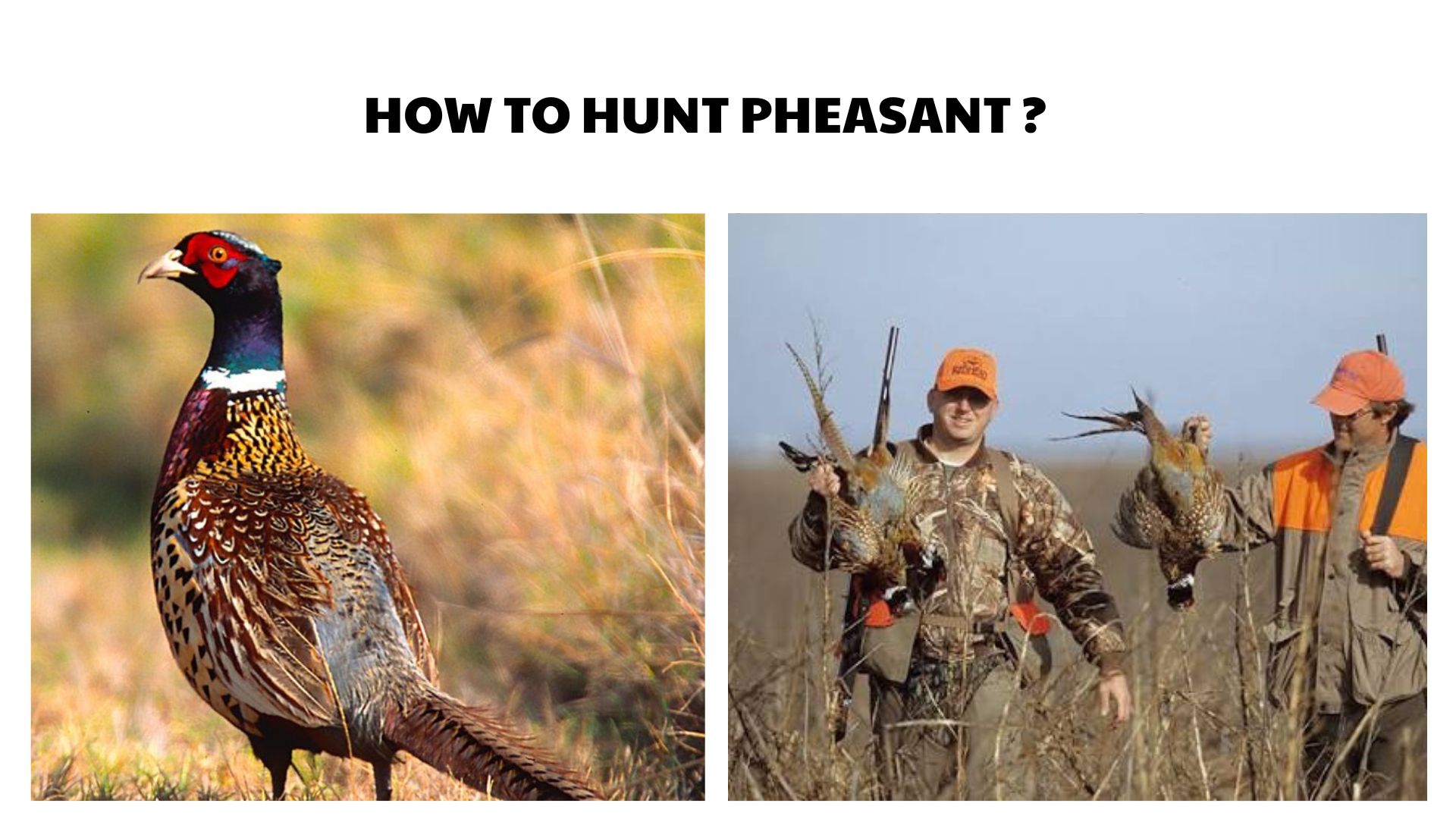
Roosters are usually more colorful, often with long tails, bright head markings, and strong contrast. Hens are generally brown and more camouflaged. Study local identification guides before hunting.
14. What do pheasants eat?
Pheasants eat waste grain, weed seeds, insects, greens, berries, and other seasonal foods. Food near secure cover is especially important.
15. What habitat do pheasants prefer?
Pheasants prefer a mix of nesting cover, brood cover, food, and winter cover. Grasslands, crop edges, ditches, cattails, and shelterbelts can all be useful.
16. How do I scout for pheasant?
Look for tracks, droppings, feathers, dusting areas, roosting cover, feeding areas, and repeated flushes. Focus on places where food and cover meet.
17. What does pheasant sign look like?
Pheasant sign may include three-toed tracks, droppings, feathers, dusting areas, and trails through grass or snow near food and cover.
18. Do I need a dog to hunt pheasant?
No. A dog can help find and recover birds, but beginners can hunt pheasants without a dog by walking good cover slowly and safely.
19. What kind of dog is best for pheasant hunting?
Pointing dogs, flushing dogs, and retrievers can all be useful. The best dog is trained, controlled, safe around firearms, and suited to your hunting style.
20. Can I hunt pheasant without a dog?
Yes. Focus on habitat edges, walk slowly, pause often, and mark fall locations carefully. Without a dog, recovery can be more difficult in thick cover.
21. What shotgun is best for pheasant hunting?
The best shotgun is legal, reliable, comfortable to carry, and one you can handle safely. Fit and safe practice matter more than brand names.
22. What ammunition should I use for pheasant?
Use only legal ammunition for your area and firearm. Shot size, lead restrictions, nontoxic shot requirements, and public land rules may vary.
23. Is nontoxic shot required for pheasant hunting?
It depends on the area. Some public lands, wetlands, or wildlife areas may require nontoxic shot. Always check local rules before hunting.
24. Do I need hunter orange for pheasant hunting?
Hunter orange may be required in some areas and is strongly recommended in tall grass, cattails, and public land. Visibility improves safety.
25. Is camouflage necessary for pheasant hunting?
Camouflage is usually less important than visibility, safe movement, and habitat knowledge. Many pheasant hunters wear blaze orange for safety.
26. Do I need a blind for pheasant hunting?
No. Pheasant hunting usually involves walking cover rather than sitting in a blind. Your route, spacing, dog work, and safe shooting lanes matter more.
27. Do I need a tree stand for pheasant hunting?
No. Tree stands are not used for typical pheasant hunting. Pheasants are usually hunted on foot in upland cover.
28. Can I bowhunt pheasant?
Some areas may allow archery methods, while others may not. Check local regulations and hunt only within your proven ethical ability.
29. Is wind direction important for pheasant hunting?
Yes, especially when hunting with dogs. Working into the wind can help dogs scent birds, while strong wind may make birds flush farther away.
30. Does scent control matter for pheasant hunting?
Scent control is not usually a major focus for hunters, but wind affects dog scenting and bird behavior. Habitat, safety, and movement matter more.
31. What weather is best for pheasant hunting?
Mild conditions can make walking easier, but light snow can reveal tracks and late-season patterns. High wind, extreme heat, deep snow, or ice can create safety issues.
32. Can I hunt pheasant in snow?
Yes, where legal and safe. Snow can reveal tracks and push birds into heavier cover, but hunters and dogs need protection from cold, ice, and fatigue.
33. Can I hunt pheasant in the rain?
Light rain may be manageable with proper clothing, but heavy rain can reduce visibility, make footing difficult, and create unsafe conditions.
34. Why do pheasants run instead of fly?
Pheasants often prefer to run through cover before flushing. This helps them avoid predators and hunters while staying hidden.
35. Why do pheasants flush wild?
Pheasants may flush far away because of pressure, strong wind, open cover, noise, fast walking, or experienced birds that have been hunted before.
36. How do I walk a field for pheasant?
Walk slowly through likely cover, keep safe spacing, watch edges, pause often, and maintain muzzle control. Work with partners and dogs only within safe zones.
37. What is a blocker in pheasant hunting?
A blocker is a hunter positioned at the end of cover to intercept birds that run ahead. Blocking must be done legally and with clear safe shooting lanes.
38. Is group hunting safe for pheasant?
Group hunting can be safe when hunters communicate, wear visibility clothing, maintain spacing, agree on safe zones of fire, and never shoot toward others.
39. What is a safe zone of fire?
A safe zone of fire is the direction where a hunter can shoot without endangering people, dogs, livestock, roads, buildings, or other unsafe backgrounds.
40. Should beginners shoot at every pheasant?
No. Beginners should pass on hens where illegal, low birds, distant birds, unclear targets, birds over dogs, and any unsafe angle.
41. How far should I shoot at pheasants?
Only shoot within your practiced ability and your firearm’s effective pattern. Avoid long, rushed, or uncertain shots.
42. How do I practice for pheasant hunting?
Practice safe firearm handling, muzzle control, and shooting moving clay targets at a range where legal and supervised. Focus on control and safety.
43. What should I carry in an upland vest?
Carry your license, shells, water, snacks, first aid, map, compass or GPS, dog supplies if needed, gloves, and space for harvested birds.
44. How much walking is involved in pheasant hunting?
Pheasant hunting often involves several miles of walking through grass, ditches, crop edges, and cattails. Start with shorter routes and build endurance.
45. How do I find pheasants on pressured public land?
Look for overlooked cover away from obvious parking areas, but stay within legal access. Hunt slowly through thick grass, cattails, shelterbelts, and field edges.
46. What should I do after harvesting a pheasant?
Recover it safely, keep it legally identifiable if required, follow possession and transport rules, cool it promptly, and use the meat responsibly.
47. Do I have to report harvested pheasants?
Reporting requirements vary. Some areas may not require individual reporting, while preserves or special hunts may have records or tags. Check local rules.
48. How do I care for pheasant meat?
Keep birds clean and cool, follow safe food handling practices, and process them according to local rules. Avoid waste and use the harvest respectfully.
49. Can kids or new hunters hunt pheasant?
Yes, where legal, with hunter education, supervision, visibility clothing, safe firearm training, and beginner-friendly routes. Always follow youth hunting laws.
50. Is pheasant hunting expensive?
It can be relatively affordable compared with some big-game hunts. Costs may include license, permits, ammunition, boots, clothing, safety gear, travel, and dog care if applicable.
51. Can I hunt pheasant on a preserve?
Yes, where legal. Preserves may have different rules, fees, seasons, bird limits, tagging systems, and shooting requirements. Confirm rules before hunting.
52. What is the biggest beginner mistake in pheasant hunting?
The biggest mistake is rushing through cover without safe muzzle control or clear bird identification. Slow down, stay visible, and pass unsafe shots.
53. When should I ask for help from a mentor?
Ask for help if you are unsure about firearm safety, regulations, bird identification, dog handling, land access, or recovery. A good mentor can prevent unsafe habits.
54. How do pheasant hunters support conservation?
Hunters support conservation through license fees, habitat programs, public access programs, conservation organizations, ethical participation, and respect for grassland and upland habitat.
55. What is the best way to improve at pheasant hunting?
Hunt better habitat, walk slowly, practice safe shooting, learn from mentors, protect dogs, study bird behavior, keep notes, and review each hunt honestly.
Read more: