

Key Takeaways
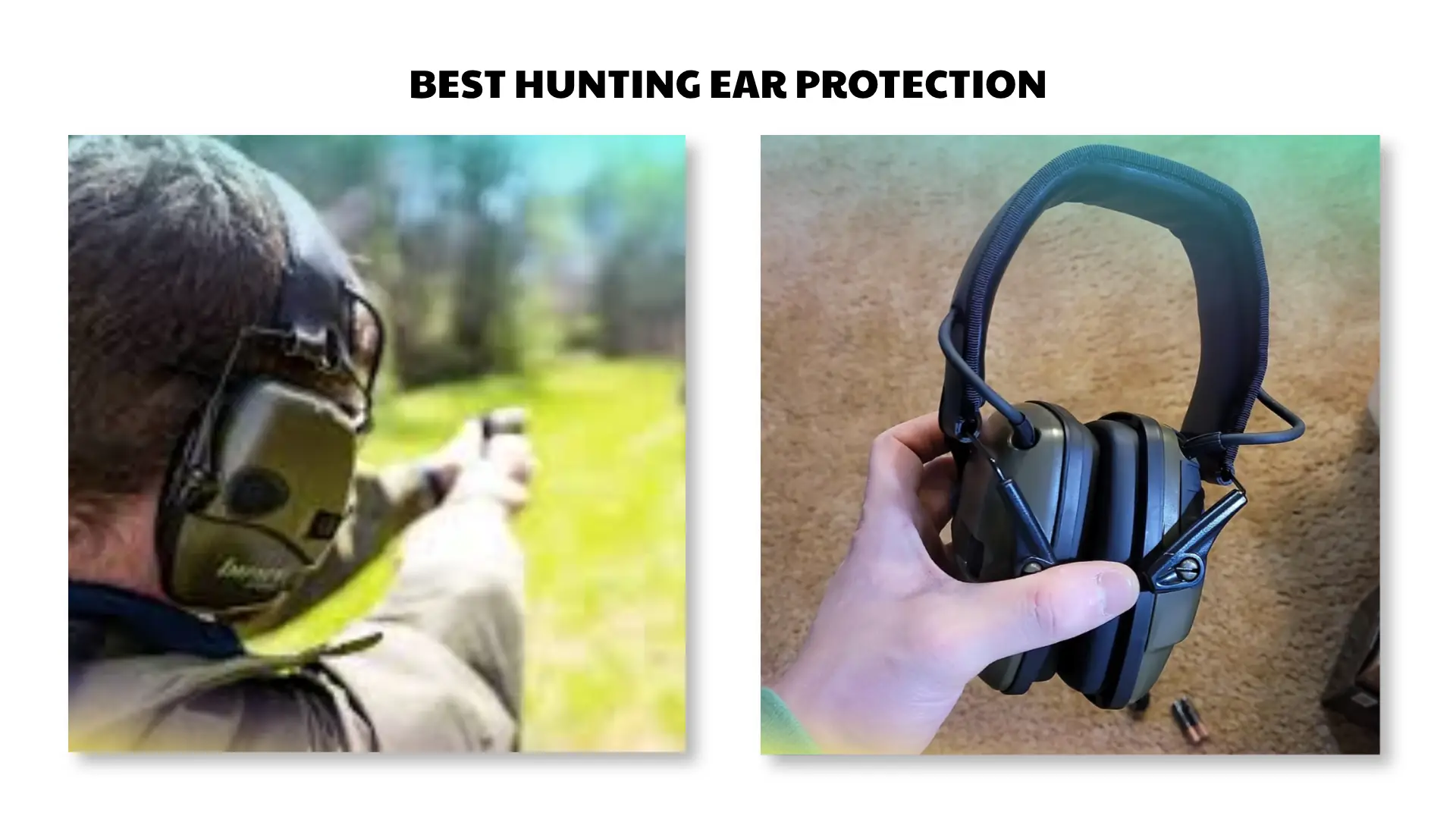
- Electronic earmuffs are the easiest all-around choice for hunters who need conversation and environmental awareness.
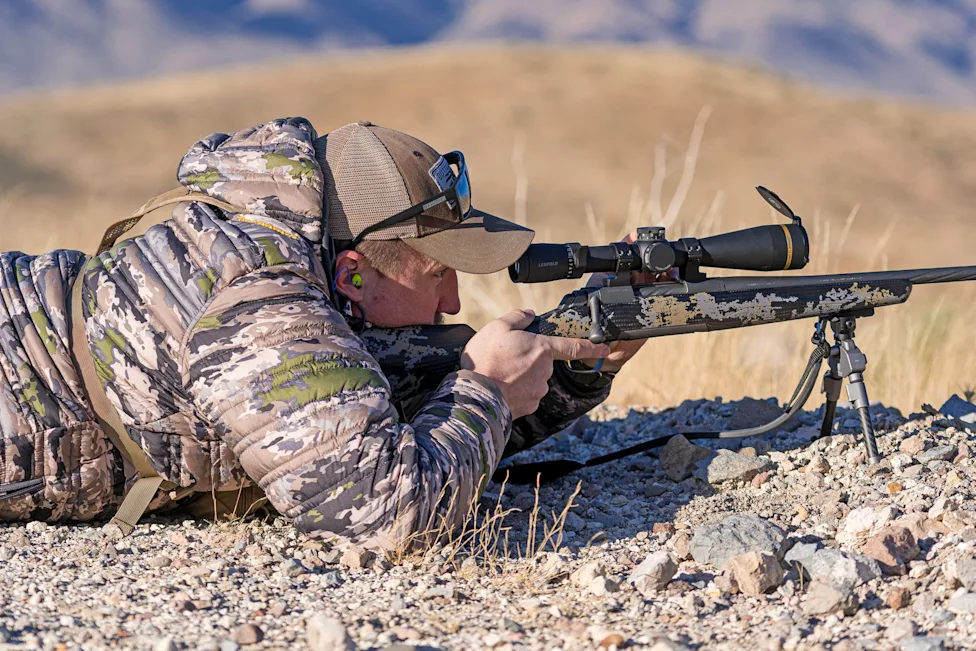
- In-ear protection offers the best stock clearance and warm-weather comfort, but performance depends heavily on tip fit and insertion.
- A higher advertised NRR is useful only when the protector maintains a complete seal in real hunting clothing.
- For indoor, covered, or enclosed shooting environments, properly fitted earplugs beneath earmuffs may be appropriate.
- Always carry passive backup plugs in case batteries, electronics, or charging systems fail.
Quick Picks:
- Best Overall Value: Walker’s Razor Slim Electronic Muff on Amazon
- Best for Directional Awareness: Howard Leight Impact Sport Electronic Earmuff on Amazon
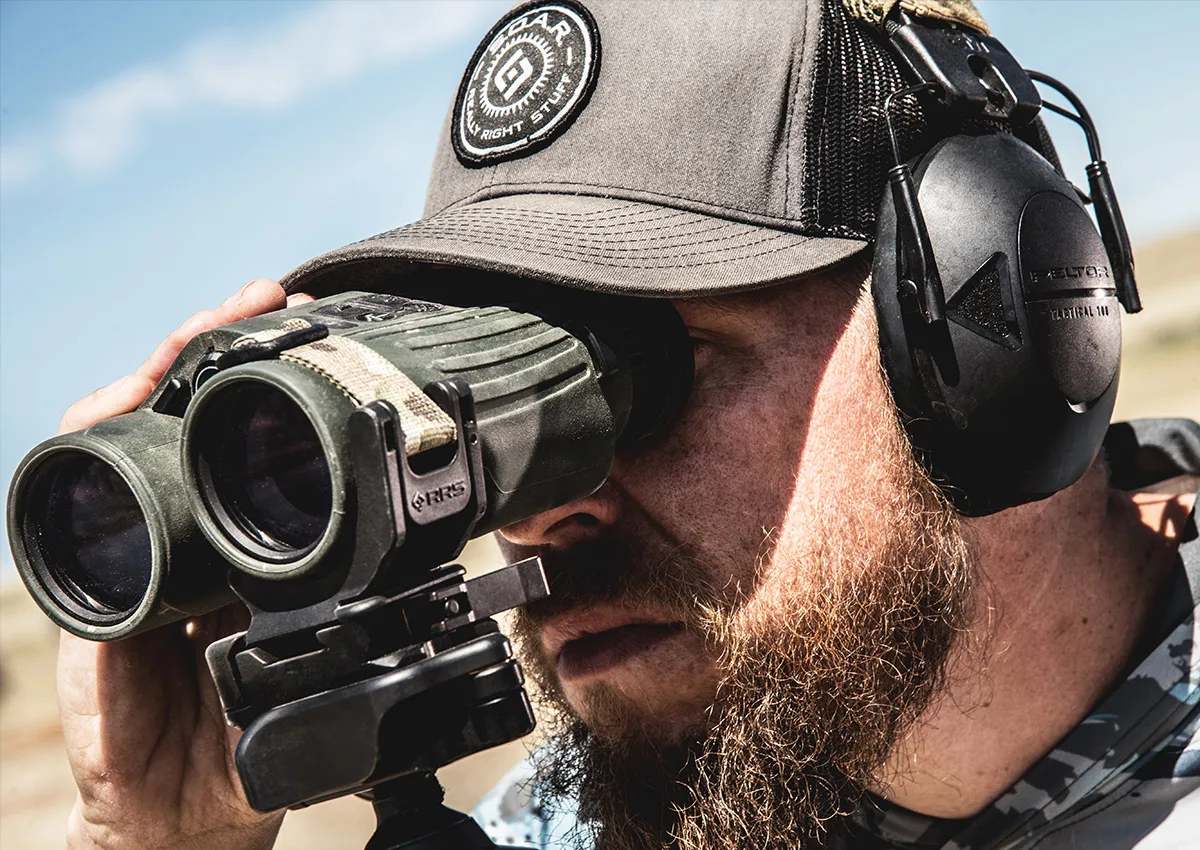
- Best Premium Earmuff: Peltor Sport Tactical 500 Electronic Hearing Protector on Amazon
- Best In-Ear Electronic Pick: Walker’s Silencer 2.0 Bluetooth Rechargeable Earbuds on Amazon
- Best High-NRR Electronic Muff: Howard Leight Impact Pro Electronic Earmuff on Amazon
- Best Compact Peltor: Peltor Sport RangeGuard Electronic Hearing Protector on Amazon
- Best Reusable Earplugs: SureFire EP4 Sonic Defenders Plus on Amazon
- Best Neckband Earbuds: AXIL GS Extreme 2.0 Electronic Earbuds on Amazon
Best Hunting Ear Protection Comparison Table
| Product | Best For | Style | Listed Protection | Environmental Awareness | Power | Check Price |
|---|---|---|---|---|---|---|
| Walker’s Razor Slim Electronic Muff | Best Overall Value | Low-profile electronic earmuff | Manufacturer-listed 23 dB NRR | Ambient-sound amplification | Replaceable AAA batteries | Check Price on Amazon |
| Howard Leight Impact Sport Electronic Earmuff | Best for Directional Awareness | Slim electronic earmuff | Manufacturer-listed 22 dB NRR | Stereo ambient microphones | Replaceable AAA batteries | Check Price on Amazon |
| Peltor Sport Tactical 500 Electronic Hearing Protector | Best Premium Earmuff | Premium electronic earmuff | Manufacturer-listed 26 dB NRR | Adaptive electronic pass-through | Replaceable AA batteries | Check Price on Amazon |
| Walker’s XCEL 100 Digital Electronic Muff | Best Listening Modes | Digital electronic earmuff | Check current model listing | Multiple digital listening modes | Replaceable batteries | Check Price on Amazon |
| Walker’s Razor Tacti-Grip Slim Electronic Muff | Best Secure Headband | Low-profile electronic earmuff | Manufacturer-listed 23 dB NRR | Electronic ambient amplification | Replaceable AAA batteries | Check Price on Amazon |
| PROHEAR 030 Bluetooth Electronic Shooting Earmuffs | Best Budget Bluetooth | Bluetooth electronic earmuff | Manufacturer-listed 22 dB NRR | Amplified environmental sound | Replaceable batteries | Check Price on Amazon |
| Walker’s Silencer 2.0 Bluetooth Rechargeable Earbuds | Best In-Ear Electronic Pick | Rechargeable electronic earbuds | Manufacturer-listed 24 dB NRR | Electronic hearing enhancement | Rechargeable case and earbuds | Check Price on Amazon |
| awesafe GF01 Electronic Shooting Earmuffs | Best Entry-Level Electronic Muff | Budget electronic earmuff | Manufacturer-listed 22 dB NRR | Basic ambient amplification | Replaceable batteries | Check Price on Amazon |
| Peltor Sport RangeGuard Electronic Hearing Protector | Best Compact Peltor | Compact electronic earmuff | Manufacturer-listed 21 dB NRR | Stereo environmental microphones | Replaceable AAA batteries | Check Price on Amazon |
| Walker’s Razor Slim Passive Earmuff | Best Passive Hunting Muff | Passive low-profile earmuff | Manufacturer-listed 27 dB NRR | No electronic amplification | No batteries required | Check Price on Amazon |
| Pro For Sho 34 dB Hearing Protection Earmuffs | Best High-Attenuation Passive Value | Passive compact earmuff | Manufacturer-listed 34 dB NRR | No electronic amplification | No batteries required | Check Price on Amazon |
| SureFire EP4 Sonic Defenders Plus | Best Reusable Filtered Earplugs | Reusable filtered in-ear plugs | Manufacturer-listed 24 dB NRR with filter caps inserted | Filtered design; no electronic amplification | No batteries required | Check Price on Amazon |
| Decibullz Custom Molded Earplugs | Best Moldable Passive Earplugs | User-moldable passive earplugs | Manufacturer-listed 31 dB NRR | No electronic amplification | No batteries required | Check Price on Amazon |
| AXIL GS Extreme 2.0 Electronic Earbuds | Best Neckband Electronic Earbuds | Neckband electronic Bluetooth earbuds | Tip-dependent listed attenuation | Electronic hearing enhancement | Rechargeable battery | Check Price on Amazon |
| Howard Leight Impact Pro Electronic Earmuff | Best High-NRR Electronic Muff | Full-size electronic earmuff | Manufacturer-listed 30 dB NRR | Electronic ambient amplification | Replaceable AAA batteries | Check Price on Amazon |
For a balanced first purchase, the Walker’s Razor Slim and Howard Leight Impact Sport are compact and easy to operate. The Peltor Sport Tactical 500 provides a more premium electronic experience, while the Howard Leight Impact Pro prioritizes a higher listed NRR at the cost of additional bulk. Hunters who cannot tolerate earcups should compare the Walker’s Silencer 2.0, AXIL GS Extreme 2.0, SureFire EP4, and Decibullz options carefully, because in-ear fit is highly personal.
1. Walker’s Razor Slim Electronic Muff
Short Overview
The Walker’s Razor Slim Electronic Muff is a practical starting point for hunters who want electronic hearing protection without moving into a premium price tier. Its slim earcups are easier to position around a rifle or shotgun stock than many bulky full-size muffs. External microphones pass through conversation and environmental sound while the passive shell remains the primary hearing-protection barrier. That combination can be useful in a blind, at a stand, during sight-in work, or while communicating with a hunting partner. The simple volume control is easier to manage with light gloves than small multi-button interfaces. Its folding frame also makes it convenient to keep in a range bag or vehicle kit. Like any low-profile muff, the seal can be weakened by thick eyeglass temples, a hat, hair, or an incorrect headband adjustment. Hunters should confirm that the cushions fully surround the ears before relying on the product. It stands out as a balanced choice for beginners who need straightforward controls, useful awareness, and compact storage.
Key Features
- Slim electronic earmuff profile designed to reduce stock interference
- Dual external microphones for amplified ambient sound
- Single recessed volume control for simple operation
- Foldable headband for compact transport
- Audio input for a compatible external device
Pros
- Good balance of price, awareness, and portability
- Low-profile cups are practical for long guns
- Controls are easy to learn
- Widely available replacement cushions and accessories
Cons
- Stock cushions may feel firm during very long sessions
- Low-profile cups provide less passive bulk than larger muffs
- Wind can create microphone noise at higher amplification settings
Who It’s Best For
Best for deer hunters, new hunters, occasional range users, and anyone who wants a simple electronic muff that is easy to pack and operate.
2. Howard Leight Impact Sport Electronic Earmuff
Short Overview
The Howard Leight Impact Sport remains a popular hunting option because it combines a narrow cup profile with stereo environmental microphones. Stereo pass-through can make it easier to judge whether a sound came from the left or right compared with basic mono amplification. That is useful when listening for movement, following range commands, or communicating with another hunter. The cups fold inward for transport and fit well in many daypacks. The headband is adjustable and the control layout is intentionally uncomplicated. An external audio input adds flexibility for compatible devices, although it should never distract from safe firearm handling or awareness. The listed protection rating is modest compared with bulkier high-attenuation models, so the quality of the seal matters greatly. Buyers should inspect the seller, packaging, model number, and return policy because popular hearing protectors can attract look-alike listings. For outdoor hunting and general range use, it offers a useful mix of natural awareness, manageable weight, and proven design.
Key Features
- Stereo microphones support left-right sound awareness
- Low-profile earcups for use around rifle and shotgun stocks
- Automatic shutoff helps reduce accidental battery drain
- Foldable design for transport
- External audio input and accessible volume control
Pros
- Clear directional awareness for an affordable electronic muff
- Comfortable weight for walking hunts
- Simple controls and common battery type
- Slim profile works well with many long guns
Cons
- Lower listed NRR than large high-attenuation muffs
- Proper fit can be affected by glasses and thick hat bands
- Buyers should take extra care to choose a reputable seller
Who It’s Best For
Best for hunters who prioritize directional environmental sound, lightweight carry, and a familiar low-profile design.
3. Peltor Sport Tactical 500 Electronic Hearing Protector on Amazon
Short Overview
The Peltor Sport Tactical 500 is aimed at buyers who want more refined electronics and stronger listed attenuation than many entry-level slim muffs. Its adaptive sound processing is designed to preserve useful conversation and environmental information while managing sudden impulse noise. The recessed microphones are less exposed than large protruding microphone housings. Bluetooth connectivity can be convenient for lawful, non-distracting communication or audio use away from the moment of firing. The cup size is larger than the slimmest hunting muffs, so a hunter should shoulder the firearm and check stock clearance before field use. The headband and cushions are suitable for extended sessions, although fit remains personal. The interface provides more functions than budget models and may require a short learning period. Hunters who use it in rain or heavy moisture should follow the manufacturer’s care guidance and avoid assuming electronics are waterproof unless the current listing explicitly says so. It is a strong premium choice for users who value sound quality, feature depth, and a higher protection rating.
Key Features
- Adaptive electronic sound suppression
- Bluetooth wireless connectivity
- Recessed microphones
- Voice-guided controls and automatic shutoff
- Higher listed NRR than many slim electronic models
Pros
- Refined ambient audio and communication clarity
- Useful premium control features
- Good option for range and hunting crossover use
- Solid listed attenuation for an electronic muff
Cons
- Bulkier and heavier than minimalist hunting muffs
- Costs more than entry-level models
- More controls to learn before the hunt
Who It’s Best For
Best for frequent shooters, instructors, and hunters who want a premium electronic earmuff with Bluetooth and stronger listed attenuation.
4. Walker’s XCEL 100 Digital Electronic Muff
Short Overview
The Walker’s XCEL 100 is designed for users who want more control over how ambient sound is processed. Multiple listening modes can be useful when moving between conversation, open terrain, a blind, and a shooting line. Voice-focused processing may help make speech easier to understand without simply turning every background sound to maximum volume. The control panel is positioned on the headband area rather than relying only on a small cup-mounted dial. Its electronic design is more advanced than a basic analog pass-through muff, but users should practice with the modes before hunting. A mode that sounds impressive indoors may not be the most natural choice in wind or brush. The earcups are still substantial enough that firearm fit should be checked while wearing normal hunting clothing. Battery condition should be confirmed before every trip, and a passive backup should remain in the pack. This model is most appealing to hunters who enjoy configurable audio and want one set of muffs for several environments.
Key Features
- Multiple selectable digital listening modes
- Voice-clarity processing
- Directional microphones
- Comfort-oriented headband design
- Compact folding construction
Pros
- More listening flexibility than basic electronic muffs
- Useful for mixed hunting and range use
- Controls can be learned quickly with practice
- Good option for users who value speech clarity
Cons
- More complex than a single-knob model
- Exact specifications can vary by current listing
- May be more equipment than an occasional hunter needs
Who It’s Best For
Best for hunters and range users who want selectable sound profiles instead of one fixed amplification setting.
5. Walker’s Razor Tacti-Grip Slim Electronic Muff
Short Overview
The Walker’s Razor Tacti-Grip builds on the familiar Razor Slim format with a headband surface intended to resist unwanted shifting. That can be helpful when a hunter repeatedly raises binoculars, adjusts a hood, or moves through uneven cover. The slim cups remain relatively friendly to rifle and shotgun stocks. Electronic microphones provide environmental sound and conversation between loud impulses. The simple volume wheel keeps operation familiar for anyone who has used standard Razor muffs. Its main advantage over the basic model is not a dramatic change in sound processing but improved stability on the head. Fit should still be tested with the exact cap, beanie, eye protection, and clothing used in the field. A tight-feeling headband is not automatically a better seal if the cushions are sitting on fabric instead of around the ears. This version is a sensible choice for active hunters who like the Razor layout but want less headband movement.
Key Features
- Non-slip Tacti-Grip headband surface
- Slim electronic earcups
- Dual microphones for ambient amplification
- Foldable frame
- Straightforward external volume control
Pros
- Stays positioned well during movement
- Familiar low-profile Razor format
- Easy controls for beginners
- Convenient for active field use
Cons
- Headband texture may catch on some hood fabrics
- Similar electronic performance to other Razor variants
- Stock cushions may need upgrading for all-day comfort
Who It’s Best For
Best for mobile hunters, waterfowlers, and users who frequently adjust headwear or move through brush.
6. PROHEAR 030 Bluetooth Electronic Shooting Earmuffs
Short Overview
The PROHEAR 030 offers Bluetooth and electronic environmental sound at a price that is often below premium connected muffs. Separate controls for entertainment audio and ambient sound can make the interface more practical than one shared volume setting. For hunting, the important function is the ability to hear conversation and environmental cues while maintaining a passive earcup barrier. Bluetooth should be treated as a convenience, not a reason to reduce situational awareness around firearms. The slim profile is easier to use with long guns than large industrial-style muffs. Its fit and cushion seal should be checked carefully because budget models can vary more in perceived comfort from one head shape to another. Users should test the electronics in wind before relying on high amplification settings in open country. The product is a useful choice for occasional hunters who also want a connected muff for mowing, workshop tasks, or travel. It delivers broad functionality, provided the buyer keeps expectations realistic about premium sound quality.
Key Features
- Bluetooth wireless audio connection
- Independent ambient and Bluetooth controls
- Low-profile electronic earcups
- Foldable adjustable headband
- Automatic impulse-noise management
Pros
- Affordable entry into Bluetooth hearing protection
- Useful separate volume controls
- Suitable for hunting and general noisy tasks
- Compact enough for a daypack
Cons
- Audio refinement is below premium models
- Bluetooth can become a distraction if used irresponsibly
- Comfort and clamping force are head-shape dependent
Who It’s Best For
Best for budget-conscious hunters who want Bluetooth convenience without paying for a top-tier electronic muff.
7. Walker’s Silencer 2.0 Bluetooth Rechargeable Earbuds
Short Overview
The Walker’s Silencer 2.0 is for hunters who dislike the heat, bulk, and stock interference of over-ear muffs. Its in-ear format works naturally with brimmed hats, hoods, cheek welds, and binocular harnesses. Electronic hearing enhancement helps preserve conversation and field awareness when the tips seal correctly. The charging case simplifies storage and can provide additional charging away from a wall outlet. Several tip and sizing-fin options are included because the quality of an in-ear seal depends heavily on individual anatomy. Users with narrow, sensitive, or irregular ear canals may find any universal-fit electronic earbud uncomfortable. Wind noise and handling noise can be more noticeable in some in-ear electronic systems, so field testing is important. The earbuds should be fully charged before a hunt, and passive foam plugs should remain available as a backup. For the right ears, this is a compact and versatile alternative to hunting earmuffs.
Key Features
- Rechargeable electronic in-ear design
- Bluetooth connectivity and app support
- Charging and storage case
- Multiple listening modes
- Interchangeable tips and sizing fins
Pros
- No earcup interference with a firearm stock
- Compact and easy to carry
- Good option for warm-weather hunts
- Rechargeable case supports field organization
Cons
- Universal earbud fit will not suit every ear canal
- Small components are easier to lose than earmuffs
- Requires charging discipline
Who It’s Best For
Best for hunters who strongly prefer in-ear protection and are willing to spend time finding the correct tip and fit.
8. awesafe GF01 Electronic Shooting Earmuffs
Short Overview
The awesafe GF01 is a low-cost electronic earmuff for beginners who want more awareness than a passive muff provides. It uses a familiar folding design with cup-mounted microphones and a simple volume control. The earcups are relatively compact, making them easier to combine with a long gun than very large industrial muffs. Its electronics are best viewed as a practical communication aid rather than a premium high-fidelity listening system. For occasional hunting, supervised practice, or keeping a spare set in a gear bag, that simplicity can be useful. The cushions and headband should be checked for even pressure and a complete seal before use. Buyers should also verify the exact color, included case, and accessory package because Amazon variations can differ. As with all budget electronics, testing the unit before the season is more important than trusting it straight from the box. It is a reasonable entry point for users who need basic amplification and compact storage.
Key Features
- Electronic ambient-sound amplification
- Compact folding design
- Adjustable padded headband
- Low-profile earcups
- Simple single-control operation
Pros
- Accessible price for first-time buyers
- Easy to operate
- Compact for storage
- Useful as a loaner or backup electronic muff
Cons
- Less refined audio than premium brands
- Accessory contents vary by listing
- Long-session comfort is highly individual
Who It’s Best For
Best for beginners, occasional hunters, and buyers who need an affordable spare electronic muff.
9. Peltor Sport RangeGuard Electronic Hearing Protector
Short Overview
The Peltor Sport RangeGuard is a compact electronic muff for buyers who want Peltor sound processing without the cost or bulk of the Tactical 500. Its stereo microphones support environmental awareness and conversation during outdoor use. The low-profile cups are better suited to long guns than large high-attenuation earmuffs. The tradeoff is a lower listed NRR, so it should be selected with the actual noise environment in mind. It can work well for outdoor hunting and moderate range use when correctly fitted. For covered firing lines, enclosed blinds, or unusually loud firearms, users may need additional properly fitted in-ear protection. The straightforward interface makes it easy to hand to a new shooter after a brief fitting check. Cushion condition should be inspected regularly because compressed or damaged pads reduce the quality of the seal. This model is a smart middle ground for users who value compact size and natural stereo awareness.
Key Features
- Stereo microphones
- Slim folding earcups
- Automatic shutoff
- External audio input
- Simple power and volume controls
Pros
- Compact Peltor design
- Natural stereo awareness
- Easy to store and operate
- Good hunting and outdoor-range crossover option
Cons
- Lower listed NRR than larger muffs
- Stock cushions may feel shallow for large ears
- Not the first choice for very high-noise enclosed spaces
Who It’s Best For
Best for hunters who want a compact Peltor electronic muff and do most of their shooting outdoors.
10. Walker’s Razor Slim Passive Earmuff
Short Overview
The Walker’s Razor Slim Passive Muff is a dependable option for hunters who prefer simplicity and do not need electronic amplification. With no batteries, microphones, charging case, or controls, there are fewer failure points to manage. Its slim profile is more compatible with rifle and shotgun stocks than many large passive industrial muffs. The higher listed attenuation than many slim electronic models can be attractive for sight-in sessions and range use. The obvious tradeoff is reduced ability to hear quiet conversation, wildlife movement, and environmental warnings while the muffs are worn. That makes it less convenient for active hunting unless the user has a safe, deliberate plan for when the muffs will be on. It is also useful as a backup when electronic batteries fail or weather conditions are unfavorable. The seal must still remain intact around glasses, hats, hair, and clothing. For a low-cost, battery-free solution, it provides straightforward value.
Key Features
- Passive hearing protection with no electronics
- Slim stock-friendly earcups
- Folding adjustable headband
- No batteries or charging required
- Simple backup option for a range bag
Pros
- Reliable and uncomplicated
- Good listed attenuation for a slim muff
- Affordable backup protection
- No battery maintenance
Cons
- Blocks useful environmental sound
- No amplification or directional awareness
- Can be inconvenient for dynamic hunting situations
Who It’s Best For
Best for hunters who want a reliable passive backup, sight-in protection, or a battery-free option.
11. Pro For Sho 34 dB Hearing Protection Earmuffs
Short Overview
The Pro For Sho earmuff is marketed as a compact passive option with a high manufacturer-listed noise reduction rating. It is best considered for range work, zeroing, loud events, or as a backup rather than for all-day active hunting. Because it has no microphones, it blocks both harmful impulse noise and useful environmental sound. That simplicity removes the need to manage batteries and electronic controls. The compact folding design takes up less bag space than many large passive muffs. A high printed rating does not replace correct fit, and real-world attenuation falls when cushions leak around glasses, hair, or clothing. Users should confirm the current certification, model variation, and seller information on the exact Amazon page. The clamping force may also feel stronger than lightweight electronic muffs, especially during long wear. For buyers who value passive attenuation and low complexity, it is a practical comparison option.
Key Features
- High manufacturer-listed passive attenuation
- Compact folding frame
- Adjustable headband
- No electronics or batteries
- Suitable as a range or backup muff
Pros
- Simple and battery-free
- Compact for a high-attenuation design
- Useful for loud practice environments
- Affordable compared with premium electronics
Cons
- No situational-awareness amplification
- Can feel tight on larger heads
- Buyers should verify the exact rating and certification
Who It’s Best For
Best for budget buyers who prioritize passive attenuation over hearing enhancement.
12. SureFire EP4 Sonic Defenders Plus
Short Overview
SureFire EP4 Sonic Defenders Plus are reusable plugs for hunters who want a compact, non-electronic solution. Their flanged stems and retention rings are intended to keep the plugs seated during movement. The filtered design provides different use characteristics depending on how the filter caps are configured, so the instructions matter. They sit lower than earmuffs and do not interfere with a cheek weld, hat, hood, or eyeglass temples. Correct sizing is essential because a plug that feels loose may not provide the expected protection. Some users find multi-flange plugs easier to insert than foam, while others experience pressure or irritation during long wear. The attached lanyard helps reduce the chance of losing a plug in leaves, grass, or a blind. They are also useful beneath earmuffs when additional protection is appropriate. For a small reusable item that can remain in every hunting pack, the EP4 is a practical choice.
Key Features
- Reusable triple-flange earplug design
- Low-profile retention rings
- Filtered configuration with closable caps
- Detachable lanyard
- Multiple sizes available
Pros
- No interference with firearm stocks
- Very compact and easy to carry
- Reusable with proper cleaning
- Can be used under earmuffs when appropriate
Cons
- Correct size and insertion technique are critical
- Not comfortable for every ear canal
- No active environmental amplification
Who It’s Best For
Best for hunters who need compact reusable plugs or a second layer beneath earmuffs.
13. Decibullz Custom Molded Earplugs
Short Overview
Decibullz Custom Molded Earplugs are designed for buyers who struggle to keep standard universal plugs secure. The thermoplastic outer molds can be shaped to the contours of the outer ear by following the manufacturer’s fitting process. A successful mold can improve retention during walking, climbing, and repeated shouldering of a firearm. The system includes interchangeable canal tips, so the seal still depends on choosing and inserting the correct tip. They are compact, battery-free, and easy to store in a small protective pouch. The molding process should be performed carefully and never rushed just before a hunt. If the first fit is uncomfortable or does not seal, the product is designed to be remolded according to the instructions. Some users prefer the secure custom-like retention, while others find the firmer outer mold noticeable during long wear. They are a useful middle ground between disposable plugs and professionally fitted custom protection.
Key Features
- Heat-moldable outer earpieces
- Multiple canal-tip options
- Remoldable design
- Compact carrying pouch
- Battery-free passive protection
Pros
- More secure retention than many basic plugs
- Compact and reusable
- Can be remolded if the first fit is poor
- No stock or headwear interference
Cons
- Requires careful fitting
- Outer molds may feel firm to sensitive ears
- No electronic awareness or amplification
Who It’s Best For
Best for hunters who want a secure moldable plug without paying for professional custom electronic protection.
14. AXIL GS Extreme 2.0 Electronic Earbuds
Short Overview
The AXIL GS Extreme 2.0 combines electronic hearing enhancement, passive in-ear isolation, and Bluetooth audio in a neckband format. The cable and neckband can make the earbuds easier to retain than two completely separate wireless buds. Independent controls allow the user to adjust environmental sound separately from Bluetooth audio. For hunting, the absence of earcups avoids interference with a stock, hat, hood, or warm-weather ventilation. The listed attenuation depends on the selected ear tips and the quality of the seal. Foam tips generally provide a different seal and feel than silicone tips, so both should be tested before the season. Users should not assume that electronic enhancement guarantees natural directional hearing in every wind condition or terrain. The neckband battery must be charged, and a passive backup should remain available. It is best suited to hunters who want an in-ear system but prefer a connected design over loose charging-case earbuds.
Key Features
- Electronic hearing enhancement and protection modes
- Bluetooth audio with separate controls
- Neckband retention
- Interchangeable foam and silicone tips
- Rechargeable battery
Pros
- Stock-friendly in-ear format
- Harder to lose than fully independent earbuds
- Separate environmental and Bluetooth controls
- Good warm-weather option
Cons
- Fit and attenuation are tip dependent
- Neckband can rub against collars or straps
- Requires charging and pre-season testing
Who It’s Best For
Best for mobile hunters who want electronic earbuds with a physical connection between the left and right sides.
15. Howard Leight Impact Pro Electronic Earmuff
Short Overview
The Howard Leight Impact Pro is the strongest choice in this list for buyers who want a high manufacturer-listed NRR and electronic awareness in one earmuff. Its larger cups contain more passive sound-blocking material than slim hunting muffs. That makes it well suited to covered firing lines, enclosed blinds, sight-in sessions, and other high-noise situations. The tradeoff is bulk, weight, and a greater chance of contact with a rifle or shotgun stock. Electronic microphones allow conversation and environmental sound between impulses. The headband and cushions are designed for secure coverage, but users with glasses should still check for seal gaps. Hunters who walk long distances may prefer a lighter model in the field and keep the Impact Pro for range work. For stationary hunts where stock clearance is acceptable, the higher listed attenuation can be reassuring. It is a practical option for users who place protection rating ahead of minimum size.
Key Features
- Full-size electronic earcups
- High manufacturer-listed NRR
- Stereo ambient microphones
- Automatic shutoff
- External audio input
Pros
- Higher listed attenuation than most electronic hunting muffs
- Useful conversation and command awareness
- Good for covered or high-noise shooting locations
- Straightforward controls
Cons
- Bulky around long-gun stocks
- Warmer and heavier during active hunts
- Less compact in a daypack
Who It’s Best For
Best for hunters and shooters who want high listed electronic protection and can accept a larger earcup.
How to Choose the Best Hunting Ear Protection
Start With the Hunting Style
The best hunting ear protection is not automatically the model with the longest feature list. Start by considering how the firearm is used, how quickly a shot opportunity develops, and whether the hunt is stationary or active. A deer hunter in a quiet enclosed blind has different needs from a waterfowler firing several shotgun rounds, an upland hunter walking all day, or a hunter who spends most of the season on the range.
Electronic protection is usually the most convenient choice when the user needs to hear conversation, wildlife movement, dogs, vehicles, or safety instructions. Passive earmuffs and plugs can provide excellent simplicity and attenuation, but they may encourage users to remove protection while waiting for a shot. The best system is one that can remain fitted correctly when it is needed.
Choose Between Earmuffs and Earplugs
Earmuffs are fast to put on, easy to inspect, and simple to share after hygienic cleaning. Electronic muffs can amplify useful environmental sound, but the cups may be warm, bulky, or vulnerable to contact with a rifle or shotgun stock. A low-profile cup reduces interference, although it may also have a lower listed noise reduction rating than a large full-size muff.
Earplugs avoid stock interference and work well with hats and hoods. Their performance is more dependent on insertion technique and ear-canal anatomy. Electronic earbuds are compact and convenient for hunting, but they introduce charging, tip selection, moisture care, and small components that can be lost. Hunters with sensitive ears should not assume that a popular universal earbud will be comfortable.
Understand NRR Without Treating It as a Guarantee
The Noise Reduction Rating is a laboratory-based number used to compare hearing protectors under specified conditions. It is useful for comparing categories, but it does not mean every user receives that exact reduction in the field. Poor insertion, worn cushions, eyeglass temples, hair, a hood, or a loose headband can reduce real-world protection.
Do not compare NRR, SNR, and other regional ratings as though they are identical. Read the current manufacturer page and the exact Amazon listing. When exposure is unusually loud, prolonged, or enclosed, properly fitted plugs under earmuffs may be appropriate. A hearing professional can provide personalized advice for users with tinnitus, hearing loss, unusual ear anatomy, or occupational exposure.
Check the Seal With Your Real Hunting Gear
Fit testing should include the cap, beanie, hood, eyeglasses, safety glasses, facial hair, and jacket collar used during the season. Place the muffs over the ears, adjust the headband, and feel around the entire cushion. The cushion should contact the head evenly without resting on fabric or the arms of bulky glasses.
For plugs, follow the manufacturer’s insertion instructions and test both ears separately. A plug that is comfortable but loose is not a successful fit. Move the jaw, shoulder the firearm safely while unloaded, turn the head, and simulate binocular use. Protection should remain seated through normal movement.
Prioritize Stock Clearance and Cheek Weld
Hunters using rifles and shotguns should mount the unloaded firearm while wearing the hearing protector. Large cups can push against the stock, tilt the muff, or change the shooter’s cheek position. Any of these problems can affect both the seal and consistency.
Slim muffs and in-ear products usually reduce this interference. Full-size high-NRR muffs can still be excellent for range work, enclosed blinds, and stationary use where the stock shape allows clearance. Do not modify the hearing protector or firearm to force compatibility; choose equipment that fits safely in its intended configuration.
Evaluate Ambient Sound and Directional Awareness
Electronic protection should make speech and environmental cues easier to hear without creating a confusing wall of amplified wind and brush noise. Stereo microphones can improve left-right awareness, but microphone placement, processing, wind, and the user’s hearing all affect the result.
Practice at home and in a safe outdoor setting before hunting. Learn the lowest amplification setting that provides useful awareness. Maximum volume is rarely the most natural setting. The electronics do not create the physical protection; the passive earcup or properly sealed ear tip remains essential.
Plan for Wind, Rain, Sweat, and Cold
Hunting equipment is exposed to conditions that a climate-controlled range does not reproduce. Wind may overwhelm microphones. Sweat and rain can affect electronics, cushions, and ear tips. Cold can reduce battery performance and make some cushion materials feel stiffer.
Never assume a device is waterproof because it looks rugged. Check the current manufacturer rating and care instructions. Dry equipment after use, keep charging contacts clean, and store electronics away from direct heat. In cold weather, carry spare batteries close to the body and avoid placing thick fabric beneath earmuff cushions.
Consider Comfort Over Several Hours
Short try-ons do not reveal every comfort issue. Earmuff pressure can build at the jaw or temples, while earplugs can create canal pressure. Gel cushions may improve comfort and the seal around thin eyeglass arms, but replacement cushions must be made for the specific model and installed correctly.
For in-ear systems, test several tip sizes and materials. The left and right ears may require different sizes. Stop using a product that causes pain, skin irritation, drainage, or persistent pressure. Comfort matters because uncomfortable protection is more likely to be removed at the wrong time.
Choose a Dependable Power System
Replaceable batteries are easy to swap in the field, while rechargeable products reduce disposable-battery use and often come with charging cases. Neither is automatically better. The key is a routine that confirms power before every trip.
Carry the correct spare batteries or a charged power bank only when the manufacturer supports that charging method. Keep a passive backup in the pack. Electronic features can fail, but a properly functioning passive protector remains valuable.
Review Controls Before Wearing Gloves
Small buttons can be difficult to identify in darkness or while wearing gloves. A large volume wheel is often easier to operate than a multi-function touch interface. Bluetooth, listening modes, and app controls add convenience but also increase complexity.
Set up and practice with the device before entering the field. Do not troubleshoot menus while handling a loaded firearm. The best control system is one the user can understand without looking at it.
Inspect Seller, Model, Warranty, and Return Terms
Amazon listings may group several colors, sizes, generations, and bundles under one page. Confirm the ASIN, model number, included accessories, seller, condition, warranty eligibility, and return period before ordering. Popular hearing protectors can also attract inaccurate or look-alike listings.
After delivery, compare the product with the manufacturer’s current images and documentation. Test every control in a safe environment. Return a unit that has intermittent audio, damaged cushions, an unreliable battery door, missing parts, or questionable authenticity.
Budget for the Complete System
The purchase price may not include replacement cushions, fresh batteries, a protective case, spare tips, cleaning supplies, or a passive backup. Those items can improve reliability more than an unnecessary premium feature.
Value should be measured by fit, consistent use, serviceability, and suitability for the hunting style. A modest product worn correctly is more useful than an expensive product that stays in the truck because it is uncomfortable or incompatible with the firearm.
Use Hearing Protection as Part of Responsible Hunting
Hearing protection does not replace firearm safety, communication, target identification, or awareness of people, dogs, vehicles, and property boundaries. Electronic amplification should never be used to justify unsafe movement or firing.
Follow hunting licenses, legal seasons, firearm rules, landowner requirements, and local regulations. Protecting hearing is part of responsible long-term participation in hunting and shooting sports.
Common Mistakes to Avoid When Buying Hunting Ear Protection
- Buying only by the highest advertised rating without checking whether the product fits correctly.
- Assuming electronic noise cancellation is the same as the passive barrier that protects against impulse noise.
- Choosing cups that contact the rifle or shotgun stock and break the cushion seal.
- Wearing thick hats, hood seams, hair, or wide eyeglass temples underneath earmuff cushions.
- Using the wrong ear-tip size or inserting plugs too shallowly.
- Turning ambient amplification to maximum and mistaking louder sound for better directional awareness.
- Taking new electronics directly into the field without testing battery life, controls, and wind behavior.
- Forgetting spare batteries, a charged case, or passive backup plugs.
- Ignoring discomfort until it becomes pain or skin irritation.
- Assuming every Amazon variation includes the same model, accessories, rating, or warranty.
- Using Bluetooth audio in a way that reduces awareness around firearms or other hunters.
- Failing to replace hardened, cracked, flattened, or damaged cushions and tips.
Expert Tips for Using Hunting Ear Protection
- Practice inserting plugs or adjusting earmuffs before hunting season.
- Shoulder the unloaded firearm to confirm cup clearance and a consistent cheek weld.
- Use the lowest electronic amplification level that provides useful awareness.
- Carry passive foam or reusable plugs as an emergency backup.
- Check batteries, charging level, cushions, tips, and controls before leaving home.
- Keep ear tips and cushions clean and dry to protect the seal and skin.
- Store electronic protection in a protective case away from extreme heat.
- Consider properly fitted dual protection for very loud or enclosed shooting environments.
- Replace cushions and tips according to condition and manufacturer guidance.
- Stop and seek professional advice if protection causes pain or if hearing changes after noise exposure.
- Keep music and calls secondary to field awareness and safe firearm handling.
- Follow ethical hunting practices, legal seasons, licensing requirements, and local rules.
Final Recommendation
For most hunters seeking a practical balance of price, awareness, low-profile fit, and simple controls, the Walker’s Razor Slim Electronic Muff is the best overall value. Hunters who care most about stereo directional awareness should compare the Howard Leight Impact Sport Electronic Earmuff, while premium buyers should consider the Peltor Sport Tactical 500 Electronic Hearing Protector.
For a higher listed NRR in an electronic design, the Howard Leight Impact Pro Electronic Earmuff is the strongest option in this comparison, although its larger cups require a careful stock-clearance check. Hunters who prefer in-ear protection should compare the Walker’s Silencer 2.0 Bluetooth Rechargeable Earbuds and AXIL GS Extreme 2.0 Electronic Earbuds. Budget buyers and anyone building a backup kit can choose the Walker’s Razor Slim Passive Earmuff or SureFire EP4 Sonic Defenders Plus.
Check the current Amazon listing for the exact model, seller, included accessories, warranty, and return terms. Select protection based on safe fit, verified specifications, comfort, compatibility, field awareness, durability, and responsible use rather than price or advertising alone. Share this guide with hunting partners or family members who are building a safer field kit.
Frequently Asked Questions About Hunting Ear Protection
1. What is the best hunting ear protection for most people?
For many hunters, a slim electronic earmuff is the easiest starting point because it can remain in place while allowing conversation and environmental sound. The best model still depends on stock clearance, head shape, eyeglasses, climate, and the noise environment. A hunter who dislikes earmuffs may be better served by well-fitted electronic or passive earplugs. Fit and consistent use are more important than choosing the most expensive product.
2. Are electronic earmuffs good for hunting?
Electronic earmuffs can be very useful for hunting because microphones pass through lower-level sounds while the earcup provides a passive protective barrier. They help users hear partners, range commands, and some environmental cues without removing the muffs. Their disadvantages include bulk, warmth, wind noise, and possible interference with a firearm stock. Test them with the exact firearm and clothing before the season.
3. Do electronic earmuffs completely block a gunshot?
Electronic muffs do not make a gunshot silent and should not be expected to eliminate all noise. The passive cup, cushion, and seal provide the main physical attenuation, while the electronics limit or compress amplified sound during an impulse. The user’s fit and the surrounding environment strongly affect real-world protection. Very loud or enclosed conditions may call for properly fitted plugs under muffs.
4. What NRR should hunting ear protection have?
There is no single NRR that is ideal for every hunt. Higher listed ratings can be beneficial, but compact electronic hunting muffs often trade some passive attenuation for stock clearance and lower weight. Use the rating as one comparison factor and evaluate fit, exposure, firearm, enclosure, and duration. Do not treat the printed number as a guaranteed field result.
5. Is a higher NRR always better?
A higher verified rating generally indicates greater laboratory attenuation, but it is not the only buying factor. A bulky high-NRR muff that contacts the stock or is repeatedly removed may protect less effectively in real use than a lower-profile product worn correctly. Comfort, seal integrity, and the ability to keep the protector on all matter. The right answer balances attenuation with the hunting method.
6. Should I wear earplugs under earmuffs?
Dual protection may be appropriate for very loud firearms, long shooting sessions, indoor ranges, covered firing lines, or enclosed blinds. The combination is not calculated by simply adding the two NRR values. Electronic muffs can help restore communication while plugs are worn underneath. Users with existing hearing conditions should ask a qualified hearing professional for individual guidance.
7. Are earmuffs or earplugs better for deer hunting?
Earmuffs are quick to position and electronic models can support awareness while waiting in a stand or blind. Earplugs avoid stock interference and may be more comfortable in warm weather, but correct insertion is critical. Stationary hunters may tolerate larger muffs, while mobile hunters may prefer in-ear systems. The better choice is the one that remains correctly fitted through the shot.
8. What is best for waterfowl hunting?
Waterfowl hunters should look for protection that works with repeated shotgun mounting, changing weather, wind, and multiple shots. Slim muffs or secure in-ear products usually interfere less with a shotgun stock. Electronic awareness can help with partners and dogs, but strong wind may create microphone noise. Moisture care and a passive backup are especially important.
9. What is best for upland bird hunting?
Upland hunters often walk for hours and mount the shotgun quickly, so light weight and stock clearance are priorities. A secure in-ear system or slim electronic muff is usually more practical than a large full-size cup. The protector should not interfere with a brimmed hat, glasses, or the shotgun comb. Comfort should be evaluated during a long practice walk, not only a short indoor try-on.
10. Can I use regular work earmuffs for hunting?
Passive work earmuffs can protect hearing when they are correctly rated, fitted, and kept on. They may be bulky and can block conversation and wildlife sounds, making them inconvenient for active hunting. Large industrial cups may also interfere with a long-gun stock. They are often useful for range sessions or as a backup.
11. Are noise-canceling headphones safe for gunfire?
Consumer active-noise-canceling headphones are not automatically certified hearing protectors and should not be substituted for products designed and rated for hazardous noise. Shooting hearing protection relies on a tested passive barrier and appropriate design for impulse noise. Music headphones may also reduce situational awareness. Use purpose-built hearing protection and follow its instructions.
12. How do electronic hunting muffs work?
Microphones pick up surrounding sound and speakers reproduce it inside the cups at a controlled level. When the system detects a loud impulse, it limits, compresses, or interrupts the amplified signal. The physical earcups continue to provide passive attenuation. Electronics improve awareness but do not replace a complete cushion seal.
13. Do electronic muffs work when the batteries die?
Most electronic earmuffs still function as passive earmuffs when the batteries are depleted, because the cup and cushion remain physical barriers. Ambient amplification and other powered features will stop working. The amount of passive protection is based on the model’s construction and correct fit. Carry spare batteries or backup plugs so a dead battery does not end the protection plan.
14. Are rechargeable earplugs reliable for all-day hunts?
Rechargeable earplugs can work well when their runtime comfortably exceeds the planned hunt and the batteries are healthy. Cold weather, high amplification, Bluetooth use, and aging cells can reduce runtime. Charge them fully, test real runtime before the season, and keep passive plugs in the pack. A charging case is useful only if it is also charged.
15. Is Bluetooth useful in hunting ear protection?
Bluetooth can be useful for lawful communication, audio prompts, or general use away from the shot. It is not essential to hearing protection and can become a distraction. Hunters should keep audio low enough to maintain awareness of partners, dogs, vehicles, and other people. Safety and field communication always take priority over entertainment.
16. Can electronic ear protection help me hear animals better?
Some electronic products amplify quiet environmental sound, which may make certain movements easier to notice. Results vary with microphone design, wind, terrain, clothing noise, and the user’s hearing. Amplification can also make leaves, rain, and brush unusually loud. It should be viewed as an awareness aid, not a guarantee of finding game.
17. Does stereo sound matter for hunting?
Stereo microphones can provide more left-right information than a single mono signal. That may improve the ability to locate a partner’s voice or identify the direction of a sound. Processing quality and wind still affect accuracy. Practice with the specific protector before relying on directional cues.
18. Why do electronic earmuffs hiss?
A low level of electronic self-noise can be audible when amplification is high, especially in a quiet environment. Wind, clothing contact, and microphone gain can make the effect more noticeable. Excessive static, intermittent channels, or a major left-right imbalance may indicate a defect. Test the product promptly while it is within the return period.
19. How do I reduce wind noise in electronic earmuffs?
Start by lowering the amplification to the minimum useful setting. Position hoods and hat brims so they do not rub the microphones, and use manufacturer-approved microphone covers if available. Avoid improvised modifications that could trap moisture or affect performance. In severe wind, a passive option may be more comfortable.
20. Will earmuffs interfere with a rifle scope or cheek weld?
The earcup may contact the stock or force the head into a different position, especially on rifles with raised combs. That contact can break the cushion seal and reduce shooting consistency. Test the unloaded firearm from normal positions while wearing all hunting clothing. Choose slimmer cups or in-ear protection if contact cannot be avoided.
21. What ear protection works best with shotguns?
Shotguns are mounted quickly and often have stocks that pass close to the jaw and ear. Slim electronic muffs and in-ear protectors are usually easiest to integrate. Full-size high-NRR muffs can still work if the stock clears them without tilting the cup. Practice mounting safely before the hunt.
22. Can glasses reduce earmuff protection?
Yes. Thick or rigid eyeglass temples can create channels beneath the cushions. Thin, flat safety-glass arms and soft gel cushions may improve the seal, but every combination should be checked. Never remove required eye protection to improve earmuff fit. Choose compatible products instead.
23. Can a beanie or hood go under earmuffs?
Fabric under the cushion can create a leak, even when the muff feels tight. Place the cushions directly against the head whenever possible and arrange the hat or hood around them. Some hunters use earmuff-friendly headwear with minimal seams. Recheck the seal each time clothing is adjusted.
24. How tight should earmuffs feel?
They should apply even pressure sufficient to maintain a full cushion seal without causing pain, numbness, or a headache. Very loose muffs can leak, while excessive clamping force discourages long wear. Adjust the headband equally on both sides. Replace stretched or damaged components rather than bending the frame unpredictably.
25. How do I know whether earplugs are inserted correctly?
Follow the manufacturer’s insertion method and use the correct tip size. Properly fitted plugs usually produce a noticeable and similar reduction in sound in both ears. Speech may sound more internal or muted. A fit-test system or hearing professional provides better confirmation than comfort alone.
26. Can I use different ear-tip sizes in each ear?
Yes. Ear canals are often different sizes and shapes. Use the size that creates a secure, comfortable seal in each ear rather than forcing symmetry. Recheck the fit after jaw movement and normal activity. Stop using a tip that causes pain or skin irritation.
27. Are foam tips better than silicone tips?
Foam tips often expand to fill more of the canal and may provide stronger attenuation for some users. Silicone tips are reusable, easier to clean, and may be faster to insert. Comfort and seal vary by anatomy. Compare both types in a safe test environment and follow the current product instructions.
28. Are custom molded plugs worth it?
Professionally fitted custom plugs can provide excellent retention and comfort when made and verified correctly. User-moldable products cost less and can improve outer-ear retention, but they are not the same as an audiologist-made device. Custom options are especially worth considering for frequent hunters or people who cannot obtain a reliable seal with universal plugs. Electronic custom products are significantly more expensive.
29. How long do earmuff cushions last?
Cushion life depends on sweat, oils, storage, pressure, temperature, and frequency of use. Replace pads that are cracked, hardened, flattened, torn, or no longer rebound evenly. Many manufacturers recommend routine hygiene-kit replacement even when damage is not obvious. Check the instructions for the exact model.
30. How should I clean earmuffs?
Wipe the exterior, headband, and cushions with a soft cloth and a mild solution approved by the manufacturer. Do not immerse electronic cups or allow liquid into microphones, speakers, controls, or the battery compartment. Dry the product at room temperature before storage. Avoid solvents that can damage cushions and plastics.
31. How do I dry wet electronic ear protection?
Turn it off, remove replaceable batteries when the instructions permit, and wipe away surface moisture. Leave compartments open in a dry, ventilated place at room temperature. Do not use an oven, direct flame, or high-heat dryer. Confirm full function before the next use.
32. Can I hunt in rain with electronic earmuffs?
Only if the manufacturer indicates that the exact model is suitable for the expected moisture exposure. Water-resistant is not the same as waterproof. Protect controls and battery compartments, dry the unit after use, and carry passive backup protection. Stop using a device that shows water intrusion or erratic behavior.
33. Does cold weather affect batteries?
Cold can reduce the available output of many batteries and may shorten apparent runtime. Keep spare batteries in an inner pocket, install fresh cells before important trips, and avoid mixing old and new batteries. Rechargeable cases should also be protected from severe cold. Follow the manufacturer’s specified operating range.
34. How often should I replace batteries?
Replace them according to actual runtime, low-battery warnings, and pre-season maintenance rather than waiting for complete failure. Remove batteries during long storage if the manufacturer recommends it. Inspect for leakage or corrosion. Keep fresh spares in sealed packaging.
35. Can children use adult hunting earmuffs?
Only when the adult model adjusts small enough to create an even seal without excessive pressure. Many children need youth-sized protection. An adult should inspect fit every time and supervise all firearm-related activities. Hearing protection does not make a child ready for hunting or shooting without proper training and legal compliance.
36. What is the best ear protection for beginners?
A simple electronic muff with one power and volume control is often easiest for a beginner. It allows communication during instruction and is easy for another person to inspect. The beginner should also learn how to fit passive plugs as a backup. Avoid overwhelming a new user with complex modes before basic safety habits are established.
37. What is the best budget option?
Budget electronic muffs such as the Walker’s Razor Slim or awesafe GF01 offer basic awareness at accessible prices, while passive muffs cost even less. The best budget choice is a genuine product with a clear rating, reliable seller, good return policy, and correct fit. Do not sacrifice authenticity or condition for a small discount. Add backup plugs and fresh batteries to the budget.
38. What is the best premium option?
The Peltor Sport Tactical 500 is a strong premium earmuff in this comparison because it combines refined processing, Bluetooth, and a higher listed rating than many slim models. Premium in-ear systems can be better for stock clearance and heat. The right premium choice depends on whether audio quality, attenuation, compactness, or custom fit is most important.
39. What is the best option for high noise levels?
A full-size high-NRR electronic muff such as the Howard Leight Impact Pro is designed for users who prioritize attenuation over minimum size. Properly fitted plugs beneath muffs may be appropriate in especially loud or enclosed conditions. Confirm that the larger cups do not contact the stock. No product makes hazardous exposure risk-free.
40. What is the lightest option for long walks?
Reusable or electronic in-ear protection usually weighs less on the head and traps less heat than earmuffs. The SureFire EP4, Decibullz, Walker’s Silencer 2.0, and AXIL GS Extreme 2.0 represent different in-ear approaches. Comfort and seal are highly personal. Carry a backup because small plugs and earbuds can be lost.
41. What is best for an enclosed hunting blind?
An enclosed blind can reflect sound and create a more demanding noise environment than open terrain. Higher-attenuation muffs and dual protection may be appropriate, provided stock clearance remains safe. Set up the shooting position while the firearm is unloaded and confirm that walls, windows, and clothing do not disturb the fit. Keep all occupants protected.
42. Can a suppressor replace hearing protection?
A suppressor may reduce firearm noise, but it does not automatically make every firearm, ammunition combination, or environment hearing safe. Action noise, reflected sound, barrel length, and other factors remain relevant. Continue to use appropriate hearing protection unless qualified testing and professional guidance establish otherwise. Follow all applicable laws.
43. Can one gunshot damage hearing?
A single impulse can be harmful, and repeated exposure increases cumulative risk. The exact effect depends on the sound level, distance, firearm, environment, and individual susceptibility. Do not rely on the small number of shots fired during hunting as a reason to skip protection. Consistent use is the safer habit.
44. What should I do if my ears ring after shooting?
Ringing, muffled hearing, pain, or a sudden change after noise exposure should be taken seriously. Move away from further noise and seek prompt medical or audiological advice, especially for sudden or one-sided changes. Do not test the ear with more loud sound. Review the fit and condition of the protection before using it again.
45. Can hearing protection worsen situational awareness?
Passive products reduce environmental sound, and poorly adjusted electronic products can create unnatural amplification or wind noise. Train with the equipment and use the lowest useful gain. Keep visual communication plans with hunting partners and remain aware of surroundings. Never use music or calls in a way that masks safety information.
46. Do gel cushions improve earmuffs?
Gel cushions can improve comfort and may seal more evenly around thin eyeglass temples for some users. They add cost and sometimes weight. Only use cushions designed for the model, because an incorrect replacement can change fit or performance. Inspect the installation carefully before use.
47. Are replacement cushions universal?
No. Cushion shape, mounting method, depth, and acoustic design vary. A pad that appears to fit may not lock securely or preserve the intended seal. Use manufacturer-approved or clearly compatible hygiene kits for the exact model. Recheck the fit after replacement.
48. How can I avoid counterfeit hearing protection?
Buy from the manufacturer, an authorized dealer, or a reputable seller with transparent business information. Confirm the model number, ASIN, packaging, documentation, warranty, and construction against current manufacturer information. Be cautious of unusually low prices and mixed inventory. Return any item with questionable markings, missing documentation, or unreliable performance.
49. Do Amazon ratings prove that ear protection is safe?
Customer ratings can reveal comfort, durability, and usability patterns, but they do not replace manufacturer testing or certification. Reviews may mix different variations and generations. Read the technical information for the exact model and compare it with the manufacturer’s site. Treat ratings as one part of the buying decision.
50. Should I choose a product with the most reviews?
A large review count may indicate long market presence, but it does not guarantee the best fit or the newest design. Popular products can also have combined reviews across colors and bundles. Focus on exact model identity, protection rating, seller, compatibility, and recent verified feedback. Fit remains personal.
51. How important is the return policy?
It is very important because comfort, stock clearance, and ear-tip fit cannot always be predicted. Review hygiene restrictions for in-ear products before purchase. Keep packaging and test the product promptly in a safe, clean environment. Do not damage or modify the product during evaluation.
52. What hearing protection is best for people with tinnitus?
People with tinnitus should prioritize consistent protection and avoid further hazardous exposure. Comfort and the ability to hear communication can improve compliance, but product choice should be individualized. An audiologist can evaluate hearing, ear-canal anatomy, and fit. Hearing protection does not treat tinnitus.
53. Can people with hearing aids use electronic earmuffs?
Some users can wear over-ear protectors over hearing aids, but pressure, feedback, microphone behavior, and the seal can create problems. Turning devices off, changing programs, or using specialized solutions should be discussed with a hearing professional. Do not assume that a hearing aid provides impulse-noise protection. The complete system needs individual evaluation.
54. How often should I test my hearing?
Hunters and frequent shooters benefit from a baseline hearing test and periodic follow-up, especially when they notice ringing, difficulty understanding speech, or unequal hearing. The appropriate interval depends on exposure and professional advice. Testing can identify changes that are easy to overlook. It also helps guide future protection choices.
55. What is the final rule for choosing hunting ear protection?
Choose a genuine, correctly rated product that fits your ears, works with your firearm and clothing, and is comfortable enough to remain in place. Test it before the season, maintain it, and carry a backup. Increase protection for louder or enclosed environments. Responsible hunting includes protecting hearing without compromising firearm safety or awareness.